Written by Mia Kim
There are films that you watch, and then there are films that you inhabit. Woody Allen’s 2008 masterpiece, Vicky Cristina Barcelona, is firmly in the latter category. It’s more than a movie; it’s a sun-drenched, wine-soaked daydream of a Spanish summer. It’s a sensory experience that wraps you in the heat of Barcelona, the lush green of Asturias, and the fiery, unpredictable nature of love itself. The film paints Spain not just as a location, but as a central character—a catalyst for transformation, a landscape where logic and passion engage in a chaotic, beautiful dance. For those of us who left the theater feeling a phantom warmth on our skin and a lingering taste of Spanish guitar, the pull to walk in the footsteps of Vicky, Cristina, Juan Antonio, and María Elena is irresistible. This isn’t just about visiting filming locations; it’s about chasing a feeling. It’s a pilgrimage to the heart of a story that suggests life, like art, is messy, vibrant, and profoundly beautiful. This journey is an invitation to find your own unwritten verse in the poem that is Northern Spain, to see if the magic so vividly captured on screen still lingers in the cobblestone streets and ocean-sprayed cliffs. So, let’s uncork the bottle, let the conversation flow, and wander through the cinematic dreamscape of Vicky Cristina Barcelona.
If you’re inspired to explore other cinematic pilgrimages, consider tracing the faded romance of Blue Valentine’s Pennsylvania.
Barcelona: The Crucible of Desire
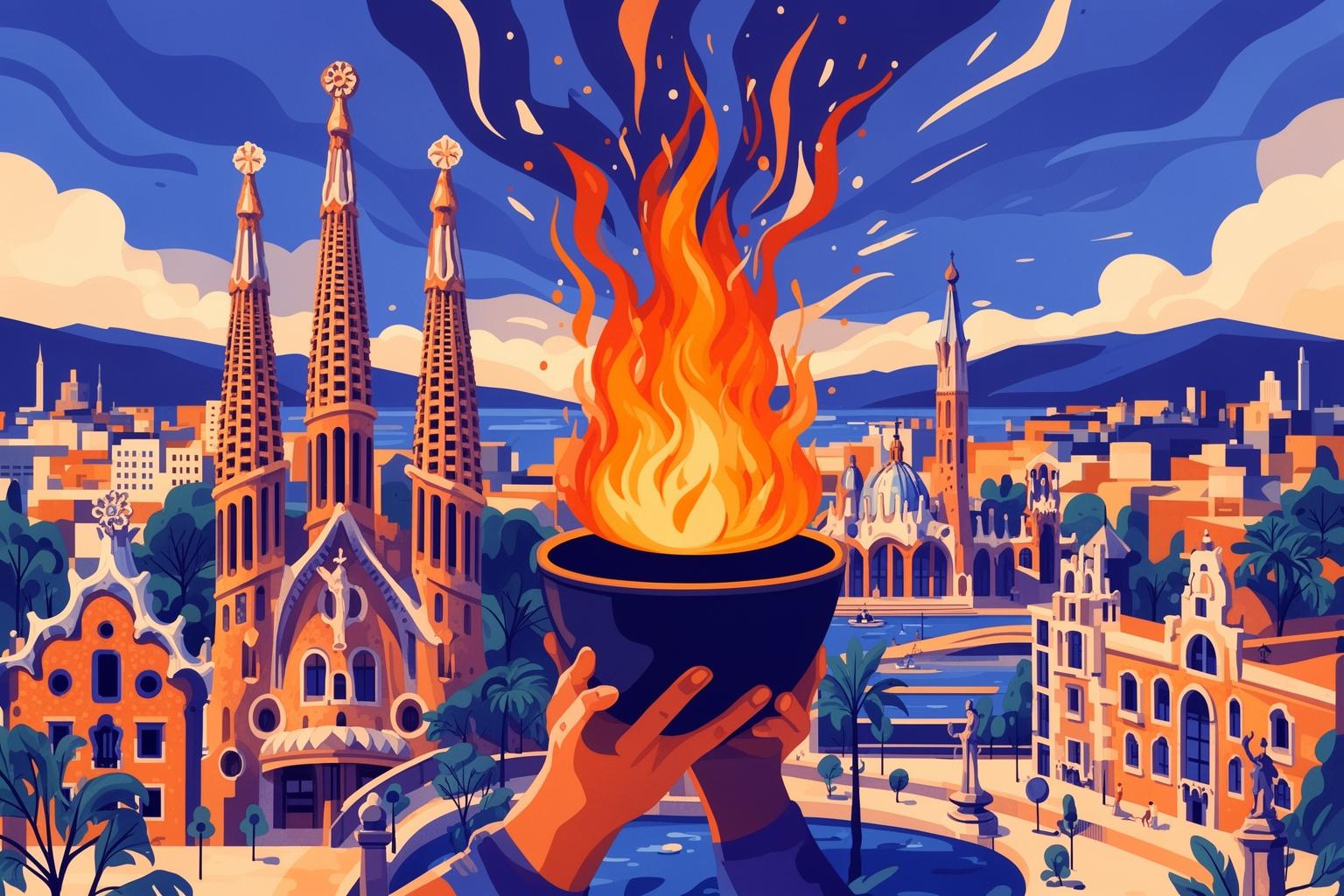
Barcelona in the film is portrayed as a living, breathing organism. It is a maze of Gothic alleys harboring ancient secrets alongside broad, sun-drenched boulevards that hint at fresh starts. It’s the place where Vicky’s meticulously crafted plans begin to unravel and Cristina’s quest for elusive passion finds a willing partner. The city serves as the stage for the film’s core theme: the tension between structured security and spontaneous desire. As we follow the characters, we become more than tourists—we become explorers mapping the terrain of the human heart, guided by Antoni Gaudí’s surreal architecture.
Gaudí’s Dreamscape: Where Art and Passion Intersect
No cinematic depiction of Barcelona would be complete without Antoni Gaudí’s whimsical, organic, and utterly distinctive vision. His work forms the city’s architectural soul, becoming the backdrop for the characters’ unconventional and evolving relationships. His buildings are not merely settings; they reflect the story’s beautiful chaos.
Park Güell
This is where the magic truly sparks. It’s on the mosaic-covered, serpentine bench of Park Güell that Juan Antonio issues his now-famous, bold invitation to Vicky and Cristina. The park itself feels like a living fantasy, a place where the usual rules of architecture are delightfully tossed aside. Sitting on that very bench, feeling the smooth, fragmented tiles—the trencadís—under your fingers, you can almost hear the hum of that crucial conversation. The panoramic view of Barcelona extending toward the sea is breathtaking, framed by gingerbread-like houses and winding paths. The atmosphere is filled with boundless creativity and vibrant energy, encouraging you to dream bigger and take bolder steps. For the modern visitor: the Monumental Zone, which houses the famed bench, now requires a ticket that sells out weeks in advance. Book online and aim for an early morning slot; the golden hour light is exquisite, and you’ll share the view with fewer people, allowing a more immersive cinematic experience. Don’t limit yourself to the main attractions; wander the upper park paths to find quieter areas and equally stunning, if less well-known, architectural details.
La Sagrada Família
Although no specific scene takes place inside, La Sagrada Família remains a constant, awe-inspiring presence in the film’s skyline shots. It is Gaudí’s unfinished masterpiece, a grand ambition spanning three centuries. Standing before its intricate façades inspires humility. The Nativity Façade depicts life through an intricate array of sculptures, while the Passion Façade is stark, angular, and haunting. But the real marvel lies within. When the afternoon sun filters through the towering stained-glass windows, the basilica is flooded with a kaleidoscope of colors, shifting from cool blues and greens to fiery oranges and reds. It feels less like a building and more like a sacred forest of light. This profoundly moving experience transcends any film. Like Park Güell, online ticket booking is essential. Choose a late afternoon time slot to witness the full splendor of the light display, and consider paying extra to climb one of the towers—the dizzying city views and close-up glimpses of the building’s pinnacles are worth every penny.
Casa Milà (La Pedrera)
The film takes us to one of Barcelona’s most exclusive sites: the rooftop of Casa Milà, affectionately called La Pedrera, or “the stone quarry.” Here, amid surreal, stormtrooper-like chimneys, Vicky and Cristina soak in the city’s artistic essence. This rooftop is not flat; it is an undulating landscape of sculptural forms, a playground of arches and stairways offering framed views of the Eixample district below. Walking there feels like stepping onto an alien world. The chimneys, known as espanta bruixes (witch scarers), stand as silent, powerful sentinels of the building. The film uses this space to symbolize the strange and wonderful new world the characters have entered. For visitors, it’s a chance to witness Gaudí’s genius in both its functional and fantastical forms. Visit during the day to appreciate the architectural details, but also consider “La Pedrera: The Night Experience,” which transforms the rooftop with a spectacular audiovisual show, animating the building’s very soul under the stars. This adds a theatrical layer that perfectly complements the film’s dramatic spirit.
The Gothic Quarter: Echoes of History and Whispers of Romance
If Gaudí’s work embodies Barcelona’s fantastical heart, the Barri Gòtic is its ancient, beating pulse. This labyrinth of narrow, winding streets carries the palpable weight of history. It is in these shadowy alleys and sunlit squares that the film’s more intimate, reflective moments take place. Getting lost here is not a danger; it is the very purpose.
Plaça de Sant Felip Neri
This small, secluded square may be the film’s most poignant location. It is here that Juan Antonio recounts his tumultuous relationship with María Elena, gesturing toward the pockmarked walls of the baroque church. The square’s haunting beauty is deepened by its tragic past; the scars on the walls come not from time, but from a bomb dropped during the Spanish Civil War. The atmosphere is one of somber, profound tranquility, with the fountain’s gentle sound often the only break in the silence. It feels sacred and secret, tucked away from the nearby hustle. Finding it is like uncovering a hidden piece of the city’s soul. Early morning or late evening visits, when the square is likely empty, allow full immersion in its powerful, melancholic aura. It offers a moment of quiet reflection, a stark contrast to the film’s more exuberant scenes.
Els Quatre Gats
“The Four Cats” is more than just a cafe; it’s a cultural landmark. This is where Vicky and Cristina first spot Juan Antonio, the man who will irrevocably change their summer. Upon entering, you are transported to the turn of the 20th century. The Modernista decor, dark wood, and Ramon Casas i Carbó’s painting of himself on a tandem bicycle all evoke a bohemian past. It was a favorite haunt of a young Picasso, who held his first exhibition here. The air is thick with the ghosts of artistic debates and impassioned manifestos. The ambiance brims with history and creativity. To step fully into the film’s world, sit at a small table, order a coffee or glass of Cava, and watch the world pass by. The food offers traditional Catalan fare, but the true draw is the atmosphere. It feels like a pilgrimage site for art lovers and cinephiles alike, where Barcelona’s creative past and cinematic present beautifully converge.
Beyond the Center: Views and Vibes
Vicky Cristina Barcelona also ventures beyond the city center, showcasing places where locals go to relax, play, and view their home from fresh perspectives. These locations provide breathing space and deeper insight into the city’s diverse character.
Tibidabo Amusement Park
The scene at Tibidabo Amusement Park radiates pure, innocent charm. Perched high atop a mountain overlooking the city, this vintage amusement park feels like a relic of a gentler, more whimsical time. As the characters stroll through the park, the film captures a sense of innocent fun and breathtaking romance. The real experience is just as enchanting. Riding the colorful Ferris wheel or the iconic Avió airplane ride, operating since 1928, offers unmatched panoramic views stretching from the mountains to the Mediterranean Sea. The park’s vintage charm is its greatest asset, creating an irresistible nostalgic atmosphere. Dominating the summit is the magnificent Temple Expiatori del Sagrat Cor, a church visible from almost anywhere in Barcelona. Take the elevator to the top for a godlike view of the world below. Getting to Tibidabo is part of the adventure; take the historic Tramvia Blau (Blue Tram) followed by the Funicular for the full charming experience.
Parc de la Ciutadella
This expansive green haven is effectively Barcelona’s backyard. In the film, it provides a setting for leisurely moments—perfect for strolling and conversation. The park is a rich tapestry of lush lawns, a peaceful lake where you can rent rowboats, and the spectacular Cascada Monumental, a grand fountain co-designed by a young Gaudí. It’s a place to escape the city’s intensity without leaving it behind. On any given day, locals practice yoga, musicians perform for passersby, and families enjoy picnics. The atmosphere is relaxed and joyful. For an authentic Vicky Cristina Barcelona moment, pack a simple picnic of bread, cheese, and a bottle of wine, find a shady spot on the grass, and let the afternoon unfold naturally. The park also hosts the Barcelona Zoo and the Catalan Parliament, making it a hub of both recreation and civic life.
Asturias: The Verdant Escape
Just as the emotional entanglements in Barcelona reach their peak, the film transports us to Asturias. This “weekend in Oviedo” changes everything. The shift in setting is striking and purposeful. We leave behind the sun-drenched, chaotic vibrancy of Catalonia for the lush, green, and milder climate of Northern Spain. Asturias embodies a different kind of beauty—one that is more classical, refined, and deeply historical. It’s here that Vicky, the pragmatist, finds her carefully ordered world upended.
Oviedo: The Civilized Oasis
Woody Allen famously described Oviedo as a city from a fairy tale, and his fondness for it is evident in every shot. It appears as a place of elegance, culture, and quiet charm, a sharp contrast to Barcelona’s bohemian grit. The city is pristine, the architecture stately, and the atmosphere one of refined tranquility. It sets the perfect stage for a romantic encounter that feels both forbidden and deeply sophisticated.
Hotel de la Reconquista
This is far more than a hotel; it is a palace. The grand 18th-century building where Juan Antonio, Vicky, and Cristina stay epitomizes old-world luxury. Its opulent halls, magnificent courtyards, and richly decorated rooms create the perfect backdrop for the unfolding seduction. The hotel itself is a historical landmark, and even if you’re not a guest, you can enter the main courtyard, as the characters do, to take in its grandeur. The sheer scale and elegance make it clear that this is no ordinary weekend getaway; it’s an immersion into a world of art, history, and high romance. Sitting in the courtyard café, one can easily imagine the charged conversations and secret glances exchanged within these walls. It serves as the anchor of the Oviedo segment, symbolizing the sophisticated escape Juan Antonio offers.
Plaza del Fontán & Market
The scene where the trio explores a bustling market is set in and around the historic Plaza del Fontán, the heart of old Oviedo. This charming, arcaded square hosts a market bursting with sensory delights: vibrant fresh fruits and vegetables, local cheeses like the pungent Cabrales, cured meats, and freshly baked bread. The film perfectly captures the lively, authentic spirit of a local Spanish market, a place to connect with the region’s culinary essence. The air hums with vendors’ chatter and the scent of fresh produce. Don’t hesitate to sample local specialties. Surrounding the square are numerous sidrerías (cider houses), where the Asturian tradition of pouring cider from a height to aerate it can be experienced—a theatrical and delicious ritual offering a true taste of regional culture.
Church of San Julián de los Prados
Juan Antonio, ever the cultural guide, takes the women to this small but historically significant church. A prime example of pre-Romanesque Asturian art and a UNESCO World Heritage Site, the film uses the location to reveal a deeper, ancient facet of Spain. The church’s simple, austere beauty and remarkably preserved frescoes provide a moment of quiet reflection. Situated in a field, slightly removed from the city’s core, it exudes solemn isolation. Visiting it feels like stepping back over a thousand years. It highlights Juan Antonio’s character as someone deeply connected to his country’s art and history, wielding it as part of his seduction. For travelers, it offers a fascinating glimpse into an often-overlooked period, a quiet and profound experience distinct from Spain’s grander cathedrals.
Avilés: Coastal Charm and Industrial Soul
From Oviedo’s elegance, the journey moves to the coastal town of Avilés. Here, the landscape turns rugged, and the emotions rawer. Avilés, with its quaint medieval old town and grittier industrial port, forms the perfect backdrop for María Elena’s fiery reentry into the story. Its proximity to the wild Cantabrian Sea mirrors her untamable nature.
The Lighthouse of San Juan de Nieva (Faro de Avilés)
Possibly the most dramatic and emotionally charged location in the film, this windswept lighthouse stands atop cliffs overlooking the turbulent sea. Here, Juan Antonio and María Elena engage in a passionate, Spanish-fueled confrontation and eventual reconciliation. The setting is stunningly wild—the Atlantic wind howls, waves crash against the rocks, and the air carries a sharp salt scent. The lighthouse stands as a lone, stoic witness to their emotional tempest. Being there allows one to feel the raw power of nature and the intensity of the scene. The walk to the lighthouse along the breakwater, with sea on both sides, is an experience in itself. This location perfectly externalizes the characters’ internal turmoil; it is a place of conflict, passion, and breathtaking natural beauty. It’s a must-see for fans of the film, where cinema and reality merge beautifully.
Old Town Avilés
The film’s walk-and-talk scenes through Avilés spotlight one of Asturias’ best-preserved old towns. Calle Galiana, with its distinctive arcades and wooden porticoes, is especially memorable. The architecture blends medieval, baroque, and modernist styles charmingly. Wandering these streets feels like stepping back in time. The film captures the intimate, historic atmosphere, making the town feel both romantic and authentic. Less touristy than many Spanish destinations, it offers a relaxed, genuine experience. You can easily spend an afternoon exploring narrow streets, discovering hidden plazas, and admiring beautifully preserved buildings, feeling as if you’ve walked right into a scene from the movie.
The Unfinished Masterpiece: Finding Your Own Spain
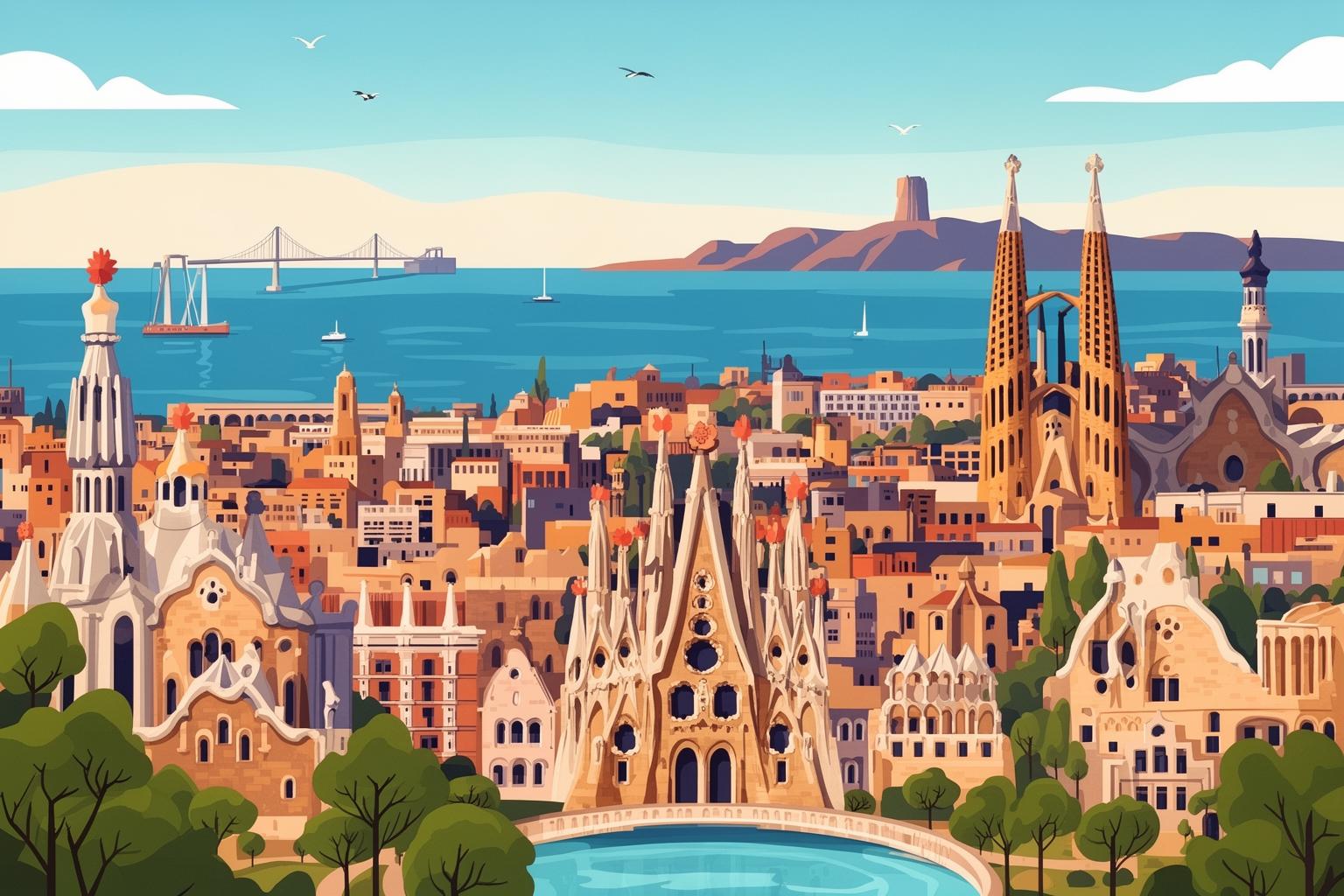
A pilgrimage to the locations of Vicky Cristina Barcelona is more than just ticking off a list of sights. It’s an active quest to capture the feeling the film inspires: that intoxicating mix of beauty, romance, chaos, and self-discovery. The film offers a romanticized, almost dreamlike portrayal of Spain, and that is where its magic lies. It extends an invitation—to see these places not merely as they are, but as they could be: backdrops for your own stories, your own passions, your own unexpected detours.
To craft your own journey, embrace the film’s spirit. In Barcelona, allow yourself to wander aimlessly through the Gothic Quarter without a map. Sit in a plaza with no agenda other than sipping coffee and watching the life of the city unfold. Let the surreal forms of Gaudí’s architecture inspire you to view the world from a fresh perspective. Renting a car to explore Asturias is highly recommended, giving you the freedom to uncover your own hidden beaches and charming villages, just as the characters did. Feel the cool Atlantic breeze at Faro de Avilés and understand why it became the perfect backdrop for such a passionate moment.
Perhaps the greatest lesson from the film is that life, like travel, seldom goes according to plan. Vicky arrived in Spain with a dissertation and a fiancé; she left with a profound confusion far more honest than her former certainty. Cristina came searching for something undefined and found it, however briefly, in the most unconventional of ways. The locations in the film are the crucibles where these transformations occurred. They are places that challenge assumptions and open up new possibilities. Your own journey through them should do the same. Don’t simply replicate the movie; use it as a starting point. Talk to strangers. Try dishes you can’t pronounce. Stay out later than intended. Let the rhythm of Spain seep into your soul. The film doesn’t end with a tidy resolution, but with characters forever changed, carrying the “unfinished masterpiece” of their summer within them. That, ultimately, is the most beautiful souvenir you can bring home from this pilgrimage: not just photographs of iconic locations, but the lingering echo of a Spanish summer that continues to shape and color your own unique story.