There’s a pulse in Ubud, a rhythm that beats just beneath the surface of the earth. It’s a gentle, steady hum you feel more than you hear, a vibration that seems to emanate from the ancient banyan trees and the moss-covered stones of its thousand temples. Nestled among emerald rice paddies and steep, jungle-choked ravines in the central foothills of Bali, Ubud is more than a destination; it’s a state of being. For decades, it has been a haven for artists, thinkers, and spiritual seekers, a place where the veil between the material and the mystical feels impossibly thin. The world may have discovered it through a best-selling book and a Hollywood movie, but Ubud’s soul was ancient long before it found fame. It is a place that calls to those who are searching—for peace, for healing, for connection, or simply for a moment of profound stillness in a world that never stops spinning. It’s a place to exhale, to let go of the noise, and to listen to the whispers of your own heart, echoed in the rustling of palm leaves and the gentle flow of the sacred Ayung River. To come here is to embark on an itinerary of the soul, a journey inward guided by the island’s profound spiritual energy and its unwavering dedication to balance and harmony.
This inward journey mirrors the kind of spiritual pilgrimage that many seekers undertake to map their inner landscapes.
The Unseen Architecture: Understanding Balinese Spirituality
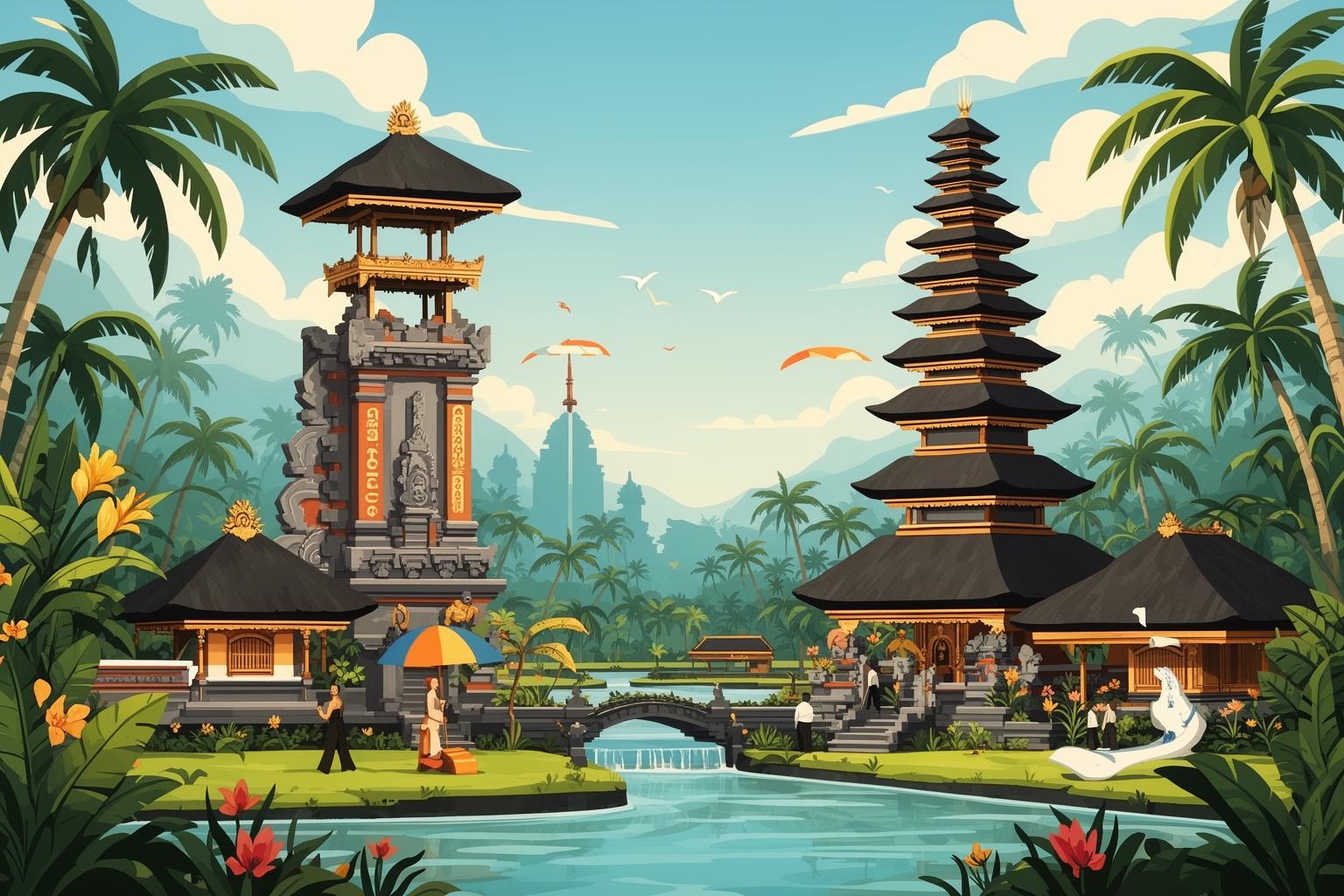
The magic of Ubud lies not only in its stunning landscapes but is also deeply embedded in daily life through a philosophy called Tri Hita Karana. This revered principle, meaning “three causes of well-being,” forms the spiritual core of Balinese culture, guiding the island’s residents toward harmonious living. It highlights the profound, interconnected relationships between humans and the divine (Parahyangan), among people within their community (Pawongan), and between humanity and the natural environment (Palemahan). This philosophy is visible everywhere you look. It appears in the intricately made daily offerings, the canang sari, placed at every doorstep, shop, and even on taxi dashboards—small woven palm leaf baskets holding colorful flowers, rice, and a stick of incense, symbolizing a fragrant gesture of thanks to the gods. The sweet, smoky aroma of sandalwood and frangipani incense is Bali’s unofficial signature scent, a gentle, constant reminder of a world beyond what the eye can see. It’s also reflected in the design of family compounds, aligned with sacred mountains and seas, and in the complex irrigation system of the rice terraces, the subak, a UNESCO World Heritage site that represents communal engineering and spiritual practice sustaining the island for over a millennium. This philosophy fosters an atmosphere of deep reverence. Life in Ubud flows as an ongoing ceremony, a graceful balance between light and dark, sacred and everyday. The ever-present temples—ranging from grand royal palaces to small moss-covered household shrines—are not simply monuments but living centers of community and devotion, where the air resonates with gamelan music and the soft murmur of prayers.
A Sanctuary for the Body: The Yoga Journey
Ubud has rightfully gained its reputation as one of the world’s premier yoga capitals. It is a place where yoga transcends mere physical exercise, becoming a moving meditation and a journey toward greater self-awareness. The vast array of studios and styles is impressive, accommodating practitioners of all levels, from inquisitive beginners to experienced yogis. Yet, what truly distinguishes the experience is the setting. Picture yourself performing sun salutations in an open-air shala, a pavilion made from bamboo and reclaimed wood, topped with a thatched roof and polished teak floors beneath your feet. The walls are open to the environment, allowing a gentle breeze to cool your skin as you flow. Instead of mirrors, your view stretches out over a lush jungle, a sprawling sea of green reaching to the horizon. Your soundtrack is not a curated playlist but the natural symphony of crickets chirping, distant tropical birds calling, soft raindrops falling on leaves, and the gentle babble of a nearby stream. This is yoga in Ubud.
Studios such as The Yoga Barn and Radiantly Alive stand as iconic institutions, offering extensive schedules with world-renowned instructors. Here, you can experience everything from the vibrant heat of a Power Vinyasa class to the deep, restorative stillness of Yin Yoga, where poses are held for several minutes to stretch the connective tissues. You might find yourself suspended in an aerial yoga session, enveloped in silk hammocks, or partnered in an AcroYoga workshop that fosters trust and communication. However, the experience reaches well beyond physical poses. Many classes incorporate elements of Balinese spirituality, beginning with a moment of silent intention-setting or the soft chanting of a mantra. The true gift of practicing here lies in the integration of mind, body, and spirit. A sound healing session offers a unique experience: lying comfortably in the warm, humid air, you are immersed in the resonant tones of Tibetan singing bowls, gongs, and chimes. The vibrations wash over and through you, dissolving tension and quieting the constant mental chatter, leaving you in a profound and peaceful state. Whether you seek to deepen your physical practice or simply find a moment of quiet connection with your body, the yoga shalas of Ubud offer a sacred space to unfold.
Nourishing from Within: Ubud’s Culinary Awakening
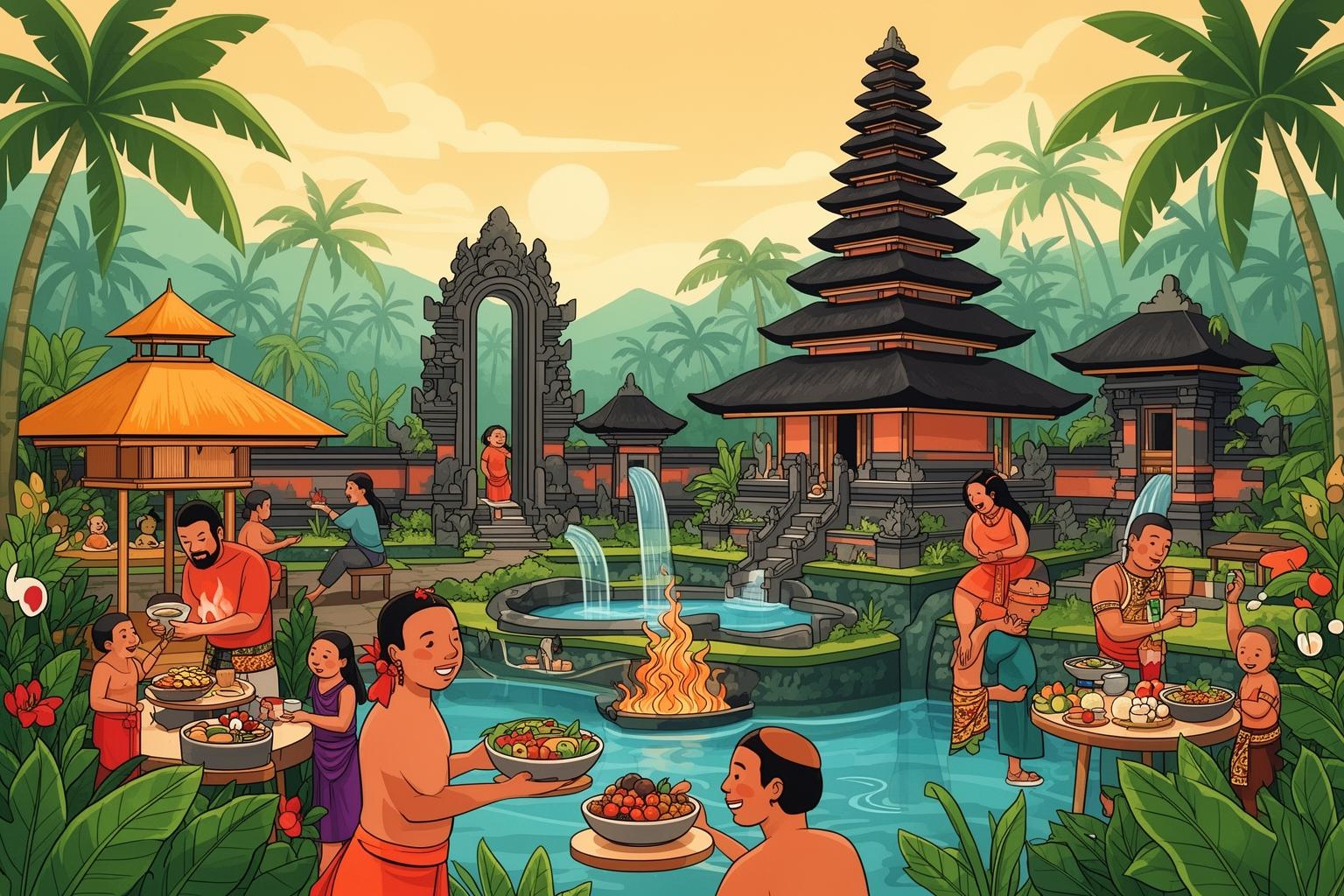
Ubud’s approach to wellness is deeply intertwined with its food culture. This town recognizes that what we consume is a vital form of self-care. The culinary landscape here is a vibrant mix of flavors, colors, and philosophies, where healthy eating is about joyful, delicious abundance rather than restriction. In recent years, Ubud has emerged as a global hub for plant-based, vegan, and raw food cuisine, showcasing boundless creativity. Forget dull salads; here, menus burst with vitality. Imagine starting your day with a smoothie bowl resembling a piece of art—a rich, creamy blend of tropical fruits like mango, dragon fruit, and passionfruit, topped with homemade granola, fresh coconut flakes, and edible flowers. For lunch, you might savor a raw lasagna layered with zucchini and cashew cheese or enjoy savory jackfruit tacos that perfectly replicate the texture of pulled pork. The cafes, often tucked away in lush gardens or overlooking rice fields, serve as peaceful sanctuaries, designed with natural materials and a relaxed, bohemian vibe. Establishments like Sayuri Healing Food, Alchemy, and The Seeds of Life are more than restaurants; they function as community hubs where people come together to share nourishing food and mindful conversations.
The Flavors of the Island
While Ubud’s plant-based offerings are exceptional, it would be a mistake to overlook the rich and complex flavors of traditional Balinese cuisine. Visiting a local warung, a small family-run eatery, provides a glimpse into the island’s soul. Balinese dishes are defined by their powerful spice paste, basa gede or bumbu, a fragrant blend of dozens of ingredients such as galangal, turmeric, ginger, chili, and lemongrass, all carefully ground on a stone mortar. This spice blend forms the foundation for numerous dishes. You must try Nasi Campur, featuring a scoop of steamed rice surrounded by several small portions of various dishes—perhaps grilled chicken satay with peanut sauce, a spoonful of urap (steamed vegetables with seasoned coconut), crispy fried tofu, and a dollop of fiery sambal matah, a raw shallot and lemongrass relish that bursts with flavor. For a true ceremonial feast, seek out Bebek Betutu, a whole duck stuffed with spices, wrapped in palm leaves, and slow-cooked or steamed for hours until the meat is incredibly tender and falls off the bone. Although much of the wellness cuisine is plant-based, it is important to acknowledge that ceremonial dishes like Babi Guling (suckling pig) play a central role in Balinese Hindu rituals and celebrations, reflecting a deep cultural tradition. Exploring the full range of Balinese food is to truly understand the island itself—a place of beautiful, delicious harmony.
From Farm to Table
The secret behind Ubud’s exceptional food, both modern and traditional, lies in the outstanding quality of its ingredients. The fertile volcanic soil and tropical climate support an incredible variety of fruits, vegetables, and spices in abundance. ‘Farm-to-table’ is not just a trend here; it’s a way of life that has thrived for centuries. Many restaurants cultivate their own organic gardens, and a stroll through the countryside reveals permaculture farms and community-supported agriculture initiatives. To truly connect with the source of this bounty, consider joining a Balinese cooking class. The experience usually begins with a morning tour of a local market—a dizzying, exhilarating assault on the senses. You’ll weave through bustling aisles piled high with exotic fruits, pyramids of fiery chilies, baskets of fragrant herbs, and women carefully weaving canang sari. A guide will introduce you to the essential ingredients of the Balinese kitchen before you retreat to a beautiful kitchen, often within a traditional family compound, to learn the art of grinding your own spice paste and preparing a multi-course Balinese meal from scratch. It’s a wonderfully immersive experience that heightens your appreciation for the culture and the care invested in every bite.
The Path to Inner Peace: Meditation and Healing
Beyond the mat and the plate, Ubud offers a profound journey into the realms of the mind and spirit. It serves as a world-class center for meditation, healing, and personal transformation, drawing on both ancient Balinese customs and global spiritual practices. The energy of the land itself encourages introspection. There is a tranquility here, a stillness that invites you to slow down, breathe, and simply be present. For those seeking to establish or deepen a meditation practice, numerous options are available. You can participate in guided meditation sessions focusing on mindfulness, loving-kindness, or chakra balancing. Silent retreats, ranging from a single day to several weeks, provide a powerful space for deep inner work. Unique centers like the Pyramids of Chi offer sound healing sessions inside enormous, purpose-built pyramids designed to amplify healing frequencies, creating a truly otherworldly experience that can leave you feeling cleansed and recalibrated on a cellular level.
The Art of Balinese Healing
For centuries, the Balinese have developed a sophisticated traditional healing system called Usada Bali. This holistic approach views illness as an imbalance within the body’s energy systems and aims to restore harmony through various methods. At the core of this tradition are the Balian, or traditional healers. A consultation with a Balian is a deeply personal experience, and finding a reputable healer often comes through word-of-mouth. They may combine herbal medicine, massage, and energy work to diagnose and treat ailments. More accessible to visitors are the remarkable healing bodywork therapies. A traditional Balinese massage is a sublime experience, distinct from other massage styles. It involves long, flowing strokes, gentle stretches, acupressure, and aromatherapy to soothe damaged tissues, relieve strained muscles, and calm the nervous system. The experience is often enhanced by the setting—a private pavilion overlooking a river valley or a room filled with the scents of jasmine and ylang-ylang. Another cherished practice is the ritual flower bath, or mandi lulur. Following a full-body scrub and massage, you immerse yourself in a warm bath filled with petals from numerous tropical flowers. It is an act of purification and beautification that feels utterly indulgent and deeply therapeutic. For a profound spiritual cleansing, many visitors seek a melukat ceremony. This water purification ritual is conducted at a holy spring temple, such as the renowned Tirta Empul. Led by a priest, participants move through a series of fountains, dipping their heads under the cool, rushing water of each, symbolically washing away negative energies and purifying the soul. It’s a powerful, moving experience that connects you to the heart of Balinese spiritual life.
Exploring the Emerald Heart: Nature as a Healer

The healing power of Ubud extends beyond its studios and spas; it resides within the very land itself. The surrounding countryside is a stunning blend of natural and human-made beauty, inviting you to wander, explore, and reconnect with the earth. Immersing yourself in this emerald embrace is an essential part of any wellness journey here.
The Tegalalang Rice Terraces
The iconic rice terraces of Tegalalang are among Bali’s most photographed landmarks, and with good reason. The valley is carved into a cascade of vibrant green tiers, a breathtaking tribute to generations of cooperative farming. To fully appreciate their beauty, visit early in the morning as the sun begins to rise. At this time, the crowds have vanished, and a mystical mist often lingers in the valley. The first rays of golden light sparkle on the dew-covered rice blades, accompanied only by the gentle trickle of water through the subak channels and the distant crowing of a rooster. You can walk down into the valley and explore the narrow paths winding through the paddies. This offers a chance to witness the timeless rhythm of rural life and marvel at the ingenuity and spiritual devotion that shaped this remarkable landscape. As you stroll, a deep sense of peace will wash over you, connecting you to something ancient and enduring.
Chasing Waterfalls
The jungles surrounding Ubud are threaded with rivers that carve through volcanic rock, forming dozens of spectacular waterfalls. Each waterfall has its own distinct character. Tegenungan is one of the most powerful and accessible, with a roaring curtain of water plunging into a deep pool perfect for swimming. For a more tranquil experience, visit Tibumana Waterfall. After a pleasant walk through palm groves and over bamboo bridges, you’ll discover a hidden cove where a crystal-clear stream cascades into a serene turquoise pool, resembling a secret paradise. Kanto Lampo offers another unique setting, where water flows down a wide terraced rock face, creating a natural playground to climb and feel the refreshing spray on your skin. The journey to these waterfalls adds to the adventure, winding along country roads past small villages and lush forests. The reward is always the same: the raw, revitalizing energy of nature and the pure joy of immersing yourself in cool, pristine water.
The Campuhan Ridge Walk
For a gentle yet stunningly beautiful trek on the edge of town, the Campuhan Ridge Walk is ideal. This paved trail stretches for a couple of kilometers along the top of a grassy ridge, providing panoramic views of lush river valleys on both sides. The best times to walk here are at sunrise or sunset, when the light is soft and golden and the air is refreshingly cool. The walk begins near the historic Pura Gunung Lebah temple, a powerful energy site where two sacred rivers meet. As you climb the ridge, the sounds of the town fade away, replaced by the rustling alang-alang grass and the hum of insects. It’s a simple, meditative stroll that clears the mind and lifts the spirit, reminding you that in Ubud, profound peace and natural beauty are always just steps away.
A Practical Guide to Your Ubud Retreat
Planning a trip to a destination as rich and multifaceted as Ubud can feel overwhelming. Having some practical knowledge can help make your journey smoother, allowing you to focus on relaxation and rejuvenation from the moment you arrive.
Getting There and Around
Most international travelers fly into Ngurah Rai International Airport (DPS) in Denpasar, located in southern Bali. From the airport, it takes about 60 to 90 minutes to reach Ubud, depending largely on traffic. You can arrange a pre-booked car through your hotel, hire an official airport taxi, or use ride-hailing apps like Gojek or Grab. Once in Ubud, the town center is easily walkable, but for exploring the surrounding areas, transportation is necessary. Renting a scooter is the most common and freeing way to get around, giving you the chance to explore winding country roads and uncover hidden temples and waterfalls. However, only do this if you are an experienced, confident rider with a valid international driving permit, as traffic can be chaotic. Alternatively, hiring a private driver for a day is surprisingly affordable and lets you relax while enjoying the scenery, benefiting from local expertise.
Where to Stay
Ubud’s accommodation options are as varied as its visitors. For ultimate luxury and tranquility, you’ll find world-class resorts and wellness retreats perched along the edge of the Ayung River gorge, featuring private villas, infinity pools, and in-house spas. Boutique hotels and private villas provide a more intimate experience, often with stunning views overlooking rice paddies. For travelers on a tighter budget, numerous charming guesthouses—called losmen or homestays—offer a wonderful opportunity to connect with a Balinese family and experience their renowned hospitality firsthand. Consider staying just outside the bustling town center for a quieter and more immersive experience in nature.
When to Visit
Bali has two main seasons: the dry season, roughly from April to October, and the rainy season, from November to March. The dry season boasts the most sunshine and is the peak tourist period. The rainy season brings more humidity and daily downpours, which tend to be brief and intense, usually followed by sunshine. This season also holds a special charm as the rice paddies and jungles become their most vibrant and lush, and the crowds are thinner. Shoulder months like April, May, and October can offer a perfect mix of good weather and fewer tourists. You might also consider timing your visit with major Balinese holidays such as Galungan, a lively celebration featuring streets decorated with elaborate bamboo poles called penjor, or Nyepi, the Balinese New Year—a day of complete silence and inactivity across the entire island, making for a deeply profound day of collective meditation.
Cultural Etiquette
The Balinese are incredibly warm and welcoming, and showing respect for their culture will greatly enhance your experience. When visiting temples, it’s important to dress modestly, covering shoulders and knees. Sarongs and sashes are usually required and can often be rented at major temple entrances for a small donation. Remember, temples are active places of worship, not just tourist sites, so maintain a quiet and respectful demeanor. Use only your right hand when giving or receiving something, as the left hand is considered unclean. While bargaining is expected in markets, approach it with a smile and a good-natured attitude. The aim isn’t to “win” but to reach a fair price for both you and the vendor. A little respect and a genuine smile will go a long way in this beautiful land.
The Echo of the Emerald Isle

A journey to Ubud is less about checking off a list of sights and more about allowing yourself to undergo a transformation. It’s about the quiet moments: sipping ginger tea while watching a rainstorm sweep across a rice field, feeling the cool stone of a temple beneath your bare feet, sharing a smile with a stranger on a morning walk, or simply sitting in stillness and listening to the sound of your own breath. You might arrive seeking yoga or healthy food, but you will likely leave with something much more profound—a renewed sense of balance, a deeper connection to yourself, and a quiet appreciation for the intricate, beautiful interplay between humanity, nature, and the divine. Ubud doesn’t just reveal its beauty to you; it invites you to discover your own. And that is a feeling that will resonate within you long after you have left its emerald shores.