To walk through the world of Osamu Dazai is to trace the contours of a soul. It’s a journey not just to physical places, but into the heart of a man who laid his vulnerabilities bare for all of Japan, and eventually the world, to see. His name, Osamu Dazai, born Shuji Tsushima, echoes through the halls of modern Japanese literature with a haunting resonance. He was a writer of profound sensitivity, a chronicler of alienation and despair, yet also a man who possessed a sharp, self-deprecating wit and a deep love for the landscapes that shaped him. To understand Dazai is to understand the places he lived, loved, and ultimately, left behind. Our pilgrimage begins not in the neon-drenched arteries of Tokyo, where his fame was forged and his life tragically ended, but far to the north, in the snow-swept plains of Aomori Prefecture. It is here, in the Tsugaru Peninsula, that the story of Shuji Tsushima begins, and it is here that the ghost of Osamu Dazai feels most profoundly present. This journey will take us from the opulent mansion of his birth to the quiet, unassuming canal in Mitaka where he took his final steps. It is a path of melancholy beauty, a way to connect with the man behind the immortal words of works like No Longer Human and The Setting Sun. Prepare to step into his world, to see what he saw, and to feel the lingering presence of one of Japan’s most tormented and beloved literary giants.
This literary pilgrimage to understand a tormented soul is akin to the journey one might take to explore the landscapes of exile in Colm Tóibín’s Ireland.
The Grand House of a Lonely Son: Shayokan in Tsugaru
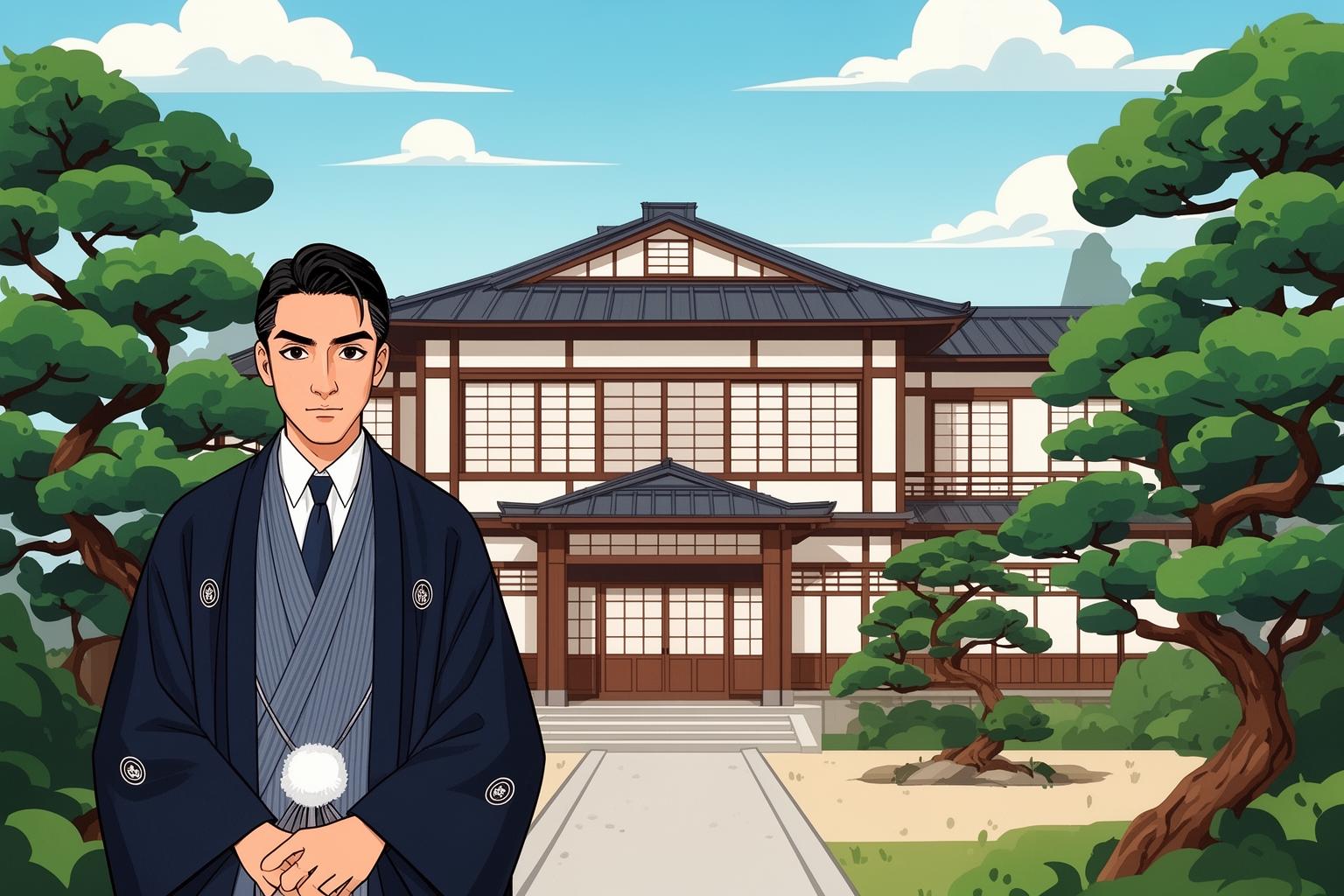
The air in Goshogawara City, a tranquil town in western Aomori, feels distinctly different. It’s crisp and clean, and in winter, it sharpens with the promise of heavy snow. This is the heart of the Tsugaru region, a place Dazai described with a complex blend of affection and resentment in his homecoming travelogue, Tsugaru. To reach here, you’ll likely board a local train that rattles across vast, flat plains of rice paddies, with the distant Hakkoda Mountains looming constantly on the horizon. The journey itself feels like stepping back in time, away from the relentless pace of modern Japan and into a landscape that seems both ancient and elemental. Your destination is Kanagi, part of Goshogawara, where just a short walk from the station stands an impossibly grand building for such a rural area: Shayokan.
Shayokan, meaning “The House of the Setting Sun,” was the birthplace of Shuji Tsushima. It is far more than just a house; it is a statement. Constructed by his father, a wealthy landowner and politician, this vast wooden mansion is a striking example of Meiji-era architecture—an impressive fusion of traditional Japanese design and Western elements. From the outside, its sheer size is imposing. The dark, weathered wood, the formidable gate, and the tiered roof all speak of a power and influence that set the Tsushima family apart from everyone else in the region. This very grandeur was the root of Dazai’s lifelong sense of alienation. One of eleven children, he was born into immense privilege in a poor, rural area, a reality that left him feeling like an outsider, a counterfeit aristocrat playing a role he never sought.
Stepping into Shayokan is like entering a memory. You slip off your shoes at the entrance, and the cool, polished wood of the floorboards immediately grounds you. The scent of aged cypress and tatami fills the air. The house is a maze of twenty-nine rooms, connected by long, echoing corridors. Soft light filters through paper shoji screens, casting long shadows that shift and dance as you move through the space. The main reception rooms are vast, with high ceilings and intricate woodwork, designed to impress visitors and showcase the family’s status. You can almost hear the rustle of kimonos and the polite, hushed conversations of political guests from a century before. Yet despite all its magnificence, a profound emptiness pervades the house. It is easy to imagine a small, sensitive boy like Shuji feeling lost and insignificant within these cavernous walls. Raised mostly by maids and servants, with parents absorbed by business and politics, this house was his cage—a beautiful, gilded cage nonetheless.
As you explore, you’ll encounter the rooms where the family’s daily life unfolded. There’s the enormous kitchen with its earthen floor and massive hearths, a testament to the household’s scale. You’ll see the formal Buddhist altar room, ornate and solemn, as well as the family’s living quarters, surprisingly intimate compared to the public spaces. The most moving rooms, however, are those connected directly to Dazai himself. There’s the small room where he was born—a simple tatami space that feels humble and human amid surrounding opulence. Upstairs lies his study, a book-lined sanctuary where you can glimpse his desk, inkstones, and personal artifacts preserved under glass. Surrounded by books and overlooking the meticulously maintained garden, you sense the early stirrings of the writer he would become. This was his refuge, the place where Shuji Tsushima began transforming into Osamu Dazai.
Practical advice for visiting Shayokan is straightforward: take your time. Don’t hurry through the rooms. Sit for a while on the veranda overlooking the garden. Feel the breeze, listen to the silence broken only by the creaking floorboards, and try to see the world through his eyes. The museum is well cared for, with English signage offering context, but the true experience is emotional and atmospheric. Open year-round, a winter visit—when the garden lies under a thick blanket of silent white snow—is especially evocative. The stark beauty and isolation of the landscape perfectly reflect the themes central to his work. Access is via the Tsugaru Railway Line to Kanagi Station, a charmingly retro local line that enhances the pilgrimage experience. From the station, it’s just a seven-minute walk. Allow at least an hour or two to fully absorb the profound weight and beauty of this remarkable place.
Whispers in the Park: Ashino Koen and the Tsugaru Line
Leaving behind the heavy silence of Shayokan, our next destination on the Dazai pilgrimage is just a short train ride away but feels like a completely different world in atmosphere. Ashino Koen, or Ashino Park, was one of Dazai’s favorite childhood retreats, a place of innocent escape that later became a setting in his writing. The park surrounds a tranquil lake, reachable via the same Tsugaru Railway that brought you to Kanagi. The station—Ashino-Koen Station—is an essential part of the experience. It’s a tiny, rustic wooden building that seems to have been lifted straight from the Showa era. Dazai even described this very station in his novel Tsugaru, and seeing it today feels like stepping into a page of his book.
In spring, the park transforms into a breathtaking sea of pink. It is renowned for its more than 1,500 cherry trees, which bloom in late April and early May—later than most of Japan due to the northern climate. During the sakura festival, the branches form a thick canopy over the railway tracks, and the little train pushes its way through a tunnel of blossoms. It’s an impossibly romantic and stunning sight, attracting photographers and Dazai fans from across the country. The festive atmosphere, with food stalls and lively crowds, sharply contrasts with the often somber tone of Dazai’s writing, yet it serves as a reminder that his world was not solely one of relentless gloom. Here, there was beauty and moments of simple joy.
As you wander through the park, you’ll discover several sites dedicated to him. The most notable is a bronze statue of Dazai. He stands pensively, trench coat collar turned up against an unseen wind, a cigarette loosely held in his hand. His gaze is fixed on the lake, looking out over the water with a familiar, melancholic expression. It’s a popular spot where visitors leave flowers or a can of sake—small offerings to a spirit that still feels vividly alive here. Seeing the statue surrounded by the nature he cherished is a deeply moving experience. It captures the essence of the man: thoughtful, troubled, yet eternally connected to his homeland.
Not far from the statue stands a small, unassuming wooden structure—the former Kifune-tei cafe, now a literary museum. This was a coffee shop Dazai frequently visited, and the building was relocated here for preservation. Inside, you can sit where he might have sat, gazing out the same window onto the lake. The cafe retains a quiet, nostalgic atmosphere, serving coffee and simple sweets. It’s the perfect place to pause, reflect, and perhaps read a few pages of his work. The connection feels immediate and powerful. You are not just in a place he wrote about; you are in a place he lived, a space that held his physical presence.
Exploring the rest of the park reveals winding paths, charming red bridges arching over the water, and rental boats for paddling on the lake. In autumn, fiery maple leaves create a scene of gentle beauty. Even in summer, the lush greenery and cool breeze from the lake offer a peaceful refuge. This park is more than a memorial; it’s a living, breathing space that reveals another side of Dazai’s Tsugaru. It represents the simple, natural beauty that provided him solace from the suffocating expectations of his family and the internal demons he struggled with. For visitors, the best way to enjoy Ashino Koen is simply to wander: follow the paths, cross the bridges, and find a quiet bench by the water. Listen to the sound of the train arriving at the little station—a sound Dazai himself would have heard countless times. It is in these quiet, contemplative moments that the spirit of his Tsugaru truly reveals itself.
The Labyrinth of the Capital: Dazai in Tokyo
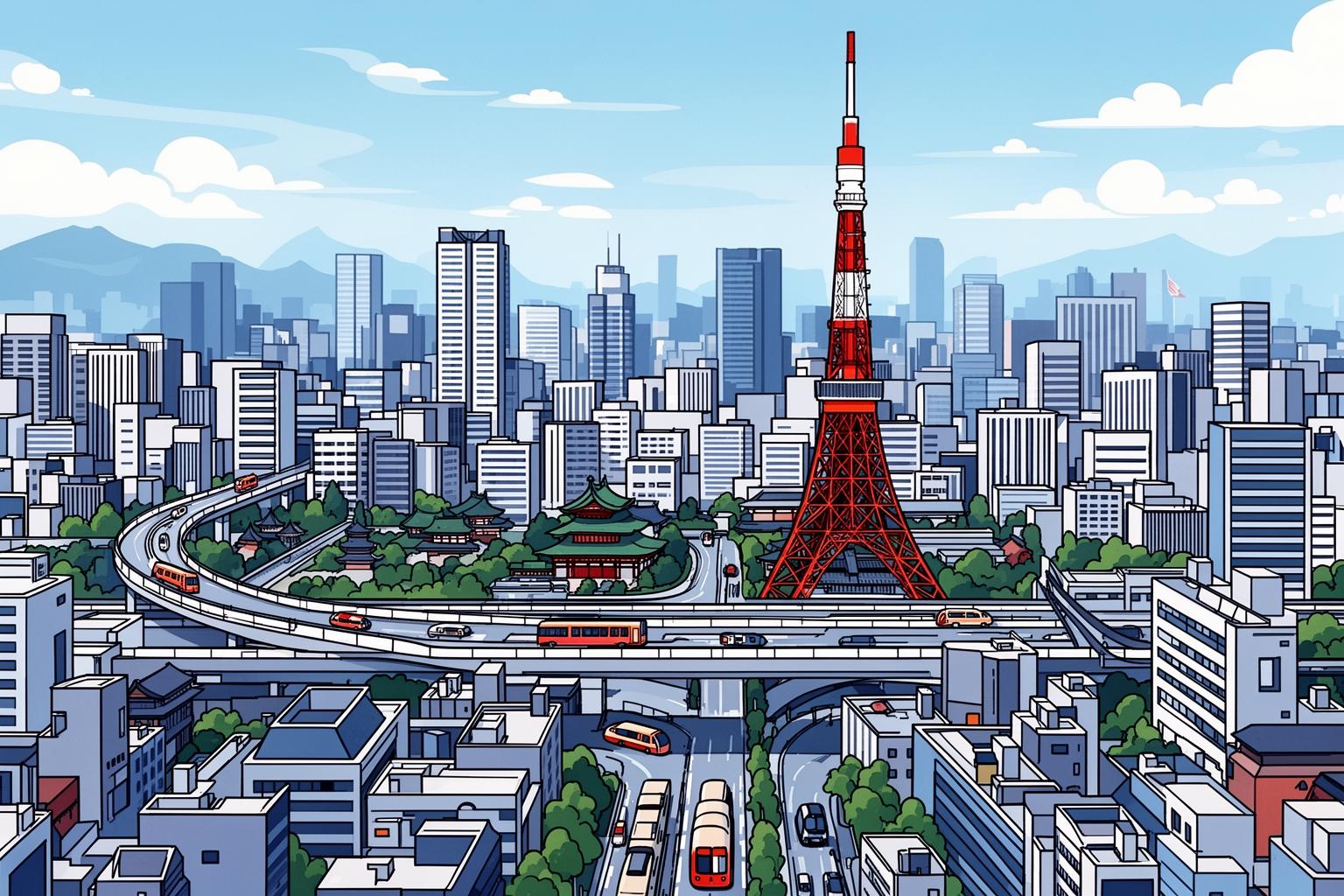
If Aomori was the soil that nurtured Dazai’s roots and his enduring sense of identity, Tokyo was the chaotic, electrifying, and ultimately destructive stage on which he lived out his adult life. The city attracted ambitious young writers, and Dazai was no exception. He moved to Tokyo to attend university, but his true education unfolded in the smoky cafes, noisy bars, and modest apartments where the literary community gathered. Following Dazai’s footsteps in Tokyo means navigating a complex map of creativity, ambition, love, and deep despair. It’s a journey that leads from the revered halls of academia to the sophisticated backstreets of Ginza, and finally to the peaceful suburb that became his final resting place.
Hongo and the University Dream
Dazai’s Tokyo tale begins in the Hongo district, home to the prestigious Tokyo Imperial University (now the University of Tokyo). He enrolled in the French Literature department, but his attendance was irregular at best. He was far more interested in his own literary work, connecting with other writers, and the city’s vibrant, often illicit nightlife. While the campus lacks particular Dazai landmarks, walking through its historic grounds beneath ancient ginkgo trees and past the iconic Yasuda Auditorium offers a glimpse into the world he was expected to inhabit. This was the realm of the elite, the respectable path his family anticipated. His failure to graduate and neglect of studies was one of his earliest acts of rebellion against that fate. He chose the uncertain life of an artist over the secure future of a scholar—a decision that would shape the rest of his life.
Ginza’s Literary Haunt: Bar Lupin
A more authentic Dazai landmark lies tucked away in a narrow back alley of the glamorous Ginza district. Bar Lupin is a time capsule. This legendary bar was favored by many of Japan’s most famous writers and artists of the Shōwa era, including Kafu Nagai, Yasunari Kawabata, and naturally, Osamu Dazai. Finding it is an adventure in itself: a departure from glittering department stores to a quieter, more intimate side of Ginza. Descending the steep, narrow staircase into the bar feels like entering a secret society.
The interior remains dark, woody, and beautifully preserved. The air is thick with echoes of countless literary conversations. The long wooden bar, worn leather chairs, and soft lighting have changed little since Dazai’s era. There is a famous photograph of Dazai sitting here, at the corner of the bar, looking effortlessly cool and contemplative. You can sit in that very same spot. The staff know the bar’s history well and warmly welcome literary pilgrims. Ordering a simple highball or classic cocktail and soaking in the atmosphere is an essential Tokyo experience for any Dazai enthusiast. It’s easy to imagine him here, passionately discussing literature with his mentor Masuji Ibuse, or perhaps drowning his sorrows after yet another magazine rejection. Lupin is not a museum; it is a living piece of history where Dazai’s spirit feels not just remembered, but vividly present.
The Final Chapter: Mitaka and the Tamagawa Aqueduct
The most poignant and heartbreaking part of Dazai’s Tokyo story unfolds in the western suburb of Mitaka. Here, he spent the final years of his life, from 1939 until his death in 1948. It was a time of intense creativity, during which he produced some of his most significant works, including The Setting Sun and No Longer Human. Yet it was also a period marked by declining mental and physical health. With its quiet residential streets and leafy parks, Mitaka became the setting for his final, tragic act.
Your pilgrimage should begin at Mitaka Station. From the south exit, a pleasant fifteen to twenty-minute walk leads to the key locations. The journey itself is part of the experience. As you walk, the bustling energy near the station fades into the calm of peaceful neighborhoods. You can almost sense the rhythm of Dazai’s daily life—his walks to local shops or trips into central Tokyo. The destination for many is the Tamagawa Josui, the Tamagawa Aqueduct. This narrow, man-made waterway is bordered by a beautiful path lined with cherry trees, a place of serene, almost deceptive beauty. It was here, on the night of June 13, 1948, that Osamu Dazai and his lover, Tomie Yamazaki, drowned themselves. Their bodies were found six days later, on what would have been Dazai’s 39th birthday.
Standing by the canal today, it can be hard to reconcile the peaceful scene with the tragedy that occurred here. The water flows gently, birds sing in the trees, and locals stroll or cycle along the path. Yet, the air carries an undeniable solemnity. A small, discreet sign marks the approximate spot where they entered the water. Visitors often leave flowers, cigarettes, or small bottles of sake. It is a place for quiet reflection. What drove him to this point? Was it the pressures of fame? His failing health? Or the profound sense of alienation he had borne since childhood? There are no easy answers, and the silent waters offer none. The experience is deeply personal and melancholic, a place to reflect on the immense fragility of the human spirit that he so eloquently captured in his writing.
From the aqueduct, it is a short walk to Zenrinji Temple, a peaceful Buddhist temple that serves as Osamu Dazai’s final resting place. His grave is surprisingly modest—a simple stone marker tucked away in a quiet corner of the cemetery. His ashes lie here under the name Shuji Tsushima, his birth name. Poetically, his grave sits directly in front of the much larger and more ornate tomb of another literary giant, Mori Ōgai, a writer Dazai greatly admired. This symbolic and touching arrangement reflects a lifelong shadow: even in death, he remains beneath a literary master, a position he occupied throughout his career, always striving, always feeling somewhat inadequate.
Every year on June 19th, the day his body was found, a memorial service called Ōtōki is held here. The name is taken from his story Ōtō, or Cherries, when fans from across Japan gather to pay their respects, leaving cherries, sake, and flowers at his grave. Visiting on any other day is much quieter, usually shared with only a few fellow pilgrims. When you visit, remember this is a place of worship and rest. Be respectful, speak softly, and take a moment for a silent prayer or thought. The proximity of his grave to the tranquil temple grounds and the imposing tomb of Mori Ōgai creates a powerful final tableau for a life marked by intense creative turmoil. Mitaka is where the story ends, but it is also where his legacy is most tenderly honored.
Escapes to the Mountains and the Sea: Kofu and Izu
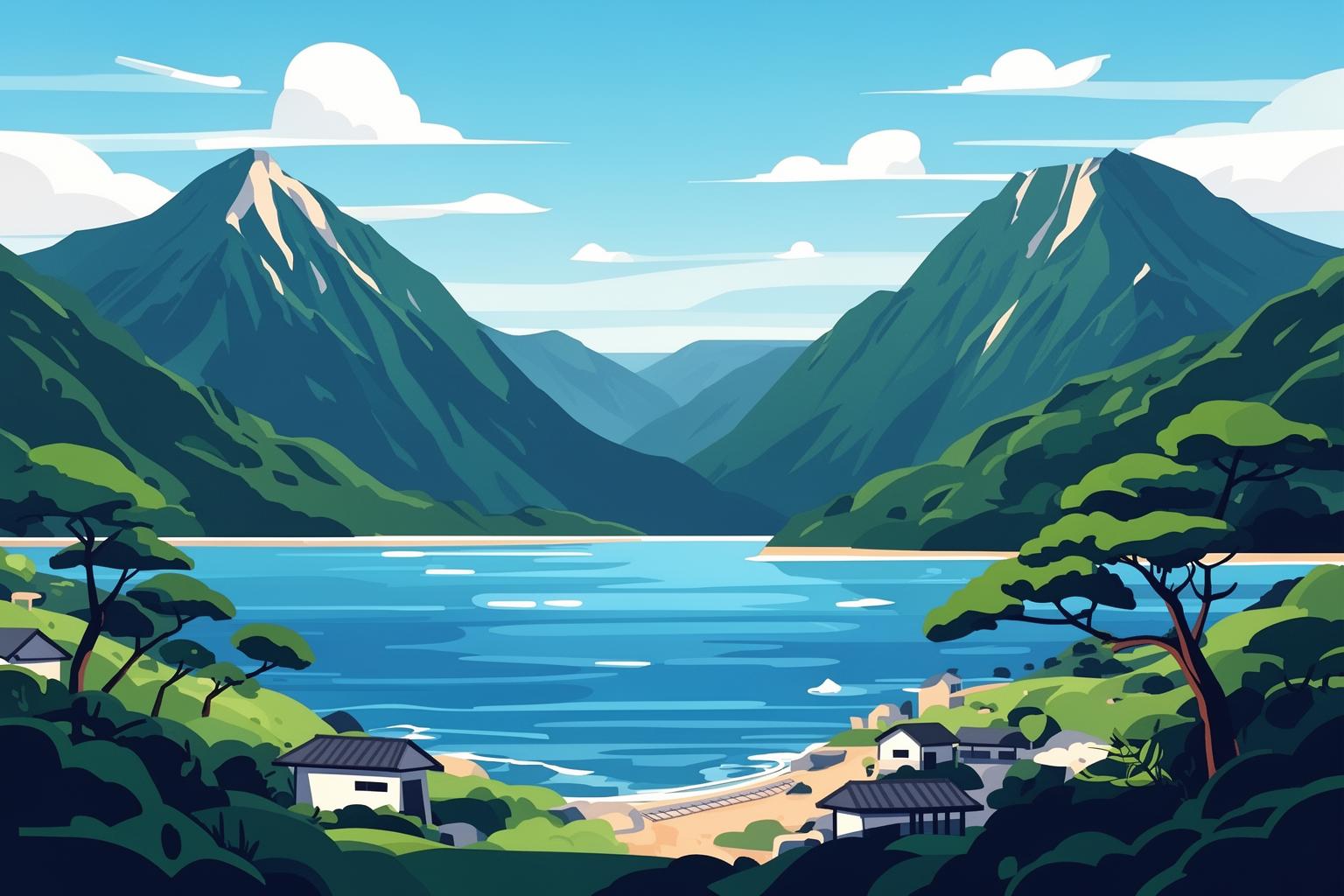
While Aomori was Osamu Dazai’s birthplace and Tokyo his primary stage, other locations in Japan offered him temporary sanctuary. These places provided a retreat from urban pressures, a chance for peace, and the environment to create some of his most outstanding works. Two in particular stand out: Kofu city near Mount Fuji, and the scenic Izu Peninsula, known for its hot springs and rugged shores.
A Hundred Views of Fuji: Dazai’s Years in Kofu
In the late 1930s, seeking stability, Dazai relocated to Kofu in Yamanashi Prefecture. His mentor, Masuji Ibuse, had arranged his marriage to a local teacher, Michiko Ishihara, and for a time, life in Kofu brought domestic calm. This phase of relative peace was highly productive. Surrounded by the striking Japanese Alps and with Mount Fuji ever-present, Dazai’s writing took on a lighter, more hopeful tone.
The most renowned work from this time is Fugaku Hyakkei, or One Hundred Views of Mount Fuji. This semi-autobiographical collection of vignettes explores his connection to the iconic mountain. To fully immerse yourself in this work’s world, a visit to Misaka Pass—on the old route between Kofu and Lake Kawaguchiko—is essential. Dazai stayed at a teahouse atop this pass, the Tenkachaya, which astonishingly remains open today as a restaurant and small museum.
Reaching Tenkachaya requires a winding mountain bus ride, but the reward is a breathtaking panorama. From the teahouse, Mount Fuji stands perfectly framed by surrounding peaks, rising above the sparkling Lake Kawaguchiko below—the very view Dazai described with both wry humor and deep admiration. He famously recounted a photo taken there, where he appeared awkward and out of place at his arranged marriage meeting, with Fuji majestically in the background. The teahouse preserves the room where he stayed and wrote, displaying photographs and memorabilia from his time. Sitting down to enjoy a simple meal of hoto noodles—a local specialty—while gazing at the inspiring view is a deeply transporting experience. It links visitors to a fragment of his life when he seemed to find fragile happiness, a brief refuge from the personal storms gathering on his horizon. Kofu represents Dazai the husband, the hopeful family man, and the writer who could still sense beauty and humor in life.
The Schoolgirl’s Coast: Time in Izu
Another vital place of refuge was the Izu Peninsula in Shizuoka Prefecture, celebrated for its hot springs, stunning coastlines, and as the backdrop for Yasunari Kawabata’s The Izu Dancer. Izu also holds a modest but meaningful place in Dazai’s story. In 1937, grappling with addiction and writer’s block, he spent time in Izu to recover. It was here, in the seaside town of Numazu, that he drew inspiration for one of his early celebrated works, Joshuseito (The Schoolgirl).
This remarkable novella, written from the perspective of a teenage girl over a single day, highlights Dazai’s remarkable talent for entering his characters’ minds. The fresh sea breeze and unhurried pace of life in Izu seemed to clear his thoughts, enabling him to create a work of exceptional psychological insight and sensitivity. Though the inn where he stayed is no longer extant, walking along Numazu’s coast, gazing out over the shimmering Suruga Bay, one can still sense the atmosphere that nurtured this tale. The gentle waves, salty air, and fishing boats rocking in the harbor form a landscape that invites introspection—a place to slow down and notice life’s small details, much like the novella’s narrator does. For those following Dazai’s path, a visit to Izu is less about seeing a particular building and more about connecting with a mindset. It symbolizes nature’s healing power and the potential for creative renewal, even amid the darkest moments.
These retreats in Kofu and Izu deepen our understanding of this complex writer. They reveal that his life was not simply a steady spiral into despair. There were flashes of light, moments of tranquility, and places of profound inspiration. They remind us that the author of No Longer Human also wrote with wit and charm about Mount Fuji, and with moving empathy about the inner world of a young girl. To truly know Dazai, one must journey not only to the cities of his birth and death but to these quieter havens of renewal in between.
A Legacy Carved in Landscape
Our journey through the world of Osamu Dazai concludes, yet the echoes of his life and work continue to resonate long after you have left these places behind. From the expansive, snow-covered plains of his native Tsugaru to the soft murmur of the Tamagawa Aqueduct, the Japanese landscape serves as a map of his soul. To walk these paths is to sense the heavy weight of the past, the burden of a renowned family, the frantic energy of post-war Tokyo, and the quiet comfort of a mountain view. Dazai’s literature is so compelling because it is deeply rooted in place, and those places, in turn, remain forever infused with his spirit.
He was a man of contradictions: an aristocrat who felt like a fraud, a brilliant humorist who wrote of unbearable despair, a devoted artist who couldn’t escape his own self-destructive tendencies. This complexity is what makes him endlessly fascinating and profoundly human. Visiting Shayokan reveals the origins of his alienation. Standing in Bar Lupin, you feel the electric pulse of his literary ambition. And sitting by his grave in Zenrinji, you are touched by the quiet dignity of his final rest.
For anyone moved by his words, this pilgrimage is more than sightseeing. It is an act of communion, a way of expressing gratitude to a writer who dared to explore the darkest corners of the human heart and discovered a strange and beautiful poetry there. Though he may have felt he was “no longer human,” his legacy proves him to be one of the most profoundly human writers ever. His story is not only found in his books; it is written in the soil, the water, and the very air of Japan—and it awaits your discovery.