There are films that entertain, films that provoke, and then there are films that seep into your soul, leaving you buzzing with a profound, unshakeable energy. Thomas Vinterberg’s “Another Round,” or “Druk” as it’s known in its native Denmark, is fiercely in the latter category. It’s a cinematic cocktail—one part hilarious, one part devastating, shaken with existential dread, and served with a twist of life-affirming euphoria. The story of four weary high school teachers who test a pseudo-scientific theory that humans should maintain a constant low level of blood alcohol content is more than just a tale about drinking. It’s a raw, honest, and deeply moving exploration of life, of stagnation, of friendship, and of the courage it takes to feel alive again. But beyond the magnetic performances and the sharp screenplay, there is another character that plays a pivotal role: the city of Copenhagen and its serene, affluent northern suburbs. The film’s locations are not mere backdrops; they are the vessels that hold the quiet desperation, the burgeoning chaos, and the ultimate, explosive catharsis of its protagonists. To walk these streets, to stand by these waters, and to see these buildings is to step directly into the emotional landscape of the film. It’s a pilgrimage not just for cinephiles, but for anyone who has ever felt the pull to break free from the quiet rhythm of a life half-lived. This journey through the filming locations of “Another Round” is an invitation to understand the Danish soul, to feel the specific blend of melancholy and joy that permeates the movie, and perhaps, to find a spark of that liberating final dance within yourself.
If you’re inspired to explore more cinematic cities, consider a pilgrimage to the filming locations of The Imitation Game.
The Hallowed Halls of Midlife Crisis: Aurehøj Gymnasium
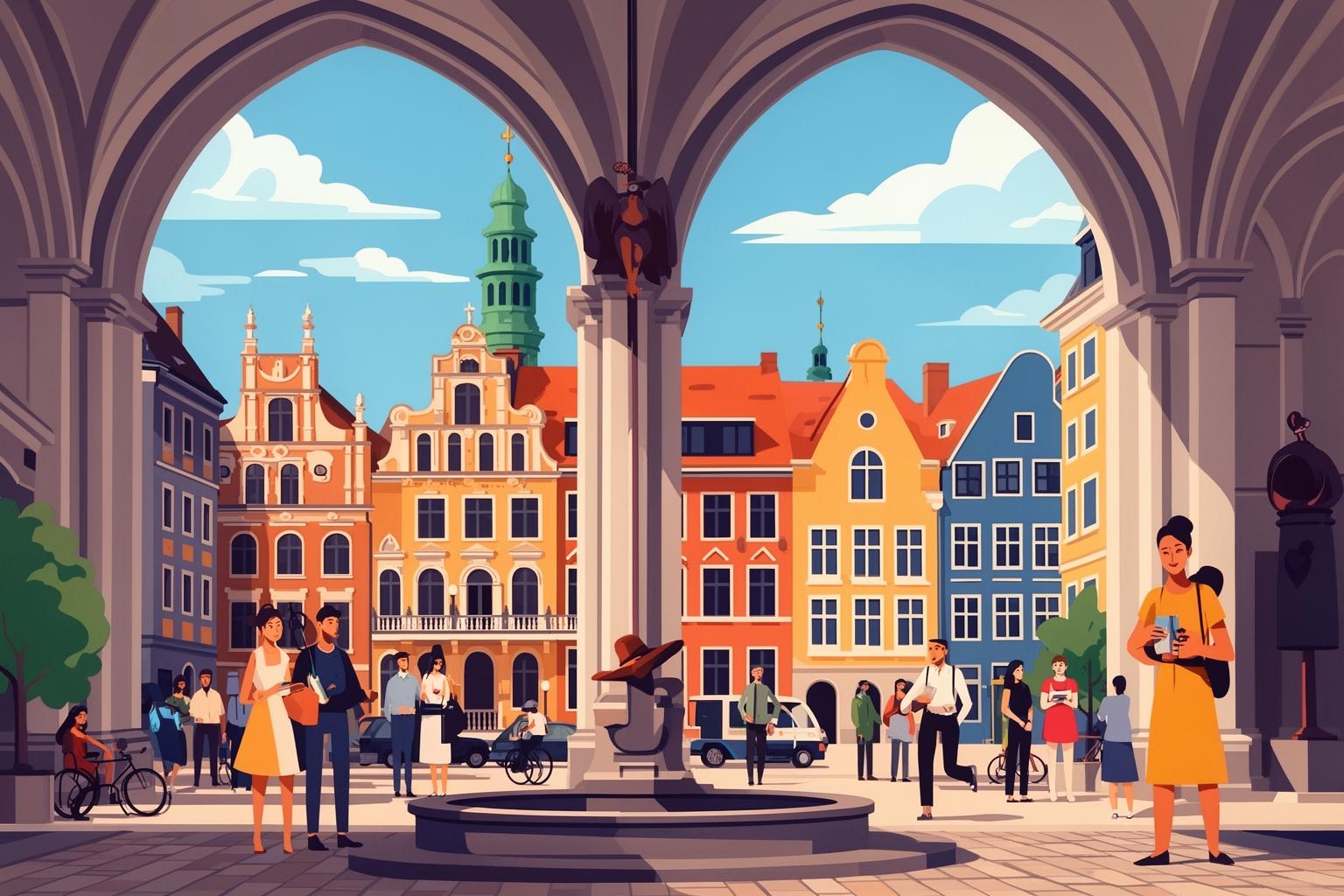
The entire experiment, serving as the film’s central nervous system, pulses from within the walls of a school. This is no ordinary school; it is the genuine Aurehøj Gymnasium, situated in the leafy, affluent municipality of Gentofte, just north of Copenhagen’s city center. The choice of this location is impeccably fitting. It embodies a bastion of tradition, knowledge, and the very future the four men are charged with shaping, even as their own present lives are unraveling. The school becomes the stage for their slow, then rapid, unravelling and reconstruction. The classrooms where Martin struggles to engage his history students, the reserved teacher’s lounge where the pact is first quietly made and later fiercely defended, and the hallways echoing with the energy of youth they feel has abandoned them—all these are authentic spaces, steeped in a century of academic heritage.
More Than a Movie Set
Established in 1906, Aurehøj Gymnasium is a striking example of Danish architecture, a grand and imposing brick building that conveys old money and established order. Its interiors, vividly captured in the film, blend classic design with practical modernity. The large windows, a hallmark of Scandinavian architecture designed to maximize precious daylight, flood the rooms with a cool, northern light that Vinterberg employs to great effect. This light often seems to illuminate the teachers’ graying spirits, creating a visual metaphor for their faded existence. Walking around the school’s perimeter, one can almost sense the weight of its history and the institutional pressures crushing Martin, Tommy, Peter, and Nikolaj. It feels simultaneously like a sanctuary of learning and a gilded cage. For visitors, it’s important to remember that Aurehøj is a fully functioning school. You can’t simply roam the halls freely, but the exterior and surrounding neighborhood are fully accessible and convey a strong sense of the film’s atmosphere. The best way to experience it is to take a walk around the grounds late in the afternoon after classes have ended, when a quiet calm has settled, and you can nearly hear the faint echoes of the film’s critical scenes.
The Quietude of Gentofte
The school’s location in Gentofte is essential. This is not the edgy, bustling Copenhagen often described in guidebooks. Gentofte is a realm of manicured lawns, stately homes, and a palpable sense of calm, upper-middle-class stability. The air here feels different—calmer, cleaner, more orderly. This very order provides a sharp, ironic contrast to the chaos the teachers are wreaking in their lives. The film skillfully uses this backdrop to emphasize their internal rebellion. Their increasingly erratic behavior is all the more shocking and poignant because it unfolds against a backdrop of absolute propriety. A walk from the school through the surrounding residential streets reveals a world of understated elegance. It is a journey into the heart of the Danish welfare state’s aspirational ideal—a safe, beautiful, and predictable environment. Yet, as “Another Round” suggests, predictability can be its own kind of prison. This tension is what makes the location so compelling. You can almost hear the silent screams of desperation behind the perfectly trimmed hedges and freshly painted window frames. For travelers, this area offers a glimpse into a side of Danish life rarely witnessed by tourists, a deep dive into the suburban soul that is as integral to the country’s identity as the colorful houses of Nyhavn.
Domestic Spaces, Hidden Desires: The Homes of Hellerup
While the school serves as the public stage for the experiment, the private struggles take place within the characters’ homes. Martin’s house, especially, becomes a pivotal setting, symbolizing a domestic life that has lost its vitality. These residences are mainly situated in and around Hellerup, a wealthy coastal suburb adjacent to Gentofte. Known for its grand villas, private roads, and direct access to the Øresund—the strait separating Denmark and Sweden—Hellerup’s architecture reflects success and family, the very things Martin feels slipping away from him. His spacious and elegant home should offer comfort and connection, yet the film portrays it as a space marked by distance. The long dinner table where he sits nearly silent with his family and the sleek, modern kitchen that feels cold and impersonal are both scenes of quiet suffering.
The Architecture of ‘Hygge’ and Heartbreak
Danish design is celebrated for its focus on ‘hygge’—a concept encompassing coziness, comfort, and contentment. However, in Martin’s home, Vinterberg reveals the opposite side. The minimalist aesthetic, clean lines, and uncluttered surfaces can appear sterile and void of warmth when emotional bonds fray. The home is beautiful but not ‘hyggelig’; it stands as a showroom for a life no longer truly lived. Exploring Hellerup is like wandering through a real-life architectural digest. Walking along the waterfront on Strandvejen (the Coast Road), one marvels at homes that epitomize the peak of Danish living. It’s a peaceful, almost meditative experience. Visitors sense the allure of this lifestyle—its calm and beauty—but with the film still fresh in mind, they also perceive the potential for isolation. In a culture that holds the home as a sanctuary, losing connection within its walls can feel like a complete failure. This duality is captured brilliantly by the film, a feeling that becomes tangible standing on those quiet, tree-lined streets, gazing at the beautiful houses and the cold, gray sea beyond.
Finding the Feeling
The exact addresses of the houses used for filming won’t be found, as they are private residences, but that’s not the purpose of this pilgrimage. The aim is to capture the essence. By exploring Hellerup, you immerse yourself in the world that shaped these characters. You can visit Hellerup Strandpark, a charming beach park, and sit quietly while looking out over the water. It’s a place where families gather, people walk their dogs, and life on the surface appears perfect. It is in the tension between this idyllic exterior and the turbulent undercurrents of the film’s narrative that a deeper understanding of “Another Round” emerges—a reminder that the most profound dramas often unfold in the most ordinary settings.
The Taste of Rebellion: Restaurants and Bodegas
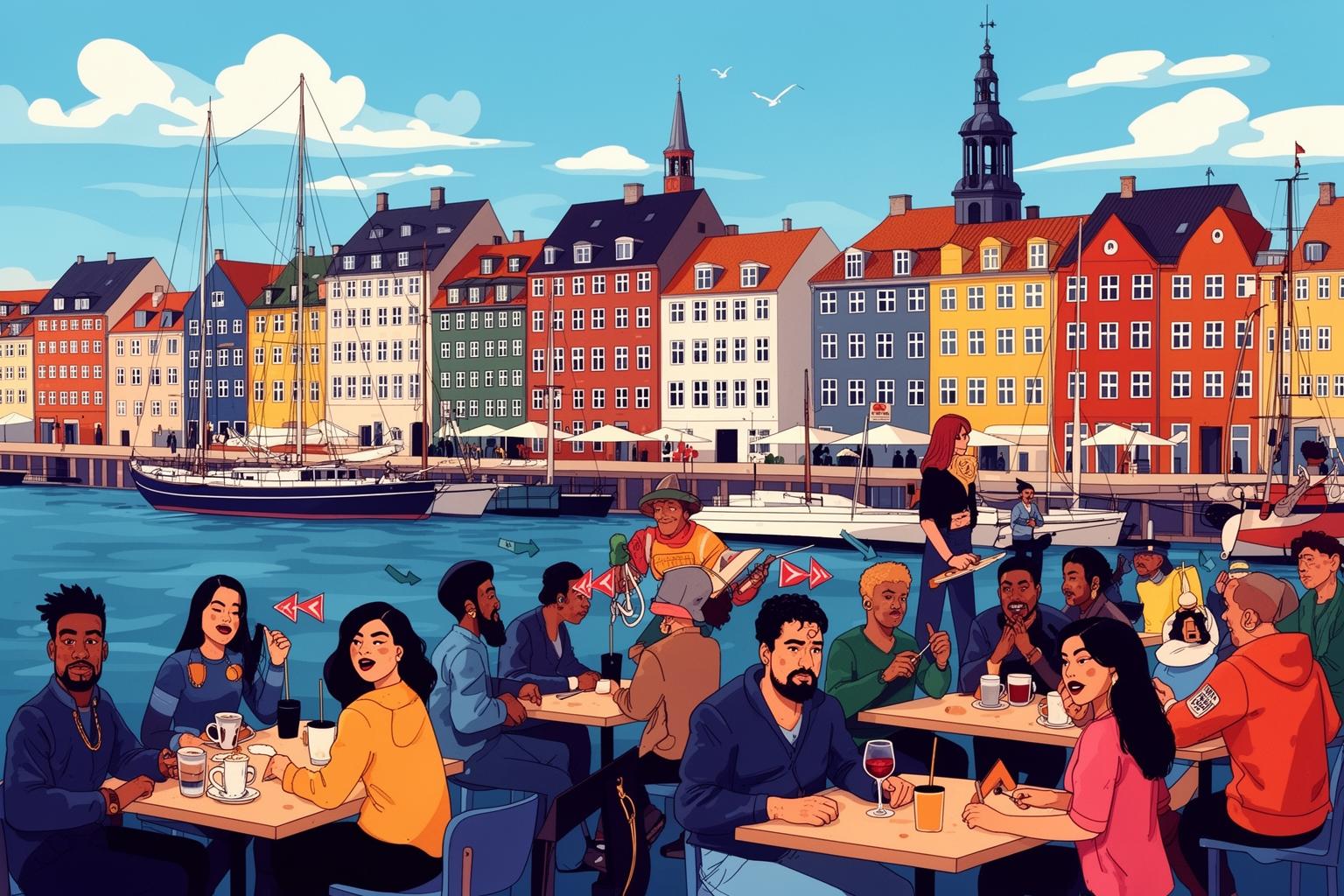
The decision to embark on the experiment is finalized over a meal, with many of its key moments marked by food and drink. The film highlights a range of Copenhagen’s dining and drinking culture, spanning from upscale restaurants to modest supermarkets. These venues act as social stages where the friends’ relationships are challenged, and their philosophical reasons are openly revealed.
The Pact at Lumskebugten
The celebratory dinner for Nikolaj’s 40th birthday, where the theory is first seriously introduced, takes place in a classic, high-end restaurant. The specific venue is Færgecaféen Lumskebugten, a historic and esteemed establishment near the Kastellet fortress and the Little Mermaid statue. Founded in 1854, Lumskebugten represents the pinnacle of traditional Danish fine dining. Its maritime-themed interiors feature dark wood, crisp white tablecloths, and an atmosphere of old-world dignity. This setting is intentionally chosen. It is a place of adult responsibility and refined tastes. When Nikolaj opens his vintage Russian champagne and the conversation shifts to Skårderud’s theory, it feels like a transgression, a childish game unfolding in a grown-up world. Visiting Lumskebugten (or a similar classic Danish restaurant) allows one to experience this ambiance directly. You can try the traditional Danish lunch, ‘smørrebrød’ (open-faced sandwiches), or savor a formal dinner. The food is exquisite, but more importantly, the atmosphere transports you. Sitting there, you sense the weight of expectation and tradition, making the appeal of the teachers’ reckless plan all the more understandable. It’s an escape from the very refinement that surrounds them.
From Supermarkets to Bodegas
The film also contrasts this fine dining with more ordinary settings. Scenes of the teachers sneaking sips from flasks in the school bathroom or buying cheap vodka at a local supermarket hold equal importance. They reveal the grittier, less glamorous side of their experiment. These scenes were shot in various city locations, representing the everyday reality of Copenhagen life. Visiting local supermarkets like Netto or Føtex illuminates the Danish relationship with alcohol—readily available, relatively affordable, and deeply woven into social culture. Another essential element of Danish drinking culture is the ‘bodega,’ a traditional, unpretentious local pub. These venues are often dark, smoky (though smoking is now restricted), and filled with regular patrons. While the film doesn’t center on a specific bodega, the essence of these places—as straightforward hubs of community and conversation—is embedded in the film’s cultural DNA. For travelers seeking an authentic experience, entering a bodega in neighborhoods like Nørrebro or Vesterbro offers a stark contrast to the polished world of Hellerup. It is an opportunity to witness a different dimension of the city’s social fabric, one that feels more genuine and less curated. In these simple, everyday places, you can truly sense the texture of the world Martin and his friends inhabit.
The Icy Plunge and The Flow of Life: Copenhagen’s Harbor
Water is a powerful, recurring symbol in “Another Round.” It signifies baptism, rebirth, and the startling, invigorating jolt of feeling something—anything—after a prolonged period of numbness. The most striking examples appear in scenes set in and around Copenhagen’s harbor. Over the past few decades, the city has undergone a remarkable transformation, cleaning its harbor until the water is pristine enough for swimming. This has given rise to a vibrant culture of harbor bathing, which plays a central role in the film’s visual and thematic language.
A Shock to the System
The scene where a drunken Nikolaj, followed by Martin, impulsively dives into the cold harbor water marks a turning point. It’s a moment of pure, reckless abandon. Filmed in the waters near the city center, it highlights the accessibility of this unique urban feature. Plunging into the icy water is a physical expression of their psychological experiment—a self-imposed shock meant to awaken the senses. For Danes, winter bathing (‘vinterbadning’) is a treasured tradition, believed to offer numerous health benefits, including improved circulation and mood. It is a ritual of endurance and renewal. In the film, this cultural practice is reframed as a desperate act of self-discovery. When visiting the Copenhagen harbor—especially spots like the harbor baths at Islands Brygge or Kalvebod Bølge—you can observe this culture firsthand. Year-round, locals casually strip down and dive into the water. The atmosphere is not one of recklessness but of joyful, communal wellness. This provides a fascinating context for the film: the teachers adopt a beloved local custom and push it to a chaotic extreme, another example of how their personal turmoil disrupts the calm surface of their culture.
The Waterfront as a Stage
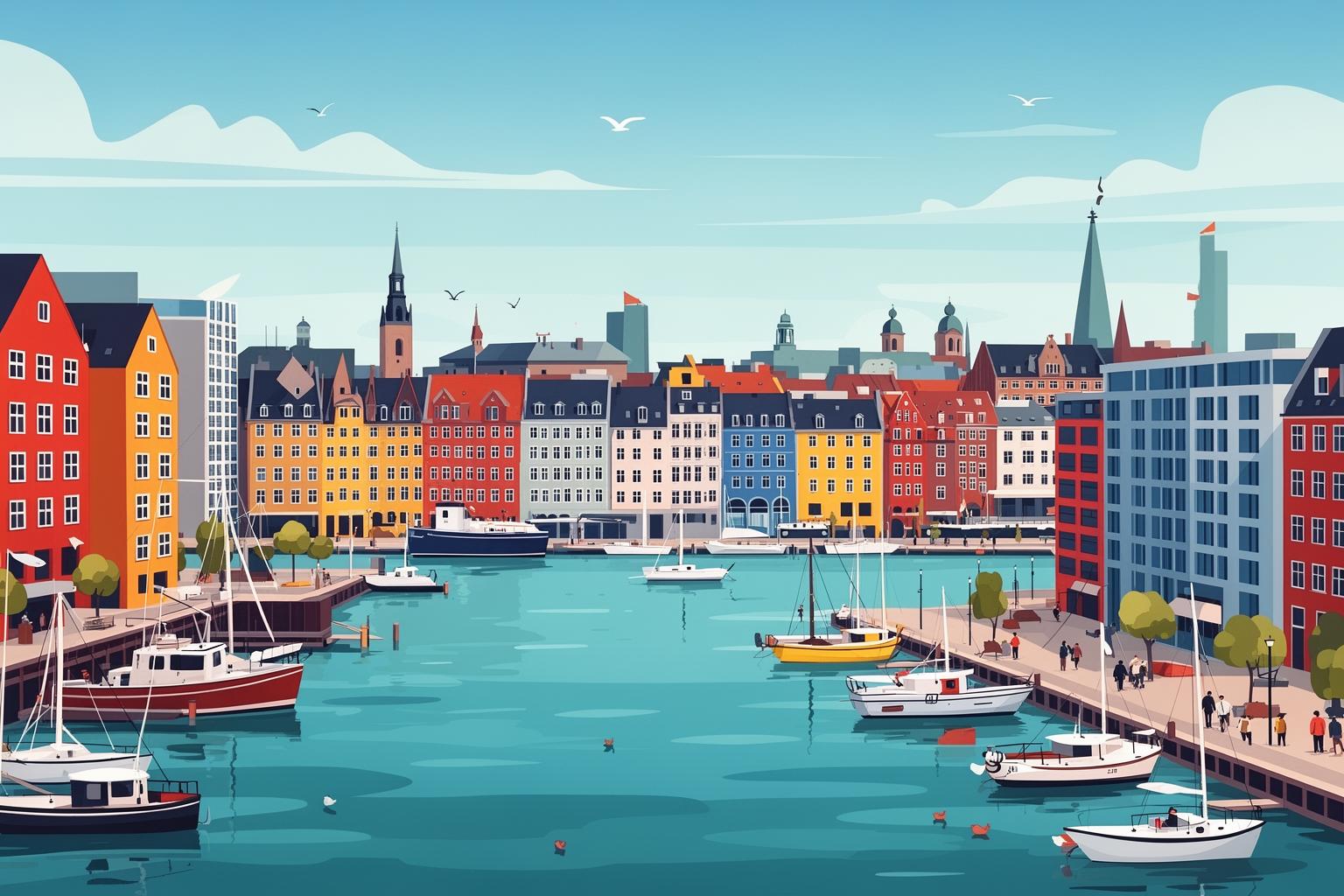
The harbor is more than a swimming spot; it serves as the city’s modern living room. Areas around the water, particularly near the Royal Danish Playhouse (Skuespilhuset) and the Opera House, showcase spectacular contemporary architecture and urban design. Wide wooden boardwalks, sleek bridges, and open public spaces invite people to gather, relax, and engage with the water. This is the new Copenhagen—open, dynamic, and connected to its maritime heritage. Spending an afternoon here is a must for any visitor. You can rent a GoBoat (a small, solar-powered picnic boat) and explore the city from the water, or simply sit on the quay’s edge, dangle your feet, and watch the world go by. It’s in these moments that one can truly appreciate the sense of freedom and space the film’s characters so desperately seek. The vastness of the water and open sky provide a visual antidote to the claustrophobia of their classrooms and living rooms.
The Final, Glorious Dance: The Port of Nordhavn
All of this—the quiet desperation, the controlled chaos, the quest for meaning—builds up to one of the most memorable and euphoric final scenes in recent cinema. After the tragedy unfolds and the experiment officially concludes, Martin joins his graduating students by the water to celebrate. Encouraged by the students and driven by a complex mix of grief, relief, and a rekindled spark, he unleashes a magnificent, explosive dance. This scene is pure cinematic magic—a moment of complete physical and emotional liberation. And it all takes place in a very specific, symbolic setting.
A Backdrop of Transformation
The dance was shot at the waterfront in Nordhavn, specifically on the pier facing the Marmormolen. Nordhavn, or North Harbor, is one of Europe’s largest and most ambitious urban redevelopment projects. For decades, it was a sprawling industrial and commercial port, filled with cranes, containers, and grit. Today, it is being reshaped into a futuristic, sustainable new city district. Old silos are being converted into luxury apartments, and innovative architecture rises alongside the preserved industrial heritage. Choosing this location for the film’s climax is inspired. It is a space of transition, caught between its utilitarian past and sleek future. This reflects Martin’s own state—he is a man in flux, shedding his stagnant former self and tentatively, then joyfully, embracing the unknown. The raw industrial aesthetic of the port, combined with the expansive open space and glistening water, provides the perfect stage for his raw, uninhibited expression of life.
Finding Your Own Release
Visiting Nordhavn today is an experience in itself. You can take the M4 metro line straight there and emerge into a world of striking modern design. Stroll along the waterfront where Martin danced. The exact spot offers breathtaking views of the city and the sea. You can sense the energy of the place—a feeling of possibility and forward motion. While the area is still developing, it already boasts chic cafes, harbor baths (at Sandkaj Brygge), and notable architectural highlights like the ‘Portland Towers’ and the ‘Konditaget Lüders’—a rooftop park and fitness area atop a multi-story car park. Exploring Nordhavn is more than just discovering a film location; it’s about witnessing a city, and by extension a culture, reinventing itself. It embodies the film’s ultimate message: that it’s never too late to change, adapt, and find a new rhythm. Standing on that pier, with the wind in your hair and all of Copenhagen before you, it’s impossible not to feel a surge of the same life-affirming energy that propels Martin into his final, unforgettable leap.
The Danish Soul: A Final Reflection on the Journey
To follow in the footsteps of Martin, Tommy, Peter, and Nikolaj is to experience more than just a movie location tour. It’s a profound and immersive exploration of the Danish psyche. It involves understanding the delicate balance between social order and individual freedom, appreciating the quiet beauty of a well-organized life, and recognizing the inherent human urge to occasionally, spectacularly, break the rules. The journey leads you from the bastions of bourgeois comfort in Gentofte and Hellerup to the vibrant, forward-thinking public spaces of the Copenhagen harbor. Each site adds a deeper layer of insight to the film’s intricate emotional landscape.
Practical Advice for the Pilgrim
Copenhagen is an incredibly easy city to explore. The most authentic way to visit these locations, especially the suburban ones, is by bicycle. Renting a bike allows you to move at a human pace, absorb the neighborhood atmospheres, and momentarily feel like a local. The city’s public transport system, including the S-trains and the Metro, is also highly efficient and will easily take you to Gentofte, Hellerup, and Nordhavn. When visiting, particularly the residential areas and the school, be respectful. These are not tourist attractions but living, breathing parts of the city. The aim is to observe and feel, not to intrude. Consider visiting in late spring or summer when the long daylight hours, known as the ‘white nights,’ create a magical, slightly surreal atmosphere that perfectly complements the film’s dreamlike essence. However, a visit during autumn or winter offers a more melancholic, perhaps more authentic, ‘Druk’ experience, accompanied by gray skies and bracing cold that make a warm café or bodega all the more inviting.
This pilgrimage is a journey that stays with you. Long after you’ve returned home, you’ll remember the cool sea breeze in Nordhavn, the stately silence of Hellerup’s streets, and the vibrant life pulsating around the city harbor. “Another Round” poses a simple yet terrifying question: Are you truly living your life to the fullest? By visiting the places that gave this question its shape and power, you are compelled to ask it of yourself. It’s a journey that doesn’t necessarily provide answers, but like Martin’s final leap, it fills you with the exhilarating, life-affirming joy of the question itself.