There’s a dream that whispers in the hearts of travelers, a vision of stone cities cradled by emerald peaks, veiled in mist and mystery. That dream is Machu Picchu. But before you can walk its hallowed terraces, you must first answer the call of its ancient gateway, the imperial city of Cusco. This is not merely a stopover, a convenient airport on the map. Cusco is the prologue to your epic, a sacred stage where you must pause, breathe, and listen. Perched at a dizzying 3,400 meters (11,152 feet) above sea level, this city is your first encounter with the formidable, beautiful spirit of the Andes. To rush through it is to misunderstand the journey entirely. The true pilgrimage to Machu Picchu begins here, with a single, conscious breath of thin, crisp, mountain air. It’s a rite of passage, a process of shedding the weight of the world below and attuning your body and soul to the rhythm of the sky. This is your guide to that sacred process: the art of acclimatization, a lesson taught by the mountains themselves.
Just as this high-altitude embrace is a rite of passage for Peru, the phenomenon of set-jetting is transforming how travelers choose their own global pilgrimages.
The Imperial Welcome: Understanding the Air You Breathe
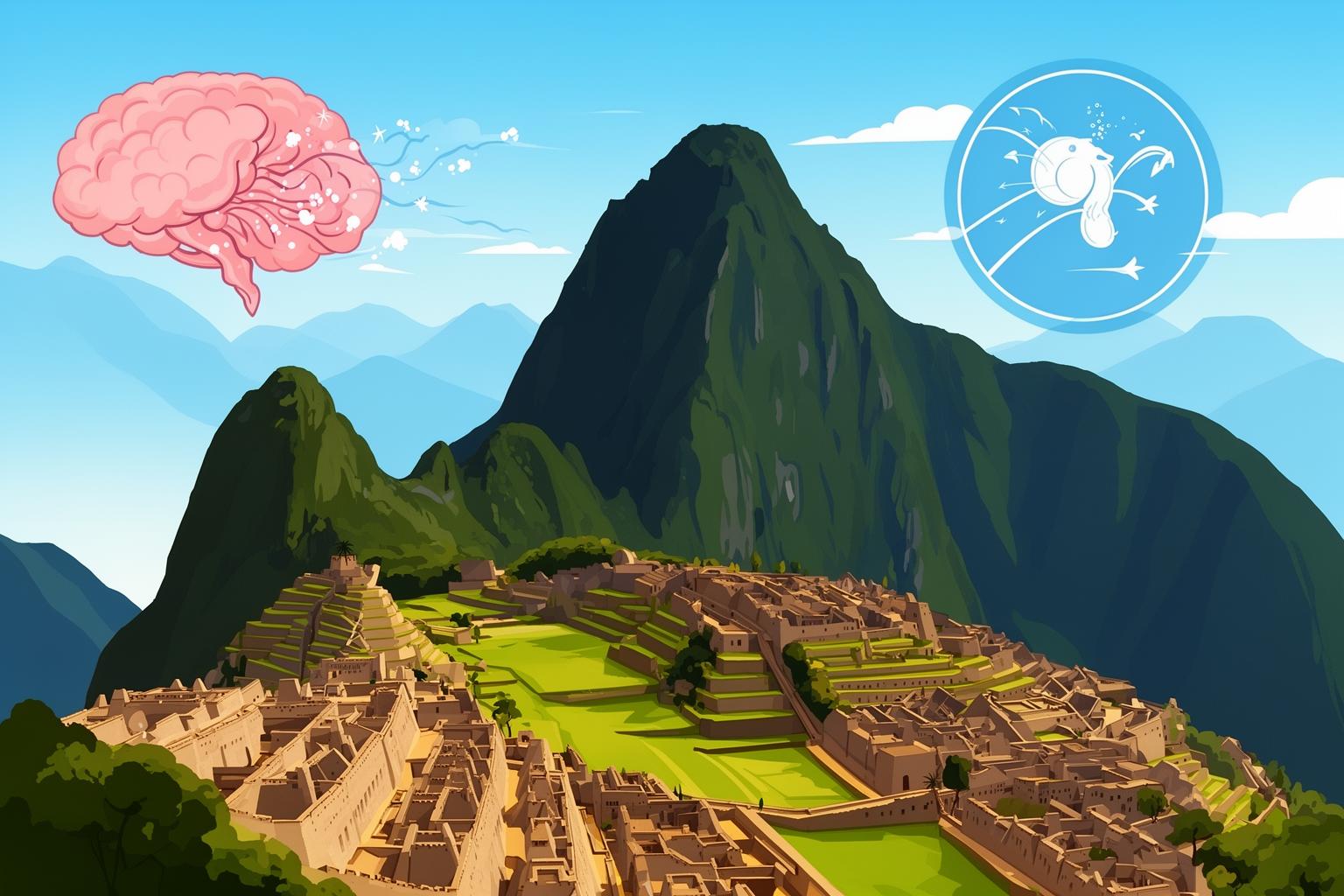
Stepping off the plane in Cusco is an experience unlike any other. It’s not a gradual climb; it’s an immediate arrival into a new world. The first thing you’ll notice is the light. It’s crystalline, sharp, illuminating the terracotta rooftops and the rich brown slopes of the surrounding mountains with an almost otherworldly clarity. The second thing you’ll sense is the air itself. It’s thin, cool, and seems to fill your lungs less fully than you’re used to. Every breath feels more intentional. This is the reality of high altitude. Your body, accustomed to the thick, oxygen-rich air of lower elevations, suddenly faces a shortage of its most vital fuel. The result is what locals call soroche, or altitude sickness. It’s a range of sensations, not a guaranteed illness. For some, it manifests as a mild, persistent headache; for others, fatigue, shortness of breath, or slight nausea. The key is to regard it not as an enemy to be defeated, but as a message from your body. It’s saying, “Slow down. I need time to adapt to this magnificent new place.” The city itself seems designed for this purpose. Its combination of incredibly precise Incan stone foundations and ornate Spanish colonial architecture stands as a physical testament to patience—a layering of history built over centuries. The energy in the streets is lively but not frantic. There’s a hum of activity in the Plaza de Armas, the city’s grand center, where locals, travelers, and traditionally dressed women with their pet alpacas all coexist. Yet beneath it all, there’s a tangible sense of timelessness, an invitation to move at a more human, more Andean pace. Embracing this invitation is the first and most essential step in your acclimatization journey.
The First 48 Hours: The Sacred Art of Stillness
The most crucial time for your acclimatization is the first two days in Cusco. How you spend these initial 48 hours will shape the tone of your entire trip and can mean the difference between a difficult ordeal and a blissful immersion into the Andean world. The modern instinct is to jump right in, eager to tick off a list of sights and experiences. In Cusco, however, you must resist this urge with all your strength. The Andes demand a different kind of respect—one based on patience and careful observation. This is the moment to practice the sacred art of doing almost nothing, and in that stillness, you will discover your strength.
Day One: The Unbreakable Rule of Rest
Your first day in Cusco should be devoted almost entirely to rest. This cannot be emphasized enough. Upon arriving at Alejandro Velasco Astete International Airport, take a registered taxi to your accommodation. Avoid the strain of carrying your luggage over long distances. Once you have checked in, the most beneficial thing you can do is lie down. Let your body quietly and miraculously begin producing more red blood cells to carry oxygen more efficiently. Postpone any ambitious plans—the strenuous walking tour can wait, as can the hike to the Christo Blanco statue. Today, your sole goal is to exist peacefully at 3,400 meters. Open a window and listen to the city’s sounds. Feel the cool air. Your primary activity should be a gentle, slow-paced exploration of your immediate surroundings. Perhaps take a leisurely, flat stroll to the Plaza de Armas, the main square. Find a bench, sit beneath the colonial arches, and simply watch. Observe the clouds drifting over the cathedral towers. Watch the flow of people. This is not wasted time; it is an active investment in your health and your future enjoyment of Machu Picchu. Treat it as a meditation, a communion with the place. By honoring this rest period, you show the mountains that you come not as a conqueror but as a pilgrim, ready to adapt and listen.
Nourishment for the Altitude: Eating and Drinking with Intention
What you consume in these first days is as important as how you spend your time. Your digestive system is also affected by altitude and often slows down. Therefore, your guiding principles should be light, clean, and hydrating. For your first meal, resist the temptation of a heavy celebratory feast. Instead, choose something simple and nourishing like sopa de quinua (quinoa soup) or a light chicken broth. These Andean staples are warm, easy to digest, and deeply comforting. Avoid rich, fatty foods, fried dishes, and large portions. Think of your body as a high-performance engine needing clean fuel to adjust to the new environment. Above all, stay hydrated. The air at high altitude is very dry, and you lose moisture with every breath. Dehydration can mimic and worsen altitude sickness symptoms. Aim to drink at least three to four liters of water daily. Carry a reusable water bottle everywhere. While water is best, you can supplement it with herbal teas. However, avoid alcohol and caffeine during your initial acclimatization period. Alcohol acts as a diuretic, contributing to dehydration and worsening altitude sickness effects. A celebratory Pisco Sour can wait until your body is fully adjusted. Similarly, although morning coffee may be part of your daily routine, caffeine can disrupt sleep, which is vital for recovery and acclimatization. Eating and drinking mindfully is a form of self-care that will greatly benefit you as you ascend to even higher altitudes on your journey.
Coca’s Embrace: The Sacred Leaf of the Andes
In every hotel lobby, café, and market in Cusco, you will encounter the most famous and sacred plant of the Andes: the coca leaf. It is crucial to understand that coca is not cocaine. For thousands of years, the indigenous peoples of the Andes have revered the coca leaf as a divine gift, a source of energy, and a gentle remedy for the challenges of high-altitude living. To partake in it is to engage in a living cultural tradition. The most common way to consume it is as a tea, mate de coca. You will likely be offered a steaming cup upon your arrival at the hotel. Accept it with gratitude. The tea is mild, with an earthy flavor akin to green tea. Sipping it slowly is a soothing ritual that aids hydration and can relieve mild headaches and nausea. It is a gesture of welcome from the culture and the land itself. For a more traditional and potent experience, you may also chew the leaves. This involves taking a small handful of dried leaves, sometimes adding a tiny sliver of llipta (a catalyst made from quinoa ash) to activate the alkaloids, and tucking the quid into your cheek. You do not chew vigorously but let the leaves soften, occasionally pressing them with your tongue to release their juices. The effect is mild stimulation, a gentle numbing of the cheek, and sustained energy that combats fatigue. This practice connects you directly to the ancient wisdom of the people who built the very wonders you have come to see. Embracing the coca leaf is more than a folk remedy; it is an act of cultural respect and a powerful tool in your acclimatization toolkit.
Gradual Exploration: Finding Your Rhythm in the Imperial City
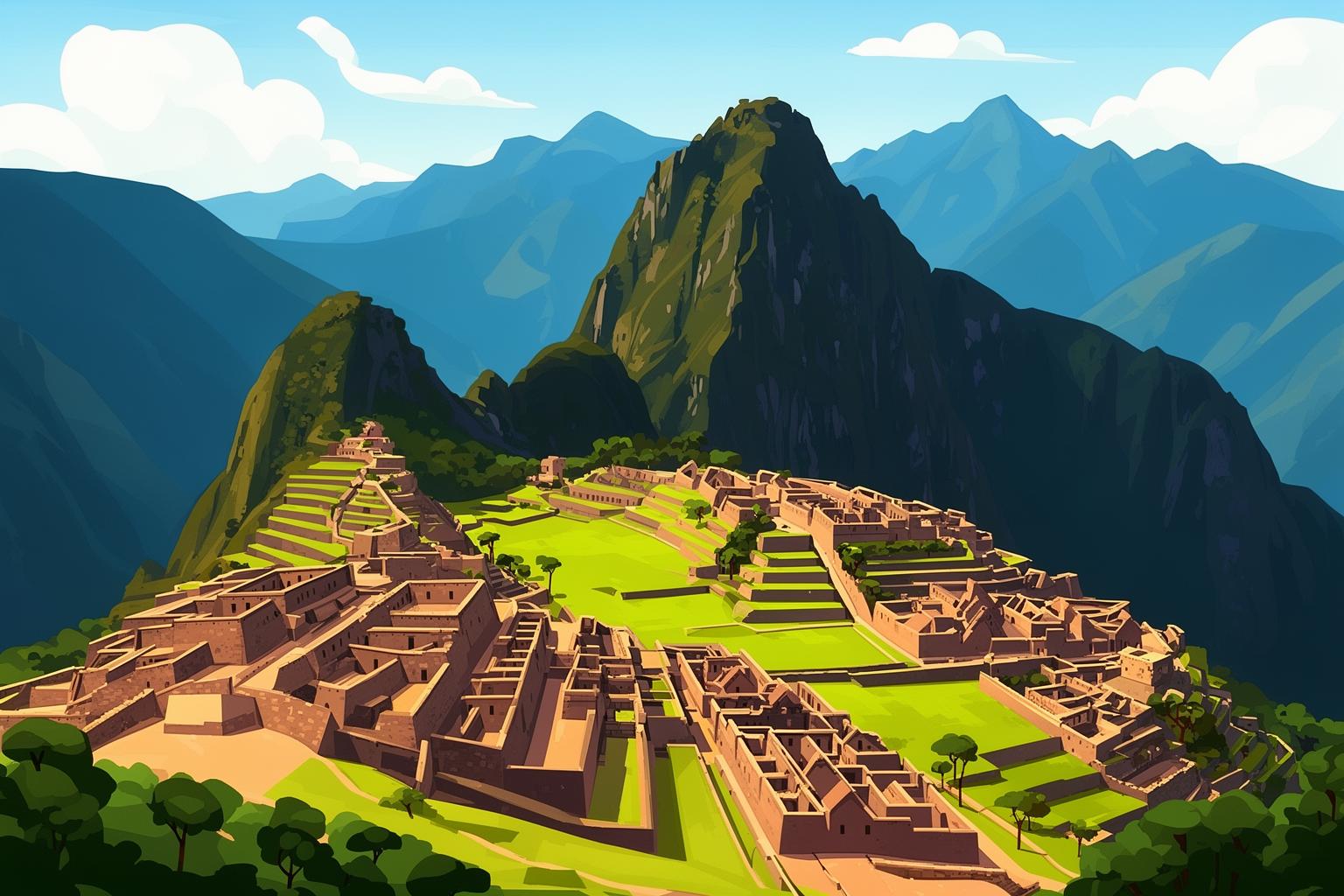
After your initial rest period, your body will have started to adapt. You’ll probably feel more energetic and clear-headed. Now is the moment to begin discovering the wonders of Cusco, but remember the key word is gradual. Keep listening to your body. Walk at an easy pace, take plenty of breaks, and avoid trying to fit too much into one day. Cusco’s charms reveal themselves to those who are patient. Its steep, cobbled streets constantly remind you of the altitude, so treat them with care. Each uphill stretch is a small challenge. Conquer it by moving slowly, breathing deeply, and taking a moment to appreciate the view as a reason to pause.
The Artisan Heartbeat of San Blas
One of Cusco’s most enchanting neighborhoods is the district of San Blas. To get there, you must climb a series of steep, narrow alleyways from the Plaza de Armas. This walk offers a perfect first test for your acclimatized lungs. Take it slow. The reward is a bohemian haven of whitewashed adobe walls, bright blue doors, and a quieter, more intimate ambiance. San Blas is the historic home of Cusco’s finest artisans, with streets lined by the workshops and galleries of painters, sculptors, and ceramicists. This is not a place to rush through. Step into a small studio and watch an artisan carefully carve a religious icon from wood. Admire vibrant, surreal paintings that blend Catholic saints with Incan cosmology. The atmosphere here feels creative and reflective. Find a cozy café with a balcony overlooking the city’s rooftops. Order a mate de coca and spend an hour simply soaking in the view. The gradual ascent to San Blas and the peaceful wandering of its streets perfectly mirror the acclimatization process: gentle effort followed by a magnificent reward. It teaches you to savor the journey, not just the destination.
Whispers of Power: Sacsayhuamán and the Upper City
Perched on a hill directly above Cusco stands the monumental fortress-temple of Sacsayhuamán. Its zigzagging walls, constructed from stones so massive and precisely fitted that not even a sheet of paper can slip between, testify to the remarkable engineering skill of the Inca. Visiting here is essential to grasp the vastness of the empire that built Machu Picchu. However, hiking directly from the city center on your second or third day can be too exhausting. A smarter choice is to take a taxi or tour bus to the top entrance, conserving your energy for exploring the site itself. As you wander among these gigantic stones, you feel the weight of history. This was the spiritual and military heart of the puma-shaped city of Cusco. Imagine the grand ceremonies held here, the thousands of warriors stationed along its walls. The panoramic view of Cusco nestled in the valley below is breathtaking in every sense. From Sacsayhuamán, you can start a gentle downhill walk back to the city, stopping at smaller archaeological sites along the route. This strategy—ascending by vehicle and descending on foot—is a wise way to experience Cusco’s magnificent ruins without overexertion. You enjoy all the wonder without the fatigue.
The Enigmatic Altar of Q’enqo
A short walk downhill from Sacsayhuamán leads to Q’enqo, a fascinating, mysterious site. Unlike the fortress’s grand walls, Q’enqo is a natural limestone outcrop intricately carved by the Inca. Its name in Quechua means “zigzag,” referring to the small channel etched into its summit, possibly used for directing sacrificial libations of blood or chicha (corn beer). The true magic of Q’enqo lies beneath the rock, where a cave opens into a subterranean chamber. Inside, a stone altar awaits. The air is cool and still, and the atmosphere feels deeply spiritual and ceremonial. This site may have served for sacrifices, mummification rituals, or astronomical observation. Its intimacy and mystery offer a unique insight into Incan beliefs—a strong, tangible connection to Pachamama, or Mother Earth.
The Watchtower and the Bath: Puka Pukara and Tambomachay
Further along the road from Sacsayhuamán are two more significant sites. Puka Pukara, the “Red Fortress,” likely functioned as a military checkpoint or a travelers’ lodge along the Inca road. Its strategic location provides stunning views of the surrounding landscape. Just across the road lies Tambomachay, often called the “Inca Baths.” This elegant site features a series of aqueducts, canals, and waterfalls channeled through terraced stonework. Water flows continuously from a natural spring, and its purity suggests this was a place of ritual cleansing and reverence for water, one of the most sacred elements in the Andean world. Visiting these four sites—Sacsayhuamán, Q’enqo, Puka Pukara, and Tambomachay—can be comfortably done as part of a half-day tour, offering a profound sense of the sacred landscape around Cusco without overtaxing your physical strength.
The Sacred Valley Advantage: A Lower Altitude Haven
For travelers who are particularly sensitive to altitude or who simply seek a more peaceful experience, there is an excellent alternative or complementary option to staying in Cusco: basing yourself in the Sacred Valley. Stretching along the Urubamba River, the valley sits at a considerably lower elevation than Cusco. Towns such as Pisac, Urubamba, and Ollantaytambo are located between 2,700 and 2,900 meters (approximately 8,900 to 9,500 feet). This elevation difference of 500 meters or more can significantly affect how you feel. Spending your first few nights in the Sacred Valley allows your body to acclimate more gradually before you eventually ascend to Cusco and then continue on to Machu Picchu. This method, often referred to as “ascending gradually,” is strongly recommended by both medical professionals and experienced travelers.
Pisac’s Market and Mountaintop Beauty
Pisac is one of the treasures of the Sacred Valley, best known for its lively Sunday market where villagers from nearby highlands gather to sell their goods. It’s a vibrant blend of color, sound, and aroma. Here, you’ll discover vivid handwoven textiles, intricate silver jewelry, and an extensive produce section featuring dozens of potato and corn varieties you likely haven’t encountered before. However, Pisac’s true marvel is found high on the mountain above the town. The archaeological site of Pisac is an expansive complex of agricultural terraces, temples, and military fortifications that rivals Machu Picchu in both scale and beauty. The terraces, which follow the natural contours of the mountain, are a masterpiece of agricultural engineering, while the stone masonry in the central temple complex is exquisite. Similar to Sacsayhuamán, the best way to explore is to take a taxi to the summit and spend a few hours slowly walking down through the different parts of the ruins, finishing back in the modern town. The panoramic views of the Sacred Valley from these heights are truly unforgettable.
Ollantaytambo: The Living Inca Village
Further along the valley lies Ollantaytambo, a place of unique historical significance. It is one of the rare locations in Peru where the town has been continuously inhabited since Inca times, with residents living in homes built on centuries-old Inca foundations. The town retains its original grid layout, complete with stone-lined water channels still flowing alongside narrow cobblestone streets. It feels like stepping back in history. Overlooking the town is a magnificent and steep fortress-temple. These terraces, which climb sharply up the mountainside, were the site of a rare Inca victory against the Spanish conquistadors. Ascending to the top is a challenging but gratifying climb that should only be undertaken after several days of acclimatization. At the summit, you’ll find the Temple of the Sun, featuring six enormous monoliths of pink rhyolite, perfectly joined yet unfinished, offering a fascinating insight into Inca construction methods. Ollantaytambo is more than just a ruin; it’s a living town and the main departure point for the train to Aguas Calientes, the village at the base of Machu Picchu. Spending a night or two here is an ideal final step in your acclimatization process, as the lower altitude allows for a restful sleep before you embark on the last stage of your journey to the lost city.
Andean Wisdom and Final Preparations
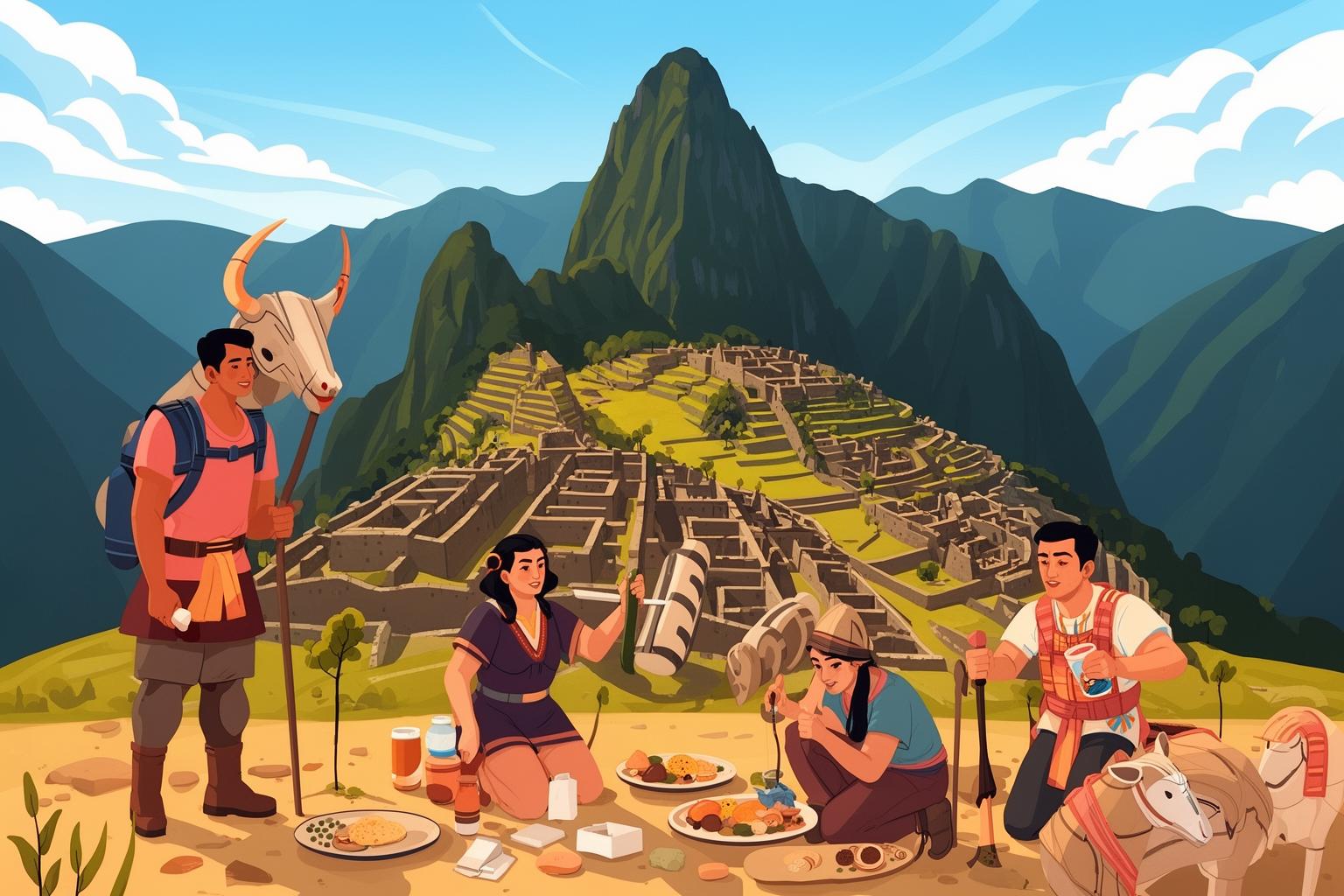
As you progress through your acclimatization journey, a few final pieces of practical advice will help make your trip as smooth and enjoyable as possible. This involves respecting the environment, preparing your gear, and adopting the right mindset as you get ready to witness one of the world’s greatest wonders.
Dressing for the Elements: The Importance of Layers
The weather in the Andes is notoriously unpredictable. A single day can bring intense high-altitude sun, biting winds, and sudden rain showers. The key to staying comfortable is layering. Instead of relying on one bulky jacket, pack several lighter layers: a base layer (such as a merino wool shirt), a mid-layer (like a fleece or lightweight down jacket), and an outer shell (a waterproof, windproof jacket). This allows you to add or remove clothing as conditions change throughout the day. The sun at this altitude is extremely strong due to the thinner atmosphere. Sunscreen with a high SPF is absolutely essential, along with a wide-brimmed hat and quality sunglasses. Even on cloudy days, UV radiation can be intense. Comfortable, well-broken-in walking shoes or hiking boots are equally important. Since you’ll be walking on uneven, ancient stone paths, good traction and ankle support are your best allies.
Health, Wellness, and Peace of Mind
Before you travel, it’s a good idea to consult your doctor about high-altitude travel. They might suggest prescription medication such as acetazolamide (Diamox) to help speed up acclimatization. This is a personal health decision that should be discussed with a professional. Some travelers choose to rely solely on natural methods like coca tea and gradual ascent, while others prefer the additional security medication offers. It’s also wise to bring a small personal first-aid kit with remedies for common travel issues: pain relievers for headaches, medicine for upset stomach, and blister pads for your feet. Lastly, make sure you have comprehensive travel insurance that covers medical emergencies, including evacuation from remote locations. Having this safety net provides valuable peace of mind, allowing you to fully enjoy the experience without worry.
The Language of Connection: A Few Simple Words
While English may suffice in major tourist areas of Cusco and the Sacred Valley, learning a few simple Spanish phrases can enrich your interactions and show respect for the local culture. A simple “Buenos días” (Good morning), “Por favor” (Please), and “Gracias” (Thank you) go a long way. To connect more deeply, learn a word or two in Quechua, the indigenous language of the Inca. A sincere “Sulpayki” (Thank you in Quechua) will almost certainly be met with a warm, appreciative smile. This small effort shows that you see Peru not just as a backdrop for your vacation but as a living culture with a rich heritage that you are fortunate to experience.
The journey to Machu Picchu is a pilgrimage, and like all great pilgrimages, it requires preparation. The time you spend acclimatizing in Cusco and the Sacred Valley is not a delay or inconvenience; it is an essential part of the experience itself. It is a time to slow down, listen to your body, and attune yourself to the powerful rhythms of the Andean world. By embracing this process with patience and respect, you do more than just prevent altitude sickness—you open yourself to a deeper connection with the land, history, and people of this extraordinary place. And when you finally stand before the sun gate to watch the first light illuminate the mystical stones of Machu Picchu, you won’t just be a tourist who has arrived at a destination; you will be a pilgrim who has completed a journey, ready, rested, and fully present for the magic you have worked so hard to witness.