
There’s a moment on the bus ride into the heart of Gifu’s mountains when the modern world begins to peel away. The concrete gives way to winding roads, tunnels carve through imposing green giants, and the sky seems to get bigger, cleaner. You’re not just traveling to a destination; you’re journeying back in time. And then, the valley opens up. Below, nestled along the Shokawa River, is a scene so perfectly preserved, so utterly surreal, it feels like a dream you’ve had before. This is Shirakawa-go, a village where steep, thatched roofs rise from the valley floor like hands clasped in prayer. It’s a designated UNESCO World Heritage site, a living museum of a bygone era, where centuries of tradition are etched into every wooden beam and rice paddy. But for a generation of travelers, this idyllic landscape holds a second, deeper meaning. It is the uncanny, living image of Hinamizawa, the deceptively peaceful setting for the celebrated and chilling anime series, Higurashi: When They Cry. To walk these paths is to walk a dual reality, where the beauty of history intertwines with the haunting echoes of a beloved fiction. It’s a pilgrimage for the soul, whether you’re seeking cultural immersion or the thrill of stepping into an animated world made real.
Travelers drawn to Shirakawa-go’s enchanting blend of history and myth may also enjoy discovering an award-winning travelogue that reveals another facet of cultural allure.
The Soul of the Village: Gassho-zukuri Architecture
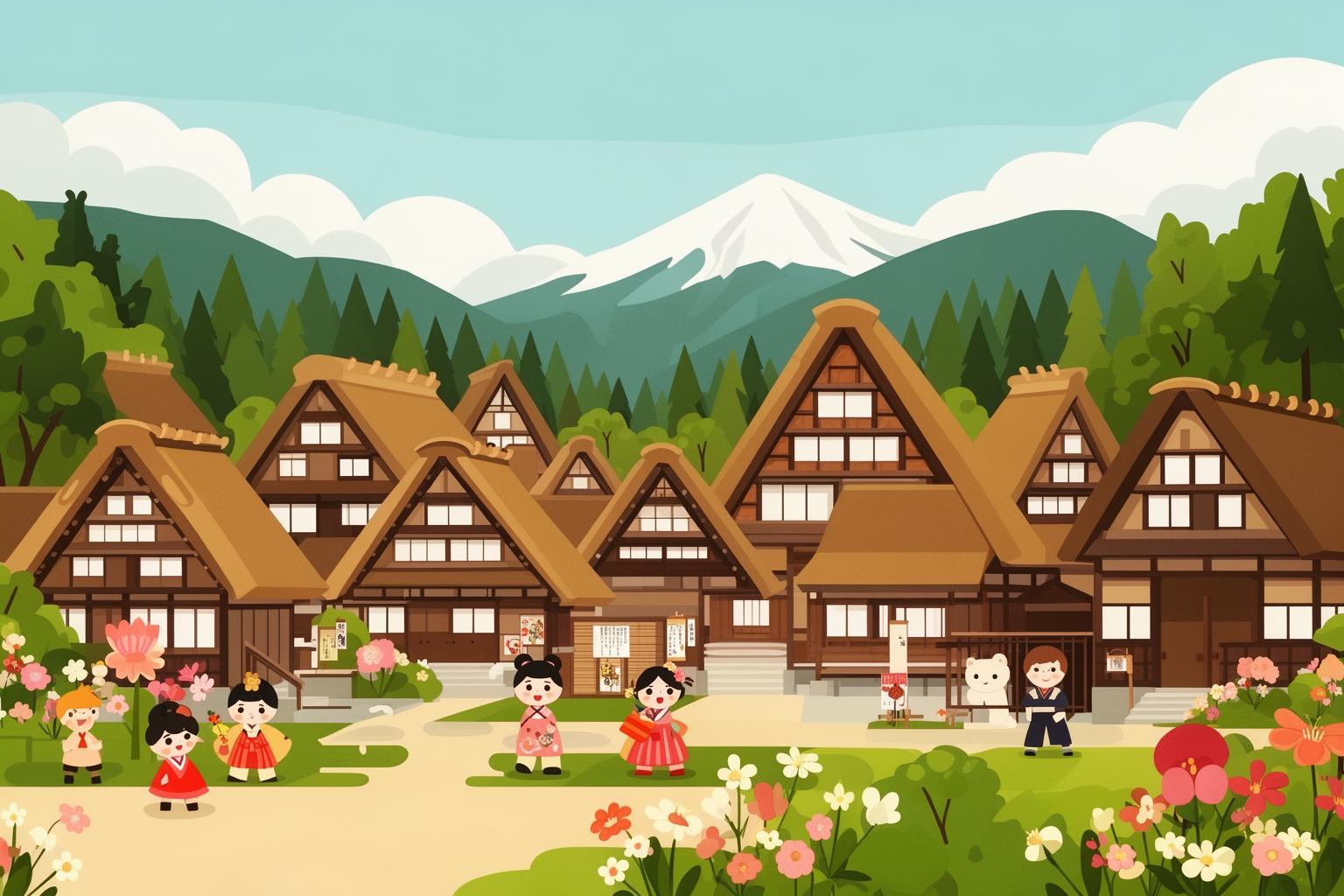
The first thing that envelops you entirely in Shirakawa-go is its architecture. These structures are more than mere houses; they stand as monuments to ingenuity, community, and survival. Known as Gassho-zukuri, a term derived from gassho, meaning to press palms together in prayer, their design speaks volumes. Observe the steep, sixty-degree pitch of the thatched roofs, and you immediately grasp their purpose. This iconic style represents a masterclass in climate-responsive engineering, born from the need to endure the region’s heavy winter snowfalls. The sharp angle prevents snow from piling up to a crushing weight, allowing it to slide off naturally. Standing underneath one, you sense a profound sturdiness and shelter, a protection that has shielded generations.
Even more remarkable is what you don’t see: nails. These massive buildings are held together through an intricate system of wooden joinery and ropes, showcasing the craftsmanship of traditional Japanese carpenters. This design offers flexibility, enabling the houses to shift and breathe through the seasons, from winter’s deep freeze to summer’s humid heat. The spirit of community is literally woven into the framework via a system called yui. Re-thatching a roof is a monumental task, demanding vast amounts of straw and labor. No single family could accomplish it alone. Instead, the entire village converges—a swarm of skilled neighbors and friends—working together to replace a roof in one coordinated effort. This tradition of mutual aid forms the invisible foundation of Shirakawa-go, the cultural glue that has sustained this community in its beautiful isolation.
To fully appreciate this, you must step inside one. Homes like the Wada House or Kanda House, open to visitors, provide a glimpse into this lifestyle. The moment you cross the threshold, the atmosphere shifts. It is cool, imbued with the scent of earth, aged wood, and the faint, comforting aroma of smoke from the central hearth, the irori. This open fireplace was the heart of the home, its smoke rising through the house to cure the thatch from the inside, preserving it and repelling pests. As you climb the steep wooden stairs to the upper levels, you enter a vast, cathedral-like attic space. Beneath the intricate web of beams, you can see the sky peeking through gaps in the thatch. This space was not for storage; it functioned as the village’s economic engine for centuries. The spacious attics were ideal for raising silkworms, a practice called sericulture, which sustained families through the long winters. Standing there, in the dim light filtering through the straw, you can almost hear the rustling of countless tiny creatures—the whispers of a life lived in harmony with nature and community.
Echoes of Hinamizawa: A Pilgrimage for Higurashi Fans
While Shirakawa-go carries a profound historical significance, for many visitors, the atmosphere pulses with a different kind of energy. It’s the excitement of recognition, the uncanny sensation of witnessing fictional landmarks brought to life. The village undeniably embodies Hinamizawa, the backdrop of the mystery-horror visual novel and anime series Higurashi: When They Cry. Strolling through the village feels like stepping into a live-action episode—a journey that blurs the boundaries between reality and imagination, tranquility and menace.
Following the Familiar Path
The pilgrimage begins the instant you step off the Deai-bashi suspension bridge. Crossing the crystal-clear Shokawa River, the bridge gently sways as the view of Gassho village unfolds before you. This is precisely the same bridge the characters cross every day. The main street, with its quaint canals full of koi fish, will feel immediately recognizable. You’ll find yourself instinctively searching for the Irie Clinic or the Sonozaki main house among the historic structures. The most meaningful spot for fans is the Shirakawa Hachiman Shrine. A short, pleasant walk from the village center, you climb a flight of stone steps shaded by ancient cedar trees. At the summit, you’re not simply at a local Shinto shrine; you’ve arrived at Furude Shrine, the heart of Hinamizawa’s culture and its darkest mysteries. The main hall, the ritual storehouse, and the collection of ema (wooden prayer plaques) left by fellow fans—many decorated with stunning artwork of Rena, Rika, and the entire cast—forge a powerful link to the story. You can almost sense the presence of the Watanagashi Festival, a mingling of sacred tradition and looming dread.
The Panorama from Above
No Higurashi pilgrimage is complete without a hike to the Shiroyama Viewpoint. A winding trail leads up the hill where Ogimachi Castle’s ruins once stood. From this vantage point, the entire village spreads out below in a breathtaking panorama. This iconic view has been used countless times in the anime to establish the setting, often during its quietest moments, just before the tension starts to coil. Seeing it in person is deeply moving. The toy-like houses, the patchwork of green fields, the silver thread of the river—it’s all here. It’s a scene of extraordinary beauty, yet for fans, it’s laden with the knowledge of the recurring tragedies afflicting this fictional twin. This is the place where you truly grasp how the creators harnessed this real-world paradise to heighten the psychological horror in their story. The overwhelming serenity of the setting only sharpens the underlying darkness. The contrast is everything. Here, you can sit and soak in the atmosphere, listening to the hum of insects—the cicadas, the very soundtrack of Hinamizawa’s endless summer.
A Journey Through the Seasons
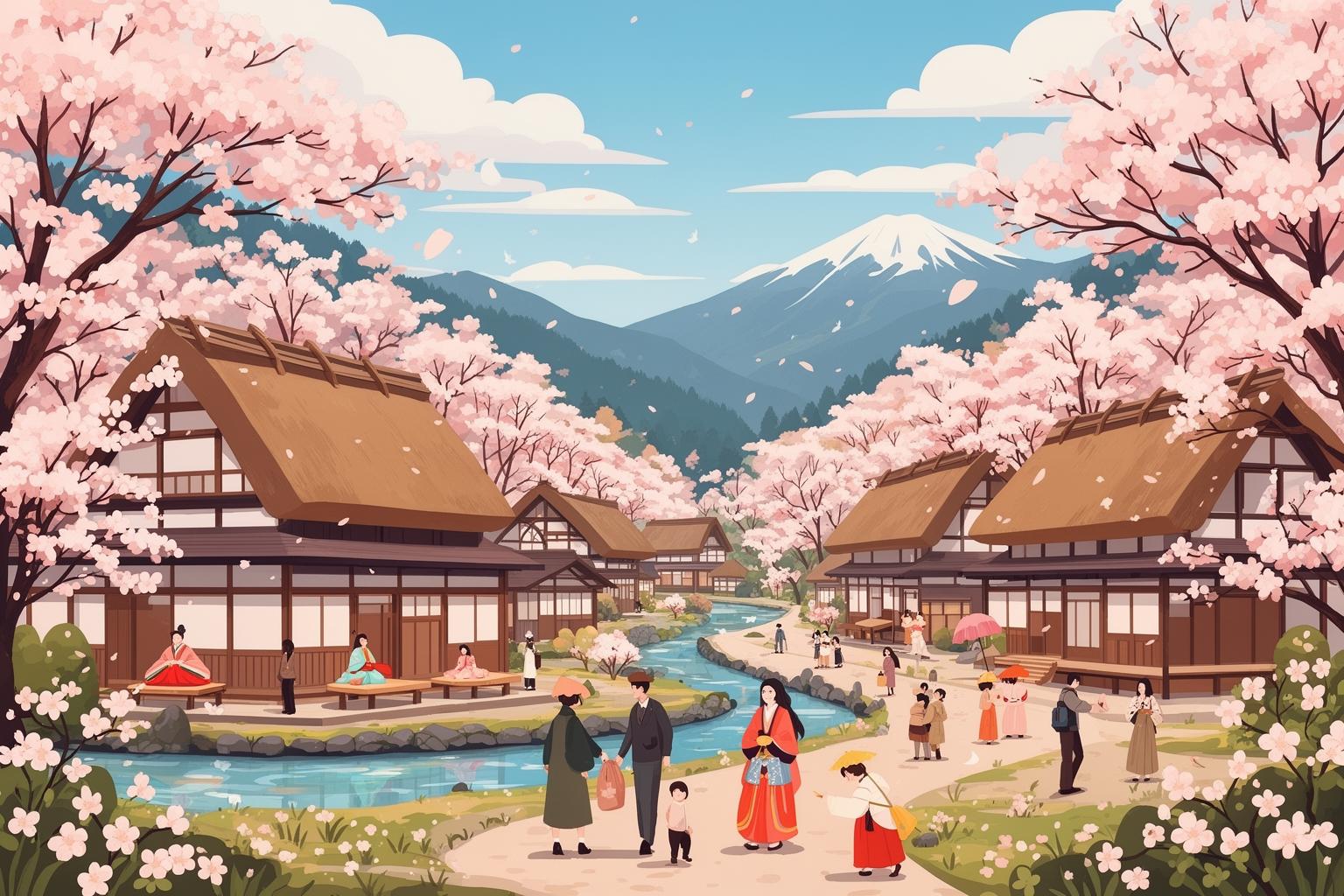
Shirakawa-go is not a fixed destination; it is a living, evolving landscape that changes dramatically with the seasons. Each season provides a wholly different experience, a unique atmosphere, and a distinct reason to visit. Deciding when to go means choosing which version of this fairy tale you want to enter.
Winter’s Blanket of White
Winter is perhaps Shirakawa-go’s most renowned and enchanting season. It is when the village truly becomes a winter wonderland. Heavy, continuous snowfall covers the landscape with a thick, pristine layer of white. The Gassho-zukuri roofs, designed precisely for this purpose, transform into soft, rounded sculptures that resemble gingerbread houses dusted with powdered sugar. The entire valley falls into silence, with the snow absorbing sound and creating a serene, muffled stillness. The real magic occurs on select weekends in January and February during the special winter light-up events. As dusk descends, spotlights illuminate the snow-covered houses, making them glow with a warm, ethereal light against the deep blue evening sky. The view from the observatory is breathtakingly romantic and attracts visitors worldwide. A note of caution: this magic is no secret. Accommodations for the light-up weekends must be reserved a year or more in advance, and the village can be extremely crowded. Visiting on a non-event day offers a quieter, more intimate encounter with the snow. Prepare for the cold with thermal layers, waterproof boots, and an adventurous spirit.
Spring’s Gentle Awakening
As the heavy winter snow finally melts away, spring breathes new life into the valley. The landscape shifts from white to vibrant, hopeful green. Meltwater rushes through the canals, nourishing the rice paddies, which shimmer like mirrors reflecting the sky as they are readied for planting. This is a season of delicate beauty. Cherry blossoms bloom late in the mountains, typically around late April, creating a stunning contrast between soft pink flowers and the sturdy, rustic thatched roofs. The air is crisp and cool, perfect for walking and exploring. For hikers, this season is a delight. Mountain trails begin to open, and the forests buzz with birdsong and budding flora. It’s a quieter time than winter or autumn, offering a chance to witness the village awakening from its long rest.
Summer’s Lush Green Canvas
Summer turns Shirakawa-go into a sea of vivid green. The rice paddies are full and thriving, the surrounding mountains cloaked in dense, lush foliage, and the entire landscape pulses with life. The days are warm and sometimes humid, but the clear mountain air provides refreshing relief. This is the season that most closely matches the setting of Higurashi, with the constant, rhythmic chorus of cicadas forming a persistent, atmospheric soundtrack. It’s an ideal time to explore mountain trails, seek the cool refuge of the forest, and enjoy the misty spray of hidden waterfalls. You can observe farmers working the fields and get a sense of the village as a living agricultural community, not merely a historical exhibit. The vibrant energy of summer brings a dynamic vitality to the valley, sharply contrasting the quiet solitude of winter.
Autumn’s Fiery Palette
When autumn arrives in late October and early November, it sets the mountains ablaze with color. The slopes encircling the village burst into brilliant hues—fiery reds, vivid oranges, and golden yellows—framed by the deep green of evergreen pines. The crisp, clear air enhances the saturation of the colors. This is a photographer’s paradise, as the warm autumn light casts a magical glow over the Gassho houses. It’s also a season of harvest and festivity. The highlight is the Doburoku Festival, held every October at Shirakawa Hachiman Shrine. During this event, villagers and visitors alike are offered doburoku, a rustic, unfiltered sake brewed locally as a sacred gift to the mountain gods. This lively, genuine celebration of gratitude and community mirrors the fictional Watanagashi Festival, offering an immersive cultural experience that connects visitors deeply to the spirit of the place.
Beyond the Main Street: Exploring the Heart of Shirakawa-go
While the main street of Ogimachi village is enchanting, the true spirit of Shirakawa-go often reveals itself by venturing just beyond the most photographed areas. To genuinely connect with the region, one must explore its outskirts and immerse themselves in its living culture.
A Closer Look at the Open-Air Museum
Located just across the river from the main village is the Gassho-zukuri Minkaen, an open-air museum that offers a quieter and often more enriching experience. Several Gassho-style houses from nearby areas, relocated to save them from dam construction, have been carefully preserved and arranged to create a peaceful, small hamlet. Being slightly off the main tourist route, the Minkaen is much less crowded. Visitors can freely wander among the houses, stepping inside to view displays of traditional tools, silk-making equipment, and everyday household items. This setting allows for a relaxed appreciation of the architecture and the lifestyle it supported, free from the usual hustle and bustle. You can try your hand at traditional crafts, rest by a serene pond, and gain a deeper understanding of the daily rhythm in these extraordinary homes.
Local Flavors and Simple Delights
Exploring a place also means tasting it. Don’t leave without sampling the local specialties that provide a delicious link to the mountain environment. Look for a restaurant serving Hida beef, a regional delicacy famed for its remarkable marbling and flavor, often grilled on a magnolia leaf with miso paste (hoba miso). For a quick snack, try gohei-mochi, a skewered and grilled rice cake coated with a sweet and savory sauce made from miso, walnuts, and sesame. It’s the perfect comfort food for a stroll through the village. Another local favorite is the soba noodles, crafted from buckwheat grown in nearby fields and served with pure mountain water. These simple, hearty flavors reflect the land and offer an authentic taste of Hida’s culinary heritage.
Practical Guide for Your Pilgrimage
Reaching a remote and unique destination like Shirakawa-go requires some planning, but the journey itself is an essential part of the adventure. It serves as a transition, preparing you for the distinctive world you are about to enter.
Getting to this Hidden Valley
Shirakawa-go does not have a train station, which has helped maintain its secluded charm. The most common and convenient way to get there is by highway bus. Several companies, particularly Nohi Bus, offer regular services from major nearby transport hubs. The most popular routes run from Takayama (about 50 minutes), Kanazawa (around 90 minutes), and Nagoya (approximately 3 hours). These bus rides are scenic experiences in their own right, winding through tunnels and crossing bridges with breathtaking mountain views. For visitors coming from Tokyo, the quickest way is to take the Hokuriku Shinkansen (bullet train) to Kanazawa and then transfer to the bus. It is highly advisable to book your bus tickets in advance, especially during busy periods like winter weekends or autumn holidays, as they often sell out completely.
Where to Stay: An Unforgettable Night
While a day trip is feasible, to fully appreciate the magic of Shirakawa-go, an overnight stay is essential. After the last tour bus leaves around 5 p.m., a deep quiet settles over the village. The crowds disappear, leaving only the sounds of the river, the whisper of the wind, and the warm glow from the paper windows of the farmhouses. This is when the village feels most genuine, embodying its timeless essence. The best experience is to stay in a minshuku, a family-run guesthouse within one of the historic Gassho-zukuri houses. Here, you will sleep on a cozy futon laid out on tatami mats, enjoy a delicious homemade meal shared with your hosts and other guests around the central irori hearth, and wake to the crisp mountain air. This is not merely lodging; it’s a profoundly immersive cultural experience. Keep in mind that these minshuku are limited and highly sought after. You need to book your stay many months—sometimes even a year—in advance. The effort is more than worthwhile.
Navigating with Respect
Shirakawa-go is a living community, not a theme park. Although Ogimachi is a tourist spot, residents live and work here. Be a considerate visitor. Stay on public roads and paths, avoid entering private property, and do not peer into homes that are not open to the public. The farmers’ fields are their livelihood, so respect them by never walking through them. The village is exceptionally clean, so be sure to carry out all your trash. By exploring quietly and respectfully, you help preserve the peaceful atmosphere that makes this place so special to everyone.
A Hiker’s Perspective: The Trails Around the Valley
From the perspective of an outdoor enthusiast, the houses of Shirakawa-go mark only the beginning of the story. The village rests nestled in the embrace of majestic mountains, with the surrounding nature as integral to its identity as the iconic thatched roofs. The trails weaving through these mountains offer a unique way to experience the valley, providing an opportunity to breathe the crisp alpine air and see the landscape from a fresh viewpoint.
Even a brief hike can be deeply rewarding. The easiest trail is the well-worn path leading to the Shiroyama Viewpoint. Although a shuttle bus is available, the walk itself is a delightful experience. It’s a gentle ascent taking about 15 to 20 minutes, winding through forested slopes. With each step, the sounds of the village below diminish, giving way to the rustling leaves and birdsong. Reaching the summit on foot makes the panoramic view at the top feel well-earned and all the more breathtaking. For those with more time and stamina, the region serves as a gateway to Hakusan National Park, a vast expanse of sacred peaks and ancient forests. Longer day hikes lead along ridges and to tranquil waterfalls. These trails reveal the origins of the wood used to build the houses and the water that nourishes the rice paddies. Gazing down at the village from a high trail, seeing it as a small, resilient cluster of human ingenuity amid vast, untamed nature, is a humbling and unforgettable experience. It deepens the sense of isolation and community that defines both the real Shirakawa-go and the fictional Hinamizawa.
Shirakawa-go is a rare and precious confluence of worlds. It is a masterpiece of human heritage, testament to a way of life lived in perfect harmony with a challenging natural environment. It is also, undeniably, sacred ground for fans of a story that has captivated their imaginations—a place where they can follow in the footsteps of characters they cherish. The village does not belong to a single narrative; it holds many. It is a place of striking beauty, enduring community, and, for some, delightful, spine-tingling suspense. Whether you come seeking history or Hinamizawa, you will leave with something more: a memory of a valley where time seems to have paused, and where the boundary between fairytale and reality is beautifully and indelibly blurred.