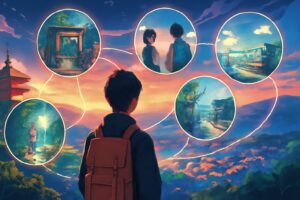
A new travel initiative set for spring 2026 is poised to redefine the tourist experience in Japan by strategically merging the country’s iconic cherry blossom season with the booming trend of anime pilgrimages. A forthcoming guide will offer curated itineraries that allow fans to visit the real-world locations of their favorite anime series, perfectly timed to coincide with the breathtaking bloom of sakura. This move, backed by organizations like the Anime Tourism Association, signals a significant shift in Japan’s tourism strategy, catering to a global audience drawn by its vibrant pop culture.
The Rise of “Seichi Junrei”: Anime as a Travel Motivator
The concept of “seichi junrei,” which translates to “pilgrimage to a sacred site,” has evolved from a religious term to describe the fan-driven phenomenon of visiting real-life locations featured in anime, manga, and video games. This niche form of tourism has grown into a powerful economic and cultural force.
For years, international travelers have been drawn to Japan for its traditional culture, cuisine, and scenery. However, a significant and growing segment is now motivated by its world-renowned pop culture. According to data from the Japan National Tourism Organization (JNTO) in 2019, before the global travel downturn, an estimated 5.6% of international visitors cited enjoying Japanese pop culture, including anime and manga, as a primary purpose for their trip. This segment alone accounted for an estimated JPY 270 billion (approximately USD 2.5 billion at the time) in tourist spending.
Organizations like the Anime Tourism Association have been instrumental in capitalizing on this trend. Each year, they release a list of “88 Japanese Anime Spots to Visit,” encouraging fans to explore locations from Hokkaido to Okinawa, many of which are far from the traditional “golden route” of Tokyo, Kyoto, and Osaka.
A Synergistic Itinerary: What the 2026 Guide Offers
The spring 2026 guide aims to create a more profound and immersive experience by layering the modern appeal of anime onto the timeless beauty of the cherry blossom season. Instead of being separate activities, the two will be woven together into a single, compelling journey.
Key Features of the Initiative:
- Timed Itineraries: The guide will provide travel plans that align with the cherry blossom forecast, which famously sweeps across the country from south to north. This allows tourists to visit a specific “seichi” (sacred spot) when its scenic beauty is at its peak.
- Beyond the Golden Route: By highlighting locations from popular series set in regional areas—such as Gifu Prefecture from Your Name. or Yamanashi Prefecture from Laid-Back Camp—the initiative will encourage tourists to venture into less-traveled parts of Japan.
- A Deeper Cultural Connection: The fusion allows visitors to experience both contemporary and traditional Japanese aesthetics simultaneously. A fan might visit a shrine featured in an anime, only to find it framed by hundred-year-old cherry trees in full bloom, creating a powerful emotional and photographic moment.
Future Projections and Economic Impact
This strategic fusion is expected to have a significant and lasting impact on Japan’s tourism landscape.
Boosting Regional Economies
The most immediate effect will be the economic revitalization of regional areas. By dispersing tourists away from overcrowded major cities, this model helps alleviate the pressures of overtourism while injecting valuable revenue into local economies. Small towns and prefectures that serve as anime settings can expect increased visitor numbers, longer stays, and higher spending on local accommodations, food, and exclusive merchandise.
Evolving Tourist Demographics
The initiative caters to a younger, digitally-native demographic that is highly engaged with online fan communities. These travelers often share their experiences extensively on social media, generating powerful word-of-mouth marketing and inspiring others to follow in their footsteps. This creates a self-sustaining cycle of interest and visitation.
The Future of Experiential Travel
Looking ahead, this trend is likely to evolve further. We can anticipate the integration of technologies like Augmented Reality (AR) apps that allow fans to see anime characters appear in their real-world settings. Tour operators may offer more specialized, hyper-focused “pilgrimage packages” that include exclusive events or meetings with creators.
By embracing its soft power and creatively blending it with its traditional assets, Japan is not just attracting more tourists; it is crafting a new narrative for what a trip to the country can be—a personalized, deeply meaningful journey that connects the worlds of fiction and reality under the canopy of its most iconic blossoms.