There’s a specific kind of magic that settles in your bones when a place you’ve only seen in dreams becomes real. It’s a shimmer in the air, a hum beneath your feet. For me, and for countless others who grew up mesmerized by the masterworks of Studio Ghibli, that place is Yakushima Island. This isn’t just an island; it’s an awakening. It’s a remote, subtropical gem floating off the southern coast of Kyushu, Japan, a place where the mountains scrape the heavens and the rain is said to fall for thirty-five days a month. But more than that, it is the living, breathing soul of one of the greatest animated films ever created: Hayao Miyazaki’s Princess Mononoke. This is where the ancient Forest Spirit once walked, where the Kodama, the little white tree spirits, tilt their heads in the deep, verdant moss. To step onto Yakushima is to step through the screen and into the wild, untamed heart of Miyazaki’s vision. As a hiker, my pilgrimages are usually to summits and sweeping vistas, but this was different. This was a journey into a story, a quest to find the pulse of a world that feels more ancient and vital than our own. It’s a place that demands respect, rewards the adventurous, and fundamentally changes how you see the color green. Prepare yourself for a world painted in a thousand shades of emerald, a sanctuary of life where every root, rock, and river whispers a tale millennia in the making.
As you wander through the forest’s whispered legends, consider exploring the rich realm of literary tourism that unveils Nepal’s own tapestry of poetic heritage.
The Soul of the Island: Whispers of Kodama in Shiratani Unsuikyo
The journey into the world of Princess Mononoke truly begins at Shiratani Unsuikyo, the Ravine of White Valley and Cloud Water. This place is more than just a filming location; it embodies the film’s emotional and visual heart. From the moment you step off the trailhead onto the path, the modern world fades away. The air turns cool and heavy with moisture, filled with the scent of damp earth and decaying wood—the very essence of life’s eternal cycle. Everything, and I mean everything, is blanketed in a thick, velvety layer of moss. It clings to ancient tree trunks, weaves over gnarled roots, and covers massive granite boulders in a soft, sound-absorbing embrace. The silence here is deep, broken only by the chirp of a hidden bird or the steady, meditative drip of water seeping from the moss itself. This is the world San, the wolf princess, called home. It’s easy to picture her, swift and silent, moving through these trees. Farther into the ravine lies the area officially nicknamed ‘Mononoke Hime no Mori’—Princess Mononoke’s Forest. It’s a wild, beautiful tangle of green where light struggles to penetrate the dense canopy, casting an ethereal, almost underwater glow. You can sense the presence of the Kodama here, the silent, watchful tree spirits. This place invites you to slow down, pause and simply breathe, to run your hands over the cool, damp moss and feel the vast age in your surroundings. The hike itself feels more like a magical wander than a grueling trek. A network of well-kept trails, including old logging roads from the Edo Period, offers various routes. You can opt for a short one-hour loop or a more demanding five-hour hike leading to an incredible payoff. That payoff is Taiko-iwa, or Drum Rock, a huge granite monolith that provides an unmatched panoramic view of the island’s mountainous interior. After being immersed in the forest’s intimate beauty, stepping onto this rock feels like your first deep breath. You see an endless sea of green stretching below, jagged peaks slicing through the clouds, and you grasp the scale and majesty of this place. A tip for any adventurer: Yakushima’s weather is notoriously unpredictable. A bright morning can turn into a heavy downpour within minutes. Waterproof gear is essential, not optional, and solid hiking boots are crucial for navigating the slippery, root-covered paths. But the rain isn’t a hindrance; it’s the lifeblood of Yakushima. It’s what nourishes this extraordinary greenery and gives the forest its soul.
The Great Pilgrimage: The Journey to Jomon Sugi
If Shiratani Unsuikyo embodies the soul of Yakushima, then Jomon Sugi is its ancient, pulsating heart. This solitary tree is the island’s most revered inhabitant, a living monument estimated to be between 2,170 and an astonishing 7,200 years old. Standing in its presence is like touching a history that predates pyramids and empires. The trek to Jomon Sugi is no mere stroll; it is a genuine pilgrimage, a full-day endeavor that tests your stamina and rewards you with a deep sense of achievement. The journey often starts well before dawn. You join a silent line of hikers, headlamps cutting through the darkness as you make your way to the beginning of the Okabu Trail. The initial hours follow an old logging railway, the ‘Anbo Forest Railway’. The steady clack of your boots on the wooden sleepers is the sole sound—a hypnotic march through a forest awakening to the day. As dawn breaks, the sky fills with hues of orange and purple, unveiling the steep, tree-covered ravines flanking the tracks. This section is relatively flat but serves as a long and mentally taxing warm-up for the challenges ahead. After roughly eight kilometers, the real ascent begins. The trail leaves the tracks and plunges into the wilderness, demanding a strenuous climb over giant roots and mossy boulders. Along the way, you encounter other forest giants—lesser in size but equally majestic. You come across Wilson’s Stump, the massive remains of a cedar felled centuries ago. You can actually step inside the hollow stump, and if you look upward from just the right angle, the opening frames a perfect heart shape—a playful moment on a serious journey. At last, after hours of persistent hiking, you arrive. Jomon Sugi does not reveal itself all at once; you catch glimpses through the trees of a vast, twisted presence that defies scale. It is enormous, powerful, and utterly awe-inspiring. Its bark is a rich tapestry of texture and time, with branches stretching like weathered arms. A protective viewing platform keeps visitors at a respectful distance to preserve its fragile root system. You don’t merely see Jomon Sugi—you feel its presence. It exudes an aura of enduring strength and ancient wisdom. The experience is humbling, a reminder of our fleeting existence within the vast timeline of nature. The return walk along the railway tracks is a long, often tiring reflection, your mind replaying the sight of that monumental tree as your legs throb with each step. But it is a satisfying ache—the kind that marks a well-spent day, a challenge overcome, and a bond formed with something truly eternal.
Beyond the Ancient Cedars: Yakushima’s Otherworldly Landscapes
While the ancient cedar forests are the island’s primary attraction, they represent just one chapter in Yakushima’s vast story. This UNESCO World Heritage site is a land of striking contrasts, where towering granite mountains meet a wild, untamed coastline. To fully grasp the essence of the island, you must explore its varied ecosystems—from its thundering waterfalls to its peaceful, turtle-guarded beaches.
A Realm of Water and Stone
Yakushima is a land defined by water. The abundant rainfall nourishes a network of powerful rivers and breathtaking waterfalls that carve through the island’s granite heart. Among the most impressive and accessible are Senpiro-no-taki and Oko-no-taki. Senpiro-no-taki, meaning ‘Thousand-person-deep-fall,’ is not just a waterfall but a vast granite gorge into which the water plunges. The viewpoint highlights the immense geological scale and the way water has shaped stone over millennia. Further along the island’s coastal road is Oko-no-taki, one of Japan’s top 100 waterfalls. Here, water cascades 88 meters down a sheer cliff. Unlike Senpiro-no-taki, you can approach the base of the falls. The spray is invigorating, and the roar of the water is thunderous. It is a raw, powerful display of nature’s force. Exploring the island’s rivers offers another perspective. Kayaking or stand-up paddleboarding on the calm, clear waters of the Anbo or Miyanoura rivers provides a peaceful way to immerse yourself in the lush surroundings. The water is so pure and clear that the riverbed stones are often visible. Paddling quietly, you become part of the landscape, enveloped by the closing forest canopy—far removed from the challenging hiking trails.
Life on the Coastline: From Sea Turtles to Seaside Onsen
Yakushima’s coastline is as wild and stunning as its mountainous interior. The western road, known as the Seibu Rindo Forest Path, is a narrow, winding route through a World Heritage zone where forest meets sea. Here, you are nearly certain to encounter the island’s native Yakushika deer and Yakuzaru monkeys, often just steps from your car. They roam freely, a reminder that this is their natural home first and foremost. One of the most enchanting coastal experiences occurs at Nagata Inakahama Beach. This gorgeous stretch of golden sand is the key nesting site for endangered loggerhead sea turtles in the North Pacific. From May to July, under the cover of darkness, female turtles emerge to lay their eggs. It is a primal and moving sight. Local conservation groups conduct carefully managed tours to protect the turtles from disturbance. Witnessing these ancient creatures return to the beach of their birth is an unforgettable moment. For a distinctly Japanese way to unwind after a day of hiking, seek out the island’s seaside hot springs, or onsen. Hirauchi Kaichu Onsen is perhaps the best known. These natural rock pools are perched right on the shoreline and are accessible only for a few hours around low tide. Soaking in the volcanically heated water while hearing the Pacific waves crashing nearby is a truly sublime experience. It’s a co-ed, rustic setting—there are no changing facilities, and swimsuits are typically worn. It’s the perfect salty finish to a day of mountain adventure.
Planning Your Expedition: The Practical Heart of the Journey
A trip to a place as remote and wild as Yakushima calls for a bit more preparation than your typical vacation. The journey itself—both getting there and moving around—can be part of the adventure, and having a clear understanding of the logistics beforehand will let you fully immerse yourself in the island’s magic once you arrive. Think of it as gearing up for an expedition into a mythical land, making sure you have the right maps and supplies for the journey ahead.
Reaching the Enchanted Isle: Access and Transportation
Yakushima is an island, so your final approach will be by sea or air. Kagoshima, a city located at Kyushu’s southern tip, serves as the main gateway on the mainland. From Kagoshima Airport, you can catch a direct flight to Yakushima’s small airport. The flight is brief—about 40 minutes—and offers breathtaking aerial views of the island’s lush, mountainous landscape as you descend. This is the quickest but usually the priciest option. The more popular and scenic alternative is to travel by sea from Kagoshima’s port. You have two main choices: the high-speed jetfoil (known as ‘Toppy’ or ‘Rocket’) or the slower car ferry. The jetfoil glides across the water, completing the trip in roughly two to three hours. It’s fast and efficient but requires you to remain seated inside. Conversely, the car ferry takes a leisurely four hours, is more affordable, allows you to bring a rental car from the mainland, and lets you stand on deck to enjoy the sea breeze and watch Yakushima grow larger on the horizon. For me, the ferry ride is part of the ritual—a slow transition from the urban world to the realm of nature.
Navigating Yakushima: Getting Around the Green Labyrinth
Once on the island, you’ll need a way to get around. While Yakushima offers a public bus service, it’s infrequent and doesn’t conveniently reach all trailheads and points of interest. For true freedom and flexibility, renting a car is by far the best choice. The island has one main road that circles most of its coastline, and having your own vehicle lets you explore at your own pace, stop at deserted beaches, or chase the sunset. Be sure to book your rental car well in advance, especially during peak seasons, as availability is limited. Rental agencies are located near both Miyanoura and Anbo ports, as well as at the airport. Driving on the island is enjoyable—the roads are generally quiet, though you should be prepared for narrow, winding sections, particularly on the western Seibu Rindo road. Always watch for wandering deer and monkeys. If you’re not comfortable driving, you can hire a taxi for specific trips or arrange a private guide who will handle all transportation. This is an excellent option for the Jomon Sugi hike, as guides can organize early-morning transport and offer invaluable insights and support along the trail.
When to Answer the Call of the Wild: Timing Your Visit
Yakushima can be visited year-round, with each season offering a unique experience. Spring (March to May) is beautiful, with mountain cherry blossoms in bloom and forests bursting with fresh, vibrant greens. The weather is generally pleasant for hiking. Summer (June to August) begins with the intense rainy season, or tsuyu, in June, which is when the moss is most spectacular. July and August bring hot, humid conditions, ideal for river and sea activities. This period also marks the peak of the sea turtle nesting season but beware—it coincides with typhoon season. Autumn (September to November) is often considered the best time for hiking. Temperatures cool, humidity lowers, and weather tends to be more stable. The autumn foliage on the mountainsides is breathtaking. Winter (December to February) is the quietest season. Coastal areas remain mild, but high peaks are often snow-covered, creating a stunning contrast. Some high-elevation trails may be closed, but it’s a peaceful time to visit if you prefer to avoid crowds.
The Spirit of the Forest: Respect and Coexistence
To visit Yakushima and see it merely as a beautiful landscape or a movie set is to overlook its deepest truth. The island is a powerful spiritual place, embodying the Shinto belief that gods, or kami, inhabit all aspects of nature—in the ancient trees, towering mountains, and rushing rivers. This is the core of animism that Hayao Miyazaki so masterfully portrayed in Princess Mononoke. The film tells the story of the conflict between humanity and nature, emphasizing the need for balance and respect. On Yakushima, this is not fantasy but a way of life. When hiking here, you become a guest in a sacred place, making responsible tourism not just a suggestion but an absolute necessity. The most important rule is to leave no trace: pack out everything you bring in, including food scraps. The ecosystem is fragile. Staying on designated trails is vital because the moss carpets, which appear robust, are actually delicate communities of tiny plants that a single step can destroy, taking decades to recover. It’s also important to resist touching the gnarled bark of the oldest cedars, as oils and bacteria from our hands can harm these ancient trees. The well-maintained boardwalks and viewing platforms you’ll see in sensitive areas are there for good reason. For the long Jomon Sugi hike, using the portable toilet system is essential; hikers must carry a small, private toilet kit to prevent environmental contamination from human waste. Although it may seem unusual, this is a small act of respect for the mountain’s purity. This philosophy of coexistence extends to the local community, whose members share a deep, symbiotic relationship with the island as its caretakers. When you visit, support local businesses, dine at local restaurants, and engage respectfully with the culture. By doing so, you help sustain an economy that preserves this magical place for future generations. Your visit should be a quiet dialogue with nature, not a loud announcement of your presence. Move through the forest with humility, listen to its whispers, and leave it as pristine as you found it.
Gearing Up for the Green: What to Pack and Where to Stay
Proper preparation is essential to fully enjoy everything Yakushima has to offer. Having the right gear can mean the difference between a miserable, wet day and an unforgettable adventure, while selecting the ideal place to stay can greatly enhance your overall experience on the island.
Essential Gear for the Yakushima Hiker
Packing for Yakushima can be summed up in two key points: waterproof clothing and layering. The island’s weather is famously unpredictable, so being ready for rain and temperature fluctuations is vital, especially when venturing into the mountains. First, invest in high-quality rain gear—a fully waterproof and breathable jacket and waterproof pants are must-haves. Umbrellas are ineffective in the forest, and cheap ponchos tend to tear easily. Next, prioritize your footwear. Sturdy, waterproof hiking boots with excellent traction are indispensable since the trails are often wet, slippery, and scattered with twisted roots and rocks. Your boots are the most critical piece of equipment you own. Dress in layers, avoiding cotton, which absorbs moisture and stays damp. Opt instead for synthetic or wool base layers, a fleece or insulated mid-layer, and a waterproof outer shell. This setup allows you to adapt to changing temperatures as you ascend. Carry a comfortable backpack equipped with a rain cover to hold your gear, water, and snacks. Bring a reusable water bottle; mountain streams often provide clean, drinkable water, but always verify with a local guide before refilling. For the Jomon Sugi hike, a headlamp is required for the early start before dawn. Lastly, pack plenty of energy-rich snacks. While stores are available in major towns, options become limited once you move inland.
Finding Your Basecamp: Accommodation on the Island
Yakushima offers a variety of accommodation options to suit different preferences and budgets, mainly concentrated around the two principal port towns: Miyanoura in the north and Anbo in the south. Miyanoura is the larger town with more amenities, while Anbo is quieter and serves as a convenient starting point for the Jomon Sugi hike. Choices range from luxury resort hotels with full-service spas and restaurants to simple, budget-friendly hostels ideal for meeting other travelers. For an authentic Japanese experience, I highly recommend staying in a minshuku, which are family-run guesthouses akin to bed and breakfasts. Staying in a minshuku provides a wonderful window into local life—the hosts are often very welcoming and offer invaluable island insights. The food is often a highlight, with home-cooked meals featuring local specialties like flying fish (tobiuo) and dishes made from island-foraged ingredients. Additionally, many rental cottages and self-catering apartments are scattered across the island, perfect for families or those seeking more privacy and independence. Whatever you choose, it’s crucial to book accommodations well in advance, especially if you plan to visit during Japanese public holidays or the peak seasons of spring and autumn, as places fill up rapidly on this popular island.
A Final Echo from the Forest
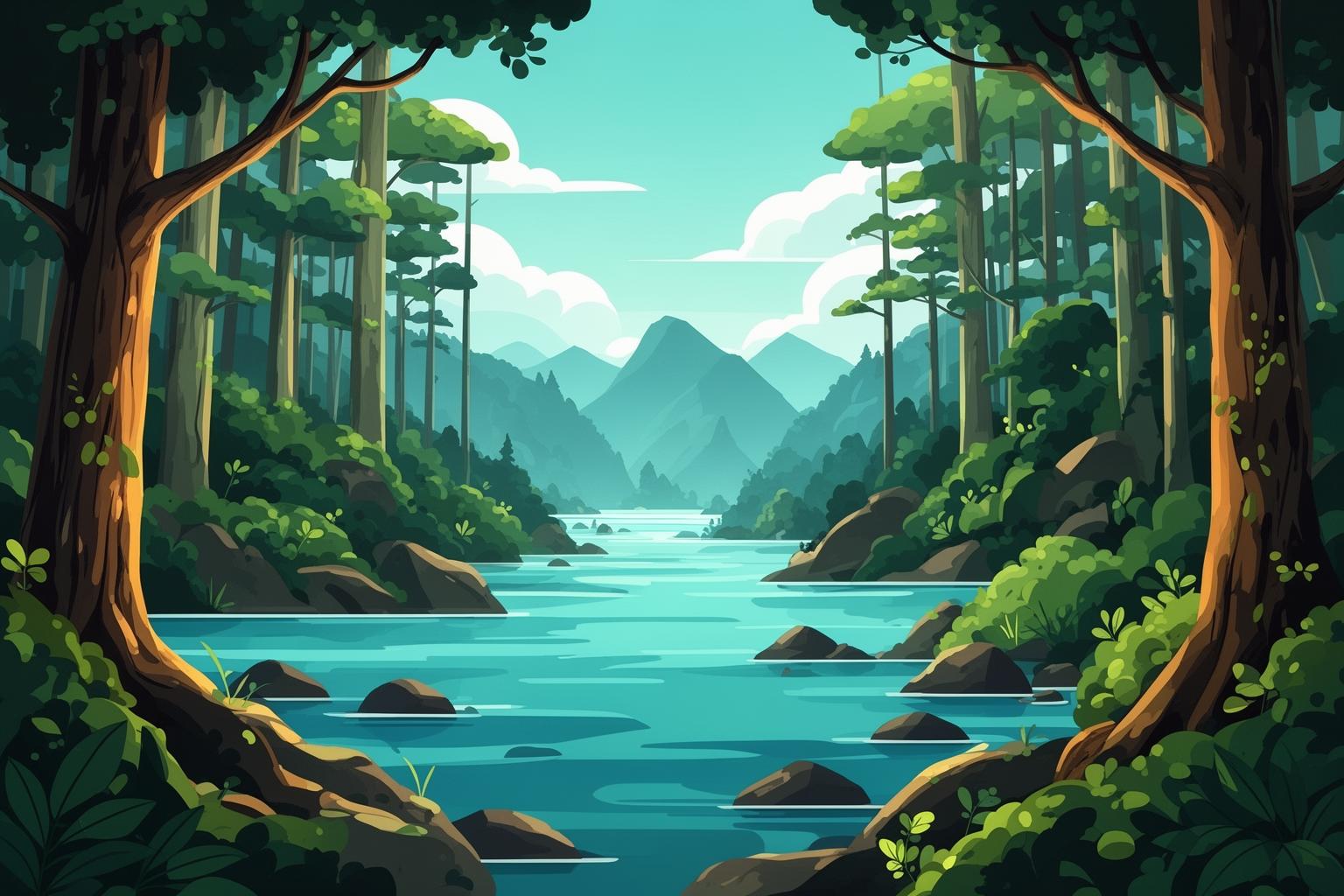
Leaving Yakushima feels like emerging from a vivid dream. The colors appear slightly less vibrant in the real world, the air a bit less pure. Yet the island remains with you. It lingers in the memory of the deep, resonant silence of the mossy forest, the thunderous roar of a waterfall, the awe-inspiring sight of a tree that has stood sentinel for millennia. It is more than just a beautiful place; it is a feeling, a powerful reminder of the raw, enduring force of nature. This is not merely a pilgrimage for fans of Princess Mononoke. It is a journey for anyone who has ever felt the call of the wild, who has longed to connect with something ancient and profound. The island demands much—it requires physical effort, preparation, and above all, respect. But what it returns is immeasurable. It offers perspective, a sense of being a small part of a magnificent, living whole. You leave a piece of your heart in those lush, rain-soaked woods, but you carry with you a fragment of its ancient, resilient spirit, an echo that will beckon you back again.