
There are places on this earth that feel less like destinations and more like discoveries, fragments of a dream you once had, now rendered in timber, thatch, and mountain mist. Shirakawa-go is one such place. Tucked away in a remote valley in Gifu Prefecture, this is not merely a town; it is a living, breathing piece of history, a UNESCO World Heritage site where time seems to flow at a different pace. Its iconic farmhouses, with their steep thatched roofs resembling hands clasped in prayer, are a marvel of traditional Japanese architecture, a testament to a community’s resilience against the harsh mountain winters. But for a certain kind of traveler, a pilgrim of modern folklore, this village holds another, deeper identity. For fans of the gripping anime series Higurashi: When They Cry, this idyllic landscape is inseparable from the unsettling, fictional village of Hinamizawa. To walk here is to tread on hallowed, and perhaps haunted, ground, to see the vibrant greens and hear the chirping cicadas of a story that has captivated millions. Crossing the long pedestrian bridge over the pristine Shokawa River feels like passing through a portal, leaving the familiar world behind and stepping directly into a frame of animation, a place where profound beauty and a faint, thrilling echo of mystery coexist.
For those captivated by Shirakawa-go’s blend of timeless tradition and anime-inspired mystique, a film-inspired journey offers a contemporary twist on immersive travel experiences.
The Echoes of Hinamizawa: A Pilgrim’s Path
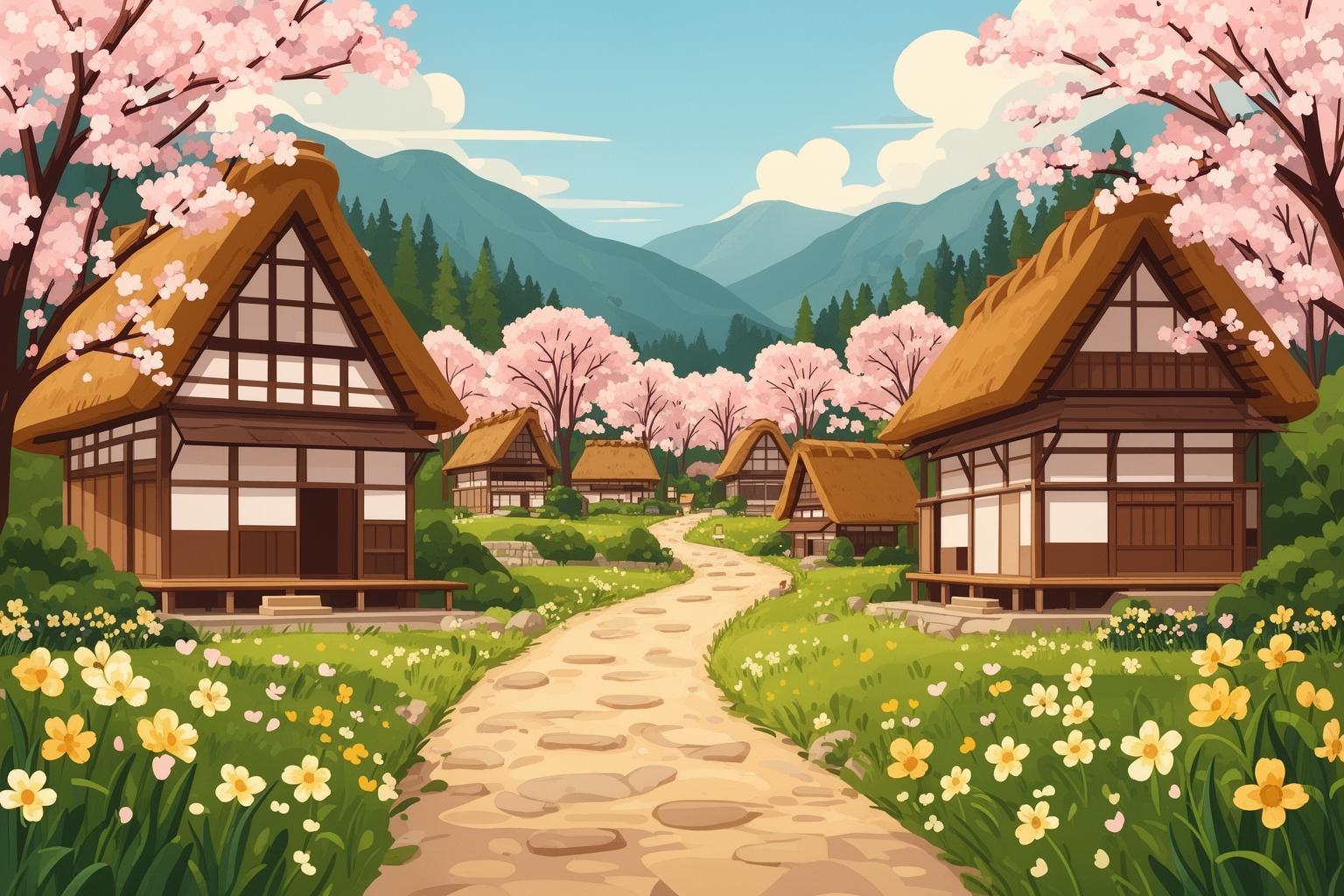
The moment you step into the village of Ogimachi, the largest and most renowned hamlet in the Shirakawa-go region, the pilgrimage truly begins. The atmosphere feels distinct, charged with the weight of both genuine history and vivid fiction. For those of us who have followed the intense saga of Keiichi, Rika, Rena, and their friends, each corner holds a possible spark of recognition. It’s a subtle game of aligning the vibrant world on screen with the tangible reality surrounding you, a process that transforms a simple sightseeing trip into a deeply personal journey. The search for these echoes doesn’t diminish the village’s authentic charm; rather, it adds an intriguing narrative layer, a ghost story whispered on the breeze that makes the scenery all the more captivating. You find yourself observing more closely, listening more attentively, as if the secrets of Hinamizawa might just reveal themselves through the cracks of the old wooden buildings.
The Furude Shrine and Reality’s Hachiman Shrine
Your first impulse as a Higurashi fan might be to locate the heart of Hinamizawa’s spiritual and ceremonial life: the Furude Shrine. In reality, this spiritual anchor is the Shirakawa Hachiman Shrine, a serene and sacred place nestled among towering, ancient cedar trees just a short walk from the village’s main street. The journey there becomes part of the ritual. You leave the bustling path behind and begin climbing a flight of weathered stone steps, sunlight filtering through the thick canopy above. The air cools and grows quieter. The sounds of the village fade, replaced by the rustle of leaves and the caws of crows. The atmosphere is intensely evocative, a perfect blend of tranquil divinity and the subtle, thrilling eeriness the anime so masterfully creates. At the summit, the shrine itself is modest yet dignified, its wooden structure appearing to rise naturally from the forest floor. What truly confirms you’ve reached a sacred spot for fans, however, are the ema—small wooden prayer plaques. Among the handwritten wishes for health, happiness, and success hang dozens of plaques adorned with beautifully detailed, hand-drawn illustrations of the Higurashi cast. Seeing Rika Furude’s likeness sketched on a plaque, left as an offering in the very place that inspired her fictional home, is a powerful moment of connection, a bridge between worlds created by a global community of fans.
The Familiar Faces of Village Homes
While there isn’t an exact replica of every character’s house, the magic lies in recognizing the architectural spirit of Hinamizawa throughout Shirakawa-go. As you stray from the main road and walk along the narrow earthen paths winding between the farmhouses, you’ll often find yourself pausing. That particular cluster of houses, with their dark timber and sliding paper screens, feels just like the area where Rika and Satoko lived. The way the sunlight strikes that wooden wall, casting long shadows, might instantly recall a tense scene with Rena. The village isn’t a film set but rather the authentic blueprint from which the animated world was so lovingly crafted. You can see how the layout of the real village—its main artery, houses clustered in family groups, and rice paddies acting as natural dividers—informed the social dynamics of the fictional Hinamizawa. It’s an exercise in imagination, discovering these familiar echoes in the village’s rhythm, turning the entire landscape into your own personal scavenger hunt.
The Imposing Presence of the Wada House
One of the village’s most prominent structures is the Wada House, a designated Important Cultural Property and the largest gassho-zukuri farmhouse in Ogimachi. Its considerable size and stately presence make it a central feature. For pilgrims, this grand building is widely regarded as the inspiration for the Irie Clinic, a key location in the anime’s mystery. Standing in front of it, you can easily see why. It carries a certain weight, an air of significance that distinguishes it from the surrounding homes. Although its real history lies in serving as the residence of a powerful local family and a former gunpowder official, its commanding silhouette, multi-level design, and prominent village position make it an ideal stand-in for the story’s enigmatic clinic. Exploring its interior, which is open to the public, offers insight into the complex, layered lives that unfolded within these walls—a feeling that deeply resonates with the intricate and multi-faceted narrative of Higurashi.
Beyond the Animation: The Soul of a Gassho-Zukuri Village
While the connection to anime might be the initial draw for many visitors, limiting one’s impression to that alone would overlook the profound and beautiful essence of Shirakawa-go itself. This community has mastered a way of life in harmony with a demanding natural environment. The village’s UNESCO recognition is not for its fictional portrayal but for its outstanding preservation of a unique cultural and architectural heritage. Shirakawa-go’s story is one of ingenuity, community, and the enduring strength of tradition. It is a narrative conveyed not through manga panels but in the texture of its ancient wood and the complex weave of its thatched roofs. To truly appreciate this place, one must look past the anime and into the heart of the history that has shaped it into such a captivating destination.
What is Gassho-Zukuri?
The architectural style that characterizes this village is known as gassho-zukuri. The term means “praying hands style,” a poetic and fitting description of the steeply angled thatched roofs that define the skyline. This design is a brilliant example of practical, climate-responsive architecture. The extreme pitch, sometimes as steep as 60 degrees, is designed to allow the region’s exceptionally heavy winter snow—among the heaviest globally—to slide off easily, preventing the massive weight from collapsing the structure. These large roofs also create expansive, multi-level attic spaces, which were not used for storage but served as the village’s economic engine. For centuries, these attics were devoted to sericulture, the cultivation of silkworms. The warmth rising from the family’s living quarters on the first floor provided the perfect environment for the worms to thrive. Standing in one of these vast, shadowy attics today, you can almost hear the soft rustle of tens of thousands of silkworms munching on mulberry leaves, a sound that would have been the constant backdrop of life here. The entire structure is constructed without a single metal nail, instead relying on expertly crafted joinery and strong straw ropes, granting the houses a flexibility that has helped them survive centuries of earthquakes and severe weather.
A Living, Breathing Museum
It is essential to remember that Shirakawa-go is not an open-air museum or a historical theme park. It is a living village where families carry on their daily routines. The smoke curling from a roof is from a family’s hearth, not a staged effect. The carefully tended vegetable gardens are growing food, not just serving as decoration. This authenticity is the village’s greatest appeal. The living community spirit is most vividly expressed in the tradition of yui, a communal ethic of mutual assistance. This is most evident during the re-thatching of a roof, a monumental task required every few decades. When a roof must be replaced, the entire village comes together. Hundreds of people, each with a specific role, swarm the building in a flurry of coordinated effort, stripping away old thatch and laying down the new all at once. It is a stunning display of cooperation, a tradition that has preserved the village and its culture. As a visitor, understanding this enables you to see the village not as a static postcard but as a vibrant and resilient community, a place of shared labor and shared identity.
A Glimpse Inside
Several of the farmhouses have been preserved and opened to visitors, providing invaluable insight into the traditional way of life. Homes like the Kanda House and the Nagase House allow you to step inside and experience the structure firsthand. You can stand on the earthen floor of the first level and look up at the massive, smoke-darkened beams supporting the entire dwelling. The central feature is always the irori, a square sunken hearth that was the heart of the household. It provided heat, light, and a place to cook, while its ever-present smoke would rise through the house, permeating the thatch and acting as a natural insect repellent and preservative. Exploring the upper floors, you can see the tools of the sericulture trade and appreciate the vast scale of the attic space. It is a multi-sensory experience: the distinct smell of smoke and aged wood, the coolness of the lower level, the surprising warmth of the attic, and the play of light filtering through small windows, illuminating dust particles dancing in the air.
A Village for All Seasons: Capturing the Perfect Moment
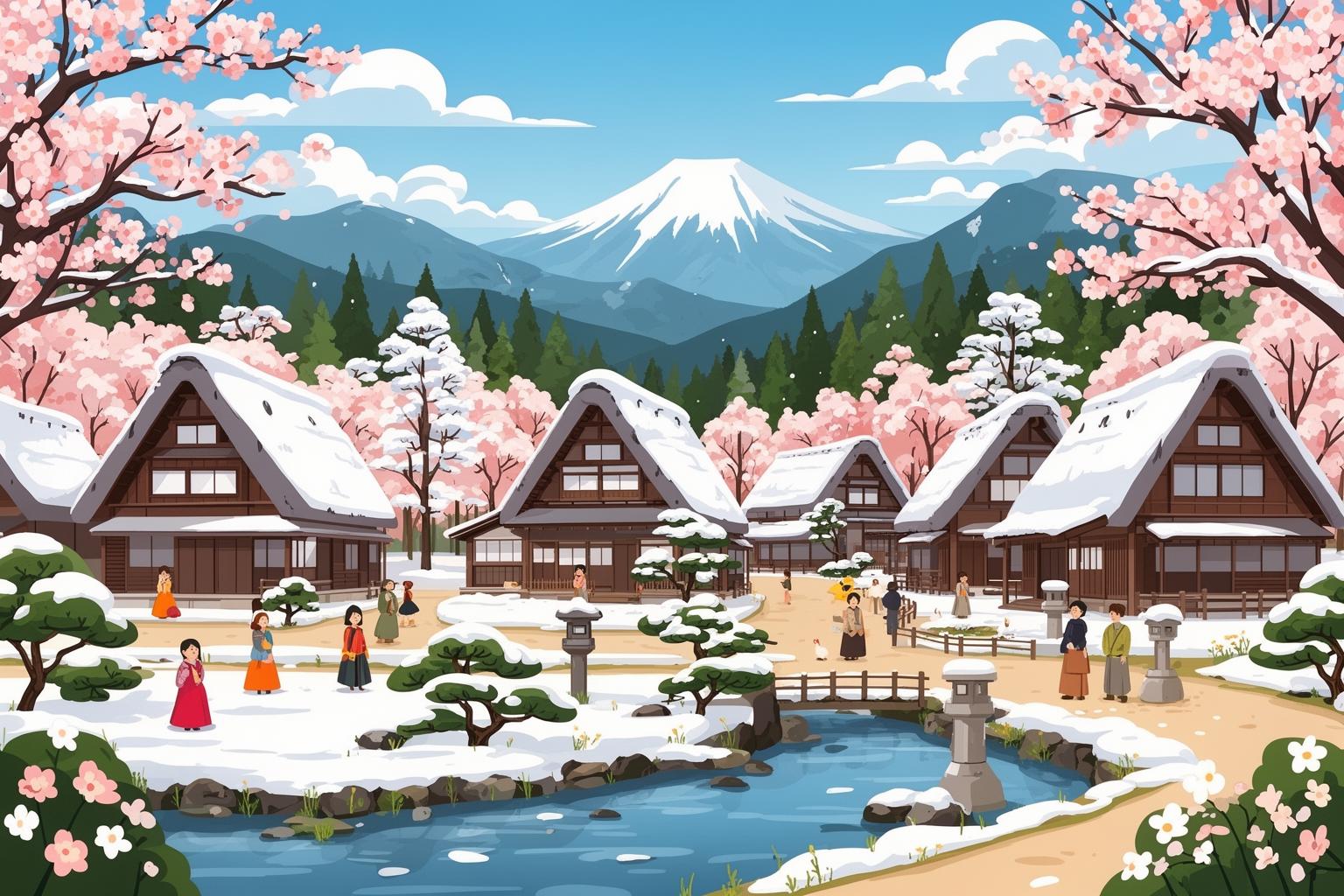
Shirakawa-go is not merely a place of singular beauty; it serves as a canvas that changes profoundly with the seasons. Each time of year casts the village in a fresh light, offering a distinct atmosphere and unique photographic opportunities. The choice of when to visit hinges entirely on the kind of magic you hope to experience. Whether cloaked in pristine snow or surrounded by summer’s vibrant greens, the village retains its fairy-tale charm, though its mood shifts and deepens, rewarding visitors who return to witness its many facets. The surrounding mountains, which feel like a formidable barrier in winter, transform into a lush, protective embrace in summer and a fiery spectacle in autumn. The rhythm of the agricultural calendar also shapes the scenery, from the mirror-like surfaces of newly planted rice paddies in late spring to the golden fields awaiting harvest in autumn.
Winter’s Embrace
Winter is arguably Shirakawa-go’s most iconic and celebrated season. During this time, the village truly becomes a wonderland, resembling a scene from a Christmas card. The sheer volume of snow is astounding, covering the landscape in a thick, soft white blanket. The gassho-zukuri roofs, designed specifically for this purpose, are elegantly layered with snow, their dark thatch peeking out beneath. The world grows hushed as the snow muffles sound, creating a profound sense of peace. The air is crisp and cold, making a walk through the silent streets utterly magical. The season’s highlight is the special light-up events held on select evenings in January and February. During these occasions, individual houses are illuminated from within and enhanced by external spotlights, casting a warm, golden glow against the deep blue winter twilight. Witnessing the village aglow like lanterns among the snow is an ethereal, unforgettable sight. Although it’s a cold journey, the visual reward is immense—a moment of pure, breathtaking beauty.
Spring’s Awakening
After the long, harsh winter, spring arrives in the valley like a joyful sigh of relief. The heavy snow melts, feeding the streams and rivers, which flow with renewed energy. Bare trees on the mountainsides begin to bud, and the landscape slowly reawakens in a gentle palette of greens. The highlight of the season is the blooming cherry blossoms. Typically arriving later here than in major cities due to the altitude, Shirakawa-go’s sakura create a striking contrast. The delicate pink and white blossoms against the dark, sturdy timbers of the century-old farmhouses offer a photographer’s dream. In late spring, rice paddies fill with water in preparation for planting, turning into shimmering mirrors that perfectly reflect the houses, sky, and blossoms. This is a season of hope and renewal, a wonderfully fresh and gentle time to explore.
Summer’s Lush Green
Summer in Shirakawa-go offers an immersive experience of vibrant life. The entire valley is awash with thousands of shades of green, from the deep, dark hues of cedar forests to the bright, electric greens of young rice plants. The days are warm and often humid, filled with the constant, high-pitched drone of cicadas—a sound instantly familiar and deeply resonant for any Higurashi fan. This is the soundtrack of Hinamizawa’s summer, and hearing it in this real-world setting is an incredibly transportive experience. The landscape feels alive and buzzing with energy. Dragonflies dart over the water-filled paddies, flowers bloom in household gardens, and the Shokawa River offers a refreshing escape from the heat. It’s a season full of rich sensory experiences, when the raw, untamed nature enveloping the village feels most present.
Autumn’s Fiery Palette
As the summer heat fades, autumn ignites the surrounding mountains with vivid color. From mid to late October, the slopes embracing the village become a breathtaking tapestry of fiery reds, brilliant oranges, and golden yellows. The clear, crisp autumn air invites perfect walking weather, and the contrast between vibrant foliage and the serene, rustic village is stunning. Harvest season brings a palpable sense of abundance and preparation as the community readies itself for winter. Persimmon trees hang heavy with bright orange fruit, and the scent of woodsmoke from irori hearths once again fills the air. It’s a cozy, beautiful season capturing nostalgia and the comforting rhythms of rural life.
Your Journey to a Timeless Land: Practical Guidance
Reaching a remote and seemingly untouched place like Shirakawa-go requires some planning, but the journey itself is part of the adventure. The excitement grows as you leave behind bustling cities and bullet trains, heading deeper into the mountainous heart of Japan. The winding roads and scenic bus routes serve as a prelude to the tranquility that awaits. Knowing the logistics of getting there and moving around will help ensure a smooth experience, allowing you to fully soak in the village’s unique atmosphere from the moment you arrive. This is not a destination to rush; it rewards a slower, more thoughtful pace of travel. Viewing the journey as a pilgrimage—a deliberate transition from the modern world to a timeless one—sets the perfect mood for your visit.
Reaching the Hidden Valley
Shirakawa-go has no train stations, making the bus the primary and most scenic form of public transportation. The most popular and well-served routes depart from the nearby cities of Takayama and Kanazawa. Both cities are lovely destinations in their own right, with Takayama featuring a beautifully preserved old town and Kanazawa boasting one of Japan’s most famous gardens along with a vibrant arts scene. Many travelers opt to stay in one of these cities and take a day trip to the village. The Nohi Bus company offers frequent services, and booking tickets ahead, especially during peak seasons like the winter light-ups or autumn foliage, is highly advisable as seats tend to fill quickly. There are also bus connections from major hubs such as Nagoya and Toyama. The bus ride itself is a delight, winding through mountain passes, passing through long tunnels, and offering stunning views of rivers and forests, gradually preparing you for the valley’s secluded beauty.
Navigating the Village
Upon arrival, the best way to explore Ogimachi is on foot. The village is compact and easy to walk, though you should be ready for uneven paths and gentle slopes. The main street can become quite crowded with tour groups, especially around midday. To discover the true spirit of the village, don’t hesitate to explore the smaller side paths crisscrossing the area. Away from the crowds, you’ll find quiet, authentic moments: a local tending their garden, the gentle sound of water in irrigation channels, or a perfect, uninterrupted view of a farmhouse framed by flowers. Undoubtedly, a must-do is the walk up to the Shiroyama Viewpoint. Though it involves a bit of a climb, the payoff is the iconic panoramic view of the entire village nestled in the valley below. This is the postcard scene that defines Shirakawa-go, and witnessing it firsthand is truly special. Visit early in the morning or late in the afternoon to see it in the best light and with fewer people.
Where to Rest and Refuel
While a day trip is possible, to truly capture the magic of Shirakawa-go, consider staying overnight. The village offers a unique chance to stay in a minshuku, traditional family-run guesthouses, many located within historic gassho-zukuri farmhouses themselves. This provides an unparalleled cultural immersion. You’ll sleep on futons laid out on tatami mats, share bathroom facilities, and enjoy homemade dinners and breakfasts, often served around the central irori hearth alongside the host family and other guests. It’s an intimate and unforgettable way to experience the village after the day-trippers leave, when a profound quiet settles in. For dining, the village has several small restaurants and food stalls. Be sure to try the local specialties. Hida beef, from the region, is renowned for its rich marbling and flavor, available in various preparations from skewers to hearty bowls. Another must-try is gohei mochi, a grilled skewer of pounded rice coated with a sweet and savory miso or soy sauce glaze. It’s the perfect rustic snack to enjoy while strolling through the village.
Tips from a Fellow Traveler
Embarking on a trip to a place as unique as Shirakawa-go involves its own special considerations. A bit of preparation can make all the difference, turning a good trip into a truly smooth and enchanting experience. These are a few insights drawn from experience—small pieces of advice to help you connect more meaningfully with the village and manage its practical aspects with ease. Think of them not as strict rules but as friendly tips to help you fully enjoy your time in this remarkable part of the world.
Dress for the Elements
Never underestimate the mountain climate. The weather in Shirakawa-go can be unpredictable and shift rapidly. It’s smart to dress in layers, no matter the season. A summer day might be hot and sunny, but a sudden rain shower can bring an unexpected chill. In winter, thermal layers, waterproof outerwear, insulated boots, gloves, and a hat are absolutely essential. The most important item you can bring is a pair of comfortable, sturdy walking shoes with good traction. The charming, rustic paths can be uneven, gravelly, or slippery from rain or snow. Prioritizing comfort for your feet will let you explore every corner of the village without worry.
Respect the Residents
It’s crucial to remember that you are visiting a living, working community. Every photogenic farmhouse is someone’s private residence. Although the locals are used to visitors, showing respect is vital. Stick to marked paths and roads, avoid wandering onto private property, damaging gardens, or peering through windows. Keep your voice low, especially early in the morning and late in the evening. When taking photos, be considerate and avoid including residents unless you have their clear permission. A simple smile, nod, or quiet konnichiwa (hello) can go a long way in showing your gratitude for being welcomed into their extraordinary home.
Arrive Early, Stay Late
The true magic of Shirakawa-go emerges during the quiet hours. The village feels completely different before the first tour buses arrive around 9 AM and after the last ones leave around 4 PM. If possible, schedule your day to experience these special times. Early morning, when mist often drifts low in the valley and the only sounds are the river and birds, is pure poetry. Late afternoon, as the sun sets and bathes the thatched roofs in warm, golden light, is just as breathtaking. If you stay overnight, you’ll have these precious hours largely to yourself. This is when the village sheds its tourist identity and reveals its true, serene spirit.
Cash is King
Although Japan is becoming more credit card-friendly, cash (Japanese Yen) remains essential in a rural village like Shirakawa-go. Larger restaurants, souvenir shops, and guesthouses may accept cards, but many smaller food stalls, local craft shops, and open house entry fees are cash-only. Options to withdraw money within the village are limited, so it’s best to come prepared with enough cash to cover your expected expenses for the day. Having ample yen ensures a smooth, stress-free experience, allowing you to purchase that perfect handmade souvenir or delicious local treat without hesitation.
Whether drawn by the haunting whispers of Hinamizawa or the powerful allure of a world-class historical site, Shirakawa-go offers an experience that stays with you long after you leave its quiet valley. It is a rare and beautiful duality—a place where a modern fictional pilgrimage enhances, rather than overshadows, the deep and authentic history of the land. You may arrive searching for landmarks from an anime, but you will depart with a profound appreciation for the real-life story of a community that has endured centuries with grace and resilience. Walking its paths is to feel the weight of time, to witness the beauty of human ingenuity, and to understand that some places—whether fictional or real—are simply magical. It’s a journey worth taking, a story waiting for you to step into.