
Imagine a place where the entire town is your resort, where the click-clack of wooden sandals on stone bridges is the daily rhythm, and where your wardrobe consists of a single, beautifully simple garment: the yukata. This isn’t a scene from a forgotten past or a cinematic dream; this is Kinosaki Onsen, a town nestled in a quiet valley in Hyogo Prefecture, where centuries of tradition flow as freely as the healing waters from its seven mystical springs. Kinosaki is more than just a destination; it’s an immersive experience, a gentle command to slow down, to walk, to soak, and to simply be. This town, etched along a willow-lined canal, has long been a sanctuary for weary bodies and creative souls. It was here that Naoya Shiga, one of Japan’s literary giants, found solace and inspiration, penning a story that would forever weave Kinosaki into the nation’s cultural fabric. To visit is to step into that story, to become a character in a living narrative where the streets are hallways, the inns are private chambers, and the public bathhouses are grand, communal tubs. It’s a pilgrimage not just to hot springs, but to a gentler way of life, waiting to be discovered one unhurried step at a time.
Experience an extension of Japan’s timeless hot spring culture by exploring dogo onsen, which offers insights that beautifully complement Kinosaki’s serene traditions.
The Art of the Stroll: Embracing the Yukata Lifestyle
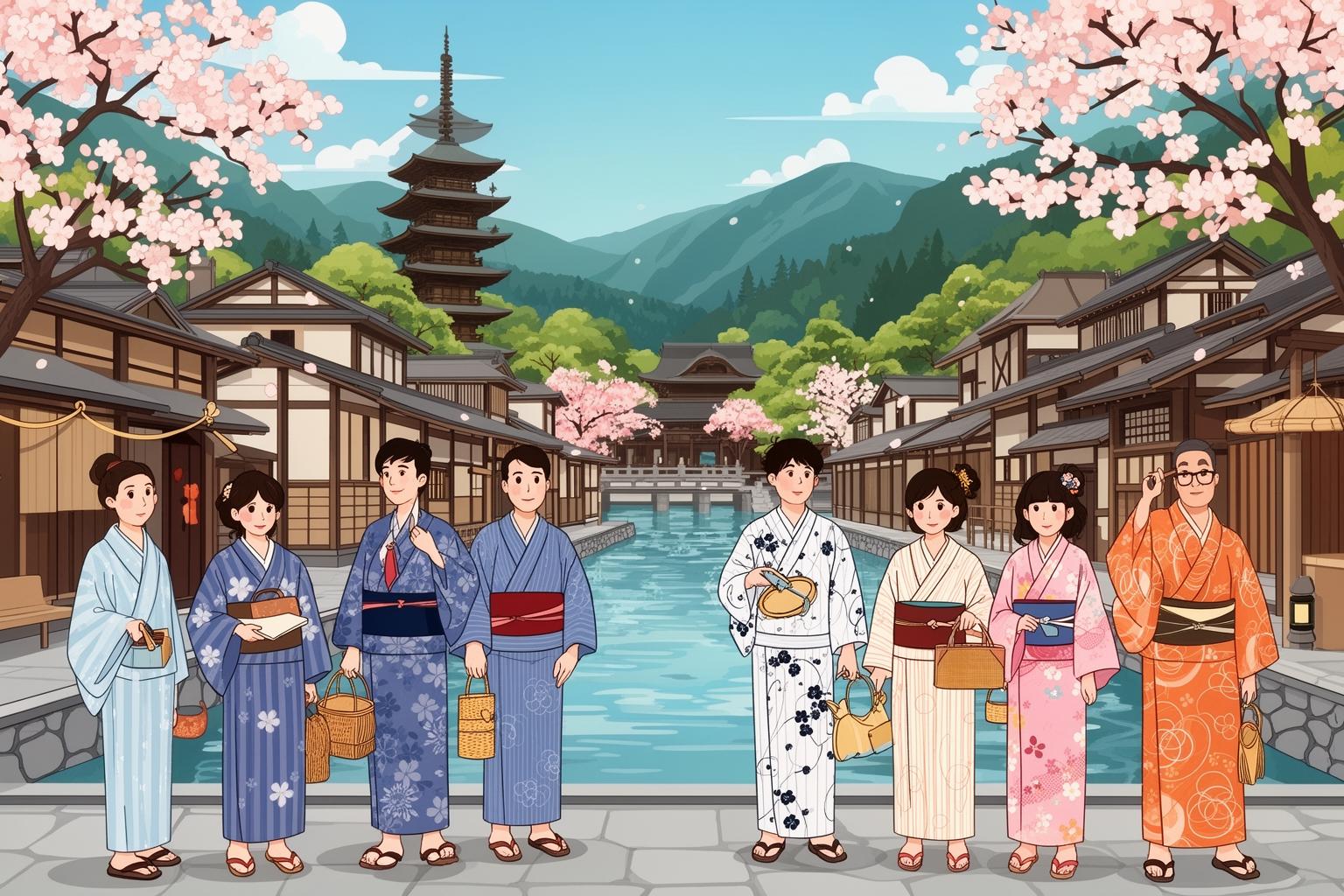
From the moment you check into your ryokan, the traditional Japanese inn at the heart of the Kinosaki experience, your reality begins to shift. The clothes you arrived in are set aside, along with the urgencies of the outside world. In their place, you receive a crisp cotton yukata and a pair of wooden geta sandals. This becomes your uniform for the duration of your stay, the key to unlocking the town’s true magic. In Kinosaki, the saying “the town is one large inn” is taken literally. Wearing your yukata is not only allowed but encouraged. You wear it to breakfast, to the baths, to dinner, and for evening strolls along the Otani River. This shared attire breaks down the usual barriers between visitor and resident, creating a rare, unified atmosphere of relaxed elegance. The town’s soundscape is defined by the gentle, rhythmic clatter of geta on pavement, a sound that slows your step and sharpens your focus on the present moment. As night falls, the warm glow of lanterns reflects on the canal’s surface, illuminating couples and families wandering from one bathhouse to another, their colorful yukata forming a painterly contrast against the traditional wooden buildings. This is not a show for tourists; it is the genuine, vibrant heart of Kinosaki. To walk these streets is to experience a deep sense of belonging, a connection to a tradition that cherishes community, relaxation, and the subtle beauty of shared moments. The air itself feels altered here—softened by steam, scented faintly with willow trees, and filled with an unmistakable sense of peace.
A Tale of Seven Springs: The Sotoyu Meguri Pilgrimage
At the heart of Kinosaki’s identity lies the sotoyu meguri, a pilgrimage to the seven public bathhouses spread throughout the town. Each boasts its own name, story, and distinctive design, making the visits the central ritual of any stay. Guests staying at local ryokans receive a “yumepa,” a digital pass granting unlimited access to all seven baths, turning the town into a playground of therapeutic waters. The journey often begins at Satono-yu, situated right beside the train station, which offers a grand welcome with its panoramic sky bath. From there, you may stroll along the river to Ichino-yu, the “first bath,” a cavernous grotto carved from natural rock believed to bring travelers good fortune and success. Its impressive, kabuki-theater-like facade stands as a landmark in its own right. Just a few steps away is Goshono-yu, the “water of the imperial palace,” named for a visit by an emperor’s sister. Its architecture is grand and striking, featuring soaring cypress-beamed ceilings and a breathtaking outdoor bath with a dramatic waterfall cascading down a moss-covered cliff. As you soak surrounded by lush mountainside greenery, the sensation is one of pure, unfiltered bliss. This pilgrimage is a journey of discovery rather than a checklist to complete; you proceed at your own pace, selecting your next destination based on mood or whim. You might seek the quiet intimacy of Mandara-yu, known for its unique outdoor ceramic pot baths that are said to bring prosperity in business, or the simple, traditional ambiance of Kouno-yu, the oldest spring, reputedly discovered when an Oriental White Stork was seen healing its wounds in the waters.
More Than Just Water: The Blessings of Each Bath
The sotoyu meguri is far more than a mere hot springs tour; it is a journey rich in meaning and local legend. Each bathhouse is connected to a particular blessing, imbuing the act of bathing with a deeper, spiritual significance. This tradition transforms a leisurely stroll into a personal pilgrimage for well-being. For example, Yanagi-yu, known as the bath of the willow tree, is believed to promote fertility and safe childbirth, its warm, restorative waters offering comfort to hopeful families. With its classic, rustic wooden interior, it feels like stepping into a piece of local history. Meanwhile, Jizou-yu, with its distinctive octagonal window shaped like a Buddhist prayer wheel, is a favorite among local families. Its waters are said to protect the safety and happiness of the household, making it a place of communal warmth and joy. As you proceed from one onsen to the next, stamping a commemorative tenugui towel at each stop, you participate in a ritual practiced for centuries. It’s a way to connect with the town’s guardian spirits, absorbing not just the mineral benefits of the waters but also the positive energy and goodwill each spring embodies. This melding of story and spirituality elevates the experience from simple relaxation to something deeply restorative for both body and soul. You find yourself reflecting on what you seek—perhaps the fortune of Ichino-yu, the marital happiness of Goshono-yu, or the lifelong joy promised by Kouno-yu—and each soak becomes a quiet moment of contemplation.
Echoes of Literature: Walking in Naoya Shiga’s Footsteps
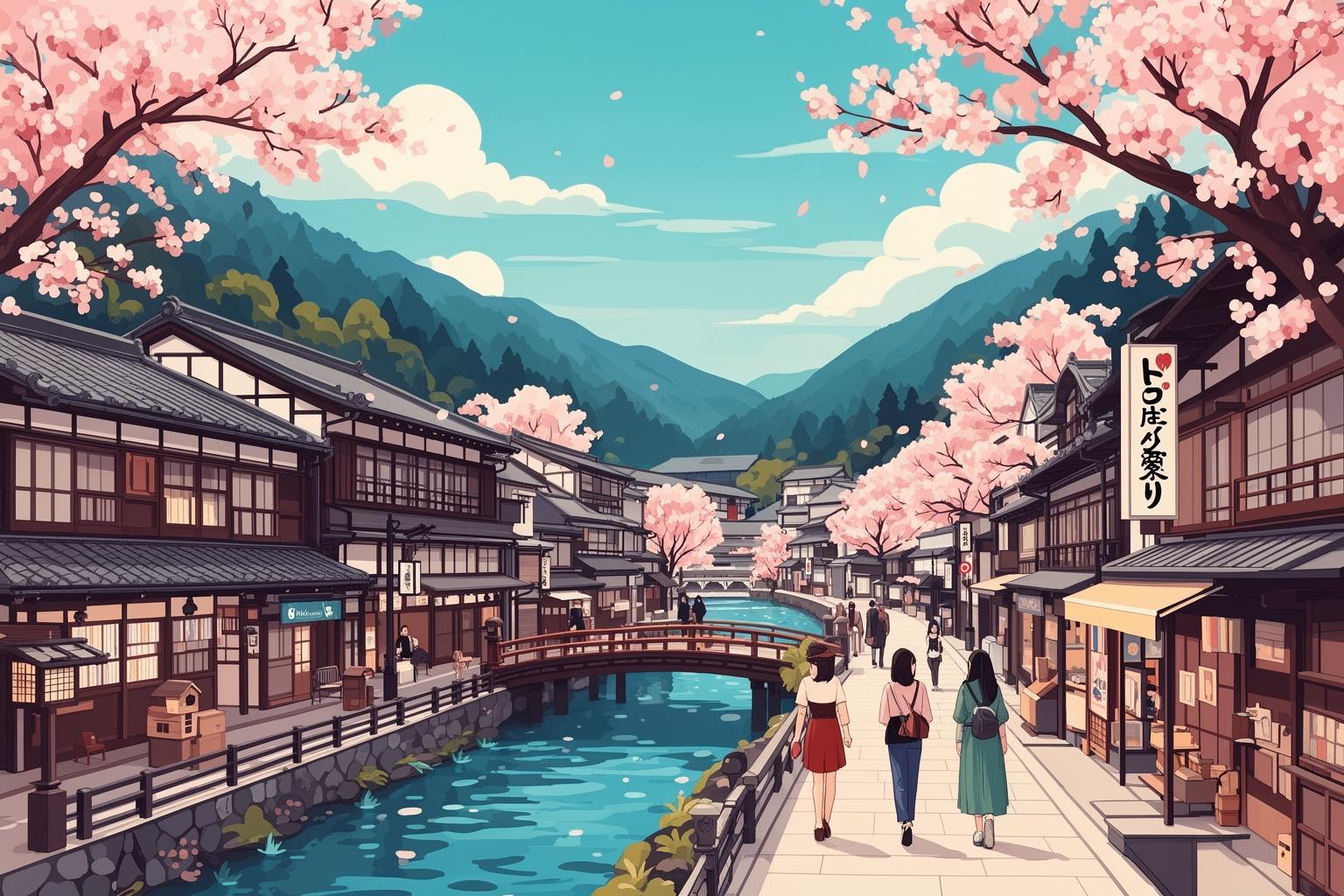
Kinosaki’s tranquil ambiance has long inspired artists and writers, yet none are more deeply connected to the town than Naoya Shiga, a towering figure in modern Japanese literature. In 1913, Shiga came to Kinosaki to recover after being struck by a train in Tokyo. His transformative stay here became the foundation for his renowned short story, “At Kinosaki” (“Kinosaki nite”). The work is a profound reflection on life, death, and the subtle observations of nature, all set against the gentle backdrop of the town’s landscape. Walking through Kinosaki today is like seeing the world through Shiga’s eyes. The same willow-lined river, quiet backstreets, and restorative waters that healed his body and inspired his mind remain largely unchanged. Visiting the Kinosaki Bungeikan, the local literary museum, offers insightful context for this connection. Here, you can explore the many authors drawn to the town’s creative spirit. Yet the true experience lies in simply walking. As you cross a stone bridge, you might envision Shiga observing small lizards and bees that captivated him, contemplating the fragile nature of existence. This literary heritage adds an intellectual and historical depth to the town that is deeply enriching. It encourages you to look closer, notice the small details, and feel the powerful bond between place and creativity. The entire town feels like a library where stories are not on shelves but are etched into the stone paths and flow through the canals, waiting for you to read them with your own senses.
Finding Your Own Story: The Creative Spirit of the Town
The literary soul of Kinosaki is not confined to history; it remains a living, breathing part of the town’s modern identity. Recognizing its power to inspire, the town has embraced its role as a creative haven through initiatives like “Books and Onsen.” This project invites acclaimed authors to stay in Kinosaki and write a new story inspired by their experiences, which is then published and sold exclusively within the town. This creates a beautiful, self-sustaining cycle of art and place. You can find these unique books in local shops and ryokans, making them perfect souvenirs that capture the town’s spirit. Beyond this formal program, the atmosphere itself encourages contemplation. Small, stylish cafes invite you to sit with a book and a cup of coffee, watching the world drift by in yukata. Many ryokans offer quiet reading lounges or private alcoves overlooking tranquil gardens, designed for moments of reflection. This environment makes Kinosaki an ideal destination for anyone facing a creative block or simply seeking the mental space to think, write, or dream. You don’t have to be a novelist to feel its effect. The simple act of disconnecting from everyday noise and immersing yourself in a place devoted to quietude and beauty can unlock a fresh perspective. It’s a place to craft your own story, whether in a journal, in your thoughts, or simply in the memories you make with each step and each soak.
Beyond the Baths: Savoring Kinosaki’s Charms
While the seven onsen are the main attraction, Kinosaki also offers a variety of other pleasures to enjoy between soaks. The culinary scene stands out, closely tied to the abundance of the Sea of Japan and the surrounding Tajima region. In winter, the town becomes a haven for food lovers, as it is the peak season for Matsuba crab, a local delicacy cherished for its sweet, tender meat. A stay at a ryokan wouldn’t be complete without savoring a multi-course kaiseki dinner—an elegantly presented feast that may include this famed crab, alongside succulent Tajima beef, the precursor to the world-renowned Kobe beef. Beyond the ryokans, the streets are filled with small eateries and food stalls. You can purchase a fresh egg and cook it yourself in the steaming onsen water at a designated spot, creating the perfect onsen tamago. For a different kind of pilgrimage, ride the Kinosaki Ropeway up Mount Daishi. At the summit, you’ll find Onsenji Temple, a sacred place dedicated to the Buddhist guardian who, according to legend, prayed for 1,000 days to bring forth the hot springs. The temple offers a moment of spiritual calm and stunning panoramic views of the town and the Maruyama River flowing toward the sea. To experience local craftsmanship, seek out shops selling mugiwara zaiku, a traditional straw craft unique to the region. These intricate, handmade boxes and ornaments showcase the town’s enduring artisan heritage and make for a truly special keepsake of your trip.
A Practical Guide for the First-Time Pilgrim
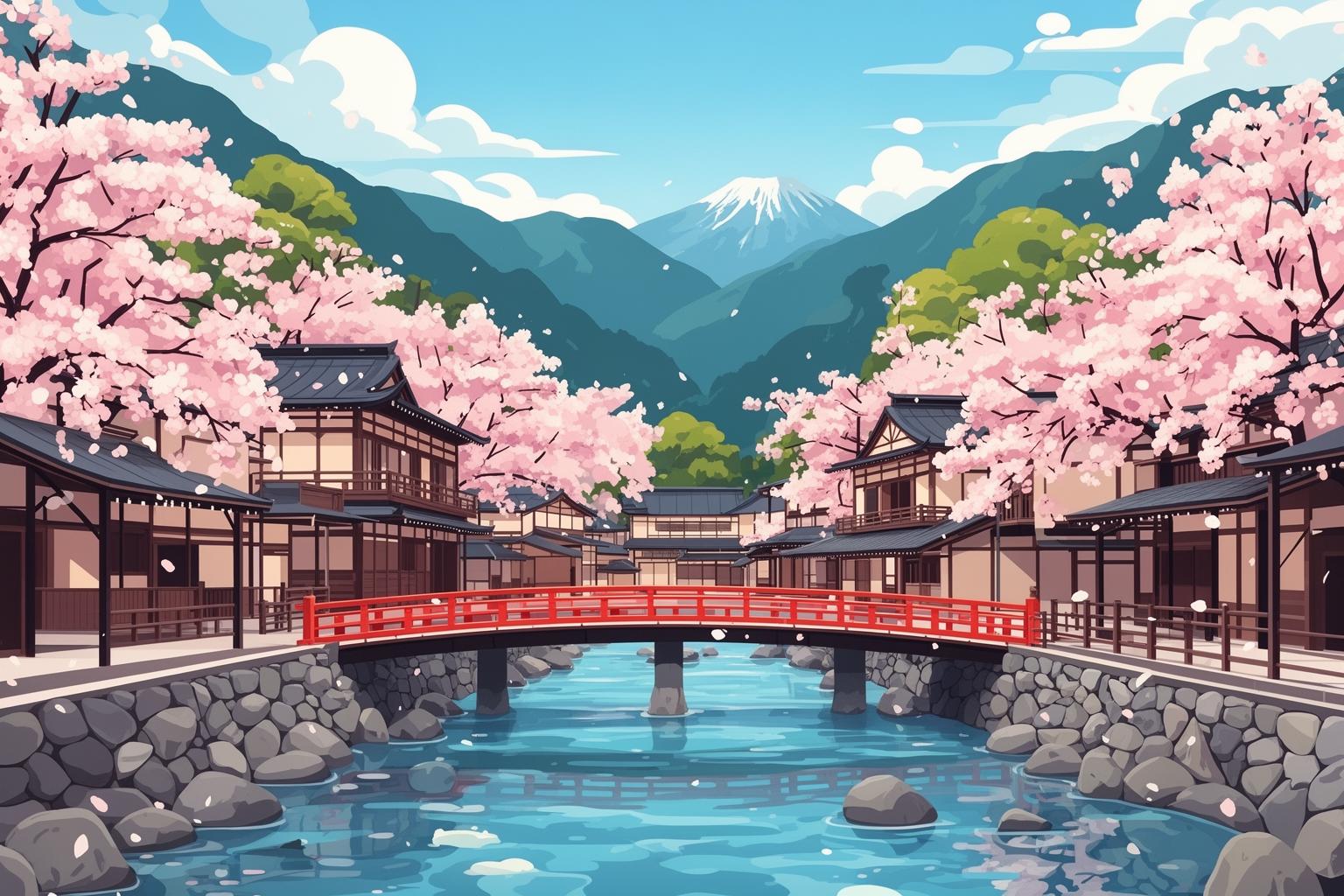
Reaching this picturesque town is surprisingly easy. Kinosaki Onsen can be reached via direct limited express trains from major hubs like Kyoto and Osaka, taking roughly two and a half hours. The journey itself is a scenic delight, winding through mountains and along coastal areas. For international visitors, the entire route is covered by the Japan Rail Pass, making it a convenient option for any itinerary. The ideal time to visit depends on the kind of experience you want. Winter brings a magical atmosphere, with snow covering the traditional rooftops and the hot baths providing a cozy escape from the cold. This season is also the best for Matsuba crab. Spring and autumn offer pleasant weather and stunning natural scenery, with cherry blossoms or vibrant fall foliage framing the willow-lined canal. Summer is warm and lively, often featuring evening fireworks displays. To fully enjoy Kinosaki, staying at a local ryokan is essential. It’s more than just a place to sleep—it’s a vital part of the cultural experience. Your ryokan will supply everything you need: the yukata, geta, the yumepa onsen pass, and often, unforgettable kaiseki meals. For solo female travelers, Kinosaki is exceptionally safe and welcoming. The streets are well-lit and frequently bustling with other visitors, creating a comfortable and secure environment even late at night. Wearing a yukata together fosters a subtle sense of camaraderie. Pack light; your main outfit is provided for you. All that’s truly required is a desire to relax and an openness to embrace the town’s gentle rhythm.
The Quiet Rhythm of Kinosaki
In a world that constantly demands more—more speed, more noise, more connection—Kinosaki presents a radical, beautiful alternative. It calls for less. It invites you to set aside your phone, forget your schedule, and attune yourself to a simpler rhythm: the sound of water, the clack of geta, the warmth of steam on your skin. A day here is measured not by hours and minutes, but by the number of bridges crossed and baths savored. The greatest luxury the town offers is the freedom to do very little at all. It’s found in the simple pleasure of watching a koi swim lazily in a ryokan pond, in the savory taste of an onsen-cooked egg, and in quiet conversation shared with a travel partner on a bench overlooking the canal. Kinosaki is a balm for the modern soul. It washes away the accumulated stress of daily life, leaving you feeling refreshed, recentered, and deeply peaceful. It’s a reminder that sometimes the most profound journeys are not to distant, exotic places, but to a space that allows you to quietly, simply, return to yourself. As you board the train to leave, the rhythmic clatter of geta echoing in your memory, you carry a piece of Kinosaki’s tranquility with you—a quiet story to cherish long after you’ve returned home.