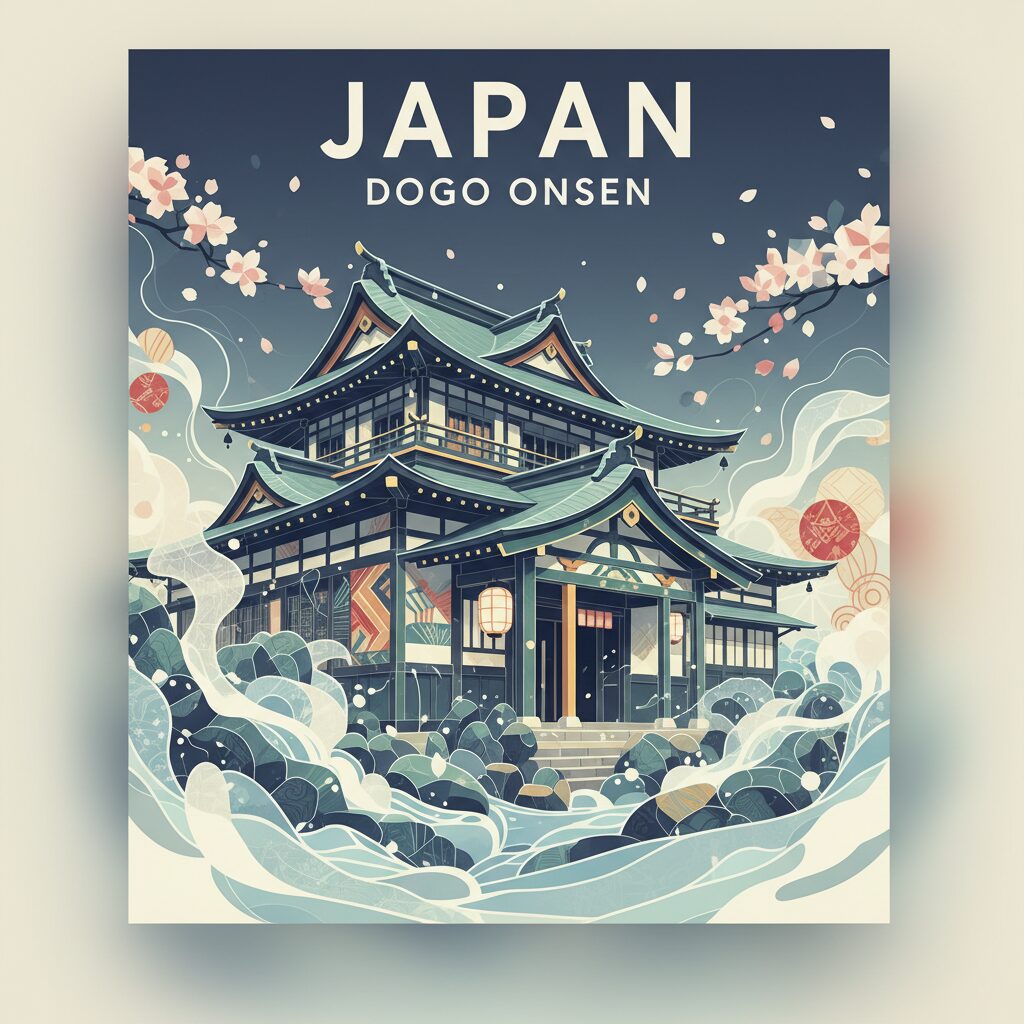
The air hangs thick with the scent of sulfur and cedar, a timeless perfume carried on clouds of steam that drift from ancient wooden eaves. Cobblestone streets, polished smooth by centuries of footsteps, echo with the gentle clip-clop of geta sandals. Here, in a corner of Matsuyama city on the island of Shikoku, lies Dogo Onsen, a place where history isn’t just in museums; it’s in the very water that bubbles up from the earth. This is more than just a hot spring. It is a living, breathing story, a destination whispered to have inspired one of the most beloved animated films of all time, Studio Ghibli’s Spirited Away. For travelers seeking a portal into the soul of Japan, a place where myth, art, and daily life flow together, the journey begins here. This is a guide to immersing yourself in the magic, from the legendary bathhouse at its heart to the charming, lantern-lit alleys that surround it.
For travelers drawn to the interplay of tradition and narrative, a global literary pilgrimage offers an enriching extension of the journey.
The Majestic Honkan: A Landmark Through Time
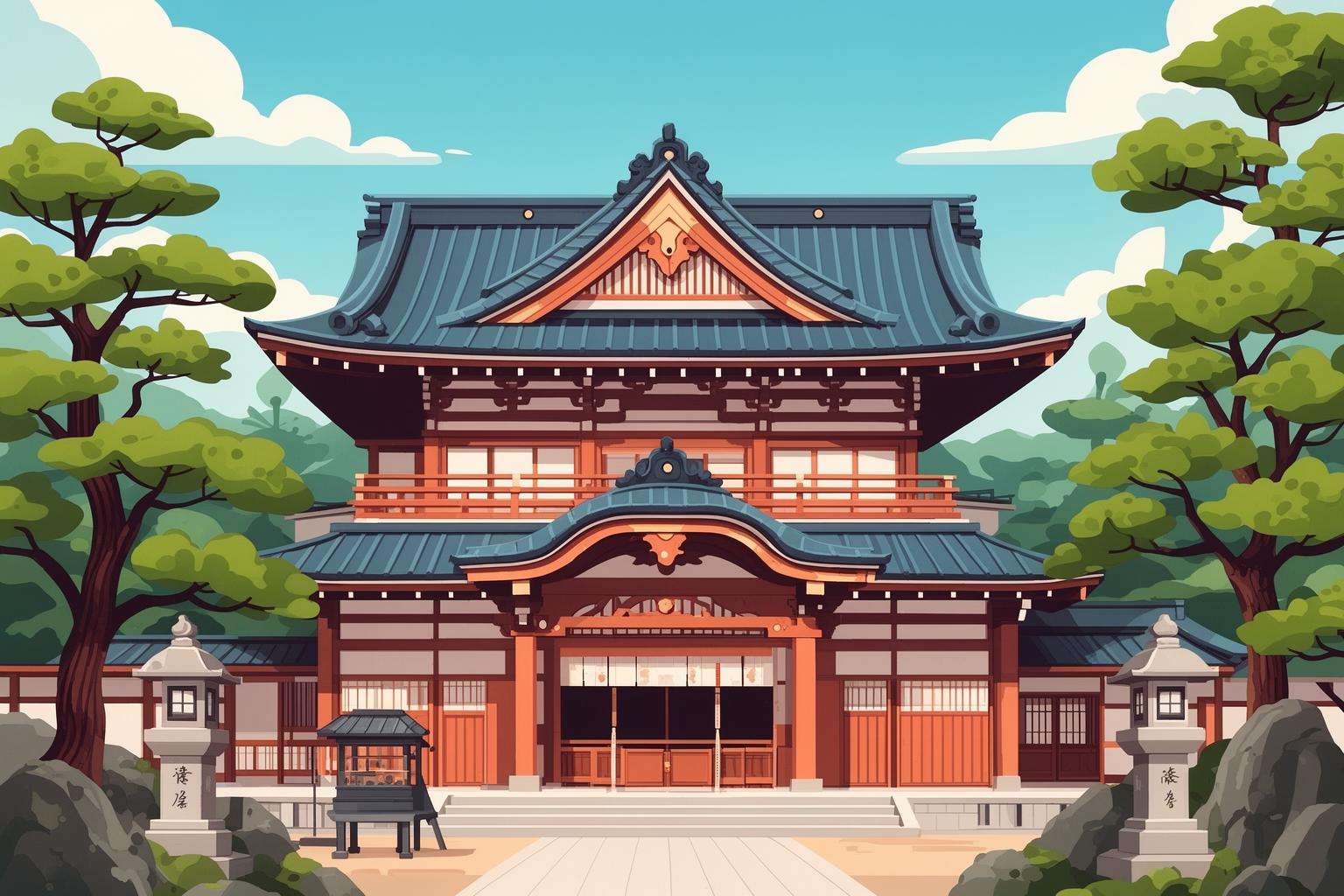
Your first glimpse of the Dogo Onsen Honkan is an unforgettable experience. It doesn’t merely sit on the street; it commands it. This magnificent three-story wooden bathhouse rises with a complex array of roofs, sliding paper screens, and delicate balustrades. Completed in 1894, the building is a masterpiece of Meiji-era architecture—a period when Japan modernized swiftly while maintaining strong ties to traditional aesthetics. At its pinnacle, the Shinrokaku, a red-paned drum tower, stands watch. Three times daily, at 6 AM, noon, and 6 PM, the haunting, resonant echo of the Toki-daiko drum reverberates through the district, marking the passage of time for generations. For fans of Spirited Away, the similarity to the grand, chaotic Aburaya bathhouse is unmistakable. Seeing the Honkan illuminated at night, with warm light pouring from its windows and steam rising into the dark sky, feels like stepping right into Hayao Miyazaki’s imagination. Visitors should know that this treasured National Important Cultural Property is currently undergoing extensive preservation efforts, expected to continue for several years. While some areas may be closed or covered, the spirit of the place remains vivid, and parts of its historic baths often remain open to the public, offering a rare opportunity to experience a living piece of history being preserved for the future.
Soaking in Ancient Waters: The Onsen Ritual
Entering the Honkan feels like stepping through a gateway into a different era. Inside, a maze of dark, polished wooden staircases and tatami-matted lounges unfolds. The air is warm and humid, carrying the gentle murmur of fellow bathers. This experience is crafted to be a slow, restorative ritual rather than a quick soak. The waters of Dogo are renowned for their softness and alkalinity, believed to heal ailments and enhance the skin’s beauty. According to legend, an egret once healed its injured leg by dipping it into these springs, revealing their healing power to the world.
Choosing Your Bath: A Tale of Two Tiers
Within the Honkan, visitors traditionally choose between two main baths, each offering a distinct character. The Kami no Yu, or “Bath of the Gods,” is the larger, more communal public bath located on the first floor. Its grand chamber is adorned with granite basins and beautiful decorative tiles from Tobe, a nearby pottery town. This central bathhouse area buzzes with locals and travelers alike, serving as a shared space for simple relaxation. For those seeking a quieter experience, the Tama no Yu, or “Bath of the Spirits,” provides a more exclusive atmosphere. Its baths are made from fine Aji stone and luxurious marble, creating an intimate and refined setting. After bathing, guests from both baths are invited to unwind in communal tatami rooms, wearing rented yukata, sipping tea, and enjoying rice crackers. It is in these tranquil moments, gazing through wooden screens at the town below, that the true peace of Dogo Onsen settles in.
The Imperial Connection: The Yushinden
One of the Honkan’s most notable features is the Yushinden, Japan’s only bathhouse specifically built for the Imperial Family. Established in 1899, this exquisite private wing can be toured, offering a fascinating insight into the pinnacle of Meiji-era luxury and craftsmanship. Visitors can wander through ornate resting chambers, admire gold-leaf screens, and view the private bathroom, which boasts a beautifully carved tub and an ancient stone toilet. It stands as a tribute to Dogo’s prestige and its long tradition as a retreat for the nation’s most honored figures.
A Word on Onsen Etiquette
For first-time visitors, the customs of a Japanese onsen may seem intimidating, but they are straightforward and grounded in respect. The key is to remember that the bath itself is for soaking, not washing. In the changing rooms, you disrobe completely, storing your belongings in a locker or basket. Next, you enter the washing area, taking a small stool and shower station with you. There, you wash your body thoroughly with soap and shampoo before entering the pristine onsen water. The small towel provided can be used for modesty while walking around but should never be placed in the bathwater. Instead, either place it on your head, as many Japanese do, or set it on a rock beside the bath. The experience is about quiet reflection and relaxation, a peaceful escape from the outside world.
Beyond the Bathhouse: Exploring the Dogo District
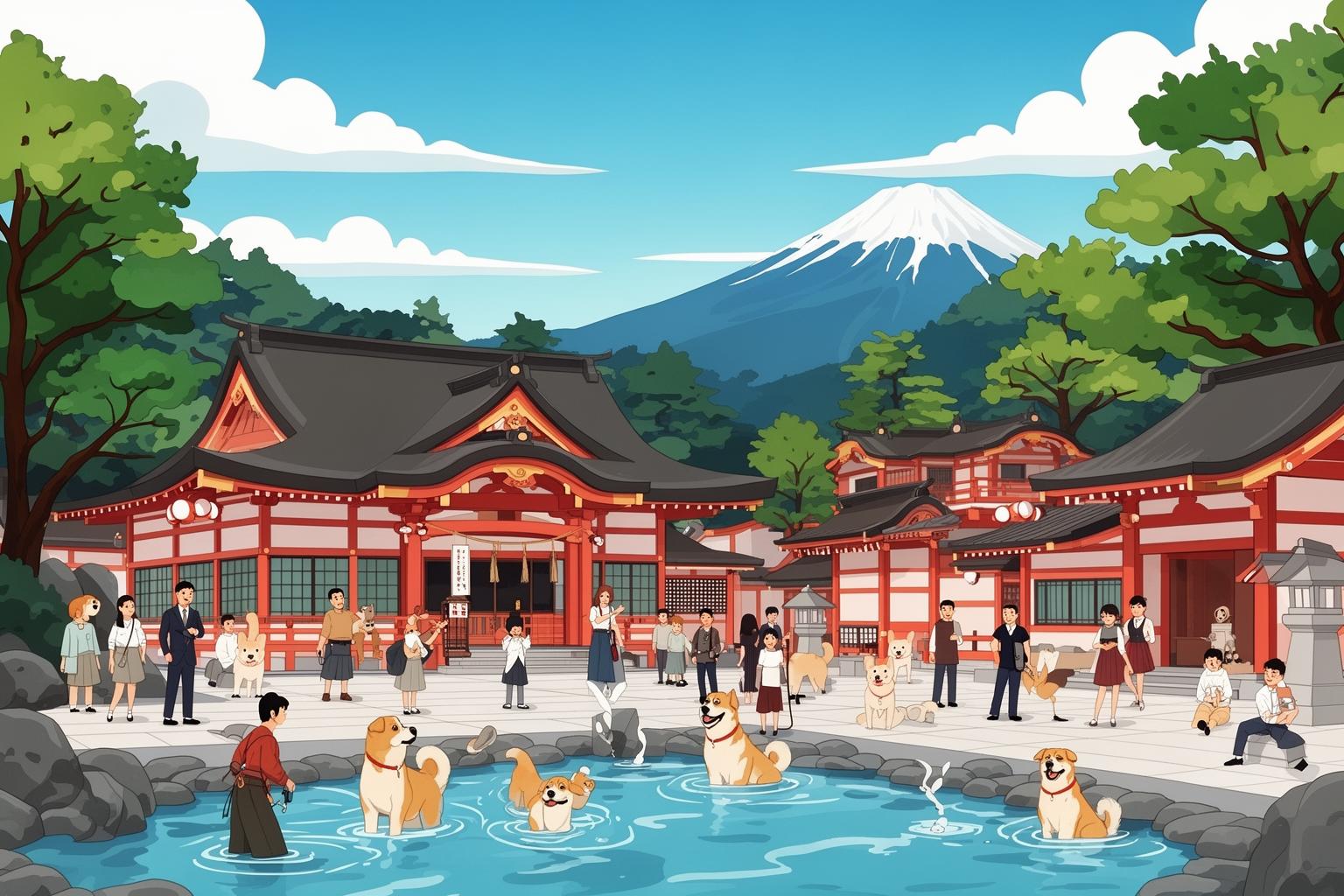
The magic of Dogo reaches far beyond the walls of the Honkan. The surrounding neighborhood is a destination in its own right, a charming area best explored on foot, ideally while wearing the yukata provided by your ryokan. Leading up to the Honkan is Dogo Haikara Dori, a lively covered shopping arcade. The street is a sensory delight, lined with shops offering local crafts, souvenirs, and a vast variety of snacks. You’ll discover everything from towels made in the renowned textile city of Imabari to numerous products featuring Ehime Prefecture’s mascot, the adorable citrus-dog Mikyan.
A Town Dressed in Yukata
As night falls, the district truly comes alive. The warm light of paper lanterns brightens the streets, and the area fills with people strolling between the onsen, their hotels, and local eateries. This is the quintessential onsen town experience. There’s a lovely sense of shared community and relaxation as everyone, from young to old, wanders about in traditional attire. It’s the perfect time to enjoy local delicacies or find a quiet izakaya for dinner. Be sure not to miss the Botchan Karakuri Clock, located next to Dogo Onsen Station. Every hour, this intricate clock tower springs to life with animated figures from Natsume Soseki’s novel Botchan, re-enacting scenes in a charming mechanical show.
Modern Art Meets Ancient Springs: The Asuka no Yu
Just a short stroll from the Honkan stands its striking modern counterpart, the Dogo Onsen Asuka no Yu. Opened in 2017, this bathhouse is a contemporary tribute to Dogo’s history, featuring an architectural style inspired by Japan’s Asuka Period (538-710 AD), when Prince Shotoku was said to have visited the springs. Inside, it offers a stunning blend of traditional bathing culture and modern Japanese art. The walls are decorated with works by contemporary artists, and a spectacular projection mapping show in the main bathing hall narrates the legends of Dogo Onsen. The Asuka no Yu also boasts a large open-air bath and replicas of the Yushinden’s imperial resting rooms, allowing visitors to enjoy that royal luxury. It presents a fascinating contrast to the Honkan, showing that Dogo’s story continues to evolve.
Tsubaki no Yu: Where the Locals Go
For a genuinely authentic, no-frills experience, head to Tsubaki no Yu (“Camellia Hot Spring”). This is the third of Dogo’s public bathhouses, serving as the neighborhood sento for Matsuyama’s residents. The atmosphere here is simple, unpretentious, and deeply local. You won’t find many tourists, but you will experience the everyday rhythm of Japanese life. Sharing the large, spacious stone bath with local grandmothers and families is a wonderfully grounding experience, a reminder that at its core, Dogo Onsen remains a beloved part of its community.
Matsuyama’s Literary Soul: The World of Botchan
Dogo Onsen’s renown extends beyond its waters and Ghibli ties; it is also immortalized in one of Japan’s most celebrated works of modern literature. Natsume Soseki’s 1906 novel, Botchan, is a beloved classic that humorously depicts life in a rural town, drawing from the author’s own experience teaching in Matsuyama. The novel’s main character often visits Dogo Onsen, with the bathhouse serving as a key setting in the story. This literary heritage is honored throughout the city. Visitors can ride a replica of the quaint, old-fashioned steam train that Botchan took, now known as the “Botchan Train,” which travels between the city center and Dogo. Throughout the shopping arcade, you’ll also find the area’s most famous treat: Botchan Dango. These colorful skewers of sweet mochi dumplings (one green for green tea, one yellow for egg, and one brown for adzuki bean paste) directly reference the novel and are a delicious local specialty not to be missed.
Practical Guidance for Your Pilgrimage
Planning a trip to this part of Shikoku is simple, making it an easy and rewarding experience for international travelers.
Reaching Dogo Onsen
Matsuyama, the capital of Ehime Prefecture, is well-connected. The most convenient way to get there is by flying into Matsuyama Airport (MYJ), which offers frequent flights from Tokyo’s Haneda Airport and other major cities in Japan. From the airport, a direct limousine bus service takes you straight to the Dogo Onsen area. Alternatively, you can take the JR Sanyo Shinkansen (bullet train) to Okayama, then transfer to the JR Shiokaze Limited Express train—a scenic ride across the Great Seto Bridge that brings you directly to JR Matsuyama Station. From downtown, the most charming and atmospheric way to reach Dogo Onsen is by riding the Iyotetsu streetcar. These quaint trams, including the historic Botchan Train, provide a delightful journey through the city, ending at the beautiful Meiji-era Dogo Onsen Station.
The Best Time for a Visit
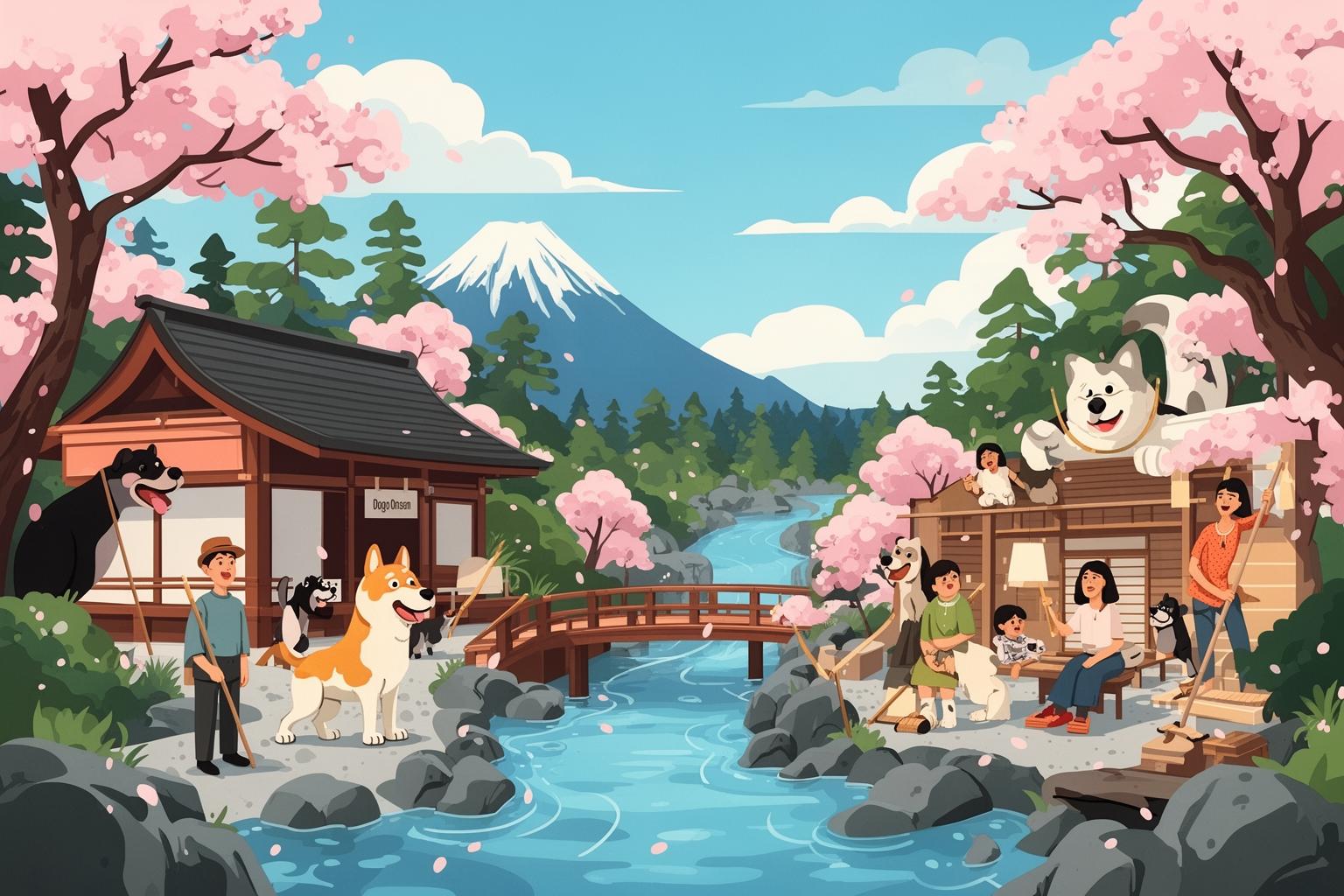
Dogo Onsen is a fantastic destination throughout the year, with each season offering its own special appeal. In spring, cherry blossoms around Matsuyama Castle and Dogo Park create a picturesque setting for a relaxing walk after your onsen experience. Summer features lively local festivals, though the weather can be hot and humid. Autumn is often the most comfortable season, marked by crisp, clear air and vibrant fall foliage on the nearby hills. Winter provides a magical onsen experience; there is nothing quite like soaking in warm, steaming water while the outside air remains cool and refreshing. While the onsen experience itself is timeless, the seasonal atmosphere adds a unique touch to your visit.
Savoring the Flavors of Ehime
Beyond Botchan Dango, the region is a haven for food enthusiasts. Ehime is known as Japan’s citrus capital, and sampling fresh mikan (mandarin orange) juice—often served from taps in shops along the arcade—is a must. Another local specialty is Tai-meshi, a sea bream dish served over rice. There are two main regional variations: one involves steaming the whole fish with the rice, while the other, from the southern prefecture, features sea bream sashimi served over rice with a raw egg and savory sauce. Both versions are delicious and available at many restaurants near Dogo. Tasting these local dishes is an essential part of fully experiencing the culture.
An Invitation to Timeless Japan
A visit to Dogo Onsen is more than just a trip; it is a full immersion. It’s a journey to a place where a 3,000-year-old spring still welcomes bathers, where a 19th-century bathhouse feels like a 21st-century animated fantasy, and where the scenes of a classic novel come alive at every turn. It’s a place to slow down, to swap your shoes for sandals, your clothes for a cotton yukata, and your worries for a long, peaceful soak. Here, the layers of time coexist harmoniously—the echoes of ancient gods, imperial processions, literary heroes, and perhaps, the faint, magical whisper of a bathhouse for spirits. It’s an invitation to step into the story, listen to the evening drum, and feel the warmth of waters that have been healing travelers for millennia. Dogo Onsen awaits, ready to share its timeless enchantment with you.