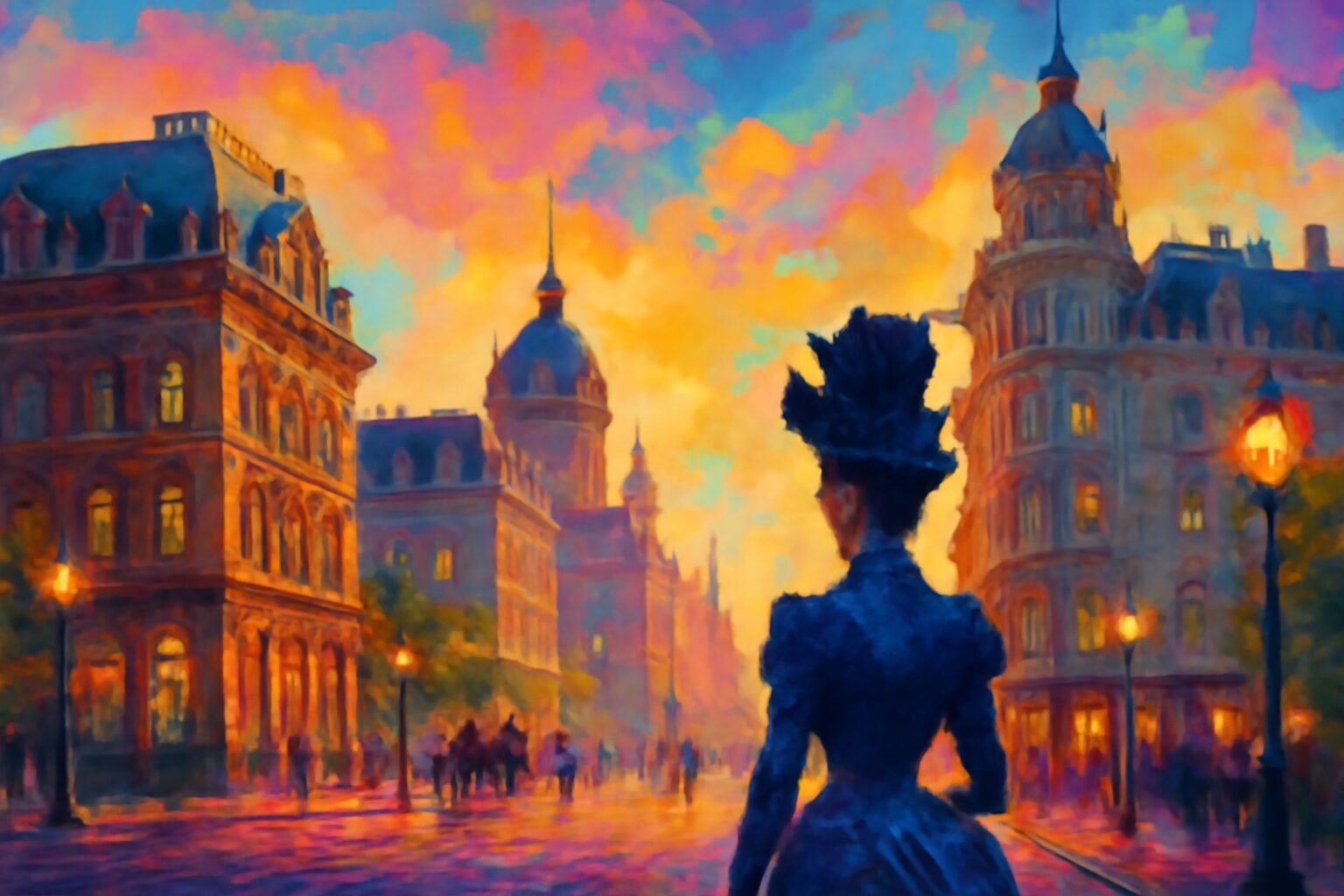
The lavish world of 1880s New York is once again coming to life, not in a Hollywood studio, but on the historic streets of New York’s Capital Region. The production crew for HBO’s acclaimed historical drama, ‘The Gilded Age,’ has officially begun filming its fourth season, with the city of Schenectady’s authentic 19th-century architecture taking a starring role. For travelers and fans of the series, this offers a unique glimpse into the show’s creation and highlights a region rich with real-life Gilded Age history.
The Capital Region: A Living Set for 1880s Manhattan
This is not the first time the Capital Region has stood in for Gilded Age Manhattan. The area has become a favored location for the series, thanks to its remarkably well-preserved architecture that provides an authenticity difficult to replicate. In previous seasons, the city of Troy, with its stunning brownstones and grand public buildings, served as a primary backdrop. Locations like Troy’s Washington Park and the Hart Cluett Museum were seamlessly transformed into bustling streets and opulent residences of the era’s elite. The nearby city of Albany has also lent its historic locations to the production.
This ongoing partnership between HBO and the region has cemented the area’s reputation as a prime destination for historical filmmaking, often dubbed a “Hollywood on the Hudson.” The decision to return for a fourth season underscores the value of these real-world sets in bringing creator Julian Fellowes’ vision to life.
Schenectady in the Spotlight: Film Tourism and Economic Impact
For Season 4, the focus shifts to Schenectady’s Stockade Historic District, one of the oldest and best-preserved residential neighborhoods in the United States. As film crews transform its streets with horse-drawn carriages and period-appropriate set dressings, the district becomes a time capsule, drawing both curious locals and tourists.
The economic and cultural impact of such a high-profile production is significant. This phenomenon, known as “film tourism” or “set-jetting,” can have a lasting effect on a location’s popularity. The financial benefits are immediate and substantial. For context, it was estimated that the first season of ‘The Gilded Age’ brought an economic impact of over $5 million to the city of Troy alone. Across the state, New York’s Film Tax Credit Program, which incentivizes productions like this, generated an estimated $2.8 billion in economic activity in 2022.
Looking forward, the “Gilded Age effect” is expected to ripple through Schenectady and the wider region. After the season airs, millions of viewers worldwide will see the city’s historic streets, likely inspiring future travel plans. This increased visibility could lead to the development of specialized walking tours, themed events, and a general boost for local businesses, from hotels to cafes.
What This Means for Travelers
For visitors, the region offers a unique opportunity to walk through the world of the Russell and van Rhijn families. While filming may cause temporary street closures, the excitement it generates is palpable. Even after the crews depart, travelers can explore the real-life locations that feature so prominently in the series. A trip through Troy, Albany, and now Schenectady offers an immersive journey into the architectural and cultural history of America’s Gilded Age.
‘The Gilded Age’ is more than just a television show for Upstate New York; it’s a powerful engine for cultural preservation and economic growth. As Schenectady takes its turn in the limelight, it reminds us that sometimes, the most authentic historical experiences are waiting to be discovered, not on a screen, but on the very streets where that history was made.