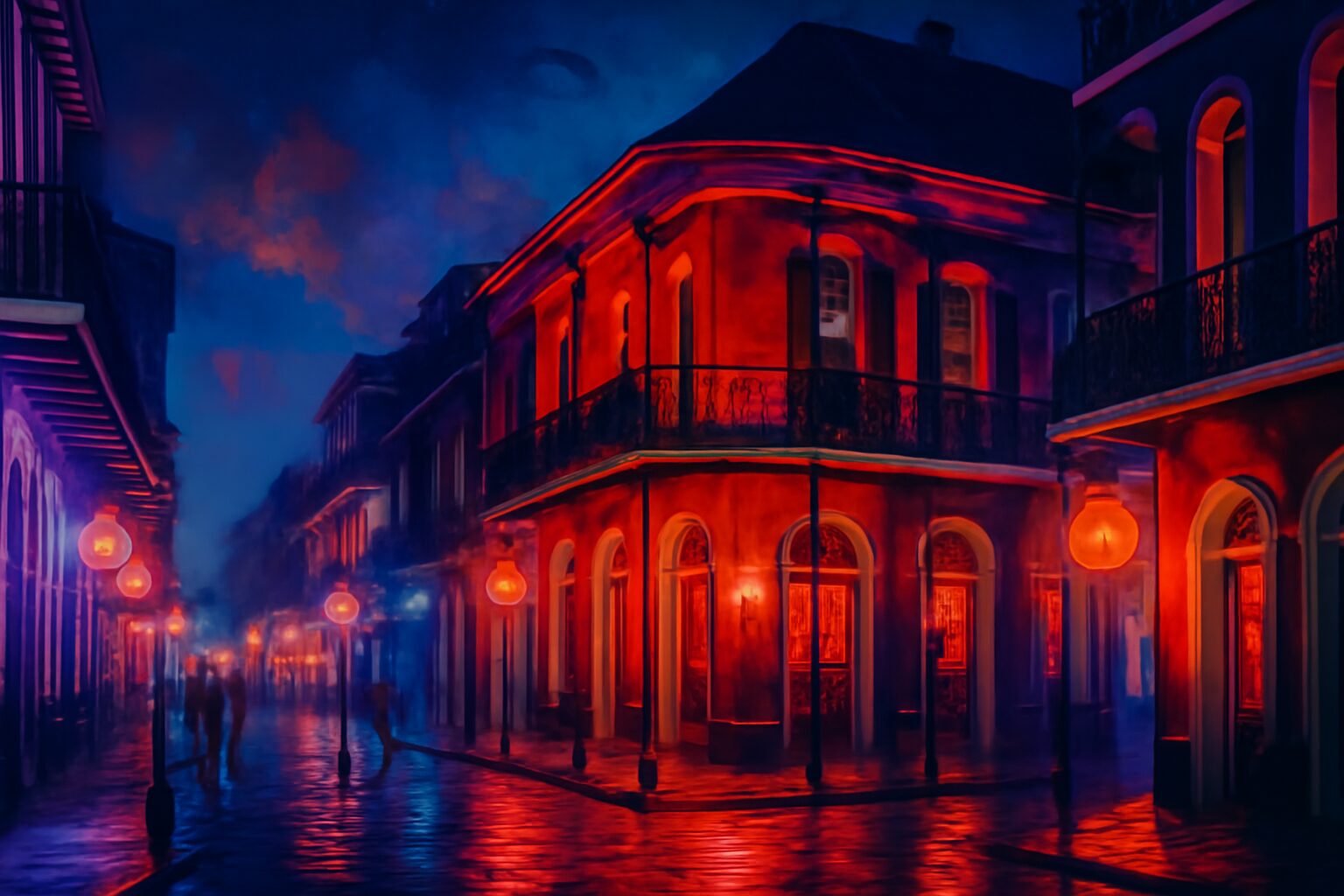
A Cinematic Spark for the Crescent City
New Orleans is no stranger to cultural tourism, but the city is currently experiencing an unprecedented wave of international attention. The breakout success of the gritty detective television series Crimson Bayou has captured the imagination of global audiences this year, directly translating into a massive tourism revival for the city’s historic French Quarter. Fans of the hit streaming show are descending upon the Crescent City in record numbers to walk the same cobblestone streets and listen to live music in the very jazz clubs prominently featured in the series’ most iconic scenes.
The ‘Crimson Bayou’ Phenomenon
Set against the humid, atmospheric backdrop of southern Louisiana, Crimson Bayou has become a cultural touchstone since its debut. The show’s creators utilized the authentic architecture, neon-lit side streets, and century-old establishments of the French Quarter to anchor the narrative’s dark, compelling mystery. As a result, viewers from Europe, Asia, and across the Americas are traveling to Louisiana not just for traditional Mardi Gras or festival seasons, but to experience the brooding, romanticized aesthetic portrayed on screen.
Local hospitality workers report a distinct shift in the type of tourist arriving in the city currently. Rather than conventional sightseers, these visitors are arriving with specific itineraries curated from the show’s episode guide, seeking out specific wrought-iron balconies, shadowy alleyways, and the fictional precinct headquarters filmed at a repurposed warehouse just outside the French Market.
Economic Impact on the Local Hospitality Sector
This surge in pop-culture tourism is providing a robust injection into the local economy. In 2025, New Orleans welcomed 19.46 million visitors, generating more than $10 billion in visitor spending and surpassing pre-pandemic levels. However, local tourism boards note that the first half of 2026 has brought a massive spike in international bookings specifically tied to the “set-jetting” trend.
Small businesses within the French Quarter are the primary beneficiaries. Boutique hotels and heritage bed-and-breakfasts have reported a 25 percent increase in occupancy rates compared to the same period last year. Jazz clubs and late-night dining venues that served as filming locations are seeing nightly lines around the block, with some reporting revenue bumps of up to 40 percent. This influx is helping to sustain the 224,600 leisure and hospitality jobs that form the backbone of Louisiana’s economy.
Launching Official Set Tours
To capitalize on the overwhelming visitor interest, the city’s tourism operators are officially launching guided tours based on the series’ most memorable filming locations. These walking tours are designed to safely and efficiently manage the heavy foot traffic in the historic district while providing fans with behind-the-scenes trivia. Tour guides collaborate directly with location scouts to showcase how the French Quarter was transformed for the screen, bridging the gap between New Orleans’ real 300-year history and the fictional lore of Crimson Bayou.
Predicted Future and Long-Term Impact
Looking ahead, the Crimson Bayou effect is expected to leave a lasting mark on New Orleans’ tourism landscape. The city is currently preparing to host the massive IPW international travel conference in 2027, and the global awareness generated by this television series is predicted to make New Orleans one of the most highly requested destinations among international travel buyers.
Furthermore, the economic success driven by the series is likely to attract more major film and television productions to Louisiana. As local officials recognize the tangible, long-term financial benefits of screen tourism, there is an expected push to expand state film tax incentives.
However, city planners will also need to address the challenges of micro-overtourism. The French Quarter is a dense, historic residential neighborhood, and balancing the lucrative influx of passionate television fans with the preservation of local quality of life will be a crucial focus. If managed correctly, the current revival sparked by Crimson Bayou will ensure that New Orleans remains not only the historic birthplace of jazz but a premier destination for global entertainment tourism for years to come.