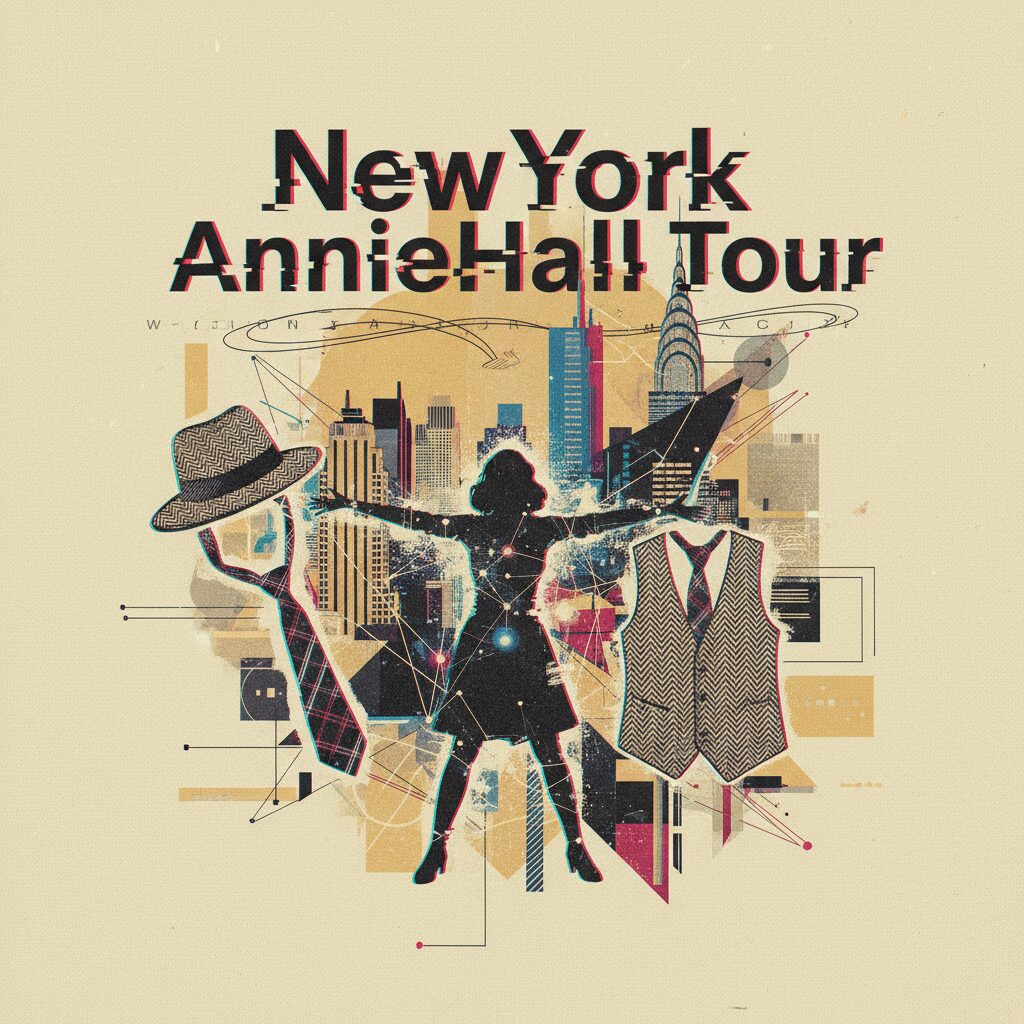
There are films that capture a time, and then there are films that capture a soul. Woody Allen’s 1977 masterpiece, Annie Hall, does both, and its soul is inextricably intertwined with the island of Manhattan. More than a backdrop, New York City is a character in the film—a neurotic, beautiful, endlessly talkative third lead in Alvy Singer and Annie Hall’s revolutionary romance. To walk the streets where they walked, argued, fell in love, and fell apart is to step directly into the celluloid itself. It’s a pilgrimage not just for cinephiles, but for anyone who has ever felt that a place can define a relationship, that a city block can hold the memory of a perfect moment or a heartbreaking goodbye. This is not a checklist of filming locations; it is a map to a feeling, a journey back to the rhythm of 1970s New York, where intellectualism was currency, anxiety was an art form, and love, however fleeting, felt like the only real thing in a city of millions. We will wander from the gilded quiet of the Upper East Side to the bohemian hum of the Village, from the grandeur of Central Park to the shadow of a colossal bridge by the river, chasing the ghosts of Alvy and Annie and the city they made their own.
If you’re inspired to explore other cinematic pilgrimages, consider following in the footsteps of Danny Ocean’s crew with our guide to the glamorous filming locations of Ocean’s Eleven.
The Heart of the Matter: Under the Queensboro Bridge
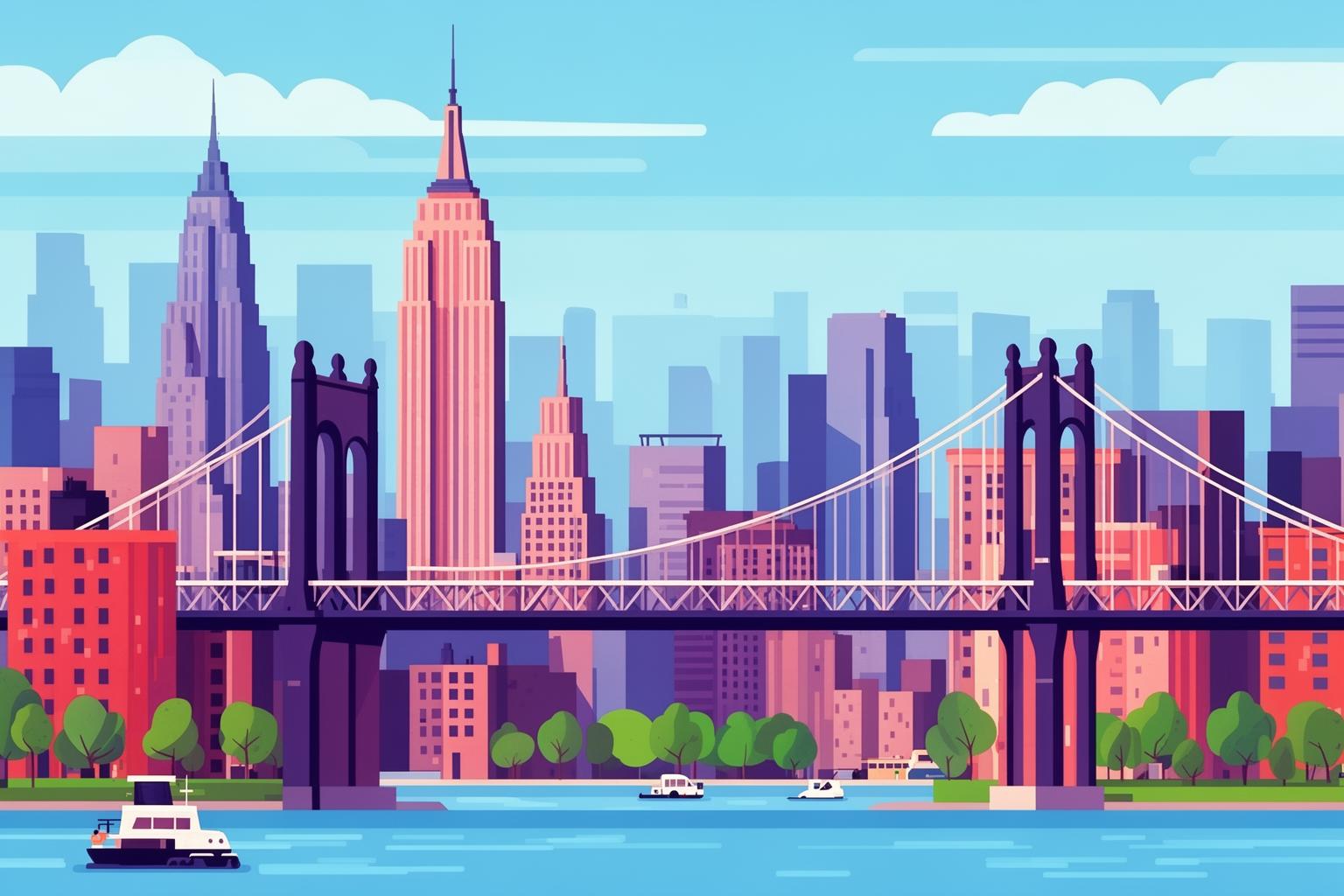
If there is a single image that captures the soaring, improbable romance of Annie Hall, it is the silhouette of Alvy and Annie seated on a bench, with the magnificent, web-like structure of the Queensboro Bridge looming behind them against a lavender dawn. This is the film’s visual thesis—a moment of profound stillness and connection amid the city’s relentless motion. More than any other scene, it has become a pilgrimage site, a hallowed spot for those seeking to connect with the film’s quiet, poetic heart.
Sutton Square: A Cinematic Refuge
This location is Sutton Square, a tiny, nearly hidden gem of a park nestled at the end of East 58th Street, overlooking the East River. It is an enclave of great privilege and serene elegance, worlds apart from the midtown bustle just a few blocks away. The air here feels different—thicker, more tranquil, tinged with the scent of the river and the manicured gardens of the elegant townhouses nearby. Discovering this place feels like being entrusted with a secret. It is not the kind of park you stumble upon; it is one you deliberately seek out. The dialogue that unfolds here is iconic: Alvy’s adoration of Annie, likening her to the city itself—beautiful, sprawling, and a little mad. The setting enhances his words, framing their intimate exchange against the grand scale of New York’s industrial might. The bridge is more than a backdrop; it is a silent observer, a monument to the bonds formed and broken within the city it spans.
Reaching the Bench
To reach this spot, walk east on 58th Street until you hit a dead end. The city’s noise fades behind you, the traffic’s roar softening to a distant murmur, replaced by the gentle lapping of the river and the cries of gulls. The park is small, with perhaps a dozen benches arranged in a tidy semi-circle. While there is some debate about which exact bench appeared in the film, it hardly matters—any one will suffice. The magic lies in the perspective. Sit down, and the view unfolds dramatically. The bridge, officially the Ed Koch Queensboro Bridge, is a towering steel giant, a symphony of trusses and cables that feels surprisingly close. Its presence is both overwhelming and comforting. The ideal time to visit is at dawn or dusk, when Gordon Willis’s masterful cinematography is naturally recreated. As the sun rises or sets, it bathes the sky in shades of orange, pink, and purple, backlighting the bridge and casting long shadows on the water. The traffic crossing it becomes a river of light, a continuous stream of anonymous lives moving into and out of the city, while you sit in perfect, cinematic stillness. Speaking as a photographer, this is a challenging yet rewarding shot. You must contend with extreme contrasts of light and shadow, striving to capture the texture of the weathered wooden bench, the intricate steelwork of the bridge, and the soft colors in the sky, all while maintaining a sense of quiet intimacy. It’s about experiencing the moment, not just recording it. Take your time. Set the camera aside and watch the light shift. Listen to the low rumble from above. Feel the cool river breeze. This is where Alvy and Annie shared their perfect moment—a fragile bubble of understanding before the world rushed back in. Without a doubt, it is the film’s most sacred ground.
The Intellectual Battleground: Cinemas and Bookstores
Annie Hall is a film defined by conversations—a flowing exchange of words, ideas, and anxieties set against the city’s cultural hotspots. Alvy Singer, a comedian and intellectual, inhabits these spaces fully—the dim movie theater, the dusty bookstore aisles. These are his arenas where he analyzes life, art, and his own neuroses.
The Ghost of the Beekman Theatre
One of the movie’s most iconic and funniest moments takes place in a movie line outside the Beekman Theatre, once located at 1254 Second Avenue. Here, Alvy is tormented by a pontificating academic behind him who loudly critiques Federico Fellini and Marshall McLuhan. In a clever breaking of the fourth wall, Alvy pulls the real Marshall McLuhan from behind a poster and tells the man, “You know nothing of my work.” It’s a fantasy every frustrated moviegoer can relate to. Sadly, the Beekman Theatre, a classic single-screen movie palace, no longer exists. A hospital building now occupies its place, symbolizing the shifting landscape of New York real estate and film exhibition. But standing at the corner of Second Avenue and East 66th Street, you can almost sense the lingering energy of that scene—the sounds of traffic, the line of stylish New Yorkers, and Alvy’s growing irritation. The closure of theaters like the Beekman marks a cultural transformation. Such venues were destinations—temples to cinema with grand marquees, plush velvet seats, and a single enormous screen demanding full attention. Visiting the site today is a poignant act of urban archaeology, a moment to reflect on the institutions that shape a city’s cultural identity and the emptiness left in their absence. It serves as a reminder that any pilgrimage involves acknowledging what has been lost, a theme that echoes deeply in the film’s nostalgia and sense of romantic decline.
The Spirit of the Village Bookstore
Though the specific bookstore where Alvy and Annie browse books on death and dying isn’t named, its essence is pure Greenwich Village. For decades, the Village has been New York’s literary and bohemian core, home to legendary bookstores. To evoke that scene’s feeling, one must explore the streets just south of 14th Street. A visit to a revered institution like the Strand Bookstore on Broadway and 12th Street—with its famous “18 Miles of Books”—comes close. Picture yourself diving into its towering, chaotic shelves, the air thick with the scent of aged paper and binding glue. Or perhaps a smaller, cozier shop such as Three Lives & Company on West 10th Street better captures the quiet, intellectual vibe of Alvy and Annie’s search. The scene isn’t just about buying books; it’s a dance of courtship, a way of understanding someone through their reading choices. Their shared fascination with mortality is a darkly comic foundation of their bond. Visiting a Village bookstore today offers a chance to reenact that ritual: spend time wandering the stacks, pull out random volumes, read aloud, observe fellow patrons—students, artists, lifelong New Yorkers—who still treat these shops as community hubs and treasure troves. The experience feels increasingly rare in the digital age and provides a direct connection to the intellectual milieu that shaped the characters of Annie Hall.
A Tale of Two Boroughs: Upper East Side vs. The Village
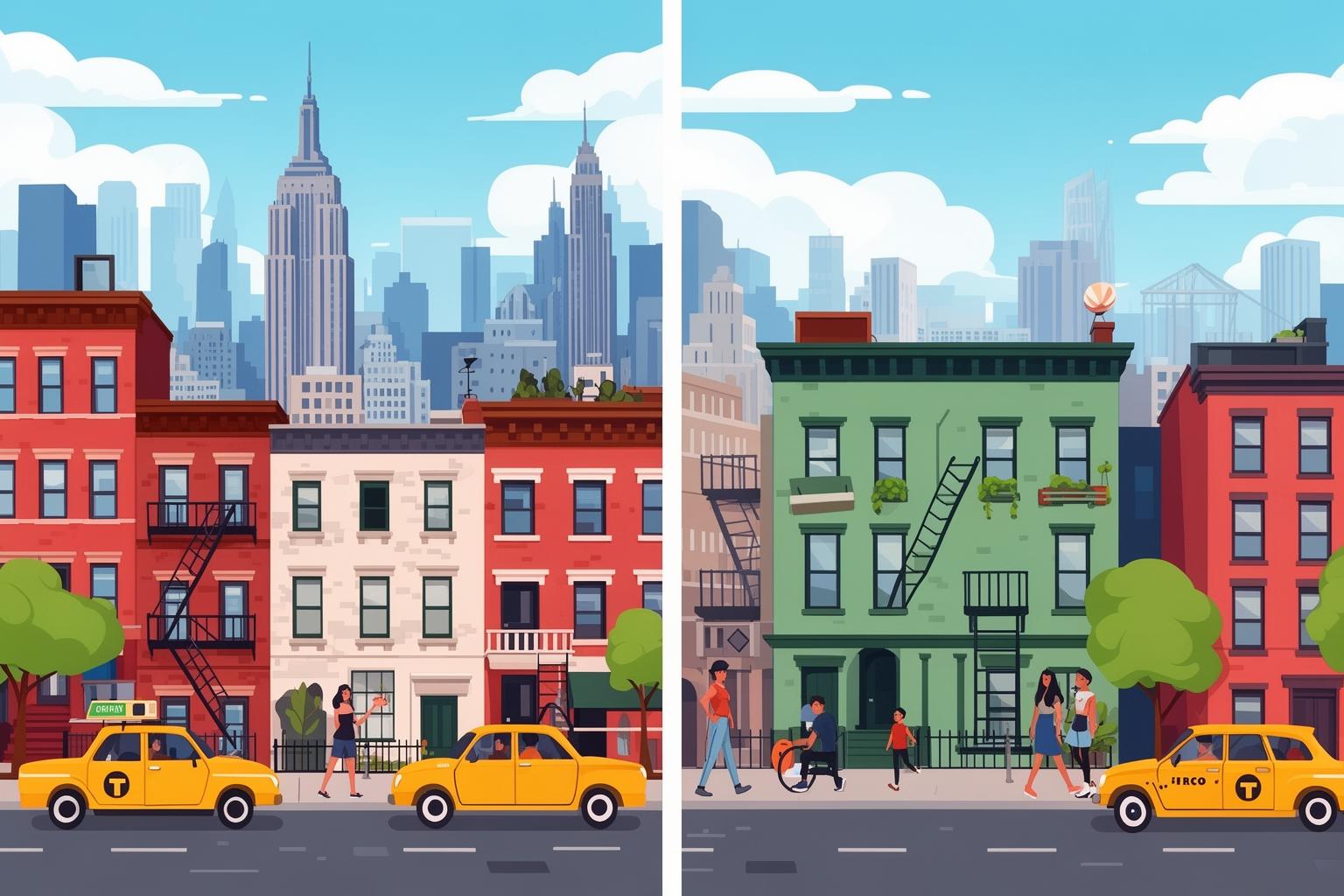
The geography of Annie Hall acts as a map reflecting its characters’ personalities. Annie hails from the clean, orderly, aspirational world of the Upper East Side, while Alvy belongs to the chaotic, intellectual, and psychoanalyzed environment of Greenwich Village. The film constantly moves between these two contrasting settings, using the city’s layout to highlight the differences in their worlds.
Annie’s Terrace on the Upper East Side
Annie’s apartment, featuring a quaint small terrace, is situated on East 68th Street, between Madison and Park Avenues. This area lies at the heart of the Upper East Side, a neighborhood defined by vast wealth, Beaux-Arts architecture, and quiet sophistication. Walking these streets feels like stepping into another version of New York. The city’s noise is softened here by the towering limestone-clad pre-war buildings. Doormen in sharp uniforms stand watch under green awnings. The sidewalks are impeccably clean. It is on Annie’s terrace that some of their most memorable and awkward conversations unfold, with their inner thoughts shown as subtitles on the screen. The setting is perfect—a small, private outdoor space in a neighborhood that values privacy above all else. It’s a little perch from which to observe the world, and each other, with a blend of wonder and hesitation. To visit today, one should approach with respect, as it remains a deeply residential area. Wander down East 68th Street and simply soak in the atmosphere. Notice the architecture, the detailed ironwork on the windows, the uniform facades reflecting a strict social order. Observe how the light filters down between the tall buildings. It’s a world that feels both beautiful and somewhat daunting, much like Annie herself when Alvy first encounters her. A great way to experience the area is to walk from the apartment location east toward Central Park, or west to explore the high-fashion boutiques along Madison Avenue, imagining Annie in her iconic menswear-inspired attire, a dash of bohemian flair in this stronghold of conformity.
Alvy’s World in Greenwich Village
If the Upper East Side represents order, Greenwich Village embodies a kind of beautiful, intellectual disorder. This is Alvy’s domain. Though the film doesn’t specify his exact address, his spirit permeates the entire neighborhood. This is the New York of winding streets that defy the grid, historic brownstones, hidden gardens, and a vivid artistic legacy. To understand Alvy, you must walk the Village. Begin at Washington Square Park, the neighborhood’s unofficial town square. Watch the chess hustlers, listen to the folk singers by the fountain, and take in the eclectic mix of NYU students, native residents, and intrigued tourists. This is the public stage for the intellectual sparring that Alvy thrives on. From the park, meander through the side streets: MacDougal Street, with its history of beatnik cafes and comedy clubs where a young Alvy Singer would have polished his craft; Bleecker Street, home to bakeries and record shops; and the quiet, tree-lined blocks of West 10th and Perry Street. The Village feels more intimate than the UES. The buildings are lower, the streets narrower, and life spills onto stoops and sidewalks. It’s a place that encourages conversation and debate, the perfect setting for Alvy’s restless mind. You can sense his presence here—his brisk stride, his animated hands, his unending commentary on life’s absurdities. He belongs to the Village just as Annie belongs to the wide, open avenues uptown.
Leisure and Lobsters: Central Park and Beyond
When Alvy and Annie are not grappling with their neuroses indoors, they are often seen walking and talking through New York’s iconic public spaces. These moments highlight the city’s capacity for romance and recreation, providing brief relief from the characters’ inner struggles.
A Carousel and a Conversation in Central Park
Central Park serves as a recurring setting for the couple’s developing relationship. They share a charmingly romantic moment near the historic Central Park Carousel, a beautiful relic from a bygone era. The vibrant colors of the hand-carved horses and the cheerful organ music create a fairytale ambiance, sharply contrasting with their usual witty, cynical exchanges. Later, they take a reflective walk near Wollman Rink, the park’s well-known ice-skating rink, with the dramatic Central Park South skyline looming behind them. Central Park has always been New York’s great democratic space, a place where people from all walks of life come to escape the concrete and steel. For Alvy and Annie, it is neutral ground where they can simply be together. No pilgrimage to Annie Hall’s New York would be complete without a leisurely, aimless stroll through the park. You can ride the very same carousel, which has delighted visitors since 1908. You can retrace their steps along the winding paths, past Sheep Meadow and The Mall. Find a bench and enjoy some people-watching, which Alvy would surely have done with sharp commentary. The park offers a sense of scale, reminding visitors that despite their personal dramas, they are part of a much larger, sprawling human story.
The Lobster Fiasco: A Hamptons State of Mind
One of the film’s most hilarious moments features Alvy and Annie disastrously attempting to cook live lobsters in a sunlit beach house kitchen. This scene was filmed in the Hamptons, the affluent seaside retreat for wealthy New Yorkers on Long Island. While a trip to the Hamptons may fall outside a typical Manhattan-based pilgrimage, the spirit of the scene can be found closer to home. The sequence humorously captures two city dwellers struggling to cope with the “wild.” A visit to the South Street Seaport in Lower Manhattan offers a different but equally resonant maritime atmosphere. It is here that Alvy and Annie have one of their more serious relationship discussions, walking along the pier with the Brooklyn Bridge in the background. The area’s cobblestone streets, restored 19th-century buildings, and fleet of historic tall ships evoke a strong sense of New York’s history as a port city. It is a place of arrivals and departures, making it a fitting metaphor for a relationship in flux. Walking along Pier 17, with the salty air and the creaking of old ships, you can sense the weight of their conversation. It is a beautiful, melancholy part of the city, deeply imbued with stories, perfectly matching the reflective tone of the film’s later scenes.
The California Interlude: A Different Planet
No exploration of Annie Hall‘s settings would be complete without recognizing its sharp, satirical portrayal of Los Angeles. When Annie relocates to L.A. to chase her singing career, Alvy follows, and the film depicts Southern California as a sun-bleached, alien landscape—the opposite of everything New York stands for.
The Source of All Neurosis
This cultural clash is perfectly captured in the scene at The Source, an actual health food restaurant on Sunset Boulevard that was a popular celebrity hangout in the 1970s. Founded by the spiritual guru Father Yod, the restaurant was known for its vegetarian dishes and cult-like clientele. In the film, Alvy is clearly out of his depth, ordering a plate of “alfalfa sprouts and mashed yeast.” The scene is a comedic gem, poking fun at L.A.’s rising health and wellness craze. Although The Source has long since closed, its spot on the Sunset Strip remains a landmark of a bygone era. These California scenes are vital to the film’s geography because they emphasize Alvy’s identity as a committed New Yorker. He is miserable in the land of sunshine, freeways, and superficial optimism. His unease underscores his deep, almost pathological connection to Manhattan’s grit, energy, and intellectual spirit. For Alvy, New York is more than just where he lives; it’s the only place that makes sense, the only place where he can truly be himself. The L.A. episode serves as a reminder that sometimes, the places we love are defined by the places we can’t tolerate.
The Final Goodbye: A Lincoln Center Elegy
All memorable screen romances must come to an end, and the final, touching encounter between Alvy and Annie serves as a brilliant example of bittersweet closure. Following their breakup, they share one last friendly lunch, their interaction now defined by fond nostalgia instead of romantic tension.
The Cafe on the Upper West Side
This final scene unfolds at a restaurant opposite the Lincoln Center for the Performing Arts on the Upper West Side. The original venue was a popular establishment called O’Neals’ Balloon, now replaced by The Smith. The setting holds special significance. Lincoln Center is the city’s cultural epicenter, home to the opera, ballet, and symphony—a fitting backdrop for two people who have shared so much to bid a civilized farewell. Sitting at The Smith today, you can gaze out at the same iconic fountain in the Lincoln Center plaza. The Upper West Side offers a different atmosphere compared to both the Upper East Side and the Village—it blends intellectualism with domesticity, housing academics, artists, and families. It feels like a mature neighborhood, where people put down roots. The scene’s power lies in its simplicity—they reminisce, laugh, and acknowledge the love they once shared. As they part on the sidewalk, a montage of their relationship’s best moments plays, and Alvy delivers his famous closing monologue about love, irrationality, and the human need for connection, concluding with the iconic line, “I guess because most of us need the eggs.” Visiting this corner of Columbus Avenue and West 63rd Street is the perfect conclusion to an Annie Hall tour. It’s a place for reflection, to sit with a coffee and contemplate the film’s lasting message about the beautiful, painful, and necessary absurdity of love.
Crafting Your Own ‘Annie Hall’ Itinerary
To genuinely experience the New York of Annie Hall, you have to walk it. The film is a symphony of movement, with conversations unfolding across entire city blocks. A pilgrimage should honor that rhythm, allowing for detours, discoveries, and moments of quiet reflection.
A Walker’s Guide to Cinematic New York
Consider dedicating an entire day to this journey. Begin your morning on the Upper East Side. Locate Annie’s block on East 68th Street, then wander over to Central Park, perhaps entering near the 72nd Street transverse. Spend some time in the park, finding the carousel and simply taking in the mix of nature and architecture. From there, head downtown. You could take the subway, but a long walk down Fifth Avenue or through the park is more in keeping with the spirit of the film. As you move into Midtown and then Greenwich Village, notice how the city’s energy shifts. The streets grow busier, the buildings become more diverse, and the people more eclectic. Spend your afternoon wandering the Village’s winding streets, discovering a bookstore and a coffee shop to sit and read. As evening falls, make your way to one of the two iconic riverfront spots. Head east to Sutton Square to watch the sunset behind the Queensboro Bridge, or go south to the Seaport to see the lights of the Brooklyn Bridge begin to sparkle. The key is not to hurry. Let the city lead you. The film is about the small moments, the snippets of conversation, and the shared glances on a crowded street.
Beyond the Frame: Capturing the Feeling
Ultimately, a journey through the world of Annie Hall is about more than reenacting scenes. It’s about tapping into a particular state of mind. It’s about seeing New York through Woody Allen’s lens—a city that is both a romantic ideal and a wellspring of endless frustration. It’s a place that can make you feel completely anonymous and, in the next instant, deeply connected. This pilgrimage invites you to embrace that paradox. To people-watch with Alvy’s analytical eye, to dress with Annie’s quirky confidence, to talk about art, life, and relationships with anyone willing to listen. The film’s lasting power lies in its honesty. It recognizes that love doesn’t always endure, but the memories—and the places those memories were made—remain. New York City is the keeper of Alvy and Annie’s story. By walking its streets, you become part of that story, too, leaving your own footprints on the pavement of the greatest, most neurotic, most romantic city in the world. You may not find all the answers, but as Alvy would say, you need the eggs.