Some films are just movies. You watch them, you feel something, you go home. Others are time machines, meticulously crafted portals that transport you to a different era, a different world, a different state of mind. Ben Affleck’s 2012 masterpiece, Argo, is firmly in the latter category. It’s a high-wire act of historical tension, a cinematic document that drops you right into the heart of the 1979 Iran hostage crisis. The film’s genius lies in its suffocating authenticity, the palpable sense of dust, desperation, and danger that clings to every frame. But here’s the secret, the grand illusion at the heart of the production: the Tehran you see on screen, with its bustling revolutionary streets and its tense, watchful alleys, was never Tehran at all. The real-life events were too raw, the political landscape too complex for the crew to ever set foot in Iran. Instead, they performed a stunning act of cinematic alchemy, transforming the vibrant streets of Istanbul, Turkey, and the sun-drenched landscapes of Southern California into a convincing 1979 Iran. This journey, this pilgrimage, is not about visiting the actual historical sites of the crisis, but about exploring the incredible stand-ins, the real-world locations that wore a costume and played a role as crucial as any actor’s. It’s a quest to uncover the magic of filmmaking, to stand in a Turkish bazaar or a California airport and see, for a fleeting moment, the ghost of a revolution, the echo of a daring escape. This is a guide to that secret world, a declassified file on the real places behind the reel story.
If you’re fascinated by how filmmakers transform real-world locations into cinematic worlds, you might also enjoy exploring a pilgrimage through the Tehran of Asghar Farhadi’s ‘A Separation’.
The Soul of Tehran: Istanbul’s Grand Deception
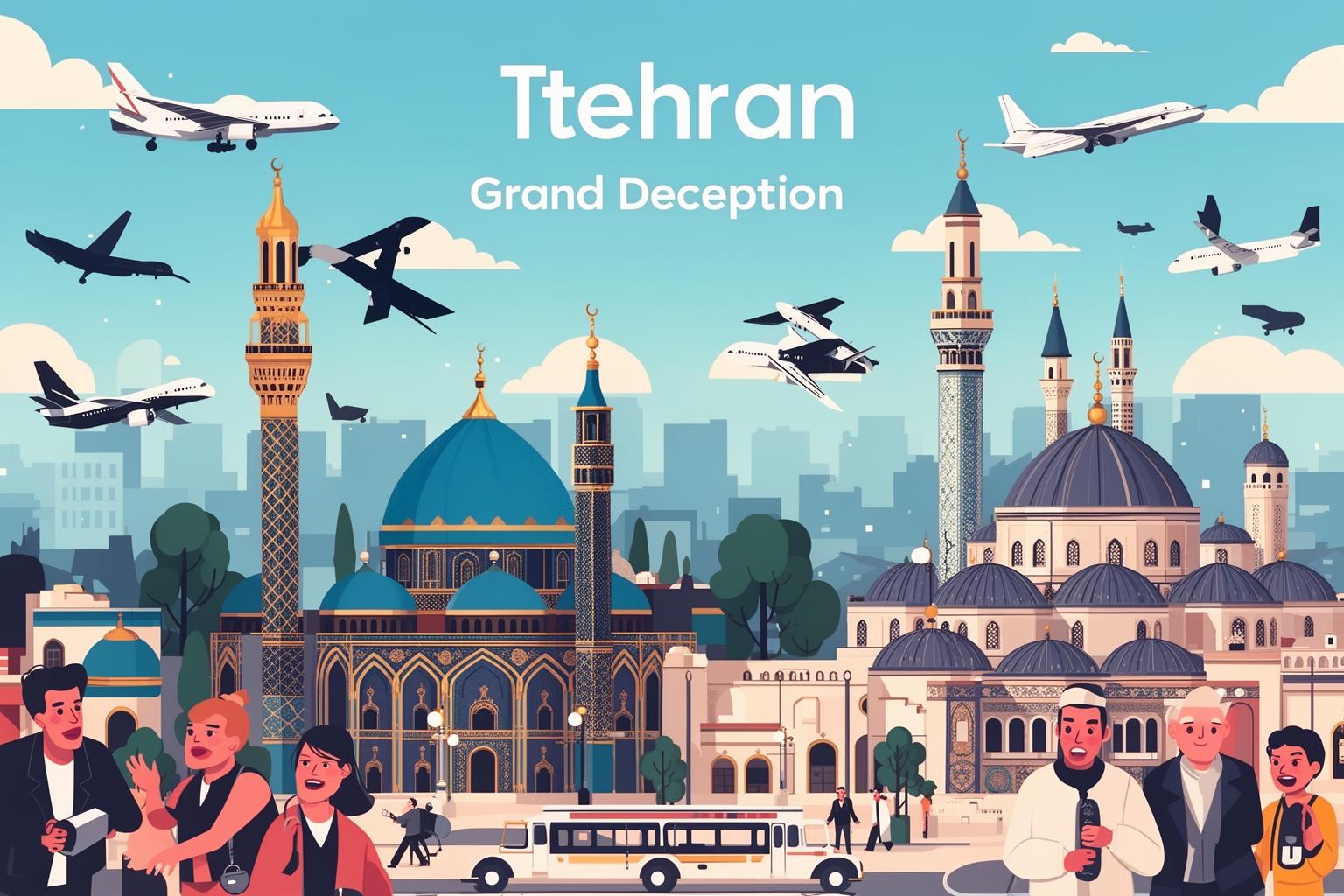
To capture the essence of a nation in upheaval, the filmmakers behind Argo sought a city that proudly displayed its history. They needed a place with an expansive, ancient spirit, a maze of markets, a skyline dotted with minarets, and streets steeped in centuries of stories. Their perfect stand-in was Istanbul. This Turkish metropolis, bridging two continents and myriad cultures, served as the primary backdrop for portraying 1979 Tehran. It wasn’t just about visual resemblance; it was about embodying an energy—a certain chaotic, historic grandeur—that could convincingly represent a city on the cusp of transformation. Visiting these Istanbul locations today is a surreal experience, a blend of the city’s own lively character with its striking, temporary role as a reflection of another capital.
Revolutionary Echoes in Sultanahmet Square
At the core of Old Istanbul, Sultanahmet Square was the film’s main establishing location. The sweeping shots of crowds and the iconic mosque silhouettes you see onscreen are set in this historic plaza. Framed by two of the world’s most stunning structures, the Hagia Sophia and the Blue Mosque, the filmmakers used this grand backdrop to immediately convey a strong sense of place, grounding viewers in a world far removed from the sterile halls of Washington D.C. or the polished Hollywood soundstages.
Experiencing Sultanahmet Square today feels like stepping onto a global stage. The air buzzes with dozens of languages, the aroma of roasting chestnuts and corn wafts through the atmosphere, and the immense architecture is awe-inspiring. The Blue Mosque, renowned for its six elegant minarets and cascading domes, remains an active place of worship. Visitors must be mindful of prayer times, and women are required to cover their heads. Inside, the outside world seems to fade away. The interior is an astonishing expanse of blue Iznik tiles, with intricate designs climbing the walls and domes, evoking a sense of infinite, celestial space. Soft, ethereal light filters through stained-glass windows. It’s a sanctuary of deep tranquility, a sharp contrast to the revolutionary intensity portrayed in Argo. One can easily picture the film crew setting up at the edges, capturing the majestic façade while extras, dressed in period attire, filled the square to reenact the protests that shook Tehran.
Opposite the square stands the Hagia Sophia, a structure as storied and complex as Istanbul itself. It has served as an Orthodox cathedral, Roman Catholic cathedral, imperial mosque, secular museum, and now once again a mosque. Its grand dome was a marvel of architecture for over a millennium, and inside lie the echoes of empires past. Christian mosaics peek from behind Islamic calligraphy, symbolizing the city’s layered history. In Argo, its distinct silhouette enriches the film’s visual fabric of Tehran. Standing between these two monumental landmarks connects you to centuries of history. The atmosphere is one of reverence and awe. For Argo enthusiasts, this is the essential first stop. Here, the brilliance of the location choice becomes clear: no constructed set was needed; the filmmakers simply pointed their cameras at history itself.
Sultanahmet Practical Tips
Reaching Sultanahmet is simple. The T1 tram line includes a Sultanahmet stop, placing visitors right in the heart of the action. The ideal time to visit is early morning, before the influx of tour buses. During the golden hour, the mosques are bathed in warm light, and the relative calm lets you absorb the site’s grandeur fully. Expect crowds, especially in peak tourist season from spring through autumn. Comfortable shoes are a must, as there’s much walking. Bring a scarf if you plan to enter the Blue Mosque, though they are provided at the entrance. Take a moment to sit on a bench in the park between the two landmarks. Watch the world go by, listen to the call to prayer echoing from the minarets, and let the atmosphere of the film settle over you in this profoundly beautiful, historic space.
The Suspenseful Maze: The Grand Bazaar Chase
One of Argo’s most thrilling scenes is the chase through the vast, chaotic Tehran bazaar. This sequence, where CIA operative Tony Mendez and six American diplomats are nervously pursued, was filmed entirely inside Istanbul’s majestic Grand Bazaar, or Kapalıçarşı. This is more than a location; it is a world in itself. As one of the oldest and largest covered markets globally, the Grand Bazaar comprises over 60 streets and 4,000 shops—a city within a city.
Entering the Grand Bazaar immediately bombards the senses. The air is rich with exotic spices, sweet Turkish delights, and strong coffee aromas. The constant murmur of bargaining vendors, chattering crowds, and clinking tea glasses fills the space. Light streams through arched ceiling windows, illuminating drifting dust particles and casting long shadows along crowded alleys. The sheer variety of goods is staggering: vibrant handwoven carpets piled high, intricate mosaic lanterns casting kaleidoscopic light, gleaming copperware, fine leather items, and heaps of sparkling jewelry. This is exactly the kind of place where getting lost is easy, making it an ideal setting for a tense cat-and-mouse pursuit.
The filmmakers expertly exploited the bazaar’s natural chaos to heighten suspense. Walking its corridors, you can follow the characters’ route: feel the claustrophobia of narrow passages, the fleeting panic of losing sight of companions, and the tension of being watched from the anonymous crowd. The chase moves through various sections, from bright, open halls to darker, more cluttered aisles. Visiting the bazaar with the film in mind alters the experience—every turn evokes a cinematic flashback. You might find yourself scanning the crowds for a suspicious figure. The brilliance of the scene lay in its minimal need for set dressing; the bazaar’s timeless, chaotic energy was a perfect character itself.
Navigating the Market Maze
A visit to the Grand Bazaar is a must for anyone in Istanbul. It’s accessible via the T1 tram, with a stop just steps away. The key to enjoying it is to embrace the disorder—avoid strict plans and allow yourself to get lost. Follow a side alley that piques your interest. Though main pathways can be packed shoulder-to-shoulder, a single turn can lead you to a quiet courtyard with a small tea house, a hidden workshop where a craftsman hammers silver, or an ancient caravanserai where merchants have rested for centuries. Bargaining is expected, so approach it with humor and respect; it’s part of the ritual. A good strategy is to offer half the asking price and negotiate to meet in the middle. Even without purchases, spending hours soaking in the atmosphere is unforgettable. Argo fans should seek out areas with high vaulted ceilings and traditional craft sections to find spots reminiscent of the film’s hectic chase.
The Borrowed City’s Streets: Bakırköy and Balat
While iconic landmarks set the scene, the authentic texture of Argo’s Tehran came from the city’s residential, less touristy neighborhoods. The production team explored districts like Bakırköy on Istanbul’s European side, using its lively streets, storefronts, and apartment buildings to create a believable everyday backdrop. These scenes feature characters walking sidewalks, driving through traffic, and gazing out windows at seemingly ordinary urban life. This is where the illusion becomes truly seamless.
Bakırköy is a dynamic, modern district that still holds pockets of older architecture reminiscent of the 1970s. The filmmakers carefully selected streets lacking modern signage and featuring buildings and vehicles appropriate for the era. They filled these streets with vintage cars—most notably Peugeots, common in Iran at the time—and dressed hundreds of Turkish extras in period-appropriate clothing. The result is a wholly convincing urban environment. Visiting Bakırköy today doesn’t feel like stepping onto a film set as Sultanahmet does; rather, it offers a glimpse into Istanbul’s real, working city. It’s a place of local markets, resident-filled cafes, and a more relaxed rhythm than tourist hubs. Walking here reveals the subtle craftsmanship of production design, showing how ordinary streets transform into portals to another time and place through careful detail.
Another neighborhood reportedly used for its atmospheric, hilly, and visually distinctive streets was Balat. This historic quarter, formerly the center of Jewish and Greek life in the city, features cascades of colorful, often weathered houses tumbling down steep hills toward the Golden Horn. Its narrow, winding cobblestone streets, laundry lines stretched between buildings, and authentically unpolished vibe make it a filmmaker’s dream. Though less overtly recognizable than the Grand Bazaar, Balat’s gritty authenticity and palpable sense of history undoubtedly shaped Argo’s street-level aesthetic. Exploring Balat is a treasure hunt—you’ll discover hidden synagogues, ancient churches, and quirky cafés tucked within its maze-like lanes. It stands in sharp contrast to Sultanahmet’s grandeur, adding yet another layer to the city’s complex identity—a quality the film brilliantly captured and borrowed.
Hollywood’s Dream Factory: Crafting the Cover Story in Los Angeles
While Istanbul lent the soul to Tehran, the plot’s other half—the bold, almost humorous Hollywood deception—came alive in its natural setting: Los Angeles. The film fluidly shifts between the life-or-death tension in Iran and the cynical, sunlit satire of the movie industry. These L.A. locations are just as vital to the film’s character, anchoring the “movie within a movie” in a real, tangible world of film producers, smoky backrooms, and industry haunts.
The Tinseltown Connection: Smoke House and the Beverly Hilton
To capture the spirit of classic Hollywood, where deals are struck over steak and martinis, the production turned to the authentic setting. The Smoke House Restaurant in Burbank, just across from the Warner Bros. studio lot, is a living relic of Hollywood’s golden era. Founded in 1946, its dark wood-paneled walls, deep red leather booths, and low lighting have served as the backdrop for numerous celebrity encounters and industry meetings. In Argo, it provides the scene for the pivotal lunch where Tony Mendez (Ben Affleck) and makeup artist John Chambers (John Goodman) pitch their fake movie to producer Lester Siegel (Alan Arkin).
Stepping into the Smoke House today feels like a journey back in time. The atmosphere is thick with history. Walls are adorned with autographed photos of stars, and the menu offers classic steakhouse fare, famous for its garlic bread. It feels exactly as it does in the film—a place where serious business unfolds beneath a veneer of showbiz glamour. Requesting a table in one of the intimate booths, you can almost hear the ghostly exchange of Siegel cynically agreeing to the outrageous plan. It’s a welcoming and enjoyable pilgrimage for any film lover, not only Argo fans. It offers a chance to dine in the same space as legends, a setting that captures the very industry the film both mocks and uses to drive its heroic plot.
At the opposite end of the Hollywood spectrum stands the Beverly Hilton. This iconic hotel is synonymous with glamour and prestige, best known as the long-time host of the Golden Globe Awards. In Argo, it serves as the venue for the flashy press event and script reading of the fake sci-fi epic, complete with outrageous costumes and a gullible media. The scene perfectly encapsulates the absurdity and spectacle of Hollywood marketing. Visiting the Beverly Hilton, with its sweeping driveway and opulent lobby, immerses you in this world of high-stakes glamour. While you might not crash a fake movie premiere, you can enjoy a drink at the lobby bar and soak up the ambiance of a place central to the Hollywood story for decades. It represents the industry’s public face—the dazzling spectacle that provided perfect cover for a covert operation.
A Taste of Authenticity: The Zankou Chicken Strategy Session
Not all L.A. locations were glamorous. In one of the film’s most memorable and grounded scenes, the team gathers for a working meal to storyboard their fake movie. This was filmed not on a soundstage but at a beloved Los Angeles institution: Zankou Chicken, specifically the Burbank location on San Fernando Boulevard. This casual, family-run Armenian and Middle Eastern eatery is renowned for its rotisserie chicken and, most importantly, its pungent, addictive garlic paste.
Choosing Zankou was a stroke of genius. It’s a place that feels genuine, unpretentious, and quintessentially L.A. It’s where people go for a quick, delicious, no-fuss meal. Filming here, with characters seated around a plastic table piled with chicken and pita, adds a layer of everyday reality to their extraordinary plan. It’s a moment of calm before chaos, a working session fueled by one of the city’s most iconic cheap eats. For pilgrims, it’s perhaps the easiest and most rewarding stop. You can walk into the same Zankou Chicken, order the identical meal, and sit where the Oscar-winning strategy was conceived. The restaurant buzzes with a diverse crowd of locals—a true slice of L.A. life. Make sure to get extra garlic paste. It’s not just a meal; it’s a taste of cinematic history, a small but meaningful piece of the Argo puzzle that links the grand international spy thriller to the everyday fabric of the city.
The Halls of Power: L.A.’s Governmental Guise
Los Angeles also doubled for the corridors of power in Washington D.C. Several downtown L.A. sites were used to replicate the sterile, imposing settings of the CIA and State Department. The interiors of the CIA headquarters in Langley, where tense briefings and strategic debates unfold, were filmed inside the Los Angeles Times Building. This landmark, with its grand Art Deco lobby and solemn, institutional atmosphere, perfectly embodied the bureaucratic core of the intelligence community. Its stone floors, lofty ceilings, and commanding architecture lent gravitas and history, convincingly creating the illusion of being inside one of the world’s most secure facilities.
While wandering through the offices isn’t possible, the building’s exterior and lobby are architectural gems worth visiting. It demonstrates how historic buildings in one city can be adapted by filmmakers to tell a story set thousands of miles away. It underscores the versatility of a city like Los Angeles, which can simultaneously play itself—the home of Hollywood—and stand in for the austere, governmental world of Washington D.C., all within a few city blocks.
The Final Escape: Recreating Mehrabad Airport in the Golden State
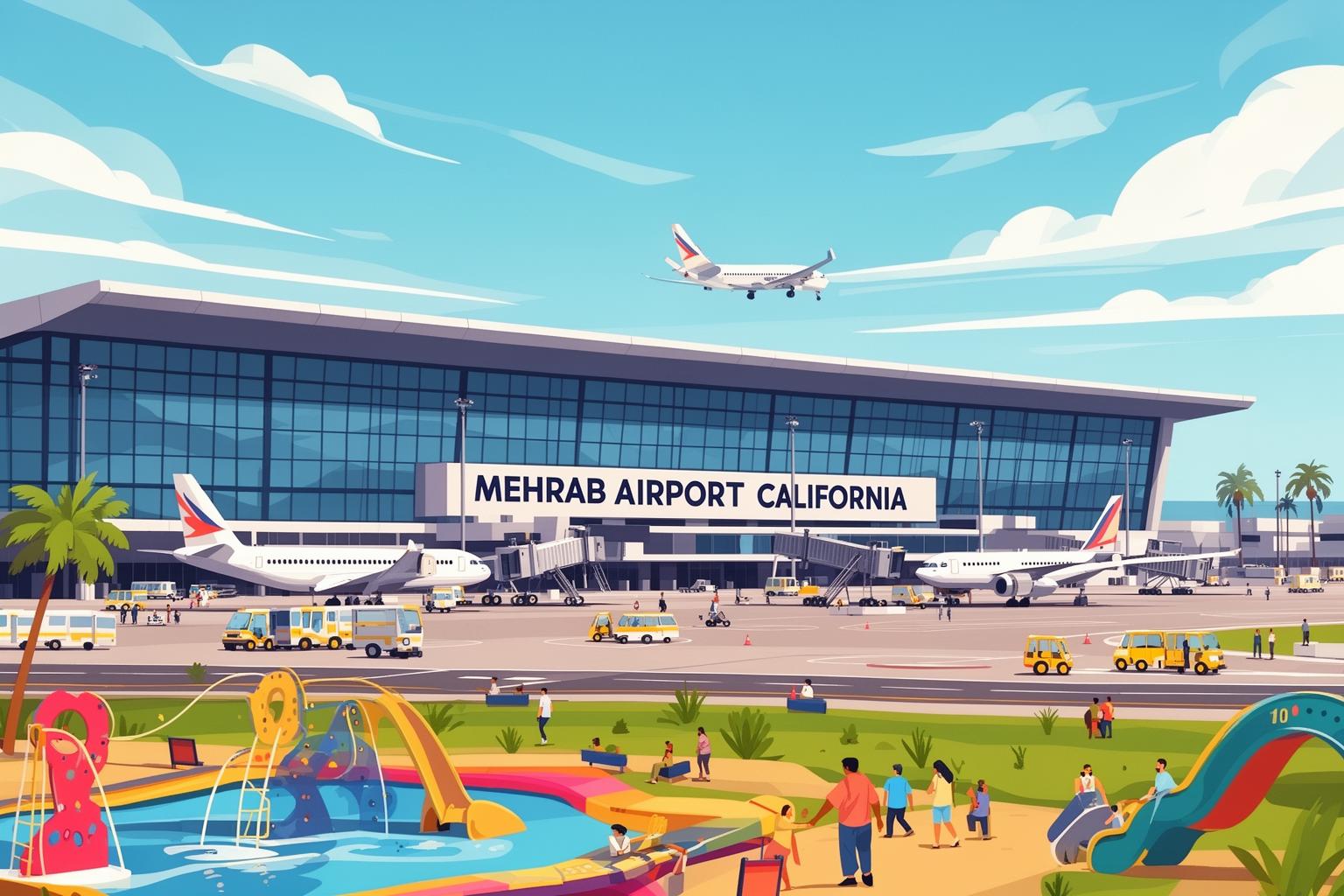
The climax of Argo stands as one of the most nerve-wracking sequences in contemporary film history: the tense, prolonged escape from Tehran’s Mehrabad Airport. The document checks, the watchful Revolutionary Guards, the last-minute ticket confirmations, and the desperate final sprint down the runway—all moments dripping with unbearable suspense. This entire pivotal scene, the heart of the film, was filmed not in the Middle East but at Ontario International Airport (ONT) in San Bernardino County, east of Los Angeles.
Ontario International: A Gateway to Freedom
The filmmakers selected ONT for a very specific reason: its older, less-modernized terminal boasted a distinct 1970s look remarkably similar to archival photos of Mehrabad Airport from that time. The low ceilings, color scheme, gate styles, and overall layout needed minimal modifications to convincingly double as Mehrabad. The production team then skillfully transformed the location by adding Farsi signs, period-appropriate furnishings, and props. They filled the terminal with hundreds of extras, many from Southern California’s sizable Persian community, to ensure authenticity in language, attire, and atmosphere.
Strolling through ONT today, especially if you find your way to one of its more vintage areas, you can still sense the essence of the filming site. The long, straight corridors are immediately recognizable as the diplomats’ route to their gate. You can picture the ticket counter where the Swissair agent held their fate. The brilliance of the setting lies in its ordinariness; it’s a believable, functioning airport, which makes the extraordinary events that occur there feel even more real. The production also utilized the airport’s tarmac and a decommissioned Boeing 747 to stage the harrowing final chase, where airport vehicles pursue the speeding plane. Using an actual runway and real aircraft gives the sequence a scale and weight that CGI simply cannot match. It’s a testament to the power of practical filmmaking and the skill of finding the perfect real-world location to capture a story’s most crucial moment.
A Pilgrim’s Debriefing: Practical Tips for Your Argo Mission
Embarking on an Argo pilgrimage requires some planning, as it covers two continents and two very different urban experiences. Here’s some advice for your mission, should you choose to take it on.
Navigating Istanbul
Istanbul is a city of beautiful, organized chaos. Its public transportation system is excellent. The Istanbulkart is a rechargeable smart card that grants access to trams, metros, ferries, and buses, making it the most cost-effective way to get around. The T1 tram is your best companion for reaching major Argo sites like Sultanahmet and the Grand Bazaar. For a truly enchanting experience, take a public ferry across the Bosphorus Strait; it’s a daily commute for locals but a breathtaking scenic tour for visitors. English is commonly spoken in tourist areas, but learning a few Turkish phrases like “Merhaba” (Hello) and “Teşekkür ederim” (Thank you) will be appreciated. Respect the local culture by dressing modestly when visiting mosques. The city is best explored on foot, so bring your most comfortable shoes and be ready to be captivated by its endless discoveries.
Exploring Los Angeles
Los Angeles is the complete opposite of Istanbul in terms of layout. It’s a sprawling, decentralized city where having a car is absolutely essential. Renting a car at LAX should be your first priority. Be ready for traffic; it’s not just a stereotype, it’s a fact of life. Plan your days by neighborhood to reduce time spent on freeways. You might dedicate one day to Burbank locations (Smoke House, Zankou Chicken, Warner Bros. studios) and another to exploring Downtown L.A. and Beverly Hills. The city’s cultural diversity is one of its greatest assets, reflected in its incredible food scene. Be bold and try the taco trucks in East L.A., Korean BBQ in Koreatown, and everything in between. The Argo L.A. locations provide an excellent cross-section of the city, from the old-world glamour of its industry landmarks to the authentic everyday eateries cherished by locals.
The Reel and the Real: A Concluding Thought

A journey to the filming locations of Argo goes beyond mere cinematic tourism. It serves as a study in the art of illusion and the significance of place. It involves standing in a square in Istanbul and grasping how it could embody the hopes and fears of another nation. It means sitting in a restaurant in Burbank and sensing the creative spark behind a plan so daring it might actually succeed. These locations, ranging from the ancient Grand Bazaar to a modern California airport, are the unsung heroes of the film. They provided the authenticity, texture, and atmosphere that allowed audiences to believe, to hold their breath, and to be fully immersed. The real hostage crisis was a tale of human ingenuity and survival, while the film told a story of artistic creativity and invention. By visiting these sites, you experience both worlds—the true history that inspired the narrative and the actual places that brought it to life so vividly.