

The world of Natsume’s Book of Friends is a realm painted in the soft hues of nostalgia, kindness, and a gentle, lingering loneliness. It’s a world where the veil between the human and the supernatural is thin, where spirits, or yokai, live unseen alongside us, carrying their own joys and sorrows. For Takashi Natsume, the boy who inherited his grandmother Reiko’s ability to see these spirits, this world is his reality. The series is not a high-octane fantasy but a quiet, contemplative journey of understanding and connection. It’s a story that feels profoundly real, not just in its emotional depth, but in its physical setting. The sun-drenched riverbanks, the sleepy rural towns, the deep, whispering forests, and the lonely train stations are not mere backdrops; they are the soul of the story. And remarkably, this soul has a real-world home. The verdant, mystical landscapes that give the anime its distinctive atmosphere are directly inspired by the Hitoyoshi-Kuma region of Kumamoto Prefecture in southern Japan. This is not a journey to a fictional land, but a pilgrimage to a place where the gentle magic of Natsume’s world feels tangibly present, woven into the very fabric of the mountains, rivers, and ancient shrines. It’s an invitation to walk the same paths as Natsume and Nyanko-sensei, to feel the warmth of the sun and the chill of the forest, and to understand why this corner of Japan became the perfect vessel for such a heartfelt tale.
If you’re inspired to explore other anime locations that capture a story’s emotional core, consider a pilgrimage to the real-world settings of Anthem of the Heart in Chichibu.
The Living World of Natsume: Hitoyoshi and the Kuma River Basin
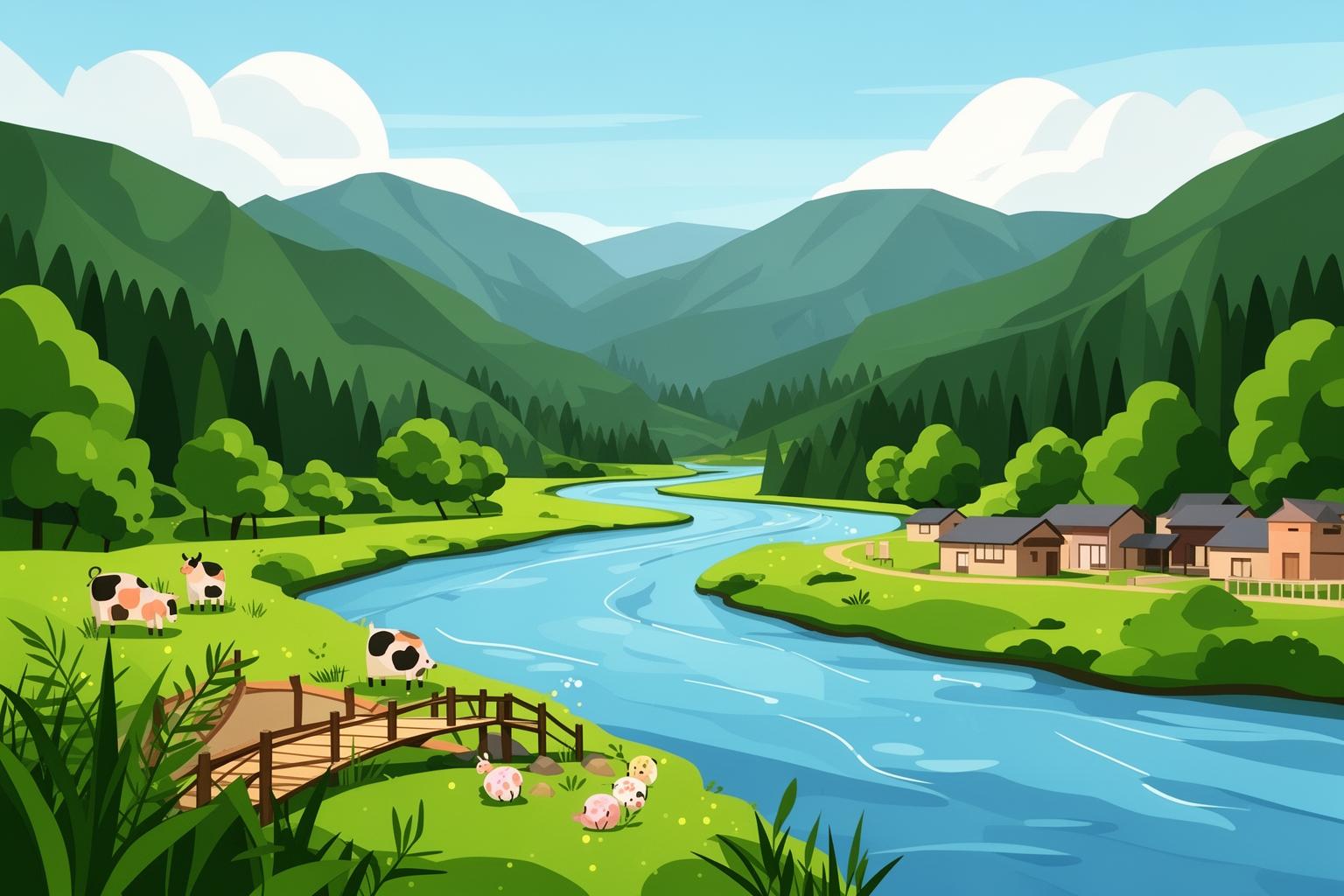
The essence of Natsume’s Book of Friends lies in the everyday. It is the quiet moments nestled between supernatural encounters that anchor the story. This feeling of a lived-in world finds its foundation in the Hitoyoshi-Kuma region, a basin embraced by Kyushu’s mountains. The area is not a bustling city but a mosaic of small towns and villages that maintain a timeless Showa-era charm. It is here, among the unpretentious streets and serene natural surroundings, that the anime’s world truly comes alive.
Hitoyoshi City: The Heartbeat of the Story
Hitoyoshi City serves as the primary inspiration for the town where Natsume lives with the kind Fujiwara couple. Walking through its streets feels like stepping straight into an episode. It is a place where time seems to move at a slightly different pace. As a historic castle town that prospered for nearly 700 years under the Sagara clan, Hitoyoshi carries a rich and tangible history. The city stretches along the Kuma River, and its older neighborhoods are dotted with traditional buildings, quiet residential lanes, and small family-run shops that evoke a strong sense of nostalgia, even for those who have never visited. This is the world Natsume traverses on his way to school—the town where he manages the complexities of human friendships while bearing the secret of his spiritual sight. The atmosphere is one of peaceful normality, yet beneath this calm exterior lies the potential for the strange and wondrous, perfectly reflecting Natsume’s own life. The unassuming nature of the city is crucial; it is a place where a powerful yokai might be disguised as a simple cat, where a god could dwell in a tiny wayside shrine, and where the ordinary and the magical coexist without fuss.
The Kuma River: A Yokai’s Pathway and Lifeline
The Kuma River is the lifeblood of the Hitoyoshi-Kuma region and, in many respects, the lifeblood of the anime’s world. It is one of Japan’s three fastest-flowing rivers, yet it possesses a dual character. In some areas, its waters are a calm, shimmering turquoise, mirroring the sky and lush mountains that line its banks. Elsewhere, especially after heavy rains, it transforms into a fierce, churning force of nature. This duality is mirrored in the world of yokai—some are gentle and kind, while others are wild and perilous. The river is a constant presence in Natsume’s life. Its banks often serve as his retreat for quiet reflection, a place to unravel his thoughts and emotions far from prying eyes. It is a liminal space, a boundary between town and wilderness, human and spirit realms. Many scenes unfold along its course: Natsume returning a name to a water spirit, Nyanko-sensei trying to catch a fish, or a powerful yokai rising from its depths. Standing on its banks, one can feel the series’ lifeblood flowing vividly before them. You might almost hear the distant, ethereal festival music of the Stag’s Shadow yokai or sense the humid summer air that so frequently accompanies Natsume’s encounters.
Bridges of Connection: Spanning Real and Unseen Worlds
Bridges hold powerful symbolism in Natsume’s Book of Friends, representing connections between people, between humans and yokai, and between past and present. The Hitoyoshi-Kuma region is interlaced with many bridges, several of which will feel immediately familiar to fans. The red-painted Bishamonten Bridge in the small village of Itsuki is often referenced as the direct model for the bridge Natsume is commonly seen crossing. It is a simple, functional structure, yet within the anime’s context, it becomes a stage for meaningful moments. Crossing a bridge signifies transition, moving from one state to another. For Natsume, crossing this bridge can be a passage from the safety of his human world into the unpredictable realm of yokai, or a return to the comforting warmth of the Fujiwara home after a taxing spiritual encounter. The design of these local bridges—often low and unembellished—blends naturally into the landscape. Standing on one, with the Kuma River flowing beneath and verdant mountains stretching out on either side, one feels the sensation of being caught between worlds. It is a place of passage, a fitting metaphor for Natsume’s role as mediator between realms.
Sacred Grounds and Whispering Woods: Key Pilgrimage Sites
While the town and river set the everyday scene, it is within the region’s ancient shrines and dense forests that the more potent and primal elements of the anime’s world emerge. These locations are rich with history and folklore, where the presence of the unseen is most palpable. For a pilgrim, visiting these sites feels like following the spiritual ley lines that weave through the story.
Amamiya Shrine: The Forest of Solitude and Encounter
Nestled deep within a dense forest, Amamiya Shrine stands as one of the most evocative and iconic places for any fan. Thought to be the inspiration behind the shrine of the powerful yokai Misuzu, its ambiance is truly magical. The journey there is transformative. A long, straight staircase of aged stone steps, bordered by moss-covered lanterns, ascends a steep hill. The ancient cedar canopy is so thick it casts a constant twilight, even on the brightest days. The air cools, and outside noises fade into the rustling leaves and chirping of hidden birds. This place demands reverence. The overwhelming sense of solitude and sanctity invites reflection. One can easily picture Natsume ascending the steps, heart racing with fear and resolve, to confront a formidable spirit. The shrine at the summit is a modest wooden structure, weathered by centuries of wind and rain. It feels both ancient and alive, a quiet witness to countless seasons and stories. Here, you naturally lower your voice, feeling like a guest in a realm far older than yourself. It perfectly embodies the awe and respect Natsume holds for the powerful yokai he meets.
Ichifusa Dam and Lake: A Reservoir of Memories
Human influence is evident in the Hitoyoshi-Kuma region, notably in the Ichifusa Dam, a massive concrete structure holding back the Kuma River to create a tranquil lake. This dam features in the anime and serves as a backdrop for several key scenes, its stark, modern lines contrasting sharply with the wild, natural surroundings. This contrast is meaningful, highlighting the encroachment of the modern world on ancient lands—a subtle theme woven throughout the series as old traditions and beliefs wane. The vast, calm lake mirrors the sky, evoking a sense of grandeur and quiet beauty. It can feel peaceful and reflective, yet tinged with melancholy. The dam has submerged what once stood there—villages, forests, shrines—forming a landscape of hidden memories. This theme resonates deeply, as many yokai in the show are tied to places and memories lost to time. Visiting the dam, one senses this dichotomy: impressive human achievement alongside the quiet sorrow of a submerged past. It is a place both monumental and poignantly beautiful, much like the bittersweet conclusions of many of Natsume’s encounters.
The Timeless Journey: The Hisatsu Line and its Stations
Trains and stations frequently symbolize journeys, farewells, and the passage of time in Japanese anime. In Natsume’s Book of Friends, the JR Hisatsu Line, a scenic and historic railway winding through the Kuma River valley, embodies this motif perfectly. Riding this train feels like stepping back in time. The carriages are often small and local, clattering slowly along, offering breathtaking views of river and mountains. For a pilgrim, the journey along this line holds as much importance as the destinations themselves.
Setoishi Station: The Lonely Platform
Few locations capture the gentle melancholy of the series as well as Setoishi Station. This small, unmanned station perches on a hillside overlooking the Kuma River, reachable only by a steep stairway from the road below. It epitomizes isolation. There is little more than a simple platform and a modest shelter. Waiting for a train here, one is enveloped by the immense silence of the forest, broken only by the river’s sound and the wind in the trees. Setoishi Station is widely believed to be the model for the station near Natsume’s home, which he passes many times. It is a liminal space—a point of departure and arrival where meetings and farewells occur. The station’s loneliness reflects Natsume’s own sense of isolation at the series’ start. Yet, it also radiates quiet beauty and possibility. Standing there, a deep sense of peace and nostalgia fills the air. It is a place to simply exist, to watch the clouds drift by, and to feel the slow, steady rhythm of rural life. This location perfectly captures the Japanese concept of mono no aware—a gentle sadness for life’s transience.
Okoba Station: The Zigzag Path of Time
Further along the Hisatsu Line lies Okoba Station, a place of great character. Famous for its switchback system—a rare railway design requiring trains to reverse direction multiple times to ascend steep mountains—this station’s building is a beautiful wooden structure from the Meiji era, its walls adorned with thousands of business cards left by visitors as tokens of luck. The atmosphere here is one of living history. The switchback serves as a metaphor for memory and relationships in Natsume’s Book of Friends. Journeys are rarely straightforward; sometimes one must retrace steps to move forward. Natsume frequently explores his grandmother Reiko’s past to understand his own present. With its unique pace and twists, the station physically embodies this concept. It reminds us that the journey is complex and winding, yet ultimately leads to deeper insight. The myriad business cards, each representing a life and hope, echo the Book of Friends itself—a collection of names, each carrying its own story.
Practicalities of the Pilgrimage: Navigating the Landscape of Yokai
A journey into Natsume’s world is profoundly rewarding but requires some careful planning. This area is not a major tourist destination; its allure stems from its rural, somewhat hard-to-reach character. Approaching the trip with the right mindset and information is essential for a smooth and immersive experience.
Getting There and Getting Around
Kumamoto City is typically the gateway to the Hitoyoshi-Kuma region. From major cities like Tokyo or Osaka, the Shinkansen (bullet train) offers the quickest way to get to Kumamoto. From Kumamoto Station, you can continue by local train or highway bus to Hitoyoshi. The train ride itself, especially along the Hisatsu Line, is part of the overall experience. However, once you reach Hitoyoshi, the true challenge begins. The key sites are scattered across a vast, mountainous area with limited public transportation. While some locations within Hitoyoshi City are walkable, reaching places like Amamiya Shrine, Ichifusa Dam, or more remote train stations is difficult without a car. Renting a car in Hitoyoshi or Kumamoto City is by far the most practical choice. It allows you the freedom to explore at your own pace, stop whenever a scenic view catches your eye, and discover the smaller, unnamed spots that feel just as connected to Natsume’s world as the well-known ones. Be ready for narrow, winding mountain roads, and ensure you have a reliable GPS or navigation app.
When to Visit: The Four Seasons of Natsume’s World
Natsume’s world is stunning in every season, each offering a distinct view of the landscape. Spring brings the gentle pink hues of cherry blossoms, often depicted in the anime during school episodes, symbolizing new beginnings and fleeting beauty. Summer, perhaps the quintessential season for Natsume, showcases deep, vibrant forest greens, heavy humidity, and the constant chorus of cicadas—a signature sound in the series. This season embodies lush life but also powerful summer storms and the haunting beauty of fireflies, which feature in several poignant episodes. Autumn ignites the mountains with fiery reds and golden yellows, creating a breathtaking backdrop reflecting the series’ more dramatic and emotional moments. The crisp air and shifting leaves inspire nostalgia and a sense of transition. Winter is a time of quiet and stillness. The landscape, stark and beautiful, can be lightly dusted with snow, turning the region into a silent, monochrome world. This season parallels the series’ introspective and somber moments, perfect for reflection by a warm kotatsu. There is no wrong time to visit; your choice depends on which aspect of Natsume’s world you wish to explore most deeply.
A Traveler’s Etiquette: Respecting the Sacred and the Local
It’s important to remember these are not theme parks or film sets but real places where people live, work, and worship. The shrines are active sites of faith, and the train stations serve as functional parts of the public transport system. When visiting a shrine like Amamiya, approach with reverence. Maintain silence, respect any ongoing rituals, and observe basic etiquette such as washing your hands at the chozuya (purification fountain) and offering a silent prayer at the main hall if you choose. When exploring towns and villages, be aware of private property. Though the streets and bridges may resemble scenes from the anime, they are home to local residents. Avoid loud conversations, do not litter, and be considerate when taking photos. The local community is aware of the connection to the anime and generally welcomes visitors, but this hospitality depends on mutual respect. By being thoughtful and considerate, you not only ensure a positive experience for yourself but also help preserve the peaceful atmosphere that makes this region so special.
Beyond the Anime: Immersing Yourself in Hitoyoshi-Kuma Culture
To fully appreciate why this region was chosen as the setting for Natsume’s Book of Friends, it is helpful to explore its rich culture and history more deeply. The anime’s themes of tradition, memory, and connection to the land are not mere fictional elements; they truly reflect the local identity.
The Taste of the Land: Local Cuisine and Crafts
The Hitoyoshi-Kuma region is famous for its Kuma Shochu, a type of distilled spirit with a protected geographical indication, similar to Scotch or Champagne. With over two dozen distilleries in the area, sampling this local specialty is essential for any visitor of legal drinking age. The culture surrounding shochu revolves around craftsmanship and tradition passed down through generations. The region’s cuisine is closely tied to the Kuma River. Ayu, or sweetfish, caught from its clear waters and grilled with salt, is a local delicacy, particularly enjoyed in the summer. Savoring a meal made from local ingredients offers another way to connect with the landscape and the life rhythms that have sustained the community for centuries. The area is also known for its traditional crafts, including Kiji-uma (wooden horse toys) and Higo-mari (intricate thread balls), which reflect a long history of artistry and care.
Echoes of the Past: The History of Hitoyoshi Castle and the Sagara Clan
As a historian, I find the profound historical roots of this region captivating. For nearly 700 years, from the Kamakura period to the Meiji Restoration, Hitoyoshi was ruled by a single family, the Sagara clan. This remarkable continuity of governance is rare in Japan’s often turbulent history and has helped preserve the area’s unique cultural identity. The ruins of Hitoyoshi Castle, situated at the city’s center, stand as a testament to this heritage. Although only stone walls and foundations remain, strolling through the grounds offers a powerful sense of the history embedded in the town. This deep, unbroken bond with the past is a vital part of the region’s atmosphere, fostering the feeling that stories and spirits from long ago are not truly gone but merely dormant, waiting for someone like Natsume to notice them. The folklore and local legends that likely inspired many of the anime’s yokai tales spring from this rich history. Understanding this background adds another dimension to the pilgrimage; you are not simply visiting anime sites, but walking through a landscape shaped by centuries of human — and perhaps spiritual — heritage.
The Enduring Kindness: Final Reflections on the Journey
A pilgrimage to the world of Natsume’s Book of Friends offers a truly unique experience. Unlike trips to grand temples or famous landmarks, this journey centers on discovering the extraordinary within the ordinary. It’s about sensing a deep magic in a quiet riverside path, an empty train platform, or the dappled sunlight filtering through an ancient forest. The beauty of the Hitoyoshi-Kuma region lies not in spectacular monuments, but in its soft, unpretentious atmosphere. This perfectly reflects the spirit of the anime. The story focuses not on epic battles but on small acts of kindness, quiet moments of understanding, and the slow, challenging process of healing a lonely heart. The landscape itself seems to invite introspection, encouraging you to slow down, breathe, listen to the whispers of the wind and river, and simply be fully present. Walking these paths gives you a visceral sense of why Natsume, despite the weight of his gift, grows to love this place. It is a land that offers comfort. It is a world vast enough to embrace both the seen and unseen, the human and yokai, the sorrows of the past and hopes for the future. You may arrive in Kumamoto as a fan of the anime, but you will likely depart with a deep affection for the land itself, having found your own small, kind connections in this gentle corner of Japan.








