There’s a silence you can feel, a quiet that hums with energy. It’s the kind of stillness I first encountered standing before an Agnes Martin painting, a vast canvas of pale, luminous color bisected by a delicate, hand-drawn grid. It wasn’t empty; it was full. Full of peace, of intention, of a profound and gentle order. It felt less like looking at a painting and more like gazing into a state of being, a place of perfect, tranquil happiness. I remember thinking, where on Earth does a person find this kind of peace to pour onto a canvas? The answer, I discovered, wasn’t just in a person, but in a place. A place of immense skies, ancient earth, and a quality of light that seems to emanate from the ground up. The answer was New Mexico.
Agnes Martin, one of the most revered abstract painters of the twentieth century, is a figure of quiet legend. She was an artist who found her voice in the clamor of New York City’s art scene, only to famously abandon it all at the height of her success. She packed up a truck, drove west, and for years, simply disappeared into the vast, sun-drenched landscapes of the American Southwest. It was here, primarily in and around the artistic haven of Taos, that she built a new life, a new studio, and a new way of seeing that would define the second half of her remarkable career. To journey through the places she lived and worked is more than a pilgrimage for an art lover; it’s an exploration of a philosophy, a lesson in how the outer world can shape and shelter the landscape of the inner self. It’s a quest to find the source of that humming silence, not on a museum wall, but in the rustle of chamisa, the deep blue of a desert twilight, and the unwavering line of the distant mesa.
While Martin sought a serene, geometric order in the desert, other artists like Francis Bacon found their creative crucible in the raw, visceral tension between the sacred and the profane.
The Formative Plains: Macklin, Saskatchewan

Before the desert, there was the prairie. To truly grasp the visual language Agnes Martin crafted, one must journey back—at least in mind if not in body—to her birthplace in Macklin, Saskatchewan. Born in 1912, Martin’s earliest memories were shaped by a landscape that, in its own right, was as abstract and minimalist as her later paintings. This region represents the heart of Canada’s “big sky” country, where the world seems reduced to two essential elements: the vast, flat earth and the endless, overarching dome of the sky. The horizon here is more than a mere feature; it is the defining characteristic of existence, a perfect, unwavering line organizing the visual world.
A Landscape of Lines
Picture standing in a wheat field stretching uninterrupted to the edge of your vision. The only vertical breaks are the distant silhouettes of grain elevators. The scene is composed entirely of horizontals: the rows of crops, the distant road, the layered bands of color at dawn and dusk, and that singular, dominant horizon. This landscape left a lasting impression on Martin’s young mind. When you observe her mature work, with its delicate graphite grids and subtle color bands, you sense the echo of the prairie. Her paintings are not literal depictions of this landscape but emerge from the same feeling—a shared sense of vast, organized, and tranquil space. She learned to see in lines and planes not in a New York studio but here, within the expansive quiet of the Canadian plains.
The Feeling of the Place
Even now, the atmosphere of this region carries a unique weight of solitude. It’s a quiet shaped by distance, where the wind sweeping across the grasses serves as the primary soundtrack. There’s a stark beauty that doesn’t shout but softly whispers. It may feel lonely, but it is also a profound teacher of self-reliance and introspection. This place invites you to look inward because the external view is so vast and constant. This blend of austerity and profound peace is the emotional essence of Martin’s art. She often described her work not as abstract, but as expressing genuine, albeit intangible, emotions: happiness, innocence, love. These pure, essential feelings found their first visual counterpart in the pure, essential landscape of her childhood.
Practicalities for the Pilgrim
Although Macklin, Saskatchewan, may not be a major tourist destination, for devoted followers of Martin’s path it holds a certain magnetic appeal. Situated just off the Yellowhead Highway, a key route across Western Canada, visiting is less about locating specific Martin landmarks—her childhood home is a private residence—and more about absorbing the environment. Take a drive along the grid roads crossing the farmland, pull over, and simply listen. Watch the sky. Feel the immense scale of the land. The town of Macklin offers a small museum and a strong sense of community, providing a glimpse into the hardworking, unadorned life that shaped her character. Understanding this starting point is vital; it is the foundational note in the chord of her life, the deep, resonant tone of simplicity and space against which all other notes of New York and New Mexico would eventually resonate.
The Cacophony and the Canvas: New York City
From the quiet expanses of the prairie, Martin’s journey led her to the ultimate vertical landscape: New York City. In the 1950s, she settled in Lower Manhattan, becoming part of a legendary community of artists living and working in shipping lofts at Coenties Slip. This was a crucible of post-war American art, a place alive with the raw energy of creation. Here, her neighbors were not farmers but fellow pioneers of abstraction such as Jasper Johns, Robert Rauschenberg, and Ellsworth Kelly. It was a world away from Saskatchewan—a place of noise, industry, and constant, chaotic motion.
Coenties Slip and the Community of Artists
Coenties Slip, situated at the very southern tip of Manhattan where the East River meets the harbor, was a forgotten, nearly derelict corner of the city at the time. The old shipping lofts were cavernous, cold, and inexpensive, making them ideal for artists who needed vast spaces but had little money. This was where Martin refined her craft and developed the signature grid that would become her lifelong motif. The community was close-knit, a small village of creators living in the shadow of Wall Street’s skyscrapers. They shared meals, critiqued each other’s work, and drew inspiration from the industrial landscape around them: the docks, the ships, the grimy cobblestone streets, and the ever-present water.
A World Apart from the Desert
The contrast between this environment and the serene, meditative quality of her work is striking. She was creating paintings of immense calm amidst the clamor of a bustling port. The noise of ship horns, the rumble of trucks, the shouts of longshoremen—this was the daily soundtrack accompanying the creation of some of the most tranquil art of the century. This period highlights the incredible strength of her internal vision. For her, the grid became a structure not only for organizing the canvas but also for imposing order on the chaos of the world. It was a tool for discovering stillness amid the storm. Her New York paintings from this time, while still featuring the grid, often carry a more tangible, textured quality than her later work. One can almost feel the grit of the city within them—a subtle tension between the perfect geometry of her lines and the imperfect, human hand that drew them.
Tracing Her Steps Today
For a visitor to contemporary New York, Coenties Slip is nearly unrecognizable. The lofts have been transformed into luxury apartments, and the gritty port replaced by polished parks and upscale restaurants. Yet, a ghost of that artistic energy lingers. You can still stand at the slip and look out at the water, feeling the same sea breeze that once blew through Martin’s loft windows. Walking the same narrow streets, now overshadowed by gleaming glass towers, you can imagine the quiet revolution that unfolded within those brick walls. To engage with her New York period, a visit to the Whitney Museum of American Art or the Museum of Modern Art is essential. Viewing her early works in person reveals the journey she undertook—from the darker, more biomorphic forms of her initial experiments to the emergence of the grid. It’s a potent reminder that sometimes the deepest peace is cultivated not in isolation, but in defiant contrast to the world around us.
The Great Escape: The Call of the High Desert
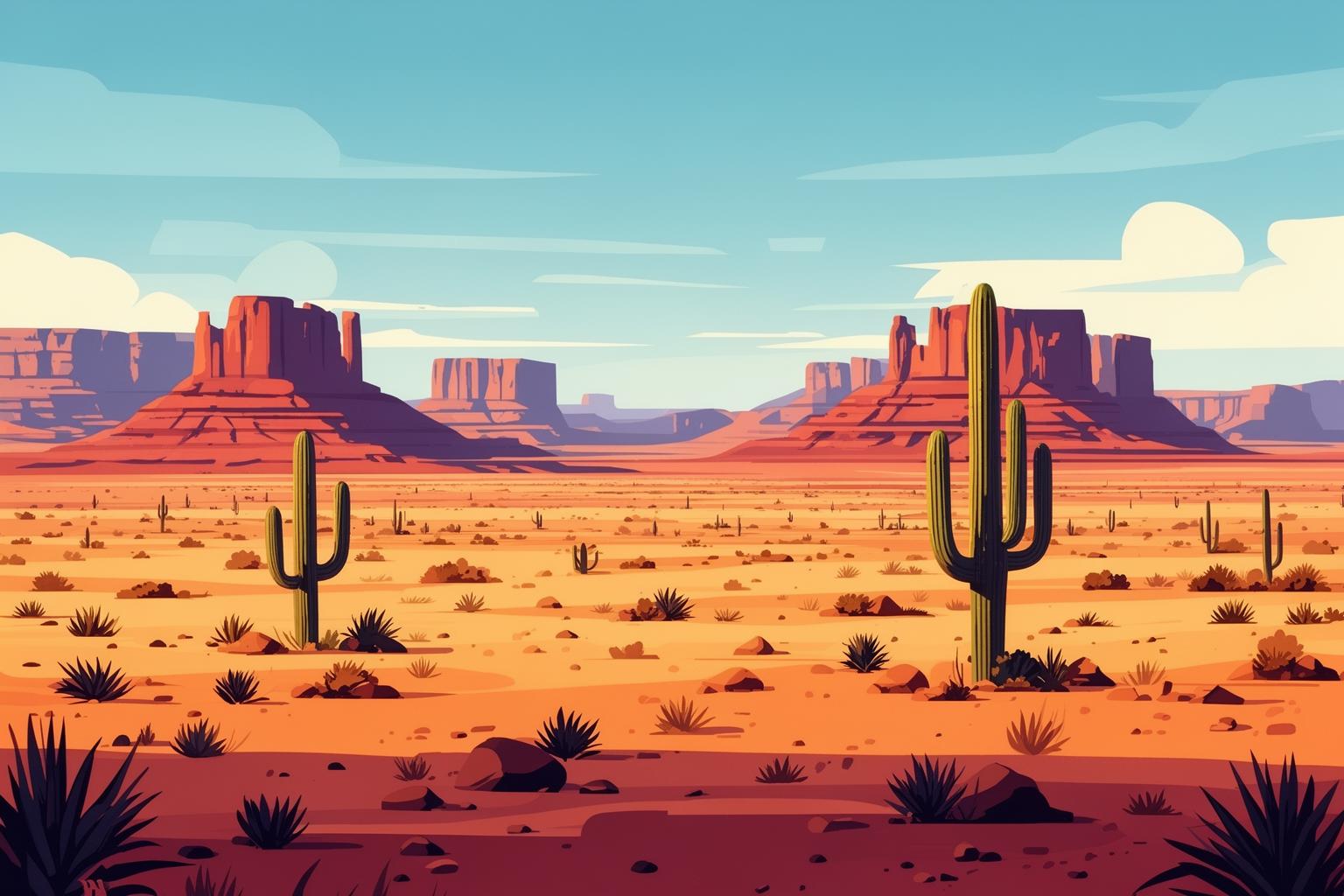
By 1967, Agnes Martin had achieved both critical acclaim and commercial success. She enjoyed the support of a respected gallery, a network of peers, and a recognized place in the art historical canon. Then, she chose to walk away from it all. This moment is one of the most compelling chapters in her life, demonstrating her steadfast devotion to following her inner guidance. The hectic energy of New York, the demands of the art market, the death of her friend Ad Reinhardt, and a demolition notice for her loft all came together, leading her to make a radical choice. She gave away her art supplies, sold her possessions, bought a pickup truck with a camper, and headed west, leaving the art world astonished.
Leaving It All Behind
This departure was more than just a change of location; it represented a deep spiritual and artistic renewal. Consider the bravery involved. At mid-fifties, when many settle into the comforts of success, she embraced radical uncertainty. Her journey was neither straightforward nor aimed at a new permanent home but was a long, winding exploration. She traveled through Canada and across the American West, living a nomadic life for over eighteen months. She was in search not only of a place but a new way of being. She was shedding the identity of the “New York artist” to uncover something more fundamental and authentic. This chapter of her life holds a mythic aura—the tale of an artist-hermit turning her back on fame to find wisdom in solitude.
A Period of Silence
Importantly, during this extended period of wandering and for several years after settling, Agnes Martin did not paint. She had realized that her life and work were unbalanced in New York. Her art had become the sole focus, and she felt the need to rebuild her life from scratch. The silence in her artistic production during these years is as meaningful as the paintings before and after. It was a dormant phase, a time for absorbing, observing, and listening. She was attuned to the rhythms of the desert, the language of light, and the lessons of solitude. Only after establishing a new foundation for her life—literally, by constructing her own adobe homes—did she feel ready to return to her studio. When she did, her work transformed. It became lighter, more luminous, infused with the colors and atmosphere of her new surroundings. The harshness of New York was gone, replaced by the ethereal glow of the New Mexico sky.
The Soul’s True Home: Taos, New Mexico
After years of searching, Agnes Martin found her anchor in the high desert of northern New Mexico—first on a remote mesa outside Cuba, and later, most famously, in and around Taos. This was not the picturesque, romanticized Southwest of popular imagination; it was a raw, powerful, and deeply spiritual landscape that perfectly contained her life and work. For Martin, Taos was not merely a subject to be painted, but an environment to be absorbed—a place where conditions were ideal for the quiet work of seeing.
Why Taos? The Land of Enchantment
Taos has long attracted artists and seekers, drawn by a unique blend of Native American and Hispanic cultures, a stunning natural setting, and an almost mystical light quality. Situated at 7,000 feet, where the Sangre de Cristo Mountains meet the high desert mesa, the air is thin, clear, and dry. This clarity produces light that is sharp and intense, rendering colors with an almost otherworldly vibrancy. The deep cobalt blue sky is legendary, and sunsets can ignite the landscape in apricot, rose, and violet hues.
The Light and the Mesa
This world shaped Martin’s later work. Standing on the Taos mesa—a vast, flat expanse of sagebrush and volcanic rock—looking toward the mountains places you inside one of her paintings. The steady horizontal line of the mesa meeting the mountains, the subtle, shifting atmospheric color bands, and the sense of infinite space are all present. Her pale blues, soft pinks, and luminous yellows don’t directly copy the sunsets but carry their memory. Paintings from this period, such as “Friendship” or “With My Back to the World,” evoke shimmering fields of energy rather than constructed grids. They breathe with the high desert’s dry, clean air. To visit Taos is to understand her palette deeply—it’s to feel the warmth of the adobe-colored earth and witness the sky’s daily spectacle of color and light.
Building a Life of Solitude
Martin’s life in New Mexico was a conscious pursuit of simplicity. She lived in self-built adobe homes, often without modern amenities in the early years. Her daily routine was disciplined and monastic: waking early, working in her studio for fixed hours, and spending the rest of the day in quiet contemplation, reading, or tending to her surroundings. She minimized distractions to deepen her connection with what she called “the subtle emotions.” As a mother navigating the beautiful chaos of family life, I find her dedication to focused solitude both intimidating and profoundly inspiring. It’s a potent reminder of the importance of carving out space for one’s inner world. For Martin, life and art were inseparable, both rooted in the peace she found in New Mexico’s soil.
Finding Martin in the Taos Landscape
Those searching to connect with Martin’s spirit won’t find a signposted trail—her homes and studios remain private. The experience lies in immersing oneself in the landscape she called home. Drive the West Rim Trail near the Rio Grande Gorge Bridge, stand at the edge of the 650-foot-deep chasm, and feel the immense geological scale. This raw power can be overwhelming yet inspires deep peace. Watch the sunset from Taos Mesa Brewing, with its unparalleled mountain views. Walk among the sagebrush, crushing fragrant leaves beneath your fingers, breathing in the iconic Southwest scent. The key is to slow down. Both Martin’s work and this landscape reward patient observation, inviting you to stop, look, and sense the subtle vibrations of the world.
The Harwood Museum of Art: A Sanctuary for Her Vision
While Martin’s presence is felt throughout Taos, one place permanently and perfectly enshrines her artistic vision: The Harwood Museum of Art. Located in the heart of historic Taos, the museum houses a special space dedicated entirely to her work—a space she helped design.
The Agnes Martin Gallery
In the late 1990s, Martin donated seven large paintings to the Harwood with the condition they be displayed together in a dedicated gallery. The result is a stunning octagonal room with a high vaulted ceiling and a central oculus that fills the space with the region’s famed natural light. The room itself is a masterpiece, designed to create a meditative, chapel-like atmosphere. Four simple wooden benches occupy the center, inviting visitors not only to view but also to sit, rest, and spend time in the presence of the paintings.
The Experience of Viewing
Entering the Agnes Martin Gallery feels like stepping out of the world and into a realm of pure feeling. The six-by-six-foot canvases surround and envelop you. The light from above shifts subtly throughout the day, changing the appearance of delicate color washes. This is the ideal way to experience her art. You begin noticing incredible subtleties—the layering of pale grey washes with different hues, the slight tremor of hand-drawn pencil lines, and how the bands of color seem to dissolve as you gaze. The paintings are alive; they shimmer and breathe. This experience cannot be captured in a book or on a screen. Sitting on one of those benches, away from the outside world, you can begin to understand what Martin meant when she said her work was about happiness. It is a profound, quiet, and deeply moving experience that lingers long after you leave.
Practical Museum Info
The Harwood Museum of Art is a must-visit on any Taos itinerary. Located on Ledoux Street, a historic and charming lane just a short walk from the main plaza, it’s wise to check the website for current hours and admission fees. To fully appreciate the Agnes Martin Gallery, try visiting on a weekday morning when the museum is less crowded. Allow yourself time—don’t rush. Spend at least half an hour in the gallery to let your eyes and mind adjust to the quiet power of the work. The rest of the museum is also well worth exploring, featuring a rich collection from other artists of the Taos art colony, providing valuable context for Martin’s place within this unique creative community.
The Final Chapter: Galisteo and a Lasting Legacy
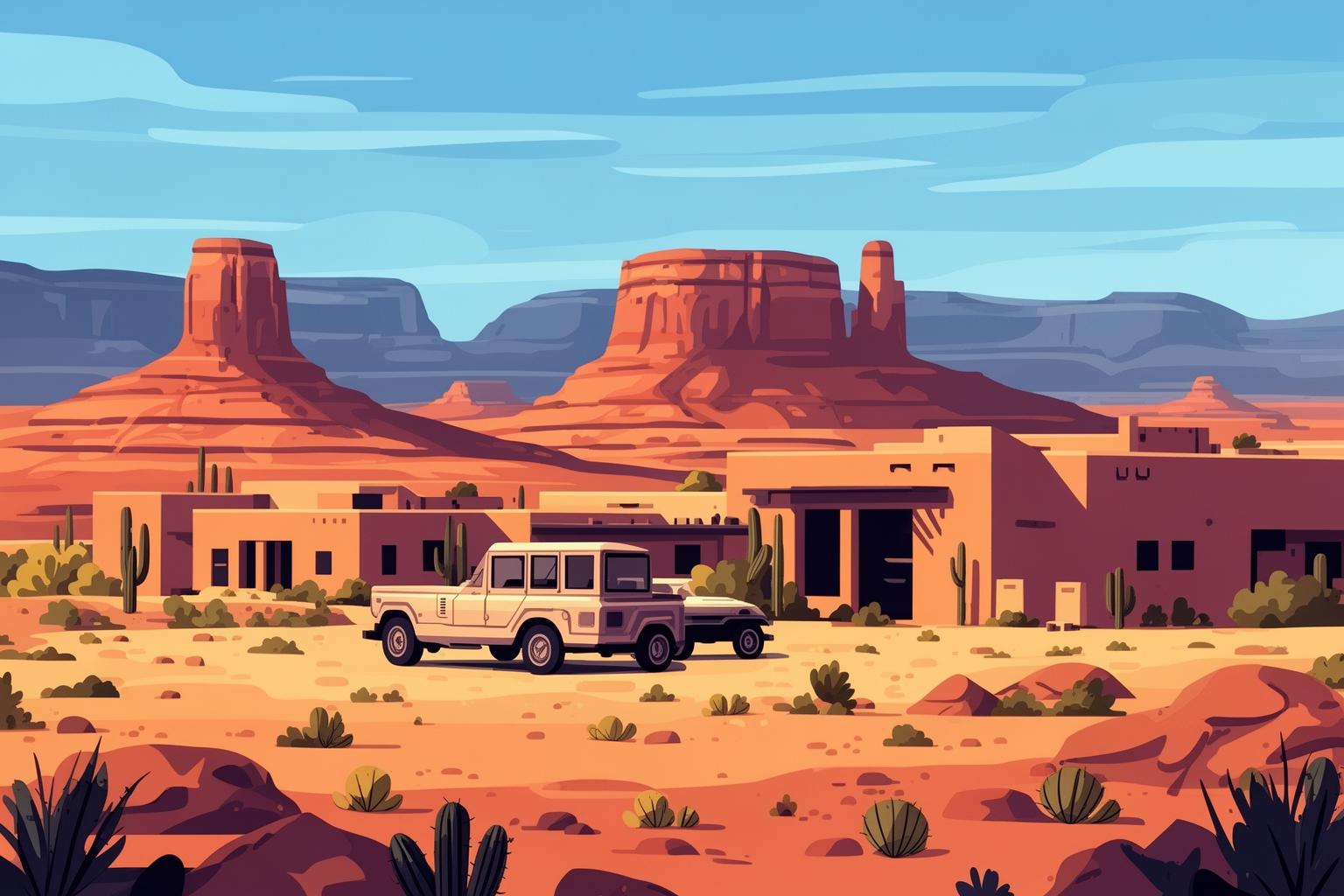
In the final decade of her life, seeking even greater solitude, Agnes Martin relocated from the relatively bustling environment of Taos to the tiny, remote village of Galisteo, south of Santa Fe. If Taos was her sanctuary, Galisteo was her hermitage. It was here, in a purpose-built studio, that she created some of her most iconic and light-filled works until her death in 2004 at the age of 92.
A Quieter Solitude
Galisteo does not have the dramatic mountain backdrop of Taos. The landscape here is more subtle and rolling, a basin of golden grasslands dotted with low hills and ancient cottonwood trees along Galisteo Creek. The sky, if anything, feels even more expansive here. The quiet is profound. For Martin, this landscape provided a different kind of inspiration—one of gentle, understated beauty and near complete isolation. It was the ultimate expression of her quest for a life of pure, uninterrupted focus. Her paintings from this period, including the series “The Islands,” often feature bolder bands of color, yet they convey an even stronger sense of ethereal calm, as if she had finally attained the perfect serenity she had long sought.
Her Presence in the Village
Like her homes in Taos, Martin’s compound in Galisteo is private property and not open to the public. The village itself remains a small, unincorporated community, a collection of historic adobes and artist compounds. Visiting Galisteo is a lesson in respectful pilgrimage. One can take a slow drive through the dusty streets, visit the small, beautiful church, and sense the quiet, contained world she inhabited. It is a place where the modern world seems barely to have left its mark. The experience is about feeling the atmosphere of deep peace that brought her here, understanding that for Martin, the ultimate luxury was not fame or fortune, but silence and space.
Reflecting on a Life of Purpose
Her move to Galisteo represents the culmination of her life’s philosophy. Throughout her writings and interviews, Martin emphasized the importance of clearing the mind of distractions—pride, fear, worldly ambition—to make room for inspiration. Her entire life, from leaving New York to her final days in Galisteo, was a deliberate process of reduction, of shedding the non-essential to reach the core of her being. She crafted a life that perfectly reflected her art: simple in structure, yet infinitely rich in emotional depth. The landscapes of New Mexico were not merely a backdrop for this life; they were active participants, providing the silence, beauty, and monumental sense of permanence that allowed her inner vision to flourish.
An Echo in the Vastness
Leaving New Mexico after exploring Agnes Martin’s world is a quietly profound experience. The vibrant hues of the landscape seem to sear themselves into your memory, while the vast silence of the mesa stays with you. You find yourself searching for the horizon in your own surroundings, noticing subtle shifts in the color of the sky with a renewed sense of appreciation. You carry the sensation of standing in the Harwood gallery, the gentle hum of those canvases still resonating deep within.
To understand Agnes Martin is to recognize that she did not paint landscapes; she painted the feelings those landscapes evoked in her. Her work stands as a testament to the idea that our external environment deeply influences our inner state. She discovered a place on Earth that reflected the peace she aimed to nurture in both her mind and on her canvas. A pilgrimage to Taos and Galisteo is less about finding the artist herself and more about uncovering the conditions that made her art possible. It’s a journey that reveals inspiration in simplicity, beauty in the quiet spaces between things, and that happiness, as Martin believed, is our natural state, waiting just beyond the clamor of our busy lives. Whether in the high desert or a peaceful moment at home, the pursuit of that serene, unwavering line is a journey worth taking.