
There are sports movies, and then there is Moneyball. It’s a film that transcends the chalk lines and the roar of the crowd, a story that hums with the quiet intensity of a radical idea. It’s about a man, a team, and a city that dared to challenge a century of tradition not with brute force, but with numbers, with logic, with a belief in finding value where no one else was looking. It’s a tale of underdogs, of defiant innovation, and it’s deeply rooted in the concrete and soul of Oakland, California. To walk the grounds where this story unfolded, both in reality and on screen, is to do more than just visit a filming location; it’s to connect with the very spirit of the film. It’s a pilgrimage for the fan who understands that the most important games are often played far from the field, in the quiet offices and dimly lit corridors where the future is being calculated. This journey isn’t about chasing celebrity footprints; it’s about feeling the pulse of a revolution that changed the game forever, right in the heart of the city that started it all. So grab your baseball cap and your sense of adventure, because we’re about to step into the world of Billy Beane and the Oakland Athletics.
If you’re captivated by the idea of exploring cinematic history through real-world locations, you might also enjoy a similar pilgrimage to the Chicago landmarks featured in The Untouchables.
The Heart of the Game: The Oakland-Alameda County Coliseum
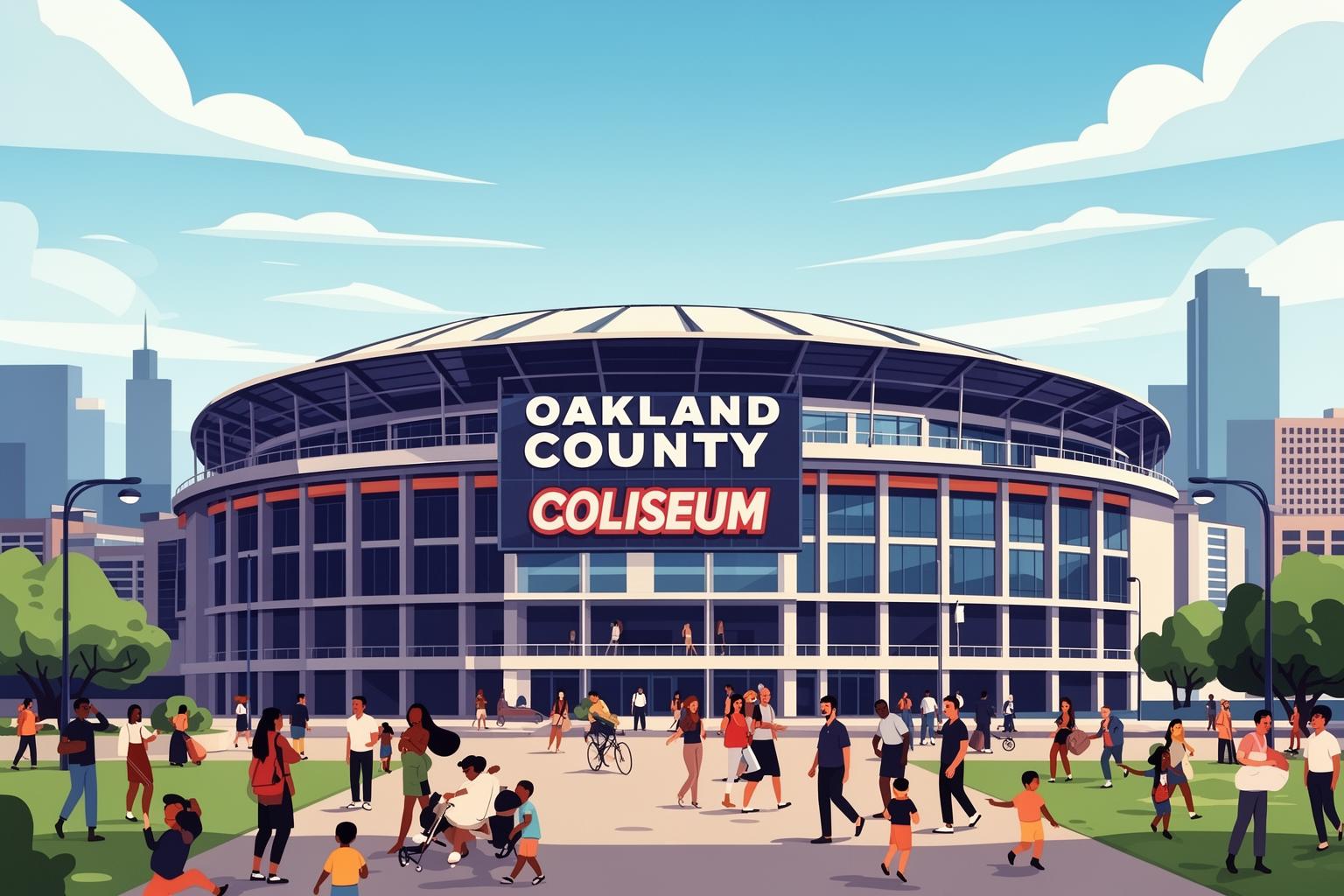
Every pilgrimage requires a cathedral, and for followers of Moneyball, that sacred site is the Oakland-Alameda County Coliseum. Forget the sleek, corporate-named stadiums of today’s era. The Coliseum stands apart. It’s a relic of a past architectural mindset, a multi-purpose concrete bowl that feels as gritty, resilient, and unapologetically genuine as the city it represents. From the moment you step off the BART train and cross the elevated bridge, the weight of its history is palpable. This isn’t merely a location; it’s the central character in the narrative, the physical embodiment of the A’s financial limitations and their relentless spirit.
Stepping onto Hallowed Ground
The Coliseum’s atmosphere is tangible. It’s a structure that has witnessed everything: the 1970s World Series victories of the “Swingin’ A’s,” the immense impact of the 1989 earthquake, and the revolution portrayed in the film. Its expansive, circular layout and layers of concrete give it an imposing, almost Brutalist aura, a stark departure from the cozy, jewel-box ballparks of baseball tradition. And that is exactly the point. The Coliseum’s beauty lies not in its polish but its authenticity. It’s a working-class ballpark for a working-class team, a venue where the focus has always been on the game itself rather than on luxury amenities.
As you stroll the concourses, you can almost hear the echoes of the film. The sparse crowds early in the 2002 season, the growing excitement as “the streak” gained momentum, and the roar of the faithful as Scott Hatteberg hit his historic, streak-clinching home run. The movie expertly captured this environment—the acres of faded green seats, the unfiltered California sun baking the concrete, and the feeling that something extraordinary was happening in a place everyone else had abandoned. The film didn’t need to glamorize the Coliseum; its raw reality was the perfect backdrop for a story about uncovering hidden value.
Inside the Front Office: Billy Beane’s Domain
While the public sees the field, the true drama of Moneyball unfolds behind the scenes within the stadium’s hidden quarters. The film offers an intimate glimpse into the cramped, utilitarian spaces that served as Billy Beane’s command center. The scouting room, the weight room, and Beane’s own office overlooking the field were all carefully recreated or filmed inside the Coliseum itself. The filmmakers meticulously captured the lived-in, unpretentious feel of a real baseball front office. There are no mahogany desks or panoramic skyline views here. It’s a world of fluorescent lighting, overflowing binders, and the lingering scent of stale coffee—a place designed for work, not for show.
It was in these rooms that Brad Pitt’s Billy Beane and Jonah Hill’s Peter Brand huddled over spreadsheets, challenged a room full of seasoned scouts, and fundamentally changed the rules of player evaluation. Visiting the Coliseum, you sense the confinement and focus. The world beyond—the crowd’s roar, the crack of the bat—is ever-present but somewhat distant. The real battle was one of intellect and perseverance, waged over landlines and early-2000s computer monitors. The film’s power comes from revealing this hidden world, and the Coliseum is its authentic vessel. You can feel the tension, the frustration, and the eventual, thrilling vindication born within these very hallways.
The View from the Stands
To complete the pilgrimage, you must attend a game here. Find a seat in the stands, gaze out at the impossibly green grass, and let the moments from the movie wash over you. Watch the players warm up and imagine the quiet discussions between Beane and his coaches. See the scoreboard and recall the tension of every game during the historic 20-game winning streak. The experience bridges cinematic fiction and sporting reality. Oakland A’s fans are a unique and passionate lot, known for their unwavering loyalty and inventive chants. Being among them adds another dimension to the experience, connecting you to the community that has supported this team through tough times.
The place feels both vast and intimate. The upper deck, often covered by a tarp, creates a sense of enforced intimacy, focusing the crowd’s energy. From your seat, you can look toward the front office windows and picture Beane inside, too nervous to watch, listening to the game on a small radio, living and dying with every pitch just as he did on screen.
A Practical Guide to Your Coliseum Visit
Reaching the Coliseum is remarkably simple, a testament to its thoughtful mid-century design. The Bay Area Rapid Transit (BART) system has a dedicated Coliseum station connected to the stadium by a pedestrian bridge. This is undoubtedly the most convenient way to arrive, allowing you to avoid game-day traffic and parking fees. If you prefer to drive, there’s ample parking around the stadium, but be ready for a walk and associated costs.
For the ultimate fan experience, consider stadium tours. Availability varies, but these tours often provide invaluable behind-the-scenes access for a Moneyball pilgrim. You might get to step into the dugout, see the press box, and walk the warning track. While you may not enter Beane’s actual office, you will gain a tangible sense of the spaces where the film’s drama unfolded. The best time to visit is, naturally, during the baseball season running from April through September. A warm summer evening game, with the lights on and the crowd buzzing, offers the quintessential Oakland baseball experience.
Beyond the Diamond: Other Key California Locations
While the Coliseum remains the undeniable heart of the Moneyball world, the film’s story extends across the nation. Hollywood’s magic enabled the production to capture the spirit of various cities and stadiums while remaining mostly within the Golden State, providing additional stops on our pilgrimage.
The Scouting Rooms and Boardrooms: Sony Pictures Studios
Many of the film’s most intense and dialogue-driven scenes were shot not in actual baseball stadiums but on soundstages at Sony Pictures Studios in Culver City. The iconic draft room scene, where Beane and his team confront the old scouting establishment, was created here. Likewise, the different offices of rival teams’ general managers, where Beane negotiates by phone, were filmed on these controlled sets. This environment allowed the filmmakers to perfect lighting, sound, and camera movements to evoke the claustrophobic tension defining these moments.
Though the specific set isn’t open for visits, touring Sony Pictures Studios provides a fascinating glimpse into the world of cinematic creation. Walking through the historic lot reveals how these unassuming buildings contain entire worlds. It’s a reminder that part of the Moneyball story is also one of masterful filmmaking—the craft of constructing a believable reality from nothing. This offers a different kind of pilgrimage stop, one that honors the art behind the film.
A Glimpse of Home: Billy Beane’s Residence
Moneyball doesn’t remain confined to the office; it follows Billy home, featuring touching scenes with his daughter that anchor the high-stakes baseball drama in genuine human emotion. The attractive house used for these scenes is a private residence in a quiet suburban neighborhood in the Los Angeles area. It’s essential for visitors to keep this in mind. A respectful, slow drive-by is the only appropriate way to view this location. Please refrain from stopping, walking on the property, or disturbing the residents. The purpose of a pilgrimage is to appreciate, not intrude.
Seeing the house, even from afar, offers a striking contrast. It symbolizes the quiet, personal world Beane is striving to protect. The tensions he faces at the stadium are set against these moments of fatherhood and vulnerability. This location reveals the man behind the maverick, the personal stakes fueling his professional drive. It’s a small but meaningful element of the film’s emotional landscape.
The Road Trips: Dodging Water Coolers at Blair Field
To evoke the feel of various away games, spring training sites, and minor league parks, the production made use of several classic ballparks across Southern California. One standout location was Blair Field in Long Beach. This historic ballpark, home to the Long Beach State University baseball team, provided the backdrop for several key scenes. Its timeless, straightforward appearance made it an ideal stand-in for the gritty, unpolished settings where undervalued players are scouted.
Most notably, Blair Field’s clubhouse serves as the setting for one of the film’s most memorable moments: a frustrated Billy Beane, after a difficult loss, calmly asking if a trade has gone through before methodically smashing a clubhouse with a baseball bat. This quiet outburst was filmed here. When visiting Blair Field, you can sense the old-school baseball spirit. It feels like a place dedicated to the pure love of the game. Catching a college game here is a wonderful way to connect with that energy and imagine the Moneyball crew setting up their cameras to capture a piece of cinematic history.
Capturing the Spirit of the Game: The Baseball Feel

The authenticity of Moneyball stands as one of its greatest strengths. It’s more than just a drama set in the world of baseball; it truly feels like it belongs within that world. This was accomplished by filming in genuine, living baseball cathedrals and seamlessly integrating the true story into the cinematic narrative.
Fenway Park and the Final Act
A key choice that solidified the film’s authenticity was shooting the climactic meeting between Billy Beane and Boston Red Sox owner John W. Henry at the actual Fenway Park in Boston. This scene is pivotal. It’s where Beane is offered a lucrative opportunity to leave Oakland and bring his revolutionary approach to the historic, well-funded Red Sox. The contrast is striking: Beane, the architect of a shoestring revolution, sitting in the inner sanctum of baseball royalty.
Filming at Fenway—the oldest and one of Major League Baseball’s most revered ballparks—adds immense weight to the moment. The hallowed halls and the view of the iconic “Green Monster” outfield wall symbolize the establishment Beane was challenging. When Henry remarks that the first person through the wall always gets bloody, the building’s history seems to echo that truth. For any baseball pilgrim, a visit to Fenway Park in Boston is a meaningful part of the journey. Touring Fenway is a walk through baseball history, and knowing it played such a vital role in Moneyball’s final act makes the experience even more profound.
The Unseen Stars: The Real Story
A pilgrimage to Moneyball locations is incomplete without grasping the true events that inspired them. The 2002 Oakland A’s were not a fictional creation; they were a real team of players, many considered past their prime or flawed, who came together to achieve something extraordinary. The film’s brilliance lies in how it effortlessly blends actors with the reality of that season. Former players were cast in roles, and the on-field action was carefully choreographed to reflect the actual games.
The 20-game winning streak was a genuine, nail-biting, improbable feat that captivated the nation. Scott Hatteberg, the converted catcher, truly did hit that walk-off home run to win the 20th game. By delving into the history of that season—watching highlights, reading articles, understanding the stakes—you deepen your visit to the Coliseum. You aren’t just standing on a film set; you are standing on historic ground where one of modern sports history’s greatest stories actually unfolded.
Experiencing Oakland: More Than Just a Ballpark
To truly grasp Moneyball is to truly grasp Oakland. The city’s identity is deeply intertwined with the A’s narrative. Often overshadowed by its glitzy neighbor, San Francisco, Oakland is a city of resilience, diversity, and fierce pride—an underdog city, much like its baseball team.
The Vibe of the Town
Your journey should go beyond the stadium gates. Discover the revitalized Jack London Square, named after the adventurous author who once wandered these streets. Stroll or jog around the beautiful Lake Merritt, the nation’s first official wildlife refuge and a genuine urban haven. Immerse yourself in the lively arts and culture of the Uptown neighborhood, featuring the historic Fox Theater alongside numerous galleries and restaurants. Oakland is made up of unique neighborhoods, each with its own flavor and story. It’s a city that rewards exploration. The spirit of innovation and rebellion that Billy Beane embodied is stitched into the city itself, from its political roots to its culinary offerings.
Fueling Your Pilgrimage: Where to Eat and Drink
After a day at the game, dive into the local flavors. Oakland boasts one of the most diverse and vibrant food scenes in the nation. Around Jack London Square, you’ll find everything from fresh seafood spots to lively breweries. For a traditional sports vibe, hit up a local bar and grill, order a beer and a burger, and chat baseball with the locals. These are the places where genuine conversations take place, where the highs and lows of the local teams are passionately debated. It’s easy to picture the scouts from the film gathering in such a spot, hashing out a player’s worth over a plate of wings. Dining and drinking in Oakland offers another connection to the city’s authentic, no-frills spirit—the same spirit that defines Moneyball.
A Traveler’s Notebook for Oakland
Getting around Oakland is simple. The BART system is indispensable, linking the airport, Coliseum, downtown, and other key Bay Area locations. The AC Transit bus network is also comprehensive. For a scenic route, try the San Francisco Bay Ferry, which provides breathtaking views. When it comes to lodging, opting for downtown or Uptown puts you in a central spot with convenient access to public transit and a wide variety of dining and entertainment. As with any big city, staying aware of your surroundings—especially after dark—is wise, but Oakland’s welcoming residents will quickly make you feel at home.
The Legacy of ‘Moneyball’

Visiting these sites today, two decades after the events of that pivotal season, you are also witnessing the enduring legacy of the story. The term “Moneyball” has become part of the global vocabulary, symbolizing a data-driven approach to decision-making that has influenced not only baseball but also professional sports, business, and beyond. That revolution in thinking, that fundamental shift, began in the modest, concrete-clad offices of the Oakland Coliseum.
As you stand there, looking out over the field, you are at the epicenter of a seismic change in sports history. The ideas trialed here have become the new standard. Teams around the world, across every sport imaginable, now employ entire teams of analysts and statisticians. The traditional scouts featured in the film have been replaced by a new generation fluent in sabermetrics. It’s a powerful reminder that history is not always made on battlefields or in grand halls, but sometimes in the most unassuming places, by people who refuse to accept the status quo.
Your pilgrimage, then, is a journey back to the origin. It’s a chance to breathe the air and walk the ground where a simple yet powerful idea transformed everything. The film captured the drama, but the locations carry the lingering energy of the reality. It’s a journey that leaves you with more than just photographs; it leaves you with a deeper appreciation for a story that continues to resonate, a testament to the power of seeing the world in a new way. It’s a reminder that sometimes, the greatest victories are those no one else anticipates.