There are films that entertain, and then there are films that seep into the very fabric of a place, changing its landscape, its economy, and its identity forever. Alexander Payne’s 2004 masterpiece, “Sideways,” is one such film. It’s more than a buddy comedy or a road trip movie; it’s a love letter to the winding roads, sun-drenched vineyards, and complex character of Santa Barbara County’s Santa Ynez Valley. For two hours, we ride shotgun with Miles Raymond, a neurotic, aspiring novelist with a profound passion for Pinot Noir, and his soon-to-be-married friend Jack Cole, an actor whose best days are behind him. Their week-long journey through wine country becomes a poignant, hilarious, and deeply human exploration of failure, friendship, and the fleeting hope of a second chance. The film didn’t just win an Oscar; it created a phenomenon. It sent the stock of Pinot Noir soaring and, infamously, dealt a crushing blow to Merlot. But most importantly, it etched the Santa Ynez Valley onto the cinematic map, transforming its restaurants, wineries, and quiet country lanes into destinations for a new kind of pilgrim. This journey isn’t just about ticking off filming locations. It’s about chasing a feeling. It’s about understanding why this specific slice of California became the perfect backdrop for Miles’s melancholy and Jack’s hedonism. It’s about uncorking the bottle, letting the story breathe, and finding a taste of its bittersweet truth for yourself along the sun-kissed trail they blazed.
For a different kind of cinematic pilgrimage, you can also explore the world of Moneyball in Oakland.
The Journey’s Hub: Buellton and the Danish Detour
Every memorable road trip requires a home base—a place to drop your bags, regroup, and plan the next day’s adventure. For Miles and Jack, that modest hub was Buellton, a small, unassuming town situated along Highway 101. It’s a town that prioritizes function over flair, famed for its split pea soup and straightforward hospitality, making it the ideal, grounded starting point for a journey into the more ethereal realm of wine.
The Windmill and the Grill: Pillars of Buellton
The most iconic landmark from their visit is undoubtedly the Days Inn Buellton, now proudly renamed the Sideways Inn. Its standout feature, a large, stationary windmill, serves as a quirky beacon for film enthusiasts. This was Miles and Jack’s refuge and the setting for some of the film’s most memorable and awkward moments. Staying here feels like stepping right into a scene. Though the rooms have been updated since 2004, the layout, the pool area, and the overall roadside motel vibe remain powerfully evocative. You can almost hear Jack’s booming laughter echoing near the pool or picture Miles engrossed in a manuscript under the dim light of his room. The inn embraces its fame gracefully, offering maps and information for fellow fans. It’s not a luxury resort; it’s something better—an authentic piece of the story, a comfortable and convenient anchor for your entire exploration of the valley.
Just a short walk from the inn stands a place arguably at the heart of the film’s culinary world: The Hitching Post II. This is where Miles’s world quietly shifts, where his week of wine-soaked escape is interrupted by a genuine connection with Maya, the thoughtful waitress who sees beyond his guarded exterior. The restaurant is a Santa Ynez Valley institution, famous long before Hollywood’s spotlight arrived. Stepping inside is a full sensory experience. The immediate, intoxicating aroma of red oak smoke from the grill hits first—a primal scent that promises deeply satisfying flavors. The interior is rustic, warm, and completely unpretentious. Dark wood, worn leather booths, and the lively hum of conversation create an atmosphere both cozy and electric. This isn’t a place of delicate gastronomy; it’s a temple to American tradition. Their specialty is steak, grilled over open oak fire to tender, smoky perfection. Sitting in a booth at The Hitching Post II, ordering a perfectly grilled steak, and pairing it with a bottle of their acclaimed Highliner Pinot Noir is one of the quintessential “Sideways” experiences. It’s where the film’s two main passions—wine and complicated relationships—come together on a single plate, with every bite and sip carrying the weight and warmth of that cinematic moment.
A Surreal Detour in Solvang
A short drive from Buellton, the landscape takes a curious and charming turn. Suddenly, you find yourself in Solvang, a town that seems to have been plucked straight from a Danish fairy tale and dropped into the heart of California. With its traditional half-timbered buildings, thatched roofs, towering windmills, and streets filled with bakeries selling aebleskiver and other Danish pastries, Solvang presents a delightful anomaly. In “Sideways,” this whimsical setting provides a strangely perfect backdrop for one of Miles’s lowest points. It’s here, amid the cloying sweetness of the tourist town, that he retreats into a phone booth to make a drunken, desperate call to his ex-wife—a scene of raw emotion that sharply contrasts with the cheerful surroundings. Visiting Solvang while following the trail feels much like it does in the film: a slightly surreal pause. Spend an hour or two wandering its streets, admiring the architecture, and perhaps enjoying a pastry from one of its many bakeries. It serves as a reminder that the Santa Ynez Valley is a land of unexpected contrasts, where deep, complex emotions unfold against the most unlikely backdrops.
Sipping Through the Valley: A Tour of the Iconic Wineries
The true essence of the “Sideways” pilgrimage is found within the wineries themselves. Each winery visited by Miles and Jack possesses its own unique character, adding a distinctive note to the film’s narrative harmony. Following their route is about more than just tasting wine; it’s an immersion into the varied philosophies and atmospheres that create the rich fabric of Santa Barbara winemaking. This journey unveils how the landscape influences the grape, and in turn, how the grape shapes the stories we tell.
Sanford Winery: The Sacred First Pour
The wine tasting journey truly begins at Sanford Winery, the backdrop for one of the film’s most memorable scenes. Here, Miles delivers a heartfelt monologue about the volatile, challenging, yet ultimately transcendent nature of the Pinot Noir grape. He speaks not only of wine but metaphorically of himself; describing a grape that demands patience and care to reach its full potential, mirroring his own life. This is also where he carefully teaches Jack the proper wine-tasting technique: the swirl, the sniff, the delicate sip. The original tasting room, a rustic and simple barn where the scene was filmed, has since been replaced by a stunning modern facility, though the spirit of the place endures. Nestled in the heart of the Sta. Rita Hills, Sanford’s tasting room offers breathtaking panoramic views of the very vineyards producing their world-class wines. Standing on the terrace with a glass in hand, overlooking the rolling, vine-covered hills, you feel instantly connected to the land. The wines, especially their Pinot Noir, are elegant, complex, and deeply expressive of their terroir. Tasting here feels less like a casual stop and more like a lesson, a quiet moment for truly appreciating the art and science Miles holds dear.
Kalyra Winery: A Taste of the Unexpected
If Sanford reflects Miles’s intellectual and soulful approach to wine, Kalyra Winery embodies pure Jack. This is where the duo meets Stephanie, the spirited pourer who catches Jack’s eye and sets in motion the film’s romantic and chaotic subplot. The atmosphere at Kalyra contrasts sharply with Sanford’s hushed reverence. It is laid-back, sun-drenched, and alive with a fun, unpretentious energy. The Australian-born winemaker brings a touch of Down Under charm, evident in the eclectic décor and the diverse range of wines on offer. While many Santa Ynez wineries concentrate heavily on Pinot Noir and Chardonnay, Kalyra offers a broader selection, including Syrah and dessert wines. The tasting experience here is less an educational session and more a celebration. The film’s scene—with its quick cuts, playful banter, and easy laughter—perfectly captures the spirit of the place. A visit to Kalyra reminds you that wine tasting doesn’t always have to be serious and contemplative; it can be joyous, social, and a bit wild—a perfect reflection of Jack’s seize-the-day philosophy.
Fess Parker Winery: The Epicenter of the Merlot Meltdown
No “Sideways” tour is complete without a stop at Fess Parker Winery, the setting of Miles’s most infamous and explosive outburst. When Jack suggests visiting Fess Parker, Miles, still reeling from the rejection of his novel, finally erupts with the legendary line: “I am not drinking any f—ing Merlot!” The winery itself sharply contrasts Miles’s downtrodden mood. The estate is grand, opulent, and impressive, with a sprawling tasting room reminiscent of a luxurious hunting lodge. It exudes success and confidence—a stark opposition to Miles’s feelings of failure. Ironically, Fess Parker produces highly regarded wines, including some excellent Merlots. Visiting the winery is a delightfully meta experience. The staff embrace their place in cinematic history with good humor. Standing in the very room where Miles had his meltdown, it’s hard not to smile. It’s a great photo opportunity, and a chance to enjoy genuinely superb wines from an estate founded by the actor famous for portraying Davy Crockett and Daniel Boone. It’s a moment to appreciate the film’s dramatic humor—and perhaps to counter Miles by ordering a glass of their finest Merlot.
Foxen Vineyard & Winery: A Sip of Authenticity
Toward the end of their week, Miles and Jack share a final tasting at Foxen Vineyard & Winery. The film highlights their original tasting room, affectionately known as “the Shack.” This small, rustic building, located on the historic Foxen Canyon Wine Trail, embodies the old soul of Santa Barbara winemaking. It is simple, unadorned, and deeply connected to the region’s agricultural roots. Tasting wine at the Shack feels like stepping back in time. There are no grand vistas or chic architectural flourishes—just the creak of old wood, the cool cellar air, and the profound quality of the wine in your glass. Foxen has since opened a larger, modern, solar-powered tasting room for its main portfolio, but wisely keeps the Shack open for sampling their Cal-Ital and Bordeaux-style wines. Visiting here feels like a fitting conclusion to the wine-tasting journey. It strips away pretense and drama, leaving only what truly matters: the honest, expressive character of the wine itself. It is a quiet, contemplative stop that resonates with the film’s more reflective final chapter—a place to savor the last drops of the adventure.
Beyond the Glass: The Full Flavor of the Valley

A pilgrimage inspired by “Sideways” is about far more than just wine. It includes the shared meals, the quirky roadside stops, and the breathtaking landscapes that link one tasting experience to the next. The film perfectly captured the distinctive character of life in the Santa Ynez Valley, and visiting these additional locations is essential to fully immersing yourself in its world.
Los Olivos: The Scene of a Fateful Dinner
The quaint, one-street town of Los Olivos is a must-see. Its main street is lined with wine tasting rooms, art galleries, and boutique shops, all set within historic, Western-style buildings. At its core is the Los Olivos Cafe & Wine Merchant, the backdrop for the memorable double-date dinner where Miles, Jack, Maya, and Stephanie share a meal. Conversation flows, sparks ignite, and Miles reveals his passion for wine in a way that deeply captivates Maya. Today, the café remains just as cozy and inviting as it appears on screen. Its warm, intimate ambiance makes it an ideal spot for a long, leisurely dinner. The menu highlights fresh, local ingredients, and true to its name, the wine list is extensive, offering an in-depth exploration of the region’s finest bottles. While dining here, you can easily picture the four characters at a nearby table, their laughter and tensions blending with the clinking of glasses. After your meal, a stroll through the peaceful streets of Los Olivos—perhaps finishing with a final glass of wine at another tasting room—is a perfect way to end the day, soaking in the relaxed, sophisticated charm of this small town.
OstrichLand USA: A Touch of Roadside Eccentricity
For a complete shift of pace, a stop at OstrichLand USA is essential. This delightfully odd roadside attraction serves as the setting for a brief but hilarious scene where Miles and Jack pause their trip to feed the giant birds. Jack, ever the troublemaker, gets a bit too close and ends up humorously chased by an aggressive ostrich. Visiting OstrichLand offers a much-needed moment of levity amid the serious wine tasting. For a small fee, you can purchase a bowl of food and feed the surprisingly intimidating ostriches and emus yourself. It’s an odd, slightly surreal, and uniquely Californian experience that perfectly embodies the film’s quirky humor. It breaks up the day, provides excellent photo ops, and reminds you that the journey is as much about the unusual detours as it is about the planned destinations.
Gaviota State Park: A Moment for Seaside Reflection
The film ends with a quiet, reflective scene that brings Miles’s journey full circle. He stands alone, gazing out at the Pacific Ocean as a train rumbles across the iconic Gaviota Trestle—a symbol of travel and connection. This moment of solitary contemplation occurs near Gaviota State Park, where the rolling hills of the Santa Ynez Valley dramatically meet the sea. While reaching the exact spot by the tracks can be difficult and is not officially recommended, a visit to the state park offers the same soul-stirring views. The blend of rugged coastline, vast ocean, and the man-made marvel of the trestle bridge creates a powerful and moving scene. It’s the perfect place to conclude your pilgrimage. Standing there, feeling the sea breeze and watching the waves, you can reflect on your own journey, the themes of the film, and the quiet beauty of this part of the world. It’s a moment of peaceful closure, a serene ending to a trip filled with bold tastes and deep emotions.
Crafting Your Own Sideways Itinerary
Embarking on a “Sideways” tour is a profoundly personal experience, and while retracing Miles and Jack’s steps offers a fantastic framework, the real magic comes from making the journey uniquely your own. Since 2004, the Santa Ynez Valley has grown and transformed, presenting even more to explore.
The Enduring Legacy: Pinot Noir’s Dominance
The impact of the “Sideways Effect” cannot be overstated. Before the film, Pinot Noir was cherished by wine enthusiasts but was not widely recognized. Miles’s passionate championing of the grape, along with his strong dislike of Merlot, dramatically reshaped the American wine market. Following the movie’s release, Pinot Noir sales surged while Merlot sales declined. This cultural shift highlights the power of storytelling. Visiting the valley today means experiencing that legacy firsthand. Wineries proudly serve the Pinot Noirs that brought them acclaim, and the grape has become emblematic of the region. As someone interested in the interplay between culture and agriculture, it’s intriguing to see how a piece of art directly affected the region’s farming. It’s a living story in every bottle—a tale of how a fictional character’s passion sparked a real-world change in taste.
Practical Pilgrimage: Tips for the Journey
A little preparation goes a long way in making your trip enjoyable. The best times to visit are spring or fall, when the weather is mild and the fall harvest season adds vibrant energy to the valley. Having a car is essential since the sites are spread out, and the real pleasure lies in driving the scenic country roads like Highway 246 and the Foxen Canyon Wine Trail. Avoid trying to do too much in one day; a two- or three-day itinerary works best, giving you time to savor each stop without haste. For popular spots like The Hitching Post II, it’s wise to book reservations well in advance. Most wineries charge a tasting fee, often waived with a bottle purchase. Be sure to pace yourself and stay hydrated. Above all, remain open to new experiences. Let the film’s locations guide you, but don’t hesitate to stop at a winery that catches your eye. Often, the best discoveries are the ones you make on your own, creating your own stories within the valley’s rich narrative.
The Lasting Taste of the Santa Ynez Valley
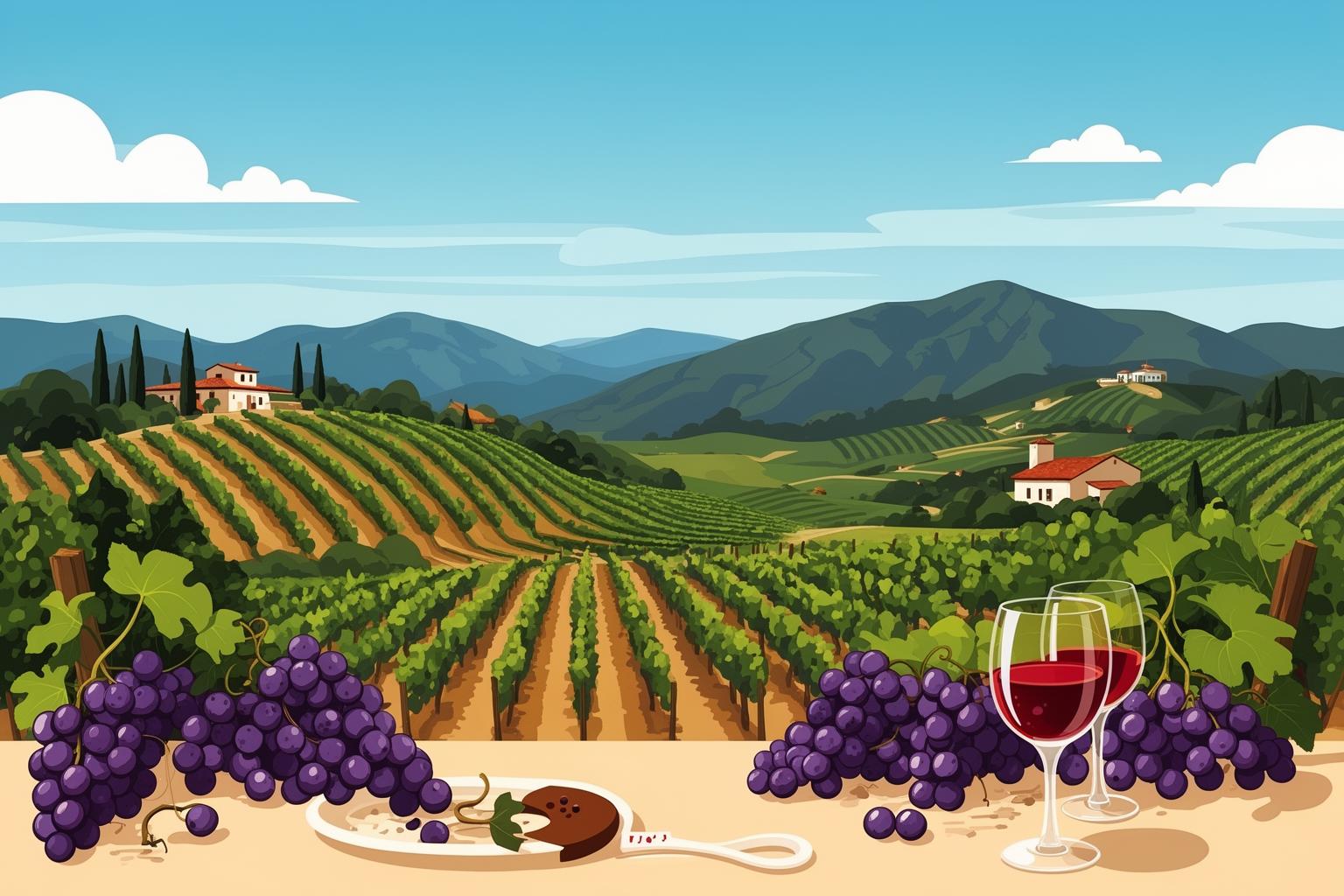
Traveling through the Santa Ynez Valley in the wake of “Sideways” is more than just revisiting a film. It means engaging with a landscape as complex, flawed, and beautiful as the characters who journeyed through it. You come to understand why this place served as the ideal backdrop for their story. The rolling hills, shrouded in morning fog and bathed in the golden light of late afternoon, reflect the emotional highs and lows of Miles’s journey. The wines themselves, particularly the delicate and challenging Pinot Noir, become vivid metaphors for the fragility and resilience of the human heart.
This pilgrimage uniquely blends pop culture with an authentic local experience. You may arrive as a fan of the movie, but you will leave as an admirer of the land. You’ll discover that the real Hitching Post II is even warmer and more inviting than its cinematic version, that wines taste better when sipped overlooking the vines from which they came, and that the quiet roads inspire a contemplative freedom no film can fully convey. The journey serves as a reminder that our passions—whether for wine, writing, or another person—are what bring flavor and meaning to our lives. Ultimately, the goal of the “Sideways” trail is not merely to pinpoint the places where Miles and Jack drank, ate, and argued. It is to find your own moment—a perfect sip, a breathtaking view, a shared laugh—that feels as meaningful and true as Miles finally knocking on Maya’s door, a quiet instant of hope that tastes like the promise of a truly great vintage.