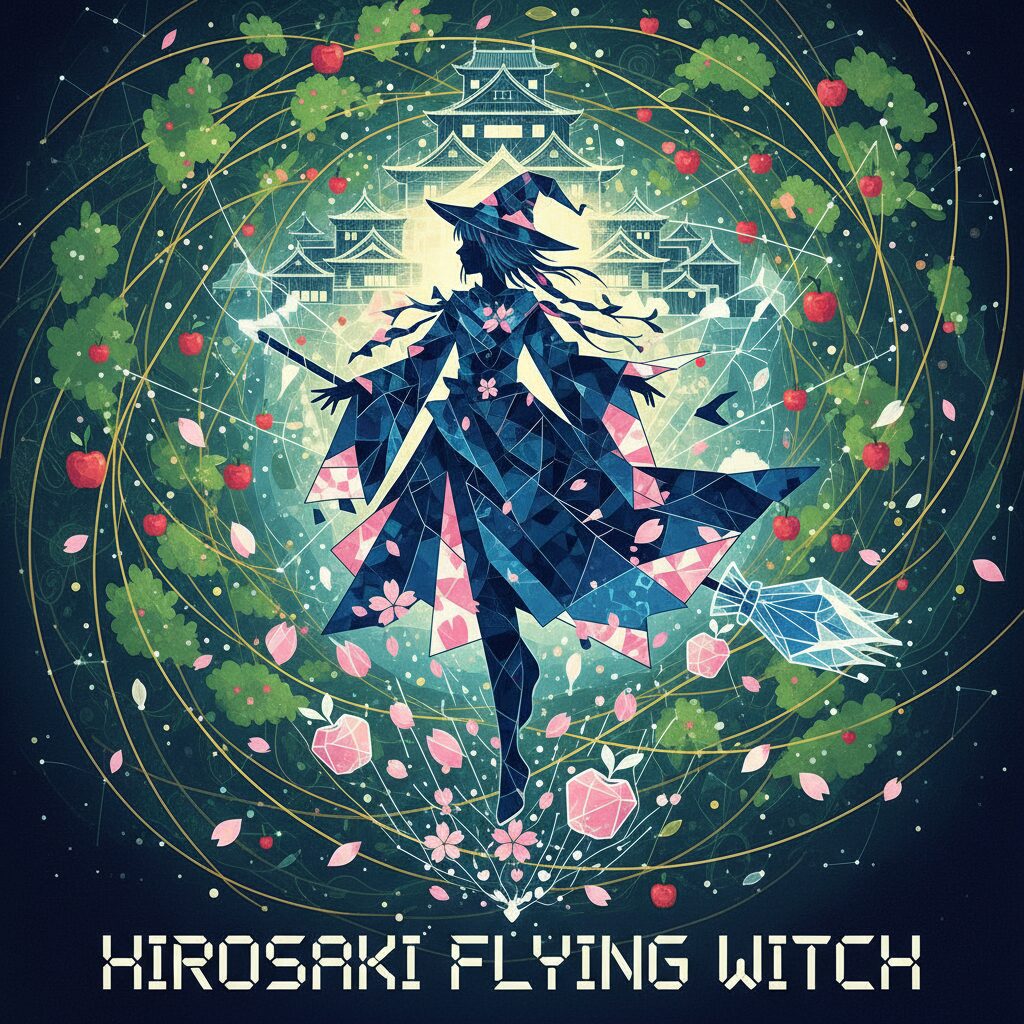
There’s a certain kind of magic that doesn’t rely on incantations or shimmering spells. It’s a gentler, quieter sorcery, woven into the fabric of everyday life—the rustle of leaves in an ancient apple orchard, the warmth of a freshly baked pie, the kindness of a stranger in a town that time seems to have touched with a loving, gentle hand. This is the world of Flying Witch, an anime that captured hearts not with epic battles, but with its profound appreciation for the slow, beautiful rhythm of nature and community. For those of us who felt a pull towards the serene, verdant landscapes where the novice witch Makoto Kowata began her training, there is wonderful news: this world is real. It exists in Hirosaki, a charming castle town nestled in Japan’s Aomori Prefecture, the northernmost prefecture on the main island of Honshu. This isn’t just a filming location; Hirosaki is the very soul of the series, a place where the anime’s soothing atmosphere is a tangible reality you can breathe in with the crisp, clean air. Forget bustling Tokyo and ancient Kyoto for a moment, and let’s journey north, to a place where the mundane becomes magical, and every street corner holds the potential for a quiet, wonderful discovery. This is a pilgrimage for the soul, a chance to step directly into the frames of a beloved story and find that the magic was simply the beauty of Hirosaki all along.
If you’re captivated by the idea of visiting the real-world locations of your favorite anime, you might also enjoy planning a pilgrimage to the real-life stages of Hibike! Euphonium.
The Living Heart of Hirosaki: Castle Grounds and Cherry Blossoms
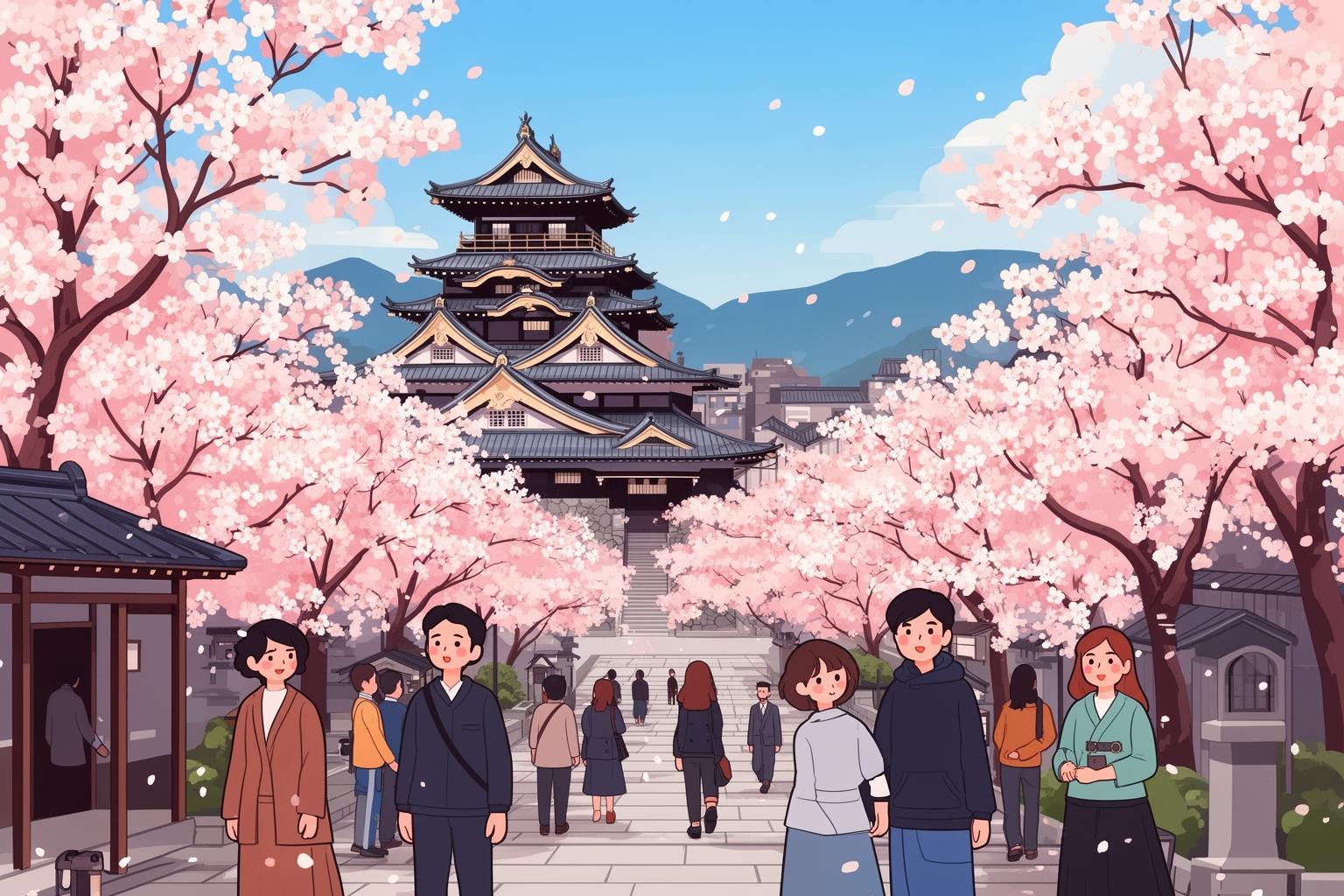
The undeniable spiritual and literal heart of both Hirosaki and Flying Witch is Hirosaki Park. This vast green space houses the iconic Hirosaki Castle and is where viewers first truly grasp the town’s deep bond with nature and history. Entering through the park’s gates feels like stepping into a living painting. The atmosphere shifts—calmer, infused with the scent of moist earth, ancient trees, and, depending on the season, the incredibly sweet aroma of cherry blossoms. The park stretches wide, a maze of moats, stone walls, vermilion bridges, and carefully tended gardens. It’s a place meant for wandering, for losing track of time as you follow winding paths that might lead to a quiet bench or a breathtaking view of the castle keep mirrored in the moat’s still waters.
In the anime, Makoto and her cousins, Kei and Chinatsu, are frequently seen savoring the simple joys of the park. They stroll beneath cherry blossoms, share snacks, and simply bask in its tranquil embrace. This encapsulates the essence of the Hirosaki experience. It’s not about rushing from one photo opportunity to another; it’s about finding a place on the grass, gazing up through a canopy of leaves, and sensing the gentle rhythm of the city around you. The park serves as a communal living room for Hirosaki’s residents, and visitors are warmly welcomed into this shared haven.
Hirosaki Castle: A Symbol of Timeless Elegance
At the center stands Hirosaki Castle. Unlike many towering, imposing Japanese fortresses, Hirosaki’s three-story keep exudes a more delicate, graceful presence. It is one of only about a dozen original castle keeps still standing in Japan, having withstood centuries of fires, earthquakes, and the abolition of the feudal system. This resilience imparts a unique aura. In the anime, it acts as a silent, watchful guardian over the town, constantly reminding viewers of the area’s deep historical roots. It’s instantly recognizable from the opening credits and various scenes. Presently, the castle keep has been temporarily relocated from its original stone foundation for restoration work—a remarkable engineering feat offering a rare, once-in-a-lifetime perspective. Even in its temporary position, its dignity remains intact. Circling the original stone base, you gain a deep appreciation for the craftsmanship and history embedded in each stone. Standing where samurai once stood, looking out over the same landscape that has inspired generations, is a powerful experience.
A Symphony in Pink: The Famous Cherry Blossoms
If you visit in late April or early May, you will be lucky enough to see something truly extraordinary. Hirosaki Park is home to over 2,600 cherry trees, including some of Japan’s oldest and most magnificent Somei Yoshino varieties. During the Hirosaki Cherry Blossom Festival, the park transforms into a heavenly sea of pink and white. The sheer abundance of blossoms is awe-inspiring. The branches of the ancient trees, heavy with flowers, droop over the moats, creating breathtaking floral tunnels. Petals drift down like soft snow, carpeting the water in a phenomenon called hanaikada, or flower rafts. The western moat, especially, becomes a solid pink river, a scene so stunning it seems pulled from animation. This is the very landscape that captivated Makoto, and witnessing it in person is an emotional, almost spiritual, experience. The festival atmosphere is cheerful and laid-back, with food stalls offering local delicacies and boats available to row through the petal-strewn moats. Even at night, the illuminated trees create a dreamlike, romantic ambiance that is truly unforgettable.
Beyond the Blossoms: Botanical Garden and Shrines
Within the expansive park, don’t overlook the Hirosaki Castle Botanical Garden. This is where Makoto’s passion for plants and herbs truly comes alive. The garden is carefully curated, featuring a wide range of flora that shifts dramatically with the seasons. It’s easy to picture Makoto wandering these paths, sketchbook in hand, identifying species and perhaps gathering ingredients for her next potion. This quiet corner of the park offers a peaceful stroll and a deeper connection to the natural world so central to the anime’s aesthetic. Scattered through the park are also several shrines, including Gokoku Shrine, which provides a tranquil spot for reflection amid the castle’s grandeur. These small sacred areas add another dimension of history and culture, anchoring the park’s natural beauty in centuries of human devotion.
A Step Back in Time: The Taisho Roman Tea Room
One of the most beloved and instantly recognizable settings from Flying Witch is the quaint café where Makoto works part-time. In the anime, it’s known as Café Konkurushio, a cozy sanctuary managed by the mysterious and beautiful witch, Akane. In reality, this enchanting spot is the Taisho Roman Tea Room, truly as magical as its animated version. The tea room sits within the Fujita Memorial Garden, a stunning example of traditional Japanese landscape design, while the building itself is a gem of Western-influenced architecture from the Taisho era (1912–1926). This era is famed for its romantic fusion of Japanese and Western styles, and this building perfectly captures that aesthetic.
From the moment you glimpse its dark wood exterior, elegant bay windows, and charming gabled roof, you’ll feel as though you’ve stepped right into an episode. The animators faithfully recreated the building with meticulous attention. Entering inside feels like a journey through time. The interior is warm and inviting, featuring polished dark wood floors, antique furnishings, lace curtains, and soft light pouring through large windows. The details are impressive, from the wallpaper’s pattern to the style of the lamps. It feels less like a reproduction and more as if the anime was simply capturing a real, living place.
The Taste of Magic: Apple Pie and Atmosphere
Your visit isn’t complete until you take a seat at one of the snug tables and order a slice of their famous apple pie. Hirosaki is Japan’s apple capital, and the city takes its apple pie seriously. Many places serve their own unique versions, and the Taisho Roman Tea Room’s offering is a classic, comforting treat. Paired with a pot of aromatic tea or rich, dark coffee, it’s the perfect way to soak in the ambiance. While enjoying your dessert, gaze out at the beautiful garden views. You might almost hear the gentle chatter of Makoto and her friends, the clinking of teacups, and the quiet magic of a peaceful afternoon. The staff are warm and familiar with fans of the anime, yet the tea room retains a serene dignity. It’s a place that invites quiet reverence, encouraging you to slow down, savor the moment, and appreciate the simple, elegant beauty surrounding you. This experience captures the essence of Flying Witch—discovering the extraordinary in the ordinary, the magic in a simple cup of tea and a slice of pie.
Fujita Memorial Garden: The Borrowed Scenery
Don’t just visit the tea room and leave. The Fujita Memorial Garden around it is a destination in itself. The garden is a masterpiece of Japanese landscape design, employing the technique of shakkei, or borrowed scenery, to incorporate distant Mount Iwaki into its panorama. The garden is divided into a hill section with traditional Japanese landscaping and a flat section featuring a more Western-style lawn. As you stroll the winding paths, you’ll cross picturesque ponds filled with koi fish, admire carefully placed lanterns and rock formations, and discover a beautiful waterfall. While the views of the garden from the tea room’s windows are breathtaking, exploring it on foot gives you a deeper appreciation for its artistry and the harmony it creates between human craft and nature. It’s a peaceful oasis perfectly suited to the gentle rhythm of the anime.
Weaving Through History: The Ishiba Residence and Samurai District
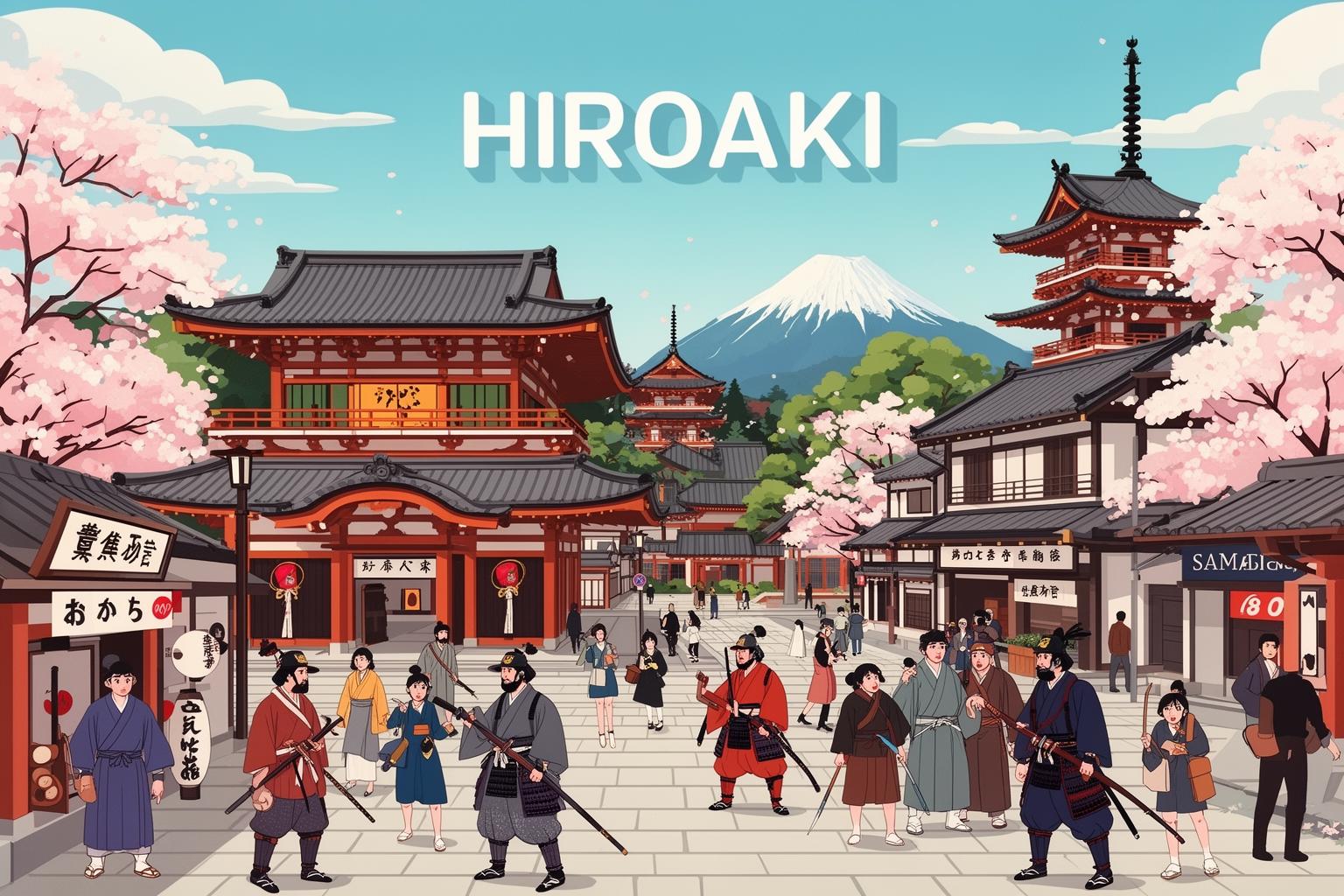
Flying Witch beautifully depicts how Makoto’s new life is built upon centuries of history. Although her family, the Kuramotos, live in a modern home, the town surrounding them is deeply rooted in the past. One of the best places to experience this is the Nakacho Samurai District, a wonderfully preserved area that offers a glimpse into what Hirosaki was like during the Edo period. The district is distinguished by its traditional black-and-white plaster walls, wooden gates, and the weeping cherry trees lining the streets.
The Merchant’s Legacy: The Ishiba Residence
A prominent location in this district, also featured in the anime, is the Ishiba Residence. This is not a samurai house, but rather the historic home of a wealthy merchant family who dealt in straw goods and sake. Its impressive architecture and well-maintained interior provide a fascinating insight into the life of a prosperous family from centuries ago. In Flying Witch, the street in front of this residence is immediately recognizable. The animators perfectly rendered the distinctive komise—the covered wooden arcades lining the street, designed to shield pedestrians from heavy winter snow and strong summer sun. Walking beneath these arcades feels like stepping back in time. The Ishiba Residence is open to the public, and exploring its rooms, storehouses, and inner garden offers a tangible connection to the history underpinning modern Hirosaki. It’s a quiet, reflective experience that deepens your appreciation of the town’s cultural legacy.
A Stroll Through the Samurai Quarter
Beyond the Ishiba Residence, the entire Nakacho district is well worth exploring. It’s an atmospheric area ideal for a leisurely walk. The streets are peaceful, and the historic homes, many still private residences, radiate an air of quiet dignity. You can also visit several other former samurai homes open to the public, such as the Iwata Family Residence and the Ito Family Residence. Each provides a unique view of the austere yet refined lifestyle of the samurai class. This area contrasts strongly with the more European-influenced architecture found at Fujita Garden, highlighting the diverse historical influences that blend together to create Hirosaki’s distinctive character.
The Rhythm of the Seasons: Festivals, Apples, and Everyday Life
What makes Flying Witch truly special is its profound respect for the changing seasons and the rhythms of rural life. Hirosaki is a city that exists in harmony with nature, most clearly reflected in its festivals and its renowned apple industry.
The Spectacle of Light: Hirosaki Neputa Festival
While cherry blossoms mark spring, summer in Hirosaki is defined by the spectacular Neputa Festival, held during the first week of August. This is the festival Kei is shown preparing for in the anime, and its real-world counterpart is an awe-inspiring showcase of community spirit and artistic skill. The event features enormous, fan-shaped paper floats intricately painted with heroic figures from Japanese and Chinese history and folklore. These floats, some towering several stories high, are lit from within and paraded through the streets at night, accompanied by the powerful sounds of taiko drums, flutes, and the lively chants of participants. The atmosphere is electric—a vivid explosion of sound and color that sharply contrasts with the town’s usual calm. Witnessing the Neputa Festival reveals the passionate, fiery heart of the Tsugaru region. It’s a profound, primal experience that connects you to the local culture in a way that mere sightseeing cannot.
The Soul of Aomori: The Apple Orchards
No portrayal of Hirosaki would be complete without its apple orchards, and Flying Witch lovingly highlights them. Aomori Prefecture produces over half of Japan’s apples, with the orchards around Hirosaki at the core of this industry. In the anime, Makoto and her family are frequently seen against the backdrop of these endless rows of trees. In spring, the orchards burst with delicate white and pink blossoms—subtle yet as beautiful as the cherry trees. In late summer and autumn, branches bend under the weight of ripe, glistening fruit. Many of these orchards are accessible to visitors through initiatives like Hirosaki Apple Park, where you can learn about the hundreds of apple varieties grown locally, try apple picking, and sample a wide array of apple-based products. From fresh-pressed juice and cider to pies, pastries, and even apple-infused curry, the fruit’s versatility is on full display. A bike ride through the countryside, with Mount Iwaki in the distance and apple orchards stretching out on either side, offers perhaps the most authentic Flying Witch experience. In these quiet moments, surrounded by the land’s bounty, you truly feel the simple, wholesome magic of Makoto’s world.
Your Practical Guide to a Magical Hirosaki Pilgrimage
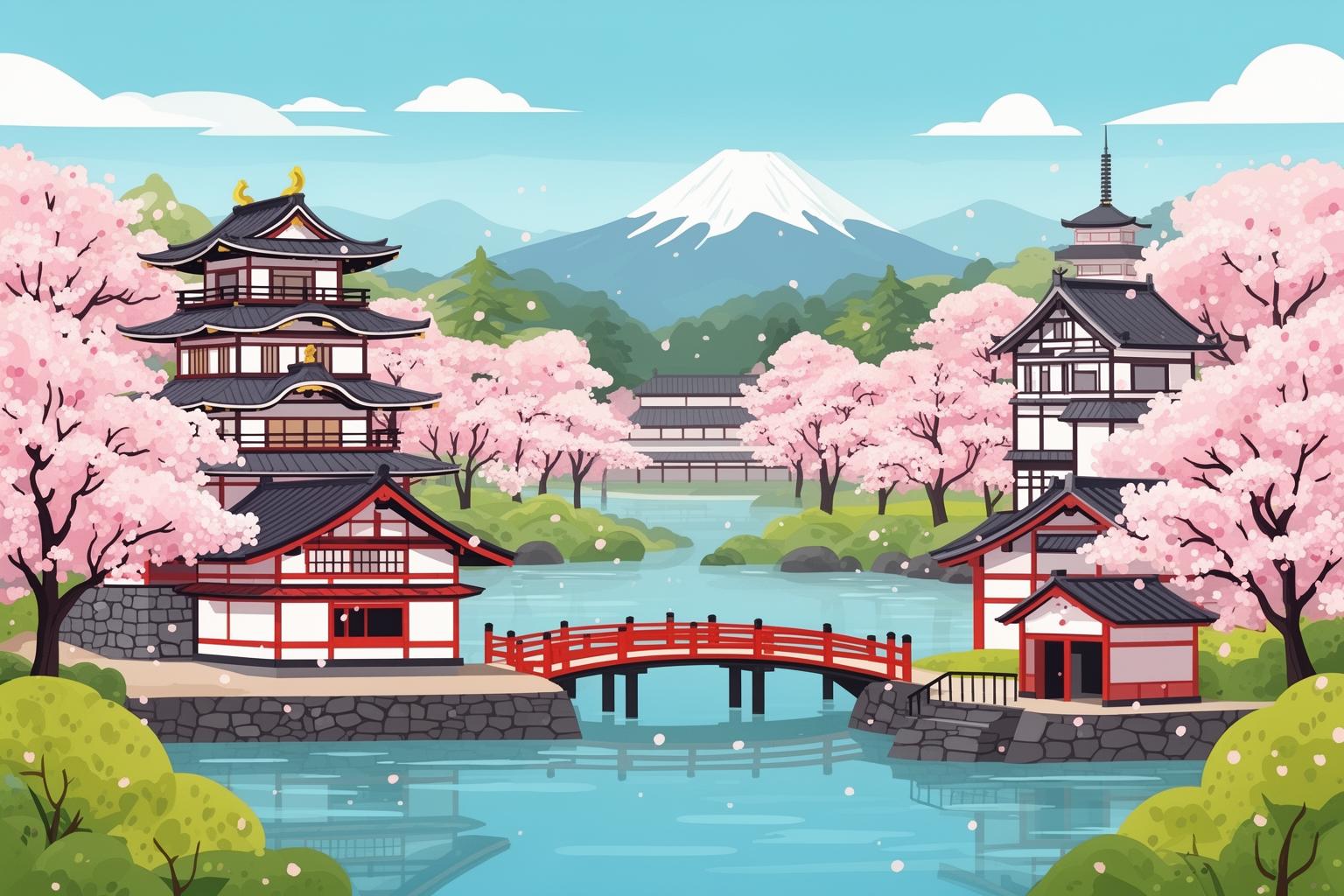
Starting your own adventure into the world of Flying Witch is simpler than you might imagine. With some careful planning, you can fully immerse yourself in the charm of Hirosaki and create your own magical memories.
Journey to the North: Getting to Hirosaki
Hirosaki lies in Aomori Prefecture, within the Tohoku region of northern Honshu. The most convenient way to reach it from major cities like Tokyo is by Shinkansen, or bullet train. From Tokyo Station, board the Hayabusa Shinkansen (the fastest line) to Shin-Aomori Station. This ride takes about three hours and offers a comfortable, scenic journey through the Japanese countryside. The Japan Rail Pass covers this route, making it a cost-effective choice for international travelers. From Shin-Aomori Station, transfer to a local train on the Ou Main Line for the final 30-40 minute trip to Hirosaki Station. The entire travel experience from Tokyo is smooth and efficient.
Alternatively, you can fly into Aomori Airport (AOJ) from major domestic airports such as Tokyo’s Haneda or Osaka’s Itami. From there, a direct shuttle bus runs to Hirosaki Bus Terminal in about an hour. While flying may be quicker in the air, considering transfers and security procedures, the Shinkansen often matches the total travel time and offers a more relaxing trip.
Navigating the Castle Town: Getting Around
Hirosaki is a compact and traveler-friendly city. Many key Flying Witch spots, especially those near Hirosaki Park, are close together and easily explored on foot. Walking is one of the best ways to uncover the city’s hidden charms and enjoy its laid-back atmosphere.
For slightly more distant locations, the Dotemachi Loop Bus is a great option. This bus circulates conveniently among the city’s main tourist attractions for a flat fare of 100 yen per ride, making it an affordable and easy way to get around. Stops include Hirosaki Station, the samurai district area, Hirosaki Park, and the Fujita Memorial Garden, among others.
For a truly immersive Flying Witch experience, consider renting a bicycle. Like Makoto, you can explore the city and its surroundings at your own pace. Cycling lets you stray from main tourist routes, discover quiet residential streets, and even ride out to countryside apple orchards. Rental shops are available near Hirosaki Station. The city’s relatively flat terrain makes cycling easy and enjoyable.
A Taste of Aomori: Culinary Delights for the Modern Witch
Beyond the essential apple pie, Hirosaki offers a delightful array of local culinary treats. Surrounded by the sea, Aomori boasts fresh seafood as a staple. Seek out restaurants serving nokke don, a rice bowl customized with fresh seafood toppings chosen at the local market.
The Tsugaru region also features a distinctive ramen style, known for its rich niboshi (dried sardine) broth. It’s a flavorful, hearty meal, perfect after a day of exploration. Another local specialty is igamenchi, a rustic dish made from chopped squid tentacles mixed with vegetables and flour, then fried into a savory pancake. This beloved local comfort food can be found at small eateries and festivals.
And of course, apples in every imaginable form. Don’t miss tasting local apple cider, both alcoholic and non-alcoholic. Visit local sweets shops for apple-filled pastries, jellies, and other confections that make wonderful souvenirs.
A Traveler’s Grimoire: Tips for a Safe and Enchanting Stay
As a travel writer frequently traveling solo, I find cities like Hirosaki utterly delightful. It is exceptionally safe, clean, and welcoming. Still, a few tips can help make your trip even smoother.
From a woman’s perspective, the city feels very secure, even after dark. Main streets are well-lit, and the overall atmosphere is peaceful. That said, as anywhere, it’s wise to stay aware of your surroundings, especially when walking in quieter residential areas at night. The Tohoku region’s local people are known for warmth and kindness, though somewhat reserved. A simple konnichiwa (hello) or arigato (thank you) with a smile goes a long way. Don’t hesitate to ask for directions; people are generally very willing to help, even if there’s a language barrier.
Be sure to wear comfortable shoes, as there will be a lot of walking, especially around Hirosaki Park and historical districts. Aomori’s weather can be unpredictable; even in summer, evenings may be cool, so bringing a light jacket or sweater is advisable. Winters are cold with heavy snowfall, creating a stunning and serene landscape, but proper winter clothing and warm, waterproof boots are essential.
Cash remains handy in Japan, particularly at smaller shops, local eateries, and for temple or garden admissions. While major hotels and department stores accept credit cards, it’s wise to carry some yen on hand.
Finally, embrace the unhurried pace of life here. Hirosaki is not a city that rushes. It invites you to slow down, notice the small details, and simply be. This is the true magic of Flying Witch. It’s not about grand adventures, but about finding joy and wonder in the simple, beautiful moments of everyday life.
Visiting Hirosaki feels like a warm embrace from an old friend. The city perfectly embodies the gentle, life-affirming spirit of Flying Witch, blurring the line between fiction and reality. As you walk beneath the same ancient trees as Makoto, savor a slice of apple pie at the real Café Konkurushio, and feel the history in the samurai district’s air, you’ll realize you haven’t just visited a filming location—you’ve experienced the heart of the story. You’ve found a place where the quiet magic of everyday life is real, waiting to be discovered at every turn, gently reminding you that enchantment lies in simply being present in a beautiful, peaceful place.