
There’s a certain kind of magic that happens when a story you love bleeds into the real world. Suddenly, a simple staircase isn’t just a staircase anymore; it’s a fated meeting place. A quiet, rural town isn’t just a dot on a map; it’s the heart of a story that touched millions. This is the feeling, the very pulse, behind the phenomenon of seichi junrei, or anime pilgrimage. And there is perhaps no modern pilgrimage as potent and as beautiful as the one inspired by Makoto Shinkai’s masterpiece, Kimi no Na wa—Your Name. The film captured our hearts with its breathtaking animation, its emotional depth, and its unforgettable story of two souls, Taki and Mitsuha, connected across time and space. It painted a vivid portrait of two Japans: the relentless, dazzling energy of modern Tokyo and the serene, tradition-steeped soul of the countryside. To visit these places is to do more than just see a film set; it’s to walk in the characters’ footsteps, to feel the emotional weight of their worlds, and to discover that the magic Shinkai created is rooted in very real, very beautiful places. This journey is a dialogue between fiction and reality, a chance to find the cinematic in the everyday and the everyday in the cinematic. It’s a quest to find the threads of a story woven into the fabric of Japan itself, from a bustling city intersection to a quiet mountain shrine. Prepare to have your breath taken away, not just by the memories of the film, but by the undeniable charm of the real-world locations that gave it life.
For travelers drawn to cinematic journeys, exploring the evocative charm of Tomonoura harbor offers a delightful extension of Japan’s film-inspired magic.
Tokyo’s Urban Heartbeat: The World of Taki
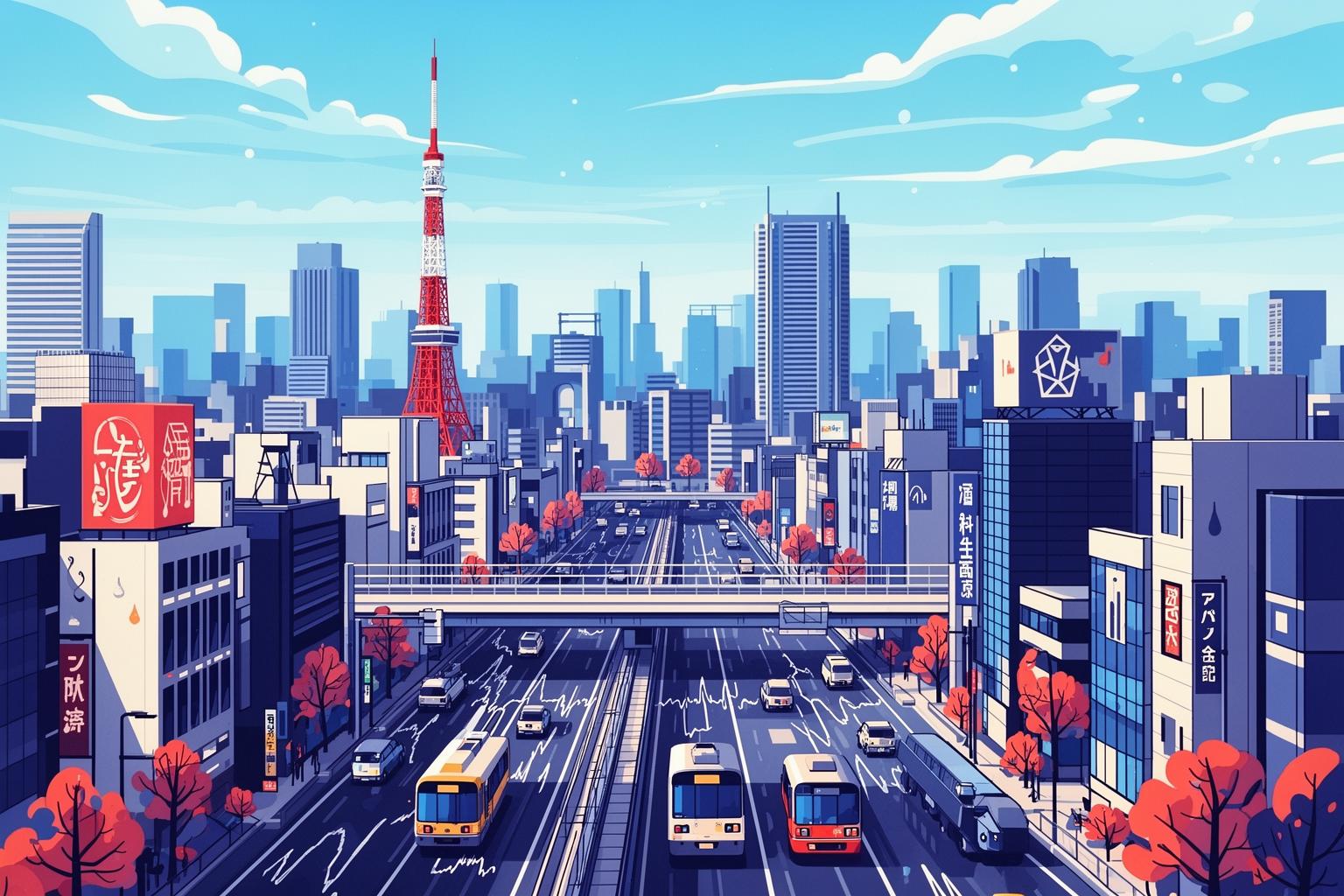
Our pilgrimage begins where Taki’s story takes place — in the vast, sprawling, and endlessly captivating metropolis of Tokyo. This setting is more than just a backdrop; it acts as a character itself, a living entity pulsating with light, sound, and movement. Taki’s world is defined by rushing trains, towering skyscrapers, and the exquisite, anonymous dance of millions of lives intersecting for brief moments. To experience his Tokyo is to plunge fully into the city’s vibrant heart.
The Iconic Red Steps of Suga Shrine
Let’s begin with the image etched into the memory of every Your Name fan: the movie poster’s iconic red-railed staircase. This is where everything reaches its emotional climax in the film. Discovering it in reality feels like uncovering a sacred secret hidden in plain sight. Nestled in the surprisingly quiet, residential neighborhood of Yotsuya, the staircase leading to Suga Shrine appears unassuming to the casual visitor. But for a pilgrim, it means everything. Getting here is an adventure in itself. You’ll likely take the Tokyo Metro Marunouchi Line to Yotsuya-Sanchome Station, then enjoy a ten-minute walk through peaceful streets that feel worlds apart from the Shinjuku chaos Taki calls home. The anticipation grows with each step. And then you see it — the gentle curve of the road, the two staircases converging, the unmistakable red railing. The moment feels surreal. This place is charged with a soft, cinematic energy. The light filters through the trees just as it does in the anime, and standing at the top or bottom, you can’t help but glance at passersby, half-expecting a moment of fated recognition. For the best photo and a quiet moment of reflection, try visiting on a weekday morning. The area is far calmer, and the soft morning light gives the scene a dreamy quality. Remember, this is both a residential neighborhood and a sacred site. Please be respectful of residents and the shrine: avoid blocking the stairs and keep your voice low. The real beauty of this spot lies in its peaceful harmony with its surroundings, a harmony every pilgrim must strive to maintain.
Shinjuku’s Dazzling Canvas
If the Suga Shrine stairs capture the film’s heart, then Shinjuku embodies its pulse. This is Taki’s home turf, where he juggles school, work, and life. The film brilliantly conveys the district’s overwhelming scale and vibrant energy. Shinjuku Station, the busiest train station in the world, is your first stop. It’s a chaotic symphony of announcements, footsteps, and train whistles. Here, you can genuinely feel the immense kinetic energy of Taki’s daily commute. Don’t try to decode it; just move with the flow of people. Upon exiting the station, you can seek out other key spots. A short walk from the west exit leads to the famous “LOVE” sculpture by Robert Indiana — a landmark Taki and his friends pass by. It’s a popular photo destination and a small oasis of pop-art calm amid the urban hustle. For a breathtaking view that echoes the stunning cityscapes in the film, head to the Tokyo Metropolitan Government Building. Its twin towers feature free observation decks on the 45th floor, offering panoramic vistas of the city stretching to the horizon. This is as close as you get to seeing Tokyo through Taki’s eyes. Visit in the late afternoon to witness the city’s transition from day to night, as the setting sun casts shades of orange and purple across the sky before Tokyo’s endless grid of streets and buildings ignites into a galaxy of artificial lights. This view perfectly captures the beauty and solitude of city life, a central theme of the film. Shinjuku is also where Taki held his part-time job at the Italian restaurant, “Il Giardino delle Parole.” While the exact restaurant doesn’t exist, its spirit lives on in the stylish cafes and eateries near Shinjuku Gyoen National Garden, providing a perfect spot to rest and recharge.
Hida’s Timeless Soul: The World of Mitsuha
After experiencing Taki’s world, it’s time to embark on a journey to Mitsuha’s. This means leaving the city behind and venturing deep into the heart of the Japan Alps. The destination is the Hida region in Gifu Prefecture, known for its breathtaking natural beauty and well-preserved traditions. The journey itself forms part of the pilgrimage. From Tokyo, you’ll board the Shinkansen bullet train to Nagoya, then transfer to the JR Hida Wide View Express. This second leg is truly spectacular, as the train winds through dramatic river valleys and dense forests, offering panoramic views from its large windows. As skyscrapers give way to mountains, you’ll feel the pace slow, the air grow fresher, signaling your arrival in Mitsuha’s world.
Stepping into a Postcard at Hida-Furukawa Station
Hida-Furukawa Station serves as the real-life inspiration for Itomori’s train station. The moment you step off the train, a strong sense of familiarity hits immediately. The platform, the overhead walkway, the taxi stand outside—all have been lifted directly from the film and brought to life. You’ll even spot the little cow-like mascot, Hida-gyu, featured in the movie. The station staff are well aware of the town’s fame and warmly welcome fans. The town of Hida-Furukawa is the heart of Mitsuha’s world. While Itomori village is fictional, its essence comes from the landscapes and atmosphere of this region. Hida-Furukawa is a charming town with white-walled storehouses and traditional wooden buildings lining the Seto River, where thousands of colorful koi carp swim in the canals. Strolling slowly through the town feels like stepping back in time. The air carries the scent of wood and the soothing sound of flowing water. It’s a far cry from Tokyo’s concrete and neon—a place where traditions remain a living, visible part of the community.
Whispers of Tradition: The Town Library and Local Shrines
One of the film’s most memorable scenes shows Taki and his friends researching Itomori’s history in the local library. The building modeled for this is the Hida City Library, a stunning structure blending modern design with warm wooden interiors. Fans will instantly recognize its layout and the calm, studious atmosphere. The library embraces its connection to the film, and with permission, you can take photos at a designated spot—a wonderful way to connect with a key moment in the story. From there, a short walk leads to Keta Wakamiya Shrine. While the Miyamizu Shrine in the film draws from several locations, this shrine is considered the primary spiritual counterpart in Hida-Furukawa. Climbing the stone steps surrounded by tall cedar trees, you can almost hear Mitsuha performing her shrine maiden duties. It’s a peaceful, reflective spot that perfectly embodies the deep spiritual and traditional roots of her character. Take time to appreciate the serene atmosphere, the intricate woodwork of the shrine buildings, and the sense of history that fills the air.
The Taste of Hida: Culinary Connections
A pilgrimage engages all the senses, not just sight. In Hida, you can savor the world of Your Name. A local specialty to try is Gohei Mochi, a grilled rice cake coated with a sweet and savory miso or soy sauce glaze. This snack, enjoyed by Taki and his friends, is popular throughout the town and perfect for exploring. Hida is also renowned for its high-quality beef, Hida-gyu, and excellent sake. Many restaurants in Hida-Furukawa offer these local delicacies. Sharing a meal here connects you to the culture that shaped Mitsuha’s world—a culture deeply rooted in the land and its produce. You can also visit a local sake brewery for tastings and to learn how this traditional drink is made, linking back to the kuchikamizake ritual featured in the film.
Bridging Two Worlds: The Pilgrim’s Experience

Journeying from Tokyo to Hida is more than mere travel; it’s an immersive narrative experience. You physically traverse the distance that once separated Taki and Mitsuha, feeling the striking contrast between their worlds. This physical trek deepens your emotional connection to the film. One moment, you’re surrounded by the electric buzz of Shinjuku, and the next, you’re hearing the gentle flow of a river in a tranquil mountain town. You come to appreciate Taki’s wonder at the countryside’s beauty and Mitsuha’s yearning for the city’s excitement on a much richer level.
More Than Just a Photo Op
While recreating iconic scenes is a fun and important part of the pilgrimage, the real magic happens in the moments between. It’s in the peaceful stroll through Yotsuya, the stunning train ride into the mountains, and the friendly exchange with a shopkeeper in Hida-Furukawa. These are the moments that bring the experience to life. This journey is about soaking in the atmosphere. It’s about recognizing that the beautiful world animated by Makoto Shinkai is not pure fantasy but an artist’s heartfelt, heightened portrayal of a real, tangible, and accessible Japan. Standing on the Suga Shrine steps isn’t just about capturing the perfect Instagram shot; it’s about sensing the weight of a story about connection, memory, and hope in a place where it feels most genuine. It’s about realizing that these incredible stories arise from the beauty of ordinary places.
Practical Tips for Your Own ‘Your Name’ Journey
Undertaking this pilgrimage is quite straightforward with some planning. For the long journey between Tokyo and Hida, the Japan Rail Pass is invaluable, covering both the Shinkansen and the Hida Wide View Express trains, making travel smooth and cost-efficient. In Tokyo, a Suica or Pasmo IC card is essential for easily navigating the city’s highly efficient metro system. The best time to visit depends on your interests. Spring offers cherry blossoms in Tokyo, adding a cinematic layer of beauty. Summer brings lush, vibrant greenery to the Hida area, making the mountains come alive. Autumn dazzles in both places with fiery foliage, lending a touch of melancholic romance to the scenery. Winter covers Hida in snow, creating a serene, magical landscape, though warm clothing is a must. Comfortable walking shoes are a must-have since you’ll be exploring extensively on foot in both urban and rural settings. Finally, always carry a portable Wi-Fi device or have a data plan. While part of the adventure is getting lost, navigation apps are invaluable, especially in Tokyo’s maze-like streets. And always, always remember to be a respectful traveler. These places are not theme parks; they are living communities and sacred sites. Your quiet appreciation is the best way to honor both the film and the locations that inspired it.
A Connection Woven Through Time and Space
Completing the Your Name pilgrimage is an unforgettable journey. It takes you across Japan’s varied landscapes, from its futuristic urban core to its timeless rural charm. You begin by chasing the ghost of a story, a sequence of animated frames, and finish by uncovering a tangible reality that is equally, if not more, beautiful. You view the world through the eyes of Taki and Mitsuha, and in doing so, you experience Japan in a fresh perspective. The Suga Shrine steps, the Hida-Furukawa station, the view from a Shinjuku skyscraper—these places become more than mere locations. They are filled with story. They serve as nodes in a network connecting art, place, and a global community of fans who shared the same pull. The red thread of fate from the film feels palpably real here, a thread linking you not only to the characters but to the very spirit of the places they called home.