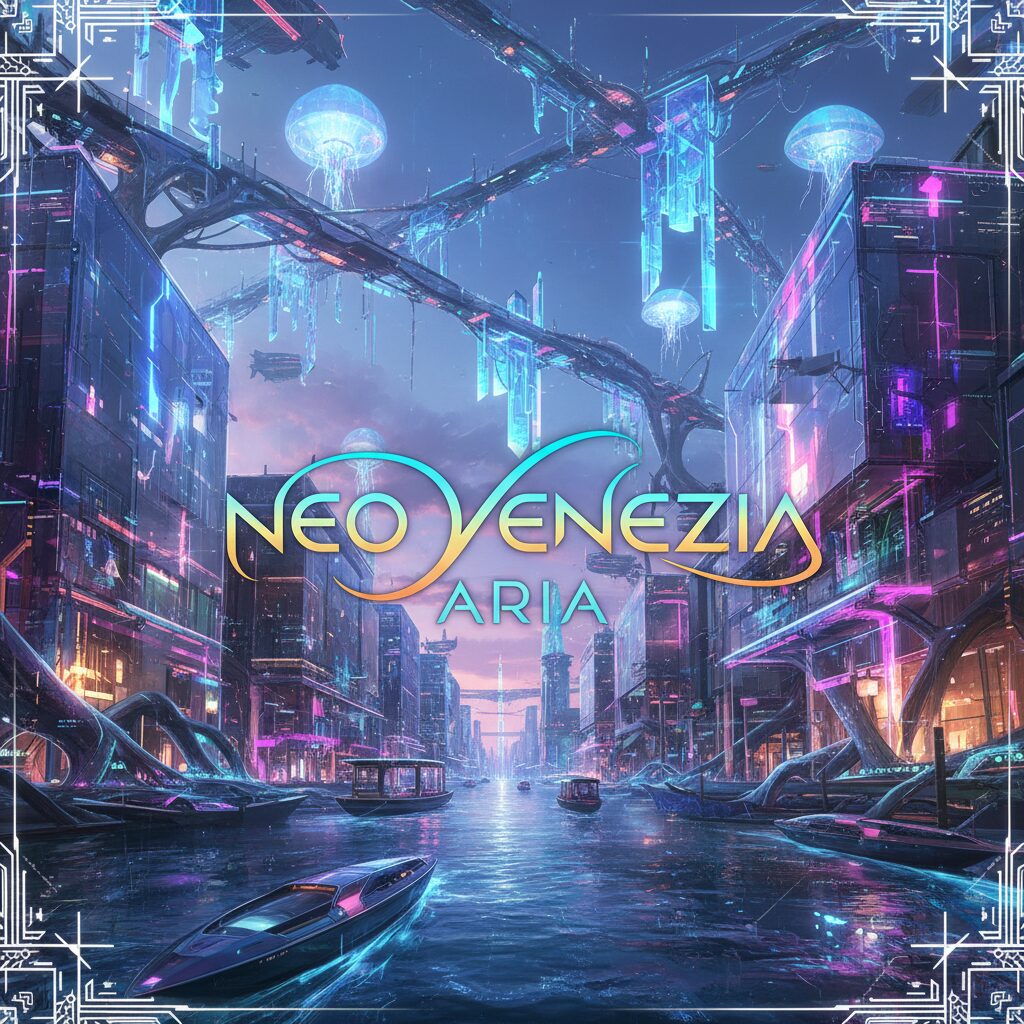
There are places on this earth that feel like they were lifted from the pages of a dream, cities where reality itself seems to shimmer with a touch of magic. Venice is one such place. It’s a city built on water, a labyrinth of shimmering canals and marble palaces that defy logic and inspire wonder. For fans of the beloved anime series Aria the Animation, this Italian jewel is more than just a beautiful destination; it is the living, breathing soul of Neo-Venezia, the futuristic city on Mars where a young girl named Akari Mizunashi trains to become a premier gondolier, an Undine. To walk the stone-paved calli and drift along the turquoise waterways of Venice is to step directly into Akari’s world, a world defined by gentle discovery, quiet miracles, and the profound beauty of everyday moments. This isn’t just a tour of a filming location; it’s a pilgrimage to the heart of one of anime’s most serene and uplifting stories, a journey to find the ‘wonderful’ in the world around us, just as Akari does with her wide-eyed optimism. Prepare to leave your map behind, open your heart to serendipity, and let the gentle song of the water guide you through the real-life stage of Aqua.
For those who find solace in such journeys, exploring the real-world inspirations behind The Aquatope on White Sand offers another profound pilgrimage into the soul of an anime’s setting.
The Grand Stage of Miracles: Piazza San Marco
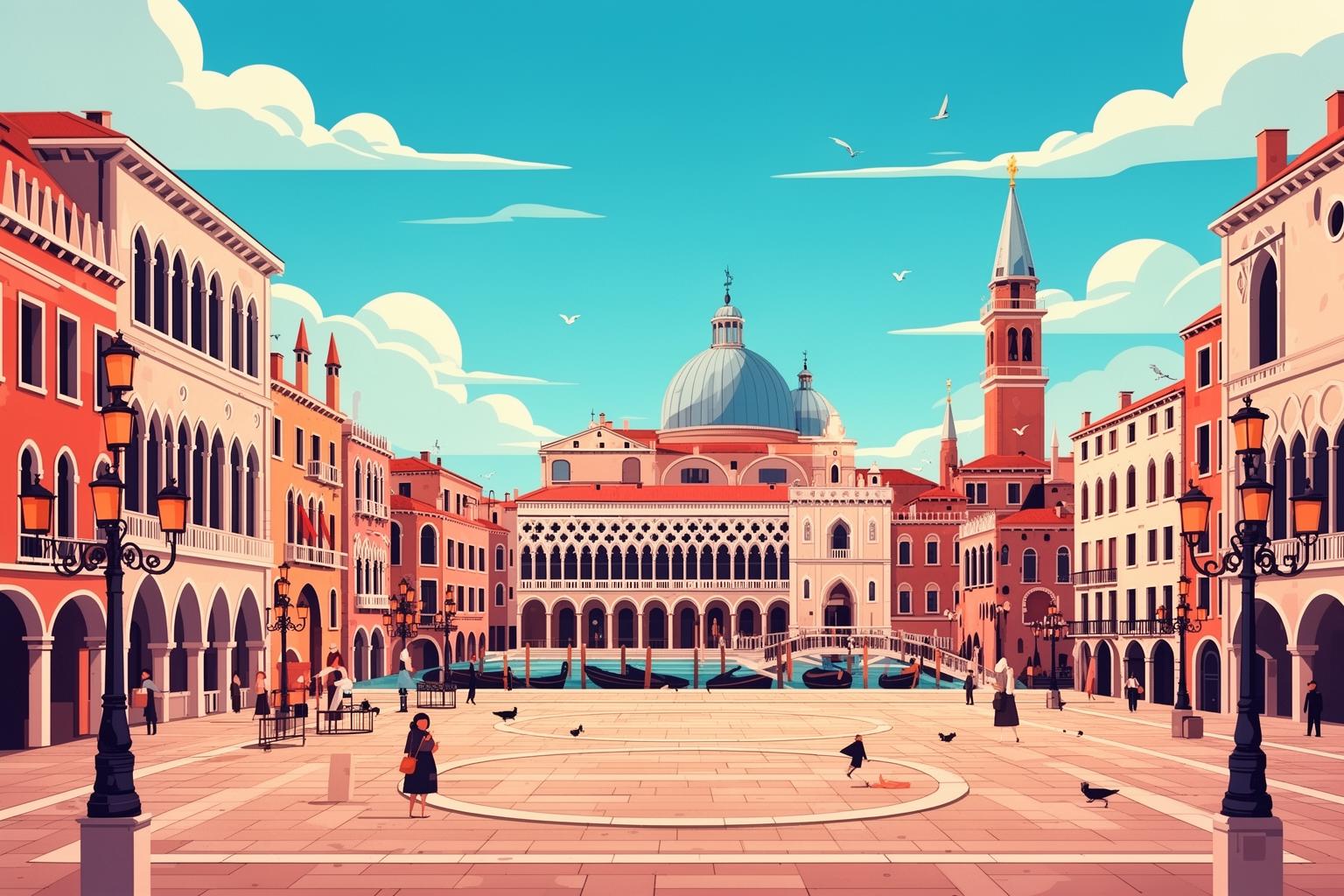
Your journey into the world of Aria naturally begins in Piazza San Marco, or St. Mark’s Square. This is the very heart of Venice, its grandest stage, and the unmistakable inspiration for the main plaza of Neo-Venezia. Stepping into the square is an awe-inspiring experience. The sheer vastness of the space, bordered by the ethereal St. Mark’s Basilica and the stately Doge’s Palace, instantly transports you. You can almost hear the anime’s soundtrack swelling as you take it all in. This is where Akari, Aika, and Alice frequently met, their laughter echoing through the historic arcades. The square is a vibrant tapestry of sound and movement. The fluttering of countless pigeons—an endlessly charming sight for Akari—fills the air. The murmur of numerous languages blends with the distant melody of an orchestra playing at one of the historic cafés. It feels less like a tourist attraction and more like the lively hub of a living world, just as depicted in Neo-Venezia. It’s a place for grand gatherings, quiet reflections, and the occasional city-wide festival that unites everyone, exactly as portrayed in the show.
The Campanile’s Timeless Chime
Dominating the piazza is the Campanile di San Marco, Venice’s iconic bell tower. Its tall, slender silhouette is a constant landmark in Aria, a beacon guiding the Undines through the city’s labyrinthine canals. Climbing the tower is an absolute must. The elevator whisks you away from the bustling square below, and as you step onto the belfry, the entirety of Venice unfolds before you like a map from a fantasy novel. The view is simply breathtaking. You see endless terracotta roofs, a sea of warm sienna and burnt orange, punctuated by gleaming church domes and the shimmering blue-green ribbons of the canals. From this vantage point, you truly grasp the layout of this seemingly impossible city. You can trace the Grand Canal’s winding path, spot the distant lagoon islands, and appreciate the intricate waterways Akari and her friends navigate daily. Gazing down, you feel a connection to the characters, seeing their world from their perspective—a place of boundless beauty and infinite paths to explore. The wind carries the city’s sounds up to you, a distant hum of life that makes the panorama feel alive and breathing.
The Whispers of Doge’s Palace and St. Mark’s Basilica
The architectural marvels framing the square are not mere backdrops; they are vessels of history that give Neo-Venezia its deep sense of time and heritage. St. Mark’s Basilica, with its opulent Byzantine mosaics and golden domes, feels like a treasure trove brimming with centuries of art and faith. Its façade is a stunning array of marble, sculptures, and shimmering gold, shifting hues with the changing daylight. Inside, the world dissolves into a golden glow, the intricate mosaics narrating ancient tales on every surface. It evokes the profound, almost spiritual reverence that the characters in Aria hold for their city’s history. Beside it, the Doge’s Palace stands as a masterpiece of Venetian Gothic architecture. Its delicate pink and white marble façade, with elegant loggias, appears to float above the ground. It was the seat of power for the Venetian Republic for centuries, and the weight of that history resonates within its grand halls and ornate chambers. In Aria, Neo-Venezia is not merely a futuristic tourist destination; it is a place with a soul, a history inherited from its terrestrial counterpart. Exploring these magnificent buildings deepens your appreciation for the beauty of Akari’s world, which is rooted in this enduring legacy.
A Café for Daydreamers
Nestled along the arcades of Piazza San Marco are historic cafés that have welcomed guests for centuries, such as the famed Caffè Florian and Gran Caffè Quadri. In Aria, the girls often take breaks here to enjoy a warm drink and a sweet treat, and sitting at one of these open-air cafés is the perfect way to capture that experience. It is a indulgence, but one well worth the cost for the ambiance alone. As a small orchestra performs classical melodies or gentle waltzes, you can sip a cappuccino and watch the world go by. It’s a moment of pure, unfiltered joy, a chance to slow down and simply be—a core essence of the iyashikei, or ‘healing,’ genre to which Aria belongs. You can easily imagine Alicia Florence, with her graceful smile, seated at one of these tables, offering a pearl of gentle wisdom. It is in these quiet, reflective moments that the spirit of Neo-Venezia feels most alive.
Drifting Through a Waking Dream: The Canals of Neo-Venezia
If Piazza San Marco is the heart of Venice, then the canals are its veins, carrying the city’s lifeblood to every corner. For an Aria fan, these waterways represent sacred pilgrimage ground. This is the realm of the Undines, where their graceful dance of oar and water unfolds. The city’s identity is deeply intertwined with its canals—from the grand sweep of the Grand Canal, lined with decaying yet beautiful palazzi, to the narrow, intimate ríos winding through residential neighborhoods. To truly grasp Akari’s world, you must experience the city from the water. The shift in perspective is profound: the world softens, the harsh city noises give way to the gentle lapping of water against stone and the rhythmic splash of an oar. Buildings that seem imposing from the street reveal a different character, their reflections dancing on the water’s surface in a mesmerizing play of light and color. This is the everyday world as Akari sees it—a place of subtle, constant beauty that unfolds for those who take the time to observe.
The Song of the Oar: Becoming an Undine for a Day
A gondola ride is the quintessential Venetian experience, and for an Aria pilgrim, it is almost a spiritual necessity. Though you won’t be serenaded by a trainee in a striped shirt, the magic remains just as powerful. Settling into the plush velvet seat of the sleek, black gondola, the city transforms around you. Your gondolier, a master of their craft much like the Prima Undines, skillfully maneuvers the narrow canals with a single oar—a skill honed and passed down through generations, a silent ballet of balance and precision. You’ll be guided under low bridges where you must duck, and into quiet canals where the only sound is the gentle call of the gondolier announcing an approaching corner. You glide past weathered brick walls, ornate window frames bursting with flowers, and the private water entrances of ancient homes. It is an incredibly intimate and romantic way to see the city. You can almost hear Akari’s voice narrating, pointing out the small details—the way light strikes a specific carving, a cloud’s reflection in the water, or a secret garden hidden behind a crumbling wall. In these moments, you realize that being an Undine is more than transportation: it’s a shared experience, a way to convey the city’s magic.
Echoes of Aria Company: Finding Hidden Corners
While the Grand Canal captivates with its grandeur, the true spirit of Aria lives in the smaller, quieter canals weaving through the city. The location of Aria Company in the anime is intentionally vague, suggesting it nestles in a peaceful, residential part of town. To capture this atmosphere, you must stray from the main tourist routes. Explore neighborhoods like Cannaregio or Castello, and you’ll encounter a different Venice. Here, the canals are narrower, bridges simpler, and daily life unfolds at a gentler pace. You’ll see locals receiving groceries by boat, laundry hanging between buildings, and cats basking on windowsills. This is the Venice that Akari fell in love with. It’s highly recommended to lose yourself—put your phone aside, follow a whim, turn down an inviting alley, cross a random bridge. You may end up at a dead end facing a canal or discover a tiny, charming campo you never would have found otherwise. This aimless wandering is a core theme of Aria. It’s how Akari makes her most wonderful discoveries, and the best way for the city to reveal its secrets to you.
Arches of Connection: The Bridges that Bind the City
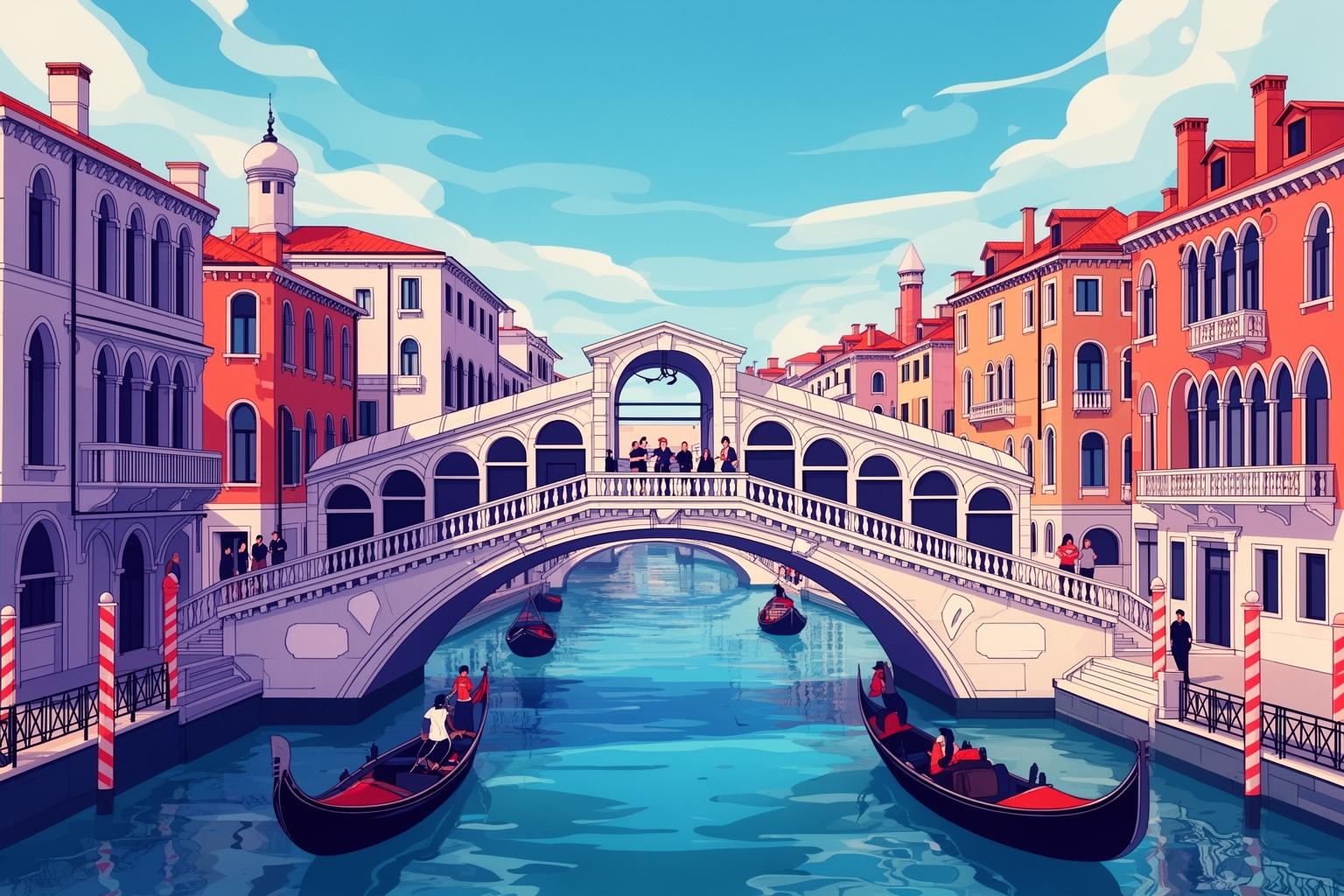
In a city made up of islands, bridges serve as more than mere infrastructure; they are the lifelines that bind the community together. Venice is said to have over 400 bridges, each inviting you to cross into a new slice of the city. In Aria, bridges are constant elements of the landscape, symbolizing connection and transition. They are the places where characters pause on their journeys, leaning over the railings to watch gondolas drift beneath, sharing conversations, or simply admiring the view. Each bridge provides a unique perspective—a perfectly framed snapshot of canal life. They are ideal spots to stop, breathe, and appreciate the scenery, turning an ordinary walk into a sequence of beautiful vignettes, much like an episode of the anime.
The Rialto Bridge: A Marketplace of Life
The most renowned of Venice’s bridges is the Rialto Bridge, an architectural wonder that has spanned the Grand Canal for more than 400 years. Its elegant stone arch, lined with shops, is an iconic image instantly recognizable from the anime. In Neo-Venezia, as in Venice, the Rialto serves as a bustling center of activity. Crossing the bridge is an experience in itself. The central walkway is filled with people, while the shops embedded along its sides offer everything from Murano glass to leather goods and souvenirs. It’s a lively, energetic place that captures the city’s commercial heart. From the bridge’s apex, the view of the Grand Canal is among the most famous in the world. Gondolas, vaporettos, and delivery boats engage in a constant, chaotic yet somehow graceful ballet on the water below. It’s a fantastic spot for people-watching and feeling the city’s vibrant pulse, providing a striking contrast to the peacefulness of the smaller canals.
The Bridge of Sighs: A Glimpse into History’s Embrace
Another well-known bridge, though one with a more somber tale, is the Ponte dei Sospiri, or the Bridge of Sighs. This enclosed limestone bridge connects the Doge’s Palace to the New Prison. Its name derives from the legend that prisoners would sigh as they took their final view of beautiful Venice through the bridge’s windows before being led to their cells. Despite its dark history, its appearance is undeniably beautiful— a delicate, ornate arch spanning a narrow canal. In Aria, the city’s deep history often adds a layer of melancholy and reflection to the story. The Bridge of Sighs embodies this duality—the breathtaking beauty of the present alongside the lingering echoes of a long and sometimes painful past. It serves as a reminder that Neo-Venezia, for all its futuristic charm, rests on a foundation of rich human history, filled with tales of both joy and sorrow.
Countless Smaller Crossings
While the famous bridges are magnificent, it is the hundreds of smaller, anonymous crossings that truly define the experience of walking through Venice. Often simple stone arches or wooden planks, unadorned and purely functional, each one offers a small moment of discovery. They lead you over quiet canals, revealing charming views of moss-covered walls and colorful doorways. They connect narrow alleys and open into hidden courtyards. These are the bridges Akari and her friends cross countless times a day during their errands and explorations. They form the fabric of the city—the small, essential connections that make the whole place work. Taking time to appreciate these humble structures is to embrace the intricate, everyday beauty that Aria celebrates so well.
The Pulse of the City: Life in the Campi and Calli
To truly grasp the rhythm of Venetian life, you need to look beyond the grand landmarks and into the city’s residential core. The genuine life of Venice unfolds in its network of campi (squares) and calli (alleys). Here, the community spirit so vital to Aria shines most brightly. Neo-Venezia is portrayed as a city of tightly knit neighborhoods, and its real-world equivalent is just the same. Every small part of Venice feels like its own village, each with a distinct character and tempo.
A Universe in a Square: The Role of the Campo
A campo, meaning ‘field’, was originally an unpaved open area. Today, these squares serve as Venice’s living rooms. Unlike the grand Piazza San Marco, most campi are modest, cozy spaces. They usually center around a church and an old wellhead, once the neighborhood’s primary source of fresh water. Here, you will encounter the authentic Venice. Children kick a soccer ball against a church wall, elderly residents chat on benches, and locals gather at the neighborhood bacaro (wine bar) for a drink. Each campo represents a microcosm of Venetian life. Finding a quiet one, such as Campo Santa Margherita in the Dorsoduro district, and simply sitting down for a while is a lovely way to absorb the atmosphere. You can enjoy a gelato, settle on a bench, and watch daily life play out. This is the world supporting the Undines of Aria—a city of real people, families, and communities, not merely a tourist spot.
The Labyrinth of Discovery: Wandering the Calli
Connecting the campi are the calli, the famed narrow alleyways of Venice. Navigating this maze is among the city’s great pleasures. The calli can be extremely narrow, sometimes barely wide enough for a single person. They twist and curve unexpectedly, creating a sense of mystery and adventure at every turn. This perfectly captures Akari’s philosophy of exploration. She delights in getting lost, confident it will lead to new and wonderful discoveries. Adopting this outlook is essential for a successful Aria pilgrimage. You will inevitably lose your way in Venice—and you should embrace it. A wrong turn might bring you to a stunning hidden courtyard, a tiny artisan shop, or a breathtaking, unexpected view of a canal. Wandering the calli is a sensory experience: cool shade offers relief from the sun, footsteps echo off ancient walls, and scents of fresh laundry or baking bread drift through open windows. It reminds you that beauty is not always found in grand vistas but often in the small, intimate, and surprising moments.
The City Submerged: Witnessing the Magic of Acqua Alta
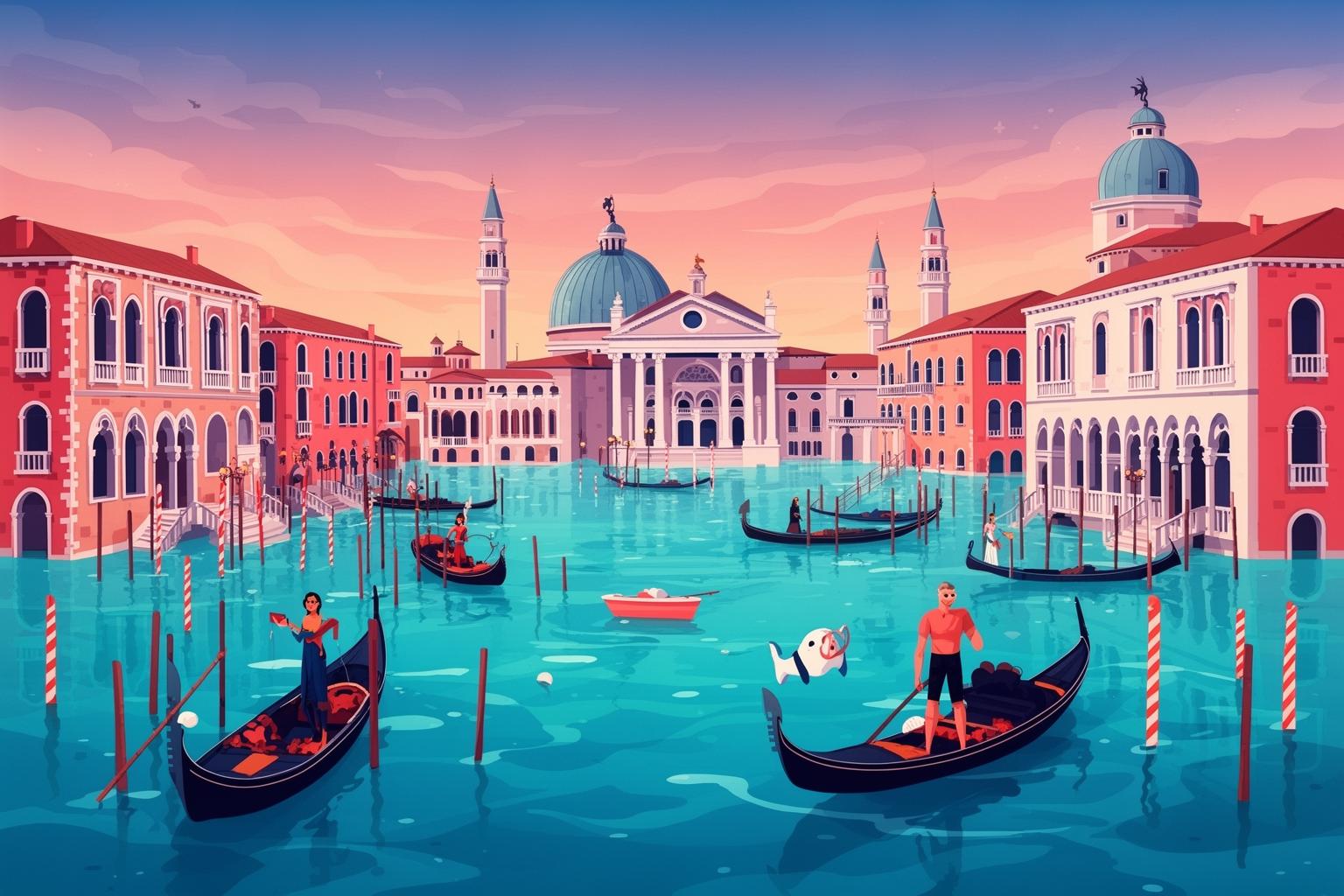
One of the most enchanting and iconic aspects of Aria the Animation is the phenomenon of Acqua Alta, when the city of Neo-Venezia floods and the characters navigate a submerged environment. This is not a work of science fiction; it is a very real occurrence in Venice. Acqua Alta, or ‘high water,’ happens when a combination of high tides and strong winds causes the lagoon’s water level to rise, flooding the lower areas of the city. While it can be inconvenient for residents, for visitors, it’s an absolutely surreal and beautiful sight. The best time to witness this is typically in the late autumn and winter months. When Acqua Alta strikes, Piazza San Marco turns into a vast, shallow lake. The golden mosaics of the basilica are perfectly reflected in the water at its base, creating a stunning mirror image. The city sets up raised wooden walkways, called passerelle, to help people get around, but many locals simply wear rubber boots and wade through. The image of people sipping their morning espresso at a café while standing in a few inches of water showcases Venetian resilience. For an Aria fan, experiencing this in person feels like stepping into one of the series’ most memorable episodes. It’s a moment when the line between reality and anime completely blurs, and you find yourself in the midst of a waking dream — a city transformed by water into something even more ethereal and magical.
Savoring the Moment: The Culinary Delights of Venice
The philosophy of Aria centers on slowing down and savoring the simple pleasures of life, and there is no better way to experience that in Italy than through its cuisine. Venice’s culinary scene is distinctive, shaped by its history as a key port and its ties to the sea. Discovering the local flavors is another way to immerse yourself in the everyday life of Neo-Venezia, where meals and tea times are cherished rituals of friendship and relaxation.
Cicchetti and Wine: The Venetian Aperitivo Tradition
Skip formal dinners; the most authentic way to dine in Venice is by visiting a bacaro. These small, often standing-room-only bars serve cicchetti—bite-sized, tapas-like snacks—and local wine called ombre. This Venetian version of happy hour is a beloved social custom. The cicchetti are varied and delicious, from crostini topped with creamed codfish (baccalà mantecato) to fried meatballs and fresh seafood. You can move from one bacaro to another, sampling a few dishes at each. It’s a delightfully social and affordable way to enjoy food. You can easily picture Akari and her friends, after a long day of practice, gathering at a cozy bacaro, sharing stories and laughter over tasty snacks. It perfectly embodies the sense of community and simple, shared happiness that defines the series.
Lagoon Seafood and Sweet Delights
Given its location, it’s no wonder Venetian cuisine is seafood-focused. Be sure to try dishes like spaghetti al nero di seppia (spaghetti with squid ink sauce) or fritto misto (mixed fried seafood). The quality of the ingredients speaks for itself. And naturally, no visit to Italy is complete without indulging in its desserts. A scoop of artisanal gelato on a warm afternoon is pure bliss. Visit a local gelateria to try unique flavors, or enjoy a slice of tiramisu, a dessert believed to originate in the Veneto region. These sweet treats are perfect moments of pause in a day of exploration, small rewards encouraging you to savor the present, just as the characters in Aria always do.
Islands of Glass and Color: A Journey to Distant Shores
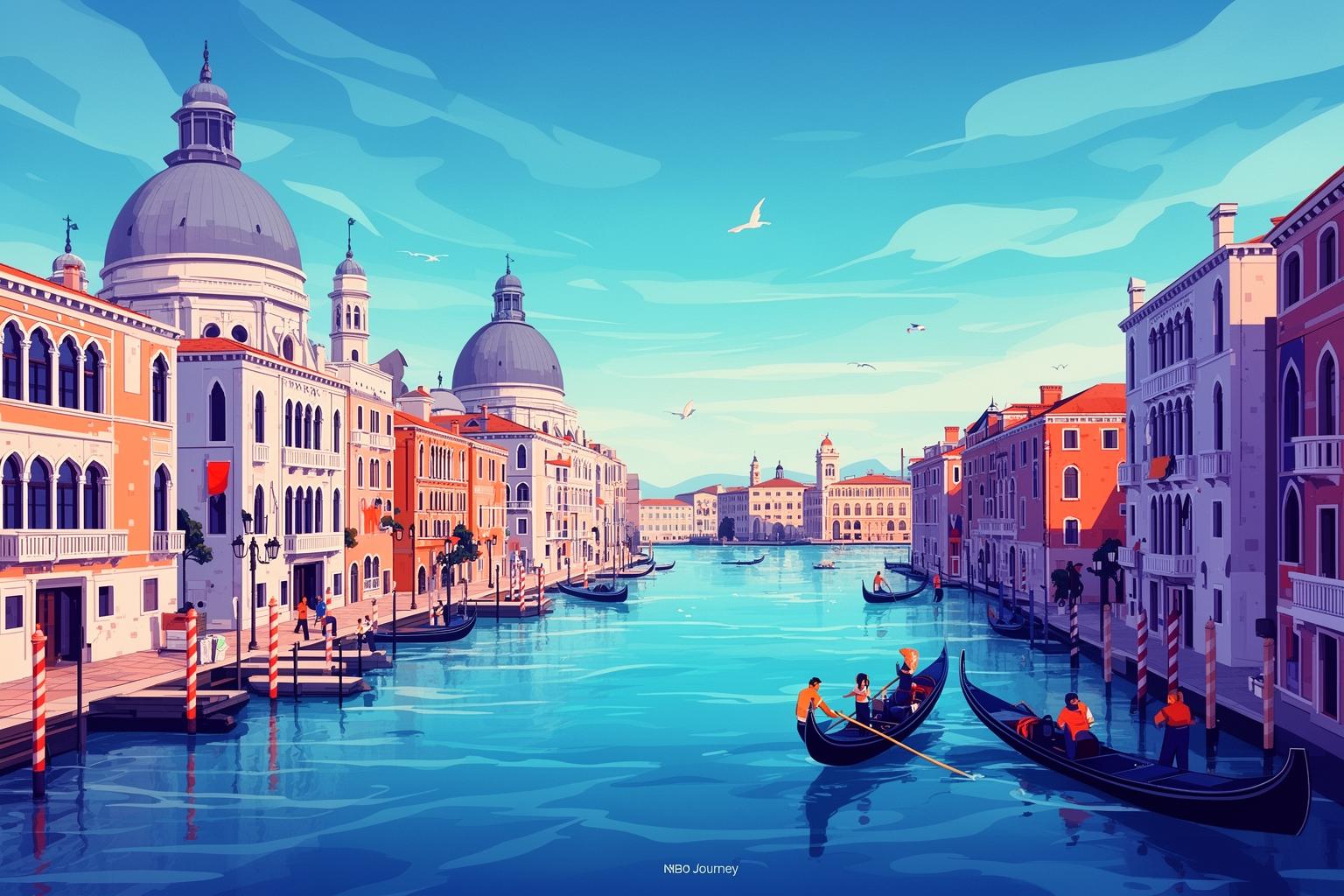
While the main island of Venice serves as the primary setting, the adventurous spirit of Aria often leads the characters to explore other islands in the lagoon. A short ride on the vaporetto can carry you to worlds that feel entirely distinct from Venice itself, presenting new palettes of color and experience. A day trip to the nearby islands of Murano and Burano offers a wonderful way to enrich your pilgrimage.
Murano: The Island of Crystal Dreams
Murano is renowned worldwide for its glass-making tradition, an art practiced here for over 700 years. You can visit a glass factory to witness a live demonstration, where master artisans shape molten glass into intricate vases, sculptures, and chandeliers with astonishing skill and speed. The dedication and craftsmanship of the glassblowers echo the Prima Undines in Aria. Both are masters of a time-honored craft, requiring years of practice to achieve effortless grace. Strolling through showrooms filled with dazzling glass pieces feels like wandering through a crystal forest. The way light dances through the colored glass is magical, perfectly complementing the beauty of Neo-Venezia.
Burano: A Rainbow Palette on the Water
A little further into the lagoon lies Burano, an island that appears to have been painted by a joyful artist. Each house on the island boasts a different vibrant color—bright pink, deep blue, sunny yellow, vivid green. Legend says these bright colors helped fishermen find their way home through the thick lagoon fog. The result is a photographer’s paradise and an incredibly cheerful place to explore. The canals reflect the kaleidoscope of hues, creating a scene filled with pure joy. Burano is also famous for its delicate lacework, another testament to the island’s fine craftsmanship. The vibrant, optimistic spirit of Burano perfectly matches the cheerful tone of Aria. It’s a place sure to bring a smile, a real-life expression of the simple, colorful happiness Akari experiences in her daily life.
Your Own Venetian Pilgrimage: Practical Tips for Travelers
Setting out on a journey to discover Neo-Venezia is an unforgettable adventure. With a bit of practical preparation, you can ensure your trip is as smooth and enchanting as possible.
When to Pursue the Dream
Venice is stunning throughout the year, but each season offers a unique experience. Spring (April-May) and autumn (September-October) are widely considered the best times to visit. The weather is mild, and the crowds are less intense than in summer. Spring brings blooming flowers in hidden gardens, while autumn creates a romantic, sometimes misty ambiance. Summer (June-August) is lively and sunny but often hot and overcrowded. Winter (November-February) is the quietest season. Though it can be cold and damp, you’ll have the city mostly to yourself, and it’s the ideal time to witness the magical Acqua Alta. Pick the season that best suits the gentle adventure you seek.
Navigating the Waterways
While walking remains the best way to explore, water transport is necessary for longer trips or visiting other islands. The main public transit option is the vaporetto, the city’s water bus. It offers an efficient and scenic way to travel, especially along the Grand Canal. Consider purchasing a multi-day pass for added convenience. For a quick, inexpensive gondola-like ride, seek out a traghetto. These simple gondolas ferry passengers across the Grand Canal at multiple points between main bridges. Though brief, this ride provides a taste of the gondola experience for just a few euros.
The Art of Wandering
This advice cannot be emphasized enough: the most important tip for an Aria pilgrim is to embrace getting lost. Venice’s street patterns are famously confusing, and even the best maps can mislead. Don’t resist it—see it as an opportunity. A wrong turn simply creates a new chapter in your story. Some of your most cherished memories will come from these spontaneous detours. Trust in serendipity. Let the city lead you. Follow an alley that piques your curiosity. Cross a bridge just to discover what lies beyond. This embodies the true spirit of Akari Mizunashi, unlocking Venice’s deepest magic.
The Enduring Melody of Neo-Venezia
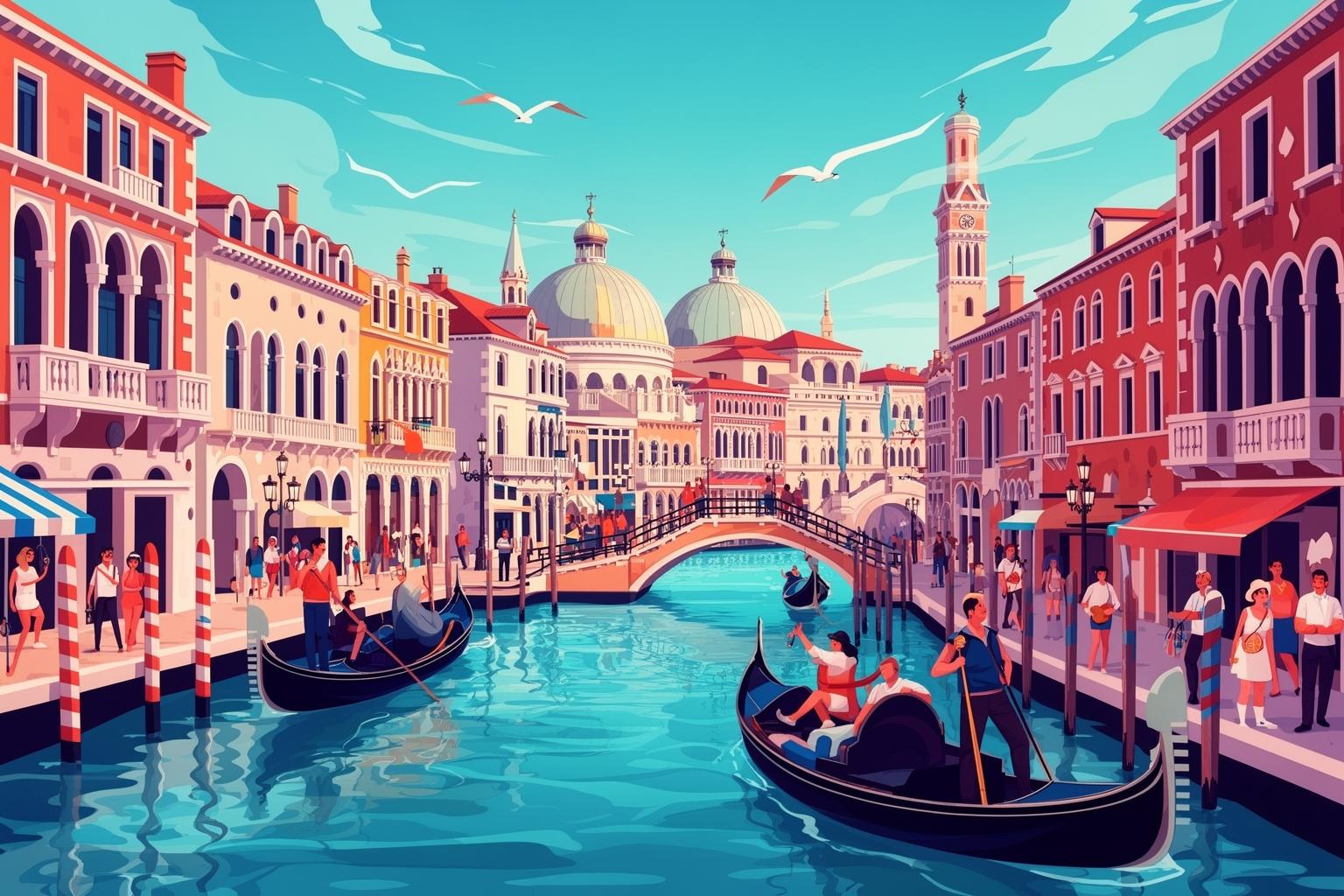
Leaving Venice feels like awakening from a beautiful dream. The sights, sounds, and emotions of the city remain with you long after you have gone. For those touched by the gentle world of Aria the Animation, a visit here is more than just a vacation; it is a deeply moving and profound experience. You arrive seeking anime locations, but you depart having discovered something far more meaningful. You uncover the real-life source of its warmth, beauty, and quiet wisdom. Venice imparts the same lessons as the series: to slow down, observe more closely, and find the extraordinary within the ordinary. The melody of Neo-Venezia is found not only in its futuristic backdrop but in the timeless sound of water gently lapping against stone, the toll of a distant bell tower, and the shared laughter in a sunlit piazza. This melody is one Venice has played for centuries, and if you listen carefully, you too can hear it and carry it with you wherever you go.