
The world of anime often crafts universes so vibrant, so emotionally resonant, that they feel as real as the streets we walk every day. For fans of Kyoto Animation’s masterpiece, Hibike! Euphonium, this feeling is more than just an illusion. The series, which masterfully portrays the trials, triumphs, and intricate relationships within a high school concert band, is deeply rooted in a tangible place: the city of Uji in Kyoto Prefecture. The special continuation, the Ensemble Contest arc, brings this connection into even sharper focus, painting a new chapter of musical ambition against the familiar, beloved backdrop of Uji’s serene landscapes. This is not just a story set in Japan; it’s a story born from the very air, the light, and the quiet dignity of a specific town. Embarking on a pilgrimage here, or a seichi junrei, is to step through the screen and walk alongside Kumiko, Reina, and the entire Kitauji High School Concert Band. It’s a journey to the heart of the music, a chance to stand in the exact spots where fleeting moments of doubt gave way to soaring crescendos of determination, where quiet conversations on a riverbank solidified unbreakable bonds, and where the fierce, beautiful sound of youth echoed against the walls of a real concert hall. This guide is your ticket to that world, an invitation to trace the melodies of the Ensemble Contest through the charming streets and hallowed halls of Uji.
If you’re inspired to explore more anime locations, consider a pilgrimage to the coastal heart of ‘Ride Your Wave’.
The Heartbeat of the Melody: Uji, the Soul of Kitauji High School
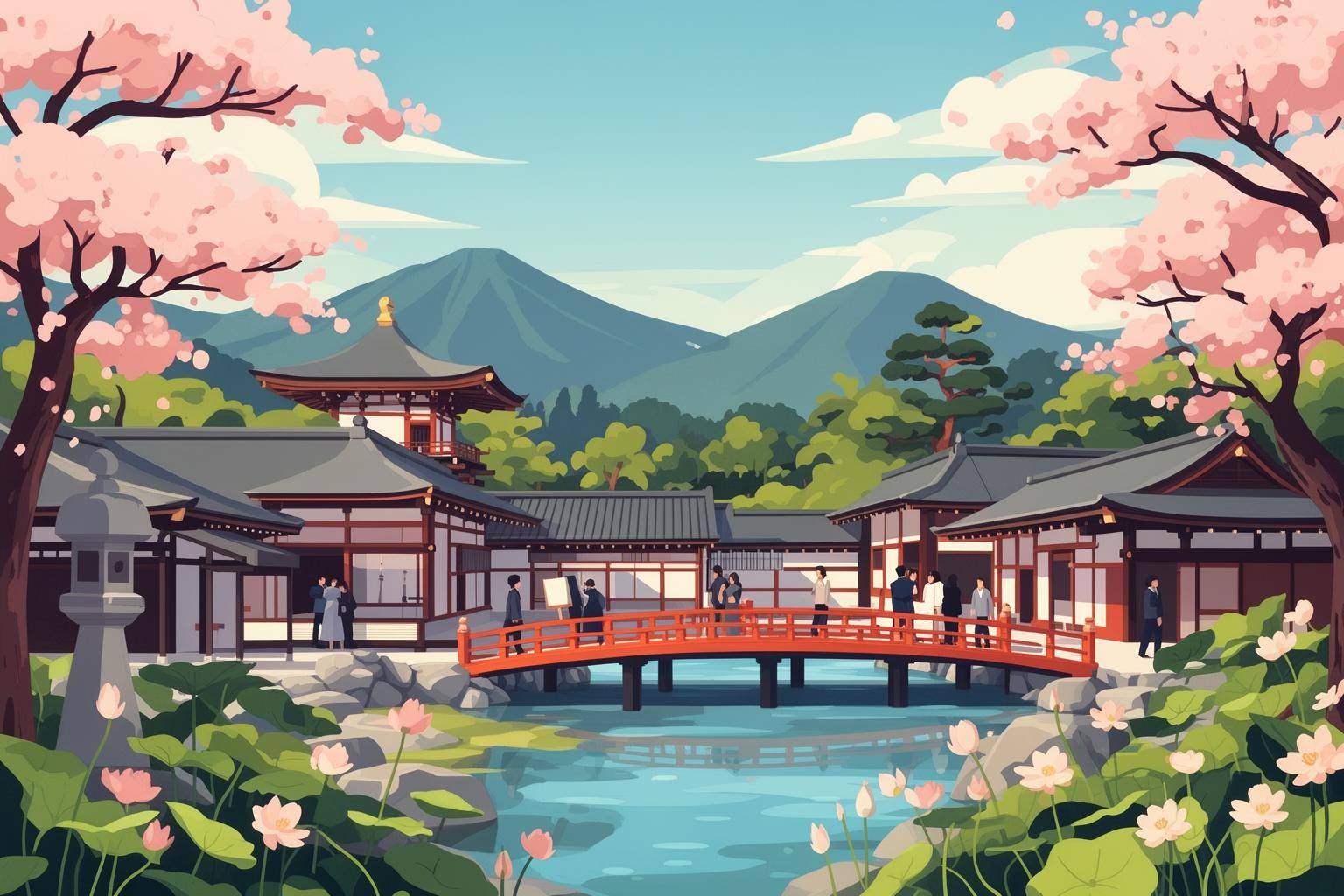
Before exploring the specific locations featured in the Ensemble Contest arc, it’s important to grasp the setting where the story unfolds. Uji is more than just a backdrop; it acts as a character itself, its essence woven into every frame of the anime. Situated just south of the central Kyoto city area, Uji offers a quieter, more contemplative side of the ancient capital. The city is shaped by the gentle flow of the Uji River, which divides the town and has inspired art and literature for over a millennium. The atmosphere here moves to a different rhythm, infused with the rich, earthy scent of roasting green tea from the historic shops along its streets. As the birthplace of Japanese matcha, Uji carries a heritage of precision, patience, and the pursuit of perfection—qualities that reflect the discipline required by the Kitauji concert band members. This spirit of quiet dedication permeates the city. You sense it walking along the stone paths toward the stunning Byodoin Temple, a UNESCO World Heritage site of breathtaking beauty, or crossing the iconic Uji Bridge, its vermilion rails strikingly contrasting with the river’s green waters. This fusion of deep history and serene everyday life creates the ideal emotional backdrop for Hibike! Euphonium. The series portrays lofty ambitions within the framework of ordinary high school life, and Uji captures this balance perfectly. It is a city rich with world-renowned treasures where life continues at a gentle, local pace. Kyoto Animation, the cherished studio behind the series, is based in this region, and their intimate familiarity with Uji’s streets, light, and atmosphere allows them to depict the setting with remarkable affection and authenticity. Every convenience store, vending machine, and bench by the river feels tangible because, to the creators, it truly is. Walking through Uji, you soon realize that Kitauji High’s world is not a fantasy; it is a carefully studied, beautifully crafted portrait of home.
The Stage of Dreams: Uji City Cultural Center
At the core of the Ensemble Contest arc lies the climactic competition itself, a forge where months of practice are condensed into a few brief, flawless minutes of performance. The grand setting for this dramatic event is the Uji City Cultural Center, a real and notable civic building that the anime reproduces with stunning accuracy. For any follower tracing the footsteps of the Kitauji musicians, this location holds immense significance—a place imbued with fictional echoes of anxiety, concentration, and artistic victory.
The Venue of Intense Competition
Upon approaching the Uji City Cultural Center, the striking modernist architecture immediately catches your eye. The building’s clean lines, expansive glass fronts, and the wide plaza before it are instantly identifiable. In the anime, this is where the various school buses arrive, releasing students in tidy uniforms clutching their cherished instrument cases. You can almost sense the nervous energy: a mix of excitement and apprehension hanging in the air as teams gather, assess their rivals, and take a final steadying breath before entering. The broad, sweeping concrete canopy over the main entrance stands as a key visual element, silently witnessing the characters’ arrivals and departures. Inside the lobby, the feeling of déjà vu is overwhelming. The anime perfectly captures the spacious, open area—the cool tiled floors, lofty ceilings, and precise arrangement of staircases and reception desks. This is the place where characters share hushed last-minute talks, where Hazuki offers support, and where the weight of competition truly begins to descend. It’s a fleeting space, a crossroads of hopes and fears among all the schools gathered to contend.
The true sanctuary, however, is the main concert hall. While public access to the hall and backstage depends on the center’s event calendar, simply viewing it from the lobby doors is a moving experience. The anime meticulously recreated the warm wood paneling, the tiered seats rising into shadow, and the grand proscenium arch framing the stage. This is the space that Team Monaka’s members, the B-team quartet led by Natsuki Nakagawa, and Kumiko’s formidable ensemble all faced. Standing there, you can imagine the tense, focused silence before the first note sounds, the sensation of countless eyes fixed upon you, and the remarkable acoustics carrying every sound to the farthest corner. The backstage areas, glimpsed in the anime, form a maze of hallways and waiting rooms—spaces filled with quiet rituals of tuning, warming up, and calming jittery nerves. The story grants us access to these private moments—the exchanged glances, the tightening of a bow, the final words from a student conductor—and knowing these scenes are modeled on the building’s real hidden spaces makes the experience all the more poignant.
A Pilgrim’s Practical Guide
Getting to the Uji City Cultural Center is a straightforward trip. From Keihan Uji Station, it’s a pleasant and scenic 15-20 minute walk, leading away from the main tourist area into a quieter, more residential part of the city. Alternatively, local buses from both JR Uji and Keihan Uji stations stop nearby, which can be a convenient choice on hot or rainy days. Before your visit, be sure to check the center’s official website for the event schedule. As an active venue for concerts, plays, and community activities, accessibility can vary widely. The lobby is generally open to the public during business hours, but the main hall and backstage are off-limits unless you attend a scheduled performance. Planning your visit around a public concert can be an excellent way to experience the hall’s acoustics firsthand, adding another dimension to your pilgrimage. For photography, the exterior plaza offers the best vantage points to capture the building’s iconic façade. Remember that this is a civic space; please be respectful of staff and fellow visitors. The goal is to feel the atmosphere the Kitauji members experienced, to stand where they stood, and to appreciate the real-world foundation of their fictional stage of dreams.
Echoes of Practice and Friendship: The Familiar Streets of Uji

The grand performance at the cultural center marks the story’s climax, yet the true heart of Hibike! Euphonium lies in the subtle, everyday moments leading up to it. The daily commutes, after-school detours, and quiet places where characters reveal their deepest fears and highest ambitions—these scenes forge our bond with them. Uji’s streets and landmarks quietly witness these moments, and visiting them feels like flipping through a treasured photo album.
The Path to Victory: Uji Bridge and the Uji River
Few locations are as integral to the series’ visual and emotional identity as the Uji Bridge. Built in the 7th century, it stands as one of Japan’s oldest bridges, its elegant structure with distinctive wooden balustrades painted in bright vermilion leaving a lasting impression. In the anime, this bridge is ever-present, serving as a link between home, school, and the wider world. Characters cross it daily, its length providing a natural stage for their walking conversations. We see them bathed in the bright morning sun, hurrying to school, and again in the soft evening light, returning home tired from practice. The changing seasons are reflected in the scenes from the bridge—the spring cherry blossoms, summer’s lush greenery, and the crisp air of autumn. It stands as a symbol of transition, representing both literal and metaphorical crossings.
Equally significant are the banks of the Uji River beneath the bridge. The riverside promenade offers a peaceful refuge. It is here that Kumiko and Reina share some of their most memorable and transformative talks, often framed against the flowing water. The stone steps leading down to the river’s edge hold special meaning for fans. Sitting on these steps, one can feel the gentle breeze, hear the soothing current, and gaze across at the traditional wooden buildings lining the opposite bank. It’s a place for reflection, a break from the pressures of band practice. In the Ensemble Contest arc, these familiar riverside spots anchor characters (and viewers) to the roots of their friendships, even as they face new trials. When visiting, take your time—a leisurely walk along the river is more than just spotting anime locations; it’s about absorbing the tranquil atmosphere that allows such heartfelt moments to unfold. Early mornings are especially enchanting, with mist rising from the water and the town gradually awakening. By evening, the lights from riverside inns cast a warm, welcoming glow, creating scenes straight from the anime’s most beautiful moments.
Keihan Uji Station: The Gateway to Daily Life
While JR Uji Station reflects a more traditional style, Keihan Uji Station is a striking example of modern architecture, designed by famed architect Akira Watanabe. Its sweeping curved roof and minimalist interior design are immediately recognizable to fans of the series. This station serves many characters’ daily commutes, symbolizing the start and end of their long days. The ticket gates, sleek platforms, and distinctive circular window in the main hall have all been accurately depicted. Standing inside, it’s easy to imagine Kumiko fumbling for her train pass or meeting friends before heading to practice. The station embodies the ordinary routine of high school life that grounds the characters’ extraordinary musical passion. It is the gateway between their everyday realities and the intense world of the concert band. For visitors, the Keihan line offers an excellent way to travel between Uji and key Kyoto locations such as Gion and Fushimi Inari, making it both a practical and visually appealing part of the journey.
A Sweet Respite: Nakaji Bakery
One of the most delightful aspects of an anime pilgrimage is engaging with the setting in a tangible and often delicious way. In Uji, that experience awaits at a small, unpretentious local shop: Nakaji Bakery. Known in the anime as the spot where characters often pick up snacks, it is a beloved real-life bakery. A particular long, savory bread roll called the “Frank deppa” features prominently in the anime and has become an iconic treat among fans. Discovering the actual bakery, tucked within the Agata shopping arcade, feels like uncovering a special secret. The shop’s modest exterior, with its simple sign, matches the anime perfectly. Inside, the aroma of freshly baked bread is irresistible. Make sure to seek out the real-life version of the famous bread roll. Buying one and enjoying it while strolling through Uji’s familiar streets is a small but joyful gesture that links you directly to the characters’ everyday lives. These small details help make the world of Hibike! Euphonium feel so vividly lived-in and authentic. Keep in mind that this is a small, family-run business; be courteous and avoid crowding the shop, especially during busy periods. Supporting a local establishment immortalized in the anime is among the most rewarding parts of a pilgrimage.
The School of Sound: Tracing the Steps of Kitauji High
While the city sets the broader stage, the true heart of the band’s world is, naturally, their school. Kitauji High School is fictional, yet, like everything else in the series, it draws inspiration from a real place. Here, the story’s most intense emotions come alive—the grueling practices, the personal dramas, and the shared pursuit of a single goal: to create the perfect sound.
The Real-Life Model: Kyoto Prefectural Todou High School
The primary inspiration for Kitauji High’s exterior is Kyoto Prefectural Todou High School. Situated on a hill overlooking the town, its location plays a significant role in the anime. The steep, winding road leading up to the school is iconic in its own right. This is the path students trudge each morning and evening—a daily climb that serves as a metaphor for their musical journey. Numerous scenes unfold on this hill: groups of characters walking together, sharing secrets, or rushing to practice. The school’s main gate, building shapes, and general layout will feel strikingly familiar. However, it is crucial to understand and respect that Todou High is an active educational facility. Under no circumstances should visitors enter the grounds—trespassing is illegal and disrespectful to the students and staff, whose lives and education are not a tourist attraction. The pilgrimage here is one of respectful observation from public roads outside, where you can get a clear view of the gate and school buildings. It’s best to visit outside school hours, such as weekends or late afternoons, to minimize disruption. Do not photograph students or faculty. The intent is not intrusion but to appreciate the real-world inspiration respectfully, imagining the hill they climb and the band’s sounds practicing within.
Agata Shrine and the Mountain Overlook
If there is a single location that captures the emotional core and breathtaking beauty of Hibike! Euphonium, it is the observation platform atop Daikichiyama, a small mountain behind Agata Shrine. Though it is most famously featured in the first season, its presence resonates throughout the series as a symbol of aspiration and deep personal connection. The journey begins at Agata Shrine, a quiet, serene local shrine worth visiting itself. From there, a well-maintained trail leads up into the wooded mountain. The hike is gentle and takes about 15-20 minutes at a relaxed pace. As you climb, the town’s sounds fade away, replaced by rustling leaves and bird calls—you enter a different, almost sacred world.
The destination is a simple wooden platform offering a stunning panoramic view of Uji. The entire city sprawls before you: the Uji River winding through its center, bridges connecting its halves, and a grid of streets and houses stretching toward distant mountains. This setting frames the unforgettable scene from season one, where Kumiko and Reina make a spontaneous nighttime hike to play a duet. Their euphonium and trumpet melody, a heartfelt rendition of “Ai o Mitsuketa Basho” (The Place Where I Found Love), echoes over the sparkling city lights below. It’s a moment of raw ambition, deep vulnerability, and the forging of a near-mystical bond between two musicians. Visiting this spot, you can sense the magic. While a nighttime visit might tempt fans wanting to replicate the scene, it’s safer to come in the late afternoon—arriving about an hour before sunset lets you watch daylight fade and city lights flicker on one by one. The view is breathtaking, a place to reflect on your own ambitions, to feel the weight of the characters’ promises, and to understand why this view from this mountain became the series’ spiritual heart. Be sure to bring a small flashlight for your descent if you stay past dusk. This is more than just a location; it’s an emotional destination.
Beyond the Screen: Immersing Yourself in Uji’s Culture

A truly rewarding pilgrimage goes beyond merely ticking off locations on a list. It entails immersing yourself in the local culture that shapes the world of the story. In Uji, this means exploring its rich history and world-renowned tea culture, elements that offer a deeper understanding of the discipline and aesthetic elegance celebrated in Hibike! Euphonium.
The Taste of Uji: A Matcha Pilgrimage
Uji is synonymous with matcha, the finely ground powder made from specially cultivated and processed green tea leaves. Achieving the perfect matcha demands great skill, patience, and meticulous attention—qualities that Kitauji’s musicians also pursue in their art. Incorporating Uji’s tea culture into your pilgrimage adds a delightful sensory layer to the journey. The main street leading to Byodoin Temple is lined with historic tea shops, many operating for centuries. Establishments like Nakamura Tokichi and Itohkyuemon are more than just shops; they are institutions featuring teahouses where you can savor matcha in diverse forms. You might enjoy a bowl of traditionally prepared thick or thin tea, its complex, umami-rich taste a true revelation. For a modern twist, indulge in a matcha parfait, a towering dessert of matcha ice cream, jelly, mochi, and red bean paste. Even savory dishes reflect tea’s influence, with many restaurants serving cha soba, buckwheat noodles infused with green tea. Pausing in one of these elegant teahouses, relishing the refined flavors while observing the world outside, offers a tranquil moment deeply connected to the sophisticated Japanese aesthetic that Kyoto Animation portrays so beautifully.
A Walk Through History: Byodoin Temple and Ujigami Shrine
Although not central to the Ensemble Contest plot, Uji’s most historic landmarks are an essential part of the city’s character and frequently appear as background scenery in the anime, grounding the story in its setting. Byodoin Temple, with its stunning Phoenix Hall, ranks among Japan’s most exquisite temples. Its image is so iconic that it appears on the 10-yen coin. Strolling through its grounds, surrounded by a pure-land style garden and ancient, graceful architecture, is a profoundly moving experience. It reflects a legacy of artistry and devotion spanning a thousand years. Nearby, the Ujigami Shrine offers a quieter yet equally impactful site. Regarded as Japan’s oldest surviving shrine, its rustic, simple wooden structures exude a powerful, timeless presence. Visiting these sites helps one appreciate the deep cultural roots from which a story like Hibike! Euphonium arises. Themes of legacy, the transmission of traditions across generations, and the pursuit of enduring beauty are all echoed in these remarkable historical treasures. They embody the silent, dignified spirit of Uji.
A Traveler’s Guide to the Perfect Uji Pilgrimage
With numerous meaningful sites to explore, a bit of planning can help you get the most out of your journey into the world of Kitauji High. Uji is a compact and easily walkable city, making it an excellent choice for a day trip from Kyoto or Osaka, though a more leisurely two-day visit allows for a deeper experience.
Planning Your Itinerary
A practical and efficient route for a one-day pilgrimage might begin at JR Uji Station. From there, head straight to the renowned Uji Bridge. After taking in the views, cross to the eastern bank to visit Byodoin Temple and the surrounding historic district, perhaps stopping for a matcha treat. Following the river northward, you can stroll along the promenade, revisiting key conversational scenes, until you reach the area near Keihan Uji Station. Around here, you can stop by Nakaji Bakery in the nearby shopping arcade. The afternoon can be reserved for spots a bit further afield. A bus ride or a 20-minute walk will take you to the Uji City Cultural Center. Then, you can proceed toward the Todou High School area for a respectful external view before finishing the day with the rewarding climb up Daikichiyama from Agata Shrine, timing your ascent to catch the sunset. This itinerary covers the essential locations while following a natural geographic flow. Always keep a map app handy, and don’t hesitate to wander; some of the most beautiful scenes in the anime unfold in unnamed residential streets you might discover by chance.
Getting Around Uji
One of Uji’s greatest attractions is its walkability. The main pilgrimage sites clustered around the Uji River are all within easy walking distance. The walk from JR Uji Station to Keihan Uji Station, passing the bridge and riverbanks, is a highlight in itself. For destinations like the Cultural Center that are farther away, the local Keihan Bus service is convenient and reliable. You can check routes and schedules online or at the bus stops near the train stations. Renting a bicycle is another excellent option, especially on a nice day. It allows you to cover more ground quickly while enjoying the open air and scenery, especially along the flat, well-maintained riverside paths. Before setting out, stop by the Uji Tourist Information Center just outside JR Uji Station. They often have maps and occasionally special promotional materials or displays related to Hibike! Euphonium, reflecting the city’s proud embrace of its anime heritage.
Etiquette for the Respectful Pilgrim
As you walk in the footsteps of your favorite characters, it’s important to remember that Uji is a living community, not a theme park. The continued goodwill between anime fans and local residents relies on the respectful behavior of every visitor. The golden rules are simple yet essential. Never trespass on private property, especially at Todou High School. Do not photograph students, residents, or their homes without explicit permission. Keep your voice low, particularly in quiet residential neighborhoods and around shrines and temples. When visiting local shops and restaurants, be a courteous customer. Supporting these businesses by making a purchase is a wonderful way to give back to the community that provides the beautiful setting for the series. By being a thoughtful and considerate visitor, you not only ensure a positive experience for yourself but also help preserve the welcoming atmosphere that makes anime pilgrimages in Uji so special for years to come.
The Lingering Resonance

Leaving Uji, you take with you more than just photographs and souvenirs. You carry the essence of the city’s unique rhythm—the gentle current of the river, the quiet reverence of its ancient temples, and the faint, imagined echo of a concert band rehearsing in the distance. A pilgrimage to the world of Hibike! Euphonium is a journey that bridges fiction and reality, allowing you to feel the story’s emotions with renewed depth. Standing on the stage of the Uji City Cultural Center means sensing the weight of every musician’s ambition. Sitting by the Uji River means feeling the strength of Kumiko and Reina’s bond. And looking out from the summit of Daikichiyama means sharing in their soaring, unspoken dreams. The music of the Ensemble Contest may have been composed for a story, but its sound is intricately woven into the fabric of this beautiful city. If you listen closely, as the wind rustles through the trees along the riverbank, you might just catch its lingering, harmonious notes.