There’s a certain kind of quiet that settles deep in your bones, a stillness that isn’t empty but full of stories waiting to be noticed. It’s the feeling of a lazy afternoon in a sun-drenched classroom, the gentle hum of a world turning just outside the window, and the electric spark of a question that just won’t let you go. This is the soul of Hyouka, an anime that found its magic not in grand battles or epic fantasies, but in the small, everyday mysteries that color our lives. The series, celebrated for its thoughtful characters and stunningly detailed animation by Kyoto Animation, follows the Classic Literature Club as they unravel local legends and forgotten histories. At the heart of it all is Houtarou Oreki, a master of “energy conservation,” whose gray, minimalist world is irrevocably splashed with color by the insatiably curious Eru Chitanda. Her simple, compelling phrase, “Watashi, kininarimasu!” (“I’m curious!”), is the key that unlocks every story. But what many viewers may not realize is that the beautifully rendered world they inhabit—the fictional city of Kamiyama—is not a fantasy at all. It is a very real, very enchanting place: Takayama City, nestled in the mountainous Hida region of Gifu Prefecture. This isn’t just a filming location; it’s the living, breathing heart of the series. The cobbled streets, the clear-running canals, the dark-timbered buildings, and the quiet, traditional atmosphere of Takayama are not merely backdrops; they are a character in their own right, shaping the narrative’s nostalgic and introspective tone. To walk through Takayama is to walk alongside Oreki and Chitanda, to feel the chill of the Miyagawa River in the morning, and to chase the whispers of a half-forgotten mystery down a narrow alleyway. This journey isn’t about simply matching scenes from a screen; it’s about stepping into the very essence of Hyouka and discovering that the curiosity it inspires is wonderfully, tangibly real.
This tangible sense of discovery is what makes such anime location pilgrimages so profoundly rewarding.
Stepping into Kamiyama: The Atmosphere of Old Takayama
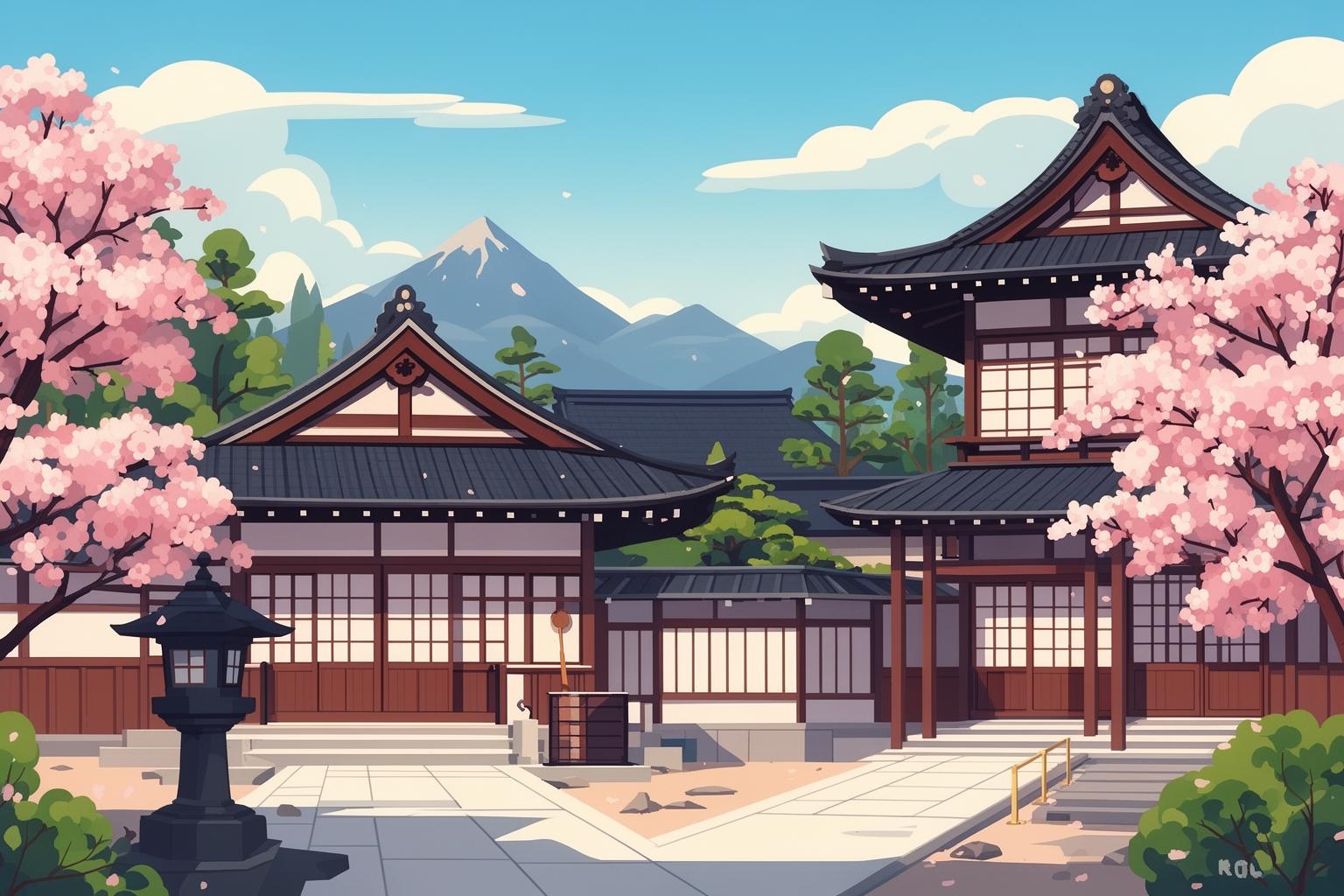
The moment you step off the train at Takayama Station, the air shifts. It becomes crisper, thinner, infused with the faint, clean aroma of cedar from the surrounding Hida Mountains. This marks your first immersion into the world of Kamiyama. Unlike the frantic energy of Tokyo or Osaka, the city gently encourages you to slow down and adopt its unhurried rhythm. The true heart of this experience, and the most iconic landscape from Hyouka, is the Sanmachi Suji district. Takayama’s immaculately preserved old town consists of three narrow streets lined with Edo-period merchant houses. Their dark, latticed wooden facades and low-hanging eaves create a rhythmic, repeating pattern that feels both ancient and intimately familiar to fans of the anime.
Walking here is like stepping onto a meticulously crafted film set—except everything is real. The water flowing through the narrow canals beside the streets isn’t a sound effect; it’s the city’s lifeblood, softly gurgling as it has for centuries. These canals, often seen in the background as the Classic Literature Club members stroll and converse, are home to enormous, leisurely carp drifting in the clear, cold water. You’ll find yourself pausing, just as the characters do, to watch them glide by. Time-worn dark wood of the buildings absorbs the sunlight, casting deep shadows that contrast with the bright sky above. It’s within these streets that you fully appreciate Kyoto Animation’s aesthetic choice. Known for photorealistic backgrounds, the studio in Takayama was simply capturing an existing, inherent beauty. Every detail—from paper lanterns hanging outside a sake brewery to the intricate carvings on shop signs—feels lifted directly from a key frame of the show. The atmosphere evokes profound nostalgia, even if you’ve never visited before. It’s the sensation of a place holding onto its stories, where the past isn’t just memory but a tangible presence in the creak of a floorboard and the scent of roasting mochi.
The Classic Literature Club’s Most Iconic Haunts
While the general atmosphere of Takayama captures the essence of Kamiyama, the pilgrimage truly comes alive when you start seeking out the specific locations that formed the backdrop to the club’s many mysteries. These sites aren’t just landmarks to check off a list; they are places infused with the narrative energy of the series, where you can stand and recall exact moments of dialogue, subtle changes in character expression, and the spark of realization in Oreki’s eyes.
Miyagawa Morning Market & Yayoi Bridge: A Daily Ritual
One of the most frequent and visually calming settings in Hyouka is the path along the Miyagawa River. Here lies the Miyagawa Morning Market, a lively stretch of white tents and local vendors that sets up daily. In the anime, this area is often bathed in the soft light of early morning or late afternoon, a perfect place for reflective walks and important conversations. Standing by the riverbank, you can see the very same view: the clear, shallow river flowing over smooth stones, traditional buildings lining the opposite side, and lush greenery framing it all. The market itself is a sensory delight. The air buzzes with vendor calls selling everything from fresh, glossy vegetables and bright red apples to local crafts and steaming snacks. It’s easy to imagine Chitanda’s eyes widening with curiosity at every stall, captivated by a unique pickle or a handcrafted doll.
At the heart of this area stands the Yayoi Bridge, a simple yet instantly recognizable green bridge the characters cross numerous times. Standing in the middle, you can look down the river and feel the gentle breeze that seems to carry whispers of the town’s secrets. It’s an ideal spot to pause and reflect, adopting Oreki’s observant-yet-detached viewpoint. This bridge isn’t just infrastructure; it’s a narrative device, a point of transition. It’s where Oreki’s energy-conserving lifestyle often gets interrupted by Chitanda’s endless curiosity. Visiting early in the morning, as the market awakens, is a magical experience. The cool, misty air, the sparse crowds, and the town slowly stirring to life create a rhythm that perfectly matches the gentle pacing of the anime. It’s a place that feels both ordinary and extraordinary simultaneously—the very embodiment of an everyday mystery.
Hida High School: The Real Kamiyama High
No pilgrimage to the world of Hyouka is complete without visiting the heart of the Classic Literature Club’s activities: Kamiyama High School. The real-life inspiration for this institution is the distinguished Hida High School, an active and proud school with a long history. Its stately and somewhat imposing architecture is immediately familiar. The long, multi-paned windows, clock tower, and overall campus layout are all faithfully represented in the anime. Standing outside its gates, you can almost hear the school bell ringing and picture Oreki, Chitanda, Satoshi, and Mayaka walking through them.
However, it is crucial for visitors to approach this location with the utmost respect and sensitivity. Hida High School is not a tourist site or film set but a functioning school for hundreds of students. Visitors must never attempt to enter the school grounds or buildings. Taking photos of the school is generally permitted from a respectful distance on public streets, but extreme care must be taken not to include any students, teachers, or staff in the shots. Their privacy is paramount. The best way to appreciate the school is from the outside, valuing its architecture and story role without disrupting its daily life. Think of yourself as a quiet observer, much like Oreki. Your aim is not to intrude but to appreciate the real-world foundation of a beloved story. The experience involves sensing the school’s presence, the weight of its history, and imagining the countless real and fictional stories that have unfolded within its walls.
Honmachi Shopping Street: Everyday Mysteries
Away from the more scenic riverbanks and historic districts, the Honmachi Shopping Street offers insight into the more modern, everyday lives of Kamiyama’s residents. This covered shopping arcade, or shotengai, is a classic feature of many Japanese towns, and Takayama’s version is shown in Hyouka as a place for running errands, grabbing quick meals, and casual encounters. Walking through the arcade, you see a charming blend of old and new. Traditional shops selling handmade senbei crackers and local souvenirs sit next to contemporary drugstores and clothing boutiques. The covered roof creates a unique acoustic environment, blending footsteps, distant announcements, and shopkeepers’ greetings. It’s not as overtly picturesque as the Sanmachi district, but it exudes an authentic, lived-in charm vital to the anime’s world-building. This is where the characters are simply teenagers living their lives. You can easily picture Satoshi and Mayaka having one of their classic bickering matches here, or Oreki reluctantly tagging along on a shopping trip. It’s a reminder that the mysteries in Hyouka aren’t always grand historical puzzles; sometimes they’re as simple as figuring out why a certain shop’s advertisement looks odd—a type of riddle perfectly suited to the unassuming environment of a local shopping street.
Hie Shrine: The Stage of the Iki-bina Festival
Perhaps the most breathtaking and culturally rich location on the entire Hyouka pilgrimage is Hie Shrine. This tranquil, expansive Shinto shrine, nestled within a dense forest, served as the model for the Arekusu Shrine in the anime. It is the setting for the climactic final episode of the main story arc, where the Classic Literature Club participates in the town’s traditional Iki-bina Festival. In the anime, Chitanda takes part in the procession as the Empress, a role of great honor. The real Hie Shrine hosts a nearly identical event.
Visiting the shrine offers a powerful experience. Passing through the large wooden torii gate at the entrance, city sounds fade away, replaced by rustling leaves and birdsong. The path is lined with towering, ancient cedar trees, their trunks thick with moss, creating a canopy that filters sunlight into dappled ground patterns. Moss-covered stone lanterns stand like silent sentinels along the way, enhancing the sense of timeless tranquility. This is a place that feels sacred and deeply connected to nature—a core principle of Shinto belief. The main shrine building is elegant and understated, its wooden structure blending harmoniously with the surrounding forest. You will instantly recognize the distinctive red bridge the festival procession crosses in the anime. Standing on that bridge, overlooking the small creek below, is a truly special moment for any fan. You can almost see the beautifully costumed procession crossing, with Chitanda at its heart—graceful and steeped in tradition.
A Note on the Festival Timing
For those wishing to witness the real Iki-bina Festival, timing is vital. The festival at Hie Shrine is held annually on April 3rd. Experiencing it would be the ultimate pilgrimage, bringing the anime’s most elegant sequence to life. However, this also means the shrine and town will be very crowded, so careful planning is essential. If your visit doesn’t align with the festival, don’t be discouraged. Visiting Hie Shrine on a normal day can be an even more atmospheric experience. Without the crowds, you can fully appreciate the profound peace and spiritual energy of the place. You can explore the grounds at your leisure, discover smaller, hidden sub-shrines, and simply sit in quiet contemplation—feeling the same sense of history and tradition that so deeply captivates Chitanda.
Beyond the Screen: Cafés and Quiet Corners of Curiosity
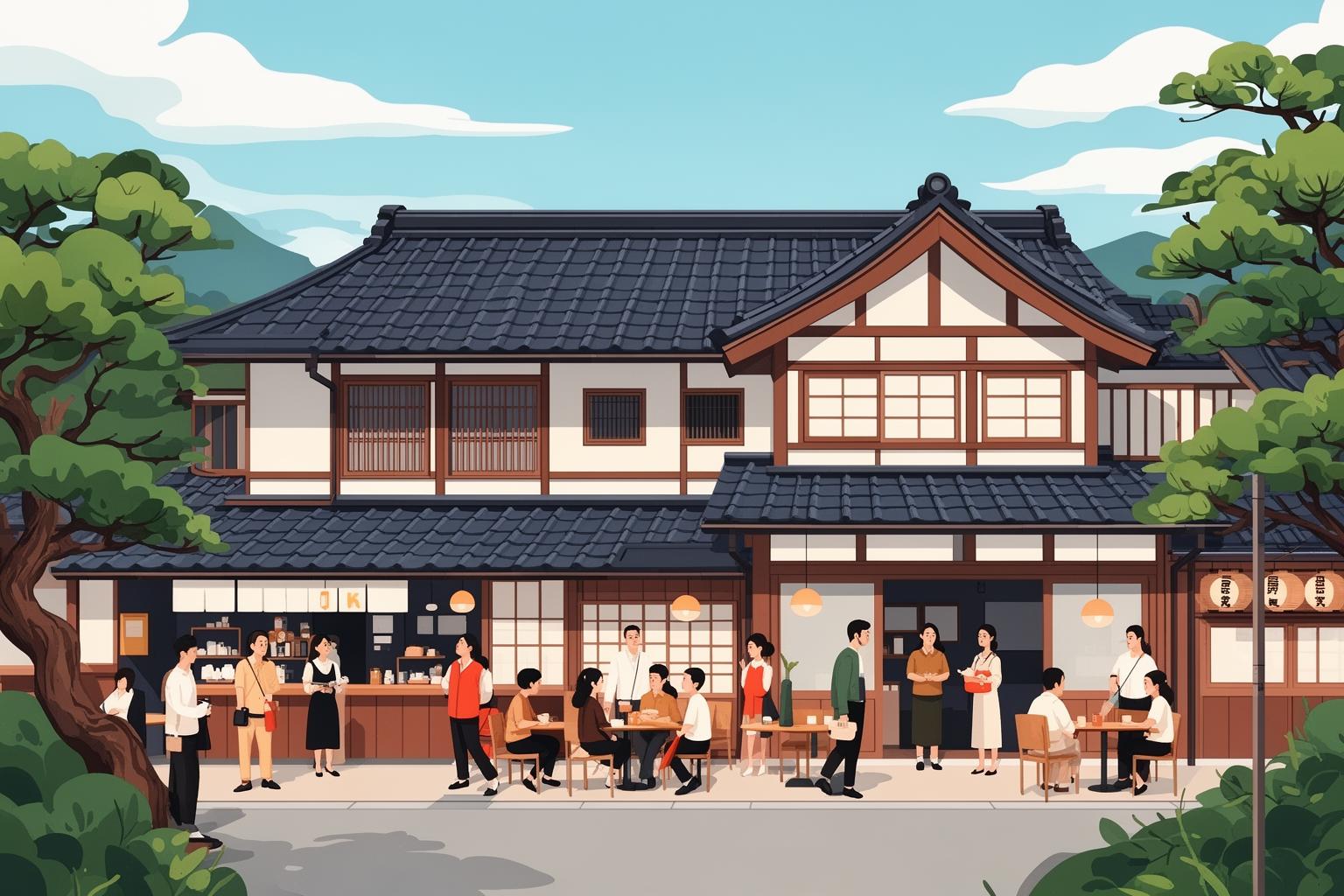
The world of Hyouka is shaped not only by its iconic landmarks but also by the intimate, quiet spaces where the characters converse, reflect, and piece together clues to their latest mysteries. These small corners of Kamiyama are some of the most cherished spots for fans, offering a chance to sit back, unwind, and fully embrace the series’ contemplative atmosphere.
Kissa Bagpipe: The Fictional “Pineapple Sand”
In the series, the Classic Literature Club often meets at a quaint, old-fashioned café called “Pineapple Sand” (sometimes translated as “Ichii”) to discuss their cases. This atmospheric coffee shop, with its dark wood paneling and classical music, is based on a real café in Takayama named Kissa Bagpipe. Stepping inside feels like stepping back in time. The interior is softly lit, creating a warm, cozy ambiance. The decor is charmingly retro, with dark leather seats, ornate light fixtures, and, true to its name, a display of bagpipes and other curiosities. The air is rich with the comforting scent of freshly brewed coffee.
Taking a seat at the polished wooden counter, you can order their specialty, Vienna Coffee (a strong coffee topped with a generous mound of whipped cream), and feel just like a character from the show. This is the ideal spot to adopt Oreki’s mindset: sit back, observe, and let the world unfold around you. Kissa Bagpipe has grown into a beloved destination for Hyouka fans worldwide. Many visitors leave small drawings, notes, or messages in guestbooks provided by the hospitable owners, forming a beautiful collage of shared admiration for the anime. It’s a place where the boundary between fiction and reality feels delightfully blurred. You can easily spend an hour or two here, sipping coffee, maybe reading a book, and soaking in the quiet, intellectual atmosphere of the Classic Literature Club.
The Library: Where Clues Are Found
Research is fundamental to unraveling any good mystery, and the Kamiyama City Library frequently serves as the setting for the club’s intellectual explorations, especially in the arc involving the school film and the mystery of Fuyumi Irisu. The real-life counterpart is the Takayama City Library, locally known as “Kanzan Chikurin.” Unlike the old-world charm of the Sanmachi district, this library showcases modern Japanese architecture, featuring a striking combination of glass, steel, and warm wood, which creates a bright and inviting space. The interior is open and spacious, with high ceilings and large windows that overlook the surrounding greenery.
For series fans, the most familiar aspect is the layout of the stacks and the quiet reading areas where Oreki and his friends pore over old newspapers and archived documents. When visiting, it’s important to remember that this is a working public library. Visitors should be quiet and respectful of those who come here to read, study, and work. Photography is often limited, so it’s best to ask permission or simply absorb the atmosphere with your eyes. The library represents the logical, methodical side of Hyouka’s mysteries. It’s a place of facts, data, and history—the raw elements Oreki’s sharp mind synthesizes into clear solutions. Spending some time here, even just sitting in one of the comfortable chairs and observing, connects you to the intellectual heart of Hyouka.
Embracing the Hyouka Experience: A Traveler’s Guide to Kamiyama
Now that you’re familiar with the key locations, it’s time to focus on the practical aspects of your pilgrimage. Visiting Takayama isn’t just about sightseeing; it’s about immersing yourself in the city’s unique rhythm and embracing the “energy-saving” yet deeply observant philosophy portrayed in the series. Careful planning will help you fully appreciate your journey into the world of Kamiyama.
Getting to and Around Takayama
Takayama’s remote mountain setting adds to its charm but requires some preparation to reach. The most popular and scenic route is the JR Hida Wide View Express train from Nagoya. This trip is an experience in itself, as the train meanders through stunning river valleys and dense forests, offering panoramic views through its large windows—a perfect visual introduction to Takayama’s surrounding natural beauty. Alternatively, highway buses link Takayama with major cities such as Tokyo, Kyoto, and Kanazawa, providing a more budget-friendly choice.
Upon arrival, you’ll find Takayama to be a compact and walkable city. The main pilgrimage sites, including the old town, Miyagawa Market, and Kissa Bagpipe, are all within easy walking distance from each other and the main station. Walking allows you to uncover hidden gems and appreciate the small details that make the city special. For destinations a bit farther out, like Hie Shrine or Hida High School, renting a bicycle is an excellent and highly recommended option. Riding through the streets, enjoying the fresh mountain air, echoes the characters’ own simple and efficient way of navigating their cherished town.
The Rhythm of the Seasons
Takayama, and by extension Kamiyama, is a city that shines in every season, with each one providing a distinct yet equally captivating way to experience the world of Hyouka. Your timing will greatly influence the overall atmosphere of your pilgrimage.
Spring (March-May): This season marks celebration and renewal. The city awakens from winter with cherry blossoms that adorn the riverbanks and shrine grounds in soft pinks and whites. It’s also festival season—April’s Sanno Matsuri is among Japan’s most famous festivals, featuring ornate, centuries-old floats. The lively festivities provide a vivid contrast to the anime’s generally tranquil tone, offering insight into the town’s rich cultural traditions. Additionally, the Iki-bina Festival at Hie Shrine on April 3rd is a notable highlight.
Summer (June-August): Takayama in summer is lush, vibrant, and alive with the cicadas’ iconic song—a classic Japanese summer sound often captured in anime. Warm and occasionally humid days create a relaxed, sun-dappled ambiance, perfect for solving mysteries from a cool shady spot beside the river. The deep greens of the forests are at their peak, and the Miyagawa River’s clear, cool waters are especially inviting.
Autumn (September-November): Arguably the most spectacular season, autumn paints the Hida Mountains in stunning shades of fiery red, brilliant orange, and rich gold. Crisp, cool air makes walking comfortable, and the foliage sets a breathtaking backdrop against the dark wooden buildings of the old town. October’s Autumn Festival, the Hachiman Matsuri, presents another opportunity to marvel at the city’s magnificent floats.
Winter (December-February): Winter transforms Takayama into a serene, monochromatic landscape. Heavy snowfall often covers the traditional roofs of the Sanmachi district, muffles the streets, and creates a quiet, reflective atmosphere. This season perfectly mirrors Oreki’s personality: calm, contemplative, and beautifully minimalist. Witnessing the snow-blanketed Hie Shrine or steamy windows of Kissa Bagpipe offers a uniquely cozy and enchanting view of Hyouka’s world.
A Taste of Hida-Takayama
Your pilgrimage is not only a visual experience but a sensory one. To truly connect with the local culture, be sure to sample the region’s celebrated cuisine. Hida-Takayama is renowned across Japan for its delicious food, providing ideal sustenance for a day of exploration. The star attraction is Hida beef, a premium wagyu brand prized for its exquisite marbling and melt-in-your-mouth tenderness. It’s enjoyed in various forms—from elegant steak dinners to casual street food like Hida beef skewers or steamed buns.
For a simple, classic snack, try the local mitarashi dango. Unlike the sweet versions found elsewhere in Japan, Takayama’s dango are coated in a savory soy sauce and grilled over an open flame, imparting a pleasant smoky aroma. They make a perfect, affordable treat while wandering the old town. Another local specialty is Takayama ramen, featuring thin, curly noodles in a light soy sauce-based broth—a comforting and flavorful meal, especially on colder days. Finally, don’t miss visiting one of the numerous sake breweries in the Sanmachi district. Many offer tastings, allowing you to sample the local rice wine made with the region’s pure mountain water.
The Energy-Saving Way to Solve a Pilgrimage

Traveling all the way to Takayama just to replicate screenshots misses the entire point. The real magic of this pilgrimage is in embracing the show’s philosophy. It’s about slowing down and conserving your energy for what truly matters: observation. Takayama isn’t simply a backdrop; it is the essence of Hyouka’s soul. The nostalgic atmosphere, the respect for tradition, the quiet beauty of the natural surroundings—all these elements shaped the story and its characters.
Approach your journey not as a checklist but as a mystery to explore on your own. Wander without a fixed plan. Venture down a narrow side street out of curiosity. Sit on a bench by the Miyagawa River and simply watch the water flow. Spend a long afternoon at Kissa Bagpipe with only a cup of coffee and your thoughts. This is the energy-saving way of traveling. It’s a style that values depth over breadth, feeling over seeing. By doing so, you’ll discover that Takayama is more than just Kamiyama. It’s a living town with its own stories, secrets, and quiet moments of beauty waiting for an observant eye to uncover. You came seeking the world of Hyouka, but if you look closely enough—with the patient curiosity of Chitanda and the keen perception of Oreki—you will leave having found something even more wonderful: a piece of timeless, enchanting Japan that will stay with you long after you return home.