
There are films that you watch, and then there are films that you feel. Mamoru Hosoda’s 2006 masterpiece, The Girl Who Leapt Through Time, is decidedly the latter. It’s a story that soaks into your memory like the relentless heat of a Japanese August, a tale of fleeting youth, impossible choices, and the precious, unrepeatable moments of a perfect summer afternoon. The story of Makoto Konno, a clumsy, carefree high schooler who suddenly gains the ability to leap through time, is universal. But its setting, the stage for her temporal adventures, is wonderfully, tangibly specific. It’s not a fantastical realm but a very real, very vibrant corner of Tokyo. The film’s backdrop is a character in itself, a sun-drenched landscape of quiet residential streets, rumbling train lines, and lazy riverbanks that feel at once deeply personal and yet archetypally Japanese. This is not the neon-drenched, hyper-modern Tokyo of popular imagination. This is the Tokyo where people live, where cicadas drone on endlessly, and where the most extraordinary things can happen on the most ordinary of days. For fans of the film, a journey to these locations is more than just sightseeing; it’s a pilgrimage. It’s an opportunity to step directly into the frames of the anime, to stand where Makoto stood, to hear the same sounds, and to feel the same poignant, bittersweet magic of a summer that can never be reclaimed, only remembered. The primary locations that inspired the film are nestled within the Nakai and Araiyakushi neighborhoods, spanning the wards of Shinjuku and Nakano. This guide is your key to unlocking that world, to walking those streets and, just for a moment, feeling like you, too, could take a running leap and change your own past. Welcome to the Tokyo of The Girl Who Leapt Through Time.
This pilgrimage to the real-world Tokyo of Makoto’s story is part of a wonderful tradition of visiting the authentic locations that inspired beloved anime.
The Heart of the Leap: Nakai’s Iconic Railroad Crossing
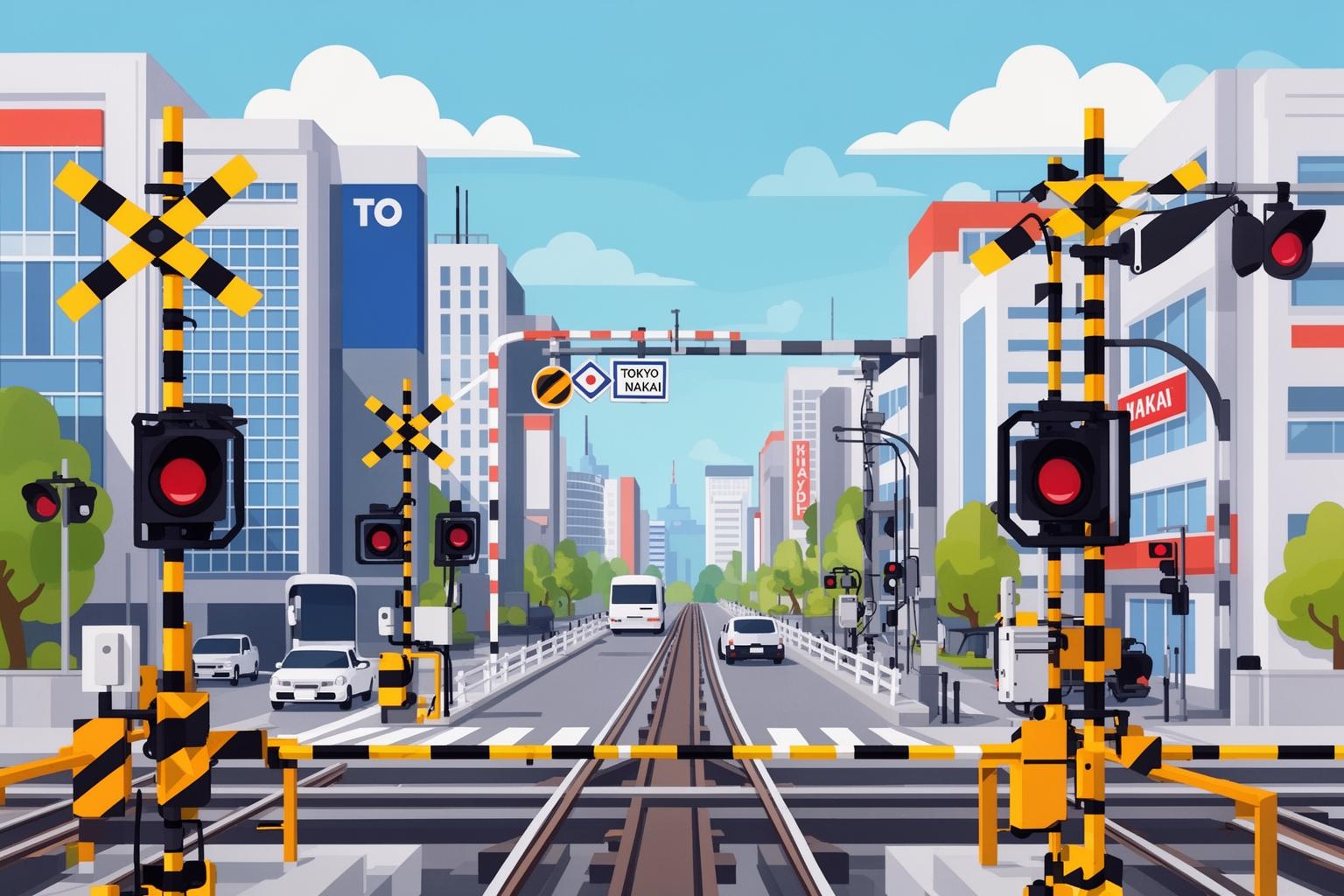
Every pilgrimage has its most sacred site, and for fans of The Girl Who Leapt Through Time, that site is unquestionably the railroad crossing. It stands as the film’s most powerful and recurring image, the intense setting for Makoto’s first terrifying, accidental leap into the past. This is where her life—and the film’s central conflict—begins. Standing at its real-world counterpart evokes a tangible connection to the story. The location that inspired this iconic scene is a steep, sloped road leading down to a fumikiri (railroad crossing) on the Seibu Shinjuku Line, just a short walk from Nakai Station. Discovering it feels like unveiling a hidden secret. You leave the main street and wander into a quiet residential neighborhood, where suddenly the terrain drops sharply. The road ahead descends steeply, directing your gaze toward the yellow and black crossing gates. The sense of déjà vu is immediate and overwhelming.
Everything matches the film’s depiction perfectly. The hill’s steepness, which gives Makoto’s critical bicycle ride such daunting momentum. The twin steel rails, gleaming under the sun. The network of overhead electrical wires crisscrossing the sky—a hallmark of Hosoda’s style. Yet, what the film can only hint at is the full sensory experience. The air here is dense with the sounds of the neighborhood—the distant hum of traffic, children’s voices from a nearby park—but all are punctuated by the rhythmic cycle of the crossing. First comes the insistent, almost hypnotic kan-kan-kan-kan of the warning bells, a sound that instantly transports any anime fan to countless dramatic moments. Then a brief silence, a pause filled with anticipation, followed by the low rumble that swells into a thunderous roar as the train rushes past. The bright yellow carriages of the Seibu line streak by like a flash of color, a blur of motion sending a gust of wind racing uphill. And then, just as quickly as it arrived, it’s gone. The barriers lift, the bells fall silent, and a fragile quiet returns. In that moment, it’s clear why this place is so crucial to the film. The railroad crossing is a crossroads of time—where forced pauses meet sudden momentum, where waiting clashes with rushing, where moments hang on the edge of possibility. Standing there, watching trains appear and vanish, you almost feel time’s fabric thinning, imagine Makoto tumbling head over heels, and, for a fleeting second, believe that time is something you could leap through.
For first-time visitors, a helpful suggestion is to experience the crossing from both sides. From the top of the hill, you get the iconic view from the film, looking down at the tracks. It’s the perfect spot for a photo, especially in the late afternoon when the sun hangs low, casting long shadows and bathing the scene in a warm, golden light that mirrors the anime’s color palette. From the bottom, looking up the slope, you gain a fresh perspective, appreciating the true steepness of the road and imagining the daily effort of cycling up it. This small piece of urban infrastructure evolves into a profound symbol of the film’s themes: the unstoppable forward momentum of life, alongside the desperate, youthful wish to pause, rewind, and live it all over again. It’s far more than just a location; it’s the story’s very soul, realized in concrete and steel.
Echoes of Summer Days: The Myoshoji Riverbank
If the railroad crossing symbolizes the film’s drama and kinetic energy, then the riverbank is its heart. This tranquil space is where Makoto, Chiaki, and Kousuke spend their idyllic afternoons—a sanctuary of friendship and lazy summer days. It serves as the backdrop for their endless games of catch, a simple ritual that comes to embody the perfect, unchanging moment Makoto desperately strives to preserve with her time-leaping powers. While the film does not identify a specific location, the scenery draws heavily from the banks of the Myoshoji River (妙正寺川), a gentle waterway winding through the Nakano and Shinjuku wards, near the Nakai area. A walk along its concrete-lined banks offers a journey into the film’s more peaceful, reflective scenes.
The atmosphere here exudes quiet, domestic calm. Unlike the grand, picturesque rivers often highlighted in travel guides, the Myoshoji is a neighborhood river. Its banks are bordered by walking paths and cycling routes frequented by locals walking their dogs, elderly couples taking leisurely strolls, and children on their way home from school. In spring, cherry blossom trees along stretches of the river burst into a dazzling canopy of pink and white. Yet to truly capture the essence of The Girl Who Leapt Through Time, one must visit in summer. The air is thick with humidity, the greenery of the trees and riverside plants is rich and vibrant, and the persistent, high-pitched buzz of cicadas provides a continuous soundtrack, just as heard in the film. This min-min drone is the quintessential sound of Japanese summer, evoking nostalgia, or natsukashisa. Walking here, you can almost hear the phantom thwack of a baseball hitting a mitt, the easy laughter of three friends, and the subtle undercurrents of affection and rivalry between them.
What makes this location truly special is its utter ordinariness. It’s not a grand monument but a simple public space where life naturally unfolds. The grassy slopes leading down to the water, the sturdy bridges crossing the river, and the residential buildings that overlook it — all are beautifully mundane. And that is exactly the point. The film celebrates the magic found in everyday life, highlighting the profound significance of these seemingly trivial moments. As you stroll along the river, you might witness scenes lifted directly from the anime: a lone salaryman resting on a bench, a group of students goofing around on their way home, the reflection of drifting clouds mirrored in the water. These are the moments Makoto longed to relive. Here, you can find a quiet spot on the grass, close your eyes, and simply listen—to the river, the cicadas, the distant sounds of the city. In this place, you realize that the real magic wasn’t the time-leaping itself, but the precious, ordinary time Makoto shared with her friends. Visiting here serves as a poignant reminder to cherish the simple, repeatable joys in our own lives, for as Makoto learned, time waits for no one.
A Labyrinth of Yesterday: Exploring the Streets of Nakai and Araiyakushi
Beyond the well-known iconic locations, much of the film’s charm stems from its exquisite portrayal of a typical Tokyo residential neighborhood. The winding alleys, sloping streets, and timeworn architecture of Makoto’s world directly mirror the Nakai and Araiyakushi areas. To truly complete the pilgrimage, one simply needs to get lost within these streets. This experience isn’t about following a map or ticking off a checklist; it’s an immersive exploration of atmosphere. It means wandering aimlessly, letting the unique topography and visual textures of the area guide you. Director Mamoru Hosoda has a remarkable talent for discovering beauty in the ordinary, and this is precisely where that skill shines brightest.
The Whispering Alleys and Sloping Roads
This section of Tokyo is surprisingly hilly. The Japanese term for slope, saka, is a crucial part of the local vocabulary, as you’ll find yourself continually ascending and descending gentle inclines. These slopes serve as a key visual motif in the film, crafting dynamic compositions and highlighting the physical effort involved in running and cycling, activities central to Makoto’s character. As you stroll, you’ll encounter narrow roads that twist and curve unexpectedly, bordered by tall retaining walls and carefully maintained miniature gardens. These are streets designed for pedestrians, not vehicles, encouraging slow, thoughtful walking. Along the way, you might see laundry fluttering from balconies, hear the faint sound of piano practice, and catch the aroma of cooking drifting from an open window. This intimate glimpse into Tokyo’s daily life feels worlds apart from the bustling centers of Shinjuku or Shibuya. Each turn reveals a new scene: a tiny, hidden shrine nestled between two homes, a staircase leading seemingly nowhere, or a sudden, breathtaking view over the tiled rooftops. In these moments of discovery, the film’s spirit truly comes alive. You feel like Makoto, racing through the familiar maze of her hometown, where every street holds a memory.
The Architecture of Everyday Life
The film’s visual texture is intricately woven from the details of this neighborhood. Notice the architecture around you—it’s a classic Tokyo blend of old and new. Traditional wooden houses with elegant tiled roofs stand side by side with modern, minimalist concrete dwellings. A recurring feature is the network of overhead power lines and utility poles, often removed from postcards but embraced by Hosoda to evoke a sense of realistic, cluttered beauty. Softly glowing vending machines punctuate street corners, adding splashes of color to the muted concrete and asphalt palette. Small, family-run shops—a tofu maker, a dry cleaner, a tiny greengrocer—are scattered among the houses, remnants of the local shopping streets, or shotengai, that form the social and commercial heart of these communities. These details go beyond mere background; they embody the film’s authentic, grounded reality, creating a world that feels lived-in, full of history and character. Finding a small, local coffee shop, or kissaten, and sitting quietly is an ideal way to absorb the atmosphere. From there, you can observe neighborhood life unfolding at a slow, gentle pace, perfectly captured by the film. This is the beauty of the everyday—something Makoto takes for granted until she realizes it might not last forever.
Finding the Film’s Vistas
While exploring, keep an eye out for bridges and overpasses, especially those crossing the Seibu Shinjuku train line or the Myoshoji River. These elevated spots offer panoramic views strikingly reminiscent of the film’s establishing shots. From these vantage points, you can watch trains winding through dense residential areas, rooftops stretching toward the distant Shinjuku skyscrapers, and the sky opening wide above. The film frequently uses such wide shots to ground the story in a specific place and to contrast Makoto’s intimate, personal journey with the vast, sprawling city around her. Discovering one of these viewpoints, particularly during the late afternoon “magic hour,” is a rewarding experience. As the sun sets, the sky shifts to shades of orange and purple, and city lights begin to twinkle on. It’s a moment of pure cinematic beauty, a chance to see the world through Hosoda’s eyes and feel the bittersweet ache of a perfect day drawing to a close. This view suggests possibilities and futures waiting just beyond the horizon—a fitting resonance with Chiaki’s own story.
A Sanctuary of Time: The Tokyo National Museum
Though the heart of the pilgrimage lies in the quiet neighborhoods of West Tokyo, a crucial location is found in the vibrant, cultural hub of Ueno Park: the Tokyo National Museum. This is the workplace of Makoto’s aunt, Kazuko Yoshiyama, the wise and enigmatic art restorer who serves as her confidante and guide through the complexities of time travel. The choice of this setting is deliberate. The museum, a repository of history and art, is literally dedicated to preserving time. Kazuko’s meticulous restoration of a centuries-old painting serves as a powerful metaphor for the film’s central themes. Like time, the painting can be damaged, and although it can be restored, the cracks and imperfections—the history of what has occurred—will always remain. Her advice to Makoto is grounded in this insight: the past cannot be erased, only accepted and lived with.
Visiting the Tokyo National Museum is a richly rewarding experience, both for fans of the film and travelers to Japan. The main building, the Honkan, is the one subtly featured in the movie. Its grand, imposing architecture—a blend of traditional Japanese and Western styles known as the Imperial Crown Style—radiates an aura of authority and permanence. Inside, you leave the city’s noise behind and enter a realm of quiet reflection. The galleries display priceless artifacts: samurai armor, delicate pottery, intricate scrolls, and tranquil Buddhist statues. Wandering these halls, surrounded by objects that have endured for hundreds or even thousands of years, encourages reflection on the nature of time. Each artifact holds its own story and history. It is the perfect setting to consider Kazuko’s words. Her work is slow and methodical, the complete opposite of Makoto’s impulsive, chaotic journeys. In the silent museum corridors, one begins to appreciate the value of patience, history, and accepting the unalterable flow of time. Although the specific painting from the film (a fictional creation for the story) cannot be found here, viewing these beautifully preserved artworks and contemplating the craftsmen who created them and the eras they survived connects visitors directly to the movie’s philosophical core. It serves as a reminder that, while our lives are fleeting, we are part of a much longer, enduring narrative. A visit adds intellectual and emotional depth to the pilgrimage, linking Makoto’s personal struggles to the vast, sweeping story of human history.
Practical Leaps: Your Guide to the Pilgrimage
Embarking on your own TokiKake pilgrimage is a fulfilling adventure, though a bit of planning can help you make the most of your time-traveling journey. The charm of this experience lies in its simplicity; no special tickets or reservations are needed—just comfortable walking shoes and a curious spirit.
Getting Your Bearings: Access and Navigation
Nakai Station serves as the central hub for your exploration. It’s conveniently accessible via two lines: the Seibu Shinjuku Line and the Toei Oedo Subway Line. The Seibu Shinjuku Line is a local route that feels more intimate and visually resembles the train featured in the film, adding a touch of authenticity to your arrival. From the station, all key spots in the Nakai and Araiyakushi areas are within walking distance. This isn’t a journey to be rushed by taxi or bus. The real magic is in the walk itself, in the small discoveries made between the major landmarks. Equip yourself with a map app on your phone, but don’t hesitate to put it away and simply wander. The neighborhood is a safe, friendly residential area, and getting a little lost is part of the fun. You might uncover a charming street or a perfect photo spot not found in any guide. To visit the Tokyo National Museum, you’ll need to go to Ueno Station, a major hub served by several JR lines and the Tokyo Metro’s Ginza and Hibiya lines. Though a separate trip, it’s well worth it, and Ueno Park offers plenty of attractions to fill a day.
Timing Your Visit: Seasons and Sunlight
This pilgrimage can be undertaken any time of year, but to truly capture the film’s atmosphere, summer is the unmistakable choice. Visiting in July or August lets you experience the same oppressive heat, brilliant harsh sunlight, and the deafening chorus of cicadas that surround Makoto’s world. It’s an intense, immersive experience—just be sure to stay hydrated and take breaks. Spring is another lovely option, as the Myoshoji River and nearby parks are lined with cherry blossom trees, casting the scenery in a soft, ethereal glow. Autumn offers crisp air and stunning foliage, creating a different but equally beautiful mood. No matter the season, pay close attention to the time of day. The film’s signature aesthetic is defined by its depiction of late afternoon, the “golden hour” just before sunset. The light then is warm and gentle, shadows stretch long, and the sky often glows with spectacular colors. Planning your visit to the railroad crossing or a scenic viewpoint during this time will reward you with cinematic, unforgettable views that feel like stepping right into an animated cel.
Beyond the Film: What to Do in the Area
While the film locations are the main attraction, the neighborhoods themselves hold their own charm. Take time to explore the local shotengai near Nakai and Araiyakushi Stations. These shopping arcades form the heart of the community, offering a glimpse into residents’ daily lives. You’ll find small eateries serving simple, delicious ramen or soba, traditional sweets shops, and friendly vendors. Grabbing a snack like a korokke (croquette) or a taiyaki (fish-shaped filled cake) and enjoying it on a park bench is a simple, authentic pleasure. Nakai is also known for its fabric dyeing history, and if your visit coincides with the Some-no-Komichi festival in late February, you’ll witness the Myoshoji River adorned with long, flowing bolts of dyed fabric—a truly beautiful and unique sight. This pilgrimage is about finding the film, but also discovering the living community that inspired it. Slow down, observe carefully, and you’ll find this place’s magic extends well beyond the anime frames.
The Feeling of ‘TokiKake’ Tokyo
Ultimately, a pilgrimage to the locations of The Girl Who Leapt Through Time is much more than a simple real-life location scout. It is an emotional and sensory journey—a pursuit of a feeling: the sense of a perfect, endless summer, the bittersweet ache of growing up, and the exhilarating yet daunting power of choice. Standing on that sloped road in Nakai, with the crossing’s warning bells ringing in your ears, you aren’t merely viewing a piece of scenery. You are connecting with the emotional heart of the film, recalling Makoto’s desperation, Chiaki’s secret, and Kousuke’s sincerity. As you walk along the quiet riverbank, you’re not simply following a path; you are inhabiting the space of their friendship, a place shaped by shared laughter and unspoken emotions.
What Mamoru Hosoda and his team so masterfully captured was the soul of a place. They recognized that a story’s setting is never just a backdrop; it acts as a vital participant. The heat, the light, the sounds, the very layout of the streets—all contribute to the characters’ feelings and choices. This part of Tokyo, with its mix of the ordinary and the magical, served as the ideal canvas for a tale about a girl who uncovers the extraordinary within her everyday life. A journey here beautifully reminds us that our own lives unfold against equally significant backdrops. The streets we traverse daily, the parks where we gather with friends, the distinct quality of afternoon light in our hometown—these are the stages of our personal stories. The Girl Who Leapt Through Time encourages us to view the world around us with fresh eyes, finding beauty and meaning in the mundane. As you leave Nakai and return to Tokyo’s bustling center, you’ll carry a fragment of that feeling with you. The distant sound of a train, the sight of children playing catch, the warmth of the sun on your skin—all will hold a new, poignant significance. You arrived seeking the world of an anime and leave with a deeper appreciation for your own. For in the end, time waits for no one, but the memories forged in these special places can be revisited—leapt into—again and again, forever.