
There are stories that feel like a sudden, brilliant burst of sunshine, and ‘My Dress-Up Darling’ is one of them. It’s a tale that captured hearts with its infectious joy, its genuine characters, and its beautiful collision of two seemingly different worlds: the meticulous, traditional art of Hina doll-making and the vibrant, expressive universe of cosplay. For many of us, the story of the shy craftsman Wakana Gojo and the dazzlingly passionate Marin Kitagawa felt incredibly real. Their anxieties, their triumphs, and their budding connection resonated deeply. And what makes it all the more special is that their world is our world. The streets they walk, the shops they explore, and the quiet moments they share unfold in real locations you can actually visit across Tokyo and its neighboring Saitama Prefecture. This isn’t just about seeing a backdrop from a favorite anime; it’s about stepping into the very fabric of the story. It’s about feeling the quiet dignity of Gojo’s hometown, a place steeped in centuries of craftsmanship, and then diving headfirst into the electric, neon-drenched energy of Marin’s playground in Ikebukuro. This journey is a pilgrimage of passions, a chance to walk the same paths and maybe, just maybe, understand their world, and our own passions, a little better. You’ll get to see the exact bridge where their partnership was forged, the otaku paradise where their cosplay dreams took flight, and the urban stage where Marin first brought a character to life. Prepare to explore a Japan that is at once ancient and hyper-modern, a perfect reflection of the beautiful friendship at the heart of ‘My Dress-Up Darling’.
If you’re inspired to explore more anime pilgrimages, consider a journey to the ancient forests that inspired Princess Mononoke.
The Heart of Tradition: Gojo’s Iwatsuki
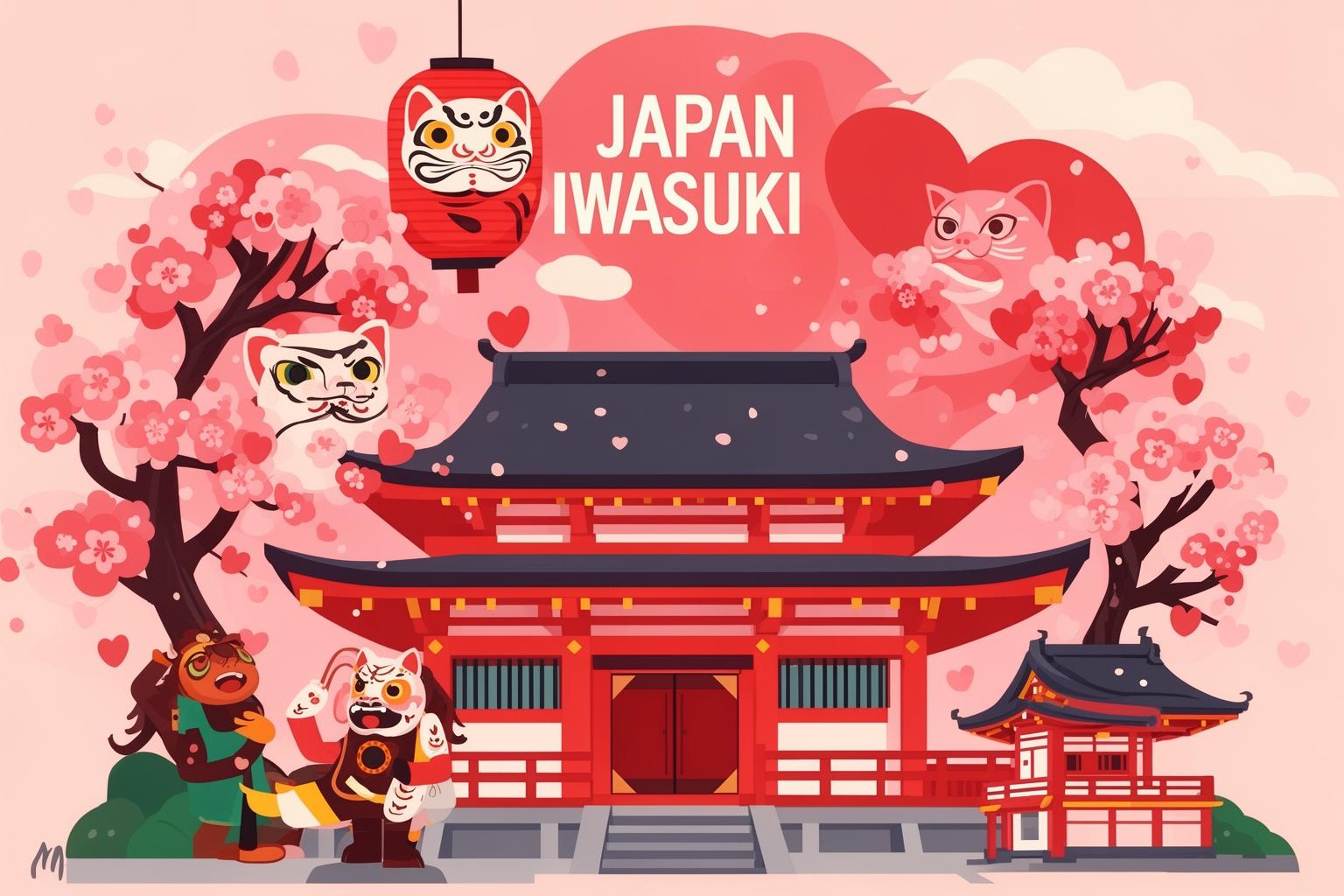
Our journey doesn’t begin in the bustling center of Tokyo, but rather a short train ride away in a place that feels like a gentle sigh. Iwatsuki, situated in Saitama City, is the essence of Wakana Gojo’s world. This is where he was raised, honed his skills, and where the calm, steady rhythm of his life was established. From the moment you step off the train at Iwatsuki Station, you can sense it. The air feels different here—calmer, imbued with a sense of history and purpose. Iwatsuki is far from just any suburb; it is renowned throughout Japan as the “Town of Dolls” (Ningyo no Machi), one of the nation’s leading producers of traditional Hina dolls. These exquisite, ornate dolls are displayed during Hinamatsuri, the Doll’s Festival on March 3rd, celebrating the health and happiness of young girls. This craft defines Gojo’s entire life, representing the legacy of his beloved grandfather and the source of both his deepest passion and insecurity. To truly understand Gojo, you must first understand Iwatsuki.
A Town of Dolls and Dreams
Iwatsuki’s atmosphere is a unique mix of a typical Japanese residential area and a living museum. As you wander its streets, you’ll notice subtle tributes to its heritage everywhere. Small doll workshops nestle between modern homes, their windows occasionally revealing a craftsman at work. Manhole covers bear Hina doll designs. Even the local shops seem to move at a more deliberate pace. This is a community that treasures precision, patience, and beauty handed down across generations. It’s the ideal setting to nurture a talent like Gojo’s. The town itself stands as a testament to the idea that profound beauty lies in dedication and tradition. Walking here, you can almost feel the weight of centuries of artistry and the silent, focused energy of countless artisans pouring their souls into perfect creations. It’s a sharp contrast to the fast-paced, trend-driven world Marin inhabits, which makes their meeting all the more magical. Iwatsuki offers the anchor, the deep-rooted foundation of skill and heart, that allows Gojo’s talent to flourish in the vibrant, new world of cosplay.
Arriving at Iwatsuki Station
Your first real connection to the anime is Iwatsuki Station on the Tobu Urban Park Line. The station is modest—a clean and functional hub serving the local community. But stepping outside, you find yourself exactly where Gojo and Marin once stood. The anime meticulously recreates the station’s exterior, the surrounding plaza, and the sensation of entering a quieter world. Take a moment to look around; you’ll see the same taxi stand, identical storefronts, and the gentle incline of the road leading away from the station. This is where Gojo’s and Marin’s worlds physically begin to intertwine. For Marin, arriving here was like entering a new universe—one far removed from the trendy chaos of Shibuya and Ikebukuro. For visitors, it feels the same. You are truly leaving Tokyo’s well-worn tourist paths and entering a place with a distinct, authentic local character. It’s the perfect starting point for your pilgrimage—a gateway into the more personal, intimate side of the story.
Crossing the Bridge of Beginnings
A short walk from the station brings you to one of the series’ most pivotal spots: the Yoroken Bridge. This unassuming pedestrian bridge arches over a small river and is the site of one of Gojo and Marin’s first genuinely honest conversations. Here, Gojo, overwhelmed and flustered by Marin’s high-energy world, finally sees the depth of her passion. He watches her eyes light up as she talks about the characters she loves and realizes her devotion to cosplay is as pure and powerful as his to Hina dolls. It’s a moment of deep connection, where respect and understanding bloom. Standing on this bridge is a moving experience for any fan. The anime captures the scene flawlessly—the gentle curve of the railings, the view of the neighborhood, the quiet flow of the water below. You can almost hear their words echoing on the breeze. This spot invites reflection on the story’s core message: that any passion pursued with sincerity and love is beautiful and deserving of respect. The bridge is more than just a crossing; it symbolizes their entire relationship.
Iwatsuki Joshi Park: A Serene Escape
Not far from the station and the bridge lies Iwatsuki Joshi Park, a lovely public space featured in the anime. This park is much loved by locals, and it’s easy to see why. It surrounds the remnants of the old Iwatsuki Castle and is filled with lush greenery, a picturesque red bridge arching over a pond, and a tranquil atmosphere. In spring, the park transforms into a breathtaking sea of pink as hundreds of cherry blossom trees bloom, making it a popular hanami (cherry blossom viewing) spot. In the anime, it’s portrayed as a place of peaceful reflection, reinforcing the town’s serene nature. For visitors, the park offers a perfect spot to relax after exploring the town. You can sit on a bench by the pond, watch the koi fish swim, and soak in the calm surroundings. It provides a window into everyday life in Iwatsuki—a place where families play and friends gather. A visit to the park rounds out your understanding of Gojo’s world, a setting where nature and history peacefully coexist.
The Spirit of Craftsmanship: Togyoku Doll Museum
Although not directly shown as a scene location in the anime, a visit to a Hina doll museum in Iwatsuki is essential to fully grasp the story’s heart. The Togyoku Doll Museum is among the area’s most notable and offers a deep, immersive look into the world that shaped Gojo. Stepping inside feels like entering his family’s workshop, but on a grand scale. The museum displays an impressive collection of Hina dolls, from historical masterpieces of the Edo period to contemporary works by modern artists. The detail is breathtaking—you can see the intricate embroidery on the dolls’ miniature silk kimonos, the delicate, hand-painted facial expressions, and the artistry involved in creating elaborate multi-tiered displays. Exhibits explain the history of Hinamatsuri and the complex doll-making process, from carving wooden bodies to applying layers of crushed seashell paste (gofun) that create their luminous white skin. Walking through the quietly lit halls, you gain a profound appreciation for Gojo’s craft—the years of training, the steady hand, and the unwavering focus needed to achieve such perfection. This transforms your view of him from simply a boy who loves dolls to an heir of a deep artistic tradition. It’s a culturally rich experience that connects you directly to the heart and soul of “My Dress-Up Darling.” You’ll leave with newfound respect for the quiet dedication that underpins Gojo’s explosive creativity when paired with Marin.
The Neon Pulse: Marin’s Ikebukuro
If Iwatsuki represents the story’s heart, then Ikebukuro is its vibrant, racing pulse. After soaking in the serene tradition of Gojo’s world, it’s time to dive headfirst into the lively, chaotic, and thrilling realm of Marin Kitagawa. Ikebukuro, a major commercial and entertainment hub in Tokyo’s Toshima Ward, is a haven for otaku culture. While Akihabara may be better known internationally as the ‘Electric Town,’ Ikebukuro has forged its own distinct identity, especially as a center for female fans of anime, manga, and games, with the famous ‘Otome Road.’ This is Marin’s true home turf, where she and Gojo embark on their first joint mission: gathering supplies for the Shizuku-tan cosplay. The shift from Iwatsuki to Ikebukuro is a delightful sensory jolt. Quiet streets give way to towering buildings adorned with huge anime billboards. The gentle murmur of a small town transforms into a symphony of J-pop blaring from storefronts, the rumble of trains, and the excited chatter of countless people. Here, dreams are not just quietly crafted but boldly worn and joyfully celebrated.
An Otaku’s Paradise
Stepping out of Ikebukuro Station—one of the busiest train stations in the world—you are immediately immersed in the hustle and bustle. The enormity of the area is breathtaking. Skyscrapers housing massive department stores like Tobu and Seibu flank the station, while the streets form a maze of arcades, electronics shops, themed cafes, and countless stores catering to every niche of pop culture imaginable. The energy is electric. Groups of friends, many subtly or overtly incorporating elements of their favorite characters into their fashion, move purposefully through the crowds. For them, this is a pilgrimage site: the place to find the latest manga releases, hunt rare character goods, and be surrounded by fellow enthusiasts who share their passion. For Gojo, the experience is initially overwhelming—a whirlwind of sights and sounds barely comprehensible. But for Marin, it’s a boundless buffet of inspiration. Walking these streets after them, you feel that dynamic perfectly—awestruck by the scale and energized by the infectious enthusiasm that fills every corner.
The Grand Stage: Sunshine City
Their first significant stop in Ikebukuro is Sunshine City, a massive complex functioning almost like a city within a city. It’s a pivotal location in the anime where Gojo gets a real glimpse of Marin’s expansive world. Sunshine City houses a sprawling shopping mall, an aquarium, a planetarium, an observation deck, a museum, a theater, and even a hotel. It’s an all-in-one entertainment haven, and it was home to the wig shop for Marin and Gojo’s cosplay quest. The anime vividly portrays the experience of wandering through the mall’s bright, expansive spaces. Visitors can easily spend an entire day exploring the complex, from the Sunshine Aquarium—famous for its unique ‘flying penguin’ exhibit—to the Sunshine 60 Observatory, offering a breathtaking panoramic view of Tokyo. Shops range from high-end fashion boutiques to stores devoted to beloved characters like Pokémon and Sanrio. For a ‘My Dress-Up Darling’ fan, simply strolling these halls and imagining Gojo’s awe alongside Marin’s confident excitement is an experience in itself, perfectly capturing the modern, consumer-driven facet of Japanese pop culture where fantasy and commerce seamlessly merge.
A Universe of Anime: The Animate Flagship Store
A short walk from Sunshine City lies the holy grail for many anime fans: the Animate Ikebukuro Flagship Store. This towering nine-story building is the world’s largest anime specialty store and a must-see destination. In the anime, this is where Gojo is blown away by the overwhelming variety and sheer volume of otaku culture gathered under one roof. The real-life experience matches this impression. Each floor focuses on a different category: from the latest manga and light novels to CDs featuring anime soundtracks and voice actor singles, Blu-rays of current and classic series, and an astonishing array of character goods—keychains, clear files, acrylic stands, plushies, and more. The store buzzes with energy, filled with fans eagerly searching for merchandise of their favorite characters. Visiting Animate is an immersive experience, with music and promotional videos playing on screens throughout, and frequent special exhibitions or pop-up shops tied to ongoing anime. It’s the cultural epicenter that Marin so dearly loves—a place of pure, unfiltered fandom where people openly and joyfully celebrate their passions. Surrounded by the art and stories that bring joy to countless fans, you can truly grasp the world that inspires Marin and, through her, Gojo.
The Streets of Inspiration
Beyond the main landmarks, Ikebukuro’s true charm lies in its smaller streets, especially those branching off from Sunshine 60 Dori. Here you’ll discover specialized shops essential for cosplayers. In the anime, Marin and Gojo visit a fabric store and other niche shops to source materials for the Shizuku-tan costume. While the specific stores are fictional blends, the experience is genuine. Ikebukuro is dotted with cosplay supply stores, fabric shops, and workshops supporting this creative community. These shops carry everything from pre-styled wigs in every imaginable color to thermoplastic materials used for armor crafting, plus specialty makeup and contact lenses. It’s a testament to the cosplay community’s dedication and artistry. Wandering these streets feels like a treasure hunt—you can peek through windows into walls lined with vibrant fabrics and intricate accessories. It fosters a deep appreciation for the hands-on craftsmanship of cosplay, mirroring the precision and passion Gojo brings to his doll-making. This is where two worlds truly converge—the place where raw materials and endless enthusiasm are transformed into wearable art.
Iconic Moments Across Tokyo and Beyond
While Iwatsuki and Ikebukuro serve as the two primary pillars of the series’ setting, the story of Gojo and Marin takes them to several other iconic locations throughout the greater Tokyo area. These sites represent key milestones in both their relationship and cosplay journey, each offering its own unique atmosphere and significance. From the vibrant chaos of Shibuya to the focused intensity of a photoshoot, these places bring their project to life, creating unforgettable moments for both the characters and the audience.
Shibuya’s Electric Debut
There is perhaps no more fitting backdrop for Marin’s grand debut as Shizuku-tan than Shibuya. This district pulses as the lively heart of Tokyo’s youth culture and stands as a world-renowned emblem of modern Japan. Its centerpiece, the legendary Shibuya Scramble Crossing, is a thrilling spectacle of orchestrated chaos. When the traffic lights turn red, a flood of people surges into the intersection from all directions, illuminated by giant video screens and towering neon signs. This is where Marin, dressed in her impeccable costume, attends her first cosplay event. The choice of location is ideal. It’s a place to see and be seen—a stage where individuality and bold self-expression are celebrated. Standing in the center of the Scramble Crossing is to feel the very pulse of Tokyo. You are surrounded by a dazzling mix of fashion, music, and energy. For a first-timer, it can be almost overwhelming. One can imagine Marin, initially nervous but soon empowered, absorbing the crowd’s energy and fully embodying the character she adores. Experiencing this place reveals the courage and confidence required to stand out in one of the busiest locations on Earth. For the best vantage point, the second floor of the Starbucks in the Tsutaya building overlooking the crossing is recommended—though expect it to be crowded. It remains a classic spot for a reason.
A Scholarly Setting
The high school attended by Gojo and Marin provides the backdrop for much of their daily interaction and is where their unlikely friendship begins. The school depicted in the anime is based on an actual high school in Saitama Prefecture. Though fans have identified the location, it is a pilgrimage site to be respected with the utmost caution. It is vital to remember this is an active educational institution with students and staff. Fans should never enter the grounds or disturb those present, as such actions are not only disrespectful but also trespassing. The best way to appreciate this site is from a respectful distance on the public streets outside, where one can see the familiar school gate, the building’s shape, and get a sense of the surrounding neighborhood. The area is a typical quiet Japanese suburb, which makes the spirited personalities of Marin and her friends stand out even more vividly. The pilgrimage here isn’t about capturing a perfect photo but about appreciating the everyday atmosphere in which these extraordinary events unfold—always prioritizing the privacy and safety of the local community.
A Studio of a Different Kind
One of the most discussed and culturally distinctive locations in the series is the venue for Gojo and Marin’s first private photoshoot: a love hotel. While this might seem surprising or unusual to international audiences, it offers a fascinating insight into a unique aspect of Japanese culture. Love hotels, often called ‘leisure hotels,’ are more than just places for romantic encounters; they feature elaborate, themed rooms and offer complete privacy, making them a popular and practical choice for cosplayers seeking a distinctive, controlled environment for photoshoots. Rooms can be rented by the hour (a ‘rest’ or ‘kyukei’), providing access to impressive, ready-made sets such as fantasy castle rooms, traditional tatami spaces, or futuristic sci-fi chambers. The anime portrays this perfectly, showing Marin and Gojo utilizing the space professionally to capture flawless shots. While this guide won’t specify particular hotels, such establishments are common in areas like Shibuya, Shinjuku, and Ikebukuro, typically identifiable by their discreet entrances and flamboyant signage. Understanding their role in subcultures like cosplay offers deeper insight into how Japanese society creatively repurposes spaces. It’s a mature theme, but the anime approaches it with a surprising innocence and focuses primarily on Gojo’s pure dedication to his craft.
Summer’s End: The Coastal Escape
The emotional climax of the first season takes place away from the city, at a picturesque seaside location. After the intensity of their cosplay projects, Marin and Gojo enjoy a well-earned break and visit the beach with his grandfather. These episodes are warm, humorous, and showcase a significant deepening of their emotional connection. The beach scenes, culminating in a summer festival with fireworks, are beautifully animated and perfectly capture the quintessential feeling of a Japanese summer. The exact beach is likely a composite inspired by coastal areas near Tokyo, such as those in Chiba or Kanagawa Prefectures, which are home to popular spots like Enoshima and Kamakura. To replicate this experience, a day trip from Tokyo to one of these coastal towns is highly recommended, especially during summer. The journey itself, often by a local train line, adds to the charm as the urban scenery gradually gives way to coastal views. On a Japanese beach, you’ll find ‘umi no ie’ (beach houses), temporary restaurants and rest areas set up on the sand, offering classic summer dishes like yakisoba and shaved ice. The atmosphere is relaxed and cheerful. Staying into the evening to watch fireworks, a beloved summer tradition in Japan, provides the perfect ending to a pilgrimage, connecting visitors to the heartfelt conclusion of the anime’s first season.
A Traveler’s Guide to the Dress-Up World
Embarking on an anime pilgrimage for ‘My Dress-Up Darling’ offers an incredibly rewarding experience, combining urban exploration with a deep dive into both traditional and modern Japanese culture. With some careful planning, moving between these varied locations is easy and adds to the excitement. Here’s practical guidance to help you design your ideal itinerary and fully immerse yourself in the world of Gojo and Marin.
Planning Your Pilgrimage
The charm of this pilgrimage lies in its natural division into two distinct areas: the serene, historic town of Iwatsuki in Saitama and the vibrant pop culture centers of Ikebukuro and Shibuya in Tokyo. It’s advisable to allocate at least half a day, or even a full day, to Iwatsuki to truly absorb its ambiance, visit the park, and explore the doll museum at a relaxed pace. The Tokyo sites can be visited together since Ikebukuro and Shibuya are both served by the JR Yamanote Line, making travel between them convenient. A smart approach is to begin your day in Iwatsuki for a peaceful cultural morning and early afternoon, then head back to Tokyo to experience the lively atmosphere of Ikebukuro or Shibuya in the late afternoon and evening when these areas come alive with lights and crowds. This schedule allows you to experience the same dramatic shift in atmosphere central to the story.
Getting Around: From Iwatsuki to Ikebukuro
Japan’s public transportation is remarkably efficient, making travel between these key spots straightforward. To reach Iwatsuki from central Tokyo, take a train to Omiya Station, a major hub in Saitama. From Tokyo’s main stations like Shinjuku, Shibuya, or Tokyo Station, you can board the JR Saikyo Line or JR Shonan-Shinjuku Line directly to Omiya. From there, transfer to the Tobu Urban Park Line, which will take you to Iwatsuki Station in about 15 minutes. The entire trip from central Tokyo to Iwatsuki generally takes between an hour and an hour and a half. For getting around Tokyo itself, a Suica or Pasmo IC card is invaluable. These rechargeable smart cards work on nearly all trains, subways, and buses around Tokyo—just tap them at the ticket gate and you’re set. Ikebukuro, Shibuya, and Shinjuku are major stops on the JR Yamanote Line, a convenient loop line around central Tokyo, making hopping between these districts simple. For train schedules and route planning, Google Maps is very reliable, so ensure you have pocket Wi-Fi or a data plan to stay connected.
When to Visit
This pilgrimage can be undertaken any time of the year, though certain seasons bring special appeal. Spring (late March to early April) is a magical period to visit Iwatsuki Joshi Park, where cherry blossoms bloom in full, creating a picturesque and cinematic setting. Summer (June to August) is hot and humid but perfect for adding a beach visit to your itinerary to recreate scenes from the final episodes. It’s also festival (matsuri) season with fireworks displays. Autumn (October to November) offers pleasant, crisp weather and stunning fall foliage, perfect for long days of walking and exploring. Winter (December to February) tends to be colder but generally dry and sunny in Tokyo, with beautiful winter illuminations decorating the city and clear air that can provide spectacular views of Mount Fuji from spots like Sunshine City observatory.
What to Pack and What to Know
Comfortable footwear is essential since you’ll be doing lots of walking, whether in a quiet Saitama park or the sprawling shopping areas of Ikebukuro. A portable phone charger is also highly recommended, especially if your phone will be used frequently for navigation and photos. Though credit cards are accepted in many large Tokyo stores and restaurants, it’s wise to carry some cash (Japanese Yen), as smaller shops, local eateries, and train ticket machines often only accept cash. Learning a few basic Japanese phrases like ‘Sumimasen’ (Excuse me), ‘Arigato gozaimasu’ (Thank you), and ‘Kore wa ikura desu ka?’ (How much is this?) will be very helpful and appreciated. Lastly, be mindful of Japanese etiquette: keep quiet on trains, avoid eating or drinking while walking on busy streets, and be respectful when taking photos—always avoid including people without their permission.
The Deeper Connection: Craftsmanship and Passion
To journey through the real-life locations of ‘My Dress-Up Darling’ is to do more than simply observe the scenery. It is to immerse yourself in the very essence of the story. This pilgrimage embodies the anime’s core theme: the beautiful and powerful convergence of different worlds, passions, and people. In just one day, you can stand in a serene workshop town where artistry has been refined for centuries, then dive into a neon-lit district where pop culture constantly reinvents itself. You can sense the deep respect for tradition that grounds Gojo, alongside the boundless, forward-looking enthusiasm that drives Marin. This contrast is not a clash but a harmony. It forms the heart of their creative synergy and their moving relationship. The story shows us that the meticulous skill of an artisan and the expressive passion of a fan are two sides of the same coin, both fueled by a sincere, heartfelt love—a “suki.”
Embracing Your Own “Suki”
Walking these streets in the footsteps of Gojo and Marin powerfully reminds us to embrace our own passions, no matter how niche or misunderstood they might be. In Iwatsuki, you are surrounded by a legacy of dedication, a town that has embraced an art form as its identity. It encourages a quiet confidence in skill and practice. In Ikebukuro, you enter a community of joyful, unapologetic fandom, celebrating the courage to love openly what you cherish. The series, and by extension this pilgrimage, honors the act of creation and the vulnerability involved in sharing your work and passions with others. It reminds us that there is immense strength in finding someone who not only accepts your hobby but also sees the spark in your eyes when you speak of it and wants to help bring it to life. This journey is an invitation—to appreciate the amazing spectrum of human creativity, from the quiet concentration of a craftsman’s hands to the dazzling spectacle of a cosplayer’s performance. As you travel from the peaceful bridge in Saitama to the bustling crosswalk in Shibuya, you are not merely following a map. You are tracing a story about how two people from different worlds helped each other become more fully themselves. And that is a journey worth taking, a reminder that our own passions—our own “suki”—are what make our stories genuinely beautiful.