
There are stories that feel like they were born from the very soil of a place, their emotions woven into the whisper of the wind through willow trees and the gentle lapping of water against stone. Kyoto Animation’s masterpiece, A Silent Voice (Koe no Katachi), is one such story. It’s a film that resonates with a profound, almost uncomfortable honesty about bullying, redemption, and the agonizing difficulty of human connection. But to truly understand its depth, to feel the current of its narrative, you must walk the streets of its real-world inspiration: Ogaki, a tranquil city in Gifu Prefecture. This is not just a backdrop; it is a character in its own right, a place whose identity as the “City of Water” mirrors the film’s themes of reflection, flow, and cleansing. Here, the canals and rivers that crisscross the town are not mere scenery; they are the arteries carrying the story’s lifeblood, witnessing the quiet struggles and silent triumphs of Shoya Ishida and Shoko Nishimiya. This journey is more than just spotting locations from an anime; it’s about stepping into the emotional landscape of the film and discovering how a city’s gentle rhythm can cradle a story of immense power. Before we dive into the specific locations that bring this beloved film to life, let’s get our bearings and see where this poignant journey will take us.
If you’re captivated by how real-world locations can breathe life into anime narratives, you’ll also appreciate the real-world pilgrimage for ‘A Lull in the Sea’.
The Pulse of Forgiveness: Midori Bridge and the Suimon River
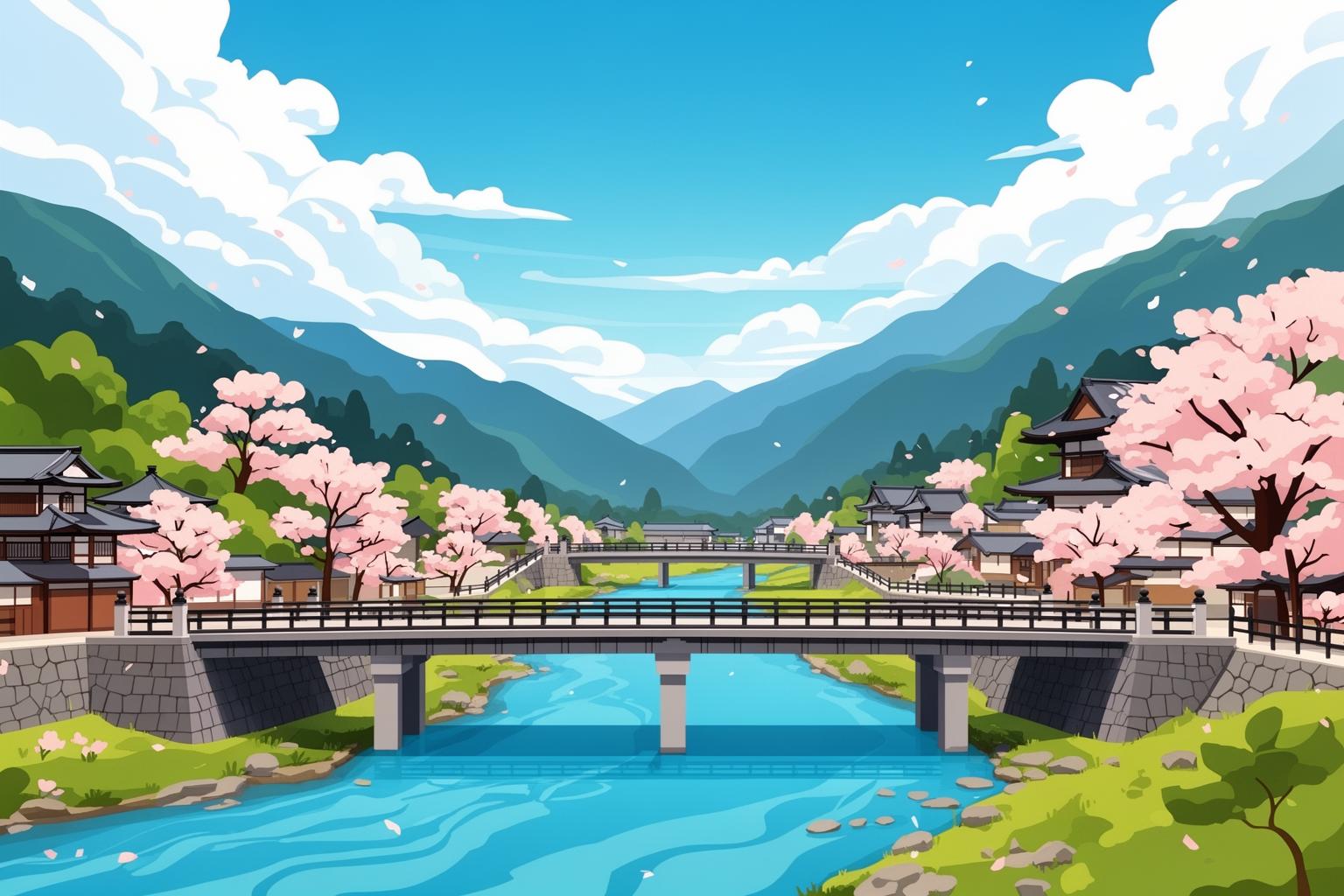
If there is one place that stands at the heart of A Silent Voice, it is the Midori Bridge. This simple, graceful green arch bridge is more than just a backdrop—it is a sanctuary, a stage, and a silent witness to the film’s most crucial moments. Spanning the Suimon River, it remains a constant presence, a landmark within the emotional landscape shared by Shoya and Shoko. This is where the true journey of atonement begins. Standing on this bridge, the first thing you notice is the water. The Suimon River flows beneath with a gentle yet steady energy, its surface mirroring the sky, the weeping willows lining its banks, and the faces of those who pause to peer into its depths. The air carries the soft rustling of leaves alongside faint, distant city sounds. It feels sheltered—a pocket of tranquility carved out from the city’s bustle.
Here, burdened by guilt, Shoya brings bread to feed the carp, a simple gesture that transforms into a ritual of repentance. Looking down from the railing, you can see the vivid orange and white koi gliding lazily, their movements adding splashes of color to the green water. These are the same fish Shoko fed, the same fish that bore witness as Shoya struggled desperately to bridge the divide his childhood cruelty had created. Feeding them feels like stepping directly into the story. Tossing a small bag of bread—or even better, genuine carp food from a local shop—into the water becomes a quiet offering, a gesture marking Shoya’s tentative steps toward making amends. It is a moment of deep connection, where the line between fiction and reality feels beautifully, heartbreakingly blurred.
The bridge and the nearby riverbank provide the setting for many pivotal interactions. This is where Shoya and Shoko’s delicate friendship begins to take root. You can almost see them standing awkwardly apart, communicating through notebooks and hesitant gestures. The bench where they sit, the stone steps leading down to the water’s edge—they remain here, waiting. The atmosphere shifts with the seasons, just as it does in the film. In spring, cherry blossoms along the river explode into a riot of pink and white, petals drifting onto the water like confetti—signifying new beginnings and mirroring the hope flickering between the characters. Summer brings overwhelming greenery, a lush canopy that provides shade and a sense of intimacy. The drone of cicadas becomes the soundtrack to long, quiet afternoons. Autumn cools the air with crispness and adorns the landscape in gold and red leaves, reflecting a time of change and growth. Winter strips the trees bare, their stark branches forming beautiful, somber silhouettes against the gray sky—a fitting backdrop for the story’s more introspective and painful moments.
For first-time visitors, I suggest coming here at different times of day. Early morning may reveal a soft mist hovering over the water, and the place is utterly serene, shared only with a few locals on their morning walks. In the afternoon, sunlight filters through willow branches, casting shifting patterns of light and shadow across the ground and water. Yet perhaps the most magical moment is dusk. As the sun sets, the sky ignites with hues of orange and purple, while river lights begin to glow, casting long, shimmering reflections on the water. It is a time for quiet reflection—a moment to stand on the bridge and truly feel the weight and hope of the story that unfolded here.
Gateways and Crossroads: The Ogaki Station Area
Every pilgrimage begins somewhere, and for a journey into the world of A Silent Voice, that place is Ogaki Station. In Japan, stations are more than mere transit points; they serve as centers of life, spaces for greetings and farewells, for everyday routines and significant decisions. Ogaki Station is no exception. It features prominently in the film, its clean, modern exterior a familiar landmark marking both the start and conclusion of many of the characters’ travels. Upon exiting the ticket gates into the southern plaza, you are immediately welcomed by the “Aqua Fountain,” a symbol of Ogaki’s deep ties to water. This open, airy area often serves as a meeting place for the characters, a neutral zone before they embark on more emotionally intense moments.
The station itself symbolizes movement and the flow of time. It’s where Shoya boards the train to Tokyo to find Nagatsuka, and it serves as the gateway to the wider world that both entices and unsettles the characters. Standing in the plaza, surrounded by the gentle buzz of city life—the station announcements, the chatter of students, the rumble of buses—you can sense the heartbeat of Ogaki. It is a city that feels alive yet not overwhelming. There is a strong sense of community here, a feeling that life moves at a comfortable, human pace.
Practically speaking, Ogaki Station is your anchor. The tourist information center inside is an invaluable resource, offering maps that specifically highlight anime pilgrimage sites. The staff are welcoming and familiar with fans of the film and can provide tips and directions to make your visit smoother. This is also an ideal spot to consider renting a bicycle. Many key locations in A Silent Voice are spread throughout the city; while walking is possible, cycling lets you travel between them at the same relaxed pace as the characters. Riding along the city’s canals, feeling the breeze, discovering small, unnamed bridges and quiet residential streets is an experience in itself. It helps you feel less like a tourist and more like a local, following the daily routes Shoya and Shoko might have taken.
The area immediately around the station is a mix of shops, restaurants, and civic buildings. It’s a convenient place to grab a meal before or after your pilgrimage. As you explore these streets, you’ll notice water’s recurring presence—in small fountains, in shop names, and in the intricate canal network often just a block or two from the main roads. This constant motif of water reinforces the city’s identity and echoes the film’s central theme. The station area is the modern heart of Ogaki, yet it remains deeply connected to the natural element that has defined the city for centuries.
Echoes of Schooldays: Tracing the Paths of Youth
Although the specific schools that inspired the elementary and high schools in A Silent Voice are not open to the public—and it is vital for any visitor to respect the privacy and safety of students and staff by refraining from entering or photographing school premises—the journey between home and school serves as a character in its own right. The film devotes considerable time to these walks, using them to depict the characters’ isolation, emerging friendships, and inner thoughts. Exploring the residential neighborhoods of Ogaki allows you to fully immerse yourself in this ambiance.
The city is a maze of quiet streets, neat houses with small gardens, and, naturally, the ubiquitous canals. These waterways, some no wider than footpaths, act as the city’s veins. They are crossed by countless small, unnamed bridges—some concrete, others stone, and some painted in bright colors. One of the most recognizable bridge types from the film is the simple, flat concrete slab bridge that Shoya and his friends use as a daring jumping-off point during their elementary school days. Discovering these small, seemingly inconspicuous bridges feels like uncovering a secret part of the film’s world. They symbolize the recklessness of youth and the painful memories Shoya strives to overcome.
As you walk these streets, you begin to comprehend the environment that shaped the characters. This is not a bustling metropolis like Tokyo; it’s a place where life unfolds at a gentler pace. You’ll see children heading home from school, their laughter echoing through the narrow lanes. You’ll observe elderly residents tending their potted plants. The sounds are the ringing of bicycle bells, the hum of air conditioners, and the chirping of birds. It’s this very ordinariness that gives the characters’ emotional struggles such intensity. Their profound challenges are not set in a fantastical world but in a place that feels authentic and lived-in.
One of the best ways to experience this is simply to wander. Set aside the map for a while and follow a canal. See where it leads. You might come across a small park, a neighborhood shrine, or a street that looks exactly like a scene from the film. This sense of discovery is a major part of the pilgrimage experience. In these quiet moments of exploration, you can truly feel the spirit of Ogaki. The city’s layout, shaped by its connection to water, creates a unique urban environment that is both orderly and organic. The canals compel the streets into gentle curves and unexpected turns, making a walk through the city a continuously unfolding journey. This environment wonderfully reflects the non-linear path of healing and reconciliation that the characters must navigate. Their journey is not a straight line, and neither is a stroll through Ogaki.
Bridges of Friendship: Ogaki Park and the Four Seasons Plaza
Beyond the iconic Midori Bridge, Ogaki is a city defined by its bridges, with the Rainbow Bridge in Four Seasons Plaza (Shiki no Hiroba) playing another key role. This area, which connects to the expansive Ogaki Park, serves as a central meeting place in the film, where the newly formed group of friends—Shoya, Shoko, Nagatsuka, and Ueno—spend time together. It symbolizes a delicate, hopeful phase of new bonds and the possibility of a normal high school life for Shoya.
Shiki no Hiroba is a beautiful, open public space, known especially for its series of waterfalls and cascading water features that flow through its center, further emphasizing Ogaki’s identity as the City of Water. The sound of running water is a constant, calming presence here. Locals come to relax, families bring their children to play, and couples sit and talk. When visiting the plaza, you can easily spot the places where the characters sat and interacted. The atmosphere is light and cheerful, contrasting sharply with the heavy emotional tone often felt at Midori Bridge. This is a place of friendship and laughter, filled with positive energy.
Next to the plaza lies Ogaki Park, a lush oasis in the city’s heart. The park houses a reconstructed Ogaki Castle, a beautiful white keep that adds a historic element to the modern cityscape. Although the castle itself is not a major part of the film’s plot, its presence enriches Ogaki’s unique charm. The park is an inviting spot to spend an afternoon, featuring walking trails, a pond, and ample green space. It feels like a natural setting for friendships to develop—a neutral, welcoming place for teens to gather.
When visiting, take time to walk across the Rainbow Bridge and the other bridges in the plaza. Notice how they link different parts of the park and city. In the film, these bridges carry symbolic meaning, representing the connections Shoya strives to rebuild—not only with Shoko but with the world he had shut out. Each time the group crosses a bridge together, it marks another step in their shared journey of understanding and acceptance. The plaza, with its multiple bridges and open spaces, physically embodies the potential for connection. It’s where separate paths meet and where isolated individuals can come together as a group. For anyone on a pilgrimage, spending time in Four Seasons Plaza and Ogaki Park is essential. It offers a chance to experience the lighter, more hopeful side of A Silent Voice, recalling the moments of joy and camaraderie that balance the film’s moments of pain and struggle.
A Place for Understanding: The Ogaki City General Welfare Hall
Not all the key locations in A Silent Voice are picturesque bridges or parks. Some are practical, everyday buildings that hold profound meaning for the characters. The Ogaki City General Welfare Hall (Sogo Fukushi Kaikan) is one such place. In the film, this building serves as the model for the sign language center where Shoko and her mother attend classes, and where Shoya’s mother, Miyako, earnestly learns sign language herself in an effort to connect with Shoko.
The building is a modern, multi-story facility situated not far from the city center. While it may lack the immediate visual charm of the riverbanks, its role in the story is essential. It symbolizes a place of active effort, learning, and community. This is where characters go to genuinely seek understanding. For Shoko, it’s a community space where she can communicate freely without the barriers she faces in the hearing world. For Miyako Ishida, it embodies a mother’s love and her determination to mend the gap caused by her son’s actions. Her choice to learn sign language is one of the story’s most touching subplots, and it begins here.
When visiting the location, you’ll find a typical Japanese municipal building—clean, quiet, and functional. While visitors cannot enter and disrupt the important community work inside, they can appreciate the building from outside and reflect on its significance. Standing before it, one can imagine Shoya waiting outside, struggling with his own communication challenges, or his mother walking in with a determined expression. This place grounds the film in a concrete reality. The characters’ struggles are not merely abstract emotions but are connected to real places and actions, such as attending a class at a community center.
The walk to the Welfare Hall from other parts of the city is part of the experience as well. It leads through residential and commercial neighborhoods of Ogaki, revealing the fabric of daily life. This journey reinforces the notion that the path to understanding is deliberate. It demands effort. It asks you to venture beyond your usual surroundings and enter a new environment. The Welfare Hall stands as a symbol of this effort. It testifies to the belief that communication is a skill that can be acquired and that empathy is a choice one can make. For anyone seeking to grasp the deeper themes of the film, a visit to this site is a quietly powerful experience.
A Disorienting Day Out: The Site of Reversible Destiny
One of the most visually and thematically striking scenes in A Silent Voice occurs not in Ogaki, but a short train ride away at Yoro Park, specifically at the Site of Reversible Destiny. This unusual and brilliant art installation is where the main group of friends goes for an outing, and its disorienting environment serves as a powerful metaphor for their fractured relationships and inner turmoil.
Visiting the Site of Reversible Destiny is an unforgettable experience. Created by artists Shusaku Arakawa and Madeline Gins, it is a vast, interactive art piece designed to challenge your perception and disrupt your balance. The ground represents a topographical map of Gifu Prefecture, yet it undulates and feels treacherous. Hills rise and fall unexpectedly. Paths lead to dead ends. Buildings are built at awkward angles, with sloping floors and curving walls. Nothing is quite as it appears, and you must constantly adjust your balance and expectations.
This setting perfectly frames the emotional climax of the friends’ outing in the film. As they navigate the confusing landscape, their unstable friendships begin to unravel. Old tensions come to the surface, and conflicts erupt. The park’s physical instability mirrors the group’s emotional instability. You can pinpoint the exact locations where these confrontations take place—the bowl-shaped amphitheater, the narrow, winding paths of the “Critical Resemblance House.” Walking through these spaces yourself, you can sense the same unease and disorientation the characters must have experienced. It’s a physically demanding experience; you must be careful with each step and stay aware of your surroundings constantly. This physical involvement deepens the emotional impact of the scene.
Getting to Yoro Park from Ogaki is an easy journey on the local Yoro Railway. The train ride itself is a charming trip through the Gifu countryside. Upon arrival, the Site of Reversible Destiny is the main attraction within the larger Yoro Park, which also boasts beautiful natural scenery, including the famous Yoro Waterfall. To fully appreciate the site, plan to spend several hours there. It is not a place to be hurried through. You need to explore its strange corners, climb its steep hills, and allow yourself to get somewhat lost. It is through navigating this chaos that you can reflect on the film’s core message. The characters are all trying to find their footing in a world that feels confusing and unpredictable. The Site of Reversible Destiny makes that internal struggle tangible. It’s a challenging place, both physically and mentally, but it offers a unique and profound insight into the heart of A Silent Voice.
The Taste of Ogaki: Water, Sweets, and Local Charm
A pilgrimage is not merely about sightseeing; it’s about immersing yourself in the culture of a place. In Ogaki, that culture is deeply tied to its abundant, high-quality water. The city is often referred to as “the capital of water” due to the pristine underground streams flowing from the nearby mountains. This water is not only present in the canals; it forms the basis of the local cuisine and crafts.
One of the most renowned local delicacies you should try is the Mizu Manju. Unlike typical manju (steamed buns usually filled with red bean paste), Mizu Manju, or “water bun,” is a translucent, jelly-like treat made from kuzu starch with a smooth red bean paste filling. It’s served chilled, often floating in a bowl of fresh spring water. The flavor is subtle, refreshing, and exquisitely delicate. Enjoying a Mizu Manju at a traditional sweet shop, especially on a warm day, is the quintessential Ogaki experience—it’s a taste that captures the city itself: cool, clear, and pure. Many shops, some making these sweets for generations, are concentrated in the city center, making their discovery a joyful part of your visit.
Beyond sweets, Ogaki’s water is also instrumental in producing high-quality sake. Visiting a local brewery or dining at a restaurant that offers Gifu sake provides another way to connect with the region’s culture. The clean water results in a crisp, refined sake that is highly valued.
Ogaki’s connection with water is also highlighted in its festivals. If your trip coincides with the Ogaki festival in May or the Suito Ogaki Tairyo Tanabata festival in August, you will witness the city at its most vibrant. These events often feature parades, decorations, and celebrations centered on the canals and rivers, reflecting the residents’ deep pride in their city’s unique identity.
Exploring Ogaki with an eye for these details will greatly enrich your pilgrimage. Notice the small things: the public water fountains where you can refill your bottle with delicious spring water, the small water wheels still turning in some canals, and the many homes with gardens that back right up to the water’s edge. These details reveal a lifestyle shaped by a harmonious relationship with this natural resource. This adds another dimension to the film. The water in A Silent Voice symbolizes cleansing and the flow of life. In Ogaki, you realize this is not just a metaphor; it is the palpable reality of the city itself.
A Pilgrim’s Practical Guide
Setting out on a journey to Ogaki is a fulfilling experience, and a bit of preparation can make it even more seamless. The city is easily reached, serving as a key stop on the JR Tokaido Main Line, making it a convenient trip from major hubs like Nagoya (around 30 minutes) or even Kyoto and Osaka. Once you arrive at Ogaki Station, your adventure can begin.
The most effective way to explore the city and its notable sites is by combining walking and cycling. The city center—including the station, Midori Bridge, and Ogaki Park—is highly walkable. However, to fully experience and follow the characters’ daily journeys through residential neighborhoods, renting a bicycle is strongly advised. Rental shops are located near the station, and the city is very bike-friendly with flat terrain and paths running alongside many canals.
Regarding the ideal time to visit, spring (late March to April) and autumn (October to November) provide the most pleasant weather and stunning scenery. Spring showcases the iconic cherry blossoms prominently featured in the film, turning the riverbanks into a breathtaking view. Autumn brings crisp air, comfortable walking temperatures, and vibrant fall foliage. Summer can be hot and humid but offers lush greenery and lively festivals. Winter is colder and quieter, offering its own stark beauty and a more contemplative, crowd-free experience.
One key aspect to keep in mind as a pilgrim is to be respectful. Many locations are nestled within quiet residential areas where people live and work. Be conscious of your noise level, avoid trespassing on private property, and do not litter. The charm of Ogaki lies in its authenticity, and it is our duty as visitors to help maintain that. When taking photographs, be mindful of your surroundings and avoid including residents in your shots without their consent. The aim is to appreciate the world of the film, not to interfere with the lives of those who call it home.
Lastly, take time to slow down. The pace of Ogaki is gentle. This is not a pilgrimage to be hurried. Pause by the river, savor a local sweet, or wander down an unmarked street. The magic of A Silent Voice lies in its quiet moments, unspoken emotions, and subtle details. Ogaki shares that same spirit. The more you let yourself sink into its tranquil rhythm, the more deeply you will connect with the essence of the film.
The Enduring Resonance of a Voice
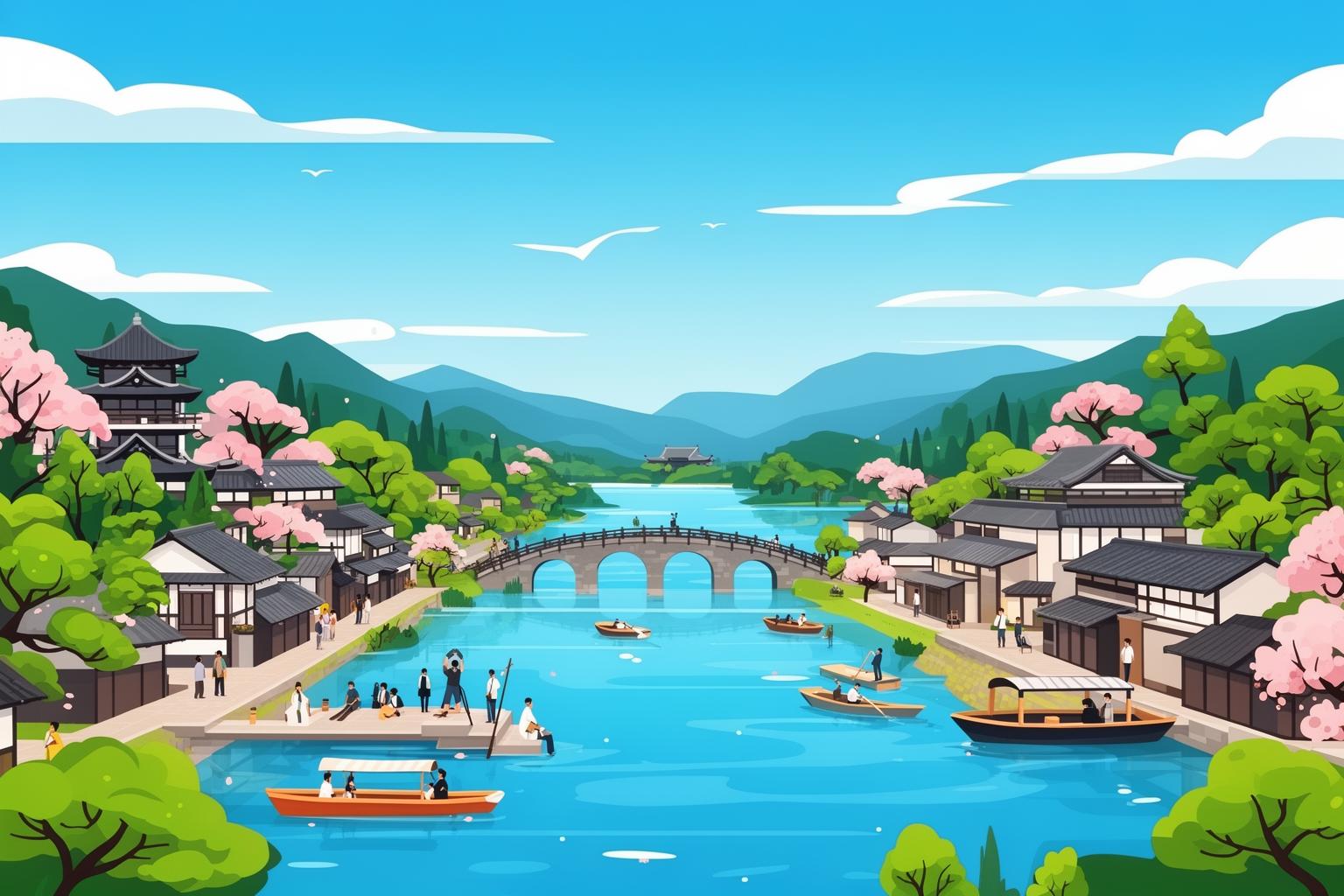
Leaving Ogaki, you take with you more than just photographs and memories. You carry the essence of the place—the sound of water flowing beneath a bridge, the sight of koi gliding through a clear canal, the tranquil atmosphere of a city living in harmony with nature. You come to understand that the creators of A Silent Voice didn’t merely select Ogaki as a backdrop; they infused their story with its very spirit. The city’s watery landscape serves as a powerful, tangible symbol of the film’s central themes. The flowing rivers represent the currents of time and emotion, propelling the characters forward even when they feel stuck. The reflective surfaces of the canals echo the deep introspection and self-examination Shoya must face. The purifying quality of the water offers hope for cleansing and a fresh start.
A pilgrimage to the real-world sites of A Silent Voice is a journey into the core of the story. Walking the same streets as Shoya and Shoko, standing on the very bridge where they began to heal their fractured past, you develop a deeper appreciation for their struggles and ultimate victory. Ogaki is not merely a collection of filming locations; it is a silent character in the film, a gentle, nurturing presence that creates the space for healing to take root. It reminds us that no matter how turbulent our emotions, there is always a current of hope flowing beneath the surface, ready to carry us toward a brighter shore.