There’s a certain kind of story that doesn’t just entertain you; it seeps into your consciousness, leaving a lingering echo long after the credits roll. Summer Time Rendering is one of those stories. It’s a tale of suspense, a relentless time loop thriller wrapped in the suffocating humidity of a Japanese summer on a remote island. The fictional setting, Hitogashima, is a character in itself—a place of stunning beauty, deep-rooted traditions, and a terrifying, creeping dread. For fans of the series, the island feels impossibly real. And that’s because, in a way, it is. The inspiration for Hitogashima exists, a tangible place you can walk, explore, and feel. It’s called Tomogashima, a small, uninhabited cluster of islands in the Kii Channel, just off the coast of Wakayama Prefecture. This is not just a filming location; it’s the very soul of the anime brought to life, a destination where the line between fiction and a haunting reality blurs with every step you take. As an outdoor enthusiast who finds stories in landscapes, the pull of Tomogashima was irresistible. It promised not just a hike, but a journey into the heart of a mystery, a chance to walk in the footsteps of Shinpei Ajiro and feel the pulse of the island that inspired one of modern anime’s most thrilling sagas.
This kind of anime pilgrimage to Tomogashima is part of a growing trend where fans seek out the real-world inspirations behind their favorite stories, much like the journey to explore the real-life locations of A Place Further Than the Universe.
The Journey to Hitogashima’s Double
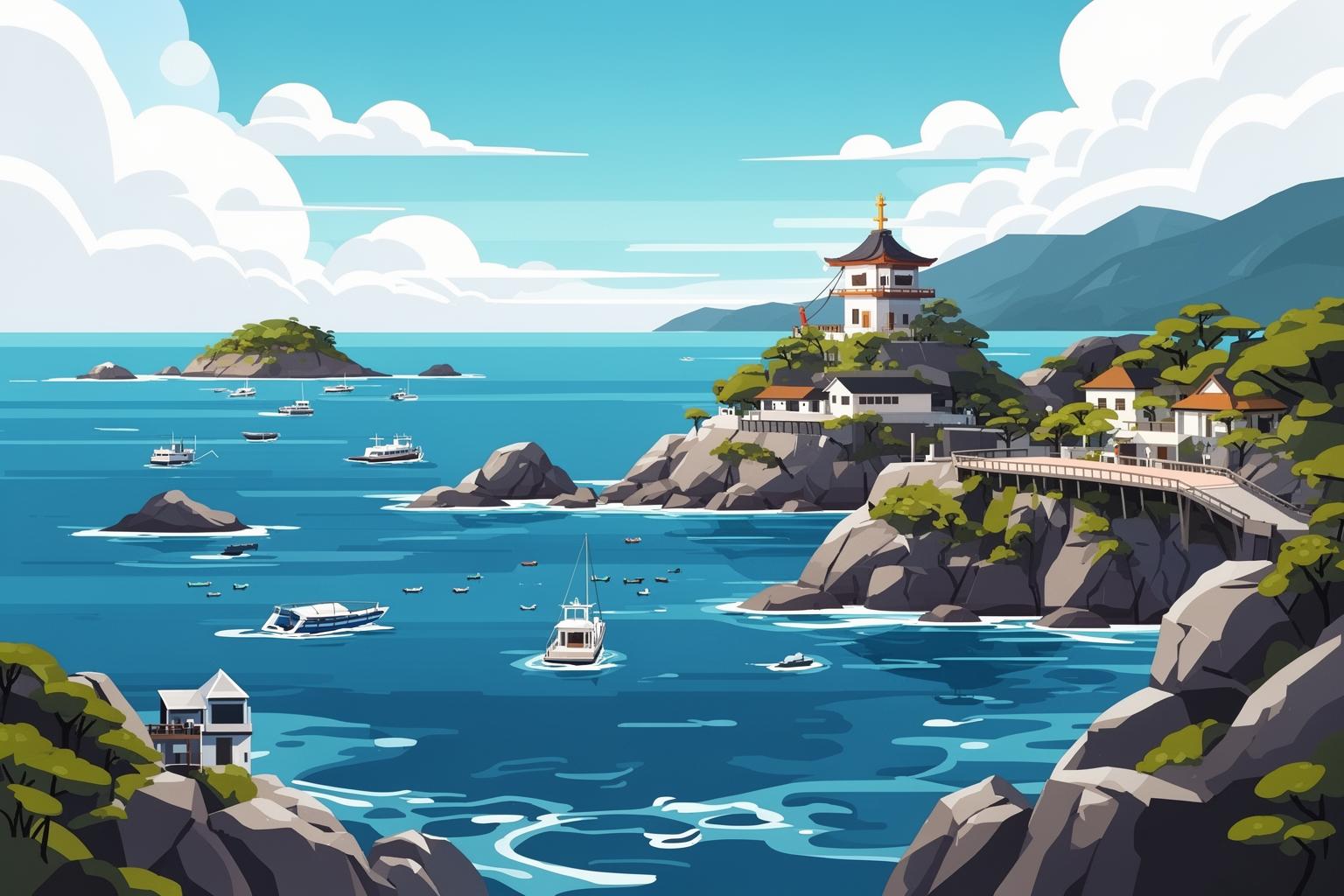
The pilgrimage to Hitogashima doesn’t begin with a dramatic or ominous event, but rather with the gentle, rhythmic click-clack of a local train. The journey starts by heading to Wakayama City and then transferring to the Nankai Kada Line. This brief, scenic ride offers the perfect transition from Japan’s urban sprawl to the quiet coastal lifestyle that defines the region. As the train slowly approaches its final stop, Kada Station, glimpses of the sea appear—a shimmering expanse of blue that quietly builds anticipation. Kada is a charming, sleepy fishing town. The air here tastes different—salty, fresh, and carried on a steady breeze. It’s the kind of place where time seems to slow, a sharp contrast to the hectic pace of the story you’re about to enter. Walking from the station to Kada Port, you pass traditional wooden houses and small shops, their storefronts weathered by years of sea air. This walk feels deeply familiar, echoing Shinpei’s own return to his island home—filled with a blend of nostalgia and an unspoken sense of unease. The port is the final gateway. It’s a working harbor, with fishing boats gently bobbing in the water and the cry of gulls overhead. Here, you’ll find the ticket office for the Tomogashima Kisen ferry, the small vessel that completes your journey. The ferry is unassuming, but as it pulls away from the dock and leaves the mainland behind, the moment’s significance truly sinks in. The twenty-minute ride across the water is transformative. You watch the town of Kada shrink into the distance as the dark, green silhouette of Tomogashima grows larger on the horizon. The island rises from the sea, rugged and cloaked in dense forest. No sprawling towns or modern buildings are visible—only the promise of wild, untamed nature. It looks exactly as you imagined Hitogashima would: isolated, mysterious, and holding its secrets close.
Stepping into the Anime: The Atmosphere of Tomogashima
Setting foot on Tomogashima feels like stepping through a screen. The moment you step onto the small pier on Okinoshima, the main island, the atmosphere of Summer Time Rendering surrounds you. The first sensation is the sound—or rather, the symphony. In summer, the air is thick with the deafening, pulsating chorus of cicadas, the constant, high-pitched hum that forms the unsettling soundtrack of the anime. It’s a sound that is both quintessentially Japanese summer and, in this context, profoundly ominous. Next comes the humidity. It clings to you, a tangible presence that makes the air feel heavy and the dense forest seem to breathe around you. As a hiker, I’m familiar with the elements, but the air on Tomogashima feels different, charged with a story. The trails winding through the island act as your guide. They are not pristine, manicured paths; instead, they are rugged, earthen tracks that weave through a thick canopy of trees. Sunlight struggles to penetrate the dense foliage, creating a near-perpetual twilight in some areas, where shadows dance and play tricks on your eyes. You immediately understand why this place was chosen. The feeling of being watched, of something unseen lurking just beyond the treeline, is palpable. Every rustle of leaves or snap of a twig can make your heart race. It’s an environment that fuels the imagination, making it easy to believe in the existence of Shadows. The island’s true character is revealed in the breathtaking way nature has reclaimed the remnants of human presence. The crumbling brick structures, abandoned military installations from a bygone era, are now entwined with roots and draped in thick blankets of moss. It’s a beautiful yet haunting tableau, a physical embodiment of time passing and secrets being buried. Walking these paths, you feel a deep sense of isolation. Even when other visitors are present, the dense woods and winding trails often make you feel utterly alone. This solitude is at once serene and deeply unsettling, perfectly capturing the anime’s psychological core. You are on an island, cut off from the outside world, forced to confront whatever lies hidden in the shadows, both literal and metaphorical.
The Third Battery Ruins: A Labyrinth of Shadows
Deep within the island’s forested heart lies its most iconic and chilling location: the ruins of the Third Battery. If there is one place on Tomogashima that forms the undisputed center of the Summer Time Rendering experience, this is it. These are not merely old buildings; they constitute a sprawling, subterranean network of red-brick tunnels and cavernous ammunition depots built during the Meiji era. Upon finding the entrance—a dark, yawning archway carved into the side of a hill—you feel a sudden drop in temperature. The humid summer air gives way to a cool, damp chill emanating from the earth itself. Exploring this labyrinth without a flashlight is impossible; it’s not just recommended but absolutely essential. The darkness inside is absolute and profound. Your beam of light slices through the blackness, revealing long, arched corridors that vanish into nothingness. The acoustics are eerie; every footstep, whispered word, and drip of water echoes against the damp brick walls. Walking through these tunnels, it’s impossible not to have your mind replay the desperate chase scenes from the anime. You can almost hear the frantic footsteps of Shinpei and Hizuru, feel the suffocating panic of being hunted in the dark by something inhuman. The tunnels branch and intersect, creating a disorienting maze. Some passages open into vast, cathedral-like chambers once housing massive cannons, with circular mounting points still visible on the floor. Light filters through cracks in the ceiling, illuminating dust motes floating in the air and highlighting the vibrant green moss clinging to the walls. These pockets of light provide only brief respite before plunging you back into darkness. The historical weight of this place adds another layer to its unsettling atmosphere. These fortifications, built to defend Japan, represent military precision and power. Now, they lie silent, abandoned, and slowly reclaimed by nature. This sense of decay and forgotten purpose perfectly complements the anime’s themes of ancient curses and hidden histories. Exploring the Third Battery is a multi-sensory experience that goes beyond mere sightseeing. It’s about feeling the cold, smelling the damp earth, and letting profound silence and darkness sharpen your senses. It’s a thrilling, heart-pounding adventure that makes you feel as though you’ve truly stepped into the world of Hitogashima.
The Lighthouse and the Coastal Views
Emerging from the oppressive darkness of the Third Battery ruins, you experience a dramatic transition. Climbing a flight of stone stairs, you blink as your eyes adjust to the brilliant, piercing sunlight. The path opens up, rewarding you with one of the island’s most beautiful and hopeful sights: the Tomogashima Lighthouse. Standing tall and pristine white against the deep blue of sky and sea, the lighthouse is a beacon of order and humanity amidst the island’s wildness. This stark, elegant structure has been guiding ships safely through these waters since 1872 and remains an active lighthouse today. It offers a striking contrast to the decaying military ruins hidden in the forest. For anime fans, the area around the lighthouse is instantly recognizable. It evokes the stunning coastal overlooks of Hitogashima, places where characters pause to take in the vastness of their world and the weight of their situation. From this vantage point, you can see for miles. The endless expanse of the Pacific Ocean stretches before you, its surface glittering under the sun. You can trace the mainland Wakayama coastline and, on clear days, even the distant silhouette of Awaji Island comes into view. For a hiker, reaching a viewpoint like this is always a profound reward. It’s a moment to catch your breath, hydrate, and reflect on the journey. On Tomogashima, this moment carries narrative significance. This is the view the inhabitants of Hitogashima would have seen daily—a constant reminder of their beautiful, isolated home. The coastal trails offer a contrasting kind of beauty to the dense inland forest. They are more open, with the salty sea breeze providing welcome relief from the humidity. Small, secluded coves with pebble beaches appear along the way, reminiscent of the spots where Shinpei and Ushio shared childhood memories. These serene pockets are indispensable to the island’s identity, both real and fictional. They represent idyllic spaces that make the encroaching darkness of the story all the more chilling. The lighthouse and coastal paths embody the island’s duality: a place of immense natural beauty and light that is perpetually haunted by shadows lurking just out of sight.
Mapping the Scenes: Key Locations for Your Pilgrimage
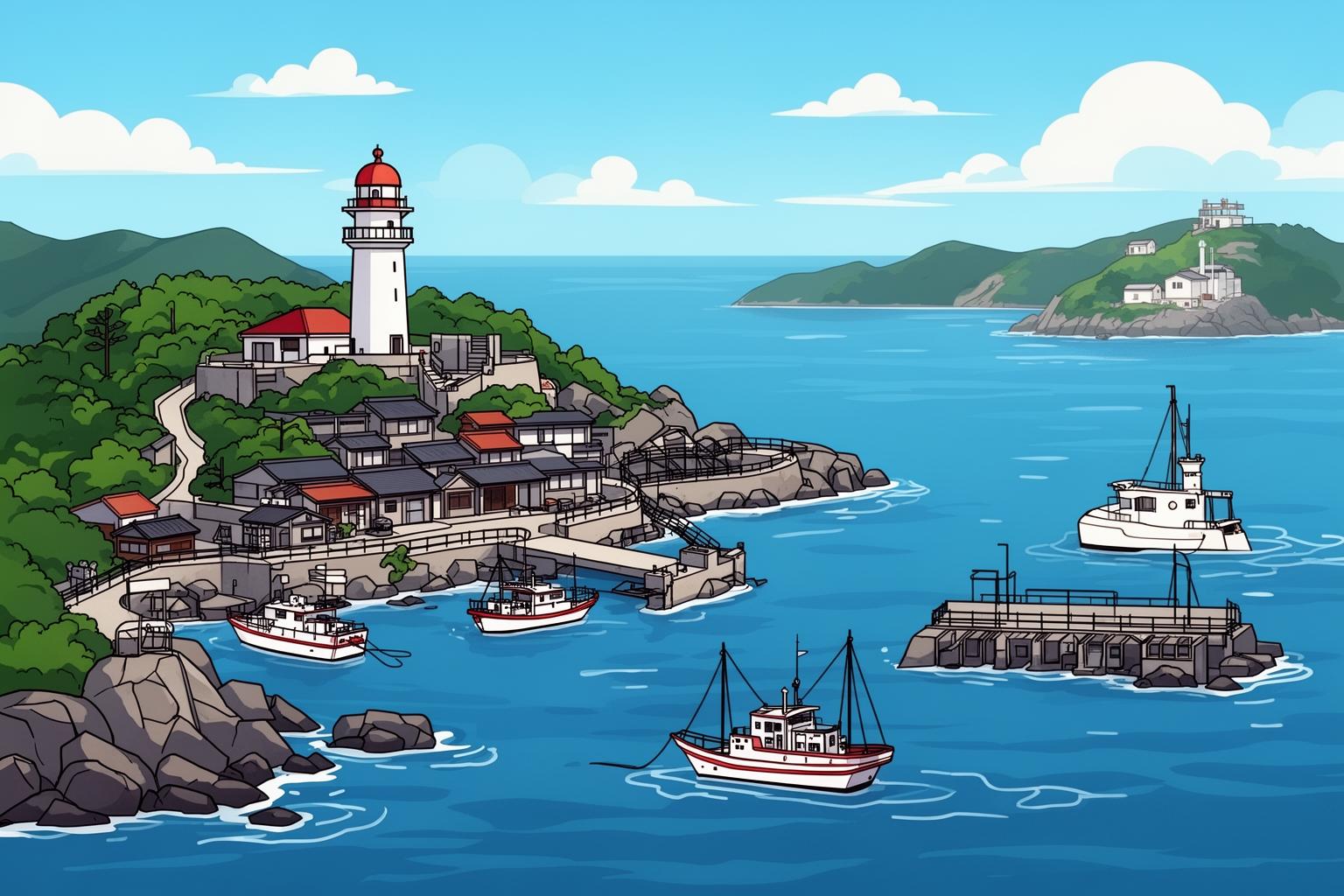
While Tomogashima sets the overall mood, ardent fans on a pilgrimage will want to visit the specific sites that mirror key scenes in Summer Time Rendering. With careful observation, you can reconstruct the map of Hitogashima all around you.
Kada Port & The Ferry Dock
Your pilgrimage begins as soon as you arrive in Kada. The entire port area, with its quaint, small-town charm and the prominent ferry terminal, perfectly evokes the opening scenes of the anime. The ticket office, the waiting area, and the ferry itself—the “Tomogashima Kisen”—serve as your direct connection to Shinpei’s fateful return. Standing on the dock and watching the ferry draw near, you can’t help but feel a shiver of anticipation, as if you’re about to enter your own time loop. The brief boat ride marks your narrative transition, leaving the ordinary world behind and stepping into the extraordinary.
The Spirit of Kobayakawa’s Store
Though you won’t find a shop with a “Kobayakawa” sign, its spirit lives on in Kada. Walking from the station to the port, take note of the older, traditional stores. Look for classic storefronts with sliding wooden doors, weathered awnings, and displays of local products. These small, family-run businesses perfectly capture the essence of the Kobayakawa grocery store, the central gathering point of the Hitogashima community. It’s in these quiet corners of Kada that you’ll encounter the nostalgic everyday life that the Shadows aimed to invade and replace.
The Shrine on the Hill: Hito Jinja’s Counterpart
At the core of the anime’s story is the enigmatic Hito Jinja, the shrine that anchors the island’s dark folklore. On Tomogashima, the real-world equivalent is the Tomogashima Shrine. The journey to this shrine is as important as the destination itself. You’ll follow a path ascending via worn stone steps, cutting through dense, shadowy woods. The atmosphere grows quiet and reverent. The stillness of the air and the tree canopy overhead form a natural cathedral. The shrine is a small, modest clearing—a place for silent reflection. Standing there amid ancient trees, it’s easy to picture the climactic and chilling events that unfolded at Hito Jinja. You can nearly feel the weight of the island’s long-buried history.
Takanosu-yama Observation Deck: The Strategic Overlook
For sweeping, panoramic views of the entire island, your destination is the Takanosu-yama Observation Deck. This is the island’s highest point and offers a full 360-degree vista. The hike to reach it takes some effort, but the reward is tremendous. From this vantage, you can see Okinoshima’s entire layout: the pier where you landed, the dense forest cloaking the battery ruins, the slender white lighthouse, and the vast surrounding sea. This spot corresponds to the strategic viewpoints from the anime where characters assess their predicament, plan their next steps, or take a moment of calm before plunging back into chaos. It’s the place that truly imparts a sense of the scale and solitude of your island adventure.
A Hiker’s Guide to Surviving Tomogashima
As an outdoor specialist, I cannot emphasize enough: Tomogashima is not a theme park. It is a semi-wild island featuring genuine trails and abandoned structures. Proper preparation is essential for a safe and enjoyable visit. Consider this your survival guide for a day on Hitogashima.
Essential Gear and Attire
First and foremost, proper footwear is crucial. Sturdy, closed-toe walking shoes or hiking boots are a must. The trails are uneven, filled with roots and loose rocks, and can become slippery after rain. The ground within the battery ruins is often damp and muddy. Sandals or flimsy shoes are a sure way to risk a twisted ankle. Dress in layers. Even on hot days, the tunnels remain surprisingly cold. Lightweight, breathable clothing is ideal for the humid hike, but bringing a light jacket for the ruins is wise. Most importantly, carry a powerful flashlight or headlamp. Your phone’s light won’t suffice in the complete darkness of the Third Battery. A dedicated light source is crucial for safety and to fully appreciate the vast underground structures. Also, consider packing a backup flashlight or extra batteries; you don’t want to be left in the dark.
Provisions and Logistics
There are almost no shops or vending machines on the island itself. You must bring all the food and water you’ll need for the day. Pack more water than you expect, especially during summer, as the humidity causes quicker dehydration. High-energy snacks like trail mix, granola bars, or onigiri are perfect for maintaining energy. Remember to follow the “leave no trace” principle. Trash cans are scarce, so bring a small bag to carry all your garbage back to the mainland. Respect the island’s natural beauty. Before heading to the port, check the ferry schedule online. Tomogashima Kisen offers limited round trips daily, and the timetable may vary seasonally or be canceled due to bad weather. Missing the last ferry back is not an option, as the island has no accommodations. Plan your hike around the ferry times, allowing plenty of buffer to return to the pier.
Navigating the Loop
The main attractions on Okinoshima can be explored in a single hiking loop. A leisurely pace, with ample time for photos and exploring ruins, will take roughly three to four hours. The trails are generally well-marked with signs in Japanese and English, but picking up a map from the small visitor center near the pier is always helpful. It assists in visualizing the loop and pacing yourself. Stay alert to your surroundings. While the island is generally safe, the abandoned buildings have hazards like uneven floors and low ceilings. Watch your step, especially in the dark tunnels, and remember you are exploring historical ruins at your own risk.
Beyond the Shadows: The Charm of Kada Town
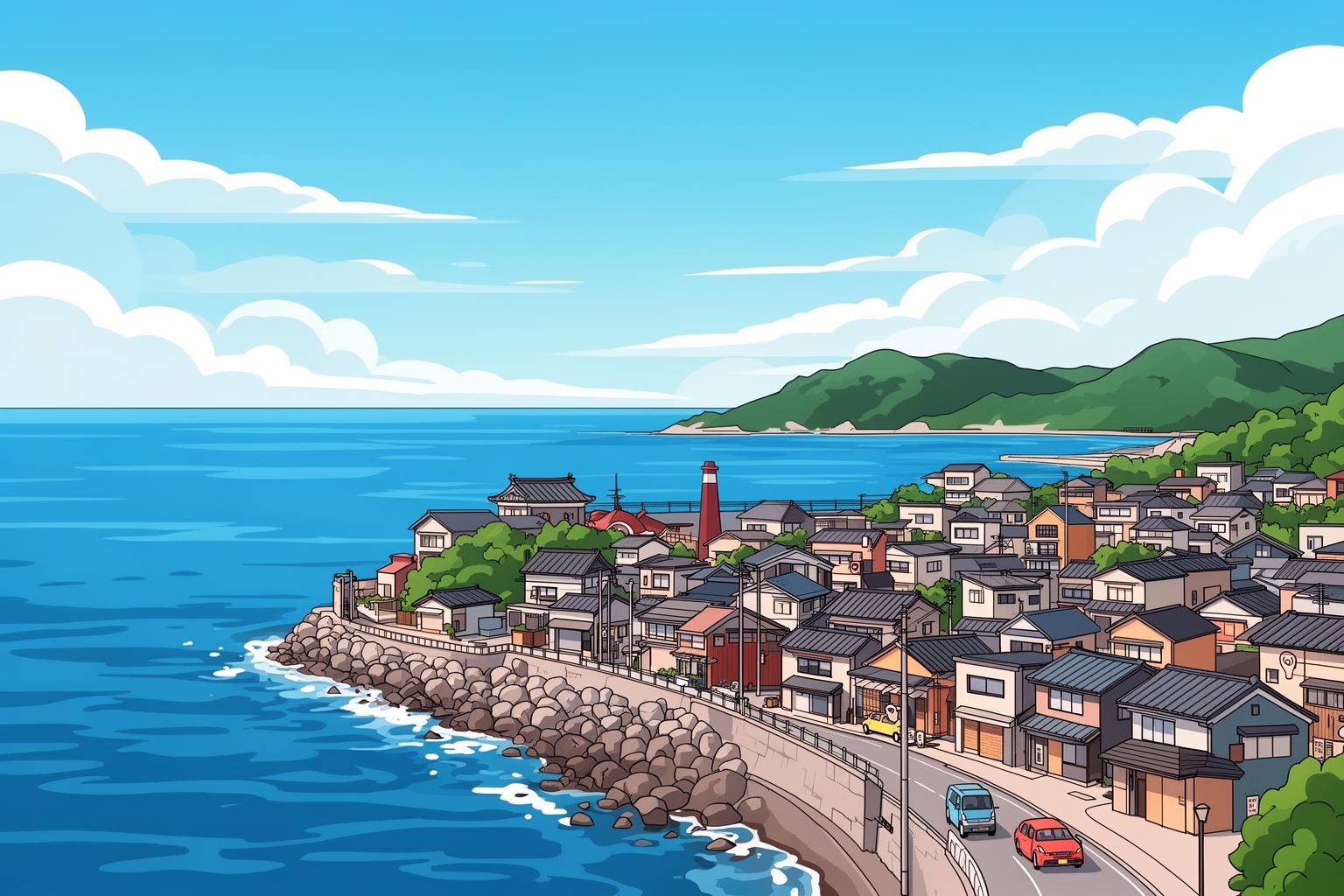
Your adventure shouldn’t conclude the moment you step off the ferry back to the mainland. The town of Kada stands as a destination in its own right, offering a wonderful way to unwind after the intense atmosphere of Tomogashima. It provides a cultural and culinary context that enhances the entire pilgrimage.
One of Kada’s most unique and fascinating attractions is the Awashima Shrine. This shrine is renowned throughout Japan for its remarkable collection of hina ningyo, the ornate dolls displayed during the Girls’ Day festival. Over time, people have brought their old, unwanted dolls here to be blessed and ritually disposed of. The result is thousands upon thousands of dolls filling the shrine’s halls. The scene is both beautiful and deeply eerie, a sea of silent, staring faces. For fans of Summer Time Rendering, a story rich in folklore and the uncanny, visiting a shrine filled with doll-like figures offers an incredibly fitting and memorable experience. It resonates with similar themes of tradition, ritual, and a slightly unsettling beauty.
Kada is also a fishing town, so it would be a mistake not to try the local cuisine. The town is especially famous for its sea bream, or tai. Find a local restaurant near the port and indulge in a fresh seafood meal. Whether it’s sashimi, grilled fish, or a hearty seafood bowl, it’s a delicious and authentic way to connect with the local culture. Enjoying a meal while gazing out at the sea, with the silhouette of Tomogashima in the distance, is the perfect way to reflect on your journey. It grounds the fictional horror and suspense of the anime in the simple, pleasant reality of a coastal Japanese town. It serves as a reminder that even in places steeped in mystery and darkness, there is also warmth, community, and life.
The Echoes of Hitogashima: A Final Reflection
As the sun begins to set and you leave Kada behind, the experience of Tomogashima gradually settles in. It’s more than just a day trip; it’s a full immersion. The island is a rare and powerful place where multiple layers of reality overlap: the geological reality of the islands, the historical reality of the Meiji-era fortifications, and the fictional reality of Summer Time Rendering. On Tomogashima, all these layers coexist, allowing visitors to move through them simultaneously. The lingering impression is one of awe. You’ve walked the dark, echoing tunnels that once seemed so terrifying on screen. You’ve stood on cliffs gazing out at the vast ocean that framed Shinpei’s desperate struggle. You’ve heard the relentless cry of cicadas, the true soundtrack of that unforgettable summer. The island doesn’t just resemble Hitogashima; it feels like it. The sense of isolation, the haunting beauty of nature reclaiming man-made structures, and the tangible weight of history all merge to create an atmosphere that is truly unforgettable. This pilgrimage is essential for any fan of the series. It transforms the story from something you watched into something you lived. The journey to Tomogashima offers a chance to step inside the narrative, to feel the sun and sea spray on your skin, and to listen for echoes of a tale about time, shadows, and the enduring spirit of a small island community. It’s an adventure that will stay with you, a memory loop you’ll gladly revisit again and again.