
There’s a certain kind of warmth that some stories leave you with, a gentle hum that resonates long after the credits roll. It’s the feeling of a cozy blanket, a sweet treat, a first love blossoming in the most familiar of places. Kyoto Animation’s masterpiece, Tamako Market and its heartfelt cinematic conclusion, Tamako Love Story, is the very embodiment of that feeling. It’s a story woven into the daily rhythm of a tight-knit community, centered around the charmingly ordinary Usagiyama Shopping Arcade. But what if I told you that this heartwarming, slightly nostalgic world wasn’t just a fantasy? What if you could walk the same paths as Tamako Kitashirakawa, hear the friendly chatter of shopkeepers, and maybe, just maybe, feel the flutter of a love story waiting to unfold? Welcome to the Demachi Masugata Shopping Arcade in Kyoto, the real-life beating heart of Tamako’s world. This isn’t merely a filming location; it’s a living, breathing testament to the community spirit that Kyoto Animation so beautifully captured. It’s a place where the sweet scent of mochi hangs in the air, where locals greet each other with a familiar nod, and where the boundary between animation and reality feels beautifully, wonderfully blurred. For fans, it’s a chance to step through the screen. For travelers, it’s an opportunity to discover an authentic slice of Kyoto life, far from the bustling tourist hubs. This is a journey into the soul of a beloved story, a pilgrimage to the place where Tamako and Mochizo’s gentle romance came to life.
If you’re inspired to embark on more journeys into the heart of beloved anime worlds, consider exploring the mystical landscapes of Mushi-Shi.
The Rhythm of the Arcade: Breathing Life into Usagiyama
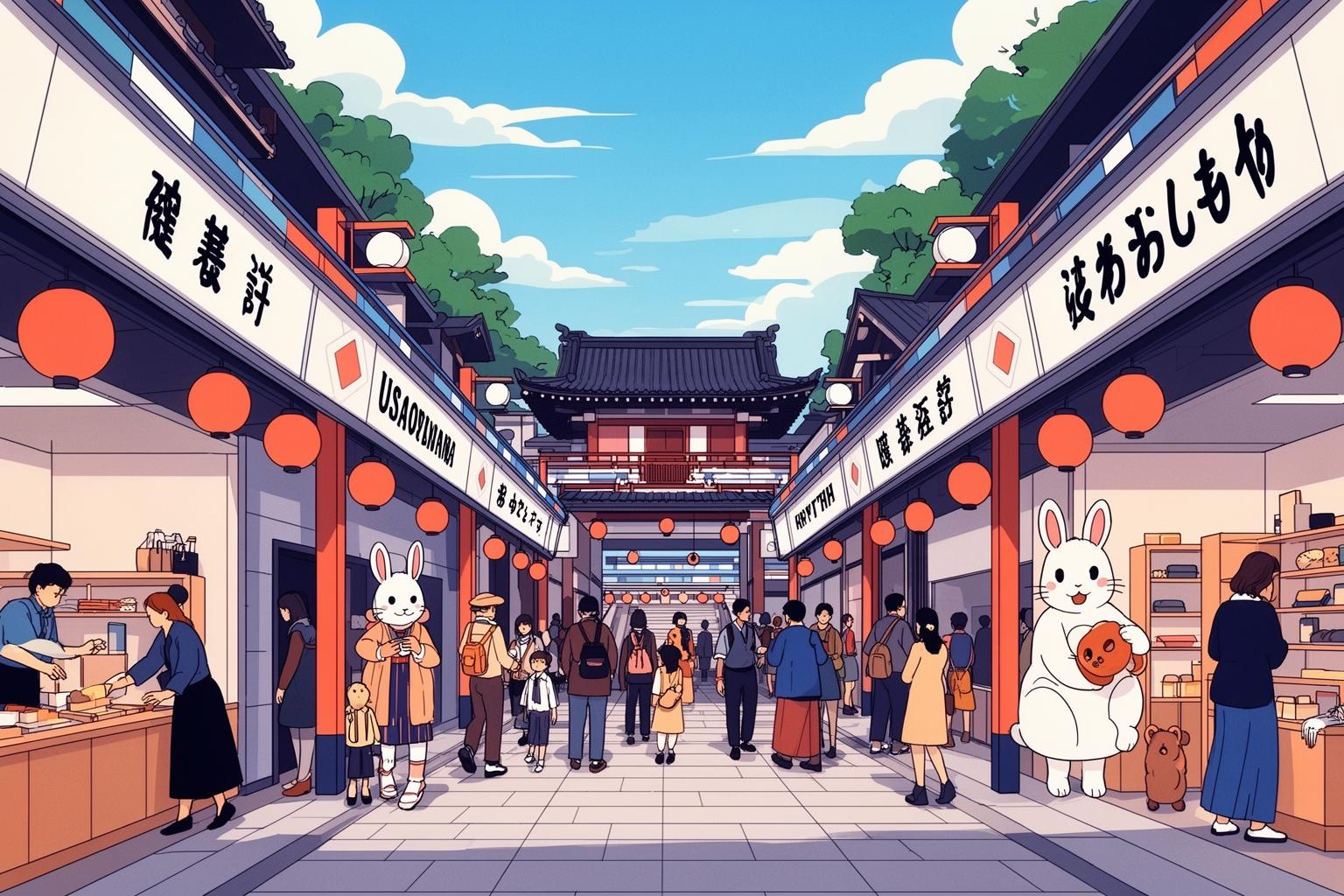
The moment you step out of Demachiyanagi Station and head towards the arcade, a subtle change occurs. The grandness of Kyoto’s temples and wide avenues makes way for something more intimate and personal. The entrance to the Demachi Masugata Shopping Arcade doesn’t announce itself with neon lights or flashy signs; instead, it invites you with a modest, almost timeless charm. As you pass beneath the arched entrance, you are instantly transported. This is it. This is Usagiyama.
Inside, the air is a rich blend of scents and sounds. The savory aroma of freshly fried croquettes from a butcher’s shop mingles with the earthy smell of pickled vegetables and the faint, sweet fragrance of fresh flowers. There’s a constant, gentle hum of activity: friendly vendors calling out, bicycle wheels squeaking on the polished floor, neighbors chatting quietly about the day’s news. It’s a symphony of everyday life, a rhythm that feels both lively and deeply comforting. For those who have followed Tamako’s daily routine, every detail sparks a delightful sense of recognition. The high, arched ceiling and the banners hanging above—while not exactly the bunny motifs of Usagiyama—the spirit is unmistakably the same. You can almost picture Midori and Kanna strolling by, playfully bickering, or glimpse Tamako’s father, Mamedai, deep in conversation with the record shop owner. The arcade isn’t a meticulously preserved film set; it’s a lively, working market that has served its community for generations. This authenticity is its greatest charm. The shops don’t sell anime merchandise; they offer fresh tofu, locally sourced tea, and everyday household goods. The people here aren’t actors; they are real families managing businesses passed down through the years. This vibrant reality is precisely what makes the pilgrimage so meaningful. You’re not merely observing a place; you’re engaging in the very lifestyle that inspired the series. It’s a powerful sensation, a connection that bridges fiction and reality. Take your time to explore. Peek through the fishmonger’s windows, admire the colorful produce at the greengrocer, and simply soak in the atmosphere. This is the story’s heartbeat, and it pulses all around you.
A Taste of Tama-ya: The Legendary Mochi of Demachi Futaba
At the core of Tamako Market and Tamako Love Story lies, of course, mochi. It’s more than just a food; it embodies family, tradition, community, and the sweet, sticky, and complex nature of Tamako’s life and emotions. Her family’s shop, Tama-ya, serves as the central hub of the arcade, a place filled with warmth and hospitality. Within the Demachi Masugata Shopping Arcade, one spot stands as the undeniable real-world counterpart to Tama-ya: Demachi Futaba. Even if you’d never heard of the anime, you’d recognize this shop as special. There is almost always a line—a patient queue of locals and visitors alike—stretching from its modest storefront. This is not simply a tourist-driven trend; Demachi Futaba has been a cherished institution in Kyoto for over a century, renowned for its exquisite handmade rice cakes.
For fans of the anime, approaching this shop is a moment of genuine joy. The traditional noren curtains, the wooden facade, and the lively energy of the staff inside make it feel as though you’ve stepped directly into a scene with Tamako’s family. The star here, and the must-try item, is the Mame-mochi. This soft, chewy rice cake is filled with smooth, sweet red bean paste (anko) and studded with whole, slightly salted black soybeans. The flavor balance is remarkable: the gentle sweetness of the filling, the subtle savory hints from the beans, and the perfect, tender texture of the mochi itself. It’s a masterpiece of simplicity and taste. Holding one, you can’t help but think of Tamako’s passion for her craft and her dedication to creating the perfect mochi that brings joy to others. Watching the staff work with swift, practiced skill is a pleasure in itself. They move with an efficiency and artistry that speaks to decades of tradition. While waiting in line, you can admire the variety on offer, from mochi flavored with fragrant mugwort (yomogi) to seasonal specialties. Purchasing from Demachi Futaba is an essential part of the pilgrimage. It’s not just about eating the mochi; it’s about engaging in a local ritual, about tasting the essence of what forms Tamako’s identity. My recommendation? Buy a few different kinds, find a quiet spot—perhaps by the nearby Kamo River—and savor them slowly. It’s a moment of pure, delicious connection to the story.
The Deeper Meaning of Mochi
To fully appreciate the significance of Demachi Futaba and its link to Tama-ya, it helps to understand the cultural importance of mochi in Japan. It’s not merely a sweet treat; it is deeply intertwined with celebration, history, and spirituality. Mochi is traditionally eaten during the New Year holiday, known as Oshogatsu, as a wish for good fortune and longevity. The ceremonial pounding of steamed rice into mochi, called mochitsuki, is a community event that brings families and neighbors together—a perfect reflection of the community spirit portrayed in Usagiyama. Different regions and seasons have their own distinct mochi traditions. In spring, sakura mochi (cherry blossom rice cake) and kashiwa mochi (rice cake wrapped in an oak leaf) are common, celebrating seasonal change. The fact that Tamako’s life centers on this deeply traditional craft reveals much about her character. She is grounded, connected to her heritage, and finds joy in the simple, rhythmic act of creating something that brings happiness to others. When you eat the mochi from Demachi Futaba, you partake in this rich cultural history. It transforms the experience from eating a mere snack to engaging in a meaningful act, linking you not only to the anime but to the deeper cultural currents of Kyoto and Japan as a whole. This context makes the ever-present mochi in the series feel even more meaningful—a constant, comforting symbol of home and belonging.
Along the Riverbank: Scenes of Youth and Confession
While the arcade forms the heart of the story, its soul lies just a few steps away, along the banks of the Kamo River—specifically at the Kamogawa Delta, a triangular piece of land where the Kamo and Takano rivers meet. This peaceful, open area is a recurring and crucial setting throughout both the series and the movie, making it an essential stop on any Tamako Love Story pilgrimage. The moment you see it, you’ll understand why Kyoto Animation chose this location. It’s a place of calm reflection and youthful vitality. University students lounge on the grassy banks, families enjoy picnics by the water, and cyclists pass by on the riverside paths. The atmosphere is one of serene, unhurried relaxation. Here, the characters come to think, talk, and share their most vulnerable and significant conversations. It’s where Mochizo often wrestles with his feelings for Tamako, and where friends gather simply to enjoy each other’s company.
The Turtle Stepping Stones
The Kamogawa Delta’s most iconic feature is undoubtedly the turtle-shaped stepping stones (kameishi) that let you cross the river. These playful stones are a beloved Kyoto landmark and appear prominently in some of the most memorable scenes. Hopping across them, just as the characters do, is a pure, simple joy that makes you feel like a child again. You can almost hear the anime’s gentle soundtrack in your mind as you cross, pausing mid-way to watch the flowing water and the distant city skyline. This is the exact spot where moments of deep introspection unfold. The stones physically symbolize crossing and transition—perfect for a story about growing up and moving from friendship to something more. Standing on them, you can sense the weight of Mochizo’s unspoken confession and Tamako’s tender confusion. It’s a profoundly cinematic and emotionally charged place. Take a moment to sit along the riverbank, watch the water flow, observe locals enjoying their day, and let the calming atmosphere envelop you. This spot lies between the lively arcade and the quiet intimacy of home, serving as a place of reflection essential to the story’s emotional landscape.
The Bridge of Decision
Linking the arcade to the wider world is the Demachi Bridge, another key landmark that frames the characters’ journeys. In storytelling, bridges symbolize connection, transition, and choice. For Tamako and Mochizo, who live on opposite sides of the arcade, the bridge represents both physical and emotional space between them. As you walk across, you can imagine Mochizo heading home to the Ōji mochi shop or Tamako running an errand, their paths crossing in this in-between place. In Tamako Love Story, the bridge and its riverside surroundings serve as the stage for the film’s emotional climax—the memorable scene where Mochizo finally, earnestly confesses his feelings. The sense of place is so vivid you can pinpoint the exact spots, the railing’s angle, and the view of the river. It highlights Kyoto Animation’s meticulous attention to detail. They didn’t merely use Kyoto as a vague backdrop; they wove the city’s real geography into the heart of the narrative. Standing on that bridge, feeling the river breeze, is a moving experience for any fan. It’s a place charged with the story’s emotional energy—a quiet monument to a love story that feels deeply authentic.
A Perfect Pilgrimage Itinerary: Living a Day Like Tamako
To fully immerse yourself in the world of Tamako Love Story, it’s better to approach your visit not as a checklist of photo spots but as an opportunity to feel the rhythm of the neighborhood. Here’s a suggested itinerary for a day that flows naturally and lets you soak in the atmosphere.
Morning: Riverside Reflection
Begin your day by arriving at Demachiyanagi Station. Before heading into the arcade, turn towards the river and start your journey at the Kamogawa Delta. The morning light here casts a gentle glow over the water, making it a beautiful spot to pause. Spend some quiet time by the riverbank, perhaps even daring to hop across the turtle stepping stones. This moment allows you to connect with the story’s quieter, more introspective side, setting an emotional tone for the day. Feel the peacefulness of the place—the same tranquility the characters seek in their quiet moments. From the delta, take a leisurely walk across Demachi Bridge. Pause halfway and take in the view, imagining yourself in Mochizo’s place, feeling the anticipation and nervousness of a heart on the verge of confession. This gentle start helps you ease into the world rather than rushing straight to the main attractions.
Mid-Day: The Liveliness of the Arcade
Cross the street and enter the Demachi Masugata Shopping Arcade, where the energy builds as locals go about their daily routines. This is an ideal time to explore—not just looking for anime landmarks but engaging with the arcade as it truly is. Smile at shopkeepers, appreciate the craftsmanship of the goods, and notice small details—the handwritten signs, seasonal decorations, the way sunlight filters through the roof. This lets you see the world through Tamako’s eyes, appreciating the warmth and charm of her community. Continue to Demachi Futaba, expect a line but take it as part of the experience. If you like, strike up a conversation with others in line—you may meet fellow fans or friendly locals. Buy your Mame-mochi and perhaps a seasonal treat, but save eating them for later.
Lunch: A Genuine Flavor
While mochi is essential, you’ll also want a proper lunch. The arcade and surrounding area offer many authentic, non-touristy dining options. Look for a cozy noodle shop serving udon or soba, or a local diner with a simple set meal. Eating alongside residents deepens your immersion. This is what it truly means to be part of the neighborhood for a day—it’s more than sightseeing; it’s taking part in the daily life that gives this place its character. Supporting local businesses contributes to preserving the special atmosphere of Usagiyama.
Afternoon: A Sweet Treat and Further Discovery
After lunch, savor your mochi treats from Demachi Futaba by returning to the banks of the Kamo River. Find a comfortable spot on the grass, just as Tamako and her friends do. This is the perfect way to enjoy your purchase amid the river’s peaceful setting. As you eat, reflect on the story and the real-life place you’re sitting in—a moment of simple yet profound contentment. Once finished, consider exploring more of the area. The neighborhood is culturally rich. The expansive grounds of the Kyoto Imperial Palace are nearby, offering insight into Japan’s imperial history. Alternatively, a stroll north along the river leads you to Shimogamo Shrine, a UNESCO World Heritage site nestled in an ancient forest. While not directly featured in the anime, these locations are integral to the neighborhood’s character and deepen your appreciation of the world Tamako calls home.
Practical Advice for the Respectful Pilgrim
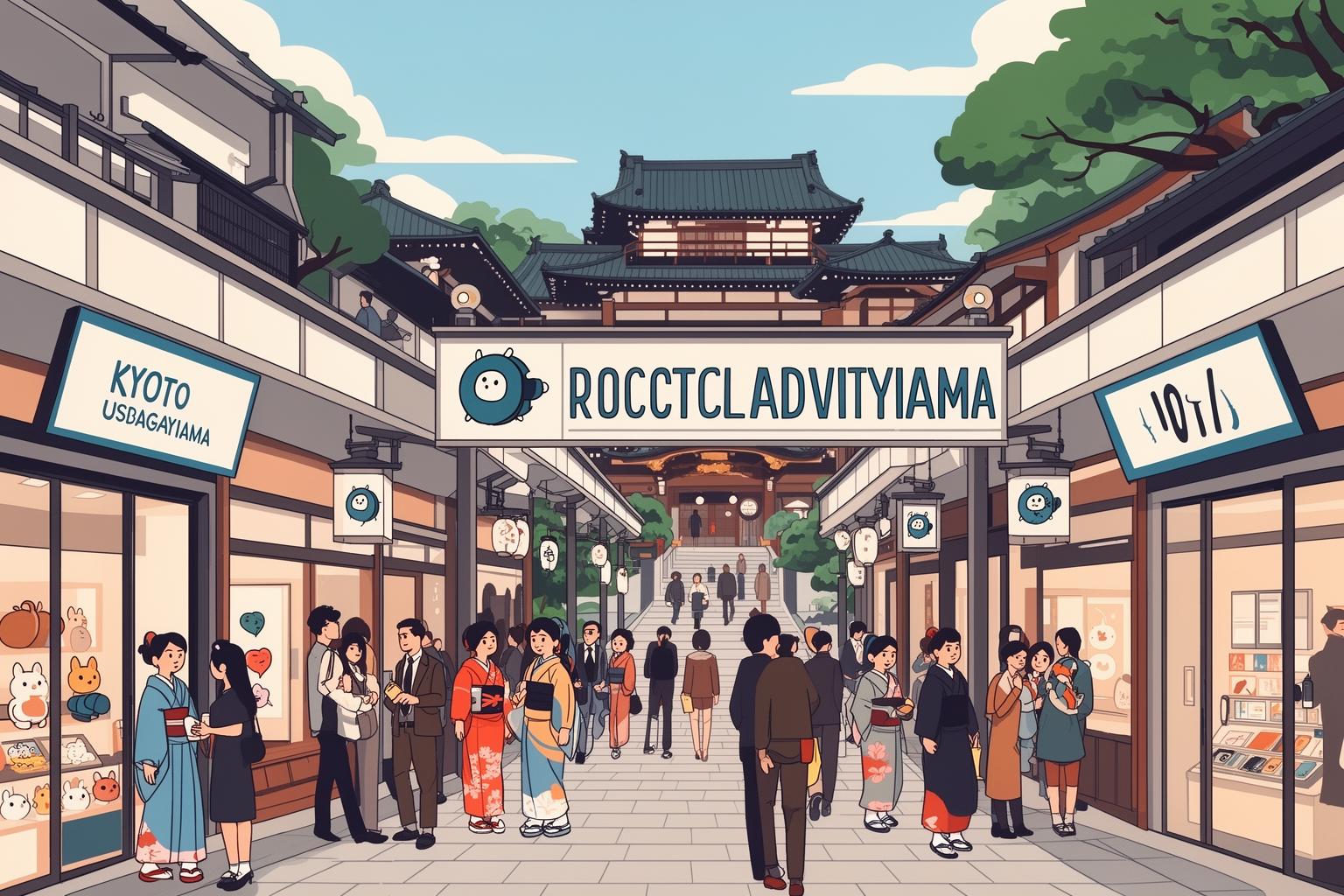
Visiting the Demachi Masugata Shopping Arcade offers a unique and wonderful experience, but it’s important to remember that you are entering a real, working community—not a theme park. The shopkeepers and residents live their everyday lives here, and the success of your visit—and the ability for others to enjoy it in the future—depends on being a respectful guest.
Getting There is Easy
Access is remarkably simple. The main hub is Demachiyanagi Station, the terminus of the Keihan Main Line, which is ideal if you’re traveling from central Kyoto or even Osaka. It’s also a stop on the charming Eizan Electric Railway, which heads further north to scenic spots like Kurama and Kibune. Several city bus lines also serve this area. Upon leaving the station, the arcade and the river delta are just a minute or two away on foot, making it an exceptionally accessible location.
Arcade Etiquette
Above all, be mindful of your surroundings. The arcade is narrow and often bustling with locals, many riding bicycles. Avoid stopping abruptly in the middle of the pathway or blocking shop entrances. If you want to take photos, step aside and be quick. Exercise discretion with photography: while general shots of the arcade’s atmosphere are acceptable, be sure to ask permission before photographing shopfronts, products, or especially people. The shopkeepers are not tourist attractions—they are hardworking individuals. A polite smile and a simple gesture toward your camera can work wonders. If they decline, respect their wishes without question. Supporting the local economy is also important—don’t just come to take pictures. Buy a snack, some tea, or a unique souvenir. Your patronage, however small, helps keep the arcade thriving. Lastly, many small, traditional shops in Japan still operate on a cash-only basis. While this is changing, it’s wise to carry some yen to avoid any inconvenience.
A Note on Kyoto Animation
Visiting the world of Tamako Love Story also means paying tribute to the incredible artists of Kyoto Animation. The studio is famous for its exquisitely detailed and realistic background art, created through a process they call “location hunting,” or rokēshon hantingu. They don’t just visit a location; they immerse themselves in it—absorbing its atmosphere, light, textures, and sounds—and then meticulously recreate that feeling in their animation. This dedication is why their worlds feel so immersive and authentic. When you stand in the Demachi Masugata Shopping Arcade, you are witnessing the direct result of their passion and artistry. It’s a powerful reminder of the deep connection between animation and the real world, and the remarkable talent needed to bring that bridge to life so convincingly. In this way, your pilgrimage is a celebration of their work and their love for the places they bring to life on screen.
More Than a Location, It’s a Feeling
A pilgrimage to the real-world sites of Tamako Love Story offers rewards on many levels. At first, it’s the excitement of recognition—seeing a beloved story’s setting come alive right before your eyes. It’s the delight of hopping across the turtle stones, savoring the same mochi that Tamako lovingly prepares, and standing on the bridge where a heartfelt confession changed everything. But as the day progresses, something deeper unfolds. The initial thrill of comparing “anime vs. reality” fades, and you come to appreciate the Demachi area for what it truly is: a neighborhood rich in history, vibrant in the present, and deeply rooted in community. You begin to see why Kyoto Animation chose this place—not merely as a charming backdrop, but as a location that embodies the core themes of their story: warmth, connection, tradition, and the gentle beauty of everyday life. Leaving the arcade at day’s end, with the sweetness of mochi lingering and the friendly hum of the market fading behind you, you take away more than just photos. You carry a feeling—the feeling of having been welcomed, of sharing a small piece of a special place. You arrive seeking the world of Tamako, and discover a part of real Kyoto that stays with you forever. It’s a love story, after all—not just between two teenagers, but between a community and its home, and now, between that special place and you.