
There’s a certain quiet that settles in your soul when you watch Mushi-Shi. It’s a hush that mimics the gentle fall of snow on a thatched roof, the soft rustle of leaves in a primordial forest, or the muffled sound of footsteps on a mossy stone path. The world of Ginko, the silver-haired, one-eyed Mushi Master, is not one of epic battles or grand pronouncements. It’s a world of whispers, of subtle connections between humanity and the strange, ethereal life forms known as Mushi—beings that are neither plant nor animal, existing on the very edge of perception. This world feels ancient, deeply rooted in the soil and spirit of a Japan that exists just beyond the reach of our modern, bustling reality. It’s a place many of us have longed to visit, not just as viewers, but as pilgrims seeking that same profound tranquility.
But where exactly is the world of Mushi-Shi? The truth is, it isn’t a single dot on a map. You won’t find a signpost for Ginko’s village or the mountain he calls home. The series’ creator, Yuki Urushibara, crafted a fictionalized Japan, one that feels like a collection of memories from a bygone era, somewhere between the Edo and Meiji periods. Yet, the landscapes that form the soul of the series are breathtakingly real. They are born from Japan’s most sacred and untouched natural wonders: its ancient forests, its mist-shrouded mountains, and the serene, timeless countryside known as satoyama. This journey, then, is not about finding exact filming locations. It’s a spiritual pilgrimage, a quest to walk through the very environments that breathe life into Mushi-Shi, to feel the cool, damp air on your skin, and to listen for the faint, humming presence of the Mushi in the quiet places of the world. We will travel from the moss-drenched forests of a southern island to the pristine beech groves of the north, tracing the ancient pilgrim trails and discovering the heart of the world Ginko wanders.
For a different kind of spiritual journey through Japan’s serene landscapes, consider a pilgrimage to the real-world locations of Laid-Back Camp.
The Soul of Mushi-Shi: Understanding Satoyama and Primordial Nature
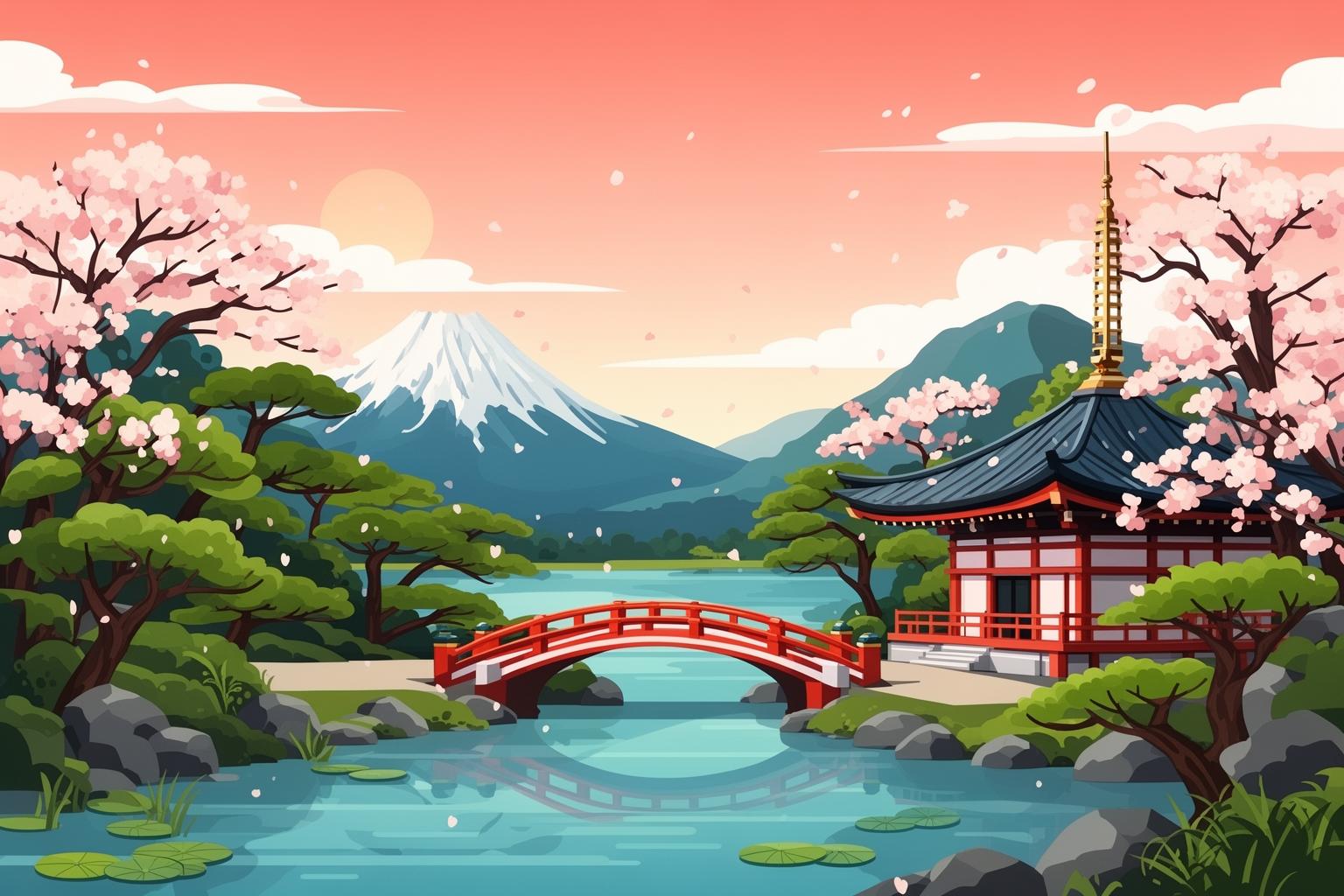
Before we set foot on the first trail, it’s important to grasp the fundamental concept that underpins Ginko’s world: satoyama. This term beautifully blends two ideas: sato (里), meaning village or inhabited place, and yama (山), meaning mountain or forest. Satoyama is neither the city nor the deep, untouched wilderness; it is the borderland, a gentle, cultivated landscape existing in harmony between the two. Picture rolling hills adorned with terraced rice paddies, small farmhouses with thatched or tiled roofs, bamboo groves, and vegetable plots, all nestled along the edge of a dense, dark forest that stands with a quiet, watchful presence. This in-between space is where the human and natural worlds meet, mingle, and sometimes clash. It forms the ideal ecosystem for Mushi to thrive, emerging from the woods to interact with villagers living in their shadow.
This landscape is more than just a charming backdrop—it reflects a deeply ingrained Japanese philosophy. Traditional Shinto faith perceives the divine not as a singular, transcendent god, but as myriad spirits, or kami, inhabiting the natural world. A majestic old tree, a uniquely shaped rock, a powerful waterfall, or an entire mountain may be considered a kami, deserving of reverence and respect. This animistic belief system creates a world where all things are alive, imbued with spiritual essence. Mushi are, in essence, a fictional extension of this idea: the personification of natural phenomena, the living soul of the ecosystem. Ginko’s role as a Mushi Master isn’t to eliminate these creatures; it’s to restore balance, serving as a gentle mediator between two forms of life that have forgotten how to coexist. When traveling through the Japanese countryside, you encounter echoes of this philosophy everywhere: in the small, unattended shrines tucked away on forest paths, the braided straw ropes (shimenawa) wrapped around ancient trees to signify their sacredness, and the deep respect shown for the changing seasons. To embark on a Mushi-Shi pilgrimage is to attune your senses to this rhythm, to perceive the world not as a collection of inert objects, but as a vibrant, breathing entity teeming with unseen life.
Yakushima Island: The Forest of the Moss-Covered Gods
If there is any place on Earth that truly embodies the living spirit of a Mushi-Shi episode, it is Yakushima. This small, mountainous island south of Kyushu is steeped in myth and legend, designated a UNESCO World Heritage site and cloaked in a forest so ancient and lush that it feels as if time itself has slowed to a crawl. The air is heavy with moisture—the locals joke it rains “35 days a month”—and this constant dampness has nurtured a world draped in an incredible variety of greens. Moss, thick and velvety, blankets everything: the forest floor, the twisted roots of towering trees, and the surfaces of massive granite boulders. It is here, within this verdant, dripping wilderness, that you can truly imagine encountering a Mushi like the one in “The Green Seat,” a being that bestows life and connection to those who honor its realm.
Journey into Shiratani Unsuikyo Ravine
The most accessible and perhaps most atmospheric gateway into Yakushima’s essence is the Shiratani Unsuikyo Ravine. Though famously an inspiration for Studio Ghibli’s Princess Mononoke, its spirit aligns perfectly with Mushi-Shi. Stepping onto these trails is like crossing into another world. The silence is profound, broken only by birdsong and the constant, gentle drip of water from the canopy above. Sunlight struggles through the thick leaf cover, casting ethereal beams that illuminate the swirling mist and cause the moss to glow with an inner light. The paths, a mix of wooden boardwalks and natural stone, lead you through a maze of yakusugi, the island’s iconic ancient cedar trees. Their bark is dark and weathered, their trunks twisted into fantastical shapes shaped by centuries of enduring typhoons. You walk beneath natural tunnels formed by roots and past fallen giants that have become nurse logs, their decaying bodies nurturing new trees. It’s a profound lesson in the cycles of life, death, and rebirth—a theme central to Mushi-Shi. It’s easy to spend an entire day here, lost in the quiet reflection the forest encourages. Find a spot by the crystal-clear river tumbling over moss-covered boulders and simply sit. Listen. Watch. Here, you truly feel the heartbeat of the island.
The Pilgrimage to Jomon Sugi
For the more intrepid traveler, the ultimate pilgrimage on Yakushima is the trek to Jomon Sugi. This is no casual hike; it is a demanding 10-hour round-trip adventure into the protected core of the island. But the reward is a face-to-face encounter with a living deity. Jomon Sugi is a colossal cedar tree estimated to be anywhere from 2,000 to 7,200 years old, silently witnessing the entire span of recorded Japanese history. The hike itself is a meditative journey. You start in darkness, well before sunrise, your headlamp casting a small circle of light into the blackness. The trail follows an old logging railroad track for much of the way before ascending steeply into the mountains. As you climb, the trees grow older and grander, their presence commanding. The final approach to Jomon Sugi carries a hush of reverence. It stands on a protected platform, its vast, gnarled trunk and widespread branches forming a silhouette of profound age and endurance. Standing before it, you feel an overwhelming humility. It is a stirring reminder of nature’s resilience, a perfect symbol of the ancient, enduring Mushi that Ginko so often meets.
Practical Guidance for the Island
Reaching Yakushima requires some planning. You can fly directly from several major cities or take a ferry—a high-speed jetfoil or a slower car ferry—from Kagoshima on the mainland. Once on the island, renting a car is by far the best way to explore since public buses are infrequent and don’t reach all trailheads. Accommodations range from simple guesthouses (minshuku) to hotels, mostly located in the coastal towns of Miyanoura and Anbo. Book all your arrangements—flights, ferries, car rentals, and lodging—well in advance, especially during the busy spring and autumn seasons. As a traveler, my strongest advice is to respect the weather. This is not an exaggeration. Waterproof gear is essential: a high-quality rain jacket and pants, waterproof hiking boots, and a waterproof cover for your backpack. The trails can be slippery and tough, so watch your footing carefully. This is no place for fashion; it’s a place for practicality. But the payoff for your preparation is an unforgettable experience, a deep and lasting connection to a truly wild and mystical land.
Shirakami-Sanchi: The Untouched Beech Forest
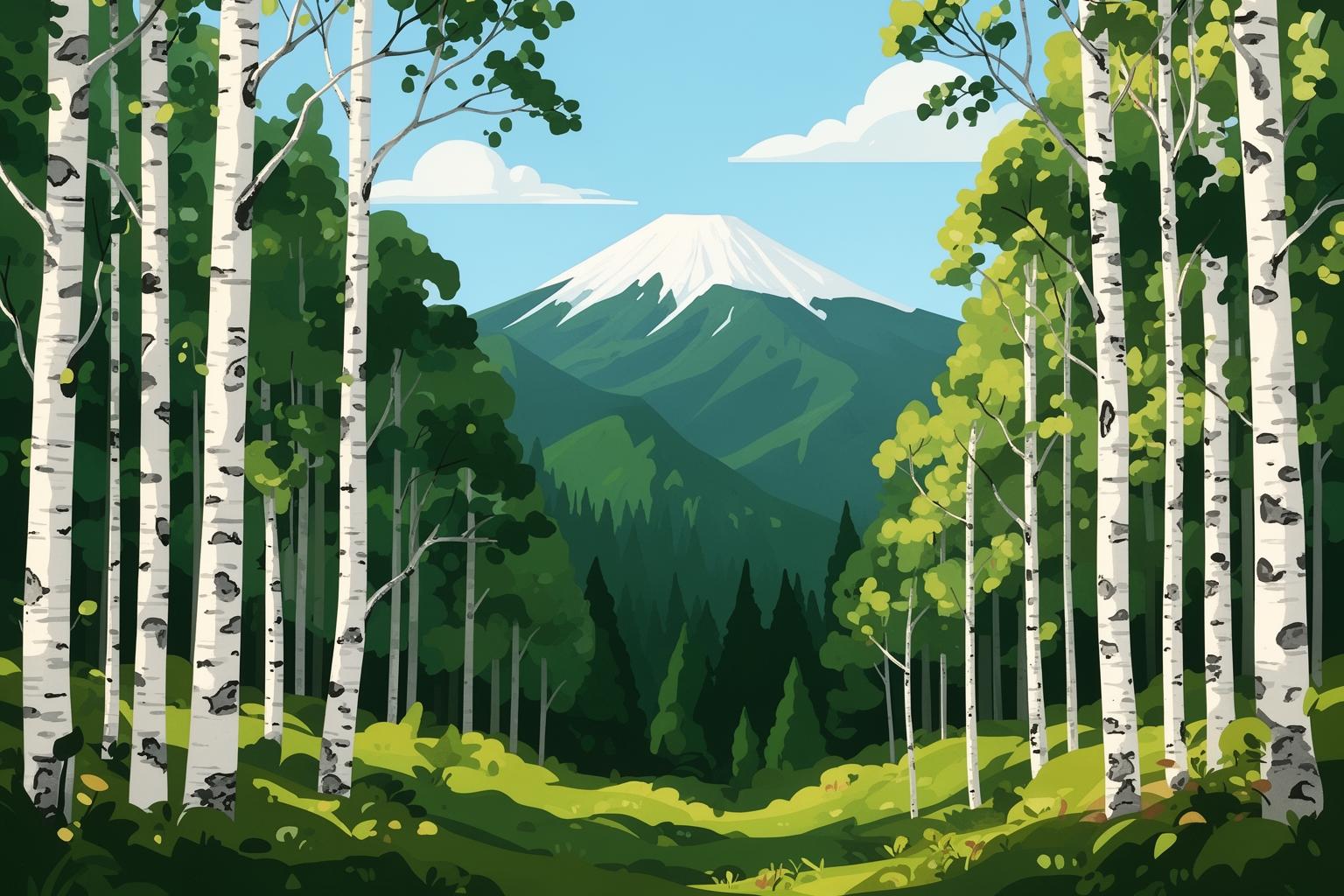
If Yakushima symbolizes the southern, subtropical, moss-laden essence of Mushi-Shi, then Shirakami-Sanchi represents its northern, temperate, and deeply silent soul. Situated in the mountainous area of northern Honshu, spanning both Akita and Aomori prefectures, this UNESCO World Heritage site protects the largest remaining virgin beech forest in East Asia. This forest differs from Yakushima’s; it emphasizes not the singular, god-like presence of ancient cedars but the collective, cathedral-like grandeur of the entire woodland. Walking here feels like stepping into one of the episodes set in a remote mountain pass, where Ginko travels for days through an endless, unchanging wilderness, perhaps under the early grip of winter snow.
The Ethereal Blue of Aoike Pond
The most renowned and accessible section of Shirakami-Sanchi is the Juniko, or “Twelve Lakes,” area. Despite the name, this group of 33 ponds and lakes was created centuries ago by a landslide. The undisputed gem among them is Aoike, the “Blue Pond.” No photograph can truly convey the startling, almost unnatural blue of its water. It is a deep, translucent cobalt that appears to glow from within. The water is so incredibly clear that you can see the bleached-white branches of fallen beech trees resting on the bottom as if intentionally placed by an artist. The reason behind the blue color remains a scientific mystery, adding to its allure. Standing on the small wooden platform overlooking the pond, you feel as though you have discovered a place where the veil between worlds is thin. It is the perfect dwelling for a water-based Mushi, a site of quiet power and inexplicable beauty. The short, well-maintained trail that loops around Aoike and the nearby Wakitsubo no Ike, surrounded by dense, beautiful forest, offers a gentle, ideal introduction to the region’s magic.
The Immensity of the Beech Forest
To truly grasp the vastness of the beech forest, you need to venture a little further. While the core zone of the UNESCO site is highly restricted to preserve its pristine condition (requiring permits and a guide), numerous trails on the outskirts provide an immersive experience. A hike to Anmon Falls, a series of three picturesque waterfalls, leads deeper into the woods along a river valley flanked by towering beech trees. In spring and summer, the forest becomes a sea of vibrant green, with a canopy so dense that the forest floor remains in perpetual twilight. In autumn, it transforms into a stunning tapestry of gold, orange, and red. Silence here is a defining feature—a deep, resonant quiet that absorbs sound, fostering a peaceful, meditative ambiance. As a visitor, especially when exploring less-trodden paths, it’s wise to carry a bear bell. This is truly a wild place, and making your presence known is a simple, respectful way to coexist with local wildlife. The remoteness of Shirakami-Sanchi is part of its allure. It demands effort to reach but rewards with a profound sense of solitude and a connection to an ecosystem that has remained unchanged for millennia.
The Kii Peninsula: Ancient Pilgrimage Routes and Sacred Mountains
Many of Mushi-Shi’s tales unfold as Ginko journeys from one remote village to another, frequently following ancient mountain paths and meeting individuals whose lives are deeply connected to the land’s traditions and superstitions. The Kii Peninsula, a vast, mountainous protrusion of land south of Osaka and Kyoto, serves as the physical embodiment of this journey. For over a thousand years, it has been a center of spiritual importance, crisscrossed by the historic Kumano Kodo pilgrimage trails. Walking these routes is more than a hike; it is a passage through the very core of Japan’s spiritual heritage, a perfect way to trace Ginko’s footsteps.
Walking the Kumano Kodo
The Kumano Kodo is not a single trail but a network of paths linking three grand shrines: Kumano Hongu Taisha, Kumano Hayatama Taisha, and Kumano Nachi Taisha. The Nakahechi route is the most popular and well-preserved path for modern pilgrims. Walking even a section of this trail is an intensely moving experience. The path, often paved with dark, worn stones, meanders through vast forests of cedar and cypress. These are not wild, primeval forests like those of Yakushima, but sacred, carefully managed woodlands that have been part of the pilgrimage for centuries. Their towering, perfectly straight trees evoke the sensation of walking through the columns of a natural cathedral. Along the way, you’ll pass small subsidiary shrines called oji, which serve as places of rest and worship, marking your spiritual progress. You can easily imagine Ginko pausing at one of these shrines, lighting a stick of his Mushi-repelling incense, and listening to a local villager’s stories. The combination of cultivated nature, deep spirituality, and human history makes the Kumano Kodo a quintessential Mushi-Shi setting.
The Power of Nachi Falls
The climax of a pilgrimage to Kumano Nachi Taisha is one of Japan’s most iconic and awe-inspiring scenes. Here, the brilliant vermilion of the shrine’s main building and a stunning three-storied pagoda stand in perfect harmony against the backdrop of Nachi no Taki, Japan’s tallest single-drop waterfall. The falls plunge 133 meters down a sheer cliff, a majestic, roaring cascade of white against dark rock and green forest. The waterfall itself is revered as a kami, and its raw, untamed power is profoundly felt. You can take a path down to its base and feel the spray on your face, a refreshing, cleansing sensation. This harmonious blend of sacred architecture and overwhelming natural force is a visual spectacle that seems lifted straight from a panel of the Mushi-Shi manga. It’s a place where one can grasp how ancient people believed such powerful natural wonders to be homes of equally powerful spirits—or, in our case, Mushi.
The Mystical Air of Mount Koya
To the north of the Kumano Kodo trails, still within the Kii mountains, lies another sacred site: Koyasan, or Mount Koya. This is the center of Shingon Buddhism, a secluded temple town nestled in a high mountain valley. While its beautiful temple complexes draw many visitors, for a Mushi-Shi pilgrim, the true magic lies in Okunoin, Japan’s largest cemetery. A two-kilometer path leads to the mausoleum of Kobo Daishi, the founder of Shingon Buddhism. This path is lined with hundreds of thousands of tombs and memorials, belonging to everyone from feudal lords to commoners, all resting beneath the watchful gaze of colossal, centuries-old cedar trees. In the early morning mist or fading dusk light, the atmosphere feels entirely otherworldly. The stone stupas and statues are covered in moss, many worn into soft, indistinct shapes by time. Stone lanterns, coated in green, line the route. It feels like a city of the dead, yet it is vibrantly alive. The air is still, the silence profound. It is the kind of place where you instinctively lower your voice to a whisper, a place where you could easily believe spirits of the forest—and perhaps a few Mushi—are watching your every step. For a fully immersive experience, staying overnight in a shukubo, or temple lodging, is highly recommended. Participating in morning prayers and savoring the delicious vegetarian Buddhist cuisine, shojin ryori, provides a calm, contemplative backdrop for exploring this deeply mystical place.
In the Footsteps of Ginko: Finding Mushi in Rural Japan
While grand pilgrimages to locations such as Yakushima and the Kumano Kodo provide the ultimate Mushi-Shi experience, the essence of the series can also be discovered in smaller, quieter places scattered throughout Japan. It’s about learning to see the world through Ginko’s eyes, uncovering the mystery and beauty within the everyday countryside.
The Irori Hearth and Kominka Homes
Many of Mushi-Shi’s stories unfold inside old traditional farmhouses called kominka. The visual and emotional heart of these homes is often the irori, a sunken hearth used for cooking and heating. The image of characters gathered around its gentle flames, smoke curling up toward the high, dark rafters, is iconic. It symbolizes warmth, community, and a connection to a simpler way of life. Today, you can experience this ambiance by visiting open-air architectural museums like Nihon Minka-en in Kawasaki, which preserves traditional houses from across Japan. Even better, seek out one of the growing number of restored kominka now operating as guesthouses or cafes. Staying in one is a multi-sensory experience: the scent of wood smoke and tatami mats, the feel of smooth, dark wood beneath your feet, the sight of light filtering through paper screens. It’s a tangible link to the world Ginko inhabits.
Whispers in the Bamboo Grove
Bamboo groves are another recurring motif in the series, their tall, straight stalks creating a distinctive interplay of light and shadow. While the Arashiyama Bamboo Grove in Kyoto is well-known, it is often overwhelmingly crowded. To capture the true, quiet spirit of Mushi-Shi, seek out smaller groves often found near temples in cities like Kamakura or on the outskirts of rural towns. The magic of a bamboo forest is not only visual; it’s also auditory. When the wind blows, the tall stalks knock against each other with a dry, hollow clatter, while the leaves produce a soft, rustling hiss. It’s a sound both soothing and slightly eerie, the perfect soundtrack for an encounter with a sound-based Mushi.
The Reflective Beauty of Rice Paddies
The satoyama landscape is characterized by its rice paddies (tanada), particularly the stunning terraced fields carved into hillsides and mountains. These are not mere farms; they are works of art shaped from the land over generations. Visiting them offers a different experience depending on the season. In spring, after planting, the water-filled terraces become a mosaic of mirrors reflecting clouds and sky. In summer, they shimmer with vibrant, uniform green. In early autumn, they turn to rich gold just before harvest. Places like Maruyama Senmaida in Mie Prefecture or Hoshitoge no Tanada in Niigata provide breathtaking views that perfectly embody the idyllic, peaceful side of Ginko’s world.
A Traveler’s Philosophy: Embracing the Mushi-Shi Pace
A journey in search of Mushi-Shi ultimately serves as an exercise in mindfulness. It stands as a rebellion against the fast-paced, checklist-driven tourism common to much of modern travel. To truly connect with the spirit of the series, you must embrace Ginko’s unhurried pace. He is a wanderer and an observer. He moves slowly, listens carefully, and notices the smallest details. This approach is key to your own pilgrimage. Put your phone aside for a while. Rather than rushing from one photo spot to another, find a comfortable rock and simply watch how the light shifts as it filters through the leaves of a tree. Close your eyes and try to identify the various sounds around you: the wind, the water, the insects, the birds. Feel the texture of moss on a stone lantern, the intricate patterns of lichen on a tree trunk, the way mist clings to a valley in the early morning.
This kind of travel demands a change in perspective. It’s about discovering the extraordinary within the ordinary. The Mushi, after all, often represent mundane natural phenomena viewed from a slightly different angle. A rainbow is not merely light refracting through water; it’s a Mushi that consumes color. A rustling sound in the grass is not just the wind; it’s a Mushi that imitates sounds. By slowing down and engaging all your senses, you start to perceive the magic already present, hidden in plain sight. Keep a small journal or sketchbook. Instead of simply recording where you went, write down how a place made you feel. Sketch the shape of an unusual root or the pattern of light on the forest floor. This practice of deep observation embodies the essence of being a Mushi Master. It’s how you discover your own Mushi, your own bond with the living, breathing world around you.
The world of Mushi-Shi is not a fantasy to be uncovered, but a lens through which to view reality. The primordial forests, sacred mountains, and quiet countryside of Japan are not just settings; they form the very code of the story itself. They contain the silence, the mystery, and the profound, life-affirming beauty that makes the series so compelling. This pilgrimage has no end because its purpose is simply to be present. So go, walk the ancient paths, breathe in the damp, earthy air, and listen. Listen for the whispers of the woods.