There’s a current that runs through the veins of New York City, an electric hum that vibrates just beneath the concrete. It’s the rhythm of eight million stories unfolding at once, but nowhere does this energy concentrate, nowhere does it burst forth with such dazzling, heart-stopping brilliance as it does in a handful of blocks in Midtown Manhattan. This is Broadway. It’s more than a street; it’s a global stage, a dream factory, a sacred ground for anyone who has ever been moved by the magic of live performance. For lovers of story, of character, of the sheer, audacious power of the human voice lifted in song, this is the ultimate pilgrimage. It’s the place where legends are born and timeless tales are reborn every single night under a canopy of incandescent light.
To stand in the center of Times Square, neck craned upwards at the glowing marquees, is to feel the weight and wonder of theatrical history. The names themselves are a kind of poetry: the Lyceum, the Majestic, the Winter Garden. These aren’t just buildings; they are cathedrals of art, hallowed halls that have housed the ghosts of performers past and the explosive talents of the present. The air itself feels different here, thick with anticipation and the echoes of a million standing ovations. For a traveler on a budget, the spectacle can feel intimidating, a dazzling world with a velvet rope and a hefty price tag. But the secret, the beautiful, whispered truth of Broadway, is that its magic belongs to everyone. You don’t need a millionaire’s wallet to experience its soul-stirring power. You just need a little knowledge, a bit of patience, and a pilgrim’s passion. This is your guide to unlocking the heart of the Great White Way, to finding your seat in the dark and letting the story wash over you, without breaking the bank.
Just as a pilgrim seeks the soul of a place through its art, you can deepen your appreciation for creative journeys by exploring the life and landscapes of Oskar Kokoschka.
The Soul of the City: Understanding the Broadway Mystique
Why do we travel here? What is it about this particular cluster of theaters that seizes the global imagination? It’s because Broadway is a living, breathing archive of our culture. It’s where the raw, chaotic energy of America has been transformed into story and song for over a century. From the toe-tapping optimism of the Ziegfeld Follies to the revolutionary passion of Rent and the historical reimagining of Hamilton, the Broadway stage has always served as a mirror, reflecting our triumphs, our struggles, our deepest questions, and our most profound hopes. It’s a place of shared experience in an increasingly divided world. When the lights dim, everyone in that theater—from the hedge fund manager in the orchestra seats to the student in the last row of the mezzanine—is on the same journey. The collective gasp, the shared laugh, the communal silence as a single note lingers in the air; this is a connection technology cannot replicate. It’s a deeply human ritual, and being part of it feels like tapping into something essential and timeless.
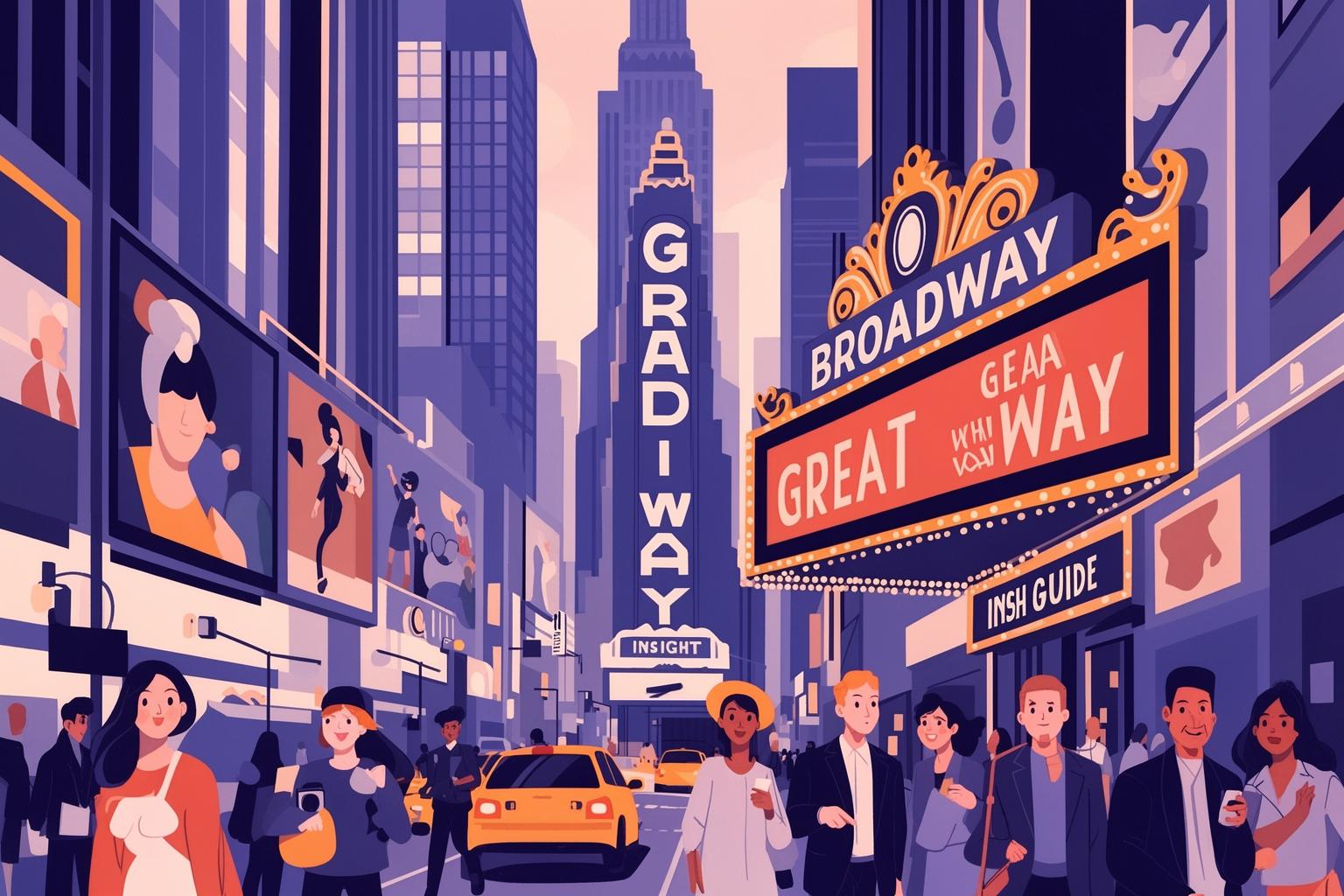
The very atmosphere of the Theater District is part of the experience. It begins the moment you step out of the subway into the sensory overload of Times Square. The digital billboards cascade down the sides of skyscrapers, a waterfall of light and color. The air buzzes with a dozen different languages, the scent of roasted nuts from a street cart blending with the exhaust of yellow cabs. It can be overwhelming—a chaotic symphony of sight and sound. But as you move away from the main square onto side streets like 44th and 45th, the energy shifts. It grows more focused, more purposeful. You see crowds gathering beneath the marquees, elegantly dressed couples alongside wide-eyed tourists. You hear the faint sound of an orchestra warming up through an open stage door. This is the sacred space. Each theater has its own character, its own history etched into its ornate facade. The Shubert Theatre, with its Venetian Renaissance design, feels as though it holds the secrets of a thousand opening nights. The New Amsterdam, a magnificent Art Nouveau palace, whispers of its past as the home of Disney’s theatrical reign. Walking these streets is like strolling through a museum where the exhibits are alive and breathing, ready to cast their spell for the thousandth time.
The Art of the Deal: Your Playbook for Affordable Tickets
The most common misconception about Broadway is that it’s an exclusive club, accessible only to those with deep pockets. This couldn’t be more untrue. The theaters need to be full every night, and this need has fostered a wonderfully intricate system of discounts, lotteries, and last-minute deals. Learning to navigate this system is essential to experiencing Broadway on a budget. It demands some strategy and flexibility, but the payoff—seeing a world-class show for the price of a nice dinner—is priceless. Forget paying full price. Your journey should be driven by passion and persistence, not purchasing power. Let’s unravel the process and help you become a savvy theatergoer.
The Altar of Discounts: The TKTS Booth
At the center of Times Square, beneath a glowing set of ruby-red steps, sits the most famous portal to affordable theater: the TKTS Discount Booth. Run by the Theatre Development Fund, this official, non-profit hub offers same-day discount tickets. You can’t miss it. The line, a diverse mix of locals and tourists, winds through Duffy Square, proving its lasting popularity. The process is straightforward: wait in line, and as you near the windows, large digital boards display that day’s available shows with discounts typically ranging from 20% to 50% off full price. The offerings change daily, making it a game of chance. While you might not snag tickets to the hottest, sold-out hit, you will always find an excellent selection of long-running blockbusters, acclaimed plays, and hidden gems.
Visiting TKTS is an experience in itself. It’s a place buzzing with shared anticipation. You’ll chat with fellow theater fans in line, debating a classic musical versus a new, edgy drama. The knowledgeable staff at the windows can provide recommendations if you’re undecided. A tip for the savvy pilgrim: there’s a second, often less crowded TKTS location at Lincoln Center. If you want to avoid the Times Square rush, heading uptown can offer a quieter way to secure your tickets. Also, consider matinee performances on Wednesdays, Saturdays, and Sundays. The lines tend to be shorter, and slipping into a cool, dark theater on a sunny afternoon feels like a delightful secret. The key to TKTS is flexibility. Come with an open mind, be ready to explore shows you hadn’t considered, and enjoy the spontaneity of it all.
A Prayer to the Digital Gods: Online Lotteries and Rush Apps
In today’s digital era, waiting in line has been complemented by the excitement of online lotteries. Nearly every major Broadway show now features a digital lottery, giving you the chance to win the right to purchase heavily discounted tickets, often front-row seats, for a fraction of their usual price. These tickets typically cost between $30 and $50. This is a high-risk, high-reward approach. The odds may be slim, but winning is a thrill. Websites like Broadway Direct, Telecharge, and TodayTix act as hubs for many of these lotteries. The ritual becomes a daily habit: wake up, open your phone, and enter the lotteries for your dream shows. Winners are usually notified by mid-day, giving you just enough time to plan your evening around your good fortune.
Beyond lotteries, the app TodayTix has become indispensable for modern theatergoers. It offers a streamlined way to access “Digital Rush” tickets. Like traditional rush tickets, these are a limited block of low-priced tickets released the morning of the performance, but you can claim them through the app as soon as they become available, usually around 9 or 10 AM. Quick reflexes and some luck are required, as these tickets sell out fast, but this saves you from physically waiting at the box office. The app also aggregates various other discounts and provides a simple interface for last-minute buys. It’s like carrying a miniature TKTS booth in your pocket—an essential ally for the budget-conscious pilgrim navigating today’s Broadway scene.
The Early Bird’s Reward: In-Person Rush and Standing Room
For those who believe good things come to those who wait, there’s the time-honored tradition of the in-person rush. This is the most analog and, in many ways, the most romantic way to secure a cheap ticket. It involves arriving at the theater’s box office right when it opens on the day of the performance to buy a limited number of heavily discounted tickets reserved for this purpose. For popular shows, that might mean showing up an hour or two before the box office opens, joining a small, dedicated line of fellow fans. It’s a quiet, reflective way to start the day—a shared ritual of devotion. You’ll find students with textbooks, aspiring actors, and die-hard fans who’ve seen the show a dozen times. The camaraderie in a rush line is special. Everyone is there for the same reason: a deep love of theater.
A variation on this is Standing Room Only, or SRO. This is the ultimate budget option, offered by many of the most popular, often sold-out shows. Once all seated tickets are sold, the box office may release a small number of SRO tickets. As the name suggests, you’ll be standing, usually in a designated area at the back of the orchestra or mezzanine. It’s not for everyone, but for a two-and-a-half-hour show, it can be an incredible bargain. You get to see the hottest ticket in town for a fraction of the cost, and the view is often surprisingly good. It requires some stamina, but for the truly devoted pilgrim, it’s a small price to pay to witness the magic live.
Broadening the Stage: The Worlds of Off-Broadway
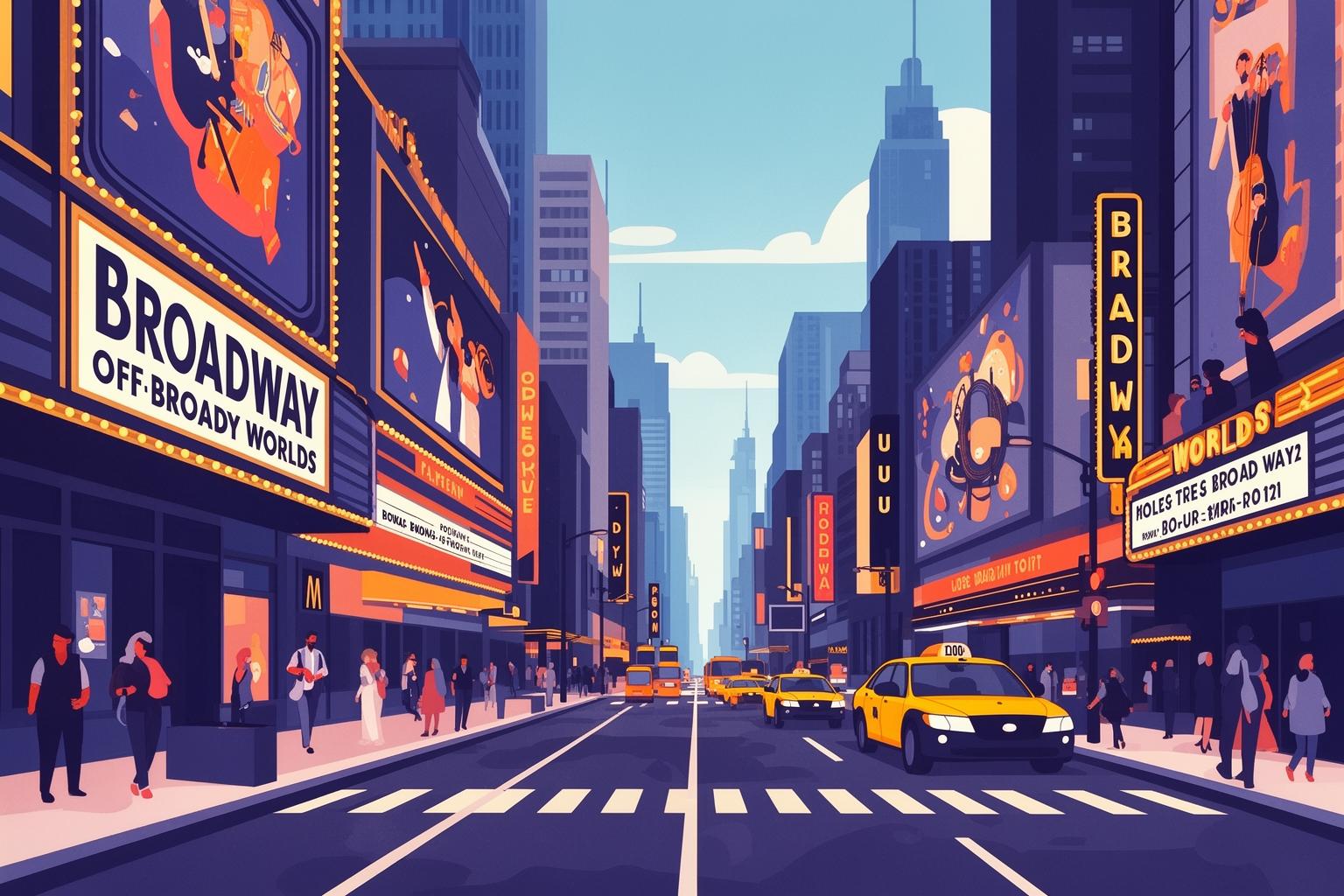
While the name “Broadway” evokes images of the 41 designated theaters in the main district, the heart of New York theater is expansive and diverse. To truly capture the city’s creative energy, you need to explore the world of Off-Broadway theaters. These venues are scattered throughout Manhattan and have fewer than 500 seats. Don’t be misled by the name; “Off-Broadway” refers to size, not quality. Many of Broadway’s most iconic productions, such as A Chorus Line, Rent, and Hamilton, began their journeys in these smaller, more intimate spaces. Watching an Off-Broadway show offers a glimpse into the future, showcasing more experimental works, bold new plays, and the rising stars of theater. The ambiance is different—rawer and more immediate. You’re closer to the action, creating a powerful connection between the audience and the performers.
From a financial perspective, Off-Broadway is a treasure trove. Tickets tend to be more affordable, with plenty of discounts available. The same methods—TKTS, digital lotteries, and rush tickets—apply, but your chances of securing a seat are often better. Venues like the Public Theater, New York Theatre Workshop, and the Atlantic Theater Company are renowned institutions that regularly produce groundbreaking work. Visiting a show in the East Village or Greenwich Village also lets you discover some of New York’s liveliest neighborhoods. You can complement your theater experience with a stroll through Washington Square Park or enjoy a fantastic, budget-friendly meal at a local favorite. An Off-Broadway show isn’t a consolation prize for missing out on a Broadway hit; it’s a vital part of a full theatrical journey, offering a distinct yet equally enchanting kind of magic.
Setting the Scene: The Pre-Show Ritual
The Broadway experience doesn’t begin when the curtain rises; it starts hours earlier with the ritual of preparation. The energy in the Theater District steadily intensifies in the two hours leading up to showtime, and soaking in this pre-show excitement is part of the enjoyment. This is when the neighborhood truly comes alive, presenting a lively tapestry of dining, people-watching, and anticipation.
A Taste of Tradition on Restaurant Row
Just a short walk from Broadway’s main thoroughfare is West 46th Street, between Eighth and Ninth Avenues—a charming block affectionately known as Restaurant Row. For decades, it has been the prime spot for pre-theater dining. The street features a diverse selection of restaurants, from classic Italian establishments like Joe Allen and Orso, known for their walls covered in posters of Broadway flops, to French bistros and Brazilian steakhouses. The atmosphere is filled with the clink of silverware and the lively chatter of theatergoers. Nearly every venue here specializes in the pre-theater rush, offering prix-fixe menus designed to deliver a delicious, multi-course meal while ensuring you leave with plenty of time to catch your curtain. While not always the cheapest choice, a prix-fixe dinner on Restaurant Row is a quintessential Broadway experience—a perfect way to make your night out truly special without any guesswork. It feels as though you’re partaking in a long-standing tradition, sharing a meal in the same places where generations of actors and audiences have gathered before.
Fueling Up on a Budget
For those on a tight budget, the Theater District area offers plenty of quick, affordable, and authentically New York food options. This city thrives on delicious, inexpensive meals if you know where to look. Skip the overpriced chain restaurants in the heart of Times Square and explore just a block or two in any direction. The classic pick is, of course, a New York slice. Pizzerias abound, serving up wide, foldable slices of cheese pizza that make a perfect, cheap, and satisfying meal. Look for small, no-frills spots with lines of locals. Another great option is a traditional New York deli, where a pastrami on rye or a hearty turkey sandwich can easily be shared, providing ample fuel for an evening at the theater. Don’t overlook the humble street carts—the halal carts, especially on 6th Avenue, offer legendary platters of chicken or lamb over rice at fantastic prices. It’s a quintessential New York meal and a favorite among locals and budget travelers alike. Grabbing a quick bite and enjoying it on a bench while watching the city buzz around you is its own kind of pre-show entertainment.
Inside the Sanctuary: Navigating the Theater Experience
You’ve got your ticket and enjoyed your pre-show meal. Now it’s time to step inside the theater itself. This is the moment when the outside world fades away and the magic begins. Each Broadway venue is a masterpiece, a time capsule of Gilded Age splendor with plush velvet seats, intricate plasterwork, and grand crystal chandeliers. Take a moment to simply look around and absorb the history of the space.
A Pilgrim’s Etiquette
For first-time visitors, a few small tips can help make the experience smoother. Plan to arrive at least thirty minutes before the show starts. This allows time to find your seat, visit the restroom, and perhaps browse the merchandise booth for a souvenir program. Once you’re seated, it’s time to disconnect. The most important rule of theater etiquette is to turn your phone completely off—not just silent, but off. The light from a screen is highly distracting to both the performers and fellow audience members. Unwrap any noisy candy or cough drops before the lights dim. Photography and recording are strictly prohibited. The goal is to create a shared space of focus where everyone can be fully present in the world unfolding on stage. Applause is encouraged at the end of major musical numbers and, of course, during the curtain call. It’s a way to return energy to the performers giving their all for you.
The Intermission Dash and the Stage Door Dream
Most Broadway shows include one intermission, typically lasting 15 to 20 minutes. This is your chance to stretch your legs, but beware: the lines for the restrooms, especially the women’s, can be very long. It’s a strategic dash. The same goes for the bar. If you’d like a drink or snack, be ready to navigate a crowd. Many theaters now offer pre-ordering for intermission drinks before the show begins, a smart move that lets you skip the lines.
After the final bow, the magic doesn’t have to end. One of Broadway’s most beloved traditions is the “stage door.” After the show, many performers exit through a designated stage door where they often stop to sign programs and take photos with fans waiting outside. It’s a wonderfully direct and personal way to connect with the artists you just saw on stage. To join in, simply find where the crowd gathers at the side of the theater. Have your program and pen ready. Be patient and respectful. It’s a free and unforgettable way to conclude your Broadway experience—a chance to briefly meet your heroes and thank them for their performance. The thrill of a principal actor signing your Playbill is a souvenir no amount of money can buy, a perfect keepsake of your pilgrimage.
The Afterglow: Winding Down in the City That Never Sleeps
The show has ended, the applause has quieted, and you find yourself back on the sparkling streets of Manhattan. Yet, the energy from the performance still lingers within you. The city offers numerous ways to gently come down from the theatrical excitement. Rather than rushing straight to your hotel, take a moment to let the experience resonate. A post-show stroll through a slightly calmer Times Square can feel magical. The crowds have thinned, but the lights remain brilliantly bright, casting a cinematic glow over everything. It’s a time for reflection, to share your favorite parts of the show with your companions or simply replay them in your mind.
If hunger strikes, the Theater District offers plenty of late-night dining options. For a touch of history, you might stop by Sardi’s, the iconic restaurant famed for its walls covered with hundreds of celebrity caricatures. While a full meal there can be expensive, grabbing a nightcap at the bar lets you soak in the iconic ambiance. For a more affordable choice, a classic New York diner is ideal. You can settle into a booth and order a slice of cheesecake or a milkshake—perfect comfort food to complement your post-show reflections. It’s a simple, timeless New York experience that provides a gentle and satisfying conclusion to an evening filled with drama and spectacular music.
The Curtain Falls
A pilgrimage to Broadway is more than just a vacation; it’s an investment in the soul. It’s a journey to the heart of English-language theater, where words and music come alive with flesh, blood, and light. It reminds us of the profound power of a story well told. And as you’ve seen, this powerful experience isn’t a luxury reserved for a select few. It is accessible, welcoming, and waiting for you. With a bit of planning and a spirit of adventure, you can stand beneath the glowing marquees, find your seat in the darkness, and be transported. You can become part of a tradition that spans generations. So come, walk these hallowed streets. Listen to the music spilling onto the sidewalks. Feel the shared heartbeat of an audience captivated. The Great White Way has a story for you, and you don’t need wealth to hear it. You just need to answer the call.