Paris. The name itself hums with a certain frequency, a melody of clinking cafe glasses, whispered secrets along the Seine, and the silent, powerful hum of art history breathing in its very stones. For so many, a pilgrimage to Paris means one thing: a battle through the crowds of the Louvre to catch a fleeting glimpse of the Mona Lisa’s enigmatic smile. And while the Louvre is an undeniable titan, a universe of treasures unto itself, to believe it’s the beginning and end of Parisian art is to read only the first chapter of the world’s most beautiful book. The true soul of artistic Paris, the one that ignited revolutions in color and form, lives in the quiet gardens, the repurposed train stations, and the magnificent private homes that have been transformed into shrines of creativity. This is a journey for the traveler who wants to feel the pulse of the city’s creative heart, to walk the same halls as the masters, and to find the piece of art that will change not just their trip, but their perspective. It’s about trading the overwhelming for the intimate, the checklist for a genuine connection. This is your guide to the other Paris, the one that waits just beyond the pyramid, ready to fill your senses and inspire your spirit. So, let’s begin our walk through the real galleries of the city’s soul.
If you’re inspired by the idea of exploring art beyond the famous masterpieces, you might also enjoy a photographic pilgrimage to the Soviet-era sanatoriums of Tskaltubo.
The Temple of Light: Musée d’Orsay
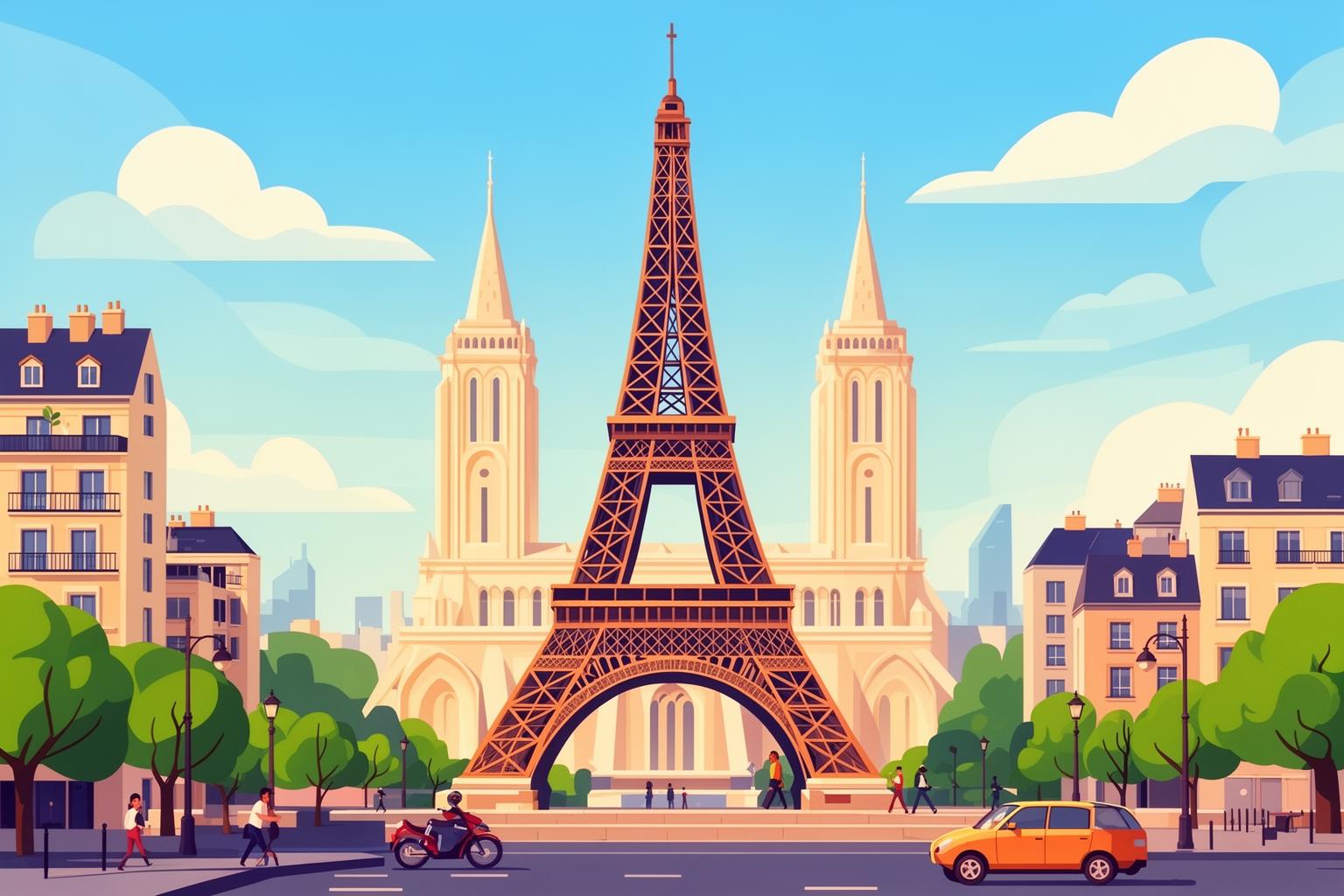
There’s a unique kind of magic that fills the air when you enter the Musée d’Orsay. You’re not merely stepping into a museum; you’re entering a cathedral of light, industry, and revolution beneath the grand arched roof of a former train station. The building itself narrates the first chapter—a Beaux-Arts masterpiece constructed to welcome visitors to the 1900 Exposition Universelle. For decades, the Gare d’Orsay thrived as a bustling hub, its grand clock witnessing countless arrivals and departures. As the age of steam faded, the station fell silent, narrowly avoiding demolition before its magnificent transformation in 1986 into a home for the art of a very specific, explosive period: 1848 to 1914. This background is essential. The artwork inside—the pioneering creations of the Impressionists and Post-Impressionists—was as modern and disruptive in its day as the steam locomotives that once roared through this very hall.
From Steam Trains to Sunflowers
The main hall stands as an architectural wonder. From the ground floor, you can gaze upward at the sweeping barrel-vaulted glass ceiling, bathing the space in a soft, ethereal light that the Impressionists themselves would have cherished. The grandeur of the room—with its ornate plasterwork and the enormous golden clock dominating the far wall—beautifully balances the intimate, light-filled paintings lining the upper-level galleries. You can almost hear the echoes of train whistles blending with the hushed admiration of visitors. This shift from a transit hub to a place of artistic reverence is at the heart of the Orsay experience. It’s a museum that celebrates the bridge between the classical world (housed in the Louvre across the river) and the modern era (found at the Centre Pompidou). You are truly walking through a moment of profound cultural transformation.
Dancing with Degas and Dreaming with Monet
The real pilgrimage, naturally, leads to the top floor. Here lies the world’s most extensive collection of Impressionist and Post-Impressionist masterpieces, and the experience is nothing less than sublime. It’s not merely about viewing famous paintings; it’s about feeling them. Standing before Monet’s series of Rouen Cathedrals, you perceive not just stone but the very quality of light at various times of day. You are drawn in by the raw, swirling energy of Van Gogh’s Starry Night Over the Rhône, the vibrant colors practically buzzing off the canvas. You become a silent observer of Degas’ ballerinas, their grace and fatigue portrayed with striking honesty. Renoir’s Bal du moulin de la Galette is more than a painting; it’s an invitation to a sunlit celebration, so vivid you can almost hear the music and laughter. The way these works are displayed—in galleries flooded with natural light—allows them to breathe. It’s an emotional journey through an era when artists rebelled against tradition to capture the fleeting moments of modern life.
A View from the Clock
No visit to the Orsay is complete without stopping at the café behind the giant, translucent clock face on the fifth floor. This spot is one of Paris’s most iconic and photogenic. Looking through the black Roman numerals, you get a stunning, perfectly framed view across the Seine to the Tuileries Garden, with the Sacré-Cœur perched on its hill in the distant mist of Montmartre. It’s a moment of quiet reflection—a chance to sip coffee and feel suspended in time, literally gazing through a piece of history at the timeless beauty of Paris. It’s a practical tip, yes, but also a poetic one. This connects you to the building’s past as a station—a place of schedules and journeys—while you contemplate the timeless art you’ve just encountered. Arrive early or be prepared to wait for a window seat; it’s absolutely worth it.
Navigating Orsay: A Practical Palette
To fully enjoy your visit, planning ahead is essential. The museum can get busy, so booking tickets online in advance is crucial to avoid long lines. The Paris Museum Pass is a great option if you intend to visit several museums. The best time to visit is usually on a weekday morning or during the late-night openings on Thursdays when crowds tend to thin. The museum is conveniently situated on the Left Bank, directly opposite the Louvre. It’s easily accessible via the RER C train, which stops beneath the museum at the Musée d’Orsay station, or by Métro line 12 to Solférino. Allow yourself at least three to four hours. Don’t rush. Begin at the top with the Impressionists and gradually make your way down through the eras. It’s a journey to be savored.
The Modern Heartbeat: Centre Pompidou
From the graceful, historical elegance of the Orsay, a visit to the Centre Pompidou is a sudden plunge into a different world. Situated in the lively, historic Beaubourg area of the Marais, the Pompidou stands as a bold, playful, and distinctly unique tribute to contemporary art. When it opened in 1977, its design was groundbreaking, even controversial. Architects Renzo Piano and Richard Rogers inverted the building, revealing its framework of colorful pipes, ducts, and escalators on the exterior. Blue represents air, green water, yellow electricity, and red circulation—it’s a vibrant, functioning machine for art. What once sparked debate has now become a cherished symbol of Paris, reflecting the city’s readiness to embrace the future while respecting its heritage. It feels less like a traditional museum and more like a lively cultural community center—a place full of energy, discussion, and discovery.
A Building That Wears Its Heart on Its Sleeve
The atmosphere at the Pompidou is electric. The expansive, sloping plaza before the building serves as a stage for street performers, artists, and Parisians enjoying the sunshine. It welcomes you in. Entering the museum itself is part of the experience. You ascend inside the vast, transparent escalator tubes winding up the building’s exterior, revealing increasingly breathtaking panoramic views of the city. With each level you climb, the Parisian skyline opens beneath you—the classic gray rooftops, the Eiffel Tower, Notre Dame, and Sacré-Cœur. It’s a clever architectural gesture: before you even view the art, you’re reminded of its place within this remarkable city. The building doesn’t simply house modern art; it personifies the modern spirit of openness, innovation, and a hint of rebellious joy.
A Journey Through the 20th and 21st Centuries
Inside, the Musée National d’Art Moderne boasts one of the world’s most important collections of modern and contemporary art. The exhibition follows a chronological path, guiding you through the major artistic movements that shaped the past century. You begin with the vibrant colors of Fauvism and the fragmented views of Cubism, encountering iconic works by Matisse and Picasso. You explore the surreal dreamscapes crafted by Dalí and Magritte, and experience the pure abstract emotion expressed by Kandinsky and Mondrian. The collection continues through the post-war era up to the present, featuring provocative installations, thought-provoking photography, and cutting-edge design. The Pompidou embraces challenging and political art alike. It’s a place that invites inquiry and fosters dialogue, making it a captivating and intellectually stimulating journey.
The Rooftop Panorama and the Stravinsky Fountain
After immersing yourself in art, the rooftop on the sixth floor delivers a stunning reward. Whether dining at the stylish Restaurant Georges or simply stepping out onto the terrace, the view ranks among the finest in Paris. It offers a moment to unwind and situate the radical art you’ve just experienced within the context of the historic city stretching out before you. On the ground level, be sure not to miss the whimsical Place Igor Stravinsky, right beside the museum. The Stravinsky Fountain is a joyful, kinetic creation by Jean Tinguely and Niki de Saint Phalle. Bright, imaginative sculptures spin, bob, and spray water in playful homage to the composer’s music. It perfectly captures the Pompidou’s spirit: welcoming, surprising, and utterly delightful. It’s an ideal spot to relax with a crêpe and watch the world go by.
Your Pompidou Playbook
The Centre Pompidou is located in Paris’s 4th arrondissement, easily reached via Rambuteau (Line 11) or Hôtel de Ville (Lines 1 & 11) Métro stations. Booking tickets online in advance is strongly advised. The permanent collection is displayed on the fourth and fifth floors, while temporary exhibitions typically occupy the sixth floor. The building also includes a vast public library (the Bpi), cinemas, and performance spaces, making it a true cultural hub. Visiting the Pompidou offers a perfect opportunity to explore the surrounding Marais district, with its medieval streets, hidden courtyards, fashionable boutiques, and falafel stands. It’s a neighborhood where history and modern style intersect, much like the museum itself.
A Garden of Stone and Soul: Musée Rodin
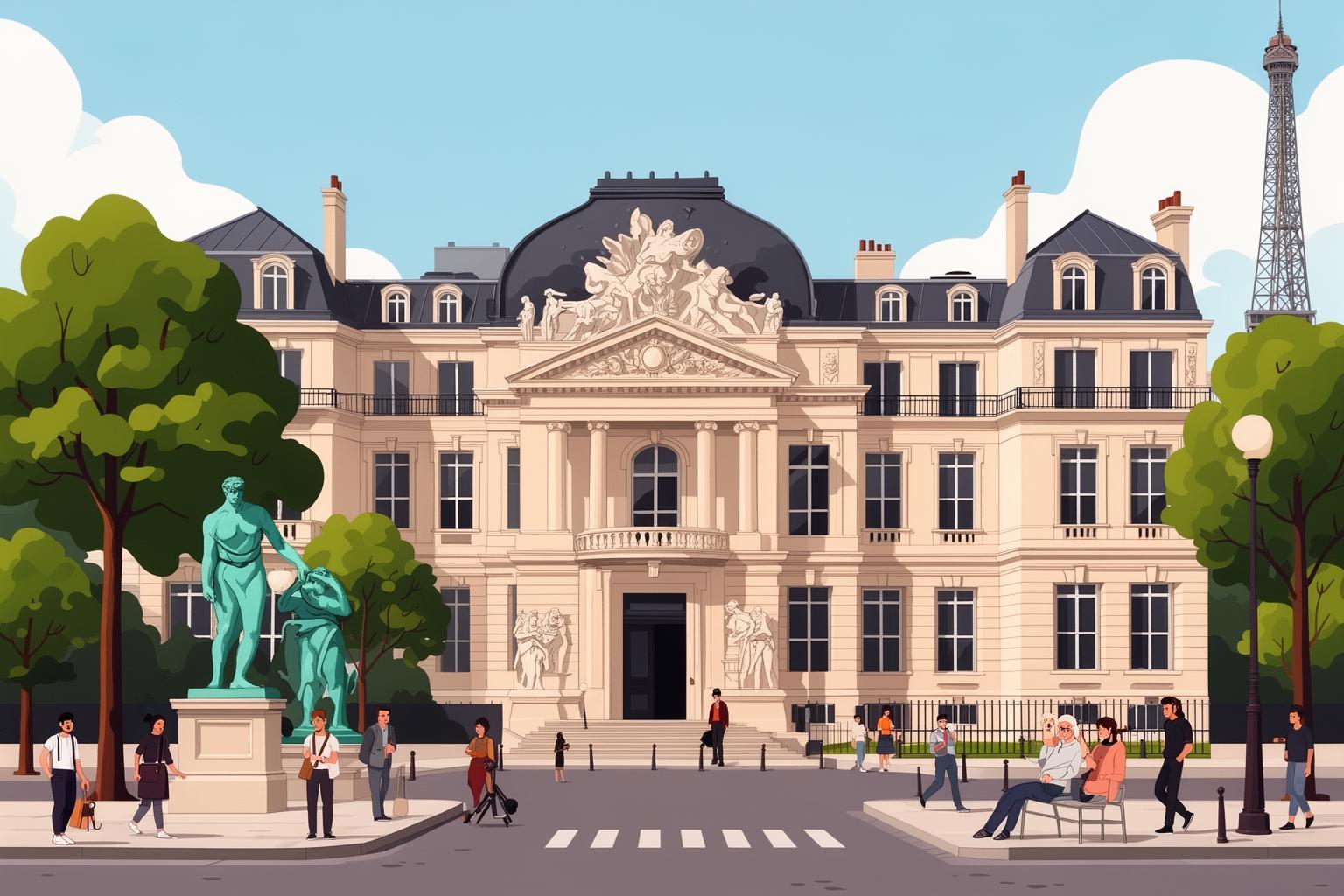
After experiencing the industrial energy of Orsay and the modern vibrancy of the Pompidou, the Musée Rodin offers a peaceful exhale. Secluded behind a stone wall in the elegant 7th arrondissement, this museum is a sanctuary of calm and deep emotion. Situated in the Hôtel Biron, a stunning 18th-century mansion where Auguste Rodin lived and worked until his death in 1917, the museum feels remarkably intimate. It functions less like a gallery and more like a home—a sacred space where visitors can connect directly with the artist’s spirit. The true enchantment happens not only inside the mansion’s graceful rooms but also throughout the expansive, meticulously maintained gardens surrounding it. Here, art and nature engage in a breathtaking conversation.
The Thinker’s Refuge
As you pass through the gates, the hectic rhythm of Paris fades away. You are welcomed by a tranquil scene of rose bushes, shaded lawns, and winding paths. Dominating the formal garden is one of the world’s most iconic sculptures: The Thinker. Seeing it outdoors, beneath the ever-changing Parisian sky, offers an entirely different experience than viewing it in a crowded gallery. The sculpture’s raw power and profound introspection feel more immediate and tangible. You can walk around it, observe how the light dances across the bronze contours, and reflect on it in the serene setting Rodin envisioned. This lies at the core of the Musée Rodin experience—it is intimate, contemplative, and deeply affecting.
Dialogues in Bronze and Marble
The gardens serve as an open-air gallery showcasing Rodin’s most striking works. As you stroll, you will encounter the monumental and anguished figures of The Gates of Hell, a lifelong passion of the artist. You will come upon the proud and resolute Burghers of Calais and the grand monument dedicated to the literary titan Balzac. Each sculpture is deliberately positioned, creating dramatic scenes with the golden dome of the Invalides visible in the background. Inside the Hôtel Biron, the experience continues. The rooms are filled with plaster casts, terracotta models, and polished marble masterpieces such as the iconic and sensuous The Kiss. Viewing the preliminary models and studies offers profound insight into Rodin’s creative journey—his effort to capture the unfiltered essence of human emotion in stone and metal. His presence is palpable in every space.
The Artist’s Residence
What distinguishes the Musée Rodin is the knowledge that it was Rodin’s personal refuge. He rented the ground floor of the Hôtel Biron from 1908, using it as his studio. So enchanted was he by the building and its wild, overgrown garden that he made a pact with the French state: he would donate his entire body of work along with his personal art collection (including paintings by Van Gogh and Renoir) if they purchased the mansion and dedicated it as a museum for his art. They agreed, resulting in this exquisitely preserved homage. As a visitor, you become a guest in Rodin’s universe, viewing the art in the very place it was created.
A Moment of Calm: Tips for Your Visit
The Musée Rodin is conveniently located near the Varenne (Line 13) and Invalides (Lines 8, 13, and RER C) Métro stations. To fully appreciate it, plan your visit on a sunny day. The play of light and shadow on the garden’s sculptures is an essential part of the experience. Allow yourself ample time to wander and rest. There is a charming outdoor café in the garden, perfect for a coffee or light lunch, enabling you to soak in the tranquil atmosphere. A single ticket grants access to both the house and gardens, but on a lovely day, you could easily spend hours in the garden alone. It’s a restoring experience for the soul.
Monet’s Infinite Embrace: Musée de l’Orangerie
At the edge of the expansive Tuileries Garden, tucked away in a corner near the Place de la Concorde, lies a small, modest museum holding a monumental secret. The Musée de l’Orangerie houses one of history’s most stunning artistic accomplishments: Claude Monet’s Grandes Décorations des Nymphéas. This is not a museum to simply tick off paintings from a list; it is a space to be fully experienced. Monet created these vast water lily panels during the final years of his life, despite his failing eyesight. He intended them as a gift to France after the First World War—a “monument to peace”—and collaborated closely with the architect to design the very rooms where they would be displayed. The outcome is an artwork so immersive and complete it transcends traditional painting, transforming into an entire environment.
Stepping Inside a Painting
The main attraction is on the ground floor. You enter a pristine, white gallery and are led into one of two enormous, oval-shaped rooms. The walls become a continuous, curved canvas showcasing Monet’s water lily pond from his home in Giverny. There are no frames—no clear start or finish. You are simply enveloped by water, flowers, and the reflection of light. The impact is immediate and profound. The city’s chaos outside, including the traffic of the nearby Place de la Concorde, fades away entirely. You are draped in a quiet, meditative atmosphere. Light from the skylights above shifts with the passing clouds, making the paintings seem to evolve with it. Visitors often sit on central benches for extended periods, quietly absorbing the ambiance. It is a unique and deeply personal encounter with art’s power to transport and heal.
Beyond the Water Lilies
While the Nymphéas are the main highlight, many visitors overlook the remarkable collection held in the basement. The Jean Walter and Paul Guillaume Collection is a treasure trove of Impressionist and modern masterpieces. Here, you will discover exquisite pieces by Renoir, Cézanne, Picasso, Matisse, Modigliani, and Soutine, among others. It is an exceptionally high-quality collection that would be the centerpiece of any other museum. The contrast between the vast, abstract world of Monet’s later works upstairs and the lively, character-rich portraits and still lifes downstairs is captivating. It’s like experiencing two world-class museums in one.
A Jewel Box in the Tuileries
The museum’s location adds to its allure. Housed in a former greenhouse for the orange trees of the Tuileries Palace (which inspired the name “Orangerie”), it is ideally placed for a day combining art and leisure. You might start with a walk through the splendid Tuileries Garden, filled with classical statues, grand fountains, and quintessential Parisian symmetry. After immersing yourself in Monet’s vision, you can return outside to the garden’s beauty, perhaps settling by the Grand Bassin Octogonal to watch toy sailboats glide across the water. The Orangerie’s proximity to the Louvre, the Place de la Concorde with its Egyptian obelisk, and the beginning of the Champs-Élysées makes it an easy and rewarding stop on any Paris itinerary.
Capturing the Light: Visitor’s Guide
Though the Orangerie is relatively small, its popularity means booking a timed-entry ticket online is essential, especially during peak seasons. Walk-in visitors are likely to be turned away. The museum is conveniently accessible via the Concorde Métro station (Lines 1, 8, and 12). Because the experience of the Nymphéas relies heavily on natural light, the atmosphere in the rooms can vary significantly depending on the time of day and weather. A visit on a bright, sunny morning will feel quite different from one on a cloudy afternoon, offering a reason to return and see it anew. Plan to spend at least an hour and a half to fully enjoy both floors of this exceptional museum.
The True Monet Pilgrimage: Musée Marmottan Monet
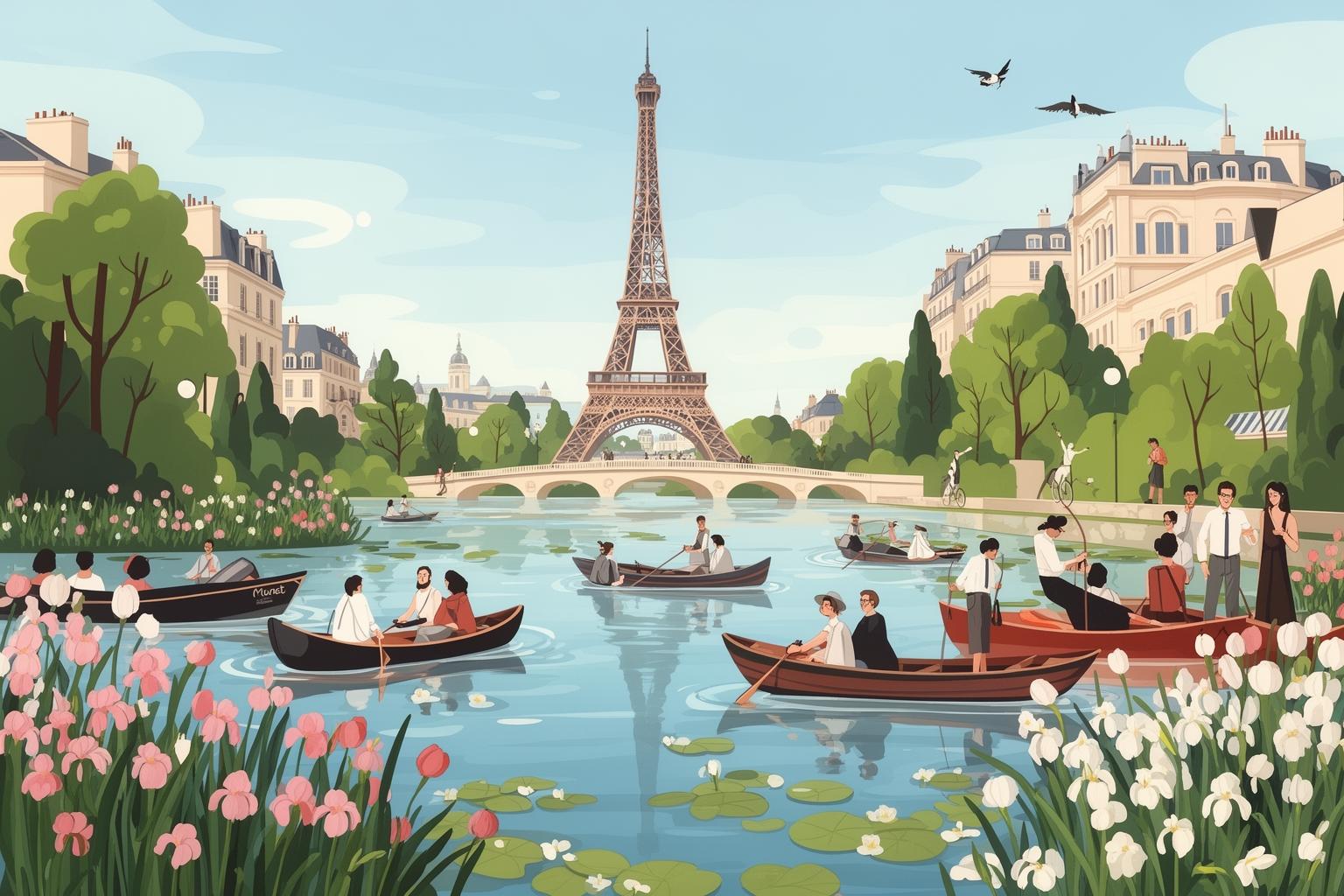
For the true admirer of Claude Monet, for the traveler seeking to go beyond the most famous works and grasp the full scope of the artist’s life and creations, there is no more revered place than the Musée Marmottan Monet. Nestled in the peaceful, elegant 16th arrondissement, far from the main tourist crowds of the city center, a visit here feels like being let in on a delightful secret. Set in a 19th-century hunting lodge at the edge of the Bois de Boulogne, this museum holds the largest collection of Monet’s works worldwide, many generously donated by the artist’s son, Michel. This is not simply a collection of paintings; it represents Monet’s personal and family legacy, offering an intimacy of experience that is unmatched.
Off the Beaten Path to Impression, Sunrise
The Marmottan’s most celebrated treasure is a painting that transformed art history: Impression, soleil levant (Impression, Sunrise). This is the very piece that, when shown in 1874, led a critic to derisively coin the term “Impressionists” for Monet and his peers. From that insult emerged a revolutionary movement. Viewing this small, hazy, luminous canvas in person is a profoundly moving experience. It is a moment in history, marking the dawn of a new vision. The museum thoughtfully exhibits it in a dedicated, softly lit room, allowing visitors to fully absorb its subtle brilliance. It’s a must-see moment for any art enthusiast.
A Lifetime in Light
What sets the Marmottan apart is the remarkable breadth of its collection. It traces Monet’s journey from his early career as a caricaturist to his final, almost abstract depictions of the water lily pond in Giverny. The entire arc of his artistic evolution is on display. The emotional core of the museum lies in the basement, where a stunning, custom-designed gallery showcases a breathtaking array of his large-scale Nymphéas. Unlike the panels at the Orangerie that are integrated into the building’s architecture, here visitors can approach the vast canvases closely to observe thick, expressive brushwork and Monet’s radical dissolution of form into pure color and light. Many of these works remained in his studio until his death and were deeply personal to him. Encountering them here feels like a private meeting with the master at his most intimate and experimental.
An Intimate Encounter
The ambiance at the Marmottan is quiet, elegant, and profoundly personal. The building maintains the atmosphere of a grand private residence, complete with ornate furnishings and exquisite period rooms. Alongside the Monet collection, it houses the world’s largest collection of works by Berthe Morisot, a leading female Impressionist painter, providing an essential and often overlooked viewpoint on the movement. Situated off the typical tourist route, the museum rarely feels crowded. Visitors have the space and tranquility to truly connect with the art and spend time with the paintings without disturbance, which is a rare grace in Paris.
Making the Journey
Reaching the Musée Marmottan Monet takes a little extra effort, but the reward is great. The closest Métro station is La Muette (Line 9). From there, a pleasant ten-minute walk through an elegant, upscale neighborhood leads you to the museum. Located next to the Bois de Boulogne, one of Paris’s largest parks, your visit can be easily combined with a relaxing stroll or a visit to the park’s lovely botanical gardens. A trip to the Marmottan is more than a museum visit; it is a destination, a retreat into a quieter, more reflective side of Paris, and a profound exploration of an artistic genius’s soul.
Echoes of the Belle Époque: Petit Palais and Grand Palais
Standing like two grand, glittering sentinels on either side of Avenue Winston-Churchill, the Grand Palais and the Petit Palais are architectural tributes to the optimism and opulence of the Belle Époque. Constructed for the 1900 Universal Exposition, they were intended to showcase French artistry and engineering to the world. With their soaring glass roofs, intricate sculptures, and stunning ironwork, they are masterpieces in their own right. They face each other across a broad avenue that perfectly frames the Pont Alexandre III and Les Invalides beyond, creating one of Paris’s most breathtaking urban vistas. Visiting this corner of the 8th arrondissement is like stepping back into an era of elegance and grand ambition.
The City’s Palace of Art: Petit Palais
One of the best-kept secrets of the Parisian museum scene is that the Petit Palais, the Musée des Beaux-Arts de la Ville de Paris, offers free admission to its permanent collection. And what a collection it boasts. The building itself is a work of art, featuring a magnificent gilded entrance gate, a grand spiral staircase, and a lovely, hidden interior garden. The semi-circular courtyard, adorned with lush greenery and mosaics, houses a charming café, providing a peaceful retreat from the bustle of the Champs-Élysées. It’s an ideal spot to relax and admire the exquisite architecture before or after exploring the art inside.
A Treasure Trove of Ages
The Petit Palais’ permanent collection is wonderfully eclectic, spanning centuries of art history. You can explore Greek and Roman artifacts, medieval icons, magnificent Renaissance paintings, and 17th-century Dutch masters like Rembrandt. The museum is especially strong in 19th-century French art, showcasing major works by Courbet, Delacroix, and the Impressionists. It also boasts an impressive collection of Art Nouveau decorative arts, including Lalique jewelry and Hector Guimard furniture, which fits perfectly within this Belle Époque palace. The layout is easy to navigate, and the absence of large crowds allows for a relaxed and enjoyable visit. It’s a splendid place for unexpected artistic discoveries.
The Grand Dame Across the Street: Grand Palais
Opposite the Petit Palais, the Grand Palais lives up to its name with a much larger scale. Instantly recognizable by its monumental vaulted glass-and-steel roof—an icon of Parisian architecture—the Grand Palais is not a traditional museum with a permanent collection. Instead, its vast main hall, the Nef, and surrounding galleries host some of the city’s most prestigious events and major temporary exhibitions. From significant art retrospectives and antique fairs to exclusive Chanel fashion shows, the Grand Palais serves as a stage for grand cultural moments. To visit, you’ll need to plan ahead. Check the official schedule well before your trip and book tickets for any exhibitions that interest you, as they often sell out.
An Afternoon on the Champs-Élysées
The location of these two palaces is unbeatable. They stand at the start of the world-famous Champs-Élysées and are just steps from the Seine. A perfect Parisian afternoon might begin at the Arc de Triomphe, followed by a stroll down the grand avenue, and then a visit to the Petit Palais for a dose of free art and culture. Afterwards, cross the Pont Alexandre III—arguably Paris’s most ornate and beautiful bridge—for spectacular views of the Eiffel Tower. This entire area celebrates Parisian grandeur, with the two Palais as its crowning jewels.
Inside the Mind of a Master: Musée Picasso
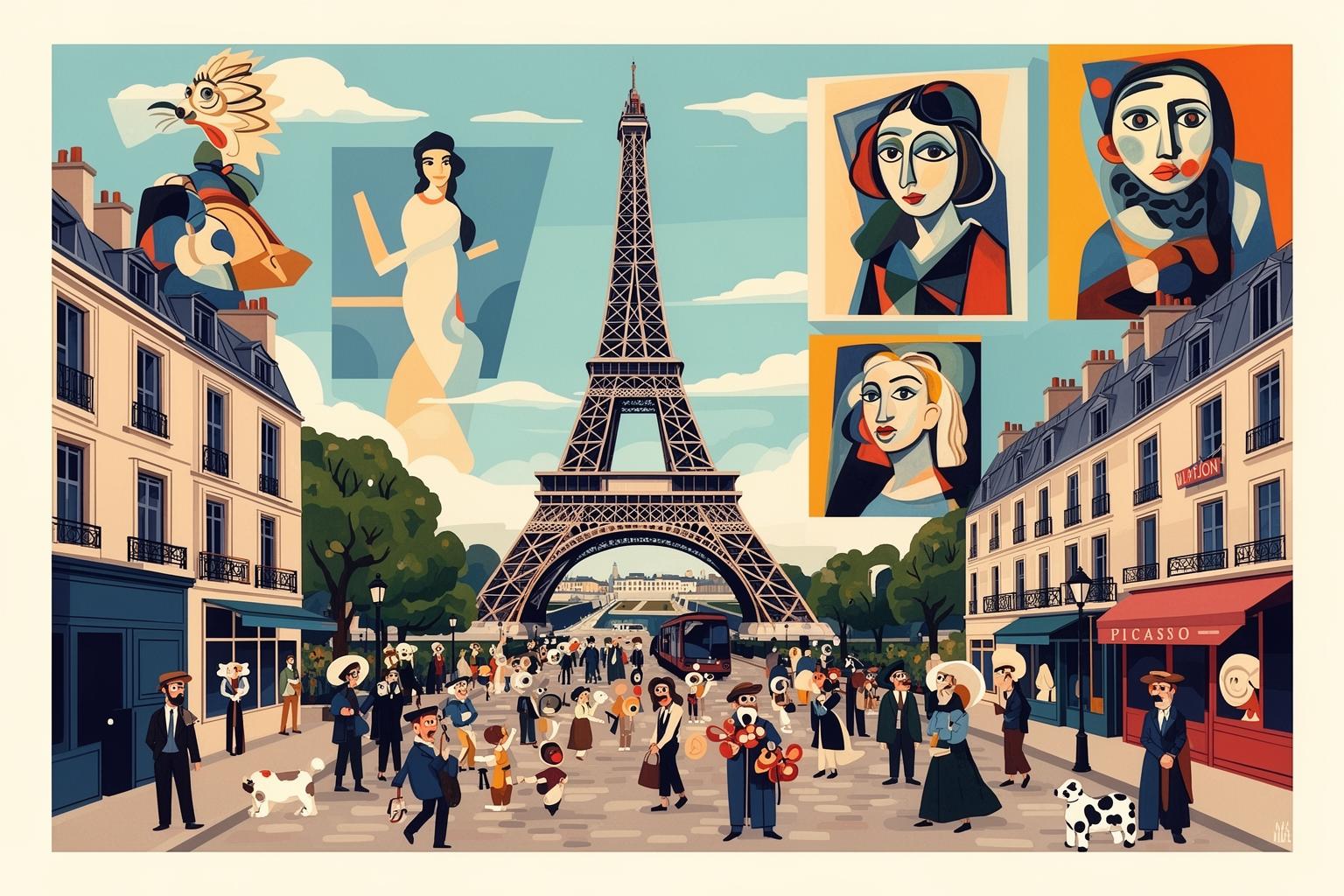
To truly grasp the restless, prolific, and revolutionary genius of Pablo Picasso, you must visit the museum named after him in the heart of the historic Marais district. The Musée Picasso is more than just a showcase of his greatest works; it offers a comprehensive, chronological exploration of the artist’s entire life and creative evolution. Located in the magnificent Hôtel Salé, a 17th-century private mansion that itself stands as a masterpiece of Baroque architecture, the setting provides a stunning classical contrast to the radical modernity of Picasso’s art. This striking juxtaposition creates an unforgettable experience.
The Genius in the Hôtel Salé
The museum’s collection is unmatched, featuring over 5,000 works—paintings, sculptures, ceramics, and prints—along with tens of thousands of archival items from Picasso’s personal collection. This extraordinary cache exists because the artist’s heirs donated the works to the French state in lieu of inheritance taxes, a uniquely French arrangement called a dation. The result is the world’s largest and most comprehensive public collection of Picasso’s work. As you wander through the mansion’s beautifully restored rooms, you follow the footsteps of a man who perpetually reinvented himself, and in doing so, redefined the very essence of art.
A Labyrinth of Creativity
The museum takes you through every stage of Picasso’s long and diverse career. You’ll encounter early academic pieces from his youth, the poignant beauty of his Blue and Rose Periods, the groundbreaking fractures of Cubism (which he co-founded with Georges Braque), his experiments with classicism and Surrealism, and the intense, expressive force of his later works. What makes this museum particularly compelling is its presentation not only of finished masterpieces but also of preparatory sketches, sculptures that influenced his paintings, and prints exploring recurring themes. You gain a vivid sense of Picasso’s obsessive, relentless creativity and his mastery over nearly every medium. The experience feels less like a gallery visit and more like an intimate glimpse inside the artist’s mind.
The Marais Connection
The museum’s location in the Marais is a destination in its own right. After your visit, you can lose yourself in one of Paris’s most charming and lively neighborhoods. Stroll to the exquisite Place des Vosges, a perfectly symmetrical square of red-brick townhouses once the height of royal fashion. Explore the narrow medieval streets now filled with trendy boutiques, art galleries, and exceptional Jewish bakeries. A visit to the Musée Picasso serves as a cultural anchor for a day spent savoring the rich history and vibrant energy of the Marais—a perfect blend of art and atmosphere.
A Cubist’s Guide to Visiting
Due to its popularity, booking a timed-entry ticket online for the Musée Picasso is highly recommended. The nearest Métro station is Saint-Paul (Line 1). The Hôtel Salé’s layout can feel somewhat like a labyrinth, with exhibits spread across multiple floors and wings. Pick up a museum map at the entrance and allow yourself at least two to three hours to fully appreciate the collection. The museum often arranges its works thematically, juxtaposing different periods of Picasso’s oeuvre to reveal compelling connections, so be prepared for a non-linear journey as intricate and rewarding as the artist himself.
The Collectors’ Secret: Musée Jacquemart-André
For a truly unique museum experience that fully transports you to another era and place, nothing compares to the Musée Jacquemart-André. Situated in a magnificent 19th-century mansion on the grand Boulevard Haussmann, this museum was once the private residence of Édouard André and Nélie Jacquemart, a wealthy couple who devoted their lives and fortune to assembling one of France’s finest private art collections. Upon Nélie’s death, she bequeathed the house and its entire contents to the state with the condition that it be opened to the public exactly as they had lived in it. The result is a museum that feels like a home—a stunningly opulent time capsule of Second Empire Paris.
A House Frozen in Time
Visiting the Jacquemart-André is like receiving an invitation to the most exclusive 19th-century gathering. You are not merely an observer; you are a guest. An excellent audio guide (included with admission) leads you through the house, sharing the story of the couple and their passion for collecting. You’ll glide through the grand Picture Gallery, the formal Grand Salon designed for entertaining, and the breathtaking Winter Garden, illuminated by natural light and featuring a double-helix marble staircase. Then you’ll explore their private apartments, witnessing how they lived amid their treasures. Every detail, from the furniture and tapestries to the positioning of the art, remains exactly as the couple left it, creating an immersive and deeply personal atmosphere.
A Passion for the Italian Renaissance
While the house itself is magnificent, the art collection is world-class. The couple had a special affection for the Italian Renaissance, and their Italian Museum stands out as a highlight of the visit. Here you’ll find masterpieces by Botticelli, Donatello, Mantegna, and an exquisite ceiling fresco by Tiepolo above the grand staircase. Unlike traditional museums, the works are displayed as they would be in a private home, offering a unique and intimate viewing experience. The collection also boasts an outstanding selection of 17th-century Dutch masters, including a Rembrandt, alongside 18th-century French painters such as Fragonard and Boucher.
The Prettiest Tea Room in Paris
A favorite for many visitors, and a destination in its own right, is the museum’s café. Located in the original dining room of the mansion, it is widely regarded as one of the most beautiful tea rooms in Paris. Surrounded by exquisite 18th-century tapestries and beneath a frescoed ceiling, you can savor a delicious lunch, a slice of cake, or afternoon tea. It’s an elegant and memorable experience, the perfect way to conclude your journey back in time. Even if you don’t visit the museum, the café alone is worth stopping by for a taste of Parisian refinement.
An Elegant Escape
The Musée Jacquemart-André is situated in the 8th arrondissement, close to the Miromesnil (Lines 9 & 13) or Saint-Augustin (Line 9) Métro stations. It’s just a short walk from the busy Champs-Élysées and the grand department stores on Boulevard Haussmann, making it an ideal cultural and peaceful retreat after a day of shopping or sightseeing. As a private museum, it is not included in the Paris Museum Pass, but the experience is worth every centime. It offers a rare glimpse into the lives of passionate collectors and the golden age of Parisian society.
Paris is a city that rewards curiosity. While the Louvre will always be its magnificent, monumental centerpiece, the real joy of discovering the city’s art scene lies beyond it. It’s found in the quiet contemplation of a sculpture in a sunlit garden, the immersive embrace of water lilies, the excitement of witnessing a revolution on canvas in a former train station, and the intimate feeling of being a guest in a collector’s home. Each museum shares a different conversation, telling a unique story about art, history, and the endless creative spirit of this extraordinary city. So on your next trip, dare to stray from the well-trodden path. Find the museum that calls to you, the one that holds the art which will become part of your own Parisian story. The Mona Lisa will still be smiling when you return, but you will have discovered a Paris that is infinitely richer, more personal, and truly your own.