
There’s a certain kind of cinematic magic that transcends the screen, a lightning-in-a-bottle moment that burns itself into the cultural consciousness. It’s the kind of magic that Quentin Tarantino bottled and uncorked with explosive force in Kill Bill: Vol. 1. At the heart of this cinematic masterpiece lies a scene of such iconic, balletic violence that it has become a benchmark for action filmmaking: The Bride’s showdown with the Crazy 88 at the House of Blue Leaves. The clang of Hattori Hanzō steel, the crimson spray against shoji screens, the defiant roar of a woman scorned—it’s a sequence that lives and breathes. But what if you could step into that world? What if you could stand in the very hall that ignited a director’s vision, breathe in the air, and feel the pulse of the place that gave birth to a legend? In the sprawling, electric metropolis of Tokyo, nestled between the high-fashion hum of Roppongi and the quiet residential lanes of Hiroo, you can. The destination is an izakaya named Gonpachi Nishi-Azabu, a place that has become a hallowed ground for cinephiles, a real-world portal into the universe of The Bride. This is not merely about visiting a filming location, because the truth is, the scene itself was filmed on a meticulous recreation on a soundstage in Beijing. This journey is about something deeper. It’s a pilgrimage to the source of inspiration, the architectural and atmospheric muse that was so powerful, so perfect, that Tarantino chose to replicate it board by board. It’s about understanding how a real, living, breathing restaurant in the heart of Tokyo could fuel one of the most unforgettable sequences in film history. This is your guide to finding the soul of the House of Blue Leaves, a journey of sight, sound, and taste that connects the fiction you love with a reality that is every bit as electrifying.
For more on how a city can become a character in a film, explore our pilgrimage to the filming locations of ‘The Secret in Their Eyes’ in Buenos Aires.
The Heart of the Showdown: Stepping into Gonpachi
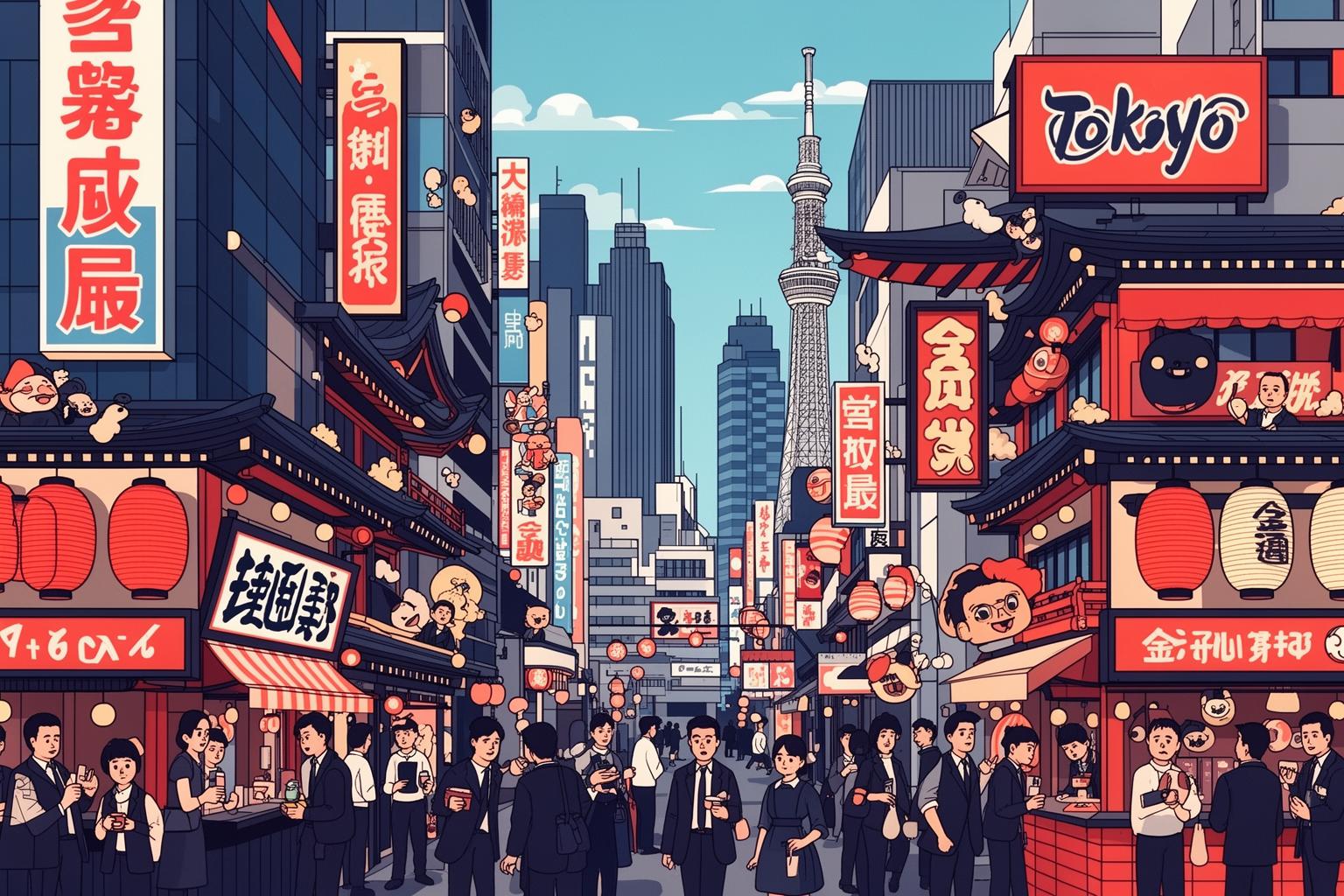
The anticipation builds long before your arrival. Tokyo at night is a symphony of light and motion, a living organism buzzing with energy, and the neighborhood of Nishi-Azabu is one of its most sophisticated, pulsating veins. Unlike the neon-soaked chaos of Shinjuku or Shibuya, it embraces a more refined, mature cool. As you stroll from Roppongi Station, the city’s roar softens into a confident hum. Designer boutiques, exclusive restaurants, and hidden bars line the streets. Then, there it stands. Positioned on a prominent corner, Gonpachi Nishi-Azabu announces itself not with flashy signs, but with an undeniable presence. It’s a striking, three-story building designed to resemble a traditional kura, or Japanese storehouse, featuring imposing dark wooden beams, white plaster walls, and a grand tiled roof. It feels both ancient and majestically grand, a fortress of hospitality that instantly transports you from modern Tokyo to another era—one of samurai, honor, and perhaps righteous vengeance.
The Grand Reveal: An Izakaya Like No Other
The moment you pass through the heavy wooden doors and traditional noren curtains, the outside world fades away. You are immediately, overwhelmingly, inside the House of Blue Leaves. The scale of the space is the first thing that strikes you. This isn’t a cozy, tucked-away izakaya. It’s a vast, three-story atrium—a theater of food and celebration. A thunderous, synchronized chorus of “Irasshaimase!”—a warm Japanese welcome—erupts from the staff, echoing through the enormous space. Your eyes are drawn upward, beyond the warm glow of countless paper lanterns, to the dark wooden balconies encircling the second and third floors. You notice the crisscrossing beams, the intricate network of staircases, and intimate tables overlooking the scene below. It’s a dizzying, breathtaking display.
Your gaze then settles on the heart of the venue: the massive open kitchen dominating the central floor. It’s a stage where the chefs are the stars. Flames leap from charcoal grills, clouds of savory smoke rise to the high ceiling, and the rhythmic percussion of knives on wooden blocks provides a steady beat. This is where the magic unfolds, and it’s this raw, untamed energy that Tarantino so skillfully captured and intensified. You can almost picture The Bride, yellow jumpsuit and all, poised on the staircase, her eyes scanning the floor, calculating her first move. You can almost hear the faint, ominous whistle of O-Ren Ishii from a hidden booth.
Inside the House of Blue Leaves: A Cinematic Walkthrough
For fans of the film, walking through Gonpachi is a delightful exercise in déjà vu. Every corner echoes a ghost of the on-screen carnage. The central dining area, with its collection of wooden tables, is the very spot where the Crazy 88 gathered, their black suits a stark contrast to the warm, earthy tones of the restaurant. As you head toward the back, you discover a small rock-and-bamboo garden feature, a peaceful spot that, in the film’s story, soon becomes stained with blood. It’s more modest than the sprawling snow garden from the film’s climax, but it’s a clear homage—a seed of the aesthetic that blossoms fully in O-Ren’s final duel.
The most coveted seats are unquestionably the tables along the second-floor balcony. From this vantage point, you enjoy a commanding view of the entire restaurant, just as the Crazy 88 did when they first spotted The Bride. Looking down, you can trace her furious path through the chaos. Imagine her leaping from this very balcony, her Hattori Hanzō blade a silver blur, landing amid the mayhem below. Picture Gogo Yubari, her schoolgirl uniform a deceptive guise, swinging her meteor hammer with deadly precision across the floor. The restaurant’s layout isn’t merely reminiscent of the movie set; it is the movie set’s DNA. The designers of the film’s House of Blue Leaves didn’t just borrow ideas—they captured the soul of Gonpachi and brought it to life on screen.
A Symphony of Senses
What the film can’t fully convey is the total sensory immersion of being at Gonpachi. It’s a place that engages every sense. The sound is a constant, joyful cacophony—the sizzle of chicken skin crisping over hot coals, the cheerful shouts of chefs announcing completed dishes, the clinking of glasses, and the lively buzz of conversation from hundreds of diners, locals and travelers alike. The aroma is intoxicating, a rich blend of smoky charcoal, sweet teriyaki glaze, fresh ginger, and the clean, earthy scent of cooking rice. Visually, it’s a feast of textures and light. The soft, warm glow of paper lanterns washes everything in a flattering, cinematic light. The dark, polished wood beams and floors contrast beautifully with the white plaster walls and the vibrant colors of the dishes. It’s an atmosphere both exhilarating and welcoming—a space that makes you feel part of a grand, unfolding story, even on an ordinary Tuesday night.
The Taste of Vengeance: A Culinary Duel
While the cinematic connection initially draws visitors in, Gonpachi has persisted and flourished because, at its heart, it is an outstanding restaurant. It would be a missed opportunity to come without savoring the culinary artistry that has made it a Tokyo institution long before Hollywood took notice. The menu is an extensive celebration of classic izakaya dishes, elevated with premium ingredients and expert craftsmanship. This is more than just a meal; it’s part of the experience, a way to engage with the vibrant energy of the place on a deeper, more tangible level.
More Than Just a Movie Set
Dismiss any notion of a tourist trap with mediocre cuisine. Gonpachi approaches its culinary mission with utmost seriousness. The restaurant is especially renowned for two specialties: its charcoal-grilled kushiyaki (skewers) and its house-made soba noodles. The commitment to craft is clear. You can observe the soba artisans, their movements precise and practiced, as they knead, roll, and slice the buckwheat dough behind a glass wall—a testament to their dedication to freshness and tradition. The lively open kitchen is not merely for show; it’s a promise of quality, a declaration that your food is prepared with passion and skill right before your eyes.
What to Order: A Bride’s Feast
Exploring the menu is an exciting journey. The best tactic is to order a variety of dishes to share, izakaya-style. Begin with the essentials: the kushiyaki. The tsukune (chicken meatball) is a revelation—juicy, flavorful, and served with a raw egg yolk for dipping, creating a luscious, rich sauce. The negima (chicken and leek) is a classic, with the leek’s sweetness perfectly balancing the smoky, savory chicken. For the more adventurous, there are skewers of chicken hearts (hatsu) and gizzards (sunagimo), each grilled to perfection.
Beyond the skewers, the agedashi tofu is a must. Silky tofu is lightly fried until golden and served in a warm, umami-packed dashi broth, topped with grated daikon and bonito flakes. It’s a dish of comforting simplicity and deep flavor. The tempura is another standout, incredibly light and crispy, showcasing the freshness of shrimp and seasonal vegetables. Naturally, you should finish your meal with the soba. Served cold with dipping sauce (zaru soba) or hot in a savory broth, the noodles offer a firm, satisfying texture and nutty, earthy taste that reflects their handmade nature. It feels like an elemental and pure conclusion to a meal in a place steeped in primal themes.
Libations and Legends
No izakaya experience is complete without drinks. Gonpachi features an extensive sake selection, ranging from crisp and dry to rich and aromatic. Don’t hesitate to ask the staff for recommendations; they are knowledgeable and can help you find a sake that complements your meal perfectly. The restaurant also offers a wide range of Japanese beers, shochu, and an impressive lineup of creative cocktails. While there isn’t an official “Kill Bill” cocktail on the menu, one can easily imagine The Bride opting for a stiff whiskey or a clean, sharp martini as she waits for her moment. Ordering a drink, finding a spot with a view of the action, and simply soaking in the atmosphere is an experience in itself. In these moments, the boundary between reality and cinema feels thinnest.
Beyond the Blades: The Spirit of Kill Bill in Japan

A pilgrimage to Gonpachi is much more than visiting a single spot; it serves as a gateway to understanding the rich depths of Japanese culture that inspired Quentin Tarantino. Kill Bill is a pastiche—a brilliant mosaic of the director’s cinematic passions—with a significant portion devoted to Japanese film and aesthetics. To truly grasp Gonpachi’s importance, one must look beyond its wooden beams and recognize the cultural and cinematic heritage it embodies.
The Cinematic Lineage: A Love Letter to Japanese Film
In many respects, Kill Bill stands as Tarantino’s ultimate homage to the chanbara (sword-fighting) films and 1970s Japanese genre cinema he cherished. The film’s structure, its themes of revenge, its stoic yet lethal protagonist, and its stylized violence all trace directly back to these classics. The most prominent influence is undoubtedly the 1973 cult favorite Lady Snowblood (Shurayukihime), whose story of a woman raised solely to avenge her family’s murder clearly inspired The Bride’s narrative arc. The film’s signature theme song even features on the Kill Bill soundtrack. The House of Blue Leaves showdown, with its dramatic blood sprays and intricately choreographed combat, pays tribute to the operatic violence perfected by samurai films from studios such as Toei and Shaw Brothers.
When visiting Gonpachi, one can feel the spirit of this cinematic tradition. The restaurant’s traditional yet grand design feels like a setting straight out of a classic film—an arena where ronin might collide and vendettas be settled. It’s a living embodiment of the aesthetic that captivated a young Tarantino and millions of others—a tangible connection to a rich history of Japanese storytelling.
The Ghost in the Machine: Crafting the Perfect Set
An important piece of trivia is that the actual fight scenes were not filmed inside Gonpachi. The complex and destructive choreography would have been impossible to stage in a functioning restaurant. Instead, the production team meticulously documented every detail of Gonpachi, then constructed a near-identical, slightly larger, and more camera-friendly replica on a soundstage in Beijing. Far from diminishing Gonpachi’s significance, this fact elevates it—it confirms that the restaurant was not just a convenient location but the perfect embodiment of the atmosphere Tarantino sought to evoke. Its design was so evocative and inherently cinematic that it merited precise and painstaking reproduction. Standing inside Gonpachi, you are in the presence of the original vision—the primary source and the spark that ignited one of cinema’s most memorable action sequences.
Echoes of the Snow Garden: Finding Serenity and Violence
The film’s final duel between The Bride and O-Ren Ishii unfolds in a serene, snow-covered Japanese garden—a minimalist and beautiful setting transformed into the stage for a brutal and bloody confrontation. Though this scene was also filmed on a set, its inspiration lies in the many stunning gardens throughout Japan, especially in cities like Kyoto. The yuki-ni-wa (snow garden) aesthetic holds strong cultural significance, symbolizing purity, tranquility, and the stark beauty of nature. The film masterfully subverts this calm, using the pristine white snow as a canvas for vivid red blood, a visual metaphor for peace violently shattered. Visiting an authentic Japanese garden, such as Ginkaku-ji (Silver Pavilion) or Kinkaku-ji (Golden Pavilion) in Kyoto during winter, offers a deeper appreciation for Tarantino’s visual language. Observing the carefully arranged rocks, tranquil water features, and meticulously pruned trees clarifies the profound serenity that The Bride disrupts in her relentless quest for vengeance.
Your Pilgrimage Blueprint: Practicalities and Etiquette
Setting off on your own journey to the House of Blue Leaves is simple, but a bit of planning will ensure your experience is as unforgettable as the film that inspired it. Tokyo’s transportation system is impressively efficient, and Gonpachi is easy to reach, but knowing the best route can make all the difference.
Finding Your Way to Nishi-Azabu
Gonpachi sits at the busy intersection of Nishi-Azabu, making it a recognizable landmark. The two main access points are Roppongi Station (served by the Hibiya and Oedo lines) and Hiroo Station (served by the Hibiya line). From either station, it’s a pleasant and safe 10-to-15-minute walk. Walking from Roppongi takes you along Roppongi-dori, past the iconic Roppongi Hills complex, offering a glimpse of the area’s modern, upscale atmosphere. The path from Hiroo is a bit calmer, passing through a more residential yet still stylish neighborhood. Additionally, several city buses stop right at the Nishi-Azabu bus stop, located just outside the restaurant. Using a navigation app on your phone is the easiest way to find your way.
Timing is Key: Reserve Your Table
Gonpachi is no secret—it’s very popular among tourists and locals alike. Arriving without a reservation, especially on weekend evenings, is risky and will likely mean a long wait or being turned away. It’s strongly advised, nearly essential, to book ahead. Reservations can be made easily via their official website or through various online booking platforms. For the full Kill Bill experience, plan for dinner. The restaurant truly comes alive at night, with glowing lanterns, roaring grills, and a vibrant atmosphere. Aim for a table on the second floor for that classic cinematic view, though any seat in this stunning venue is excellent. If you prefer a quieter setting or want to enjoy the architecture in natural light, lunch is a great option and typically less busy.
Dining with Respect: A Pilgrim’s Etiquette
While Gonpachi welcomes international guests regularly, following some simple Japanese dining customs will enhance your visit and show cultural respect. Upon entering, wait for the host to seat you. When your server arrives, a slight nod or a quiet “sumimasen” (excuse me) suffices to get their attention. When ready to pay, signal by crossing your index fingers in an “X” gesture. Tipping is not customary in Japan, as the service charge is already included. Most importantly, be mindful of the atmosphere. Though lively and energetic, it remains a respected dining establishment. Take your photos, enjoy the cinematic ambiance, but also appreciate the exceptional food and the dedication of the staff who create the magic nightly.
Your visit to Gonpachi is more than just ticking off a movie lover’s checklist. It’s a chance to step through the screen and experience the tangible world that inspired a work of art. It’s a place where reality and imagination blur, where you can sip sake on a balcony and almost hear the distant clash of swords. It stands as a tribute to the power of place, showing that sometimes the most incredible stories come from the most impressive realities. Stand in its heart, look up to the balconies, listen to the kitchen’s symphony, and for a moment, you won’t just be in a Tokyo restaurant—you’ll be in the House of Blue Leaves.