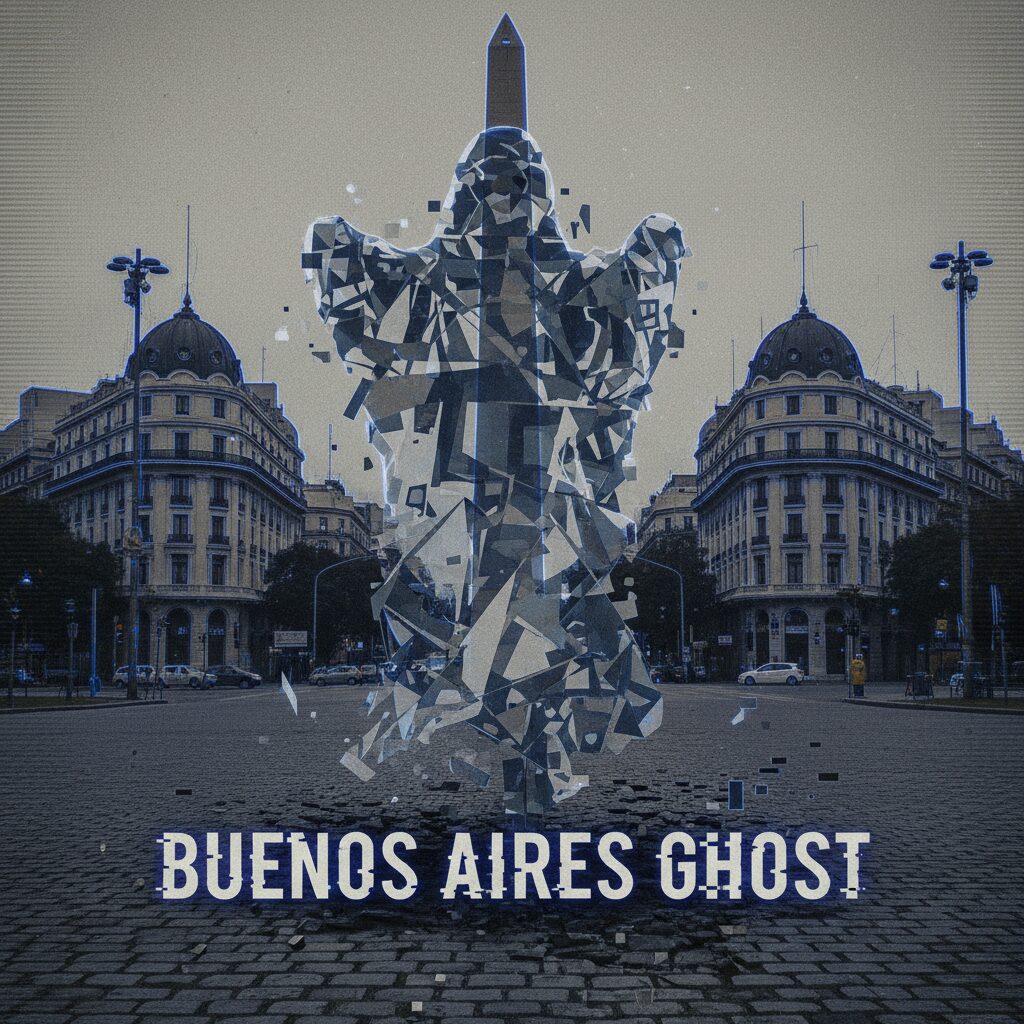
Buenos Aires. The name itself dances on the tongue, a whispered promise of tango, passion, and faded European grandeur. It’s a city that feels like a memory, a sprawling metropolis where every cobblestone street and ornate balcony seems to hold a thousand untold stories. For cinephiles, this city of secrets has one story that echoes louder than the rest, a tale of obsessive love, unresolved justice, and the haunting power of the past. That story is Juan José Campanella’s Academy Award-winning masterpiece, El secreto de sus ojos, or The Secret in Their Eyes. To walk through Buenos Aires after seeing this film is to see the city with new eyes, to feel the weight of its history and the pulse of its undying heart. The movie isn’t just set in Buenos Aires; the city is a living, breathing character, its melancholic beauty and imposing architecture shaping the very soul of the narrative. It’s here, in the grand, decaying halls of justice and the thunderous roar of a football stadium, that the lives of Benjamín Espósito, Irene Menéndez-Hastings, and Ricardo Morales unfold. This isn’t just a tour of filming locations; it’s a pilgrimage into the heart of a cinematic world, a chance to stand where they stood, to feel the ghosts of their story brush past you in the humid Argentine air, and to understand how a place can become so intertwined with a fiction that it feels like truth. So, grab your notebook, just like Espósito, and let’s step into the frame. We’re about to uncover the secrets of Buenos Aires, one unforgettable location at a time.
If you’re captivated by the way a film’s setting becomes a character, you’ll also appreciate exploring the hallowed grounds of football’s birthplace.
The Palace of Justice: Where Memory Holds Court

The beating heart of The Secret in Their Eyes is undoubtedly the Palacio de Justicia de la Nación, the Palace of Justice. Known locally simply as Tribunales, this monumental building serves as more than just a backdrop; it is the stage on which the film’s core drama of memory, bureaucracy, and longing unfolds. It is where federal agent Benjamín Espósito and his superior, Irene Menéndez-Hastings, spend decades maneuvering not only through the convoluted corridors of the law but also the even more intricate maze of their unspoken emotions. The building itself seems to bear the weight of every case, verdict, and secret that has ever passed through its doors. It stands as a character of stone and marble—stoic and imposing—reflecting the rigid social structures and suffocating political atmosphere that ensnare the characters.
Echoes in the Marble Halls
From the opening scenes, Campanella uses the Palace to define the film’s world. We see a young Espósito, earnest and determined, striding through its vast hallways, his footsteps resonating on the polished floors. We witness Irene, sharp and intelligent yet constrained by the era’s expectations, commanding her office with a cool authority that barely conceals her vulnerability. The film repeatedly returns to these settings: the expansive, sunlit main hall, the dark wood-paneled offices, the cramped file rooms overflowing with the paper ghosts of previous crimes. It is in these halls that Espósito first feels an undeniable pull toward Irene. Here, they exchange furtive glances over case files as their professional relationship slowly and painfully evolves into something deeper. The building silently witnesses their entire story, from hopeful beginnings in the 1970s to a melancholic reunion twenty-five years later. Standing in the main hall, gazing up at the soaring ceilings and intricate ironwork, one can almost hear the phantom echoes of ringing telephones and the frantic tapping of typewriters from Espósito’s memories, picturing him and his partner, the brilliant but tragic Pablo Sandoval, leaning against a pillar, sharing a joke and a cigarette—a brief respite in a world closing in on them.
The Architecture of Power and Nostalgia
The Palacio de Justicia is a masterpiece of Beaux-Arts architecture, a style designed to project power, order, and permanence. Constructed over decades and finally inaugurated in 1942, its grand scale is meant to awe and intimidate. The façade, with its towering Corinthian columns and allegorical statues, speaks to an unshakeable system—an ideal of justice that the film skillfully deconstructs. Inside, the grandeur continues: sweeping staircases, stained-glass skylights, and vast expanses of space that are breathtaking. Yet, Campanella’s lens often captures decay beneath the splendor. He lingers on peeling paint in forgotten corners, dust motes dancing in shafts of light, and the overwhelming clutter of the archives. This contrast serves as the film’s visual thesis: the magnificent promise of justice frequently masks a crumbling facade concealing corruption, neglect, and human fallibility. The building’s aesthetics are frozen in a bygone era, much like Espósito himself, trapped by memories of the Morales case and his love for Irene. The palace stands as a perfect metaphor for his mind—a grand edifice filled with echoing, beautifully preserved memories from which he cannot escape.
Espósito and Hastings’ World Today
Visiting Tribunales today offers a surreal experience for any fan of the film. The building remains a fully functioning courthouse, and its energy is palpable. Lawyers in sharp suits bustle up marble steps, clerks haul stacks of documents, and citizens wait anxiously on wooden benches. The atmosphere blends hushed reverence with bureaucratic urgency. Though private offices are off-limits, the public areas are accessible and instantly recognizable. The main entrance hall, staircases, and long corridors appear lifted straight from the screen. The best way to absorb it all is to find a quiet corner and observe. Watch the light streaming through tall windows, just as Irene did when lost in thought, gazing over Plaza Lavalle. Feel the cool, solid marble beneath your fingertips. This is a place heavy with history, both real and cinematic—a living museum where past and present collide with every footstep.
A Visitor’s Verdict: Experiencing Tribunales
To fully appreciate the setting, explore not only the building but the entire neighborhood that shares its name. The Tribunales district is Buenos Aires’ legal and cultural heart, pulsating with a unique intellectual energy.
Practical Details and Nearby Wonders
Access is extremely convenient. The Tribunales-Teatro Colón station on the D line of the Subte (Buenos Aires subway) drops you right across the street, with several other lines within walking distance. The best time to visit is on a weekday during business hours when the building buzzes with activity. While security is present, the main public areas are generally open to respectful visitors. Keep in mind this is a working government building, so maintain quiet and discretion. After soaking in the atmosphere of the Palace, take a walk across Plaza Lavalle, the beautiful park in front. It’s a green oasis amidst urban chaos, where the film’s characters might have paused to clear their thoughts. Dominating the other side of the plaza is the world-renowned Teatro Colón, one of the finest opera houses globally. Its opulent architecture perfectly complements the Palace of Justice. While a full tour or show might be a splurge, admiring its exterior alone is worthwhile. The area also abounds with traditional cafés and bookstores, ideal spots to enjoy a café con leche and a medialuna (a sweet croissant) while jotting down your own reflections, channeling your inner Espósito.
The Hurricane’s Roar: Passion and Pursuit at El Palacio Ducó
If the Palace of Justice embodies the film’s intellectual, restrained center, then the Estadio Tomás Adolfo Ducó—home to Club Atlético Huracán—is its raw, pulsing, impassioned heart. It hosts arguably one of the most technically remarkable and narratively exhilarating sequences in contemporary cinema: the single-shot chase of a suspect through a packed, roaring football stadium. This scene transcends a mere action set-piece; it is a profound exploration of Argentina’s spirit, where the passion for fútbol takes on an almost religious significance. Here, after a year of dead ends, Espósito and Sandoval finally catch their man—but only after a heart-racing pursuit that perfectly embodies their desperation and persistence.
The Anatomy of a Perfect Chase
Technically, the scene is astounding. It opens with a sweeping aerial view of the stadium, filled with tens of thousands of fervent fans, then fluidly plunges into the stands, locates our protagonists, and follows them in a dizzying, continuous shot as they spot their suspect, pursue him through a tightly packed crowd, down deteriorating concrete stairways, into the stadium’s maze-like interior, and ultimately onto the pitch. The camera work is so seamless and immersive that you feel as if you are right there alongside them, breathless, your heart syncing with the chanting crowd. The raw, chaotic energy of the match serves as the perfect soundtrack to the chase. The fans’ roaring, bursts of celebration, and palpable tension all reflect the characters’ internal turmoil. This location is more than just a setting; it is an atmosphere, a natural force. Sandoval’s brilliant, alcohol-driven insight—that a man can change everything but his passion—leads them here. The stadium physically embodies that unalterable passion, a sanctuary where loyalties are sacred and identities exposed. The scene is a masterful exercise in building tension, solidifying the stadium’s place in cinematic history.
More Than a Stadium: The Soul of Parque Patricios
El Palacio Tomás Adolfo Ducó, affectionately known as El Palacio (The Palace) for its grandeur, is situated in the working-class neighborhood of Parque Patricios. This is a section of Buenos Aires often overlooked by tourists, making a visit feel genuinely authentic. Unlike the polished, European-styled neighborhoods of Recoleta or Palermo, Parque Patricios is gritty, unpretentious, and fiercely proud of its local character. The stadium, inaugurated in 1947, stands as its crown jewel. With Art Deco influences and an imposing presence, it ranks among Argentina’s most architecturally significant stadiums. From the outside, it resembles a concrete fortress, but inside it opens into a vast, sweeping bowl, simultaneously intimate and grand. On days without matches, the stadium is quiet, almost hauntingly so—one can sense the echoes of countless matches lingering in the air. The silence is broken only by the wind whistling through the stands. It is in this stillness that the scope of what Campanella and his team achieved becomes truly appreciable.
The Raw Energy of Argentine Fútbol
To grasp this stadium scene, you must understand football’s role in Argentine culture. It is far more than a sport; it is a core element of national identity, a source of collective joy, pain, and catharsis. Loyalty to a local club is a hereditary tradition, passed down like a family heirloom. The atmosphere at a live match, particularly for a historic club like Huracán, is electric and overwhelming. The hinchadas (fan groups) sing, chant, and drum continuously for the full ninety minutes, creating a deafening, pulsating wall of sound. It is a passionate, visceral experience that transcends language. The film captures this energy flawlessly. Espósito and Sandoval are not merely in a crowd; they are part of a living organism, a single entity driven by collective passion. It is this shared energy that both conceals the suspect and ultimately exposes him.
Making the Pilgrimage to Huracán
A visit to the stadium is essential for any devoted fan of the film. Though a little off the usual tourist route, that is part of its allure. The journey itself reveals a more genuine side of the city.
Tips for a Safe and Authentic Experience
Reaching Parque Patricios is simple via the Subte’s H line, which includes a station named after the stadium (Estadio Huracán). From there, it’s a brief walk. On non-match days, you can stroll around the exterior and peer through the gates. With some luck, or by coordinating with the club, you might arrange a tour inside. Standing in the empty stands, gazing over the green pitch, it’s easy to imagine the chaos and cinematic brilliance that unfolded there. For those seeking the full experience, attending a match is unforgettable but requires preparation. It’s strongly recommended to attend with a local guide or as part of a tour group, as navigating ticketing and understanding the stadium’s social dynamics can be challenging. Stay aware of your surroundings—avoid flashy jewelry and valuables, and do not wear the opposing team’s colors. Approached with the right mindset, you will be rewarded with one of Argentina’s most authentic cultural encounters and a vivid real-life link to one of cinema’s most thrilling sequences.
Retiro’s Grand Farewell: The Silent Language of Departures

Every great story of unspoken love includes a heartrending farewell scene, and in The Secret in Their Eyes, that moment takes place on the grand platform of the Retiro Mitre train station. Here, Benjamín Espósito, escaping for his life from the corrupt forces he has uncovered, shares one final, silent goodbye with Irene. There are no grand proclamations, no passionate embraces. Instead, the entire depth of their relationship—all the years of what-ifs and maybes—is expressed through a single, lingering glance through the window of a departing train. The station, a magnificent cathedral of iron and glass, provides the perfect, poignant backdrop for this crucial moment of parting and loss.
A Scene Etched in Time
The scene is heartbreakingly quiet. As Espósito’s train slowly pulls away from the platform, he notices Irene running alongside it, her face etched with desperation and regret. Their eyes meet. In that shared look, a novel’s worth of emotion is conveyed—fear, love, sorrow, and the tragic acceptance of a future that will never be. The camera lingers on Espósito’s face as he watches her vanish into the distance, the imposing structure of the station fading behind her. He is leaving everything behind—his home, his career, and the only woman he has ever truly loved. The station, a place of arrivals and departures, of hellos and goodbyes, becomes a powerful symbol of the crossroads in his life. Escaping is not a choice but a forced necessity, and the grandeur of the setting intensifies the smallness and helplessness he feels in that moment. It’s a scene that lingers long after the credits roll, a tribute to subtle acting and perfectly selected locations.
The Cathedral of Steam and Steel
Retiro Mitre is far more than a train station; it is an architectural masterpiece and a national historic monument. Opened in 1915, it was designed by British architects and built from materials—steel, stone, and ironwork—shipped directly from the United Kingdom. This imparts a distinctly European atmosphere, reminiscent of the grand Victorian-era terminals found in London or Paris. The main hall is breathtaking, with soaring arched steel trusses and a glass roof that floods the concourse with natural light. It stands as a symbol of Argentina’s early 20th-century prosperity and its strong ties to Europe. Entering Retiro feels like stepping back in time. The immense scale was meant to inspire awe in the age of steam travel. You can easily imagine the station in its glory days, bustling with elegantly dressed travelers setting off on long journeys across the vast Argentine pampas. For the film, this inherent nostalgia and sense of faded grandeur make it an ideal setting. It’s a place rooted in the past, a fitting stage for a story so deeply concerned with memory.
The Pulse of a Global Hub
Today, Retiro remains one of Buenos Aires’s busiest transportation centers, serving millions of commuters on both local and long-distance routes. The station buzzes with a chaotic symphony of rumbling trains, public announcements, and the constant stream of people. It’s a microcosm of the city itself—a place of constant motion where countless individual stories briefly intersect. This continual activity sharply contrasts with the stillness and finality of Espósito’s departure. While the world races on around them, his and Irene’s world has come to a full stop. The station represents both the possibility of escape and the agony of being left behind. It is a place of transition, and for Espósito, the gateway to an extended, lonely exile.
Your Own Cinematic Moment at Retiro
Visiting Retiro is a must for any Buenos Aires pilgrimage, whether or not you’re a film enthusiast. It’s a destination in its own right—a living piece of history open to explore.
Navigating the Station and its Surroundings
Retiro is easily reachable via the Subte’s C line, which ends right at the station. Upon entering the main hall, take a moment to stand and look up. Admire the intricate ironwork, the vastness of the roof, and the quality of the light. Step out onto the platforms and imagine the steam and whistles of a bygone era. You can almost feel the cinematic gravity of the place. Locate the platform where Espósito’s train might have departed and look back toward the concourse, picturing Irene running desperately to hold onto a moment already slipping away. The area around Retiro blends grandeur with grit. Across the street lies Plaza San Martín, a beautiful, leafy park sloping down toward the city, offering charming views. Nearby stands the Kavanagh Building, an iconic Art Deco skyscraper, and the opulent mansions of the Recoleta neighborhood are within easy walking distance. However, it’s wise to stay alert, as the area can be crowded and is known for pickpockets. Keep your belongings secure and simply savor the magnificent atmosphere of this truly cinematic landmark.
The City’s Supporting Characters: Cafés, Streets, and Hidden Corners
While the film’s three main locations serve as its grand geographical pillars, the true essence of Buenos Aires in The Secret in Their Eyes lies in the spaces between them. It’s found in the shadowy corners of a traditional café, the crumbling facades of forgotten streets, and the cluttered intimacy of a city apartment. These are the places where the characters live, breathe, and reveal their true selves. Buenos Aires itself emerges as the ultimate supporting character, its atmosphere permeating every frame with a sense of history, melancholy, and poetic beauty.
The Whispers of a Porteño Café
The café is a cornerstone of life in Buenos Aires. It’s not simply a spot for coffee; it’s a public living room, an office, a therapist’s couch, and a stage for life’s dramas. The film features numerous scenes set in these classic bares notables — historic cafés with dark wood paneling, worn marble tables, and formally dressed waiters, preserved as if in amber. It is in places like these that Espósito and Sandoval discuss the case, their conversations fueled by endless cups of strong coffee and cheap gin. The café is their refuge, a space where they can speak freely, away from the prying eyes and listening ears of the Palace of Justice. Such scenes are crucial, offering exposition and character development in a setting that feels utterly authentic. The dim lighting and soft murmur of conversation create an atmosphere of intimacy and conspiracy, where friendships are forged and desperate plans take shape. Sandoval, in particular, appears most at home in these establishments, holding court, offering wisdom, and slowly drinking himself to death.
Finding Your Own “Bar de Letras”
While the specific café featured in the film is not a famous landmark, its spirit can be found throughout the city. To have your own Espósito-and-Sandoval moment, seek out one of the city’s officially designated Bares Notables. Places like Café Tortoni, the oldest café in the city, are beautiful but often crowded with tourists. For a more authentic experience, try wandering into lesser-known spots in neighborhoods like San Telmo, Monserrat, or Almagro. Look for venues with old-world charm: tiled floors, photos of tango singers on the walls, and waiters who’ve served there for decades. Order a café cortado (espresso with a dash of steamed milk) and a glass of sparkling water. Sit by the window and watch the city go by. These cafés are perfect for writing, thinking, deep conversation, or simply soaking in the unique rhythm of porteño life. They are living museums, and spending an hour in one is as essential as any other item on your itinerary.
Wandering the Labyrinthine Streets
Much of the film’s texture comes from its street-level shots of Buenos Aires. Campanella often shows Espósito walking, thinking, and processing the case, with the city as his silent companion. He is seen against a backdrop of beautiful yet decaying buildings, their ornate balconies and faded paint telling stories of past glory and present struggles. The film avoids focusing on postcard-perfect views of the city. Instead, it finds beauty in the ordinary, the overlooked, and the imperfect. The cobblestone streets, vintage cars, and graffiti-covered walls combine to create a deeply realistic and evocative portrait of the city during a turbulent era. These streets are more than pathways; they are archives of history. Every crack in the pavement and every shuttered window seems to conceal a secret.
The Poetic Decay of San Telmo and Monserrat
To walk in Espósito’s footsteps, dedicate time to simply getting lost in the city’s older neighborhoods, particularly San Telmo and Monserrat. These are among the city’s most historic barrios, with streets that feel as if lifted directly from the film. San Telmo, famous for its Sunday antiques market, cobblestone streets, and colonial architecture, brims with bohemian charm. It’s easy to imagine Espósito wandering these streets on a quiet afternoon, his mind consumed by the Morales case. Monserrat, home to the Plaza de Mayo and the Casa Rosada, is the political heart of the city, but its side streets contain the grand, slightly neglected buildings that define the film’s aesthetic. The best approach is to put aside the map. Let curiosity be your guide. Follow a narrow lane, peer into a hidden courtyard, listen as a tango drifts from an open window. This is how you discover the real Buenos Aires — the city of secrets so brilliantly captured by the film.
A Deeper Gaze: Understanding the Film’s Historical Heartbeat

To truly appreciate the pilgrimage to the sites featured in The Secret in Their Eyes is to recognize that the film encompasses far more than a murder investigation and a story of unrequited love. It serves as a profound allegory for a dark and painful chapter in Argentine history. The narrative unfolds across two timelines: the present day (1999), where Espósito is writing his novel, and the past, beginning in 1974. This historical backdrop is not mere background; it is the driving force of the entire plot and lends a deeper meaning to the characters’ actions.
The Shadow of the ‘Proceso’
1974 was a period of intense political unrest in Argentina. After the death of President Juan Perón, his wife Isabel Perón assumed power, but her government was weak and the country was descending into chaos, plagued by violence from both left-wing and right-wing extremist groups. This turmoil set the stage for the 1976 military coup, which ushered in a brutal dictatorship known as the National Reorganization Process, or the Proceso. This regime perpetrated state-sponsored terrorism during the “Dirty War,” during which an estimated 30,000 people were “disappeared”—kidnapped, tortured, and killed by the state. The film is set on the brink of this grim era, with an atmosphere thick with fear and impunity. The antagonist, Isidoro Gómez, enjoys government protection because his ruthless skills are valuable to the regime’s covert intelligence services. The justice system, symbolized by the Palace of Justice, becomes powerless. Espósito and Irene’s efforts to achieve a rightful conviction are stymied not by a lack of evidence but by a corrupt system where power overrides the law. This is the true secret in their eyes: the shared, unspoken awareness of a society unraveling into lawlessness, where the official narrative is false and authentic justice is forced underground.
Justice, Memory, and a Nation’s Scars
The film as a whole is an exploration of memory and its connection to justice. Espósito feels compelled to write his novel because the past refuses to be forgotten. He is haunted by the Morales case, not only due to the brutal crime itself but also because of the injustice that followed. His personal quest for closure parallels Argentina’s collective struggle to face its traumatic history. Following the dictatorship’s fall in 1983, the country embarked on a long and painful journey of trials, truth-seeking, and justice for the Dirty War’s victims. This process was still ongoing in 1999, the film’s present-day setting. Espósito’s decision to revisit and document the past is a deeply personal act that echoes a national imperative. The film’s final, shocking revelation—what Ricardo Morales has done to Gómez—offers a powerful and unsettling reflection on justice. When the official system fails so utterly, what alternatives remain? Though the film avoids easy answers, it compels viewers to confront the devastating consequences when a society’s legal and moral foundations collapse. Standing before the imposing façade of the Palace of Justice, one does not merely see a filming location but a symbol of a broken promise and the enduring, painful pursuit to reclaim it.
Crafting Your Buenos Aires Itinerary: A Cinematic Journey
Experiencing Buenos Aires through the perspective of The Secret in Their Eyes offers a uniquely immersive way to discover the city. It weaves a narrative thread through your travels, connecting you to the city’s emotional and historical fabric. Below is a suggested three-day itinerary to accompany your pilgrimage, combining iconic film locations with essential porteño experiences.
A Three-Day Immersion
This itinerary serves as a flexible framework, giving you ample time to wander, get lost, and make personal discoveries. The true essence of this journey lies in slow observation and quiet moments of reflection in a café or on a park bench, much like Espósito would have experienced.
Day One: Justice and Grandeur
Begin your exploration in the film’s epicenter: the Tribunales neighborhood. Spend the morning admiring the majestic Palacio de Justicia. Take your time in the main hall, stroll along the public corridors, and absorb the gravity of the institution. Afterwards, cross the street to Plaza Lavalle, find a bench, and watch the bustling life of the legal district unfold around you. In the afternoon, visit the renowned Teatro Colón. Even if you skip a full tour, its presence is fundamental to the area’s atmosphere. For lunch, choose a traditional bistro nearby where you can imagine lawyers and judges debating cases over pasta. In the evening, enjoy a walk down Avenida Corrientes, Buenos Aires’s version of Broadway, famed for its theaters and, most importantly, its late-night pizzerias and bookstores. This vibrant cultural and intellectual hub is where Espósito would have felt truly at home.
Day Two: Passion and Local Flavor
Devote today to immersing yourself in the city’s passionate spirit. Head to Parque Patricios to visit Estadio Tomás Adolfo Ducó. Take the Subte’s H line for an authentic local commute. Spend time walking around the stadium, soaking in the scale and history of this “palace” of football. From there, venture to the historic neighborhood of San Telmo. Spend your afternoon wandering its cobblestone streets. On Sundays, you’ll encounter the lively Feria de San Telmo, a sprawling street market filled with antiques, art, and street performers. Any day of the week, San Telmo reveals the city’s bohemian soul. Pause at a classic bar notable for a late-afternoon coffee and feel the lingering presence of history around you. For dinner, savor a genuine parrilla (steakhouse) in San Telmo, then visit a milonga to either watch or try tango, the quintessential expression of Argentine passion.
Day Three: Farewells and Reflection
On your final day, visit the majestic Retiro Mitre train station. Spend ample time in its grand hall and on the platforms, reliving the film’s poignant farewell scene. From Retiro, stroll through the elegant Plaza San Martín and into the upscale Recoleta neighborhood. Here, the architecture is distinctly Parisian, contrasting with the gritty charm of San Telmo. The must-see in Recoleta is its famous cemetery—a stunning city of the dead filled with elaborate marble mausoleums housing Argentina’s most powerful families, including Eva Perón. This serene place invites quiet reflection, making it ideal to contemplate the film’s themes of memory, history, and the passage of time. Conclude your cinematic pilgrimage with a leisurely final coffee at a nearby café, perhaps jotting down your own reflections in a notebook and bringing your journey as a cinematic detective to a thoughtful close.
Parting Thoughts from a City of Secrets

Following Benjamín Espósito’s footsteps through Buenos Aires means more than simply visiting a collection of filming sites. It is an invitation to connect with the city on a deeper, more emotional plane. You begin to grasp how the weight of history presses upon the present, how public spaces are infused with private memories, and how a story can elevate stone and steel into something sacred. The Palace of Justice becomes more than a courthouse; it transforms into a monument to a love story that lasted decades. A football stadium is no longer just a sports arena but a temple of raw, unyielding passion. A train station stops being merely a transit point and becomes a heartrending stage for a life-changing farewell. The Secret in Their Eyes hands you a key, a code, to unlock another dimension of Buenos Aires—a city that is melancholic yet resilient, grand yet decaying, and forever haunted by its stories. As you depart, you carry with you a fragment of its secret, a memory of a city that looked you in the eye and revealed its soul.