Some films are watched. Others are felt. Oliver Stone’s 1986 masterpiece, Platoon, is an experience that seeps into your bones, a visceral plunge into the chaos and confusion of the Vietnam War. It’s a film that doesn’t just depict the jungle; it breathes it. The suffocating humidity, the ever-present threat lurking behind a curtain of green, the symphony of unseen life—the environment is not a backdrop, but a character, an antagonist, and a silent witness. For decades, I, like millions of others, was haunted by its raw power. But the images that stayed with me weren’t just the harrowing scenes of combat; they were the landscapes. The dense, unforgiving wilderness that shaped the soldiers’ reality. I began to wonder, where was this world? Where was this piece of cinematic history forged? The answer, surprisingly, was not Vietnam. It was the Philippines, a nation whose own vibrant, complex landscapes were conscripted to tell a story from a neighboring country’s war. This is the story of a pilgrimage not to a specific building or monument, but into the very air, the very soil, that gave Platoon its terrifying authenticity. It’s a journey into the lush, wild heart of the Philippines, to the locations in Laguna and Cavite where Hollywood, history, and the untamed jungle collided to create a cinematic legend. This is a quest to stand where Chris Taylor stood, to feel the heat he felt, and to listen for the echoes of a film that changed the way we see war forever.
This journey to find the authentic landscapes of Platoon is part of a growing tradition of cinematic pilgrimages to film locations.
The Philippine Paradox: Crafting Vietnam on a Foreign Canvas

Why the Philippines? This question lies at the very heart of the Platoon pilgrimage. In the mid-1980s, when Oliver Stone finally brought his deeply personal script to life, filming in Vietnam was politically and logistically impossible. The war’s wounds were still fresh, and diplomatic relations were nonexistent. Stone, a veteran himself, was committed to authenticity. He needed a location that didn’t just resemble Vietnam but truly felt like it. He sought a place that could convey the primordial, oppressive atmosphere of the jungle—a green inferno that would push his actors to their physical and psychological limits. The Philippines, then under the controversial rule of Ferdinand Marcos), emerged as the perfect, if complicated, solution. The archipelago offered a remarkable variety of landscapes capable of convincingly doubling for the Vietnamese highlands, river deltas, and rural villages. More importantly, it held vast expanses of untouched, primary rainforest alive with a similar energy—and a comparable sense of latent danger.
Choosing to film there was a masterstroke that fundamentally shaped the film’s identity. The archipelago provided a vast and textured canvas. The specific flora of the Filipino jungle, with its towering dipterocarp trees, tangled rattan vines, and broad-leafed plants glistening with constant moisture, appeared visually indistinguishable to the untrained eye from the jungles of its Southeast Asian neighbor. The climate played an equally vital role. The relentless, oppressive humidity and sudden, violent downpours were not special effects—they were everyday realities for cast and crew. This natural adversity became a powerful asset for Stone. He wasn’t merely directing a film; he was crafting an immersion. The mud caking the actors’ boots, the sweat perpetually soaking their uniforms, the insects buzzing in their ears—these were not details added later. They were genuine, unavoidable elements of the filming environment. The Philippines offered a raw, untamed world that stripped away the comforts of a typical Hollywood set, forcing everyone involved to confront a fragment of the soldiers’ reality. The country’s own complex political situation added another layer of tension, creating an atmosphere on edge—where the chaos on screen felt echoed by the uncertainty lurking just beyond the camera’s frame.
Mount Makiling: The Green Heart of Darkness
The essence of Platoon‘s jungle setting lies on the slopes of Mount Makiling in Laguna province, just a short drive south of Manila. This dormant volcano, honored in local folklore as the dwelling of a mythical spirit guardian, served as the film’s main location, with its dense forests providing the backdrop for the most claustrophobic and intense patrol scenes. Visiting Makiling today quickly reveals why Stone selected it. It is not a manicured, gentle park; rather, it is a living, breathing wilderness that feels ancient and formidable. The Makiling Forest Reserve is a biodiversity haven, a vast expanse of tropical rainforest that asserts itself fiercely.
The Living Set: A Symphony of Green and Shadow
Exploring the trails of Mount Makiling is a sensory immersion. The moment you step beneath the canopy, the world transforms. The harsh tropical sun filters into dappled, ethereal light that deceives the eyes. The air grows dense, heavy with the scent of damp earth, decaying leaves, and the sweet fragrance of unseen flowers. The sound is an unending, overwhelming chorus—the piercing calls of cicadas, the chattering monkeys high in the branches, the rustling leaves that might be wind or something else entirely. This is Platoon‘s soundtrack. It is in this environment that the film’s trademark tension was forged. The scenes where the platoon moves silently, single-file through the undergrowth were not merely performed; they were lived. The terrain is unforgiving, with steep, muddy slopes and a tangle of roots seemingly designed to trip the unwary. You can almost sense the burden of the packs the actors carried, the strain on their muscles as they navigated this relentless landscape. Standing in a clearing, surrounded by an almost impenetrable wall of green, it’s easy to understand the paranoia gripping the characters. Every shadow might hide a threat. Every sound could be a warning. The jungle here is more than just a backdrop; it’s an active participant—a force that isolates, exhausts, and intimidates. It demands respect and evokes a primal fear, the exact emotional core Stone needed to capture. Much of the forest has remained unchanged since the 1980s, and walking its paths feels like stepping through a portal directly into the film’s world. You find yourself scanning the trees, half-expecting to see the silhouette of a soldier, a ghost from cinematic history, slipping silently through the gloom.
The Crucible: Forging Soldiers in the Mud
Makiling’s greatest contribution to Platoon may have been more than its visual authenticity; it was its role as a crucible for the actors. Before a single frame was filmed, Stone put his cast through a grueling two-week boot camp deep in this very jungle. Led by military advisor Captain Dale Dye, a decorated Vietnam veteran, the actors were stripped of their identities and reshaped as soldiers. They lived in the forest, dug foxholes to sleep in, ate C-rations, and endured forced marches through mud and rain with limited water. They faced night ambushes using blank ammunition, sleep deprivation, and the constant psychological pressure of Dye’s relentless regimen. The experience was, by all accounts, hellish—but transformative. It broke down the barriers between them and forged them into a cohesive, believable unit. The exhaustion, resentment, camaraderie, and fear seen onscreen were not entirely simulated. They were genuine echoes of their time in the Makiling jungle. When you watch Charlie Sheen’s character, Chris Taylor, collapse from heat and exhaustion on his first patrol, you witness an actor drawing from a very real, very recent memory of physical and mental torment. This legendary boot camp elevates Platoon from a great war film to a cinematic document. The jungle of Mount Makiling was the furnace where these performances were forged, and its influence is visible in every weary glance, every tensed muscle, and every drop of sweat that stains the actors’ faces throughout the film.
The Rivers of Cavite: Waterways of Life and Death
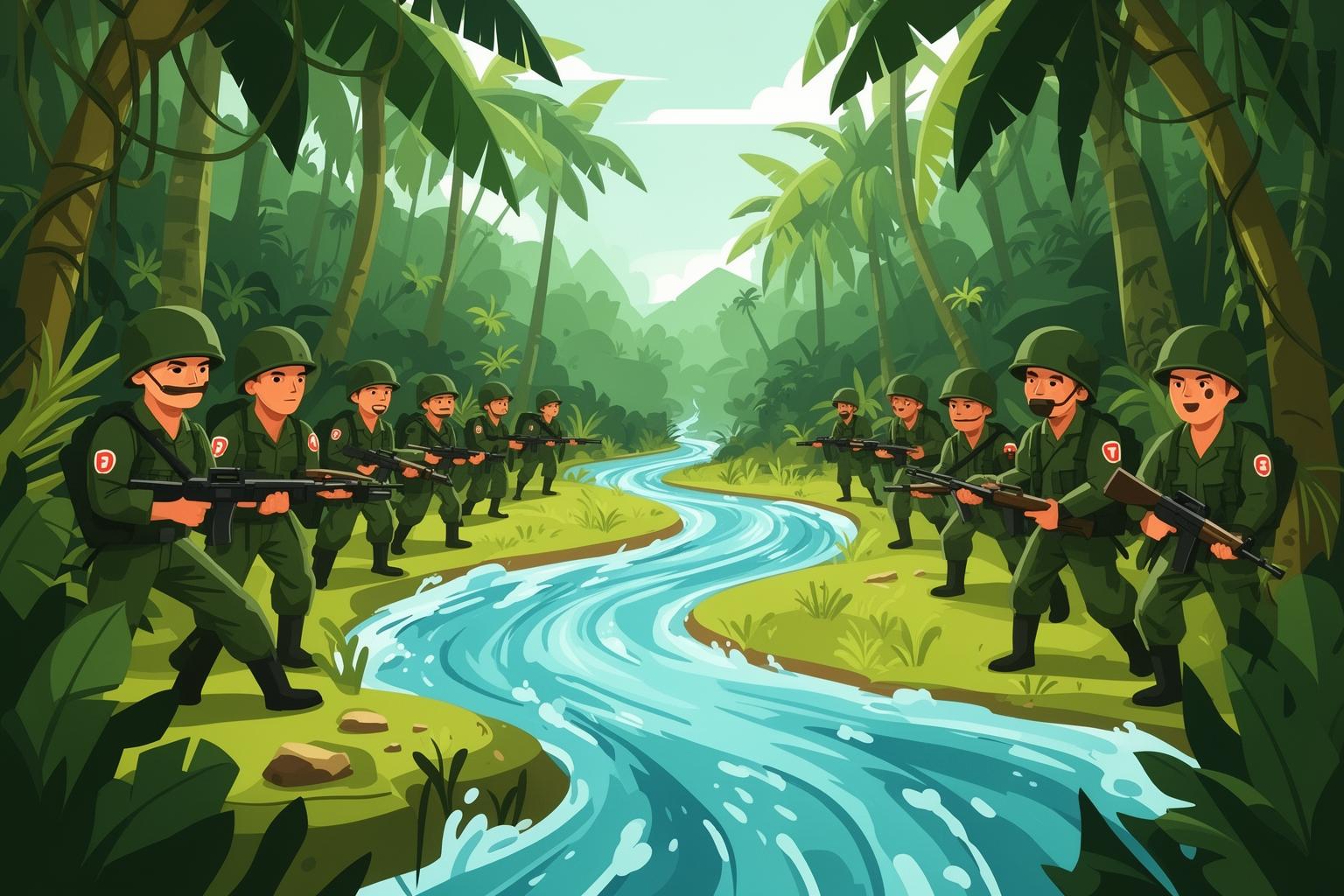
While Mount Makiling supplied the film’s claustrophobic jungle interiors, the neighboring province of Cavite) contributed a distinct yet equally essential array of landscapes. Renowned for its rolling hills and extensive river systems, Cavite served as the backdrop for many of the film’s critical village scenes, river patrols, and the explosive final battle. It symbolized the areas where the jungle opened up, exposing the human aspect of the war—the villages caught in the crossfire and the waterways that functioned as both lifelines and frontiers.
Recreating Village Life and Its Harsh Disruption
Spread across the rural areas of Cavite, the production team carefully built the Vietnamese villages central to the film’s story. These were not mere facades but fully developed sets, constructed with local materials like bamboo and nipa palm fronds to ensure maximum authenticity. Local Filipinos were cast as extras, their presence adding a vital layer of realism to the scenes. It was within these recreated hamlets that some of the film’s most emotionally wrenching moments were captured, including the notorious, brutal raid on the village. Visiting these parts of Cavite today requires imagination. The sets have long vanished, reclaimed by time and nature. Yet the landscape endures—the rice paddies, small clusters of homes, and dirt roads winding through the countryside remain, preserving the essential geography. Conversations with older locals sometimes reveal fragmented memories of when Hollywood descended upon their tranquil province, bringing a whirlwind of activity. They recall the unusual sight of Caucasian actors in military gear and the construction of a village destined for fiery on-screen destruction. This human connection, this folk memory of the production, forms a powerful part of the pilgrimage, reminding visitors that while the film depicted a foreign war, its making had a genuine, tangible impact on the lives of those who called this land home.
The Currents of Conflict: Filming on the Water
Cavite’s rivers played a crucial role in portraying the aquatic dimension of the Vietnam War. Patrols frequently took place on or near water, and Stone used the province’s slow-moving, muddy rivers effectively. These scenes, with soldiers wading through chest-deep water, senses heightened, are thick with tension. The water muffles sound, distorts vision, and adds physical resistance that slows movement, rendering the platoon highly vulnerable. The rivers of Cavite provided an ideal natural setting for this. They are wide, bordered by dense vegetation offering perfect cover for ambushes, and their murky depths conceal unseen dangers. One of the film’s most haunting and iconic shots, featuring a soldier’s body floating tranquilly downriver, was filmed in one of these waterways. Standing on a riverbank in Cavite today, watching the current drift by, it is impossible not to recall that chilling image. Water is a powerful symbol in the film—representing life, a means of transport, and a silent carrier of the dead. The rivers here remain unchanged, their timeless flow starkly contrasting with the fleeting, violent history momentarily imposed upon them for the sake of cinema.
A Pilgrim’s Practical Guide: Navigating the Trail of Platoon
Embarking on a journey to the filming locations of Platoon is unlike visiting a typical tourist destination. There are no signposts, official tours, or visitor centers. It is a true adventure, demanding preparation, respect for the natural surroundings, and a spirit of exploration. This journey is meant for the dedicated cinephile and the intrepid traveler alike, offering a chance to connect with the film on a deeply physical level.
Accessing the Jungle: The Route to Mount Makiling
Mount Makiling is the more accessible of the two main locations. It lies near the city of Los Baños in Laguna, approximately a two to three-hour drive from Metro Manila, depending on traffic conditions. Several bus companies operate regular routes from Manila to Los Baños. From the town center, you can hire a tricycle or jeepney to reach the entrance of the Mount Makiling Forest Reserve, usually near the University of the Philippines Los Baños campus. Hiring a local guide is crucial—not just recommended but essential. The trail network can be confusing, and the forest is genuinely wild. A knowledgeable guide will not only ensure your safety but can also point out areas that resemble the terrain seen in the film. While they may not know the exact spot of a scene filmed four decades ago, they understand the mountain’s character and can lead you to groves and ravines that embody the spirit of Platoon. Be prepared for a physically demanding hike. Wear sturdy, waterproof hiking boots, as the trails are often muddy and slippery. Lightweight, long-sleeved clothing is advisable for protection against insects and scratches. Carry plenty of water to stay hydrated in the humidity, and bring high-energy snacks. The best time to visit is during the dry season, from December to April, to avoid the heavy monsoon rains that can make the trails dangerous.
Exploring the Countryside: The Quest in Cavite
Locating exact spots in Cavite is considerably more difficult. The province is extensive, and the specific village and river locations were on private land and are not established tourist sites. This journey focuses less on pinpointing a precise location and more on immersing yourself in the broader landscape. A practical starting point is one of the towns in the province’s interior, away from the more urbanized coastal areas. Hiring a car and driver for the day from Manila is the most efficient way to explore. You can then drive through rural countryside, following river systems and observing small villages and rice fields. The aim is to capture the essence of the place, to see the kind of terrain Stone and his crew used. Engage respectfully with locals; you might find an elder who remembers the production. The key here is exploration and absorbing the atmosphere. It’s about understanding the texture of the land—the heat, the dust, the lush green paddies—that formed the backdrop for many of the film’s human dramas. This part of the journey is a quiet, reflective experience, sharply contrasting with the intense physical challenge of hiking Mount Makiling.
The Lingering Echoes: Art, War, and Memory
Visiting the locations where Platoon was filmed offers a distinctive form of historical and cinematic exploration. You are uncovering layers of time, seeking the convergence of a real place with a fictionalized, yet profoundly personal, story. This experience highlights the brilliance of Oliver Stone’s directorial vision. He recognized that to depict the Vietnam War effectively, he required an environment as unforgiving and psychologically demanding as the conflict itself. The Philippine jungle was not just a backdrop; it was an active presence that influenced the film and its performers.
The historical backdrop of the Philippines in the mid-1980s adds yet another captivating layer. The nation was in the last turbulent years of the Marcos dictatorship. The People Power Revolution, a peaceful uprising that would overthrow the regime, took place in 1986, the same year Platoon premiered. Shooting a major American war film in a country on the verge of its own political upheaval created a surreal atmosphere that likely influenced the production in subtle ways. The film crew’s presence and the extensive logistics brought significant, if short-lived, economic benefits to the local communities of Laguna and Cavite. It provided jobs and excitement, leaving behind stories that have since become local lore.
Today, wandering through the forests of Makiling, the silence is overwhelming. The chaos of the film crew has long vanished. The jungle has reclaimed the land, covering the footprints of actors and crew with decades of fallen leaves. Still, the echoes linger. You sense them in the heavy humidity, the sudden chill of a shadow, the rustle of an unseen creature in the underbrush. You stand in a place where art was created under grueling conditions, a site that stood in for a real war, a real tragedy. It powerfully illustrates cinema’s capacity to transform a landscape, to endow it with new significance and memory. The jungle is no longer just a jungle; it has become forever the jungle of Platoon, a realm haunted by the ghosts of fiction and the deeper truths of war they embody.
Beyond the Screen: A Final Reflection
A pilgrimage to the heart of Platoon is ultimately a journey within. It starts with a love for the film but grows into something deeper. It becomes an appreciation for nature’s raw power, a reflection on the fine line between reality and fiction, and a tribute to the immense effort required to create a lasting work of art. Standing on a muddy trail in Mount Makiling, drenched in sweat, with the jungle’s sounds closing in from every direction, you are no longer merely a spectator. For a brief moment, you become a participant. You can sense, in a small and safe way, the overwhelming sensory experience that shaped the film. You grasp why the soldiers felt so lost and on edge. The environment reveals it all. This journey does not conclude with a souvenir or a photo beside a famous landmark. It ends with a feeling—a deeper, more visceral understanding of a film you thought you knew. It’s the lingering chill of the jungle’s shadow, the memory of its scent in the humid air, and the echo of a director’s shout still hanging, unheard, among the ancient trees. It’s the realization that some places, through the magic of cinema, become sacred ground, forever preserving the memory of the stories they helped to tell.