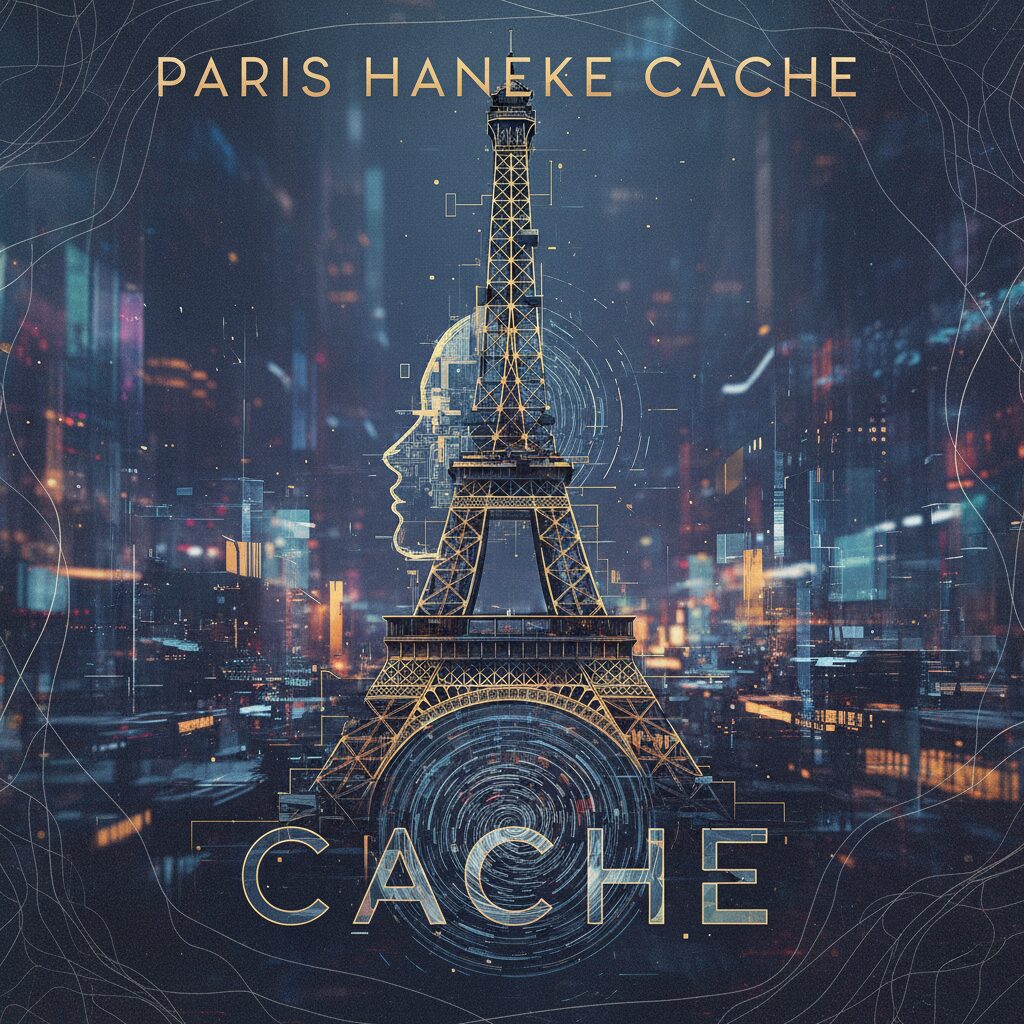
There are films that entertain, films that dazzle, and then there are films that crawl under your skin and build a permanent home there. Michael Haneke’s 2005 masterpiece, Cache (Hidden), is most certainly the latter. It begins with a single, unnerving shot, a static frame held for an uncomfortably long time, observing a placid, modern Parisian home. We, the audience, are immediately implicated. We are the watchers. This single shot sets the tone for a film that weaponizes the mundane, turning the familiar streets and comfortable homes of Paris into a landscape of psychological dread, historical guilt, and unspoken truths. To visit the filming locations of Cache is not your typical cinematic pilgrimage. You won’t be snapping cheerful selfies in front of iconic landmarks. Instead, you embark on a journey into the very soul of the film, a journey that peels back the city’s polished veneer to confront the disquiet that lies just beneath the surface. It is an exploration of Paris itself as a character, one haunted by its own hidden tapes, its own repressed memories. This is a tour through the architecture of anxiety, a walk through a city of ghosts, where every quiet street corner and every pane of glass might hold a story you were never meant to see. It’s a challenge to look at a place and truly see what is hidden in plain sight, to feel the lingering tension in the air long after the cameras have stopped rolling.
This kind of cinematic pilgrimage to confront history and memory is not unique to Paris, as seen in the journey through Zhang Yimou’s ‘To Live’ filming locations.
The Laurent Residence: An Architecture of Anxiety on Rue des Iris
Discovering the Facade
Our journey begins, much like the film, on Rue des Iris. Nestled in the 13th arrondissement, this is not the Paris of Gustave Eiffel or Baron Haussmann. Instead, it is a quiet, almost deceptively peaceful residential street, bordered by modern, architect-designed homes that evoke intellectual comfort and bourgeois stability. Locating the exact house used for the Laurent family residence is a surreal moment. The street is so silent you can hear your footsteps on the pavement, a quiet that intensifies the sensation of being an observer, even an intruder. The house itself, with its clean geometric lines, large, unblinking windows, and understated entrance, feels less like a home and more like a statement. In the bright Parisian daylight, it appears perfectly ordinary, a desirable property. Yet anyone familiar with Cache cannot see it without a profound sense of unease. You instinctively search for the camera’s vantage point across the street. You scan the upper windows. The architecture, designed to be open and welcoming, is transformed by the film’s narrative into a vessel of vulnerability. The glass that should invite light in instead becomes a screen projecting fear and paranoia. Standing there, you realize Haneke’s brilliance was not in creating a threatening setting, but in selecting a place of ultimate normalcy and exposing how easily that normalcy can be shattered. The facade acts as a mask, and the film’s power comes from hinting at what decays behind it. The atmosphere is thick with phantom tension. You feel as though you are trespassing on a memory, silently witnessing the slow-motion disintegration of a family’s life. It offers a potent lesson in how cinema can permanently alter our perception of physical space, forever staining it with fictional trauma.
The 13th Arrondissement: A Modernist Vision with a Hidden History
Choosing the 13th arrondissement for the Laurents’ home is a deliberate and insightful decision. This part of Paris defies romantic clichés. It is a district that looks ahead, not backward. Known for the soaring high-rises of Les Olympiades, the vibrant energy of the Quartier Asiatique (Paris’s largest Chinatown), and the monumental François Mitterrand Library, it presents a forward-looking face. The area around Rue des Iris, especially the Butte-aux-Cailles neighborhood, is a charming and desirable enclave of cobblestone streets, small houses with gardens, and a village-like ambiance, all overshadowed by nearby modernist towers. This contrast is essential. The Laurents exist in a bubble of cultivated, intellectual, modern life, seemingly detached from the city’s gritty, complex history. Their world is one of literary talk shows, sophisticated dinner parties, and a carefully curated lifestyle. Exploring this area offers insight into their world. You can move from the unnerving quiet of Rue des Iris to the lively markets on Boulevard Auguste-Blanqui or enjoy coffee in a quaint bistro on Rue de la Butte-aux-Cailles. Practical access is easy; the Place d’Italie metro station is a major hub connecting lines 5, 6, and 7, placing the film’s central location within a short walk. The best time to visit is a quiet weekday morning when the streets are calm and the light is clear, allowing you to experience the sterile stillness that defines the film’s opening scenes. Wander the streets and observe: notice the architecture, the mix of old and new, and the way this corner of Paris feels both intensely urban and strangely suburban. It is within this placid modernity that the bloody, repressed history of France’s colonial past—the central theme of Cache—feels most violently intrusive.
The Journey to Romainville: Confronting a Buried History
The Cité Marcel Cachin: Majid’s World
If the Laurent home on Rue des Iris represents the film’s thesis, then Majid’s apartment in Romainville serves as its devastating antithesis. Traveling from the 13th arrondissement to this housing project in the northeastern banlieues is to physically enact the film’s central conflict. The journey itself, moving from the manicured center to the raw periphery, is a crucial part of the pilgrimage. The Cité Marcel Cachin in Romainville is a world apart from the architectural restraint of Rue des Iris. Here, the buildings are vast, concrete, and utilitarian—products of the post-war housing boom designed to house a growing working-class and immigrant population. This architecture arises from necessity, not aesthetic preference. When Georges Laurent makes this journey, he is not simply visiting a figure from his past; he is crossing a profound social, economic, and historical divide. For a visitor, the visual and atmospheric shift is both jarring and deeply moving. The tower block where Majid lives is imposing, its facade a grid of countless windows, each concealing a life and story that characters like Georges would rather keep hidden. Haneke’s camera approaches this location with the same detached, observational style, but here it conveys not sterile comfort, but alienation and anonymity. The building stands as the concrete legacy of France’s post-colonial reality. It is in places like this, far from the tourist trail, that the unresolved tensions of the Algerian War and the buried memory of incidents such as the 1961 Paris massacre—where French police attacked and killed numerous pro-National Liberation Front Algerian demonstrators—resonate most strongly. The film compels Georges, and through him the viewer, to face the fact that this history is not behind us; it lives and breathes within the very fabric of the city’s geography.
Navigating the Banlieue: A Visitor’s Perspective
Exploring the banlieues can feel daunting to first-time visitors, largely due to media representations often centered on social unrest. However, visiting Romainville can be safe and deeply insightful, provided you approach it with respect and awareness. The journey is simple: take Metro Line 5 to Bobigny–Pantin–Raymond Queneau, from where the Cité Marcel Cachin is a short walk or bus ride away. It’s important to remember that you are not stepping onto a film set; you are entering a living community. Be a quiet observer. The purpose of this part of the journey is not to gawk, but to understand the striking contrast that Haneke so masterfully exploits. Notice the details the film highlights: the vast, windswept concrete plazas between buildings, satellite dishes clinging to balconies, and the sounds of children playing that echo through the open spaces. This is a place of vibrant, complex daily life. Standing in the shadow of Majid’s apartment block, you sense the weight of history and the social geography that keeps the worlds of Georges and Majid violently separated, yet deeply intertwined. This experience transcends film analysis and becomes a profound lesson in contemporary French society. The most respectful approach is to stroll around the neighborhood, soak in the atmosphere, and then leave, carrying with you a more nuanced appreciation of the city’s fractured soul. This is not about capturing the perfect photo; it is about experiencing the reality that lends Cache its enduring and unsettling power.
Spaces of Evasion and Routine: The Other Paris of ‘Cache’
The Swimming Pool: A Submerged Escape
Amid growing dread, Cache presents fleeting moments of apparent normalcy, filled with underlying tension. The scenes featuring the Laurents’ son, Pierrot, at the swimming pool exemplify this. On the surface, it portrays a teenager’s routine—a brief escape from the stifling environment at home. Yet, beneath the chlorinated water’s surface, this refuge is only temporary. The public swimming pool—a space characterized by noise, community, and physical activity—contrasts sharply with the silent, psychological prison of the house. While the exact pool used in filming remains uncertain, the Piscine de la Butte-aux-Cailles, located in Paris’s 13th arrondissement near Rue des Iris, perfectly captures the spirit. This historic pool, with its stunning Art Nouveau design, vaulted concrete ceilings, and bright, airy ambiance, is a cherished local landmark. Visiting it, or any of Paris’s elegant public pools, reveals a different facet of Parisian life—democratic spaces where people from all backgrounds come together. For Pierrot, the pool is a sanctuary, a place where he can remain anonymous and momentarily free from his parents’ anxieties. For the pilgrim, exploring such a place deepens the understanding of the film’s psychological landscape. It underscores the desperate pursuit of normalcy—the places characters seek to wash away the encroaching dread. In these public spaces of routine and leisure, the private torment of the Laurents’ situation feels especially sharp. Their secret cannot be confined within their home’s walls; it shadows them, a silent poison infiltrating every aspect of their lives.
The Professional Facade: Studios and Bookstores
Georges is defined by his profession. As the host of a literary television program, he is a public intellectual whose role is to engage with ideas and narratives. His professional world—the sterile, brightly lit TV studio and the refined calm of Parisian bookstores—is central to his identity. This is the facade he presents: controlled, articulate, and successful. These film locations symbolize the stronghold of his intellect, the carefully built reality he uses to protect himself from the messy, inconvenient truths of his past. The film avoids showcasing specific, recognizable landmarks for these scenes, instead opting for generic spaces that could exist anywhere within the city’s media and literary circles. This is an intentional choice, suggesting that Georges’s professional world is a kind of non-place, an echo chamber of self-confidence. To capture the essence of this world, it’s unnecessary to pinpoint exact locations. Rather, a stroll through Saint-Germain-des-Prés, the historic literary heart of Paris, suffices. Visiting iconic cafes like Les Deux Magots or Café de Flore, or browsing bookshelves at Shakespeare and Company, immerses you in the atmosphere Georges inhabits. It is a realm of intellectual discourse that, within the film’s context, feels hollow and insufficient. No amount of literary critique or televised debate can resolve the raw, fundamental problem confronting him. This exploration offers a poignant reflection on the limitations of a certain intellectual life—adept at discussing the world’s issues in the abstract but utterly incapable of facing its own personal, historical responsibilities.
The Unseen Countryside and the Final Enigma
The Escape that Isn’t: The Mother’s Farm
Late in the film, Georges escapes the city’s oppressive scrutiny for the apparent peace of his childhood home in the countryside. This is a classic narrative device: returning to one’s origins, seeking answers in the past. The French countryside is portrayed with earthy tones, aging stone, and a deceptive calm. It should serve as a refuge, but for Georges, it is the source of his original sin. Visiting his elderly, ailing mother brings neither clarity nor comfort; instead, it confirms the depth of his denial and the selfishness of his childhood actions. The film intentionally leaves the house’s location anonymous, symbolizing not a specific place on a map but a universal space of unresolved memory. For travelers wanting to experience the stark contrast between Parisian anxiety and rural stillness, a day trip from the city offers a profound encounter. Areas like the Chevreuse Valley, the Forest of Fontainebleau, or the Vexin Français regional park provide landscapes that mirror the film’s depiction of the French countryside. Taking a train from one of Paris’s grand stations and watching the urban environment fade into rolling hills and quiet villages evokes the same feeling of displacement and searching that Georges endures. This journey underscores a key theme: there is no escape from oneself. The idyllic rural landscape is just as haunted as the modern house on Rue des Iris, because the ghosts reside not in the place, but in the person. The countryside’s tranquil beauty only serves to highlight the ugliness of the remembered events even more sharply.
The School Gates: An Unresolved Conversation
Cache concludes with one of the most debated final shots in contemporary cinema. Like the opening, it is a long, static take, this time focused on the steps of a school as students pour out at day’s end. Amid the bustling crowd, two figures—Pierrot and Majid’s son—exchange a brief, inaudible conversation before going their separate ways. The camera lingers, indifferent, as life continues around them. What did they say? Is it a sign of reconciliation or a threat of future revenge? Haneke offers no answers, leaving the audience in a state of ongoing uncertainty. The setting is an ordinary Parisian lycée, symbolizing the future—the next generation that will inherit the unresolved conflicts of the past. To complete a Cache pilgrimage, one might find themselves standing across the street from a similar school, perhaps the Lycée Henri-IV or the Lycée Saint-Louis in the Latin Quarter. Observing and attempting to decipher meaning from these fleeting interactions with strangers turns the visitor into the film’s silent, all-seeing camera. It is a deeply unsettling experience. One is forced to confront the film’s central question: what responsibility do we bear as observers? This final, enigmatic scene suggests the cycle of guilt and retribution is not finished. The sons’ conversation, hidden in plain sight amid the chaos of everyday life, is a quiet promise that the past remains unburied. It lingers by the school gates, awaiting the next generation.
A Practical Guide to Your Haneke Pilgrimage
Crafting Your Itinerary
To fully grasp the narrative flow of this journey, organize your day thoughtfully. Start in the 13th arrondissement. Take the Metro to Place d’Italie and stroll to Rue des Iris. Give yourself time to absorb the stillness and the understated architecture. Afterwards, wander through the nearby Butte-aux-Cailles neighborhood to gain insight into the Laurents’ environment. From there, set off towards the outskirts. Plan your trip to Romainville, knowing it will occupy a good portion of your afternoon. The Metro ride itself is a passage through the city’s shifting social and economic fabric. Approach the destination not as a quick photo stop but as a space for quiet contemplation. On a second day, you might visit more atmospheric spots: seek out a traditional Parisian swimming pool or lose yourself in the literary cafes of the Left Bank. This is not a checklist to race through but a contemplative itinerary. The aim is to experience the city as Haneke depicts it: a place of stark contrasts and concealed stories.
What to Bring and What to Expect
Your essential items for this pilgrimage are comfortable walking shoes and a sharp sense of observation. A Navigo card or a book of Metro tickets is vital for moving between the scattered sites. A camera is a natural companion—not just to record the locations but to engage in the act of framing, of seeing the world through a viewfinder, which aligns closely with the film’s themes. More importantly, bring an open mind. This is both an intellectual and emotional journey. Expect to encounter a range of feelings: curiosity, discomfort, empathy, and perhaps unease. This response is intended. Keep the seasons in mind; visiting in the stark light of late autumn or winter may better echo the film’s cool, detached color palette. Traveling in spring or summer reveals a different Paris, where the movie’s underlying tensions stand in sharp contrast to the city’s lively, sunny atmosphere. Finally, be prepared for the locations to appear utterly ordinary, even shocking in their normality. Their impact stems not from what they are, but from what the film reveals you to see within them.
Beyond the Frame: Parisian Atmosphere
To fully complete this pilgrimage, you must at times step away from specific sites and simply immerse yourself in the city’s rhythm. Observation is the core theme of Cache. Find a bench in a quiet, small park. Sit at an outdoor café and watch the steady flow of faces going by. Ride the Metro and notice the silent, fleeting interactions between strangers. Haneke’s Paris is found not in grand landmarks but in these in-between spaces, in the moments of quiet observation where the city’s true nature emerges. Notice how light touches a building, the distant wail of a siren, the murmured conversations you can’t quite catch. This mindful observation connects you more deeply to the film’s spirit than merely standing before the right building. You become the camera. You start to see the hidden tales playing out on the city’s vast stage every day. This is how the journey transcends a mere location hunt and evolves into a profound engagement with Paris itself.
Visiting the filming sites of Cache offers a unique way to experience Paris, a city filmed more than any other. It leads you away from the romanticized image toward something more complex, unsettling, and ultimately more genuine. It is a venture into psychological shadows, an encounter with the idea that every building, street, and face carries a story hidden just outside the frame. Walking these streets, you carry the film’s questions with you: Who is watching? What is being concealed? And what happens when the past refuses to stay buried? The answers are not found on any map. They exist in the cold reflection of a window, in the expanse of a concrete plaza, and in the silence of a lingering glance. Through the lens of Cache, Paris is no longer just a city of light; it becomes a city of secrets waiting for a patient observer to press record.