Manhattan. The name itself is a story, a rhythm, a flash of yellow cabs and soaring steel. More than just a borough of New York City, it’s a living, breathing character that has starred in countless cinematic dreams. It’s the concrete jungle where dreams are made of, the sleepless city that has served as the backdrop for epic romances, superhero showdowns, high-fashion power plays, and the simple, everyday lives of friends we feel we know. To walk these streets is to step through the silver screen, to place your feet where legends have stood and to feel the pulse of a city that is, in itself, the ultimate movie set. This isn’t just sightseeing; it’s a pilgrimage. It’s a journey into the heart of the stories that have shaped our culture, an exploration of the real-world locations that gave our favorite fictional worlds a soul. From the hushed glamour of the Upper East Side to the chaotic, electric energy of Times Square, every corner holds a scene, every building a memory. This guide is your map to that cinematic universe, a way to experience the magic not as a spectator, but as a participant in the ongoing story of Manhattan. Get ready to see the city through a new lens, where every block is a potential movie moment waiting to happen.
If you’re inspired to explore other cinematic pilgrimages, consider embarking on a journey into the stark beauty of There Will Be Blood‘s filming locations.
The Polished Perfection of the Upper East Side
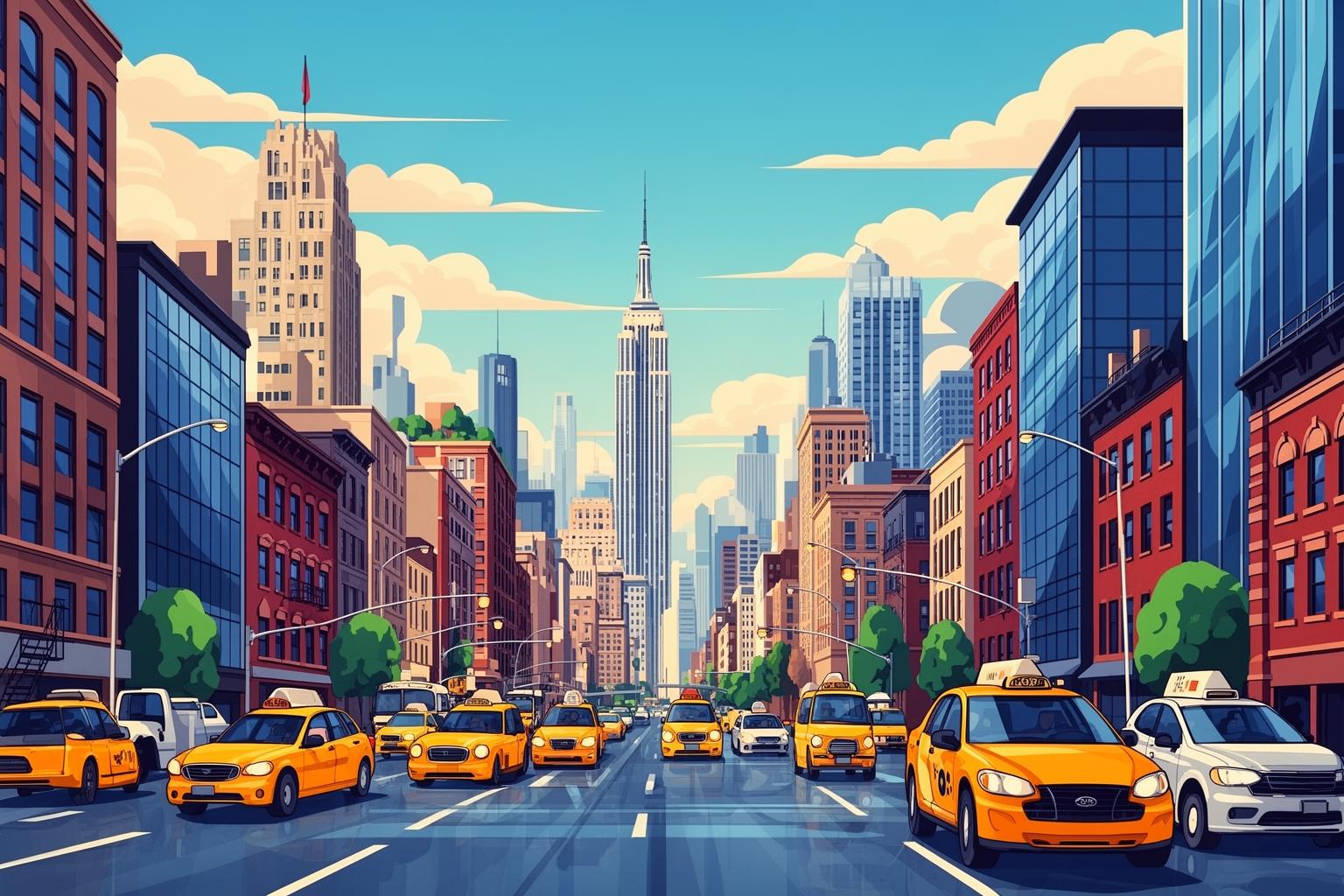
There’s a particular kind of story that can only unfold amid limestone facades, manicured park edges, and the quiet hum of old money. The Upper East Side stands as Manhattan’s capital of elegance and ambition, a neighborhood that cinema has long used to symbolize glamour, aspiration, and drama. It’s a world of uniformed doormen, designer boutiques, and cultural institutions that resemble modern palaces. Walking here means feeling the weight of history alongside the light touch of fantasy—a place where fairytale heroines and teenage queens hold court.
Breakfast at Tiffany’s: A Dream on Fifth Avenue
Our journey begins at the corner of Fifth Avenue and 57th Street, in front of a landmark that needs no introduction: Tiffany & Co. It was here that Audrey Hepburn, as the unforgettable Holly Golightly, stood in her black Givenchy dress, coffee and danish in hand, gazing into a window filled with diamonds and dreams. That opening scene of Breakfast at Tiffany’s is more than just a cinematic moment; it’s a cultural touchstone, symbolizing New York’s romantic promise. Visiting today, the magic remains tangible. The best time to arrive is early morning, before the Fifth Avenue crowds swell into a flood. The city is still waking, the light soft, and you can almost catch the faint strains of “Moon River” on the breeze. Stand where she stood. Look into the meticulously arranged displays. The world behind the glass is one of perfect, sparkling order, a sharp contrast to the beautiful chaos of Holly’s life—and often, the city itself. This contrast makes the location so compelling. While you can now enjoy breakfast inside at The Blue Box Cafe, the true experience lives on the sidewalk. It’s a moment of quiet reflection, a chance to connect with that universal longing for a life of beauty and belonging. For first-time visitors, it’s a reminder that some New York icons are more than just hype; they possess a genuine, cinematic soul. Take a leisurely stroll down Fifth Avenue afterward, letting the atmosphere of luxury and possibility wash over you. This isn’t merely a jewelry store; it’s a shrine to aspiration.
Gossip Girl: Queen Bee Steps and High-Stakes Drama
Just a short walk uptown along the grand spine of Fifth Avenue lies another iconic site that shaped a generation of television: the steps of The Metropolitan Museum of Art. For Gossip Girl fans, this is sacred ground. It’s the throne of Blair Waldorf and her court, the daily stage for social maneuvers, yogurt cups, and devastatingly chic takedowns. Sitting on these steps is a rite of passage for any fan. You can sense the phantom hierarchy, the whisper of “XOXO.” The best way to take it in is to grab a coffee from a nearby cart, find a spot, and watch the world flow by. You’ll see students, tourists, and locals all using the steps as their own personal amphitheater. The energy is a fascinating mix of high culture and casual city life. The grandeur of The Met’s Beaux-Arts facade towers above, reminding you of the world of art and history that the characters often treated as their personal playground. For a deeper immersion in the Gossip Girl universe, the Upper East Side is your oyster. The Museum of the City of New York, which served as the exterior for Constance Billard School for Girls and St. Jude School for Boys, is a short walk away. Its grand gates feel imposing and exclusive, perfectly capturing the show’s atmosphere. For a taste of Chuck Bass’s empire, The Empire Hotel, just across the park on the Upper West Side, still boasts its iconic sign and a lobby bar where you can sip a cocktail and feel like a modern mogul. Exploring these places isn’t merely about checking off a list; it’s about immersing yourself in the fantasy of a life lived with heightened drama and impeccable style, all under the watchful eye of Gossip Girl.
Midtown Manhattan: The Electric Heartbeat of the City
If the Upper East Side represents the city’s poised and polished persona, Midtown is its roaring, chaotic, and undeniably thrilling core. This is the New York seen on postcards and in blockbuster films—a dense forest of skyscrapers, a river of humanity, and a symphony of sirens, horns, and languages. It’s where global business, world-class entertainment, and iconic architecture converge in a spectacular sensory overload. For filmmakers, Midtown serves as the ultimate backdrop for portraying ambition, spectacle, and the vast scale of human endeavor. It’s where superheroes save the world, aspiring journalists chase their dreams, and iconic love stories unfold amid the crowds.
A Crossroads of Worlds: Times Square
There is no place on earth quite like Times Square. It’s an assault on the senses, a dazzling, overwhelming, and utterly cinematic spectacle. The towering digital billboards light up the sky, casting an eternal, artificial daylight below. Having appeared in countless films, it often symbolizes the dizzying, awe-inspiring, and sometimes intimidating pinnacle of the American dream. Imagine a bewildered Captain America in The Avengers, waking up in a new era, with the sensory overload of the square mirroring his confusion. Or picture Spider-Man swinging through the neon canyons, a hero perfectly at ease in this vertical landscape. Visiting Times Square is like stepping into one of these scenes. The best advice for first-timers is to simply surrender to it. Don’t rush; find the famous red steps of the TKTS booth, take a seat, and watch. Observe the costumed characters, street performers, and tourists from all over the world snapping selfies filled with wonder. It feels like the center of the universe. For the best photos, visit at night when the screens are at their brightest. The energy is infectious, a pure, unfiltered dose of New York City’s relentless forward momentum. It’s loud, crowded, and unapologetically commercial, yet undeniably iconic—a place where the city’s pulse beats strongest.
Grand Central Terminal: A Cathedral of Journeys
Step away from Midtown’s rush and enter the vast, celestial calm of Grand Central Terminal, and you’ll see why it’s one of cinema’s most cherished interior locations. This isn’t merely a train station; it’s an architectural masterpiece and a theater of countless human stories. The main concourse is breathtaking. Your eyes are drawn upward to the soaring vaulted ceiling, a celestial map of the zodiac painted in gold leaf on a deep blue background. Sunlight streams through massive arched windows, illuminating dust motes that seem to dance like tiny stars. The space inspires wonder and romance. You can easily recall the flash mob dance scene from Friends with Benefits, the frantic chase in Alfred Hitchcock’s North by Northwest, or the quiet awe as the Avengers gather after the Battle of New York. The atmosphere is one of constant motion, yet rooted in profound stillness. You can feel echoes of a million hellos and goodbyes. A local tip: visit the Whispering Gallery near the Oyster Bar & Restaurant on the lower level. Stand in one corner of the tiled archway while a friend stands diagonally opposite; a whisper carried along the wall can be heard perfectly from across the way. It’s a small, magical secret in a place full of grandeur. Grand Central reminds us that even the most functional parts of city life can hold incredible, story-rich beauty.
The Devil Wears Prada and the Corporate Jungle
Midtown is also the heart of corporate America, a realm of glass towers and high-pressure careers immortalized on screen. The film that perhaps best captures this world is The Devil Wears Prada. While the fictional Elias-Clark publishing house was set in the McGraw-Hill Building on Avenue of the Americas (6th Avenue), the entire neighborhood imbues the film’s atmosphere. On a weekday, these streets are filled with real-life Andys and Emilys—impeccably dressed, clutching coffee cups, and moving with purpose. The canyons of glass and steel create a world that feels both glamorous and intimidating, the perfect backdrop for Andy Sachs’s transformation. You can almost hear the click of Miranda Priestly’s heels on the pavement. The area around Rockefeller Center, famous for its winter ice rink and golden Prometheus statue, also plays a starring role in films depicting the convergence of media and commerce, from Elf to Home Alone 2. Visiting Rockefeller Center, especially during the holidays, is pure cinematic magic. The towering Christmas tree, cheerful skaters, and festive music make it feel like stepping directly into the finale of a holiday classic. To grasp the full scale of this corporate jungle, take a trip to the Top of the Rock observation deck. From there, you can look down on the grid of streets and avenues—a real-life version of the establishing shots that open so many New York films—offering a god’s-eye view of the city’s beating heart.
The Village Vibe: Bohemian Rhapsodies and Brownstone Dreams
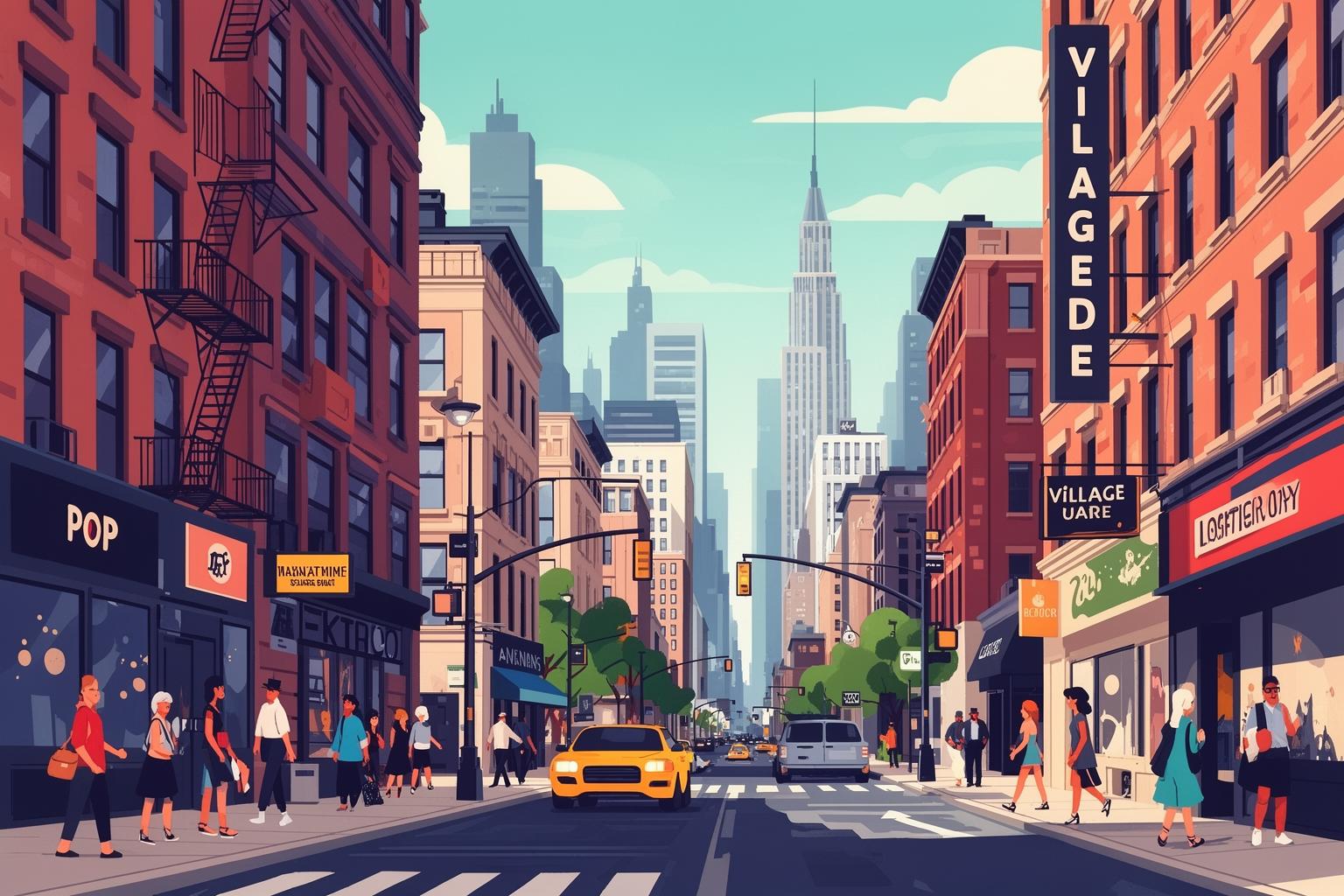
Leave behind Midtown’s relentless verticality and head downtown to Greenwich Village and the West Village, where the scale shifts dramatically. Skyscrapers give way to intimate, tree-lined streets, historic brownstones, and a tangible sense of community and history. This is the New York of artists, writers, and rebels. The Village has long stood as a cinematic symbol of a different kind of New York dream—one rooted not in corporate success, but in friendship, love, art, and finding your tribe. It’s a place that feels cozier, more human-scaled, and infused with a bohemian spirit that has endured through decades of change.
Friends: The Corner That Became a Global Landmark
At the corner of Bedford and Grove Streets in the West Village stands one of television’s most iconic apartment buildings. Although the interiors of Friends were filmed on a soundstage in Los Angeles, this building’s exterior became the establishing shot for Monica and Rachel’s apartment—the anchor for a decade of stories about six friends navigating life in the city. Visiting this corner is a surreal experience; it feels instantly and shockingly familiar. You half-expect to see Phoebe strumming her guitar on the sidewalk or Joey leaning out a window, shouting to someone. The building itself is a beautiful, classic pre-war brick structure, with a small restaurant, The Little Owl, occupying the ground floor. What’s truly striking, however, is the neighborhood itself. It’s precisely the charming, idyllic place you’d want to live with your closest friends. The streets are leafy and quiet, lined with small boutiques, cozy cafes, and historic townhouses. It feels worlds away from the crowds thronging Times Square. For fans, it’s an essential pilgrimage. You’ll find fellow visitors from around the world gathered here, snapping photos and sharing a moment of collective nostalgia. To extend the experience, take a stroll to Washington Square Park, another key Friends location and the unofficial heart of Greenwich Village. Sit by the fountain, watch street performers and NYU students, and gaze up at the iconic arch. The park buzzes with a creative, youthful energy that perfectly matches the spirit of the show. It’s a testament to television’s power that this quiet residential corner has become a global landmark—a symbol of chosen family and the comfort of coming home.
Sex and the City: Carrie Bradshaw’s Stoop and the Search for Love
A few blocks away, on the impossibly picturesque Perry Street, lies another hallowed site of television history: the exterior of Carrie Bradshaw’s apartment. The brownstone with its iconic stoop served as the backdrop for many of Sex and the City‘s pivotal moments—first kisses, dramatic breakups, and late-night philosophical conversations with friends. The stoop became a character in its own right, a threshold between Carrie’s public and private worlds. Today, the location is so popular that current residents have installed a small chain and a sign politely asking visitors not to sit on the steps. Despite this, the magic remains. Standing across the street, you can’t help but superimpose scenes from the show onto the real-life setting. The West Village, much like for Carrie, is the perfect backdrop for her story. It’s fashionable, romantic, and endlessly walkable. After paying your respects at 66 Perry Street (the actual location, though she lived at a fictional Upper East Side address in the show), the best thing to do is lose yourself in the neighborhood’s winding streets. Pop into quirky shops on Bleecker Street, grab a cupcake from Magnolia Bakery (made famous by the show), and find a bench in a tiny neighborhood park. This area embodies the aspirational fantasy of New York life that Sex and the City so effectively sold. It’s a place where chance encounters seem possible around every corner and where the city itself feels like your most complicated and rewarding relationship. The experience is about more than just seeing a famous facade; it’s about capturing a feeling—the romantic, hopeful, and slightly neurotic energy of searching for love and identity in the greatest city in the world.
Lower Manhattan: Where Legends and Monsters Roam
Traveling to the southern tip of the island, the landscape shifts yet again. Lower Manhattan is a district of sharp contrasts. It’s where New York’s story began, with narrow, colonial-era streets now overshadowed by the gleaming, monolithic towers of the Financial District. This is the epicenter of global finance, a domain of immense power and ambition. Yet it is also a place rich with history, resilience, and, thanks to Hollywood, a battleground for ghosts, superheroes, and corporate giants. The atmosphere here is intense—a blend of historical weight and high-octane, forward-thinking energy.
Ghostbusters: The Real-World Headquarters
In the quiet, cobblestone streets of Tribeca, at 14 North Moore Street, stands a fully functional fire station that might be the most famous in the world. This is Hook & Ladder 8, the actual building used as the exterior for the Ghostbusters’ headquarters. For anyone who grew up with the movie, seeing it in person is pure, unfiltered joy. The firehouse is smaller than it appears on screen but unmistakably the same place. The iconic red doors and the Ghostbusters logo (often painted on the sidewalk or displayed indoors) make it instantly recognizable. What makes this spot so special is its authenticity. It’s not a set; it’s an active firehouse, and the firefighters at Hook & Ladder 8 have embraced their building’s fame with remarkable warmth. They’re known for being welcoming to the many fans who come here. You might even spot tributes left by visitors—a small Slimer toy, a Twinkie, or fan art. This building stands as a proud monument to a film that embodies New York City’s quirky, resilient spirit. The surrounding Tribeca neighborhood, with its industrial-chic lofts and upscale restaurants, offers a striking contrast to the firehouse’s old-world charm. Visiting here provides a wonderful dose of 80s nostalgia and honors the everyday heroes—the fictional, proton-pack-wearing kind and the real firefighters who serve every day.
The Financial District: Chaos and Capitalism
The Financial District, often called FiDi, is cinema’s prime setting for stories of extreme wealth, corruption, and apocalyptic stakes. The narrow, canyon-like streets dominated by the New York Stock Exchange on Wall Street create a claustrophobic, high-pressure backdrop that filmmakers adore. Picture the chaotic trading floor scenes in The Wolf of Wall Street, capturing the frenzied, primal energy of unchecked capitalism. Or imagine the epic showdown between Batman and Bane in The Dark Knight Rises, where the streets near the stock exchange turn into a battleground. Visiting on a weekday, you can sense that intensity. The sidewalks swarm with people in sharp suits, moving with a speed and purpose unique to this part of the city. The architecture is commanding, designed to project strength and stability. Standing before the New York Stock Exchange, with its grand Corinthian columns and American flag, feels like standing at the core of the modern world. A short walk away is the famous Charging Bull statue, a symbol of aggressive financial optimism and a frequent fixture in films and news stories. Though nearly always surrounded by tourists, it’s worth seeing as a physical emblem of the neighborhood’s spirit. To truly grasp the area’s cinematic power, contrast the historic buildings like Trinity Church with the sleek modernity of the World Trade Center complex. This blend of old and new, history and future, is what makes Lower Manhattan such a compelling and dynamic filming location.
A Director’s Cut: Essential Tips for Your Manhattan Movie Tour
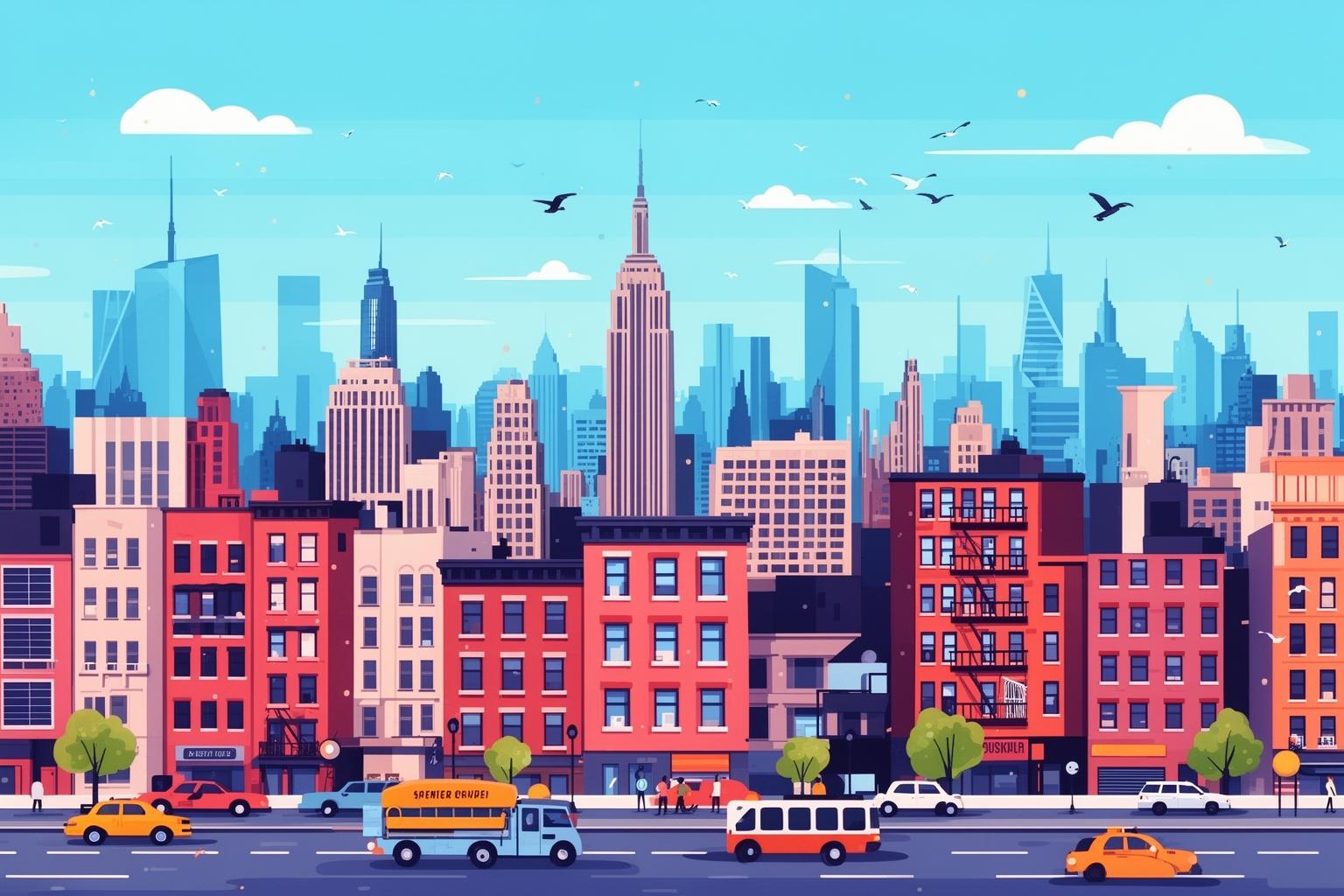
Embarking on a cinematic journey through Manhattan is an exciting adventure, but having a bit of insider knowledge can make the experience even more enchanting. The city’s layout and pace have their own unique rules, and navigating them like a local will help you fully enjoy your trip through the world of film.
Navigating the Movie Set
Manhattan is a city made for walking, and exploring on foot is the best way to absorb the atmosphere and discover unexpected cinematic gems. The grid system north of 14th Street makes getting around fairly straightforward. For longer distances, the subway is your best bet. It’s fast, efficient, and an iconic backdrop in many films—think of the legendary chase in The French Connection or the intense intimacy in Joker. Grab a MetroCard or use the OMNY tap-to-pay system to dive into this underground world. While yellow cabs are classic, ride-sharing apps often offer more convenience, though you’ll have to contend with traffic. Plan your itinerary by neighborhood to make the most of your time and reduce travel. For example, spend one day in the Upper East Side and Central Park, another in Midtown, and a third exploring Downtown areas like the Village and FiDi.
Timing is Key
New York City moves at different rhythms depending on the hour and season. To capture the perfect photo without crowds, visit early in the morning. The steps of The Met at 7 AM feel worlds apart from the noon frenzy. Times Square’s lights shine brightest after dusk. The Financial District hums with activity on weekday business hours but turns eerily quiet on weekends, creating an almost apocalyptic atmosphere reminiscent of I Am Legend. Each season offers its own cinematic charm. Autumn casts a romantic, golden glow over Central Park, ideal for a When Harry Met Sally… moment. The holidays transform landmarks like Rockefeller Center into a festive wonderland straight out of Elf. Summer is hot and busy, but the extended daylight hours are perfect for sightseeing.
Beyond the Famous Spots
While the major landmarks are a must-see, the true magic often lies in the smaller, equally iconic locales. Grab a pastrami sandwich at Katz’s Delicatessen on the Lower East Side and reenact the famous scene from When Harry Met Sally…. Check out the Flatiron Building, featured as the Daily Bugle headquarters in Sam Raimi’s Spider-Man trilogy. And naturally, there’s Central Park. This vast urban oasis appears in more films than almost any actor. Visit Bethesda Terrace and Fountain (seen in The Avengers and Enchanted), Strawberry Fields (a tribute to John Lennon), or Wollman Rink (the romantic setting in Serendipity and Love Story). Each path and meadow tells a different story. The true spirit of a film pilgrimage is to stay alert. That random coffee shop, charming brownstone, or gritty alleyway could easily have been, and likely has been, featured on screen. Let the city lead you, and you’ll discover cinematic moments around every corner.
The Final Scene
Walking through Manhattan with a cinematic perspective allows you to see the city in an entirely new light. The streets transform from mere pathways into unfolding stories. The buildings evolve from simple architecture into characters steeped in both real and imagined history. You begin to grasp why filmmakers and storytellers have been captivated by this island for over a century. It is a city filled with endless tales, a place that can be breathtakingly romantic one moment and harshly unforgiving the next. It serves as a backdrop that never remains passive, continuously lending its own energy and voice to every scene played out upon its stage. Standing on a corner where a beloved character once stood, you’re not just witnessing a location; you are engaging with a story, adding your own experience to a rich tapestry of cinematic memory. Though the credits may roll, the city’s story goes on, and for a brief time, you become part of its magnificent, never-ending performance.