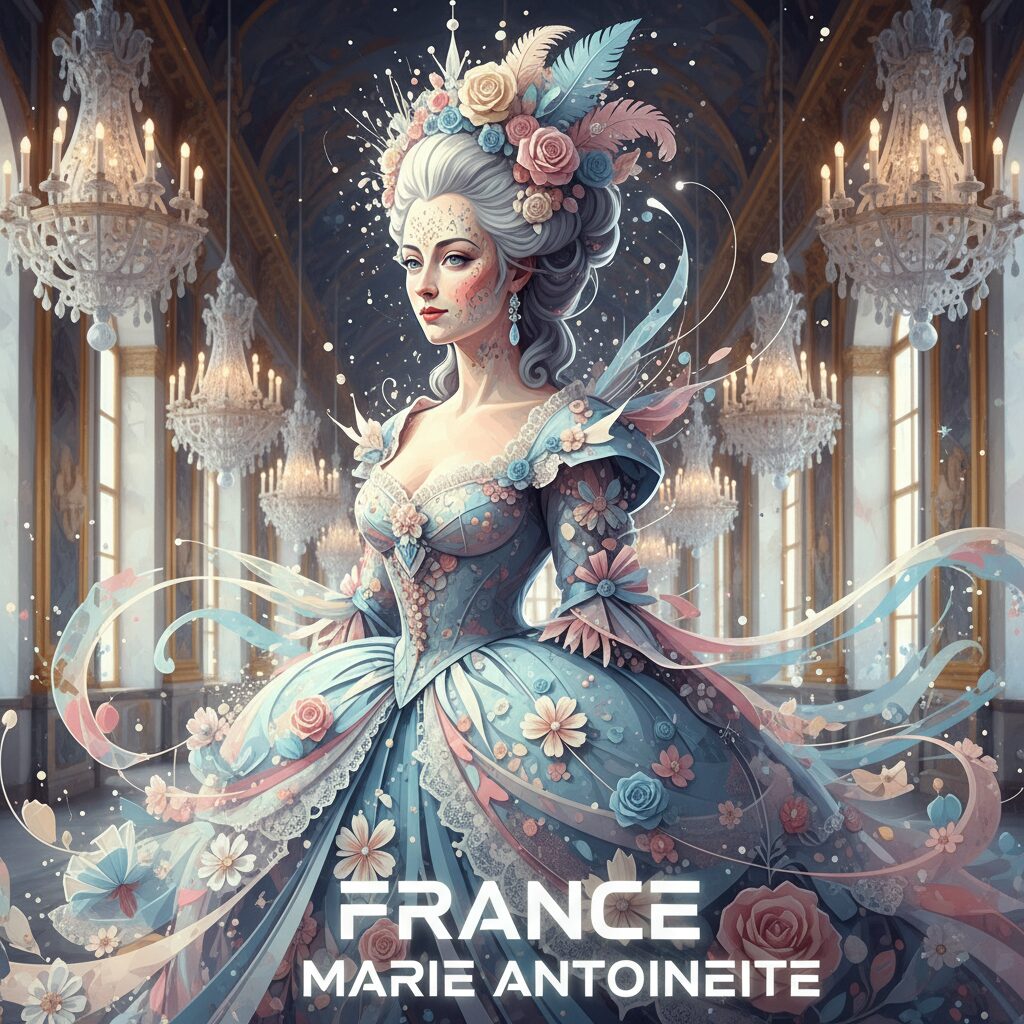
There’s a certain kind of magic that cinema can conjure, a dreamlike state that transcends mere storytelling. It’s a world woven from light, color, and sound. Sofia Coppola’s 2006 masterpiece, Marie Antoinette, is the epitome of this cinematic alchemy. It’s not a stuffy historical drama; it’s a pop-rock symphony in pastel hues, a whirlwind of youthful rebellion and gilded melancholy set against the backdrop of 18th-century France. The film paints the last queen of France not as a distant historical figure, but as a vibrant, misunderstood teenager navigating an overwhelming world of opulence and expectation. And the secret to its intoxicating atmosphere lies in its authenticity. Coppola achieved the near-impossible, gaining unprecedented access to the very heart of French royalty: the magnificent, sprawling, and utterly breathtaking Palace of Versailles. To walk these hallowed halls is not just to follow in the footsteps of history, but to step directly inside the frame of Coppola’s visionary film. This is a pilgrimage for the senses, a journey into a world of decadent beauty, whispered secrets, and revolutionary fervor, where every gilded corner and manicured garden holds a story waiting to be rediscovered. Prepare to be swept away, to see history not as it was written, but as it was felt, dreamed, and imagined.
For more cinematic journeys that bring history and emotion to life through their settings, explore our guide to the Pride & Prejudice filming locations.
The Heart of the Kingdom: The Palace of Versailles
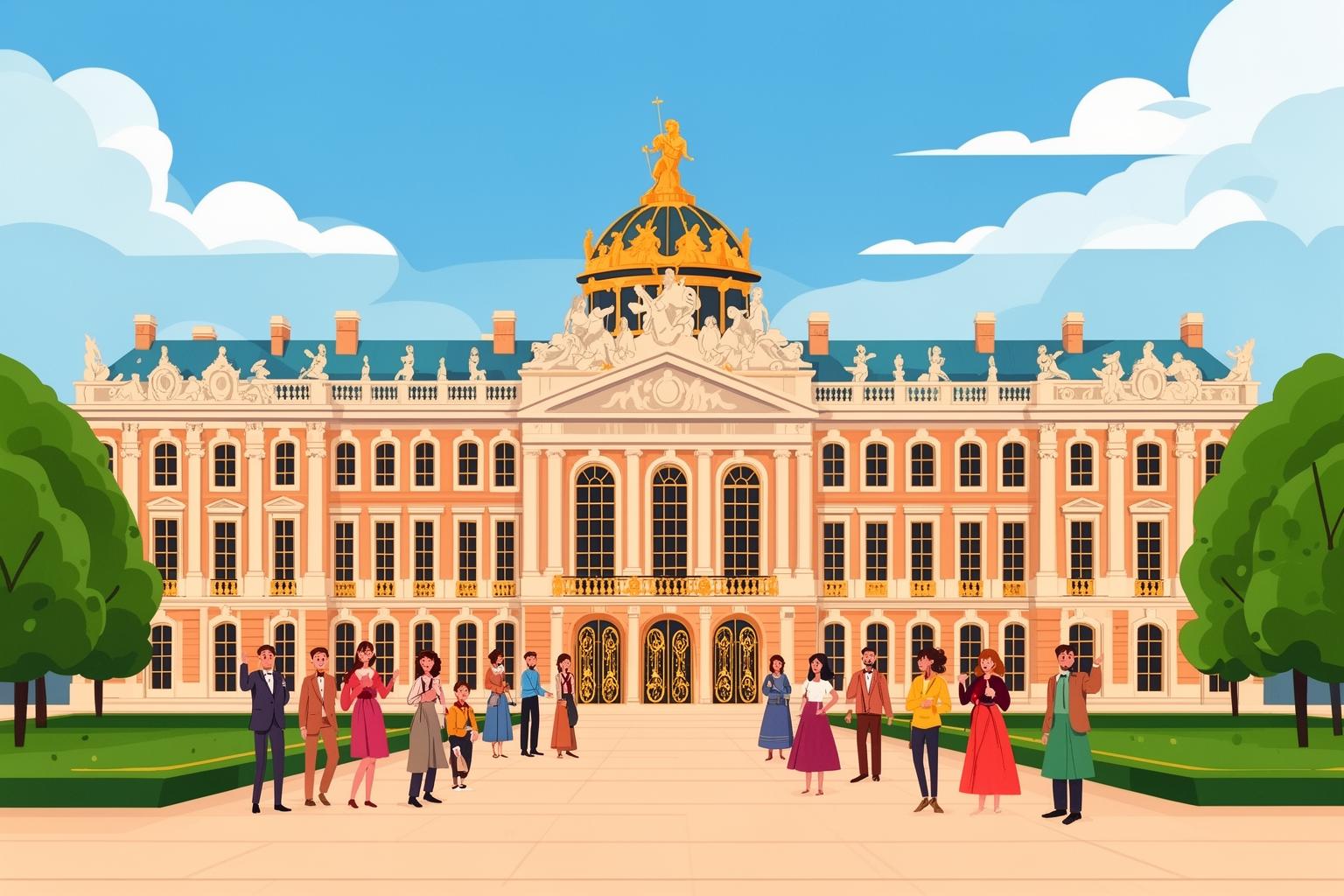
The Palace of Versailles is more than just a building; it is a world unto itself. It stood as the absolute heart of political and cultural power in France, a golden cage crafted by the Sun King, Louis XIV, to tame the nobility and project an image of divine authority. Upon first approaching it, the immense scale is staggering. The golden gates, expansive courtyards, and endless façade laden with ornamentation—all are designed to inspire awe, diminish the individual, and exalt the monarchy. For the young Marie Antoinette, arriving from Austria, this must have been an overwhelming sight, worlds apart from the relative simplicity of her Viennese home. Sofia Coppola skillfully captures the feeling of a young woman lost in grandeur. She treats the palace not as a static museum but as a living, breathing character, its splendor both a playground and a prison for her protagonist. Visiting today, that duality remains palpable. The weight of history is tangible in the cold marble and soaring ceilings, yet the palace also hums with the ghostly energy of centuries filled with life, love, and loss.
The Hall of Mirrors (Galerie des Glaces)
Few rooms in the world are as famed or as stunning as the Hall of Mirrors. It is the dazzling centerpiece of Versailles, a 240-foot-long corridor of unabashed splendor. On one side, seventeen massive arched windows overlook the magnificent gardens, flooding the space with natural light. Opposite, seventeen matching arches contain 357 individual mirrors—a staggering luxury in the 17th century. The effect is dizzying, an infinite reflection of light and gold. The ceiling, a masterpiece by Charles Le Brun, portrays the glorious early reign of Louis XIV. This was the palace’s main artery, a place where courtiers jostled for position, ambassadors were received, and the grandest celebrations took place. Coppola exploits this space’s cinematic potential fully. It is here that we witness the opulent wedding ball of Marie Antoinette and the future Louis XVI. The camera glides through the candlelit hall, capturing the swirl of silk gowns, the sparkle of jewels, and the faces of the whispering court. Walking through it today, you can almost hear the faint strains of a string quartet and the rustle of powdered wigs. To truly appreciate it, try visiting at a quieter time—early morning or late afternoon—when the changing light catches the gold leaf and refracts through the crystal chandeliers, creating a spectacle in itself. The room feels both impossibly grand and intimately linked to the human drama that unfolded within its mirrored walls.
The Queen’s Apartments (Grand Appartement de la Reine)
While the Hall of Mirrors served as a public stage, the Queen’s Apartments formed the core of her official life. This suite of rooms, overlooking the parterre du Midi, was where the queen slept, received guests, and even gave birth in public—a startling French court ritual. Coppola’s film offers intimate glimpses into this domain, contrasting the suffocating public obligations with the queen’s longing for privacy.
The Queen’s Bedchamber
This is the most renowned room in the suite, the symbolic and literal center of the queen’s world. The opulence is nearly overwhelming. Walls covered in floral silk, exquisitely carved and gilded furniture, and a magnificent canopy bed nestled in an alcove behind a golden balustrade define the space. This barrier was more than decorative; it separated the sacred space of the royal body from the prying eyes of the court. It was in this very room that French queens underwent the public birthing ceremony, surrounded by dozens of courtiers to guarantee the heir’s legitimacy. Coppola portrays these moments with a sense of claustrophobia and vulnerability, the camera lingering on Kirsten Dunst’s face as she endures these strange rituals. Standing in the room today, the immense pressure on these women is palpable. The delicate floral motifs and pastel hues, favored by Marie Antoinette, seem to mask the room’s rigid, ceremonial purpose. It is a space of profound contradiction: intensely private yet terrifyingly public.
The Nobles’ Salon
Adjacent to the bedchamber, the Nobles’ Salon functioned as a grand antechamber where the queen received members of the court. Designed for display, it features soaring ceilings, intricate portraits, and furniture arranged for formal conversation. In the film, this is where the queen holds court, plays cards, and engages in the endless gossip defining life at Versailles. The atmosphere is one of performance, where every gesture and word is scrutinized. Standing in this room, you can imagine the rustle of silk, the clink of porcelain teacups, and the steady hum of ambition and intrigue. Coppola layers these scenes with music from Siouxsie and the Banshees or The Strokes, a brilliant anachronism that highlights the youthful, almost club-like energy of Marie Antoinette’s circle, turning the stuffy salon into a scene of cool detachment and simmering rebellion.
The Royal Opera of Versailles (L’Opéra Royal)
Inaugurated for the wedding of Marie Antoinette and Louis XVI, the Royal Opera is a hidden gem within the palace. Unlike the stone and marble of the main building, the interior is constructed almost entirely of wood, painted to imitate marble and lavishly gilded. This choice created a space with perfect acoustics and a surprisingly warm, intimate atmosphere despite its capacity to seat over 700 spectators. It is a masterpiece of illusion and elegance. Coppola uses the opera house for scenes of dazzling masquerade balls and theatrical performances, capturing its magical, transformative quality. The tiered balconies, deep blue velvet, and thousands of candles conjure a fantasy world where the queen could escape the rigid etiquette of court life. Visiting the opera, still a functioning venue, feels like stepping back in time. Sitting in one of its plush seats and gazing up at the magnificent ceiling is to experience the height of 18th-century entertainment—a world of high art and even higher drama.
A Private Escape: The Gardens and Trianons
If the main palace symbolizes the heavy burden of public duty, the extensive estate beyond its walls embodies Marie Antoinette’s urgent quest for freedom and personal identity. The expansive Gardens of Versailles, along with her private domains—the Petit Trianon and the Hameau de la Reine—served as her refuge. It was in these spaces, away from the vigilant eyes of the court, that she could briefly forget her royal status and simply be a woman. Coppola’s film dwells in these settings, imbuing them with a feeling of sunlit freedom and pastoral romance.
The Gardens of Versailles (Les Jardins de Versailles)
The gardens are a marvel of order and control, showcasing humanity’s ability to shape nature. Created by the renowned André Le Nôtre, they are a pinnacle of French formal garden design, featuring perfectly symmetrical parterres, straight canals, and meticulously trimmed topiaries. Yet, within this strict geometry lies a realm of wonder and surprise. Concealed groves, or bosquets, emerge as outdoor ballrooms with colonnades and fountains. The Grand Canal extends toward the horizon, producing a striking optical illusion. In the film, these gardens provide the backdrop for leisurely walks, champagne picnics, and romantic moments. Characters wander through the trimmed mazes and relax by the grand fountains, their contemporary energy playfully contrasting with the classical order that surrounds them. Today, visitors can easily spend a full day exploring. A practical tip: wear comfortable shoes, as the scale can be deceiving. Renting a golf cart or a rowboat on the Grand Canal offers a delightful way to traverse the vast grounds. On certain days, the fountains come alive during the Musical Fountains Show, a spectacular performance set to Baroque music that transports visitors directly to the era of the Sun King.
The Petit Trianon
This small neoclassical château, nestled within the park, is perhaps where the spirit of Marie Antoinette is most vividly felt. It was a gift from Louis XVI, a private sanctuary over which she alone held authority. No one—not even the king—could enter without her explicit invitation. This was her domain. The architecture embodies refined elegance, a stark contrast to the heavy Baroque grandeur of the main palace. Its clean lines and balanced proportions reflect late 18th-century tastes, moving toward a more natural, classical style. Coppola filmed extensively within its rooms, capturing intimate, light-filled interiors. Here, Marie Antoinette appears at ease—reading, playing music, and spending time with her children and close friends. The atmosphere is one of calm, personal taste. The rooms are designed for comfort rather than royal ceremony. Visiting the Petit Trianon feels like entering someone’s home. The queen’s personal touch is evident in the delicate furnishings, musical instruments, and understated luxury. It is a tranquil, thoughtful space offering deep insight into the private life behind the crown.
The Queen’s Hamlet (Le Hameau de la Reine)
A short walk from the Petit Trianon lies one of Versailles’ most charming and controversial creations: the Queen’s Hamlet. This quaint, rustic village was built for Marie Antoinette as a whimsical retreat, a place where she and her ladies-in-waiting could pretend to be shepherdesses and live an idealized version of peasant life. It is a fantasy made real, complete with a thatched-roof mill, a dairy, a dovecote, and a working farm. Through Coppola’s lens, the hamlet’s fairy-tale charm is captured in scenes of the queen and her children enjoying the simple pleasures of this constructed countryside. Today, the Hameau feels surprisingly and delightfully authentic. The cottages are charmingly crooked, the gardens bloom with vegetables and flowers, and animals still graze in the fields. Walking its winding paths, one feels far removed from the gilded formality of the palace. It is undeniably beautiful, yet also poignantly symbolizes the queen’s detachment from the harsh realities faced by the true French peasantry—a fact later used against her during the revolution. Visiting the Hamlet is a complex experience; it is a place of great charm that quietly tells a tragic story of naivety and excess.
Beyond Versailles: Parisian Glitz and Country Retreats
While Versailles is undoubtedly the film’s centerpiece, Coppola and her team employed several other stunning locations to complete their vision of 18th-century France. These sites, spread throughout Paris and its surroundings, enrich the story with added texture and visual depth, and visiting them offers deeper insight into the world Marie Antoinette inhabited.
A Parisian Jewel Box: The Palais Garnier
One of the film’s most striking anachronisms is the choice of the Palais Garnier, Paris’s main opera house, as the setting for a masquerade ball scene. Constructed in the mid-19th century during Napoleon III’s reign, it stands as a masterpiece of Second Empire Baroque architecture—an even more elaborate style than Versailles. Although historically Marie Antoinette would have attended the Royal Opera at Versailles or the old Paris Opéra, Coppola selected the Garnier for its impressive cinematic effect. The impact is undeniable. The Grand Staircase, a magnificent blend of marble, onyx, and bronze, ranks among the most breathtaking interiors in Paris. The auditorium, adorned with red velvet, gold leaf, and a ceiling painted by Marc Chagall in the 1960s, is visually stunning. Coppola’s intention was not historical precision but emotional resonance. The Garnier’s extravagant opulence vividly conveys the dazzling, intoxicating world of Parisian high society that the young queen briefly inhabited. A visit to the Palais Garnier is essential for film enthusiasts and architecture lovers alike—it exemplifies how the spirit of a place can matter more than strict historical accuracy.
A Touch of Aristocracy: Hôtel de Soubise
For scenes depicting the lavish Parisian townhouses of the French nobility, Coppola used the Hôtel de Soubise, now housing part of the French National Archives, located in the picturesque Marais district. This site is a treasure trove of Rococo design. The film especially highlights the Princess’s Salon, an oval room adorned with white and gold paneling, intricate carvings, and romantic paintings. Its delicate, light-filled ambiance and pastel palette perfectly complement the film’s aesthetic. Entering this room feels like stepping inside a Fabergé egg, showcasing the refined taste of the 18th-century aristocracy and offering a glimpse into the luxurious world beyond Versailles’s gates—a world of powerful families and political intrigue that Marie Antoinette had to navigate.
Countryside Grandeur: Château de Vaux-le-Vicomte
Long before Versailles epitomized royal power, there was the Château de Vaux-le-Vicomte. This magnificent estate, situated southeast of Paris, inspired Versailles itself. Built in the mid-17th century for Nicolas Fouquet, Louis XIV’s finance minister, its grandeur provoked the king’s envy. Following a famously extravagant party, Fouquet was imprisoned, and Louis XIV then commissioned the same team—architect Louis Le Vau, landscape architect André Le Nôtre, and painter-decorator Charles Le Brun—to build Versailles on an even grander scale. Coppola used Vaux-le-Vicomte for several scenes, its stunning formal gardens and elegant interiors convincingly standing in for parts of Versailles. For visitors, Vaux-le-Vicomte offers a more intimate and accessible experience than its royal successor. The estate is steeped in a dramatic tale of ambition and downfall, and its candlelit evening visits during summer create an unforgettable, magical atmosphere, evoking the very party that sealed its owner’s fate.
The Pilgrim’s Practical Guide: Planning Your Royal Tour
Exploring Marie Antoinette’s world calls for a bit of planning to fully appreciate the experience. France’s historic sites draw large crowds, but with a few helpful tips, you can navigate them smoothly, allowing yourself to soak in the ambiance rather than the throngs of visitors.
Getting There: From Paris to Versailles and Beyond
Traveling from central Paris to the Palace of Versailles is quite straightforward. The most popular option is the RER C train line. Board trains going to Versailles Château Rive Gauche, the last stop, just a short ten-minute walk from the palace entrance. The trip takes around 40 minutes, providing a pleasant transition from Paris’s urban buzz to Versailles’s regal tranquility. For other châteaux like Vaux-le-Vicomte or Chantilly—which also featured in some scenes—train travel is feasible as well, typically followed by a brief taxi or shuttle ride. For greater flexibility, especially if you want to visit several châteaux, renting a car is an excellent choice, letting you explore the picturesque French countryside at your own rhythm.
Mastering Your Visit: Tickets, Timing, and Tips
This is perhaps the most important advice: purchase your tickets online ahead of time. At Versailles, the ticket lines can be exceptionally long, particularly during peak periods. Buying a timed-entry ticket online allows you to skip the queue and proceed directly to security screening. The best option is the “Passport” ticket, which provides access to the whole estate, including the palace, gardens, the Trianon estate, and the Queen’s Hamlet. To dodge the heaviest crowds, plan your visit on a weekday. Arriving promptly at the 9:00 AM opening gives you a valuable hour before the influx of tour buses. Alternatively, arriving later in the afternoon, around 3:00 PM, is another good tactic as the crowds tend to thin. Be realistic about how much you can cover. Versailles is enormous. Attempting to see everything in just a few hours can quickly become exhausting. Devote a full day, or even two, if you want to truly absorb the distinct atmospheres of the palace, gardens, and Trianons. Take your time, pause for breaks, and allow for moments of quiet reflection.
Living the Dream: What to Wear and How to Feel
While there’s no formal dress code, part of the charm of this cinematic pilgrimage is embracing the aesthetic. You don’t need a powdered wig, but consider dressing elegantly. A flowing dress or a smart jacket can help you feel more connected to the refined environment. However, comfort—especially in footwear—should always be your priority. You’ll be walking miles over cobblestones and marble floors. To deepen your connection with the film, create a playlist featuring its iconic soundtrack—Phoenix, The Strokes, New Order—and listen as you stroll through the gardens. Find a quiet bench tucked in a hidden grove or near the Grand Canal. Sit for a moment and simply observe. Watch how the light filters through the trees, listen to the crunch of gravel beneath your feet, and imagine the whispers and laughter of the court. This journey isn’t about ticking off sights; it’s about feeling the spirit of the place and letting the lines between history, cinema, and your own experience merge into a beautiful, unforgettable memory.
The Coppola Touch: Why These Locations Resonate
Visiting the filming locations of Marie Antoinette offers more than a historical tour; it provides a lesson in cinematic storytelling. Sofia Coppola didn’t merely use these magnificent sites as passive backdrops; she engaged with them, allowing their history, light, and very essence to shape her narrative. She notably chose to shoot on film instead of digital, a choice that imparts the movie’s soft, painterly quality. She relied extensively on natural light, waiting patiently for the afternoon sun to stream through the windows of the Hall of Mirrors, illuminating dust motes dancing in the air and lending the scene a tangible, dreamlike atmosphere.
Her camera often lingers on small, intimate details—the texture of a silk ribbon, pastry crumbs, the worn leather of a book—that bring this grand world down to a human, relatable scale. This close focus, contrasted with the overwhelming grandeur of Versailles, perfectly reflects the film’s central theme: the story of a young woman lost within a vast institution. By incorporating anachronistic elements such as Converse sneakers or a post-punk soundtrack, Coppola shatters the sterile boundary of the past. She encourages us to see Marie Antoinette not as a caricature from history, but as a contemporary spirit, a teenager wrestling with fame, expectation, and identity. Her use of these authentic, revered locations, infused with her unique artistic vision, creates a powerful resonance. It suggests that although times change, the core human experiences of love, loneliness, joy, and confusion remain timeless. Taking this pilgrimage offers the chance to walk through that beautiful, complex vision, to stand in the very rooms where history was made and art was created, and to feel, even if just briefly, the vibrant, tragic, and utterly captivating heartbeat of Marie Antoinette’s world.