There are films that shout and films that whisper. The Band’s Visit is a whisper that echoes through the vast, silent landscapes of the desert. It’s a story spun from a simple mistake: an Egyptian police band, arriving in Israel for a cultural performance, takes the wrong bus and ends up in the fictional, forgotten desert town of Bet Hatikva. Stranded overnight, these men in their crisp, powder-blue uniforms must rely on the hospitality of the town’s residents. What unfolds is not a story of grand drama or political conflict, but a series of quiet, profoundly human encounters. It’s a tale about the universal languages of loneliness, longing, and the tentative, beautiful music of connection. The film, directed by Eran Kolirin, captured hearts worldwide with its gentle humor and deep empathy, becoming a critically acclaimed masterpiece and later, a Tony Award-winning Broadway musical.
But Bet Hatikva, the “Town of Hope,” is not a place you can find on a map. It is, however, a place you can visit. The soul of this fictional town was brought to life in the very real location of Yeruham, a development town nestled deep in Israel’s Negev Desert. To visit Yeruham is to step through the screen, to walk the same sun-baked streets as the stoic conductor Tewfiq and the vibrant, world-weary Dina. It’s a pilgrimage not just for fans of the film, but for anyone who has ever felt a little lost, a little disconnected, and who believes in the quiet magic that can happen when strangers meet. This journey is about discovering the profound beauty in the ordinary, the melody hidden in the silence, and the tangible, dusty reality behind one of modern cinema’s most poignant tales. It’s about finding the heart of Bet Hatikva, beating steadily under the desert sun.
For more cinematic pilgrimages that explore the profound connection between place and story, consider a journey to the Svalbard Global Seed Vault.
The Heart of Bet Hatikva: Discovering Yeruham
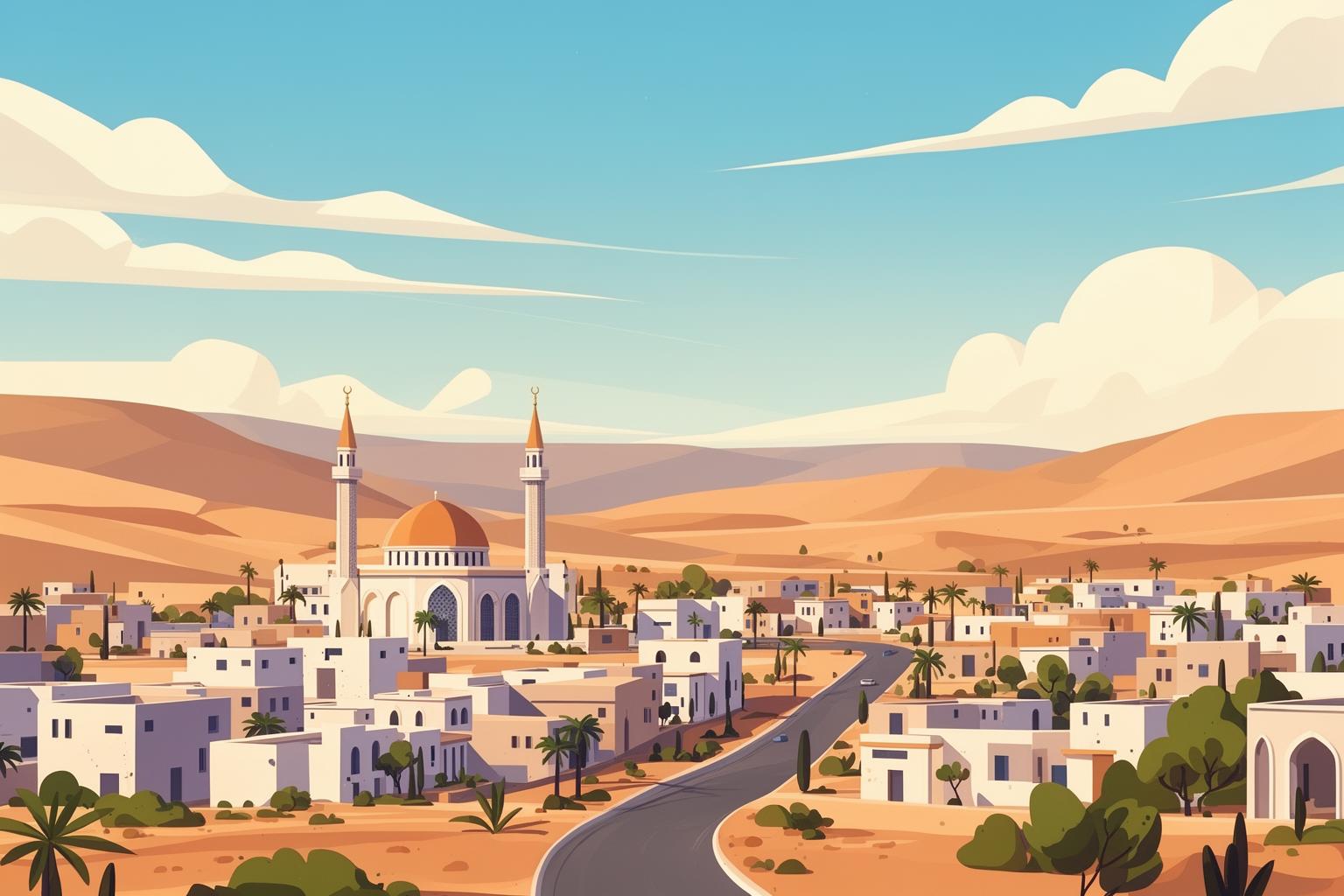
When the Alexandria Ceremonial Police Orchestra steps off the bus, they find themselves in a place seemingly defined by what it lacks. The colors are muted shades of beige, sand, and sun-bleached pastels. The streets are broad and empty. The silence is broken only by the soft whisper of the desert wind. This is the cinematic Bet Hatikva, and in essence, the real Yeruham. Founded in the 1950s as a “development town” to settle new immigrants and populate the vast Negev, Yeruham has a history deeply rooted in the themes of waiting and hoping that permeate the film. It’s a place built on promise, a frontier town that has endured economic hardships and isolation, yet carries a resilient spirit and a quiet, understated beauty.
Visiting Yeruham with The Band’s Visit in mind offers a unique experience. You don’t search for dramatic landmarks but rather for a feeling. The town itself becomes the central attraction. The uniform, blocky apartment buildings, known as “shikunim,” are the very structures that house the film’s characters. Walking these streets, you can almost sense the gentle melancholy of Papi, the awkward young man waiting for love, or the quiet dignity of Tewfiq as he navigates this unfamiliar environment. The magic lies in the town’s authenticity. It wasn’t a movie set; it was a living community whose everyday backdrop was perfectly suited to tell the story. The film didn’t have to fabricate an atmosphere of sleepy isolation; it merely had to capture the one already existing.
The Feeling of Waiting: The Town’s Atmosphere
One of the film’s most powerful elements is its pacing. The Band’s Visit moves with the languid rhythm of a hot afternoon when there is nothing to do but wait. This is the rhythm of Yeruham. It’s a place that invites you to slow down. The sun sets the pace of the day. In the midday heat, the streets are quiet, the shades are drawn, and the world seems to pause collectively. As evening approaches, a gentle energy reemerges. Families come out, children’s laughter fills playgrounds, and the cool air carries the scent of dust and dry earth. This is the time to wander and observe the small details so brilliantly captured by the film. Notice the fading paint on a balcony, the careful tending of a small garden blooming defiantly in arid soil, the way the golden sunset light softens the concrete buildings into something beautiful.
From a mother’s perspective, there is a surprising peace in this quiet. In a world that constantly rushes, Yeruham offers a chance to breathe. My children, used to a busier suburban life, were initially puzzled by the stillness. But soon they found their own rhythm, chasing lizards across sun-drenched plazas and marveling at the vastness of the sky. The feeling of being “stuck,” a source of melancholy for the film’s characters, can feel like a gift to a modern traveler. It’s an opportunity to disconnect from noise and reconnect with the simple, subtle beauty of the present moment. In this shared stillness, you begin to truly understand Dina’s yearning and Tewfiq’s reserve. The landscape itself mirrors their inner worlds.
Dina’s Cafe and the Community Center: Echoes of Connection
Much of the film’s power comes from its atmosphere, yet a few key locations anchor its narrative. The most iconic is Dina’s cafe, the modest establishment where the band first seeks help and tentative bonds form. In reality, this was a functioning eatery in Yeruham’s commercial center. While the specific business may have changed names or looks over the years, the commercial center remains the town’s heart. Here you’ll find small shops, falafel stands, and local gathering spots. Sitting at an outdoor table with a strong coffee or cool mint lemonade places you directly into the film’s opening scene.
At this central hub, the life of the town unfolds. You’ll hear a mix of Hebrew, Russian, and Arabic, reflecting the diverse immigrant communities shaping the region. Neighbors greet each other, share news, and carry on daily routines. Here, the fictional Bet Hatikva and real Yeruham blend completely. You realize Dina, with her sharp wit and warm heart, is not only a character but a representation of the resilient, welcoming people who call this place home.
Another key spot is the local community center, or “matnas.” In the movie, it’s where Simon, the band’s clarinetist, plays for a lonely family, his music bridging cultural and language barriers. Yeruham’s community center remains vital to the town, serving as a hub for youth activities, cultural events, and social services. While you might not find the exact room from the film, stepping inside conveys its importance as a gathering place. It symbolizes the community’s efforts to overcome the isolation that the vast desert imposes, creating its own music and culture far from the nation’s bustling center.
Walking in Their Footsteps: The Residential Streets
Much of the film’s latter half shows the characters walking and talking. Tewfiq and Dina’s memorable walk through the town’s quiet residential streets is a study in understated storytelling. Their path leads past the simple, functional apartment blocks that define Yeruham’s landscape. These aren’t grand avenues or picturesque lanes; they are honest, unpretentious spaces of everyday life.
Recreating this walk is a form of active meditation. Wandering these neighborhoods, you see the world through the characters’ eyes. The stark geometric shapes of the buildings against the deep blue evening sky, the solitary glow of a television window, the distant bark of a dog—these sights and sounds form the backdrop for their intimate conversation. It’s an exercise in finding beauty in the mundane. You can easily imagine Tewfiq, stiff and formal in his uniform, gradually opening to Dina’s gentle questioning. You feel Dina’s loneliness and hope for a brief moment of connection.
For families visiting, these quiet streets offer a safe and engaging place for a late afternoon walk. It’s a chance to see a different side of Israel, far from the ancient stones of Jerusalem or the modern skyscrapers of Tel Aviv. This is the Israel of the “periphery,” a place with its own distinct character and stories. It teaches a valuable lesson: the most meaningful travel experiences often arise not from famous monuments but from quiet, authentic moments spent observing and understanding the rhythm of a place and its people.
Beyond the Screen: The Negev Desert as a Character
The town of Yeruham does not exist in isolation. It is encircled and defined by the vast, powerful presence of the Negev Desert. In The Band’s Visit, the desert is more than a mere backdrop; it acts as a silent character that influences the lives and emotions of everyone on screen. Its enormity heightens their sense of isolation, while its stark beauty provides moments of unexpected grace. A true journey into the film’s world must include an exploration of this remarkable landscape.
The Color of Silence: The Desert Landscape
The Negev is a desert rich with surprising color and texture. It is far from a monotonous expanse of sand. The terrain unfolds as a stunning mosaic of rocky plateaus, deep canyons (called “makhteshim”), and winding riverbeds (wadis). Its colors shift throughout the day, from soft ochre and pale gold in the morning to fiery red and deep purple at sunset. The film beautifully captures this palette, using the muted desert hues to evoke both emptiness and profound tranquility.
Traveling the roads around Yeruham, you are quickly enveloped by this landscape. The sky feels immense, an endless dome of blue. The silence is profound, a tangible presence that can feel both overwhelming and deeply soothing. This is the world inhabited daily by the people of Bet Hatikva. Grasping the power of this environment is essential to understanding them. Their lives are a constant conversation with the desert. It brings challenges—the heat, water scarcity, and isolation—but it is also a source of stunning beauty and spiritual richness.
One of the best ways to experience this is by visiting Lake Yeruham, an oasis formed by a dam just outside the town. It stands out as a startling splash of blue and green amid the arid surroundings. The park around the lake is a favorite spot for local families to picnic and unwind. It’s a place where life asserts itself against the desert’s harshness. Witnessing this man-made oasis offers a deeper appreciation of the effort and hope required to build a community in such a demanding environment. It is a living testament to the “hope” embodied in Bet Hatikva’s name.
Stargazing and Solitude: Experiencing the Negev Night
The film’s most intimate moments occur after dark. The desert night brings cool relief from the heat and a distinctive magic. Far from the light pollution of major cities, the Negev sky is among the clearest you will ever see. It forms a breathtaking canopy of stars, so bright and dense they seem almost within reach. Tewfiq’s story about his love for his wife and son, shared beneath this star-studded sky, represents one of the film’s emotional highlights.
The experience of stargazing in the Negev cannot be fully captured on film. It is a deeply personal and awe-inspiring encounter. Find a spot just outside town, lie back on a blanket, and simply gaze upward. The Milky Way sweeps a brilliant streak across the sky. Shooting stars flash through the darkness. The immense scale of the universe helps put personal worries and anxieties into perspective. It connects you to the same sense of wonder and melancholy the characters feel. In these quiet, dark moments, you can almost hear the soft, sorrowful notes of a cello or a clarinet drifting through the night air. This is an experience that captivates people of all ages. Explaining the constellations to my children beneath that vast, silent sky was a moment of connection as profound and simple as any encounter in the film.
Your Journey to Bet Hatikva: A Practical Guide
Setting out on a journey to Yeruham is an adventure away from the usual routes. It demands a bit more preparation than visiting Israel’s main tourist destinations, but the payoff is an experience of unmatched authenticity. This is not a town polished for tourists; it is a genuine, living community that reveals a different, more subtle aspect of Israeli life.
Getting There: From Major Cities to the Desert Heart
Yeruham is situated in the northern Negev, approximately 90 kilometers south of Tel Aviv and about 25 kilometers southeast of Be’er Sheva, the region’s largest city. The easiest and most flexible way to reach it is by renting a car. The drive from Tel Aviv or Jerusalem takes around one and a half to two hours and is a beautiful trip in itself. You’ll watch the lush green landscape of the country’s center gradually give way to the rolling, arid desert hills. The roads are modern and well-maintained, ensuring a comfortable drive.
Having a car also provides the freedom to explore the surrounding Negev region at your leisure, which is highly recommended. It allows you to visit nearby natural wonders, historical sites, and other small desert towns, turning your film pilgrimage into a wider regional tour.
If you prefer public transport, that’s also an option. Buses run regularly from central bus stations in Tel Aviv and Jerusalem to Be’er Sheva. From Be’er Sheva, you can take a local bus directly to Yeruham. Although this journey takes longer and requires a transfer, it is an affordable and interesting way to travel. You’ll share the ride with soldiers, students, and local residents, providing a glimpse of everyday life in the area. Just be sure to check schedules ahead of time, especially if traveling on a Friday or Saturday, when service is limited during Shabbat.
Where to Stay: Accommodations in and Around Yeruham
Yeruham is a small town, reflected in its lodging options. You won’t find large international hotel chains here. Instead, you’ll discover intimate and genuine accommodations. Several guesthouses and “tzimmers” (the Israeli equivalent of bed and breakfasts) are scattered in and around town. Often run by local families, these offer a wonderful chance to experience Israeli hospitality firsthand. Staying in a local tzimmer can provide insights into the community that a hotel stay wouldn’t.
Another great choice is using Yeruham as a base and staying at one of the unique desert inns or eco-lodges throughout the Negev. These vary from rustic and simple to more luxurious boutique establishments. Many provide unique experiences such as desert tours, Bedouin-style meals, and guided stargazing outings.
For those seeking the amenities of a larger city, Be’er Sheva offers a wider selection of hotels to suit different budgets. Since it’s only a short drive away, staying in Be’er Sheva and making day trips to Yeruham and other Negev sites is a practical option. This combines the convenience of a city base with the adventure of desert exploration.
The Flavors of the Desert: Dining and Local Cuisine
As in the film, sharing a meal is central to the experience of visiting Yeruham. The dining scene is simple, unpretentious, and delicious. The town’s commercial center is the best place to find local eateries. Here, you can enjoy Israeli staples such as falafel in fresh pita, shawarma carved straight from the spit, and hummus so creamy it may spoil you for all others. These are not upscale restaurants; they are places where food is made with care and served without pretense. It’s honest, satisfying, and deeply comforting.
Don’t miss trying dishes that reflect the Mizrahi (Middle Eastern and North African Jewish) heritage of many residents. Look for shakshuka (eggs poached in spicy tomato and pepper sauce), couscous with slow-cooked vegetable or meat stews, and various savory pastries called bourekas. Eating in Yeruham is not just about nourishment; it’s a taste of the community’s history and culture. A simple meal at a small café, like the one Dina runs, can become one of the most memorable parts of your trip. It’s a chance to slow down, savor the flavors, and watch the town’s life unfold around you.
Expanding Your Itinerary: Exploring the Wider Negev
While Yeruham serves as the heart of your pilgrimage, its location in the Negev makes it the ideal gateway for exploring one of the world’s most captivating desert landscapes. To fully grasp the context of The Band’s Visit, take some time to discover the vast beauty and rich history of the surrounding region.
The Crater’s Edge: A Journey to Mitzpe Ramon
A short drive south from Yeruham leads you to one of Israel’s most stunning natural wonders: Makhtesh Ramon. Commonly called a crater, it is in fact a unique geological formation known as a “makhtesh,” created by erosion. From the cliffs of Mitzpe Ramon, you gaze out over an expansive, otherworldly landscape that seems almost extraterrestrial. The crater floor boasts a mesmerizing array of colors and textures, featuring ancient rock formations, fossilized marine creatures, and distinctive flora and fauna.
You can either drive or hike down into the makhtesh to explore its trails, which cater to all fitness levels—from easy family-friendly strolls to demanding multi-day hikes. The visitor center in Mitzpe Ramon showcases excellent exhibits on the geology and history of the area, along with breathtaking panoramic views from its observation deck. Visiting Mitzpe Ramon enriches your appreciation of the Negev’s vastness and power, offering a place of profound silence and beauty that makes you feel both remarkably small and deeply connected to the Earth’s ancient history.
A Walk Through History: Sde Boker and Ein Avdat
Just north of Mitzpe Ramon is Sde Boker, a kibbutz renowned as the final home of Israel’s first prime minister, David Ben-Gurion. A fervent advocate for settling the Negev, he believed the future of the nation depended on this vast desert region. Touring his modest home, now preserved as a museum, provides a captivating insight into his life and vision. His grave, nearby, overlooks the breathtaking Zin Valley—a view he personally selected.
From Sde Boker, you have easy access to Ein Avdat National Park. A short and scenic hike leads through a deep canyon to a series of springs and waterfalls that flow year-round—truly an oasis in the desert. The cool waters and lush vegetation create a striking contrast with the surrounding arid terrain. The canyon cliffs shelter ibex, often seen perched on the narrow ledges. This walk offers a refreshing and beautiful experience, revealing another side of the surprising biodiversity the desert supports. It links Yeruham’s modern story to the timeless, ancient rhythms of the Negev.
A Traveler’s Postscript: Final Thoughts on a Quiet Place
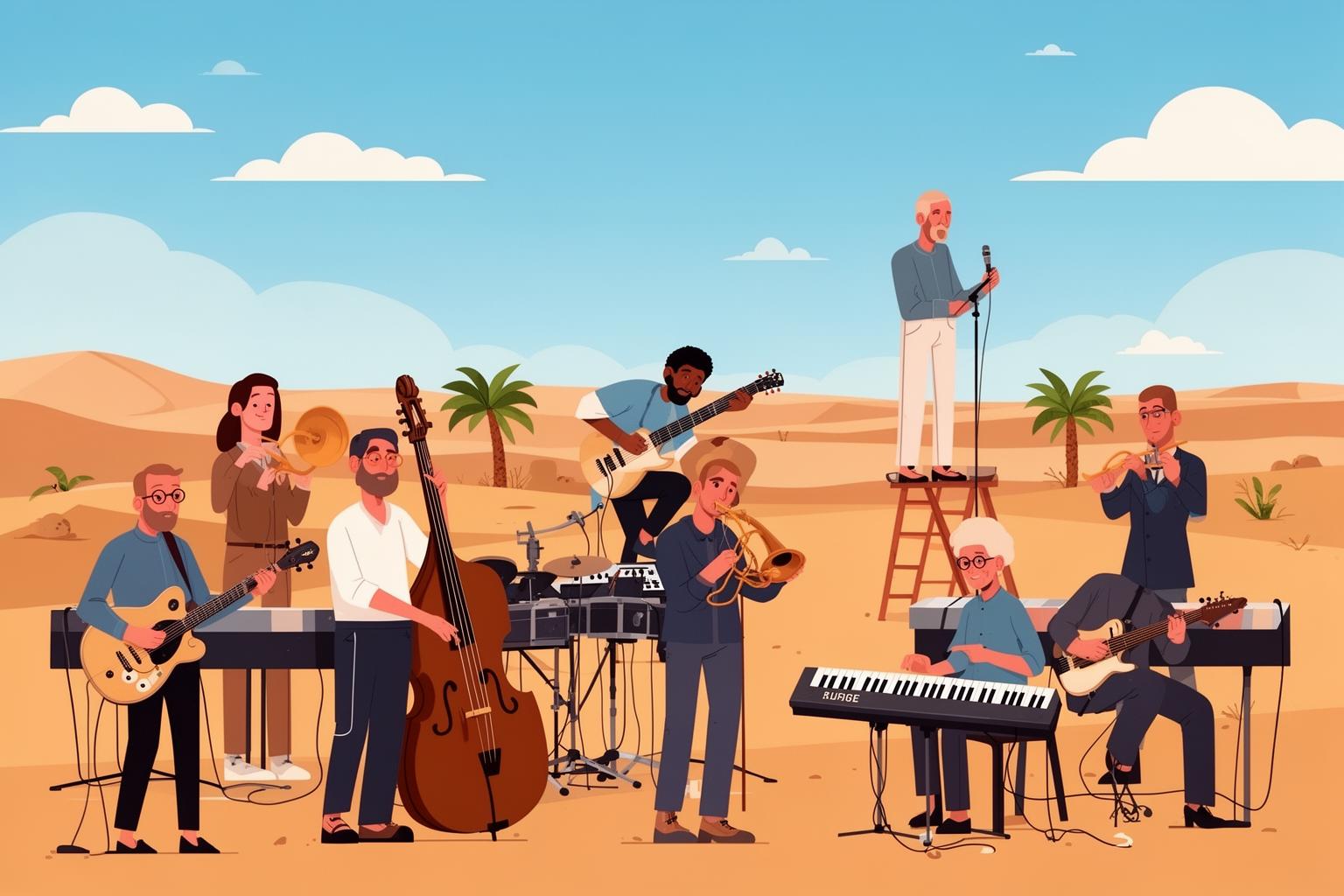
A trip to Yeruham in search of Bet Hatikva offers a unique kind of travel experience. It’s less about ticking sights off a checklist and more about immersing yourself in the ambiance. It’s about discovering the universal within the particular, the extraordinary within the ordinary. It leaves you with a deeper appreciation for the film and for the quiet places in the world where the most profound human stories often unfold.
What to Pack, What to Know
When getting ready for your journey, think like a desert dweller. The sun is intense, even during the cooler months. A wide-brimmed hat, sunglasses, and high-SPF sunscreen are essential. Lightweight, loose-fitting clothing will help keep you cool and protected. During the winter months (December to February), the desert can become surprisingly cold, especially at night, so be sure to pack layers, including a warm jacket.
Sturdy, comfortable walking shoes are a must, both for exploring the streets of Yeruham and the desert trails. Always carry more water than you expect to need. Dehydration is a real concern, so keep a large bottle with you at all times. Finally, embrace the local rhythm of life. Many shops close for a few hours in the mid-afternoon. Don’t resist; use that time to rest and enjoy a cool drink. The people of Yeruham are generally warm and welcoming, but remember you are a guest in their community. A friendly “shalom” (hello/peace) goes a long way.
The Music of the Ordinary
When you leave Yeruham, you carry with you more than just photographs. You carry the feeling of the warm desert breeze, the taste of strong coffee, and the vision of a vast, star-filled sky. You leave with the understanding that places dismissed as “nowhere” are always “somewhere” to those who call them home. They are places filled with their own hopes, heartbreaks, and quiet melodies.
The Band’s Visit is a film about the brief, beautiful moment when two different worlds intersect and find a shared rhythm. It reminds us that beneath our varied uniforms, languages, and cultures, we are all simply people yearning for connection. A visit to Yeruham is an opportunity to live that lesson. It’s a journey that encourages you to listen carefully, to seek beauty in the overlooked, and to remember that sometimes, the most meaningful destinations are the ones you never planned to find.