
There are films that entertain, films that thrill, and films that fade from memory the moment the credits roll. And then there are films like Yasujirō Ozu’s Tokyo Story. Released in 1953, it is more than a motion picture; it is a quiet whisper about the human condition, a cinematic poem composed of gentle shots and profound, unspoken truths. It charts the journey of an elderly couple, Shūkichi and Tomi Hirayama, from their provincial seaside town of Onomichi to the bustling, indifferent metropolis of Tokyo to visit their adult children. What unfolds is a heartbreakingly simple and universally resonant tale of family, generational divides, the relentless march of time, and the quiet ache of disappointment. Ozu’s masterpiece doesn’t rely on grand drama; its power lies in what is left unsaid, in the tender observation of everyday moments that reveal the deepest currents of life and loss.
To embark on a pilgrimage to the filming locations of Tokyo Story is to do more than simply visit a film set. It is an act of reverence, a journey into the very soul of the film. It is an attempt to stand where Ozu stood, to see the world through his low-angle camera, and to feel the enduring atmosphere that he so masterfully captured. These places are not just backdrops; they are characters in their own right, each imbued with a distinct emotional weight. From the tranquil, sun-drenched slopes of Onomichi to the sprawling, anonymous concrete of post-war Tokyo, the locations map the emotional geography of the Hirayama family’s experience. This journey is a dialogue between the past and the present, a chance to see how Japan has transformed and, perhaps more poignantly, how the film’s core themes of love, duty, and loneliness remain stubbornly, beautifully unchanged. It is a walk through a living museum, where the ghosts of Shūkichi, Tomi, and their ever-kind daughter-in-law Noriko still seem to linger in the sea breeze and the city hum.
Much like this journey through Ozu’s Tokyo, exploring the filming locations of other cinematic masterpieces, such as Chasing Ghosts in Black and White: A Pilgrim’s Guide to The Bicycle Thief’s Rome, offers a profound way to connect with a film’s soul.
Onomichi: The Enduring Heart of Home

The journey into Ozu’s world must begin where the Hirayamas’ story begins: in the port town of Onomichi, nestled within Hiroshima Prefecture. This is the film’s anchor, its emotional starting point, and its final, somber destination. Onomichi is more than just a setting; it serves as a repository of memory and a symbol of a slower, more connected way of life that sharply contrasts with the rapid pace of Tokyo. Visiting Onomichi today, one is struck by how much of its essential character remains intact. The town still clings to the steep hillsides overlooking the Seto Inland Sea, a maze of narrow, winding alleys, stone staircases, and weathered wooden houses. It is a place that encourages you to lose your way, to wander, and simply exist—much like Ozu’s camera so often does.
The View from Senkō-ji: A Panorama of Life and Loss
Perhaps the most iconic and emotionally resonant location in Onomichi is the view from the hill crowned by Senkō-ji Temple. This panoramic vista is a visual refrain that Ozu returns to repeatedly, marking both the beginning and end of the film. From here, the town unfolds below like a miniature diorama—the tiled roofs cascading down the slope, the bustling port with ships gliding silently across the water, and the distant islands veiled in a gentle haze. Standing here evokes a profound sense of place that defined the Hirayamas’ entire existence. This was their world—a landscape as familiar and comforting as a family portrait.
Reaching this viewpoint is a pilgrimage in itself. One can take the ropeway, a modern convenience offering a sweeping, cinematic ascent. But to truly connect with the spirit of the place, the better choice is to walk. Ascend the “Path of Literature,” a stone-paved walkway dotted with boulders inscribed with poems by Japanese writers who, like Ozu, were captivated by the town’s beauty. As you climb, the modern world fades, replaced by the rustling of leaves, the chirping of unseen birds, and the occasional chime of a temple bell. The air grows still and contemplative. When you finally reach the top, the breathtaking view is a reward, but the true experience is the journey itself. You realize this view is never static; it shifts with the light, weather, and seasons. It feels alive. In the film, this landscape symbolizes the unchanging nature of home—the constant to which the characters return. Yet by the end, after Tomi’s death, the same beautiful, indifferent vista carries an unbearable sadness. It silently witnesses the family’s grief, framing an immense void. It imparts Ozu’s greatest lesson: joy and sorrow often coexist in the same space.
The Winding Alleys and the Seawall: Echoes of Daily Life
Descending from Senkō-ji, you enter the maze of residential alleys winding through the hillside—the true heart of Onomichi. Here, you can almost hear the quiet footsteps of Shūkichi and Tomi. The houses are closely packed, fostering a sense of intimate community. You pass small gardens, laundry hanging out to dry, and cats basking on warm stone walls. It’s a sensory experience—the faint scent of soy sauce and sea salt lingers in the air, and the distant hum of the port is a constant companion. It is in these everyday details that the film’s authenticity is rooted. Ozu never needed elaborate sets; he found poetry in the genuine, lived-in textures of this town.
Down by the waterfront, you can stroll along the seawall where the couple is seen walking, their figures small against the vastness of sea and sky. The port remains active, though the ships are more modern now. Yet the feeling endures. It is a place of arrivals and departures, quiet reflection. Sitting on a bench, you can watch ferries shuttle back and forth to the nearby islands, just as they have for generations. Here, you sense the rhythm of Onomichi life, governed by tides and changing seasons. The film employs these shots of sea and ships as “pillow shots”—transitional scenes that create a pause, allowing the audience to breathe and absorb the emotional weight of prior moments. Standing here, you grasp their power: these are not empty frames but moments of pure atmosphere, inviting reflection on time’s passage and life’s gentle, persistent cycles.
Many pilgrims seek the exact location of the Hirayama house. Though the original has long since vanished, the neighborhood on the eastern hillside retains the film’s essence. Local historical markers and devoted fans have helped identify the area. The quest is less about finding a specific building and more about capturing a feeling—the feeling of a home deeply rooted in community, overlooking the sea and connected to the town below. Wandering these streets, you develop a profound respect for the life the Hirayamas embodied—a life defined by simplicity, dignity, and quiet endurance.
The Journey to the Metropolis: Tokyo’s Melancholy Welcome
From the warm, communal embrace of Onomichi, the film—and our journey—shifts sharply to Tokyo. If Onomichi symbolizes the heart, Tokyo represents the sprawling, indifferent nervous system of modern life. Ozu’s 1953 depiction of the city reveals a place in rapid transformation, rebuilding after the war and rushing toward a future that scarcely honors old traditions. For Shūkichi and Tomi, Tokyo is not a realm of excitement and opportunity; it is a maze of noise, distance, and emotional detachment. Visiting these sites today offers a fascinating exercise in time travel, as you attempt to peel back layers of decades of development to uncover the emotional core Ozu immortalized.
Tokyo Station: A Grandiose Gateway to Alienation
The Hirayamas’ arrival in the capital marks a crucial moment, unfolding at the magnificent Tokyo Station. The couple disembarks, small and slightly overwhelmed, dwarfed by the station’s vast interior and the relentless flow of people. They stand before the iconic Marunouchi-side brick facade, a grand European-style structure symbolizing Japan’s modernization. Today, the station has been meticulously restored to its pre-war splendor and remains a stunning architectural landmark. It is cleaner, brighter, and even busier than in 1953—a veritable city within a city.
Standing in the Marunouchi plaza today, you experience this contrast firsthand. You are surrounded by gleaming skyscrapers, the emblems of contemporary corporate Japan. The scale of the place is staggering. Yet if you focus on the red brick building, you can connect with the Hirayamas’ perspective. Imagine stepping off a long train journey from a quiet seaside town into this immense, roaring hub. The sensation of being an anonymous face lost in a vast, impersonal crowd is just as powerful now as it was then. Ozu skillfully uses the station’s architecture to frame the couple’s isolation. Though physically in the heart of the nation’s capital, they have never felt farther from belonging. The station, for them, is not a welcoming gateway but a barrier—the first indication that this new world, their children’s world, operates on an entirely different wavelength.
Ueno Park: A Shared Moment of Quiet Resignation
One of the film’s most poignant scenes unfolds in Ueno Park. After being shuffled about by their busy children, Shūkichi and Tomi find themselves with a spare day. They wander through the park, ultimately sitting on a low wall or bench overlooking Shinobazu Pond. It is a moment of deep stillness and unspoken sorrow. They don’t complain; they simply sit, their quiet companionship starkly contrasting with the bustling city that offers them no place. Tomi quietly says, “If we’d known things would be like this, we wouldn’t have come.” This simple line, delivered without self-pity, carries the full emotional weight of their journey.
Visiting Ueno Park today, you can locate the general area where this scene was shot. The park remains one of Tokyo’s vital green lungs—a vast public space home to museums, a zoo, temples, and shrines. It is a democratic space where people from all walks of life come to relax, reflect, and escape the concrete jungle. The atmosphere combines leisure and culture. Families enjoy outings, students sketch, elderly couples stroll, and tourists admire the sights. It’s easy to find a bench, sit quietly, and watch the world go by. In doing so, you connect with the essence of the Hirayamas’ experience. In a city where they felt like burdens in their own children’s busy homes, the public space of the park gave them a moment of anonymous refuge. It is a deeply melancholic scene, yet it also speaks to the resilience of their bond. They have each other. Their shared silence is more profound than all the empty chatter of their children’s hectic lives. The park, with its blend of natural beauty and human activity, becomes the perfect setting for this quiet, heartbreaking moment of clarity.
Glimmers of Kindness and the Weight of Modernity
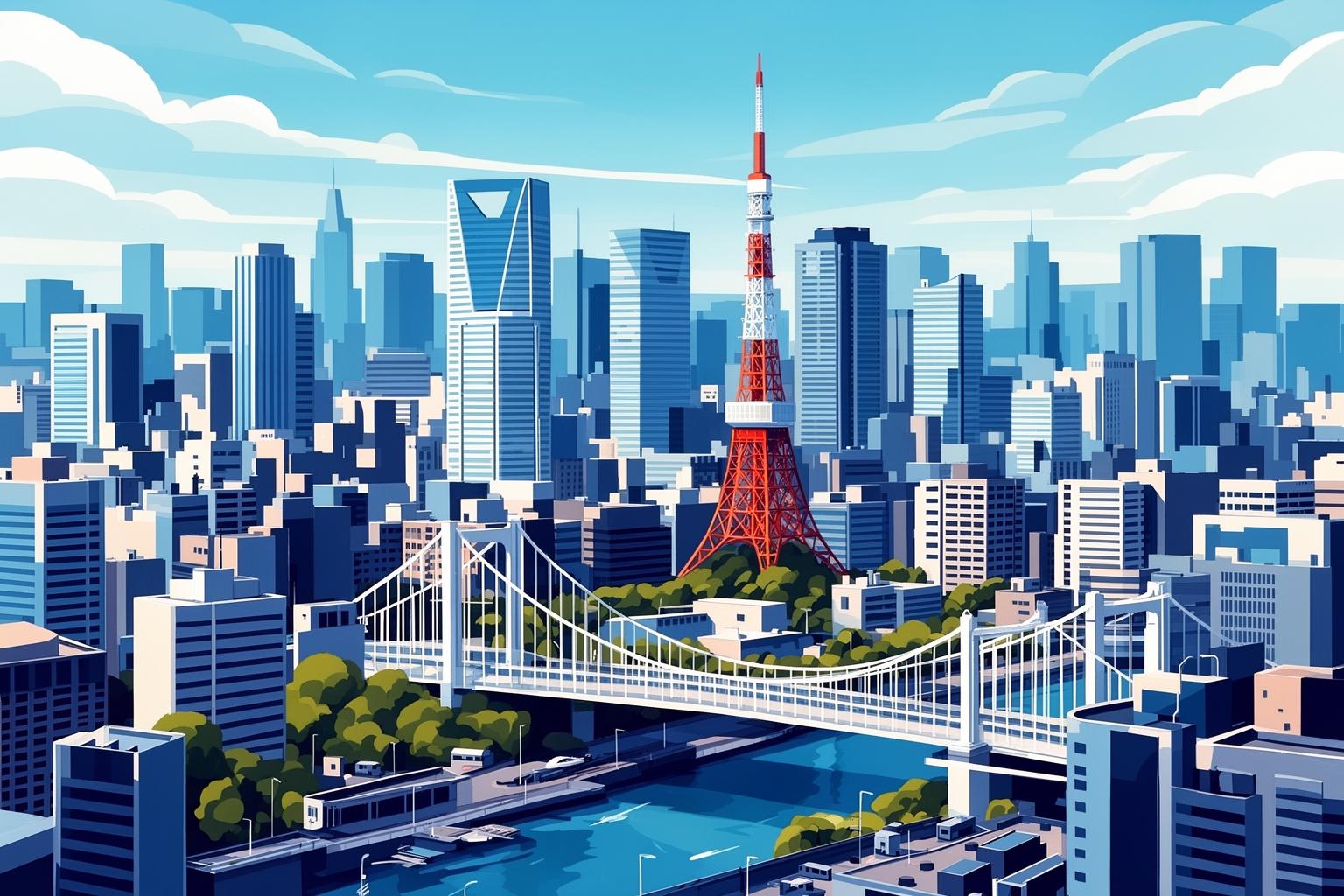
Amid subtle disappointments and polite neglect faced by the Hirayamas, there is a striking contrast: the genuine warmth and kindness of their widowed daughter-in-law, Noriko. She embodies a different kind of modernity—not one driven by selfish ambition, but by quiet empathy and enduring responsibility. Her world, along with the places connected to her, offers an alternative perspective on post-war Tokyo.
Noriko’s World: The Kindness of an Outlier
Noriko, portrayed with sublime grace by Setsuko Hara, lives in a small, cramped apartment in what is depicted as a more working-class area of Tokyo. While the exact location remains unspecified, it evokes the shitamachi (downtown) districts, perhaps resembling places like Adachi or Koto Ward, far removed from the polished city center. These neighborhoods are characterized by narrow streets, small factories, and densely packed homes. Although the film was shot on a studio set, Ozu masterfully captured the essence of these areas.
Exploring these parts of Tokyo today reveals a city still existing beyond the gleaming facades of Shinjuku and Shibuya. You can take a local train, disembark at a small station, and stroll through shotengai—local shopping arcades—where small, family-run shops continue to operate. The scale here is more personal, and the pace somewhat slower. It is within such a place that Noriko’s kindness resonates. Unlike her siblings-in-law, she is not caught up in the rat race. Her life is modest, and her modest apartment serves as a sanctuary of sincere hospitality. When she accompanies her father-in-law for a drink after he becomes separated from his friends, or when she gives Tomi her precious spending money, these are not grand gestures, but simple, profound acts of love and respect. This part of the journey is less about finding a specific location and more about understanding the social fabric that shaped a character like Noriko. It calls for an appreciation of those parts of Tokyo defined not by wealth or status, but by community and quiet dignity.
A Night in Ginza: The Dazzle and the Void
In an effort to give their parents a special evening, the children send them out for a night in Ginza, Tokyo’s most glamorous and expensive entertainment district. Shūkichi and Tomi find themselves awkwardly seated in a bar, sipping sake amid the noise and energy of a world to which they do not belong. They are spectators, not participants. What was meant to be an enjoyable night only deepens their sense of alienation.
Today, Ginza is even more dazzling than it was in 1953—a corridor of flagship luxury stores, art galleries, and high-end restaurants. The iconic Wako building with its clock tower, seen in the film, remains the district’s symbol. At night, the streets glow with millions of neon lights. Walking through Ginza is a disorienting experience. The overwhelming concentration of wealth and consumerism is staggering. This intense sensory barrage helps explain the Hirayamas’ experience. For them, the bright lights do not signal excitement; rather, they highlight their own obsolescence. They come from a world of natural light and quiet evenings. This artificial, commercial brilliance feels foreign and unsettling. The Ginza bar scene encapsulates their entire Tokyo visit: they are granted a place at the modern life table, yet offered no true connection or warmth. It is entertainment standing in for affection—a hollow gesture that leaves them feeling lonelier than before.
Atami: A Fleeting Escape and a Bitter Premonition
The children, finding their parents’ presence increasingly burdensome, decide to send them off to the nearby hot spring resort of Atami. This is framed as a generous gesture, an opportunity for them to relax and enjoy themselves. However, the reality is quite different. The Atami sequence stands as one of the most subtly harrowing moments in the film, portraying isolation against a backdrop of forced leisure.
The Ryokan by the Sea: A Retreat That Fails
Atami is a coastal town known for its onsen (hot springs) and stunning views of Sagami Bay. It has long been a favored escape for Tokyo residents. In the film, Shūkichi and Tomi stay at a ryokan, a traditional Japanese inn, overlooking the sea. The setting ought to be idyllic. We see them in their yukatas, gazing at the shimmering water. Yet Ozu fills the frame with an abiding sense of discomfort. The inn is noisy and lively, packed with younger guests on a company outing who sing, play mahjong, and drink late into the night. The walls are thin, making the noise unavoidable.
Visiting Atami today, many ryokans can still be found perched on the hillsides with breathtaking ocean views. The town exudes a certain faded, nostalgic charm. One can stroll along the beach, feel the sea breeze, and imagine the tranquility the Hirayamas sought to find. But the film’s message is that a change of scenery cannot heal a deep-rooted emotional wound. The couple’s loneliness is internal and has followed them from Tokyo. The noise from other guests painfully underscores their own quiet, isolated existence. Surrounded by life and celebration, they remain utterly excluded. The most poignant moment occurs when they walk along the seawall at night. Tomi experiences a sudden dizzy spell, a subtle foreshadowing of her impending fatal illness. They sit on the wall, two small, lonely figures against the vast, dark ocean. Where the sea in Onomichi symbolized home and constancy, here it represents immensity and indifference. Their supposed retreat has turned into a confrontation with their own mortality and the painful realization that they are adrift, far from the shores of family and belonging.
The Return and the Unspoken Goodbye
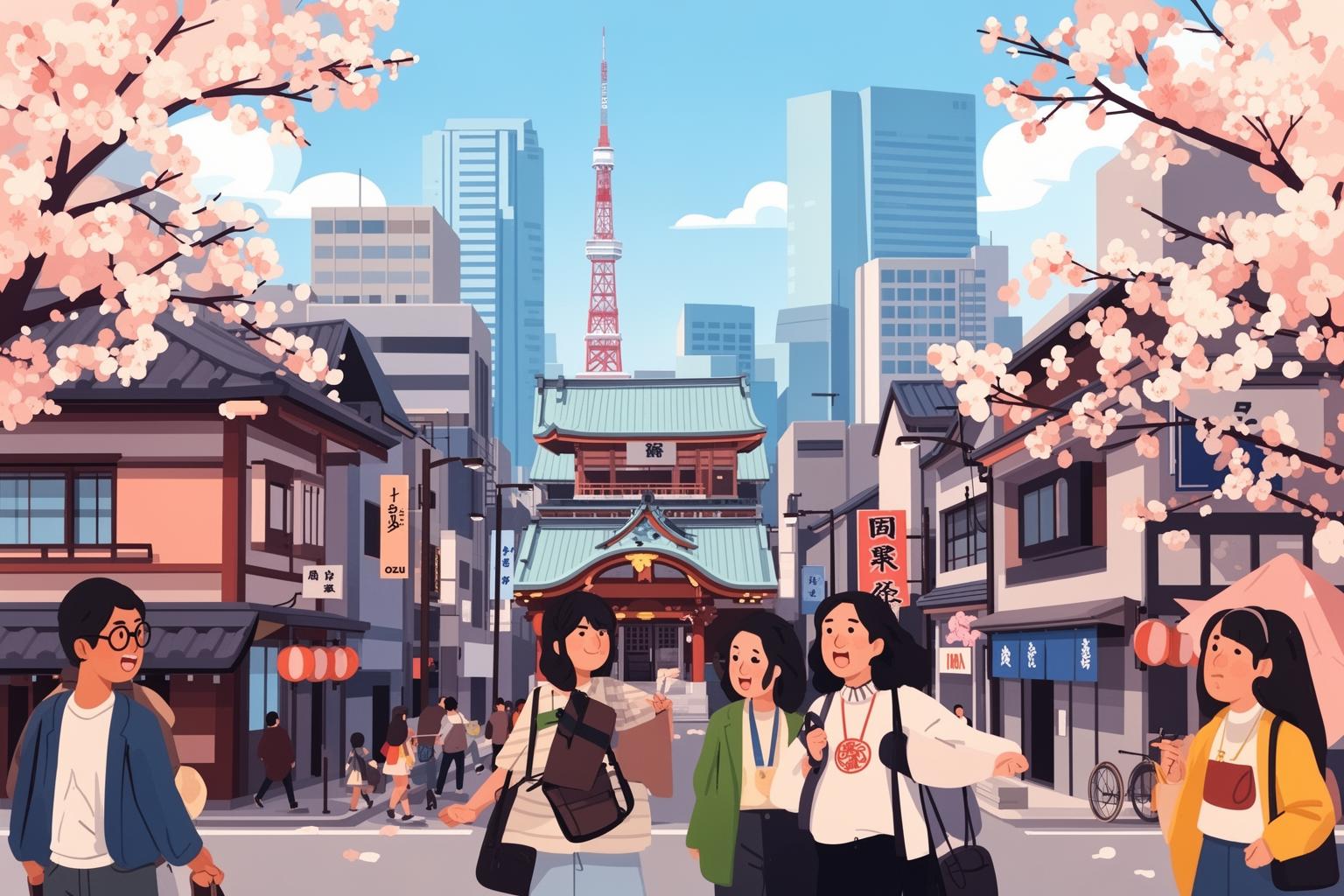
The film’s final act completes the narrative circle by returning to Onomichi, yet the atmosphere has irrevocably shifted. The journey, which began with quiet anticipation, ends in profound loss. This concluding part of the pilgrimage is the most reflective, offering a moment to contemplate the film’s lasting emotional impact.
Onomichi Revisited: The Finality of the View
Following the disappointing trip to Tokyo and the unsettling stay in Atami, the return journey is marked by Tomi’s declining health. She passes away soon after they arrive back in Onomichi. The children hasten home for the funeral, their grief sincere but brief, quickly occupied by plans for their return to Tokyo. The film’s final scenes demonstrate a masterful restraint in emotion. The focus remains on Noriko, who stays behind to support her father-in-law, and on Shūkichi, left to face his lonely future.
Revisiting the viewpoint at Senkō-ji after seeing the rest of the film’s locations feels different. The beautiful panorama of town and sea is no longer merely a picturesque sight. It is imbued with the full emotional journey of the film. It is the view from which Tomi departed, never to return, and the view Shūkichi will now face alone. When Noriko finally leaves, abandoning the old man in his empty home, the closing shots show ships drifting slowly across the water. Life continues. The town endures, the sea remains, but everything has changed. This captures the essence of mono no aware, the gentle sadness of impermanence, a profound and distinctly Japanese sensibility that Ozu expressed more poignantly than any other filmmaker. Standing on that hill, you don’t just observe a view; you feel the passage of time, the beauty of memory, and the sharp, quiet ache of loss.
A Pilgrim’s Practical Guide to Ozu’s World
Embarking on this journey calls for some planning, but more importantly, it demands the right mindset. This is not a trip to be rushed. It is a slow, contemplative experience, much like Ozu’s filmmaking style itself.
Navigating Onomichi
The best way to reach Onomichi is by taking the Sanyo Shinkansen (bullet train) to Fukuyama Station, then transferring to the local Sanyo Main Line for the short ride to Onomichi Station. The town is best explored on foot, so be ready for hills and many stairs. The main attractions, including the Senkō-ji ropeway and the temple path, are all within walking distance from the station. The ideal times to visit are in the spring, when cherry blossoms bloom, or in autumn, when the weather is mild and the foliage is stunning. Allow yourself at least a full day to wander, get lost in the alleys, and simply sit by the waterfront to soak in the atmosphere.
Exploring Ozu’s Tokyo
Tokyo’s vast and efficient public transit system makes getting around straightforward. The JR Yamanote Line and the Tokyo Metro will be your closest companions. Tokyo Station is a major hub and easy to locate. Ueno Park is a short walk from JR Ueno Station. Ginza can be reached via several metro lines, including the Ginza, Marunouchi, and Hibiya lines. When exploring Tokyo, keep in mind how much the city has changed since 1953. Don’t expect to find exact recreations of the film’s scenes. Instead, seek out the enduring spirit of these places: the grand scale of Tokyo Station, the public sanctuary of Ueno Park, and the dazzling consumerism of Ginza. While the physical landscape has changed, the emotional landscape that Ozu captured remains to be discovered.
A Note on Time and Pace
The most important advice is to slow down. Ozu’s films are renowned for their patient, reflective pacing. Your pilgrimage should mirror this. Don’t just race from one photo spot to another. Take time to sit on a bench, enjoy a cup of tea at a local café, or simply watch the people around you. Ozu’s “pillow shots” were moments of quiet observation. Make your own. Notice how the light falls on an old building, the sound of a passing train, or the shape of a cloud in the sky. It is in these small, seemingly insignificant moments that the true spirit of Ozu’s cinema, and the soul of Japan itself, can be found.
The Enduring Resonance of Tokyo Story
A journey through the world of Tokyo Story is more than just a cinematic treasure hunt. It serves as a profound reflection on themes that resonate with all of us. The film’s strength lies in its subtle universality. We all recognize the sensation of returning home only to find it both familiar and changed. We have all encountered the gap that can form between generations, a distance measured not in miles but in unspoken emotions and differing priorities. We have all faced the loneliness that can exist even amid a crowd or a family.
Traveling through Onomichi, Tokyo, and Atami today, you follow in the footsteps of the Hirayamas, yet you also carry your own memories and experiences. The serene hills of Onomichi may remind you of your own hometown. The indifferent hustle of Tokyo might mirror your own challenges with a fast-moving world. The film and its settings act like a mirror, reflecting our own lives back to us. This is why Tokyo Story endures. It is not merely a story about a specific Japanese family in 1953. It is a story about all of us, at any time, in any place. The pilgrimage is not just about visiting where a great film was made; it is about understanding why it was created, and why, more than half a century later, its quiet, heartbreaking truth continues to resonate so deeply within our hearts.