
There are journeys that cross landscapes, and then there are journeys that cross the soul. Walter Salles’ 2004 masterpiece, The Motorcycle Diaries, is a testament to the latter. It’s more than a film; it’s a cinematic poem, a rolling, rumbling meditation on youth, discovery, and the dawning of a conscience that would reshape world history. Based on the personal journals of a 23-year-old Ernesto Guevara—long before the world knew him as “Che”—and his friend Alberto Granado, the film traces their audacious 8,000-mile motorcycle trek across the spine of South America in 1952. They set out seeking adventure, romance, and a bit of fun. They found something far more profound: the raw, beautiful, and wounded heart of a continent. To follow their path is not merely to visit filming locations; it is to chase the ghost of a transformation, to see the world through the wide-open eyes of two young men on the verge of becoming themselves. It’s a pilgrimage for the restless spirit, a map drawn not just with roads and borders, but with the invisible lines of human connection and social awakening. This is a guide to that map, a way to touch the very earth that changed a boy into a legend.
For a different kind of cinematic journey that also explores a city’s soul through its streets, consider an unholy pilgrimage through the Boston of The Departed.
The Spark of Departure: Argentina’s Endless Horizons
Every grand odyssey begins with a single, hesitant step, or in this case, the sputtering roar of an overloaded 1939 Norton 500 motorcycle affectionately called “La Poderosa”—The Mighty One. Argentina serves as the crucible of this journey, the place of familiar comforts and heartfelt farewells. It’s where the dream is born and set into motion. The film masterfully captures the spirit of partenza, that bittersweet Italian word for departure, a feeling palpable in the Buenos Aires air. The landscapes here are vast, a canvas of sprawling pampas and crisp Patagonian winds that gradually strip away the boys’ naivety, preparing them for the tougher truths ahead. To travel here is to feel the initial, pure thrill of the open road, the wind carrying promises of the unknown.
Buenos Aires: The Echoes of a Farewell
The journey begins in the refined, European-style heart of Buenos Aires. While the film does not linger on specific landmarks, it perfectly captures the city’s atmosphere—a place of bourgeois comfort that the young Ernesto is eager to leave behind. The scenes of farewell parties with his family and his sweetheart, Chichina, are infused with a sense of a world being left in the past. To truly connect with this starting point, one must stroll through neighborhoods like Recoleta or Palermo, where Guevara’s upper-middle-class family would have felt at home. Imagine the conversations in bustling cafes, the tango music spilling out from open doorways, the mix of excitement and anxiety that must have filled the air. The city itself feels like a beautifully constructed stage set for the drama of departure. The real location here isn’t a single building, but the collective mood of a vibrant metropolis on the edge of a vast continent. Spend time in a classic parrilla, a steakhouse, and sense the social fabric. Visit El Ateneo Grand Splendid, a stunning theater-turned-bookstore, and you almost feel the intellectual curiosity that drove Guevara. This is where the theoretical man—the reader and thinker—begins his collision course with reality.
Across the Pampas: Miramar and the Taste of the Road
Once La Poderosa leaves the city limits, Argentina unfolds into the legendary Pampas. Here, the journey truly becomes a road trip. The film uses sweeping shots of the motorcycle against an endless, flat horizon, a visual metaphor for the boundless freedom the duo seeks. Their first major stop is Miramar, a coastal town south of Buenos Aires, to visit Chichina’s wealthy family at their villa. The filming location for the opulent estate is actually Estancia La Candelaria, a stunning castle-like hotel in Lobos, a couple of hours outside the capital. Visiting this place today feels like stepping directly into the film’s early, more romantic chapter. The manicured lawns and aristocratic aura stand in stark contrast to the rugged, unpaved world that awaits. This sequence is crucial; it’s the last taste of a life of privilege, a world of carefully constructed social rules Ernesto is beginning to question. Traveling through the Pampas today, whether by car or, for the truly devoted, by motorcycle, is a lesson in scale. The sky is immense, the land a sea of grass, and the small towns that dot the landscape feel like islands in a vast ocean. It’s a meditative experience, a time to shed the noise of the city and tune into the rhythm of the road, just as they did.
Patagonia’s Embrace: San Martín de los Andes and the Southern Lakes
The true wildness of Argentina begins as the route turns west toward the Andes. The flat plains give way to rolling hills and then, spectacularly, to the jagged, snow-capped peaks of Patagonia. The film’s scenes in the Lake District, around San Martín de los Andes and Bariloche, are a visual feast. This is where La Poderosa first truly falters, where the pristine beauty of nature serves both as backdrop and obstacle. The feeling here is one of awe. The air is crystalline, the lakes a shade of blue so deep it feels unreal, and the forests of araucaria trees stand like ancient sentinels. Filming took place along the famous “Route of the Seven Lakes” (Ruta de los Siete Lagos), a winding, breathtaking road connecting San Martín de los Andes and Villa La Angostura. Driving this route is a pilgrimage in itself. Each turn reveals a new vista more stunning than the last. You feel small here, in the best possible way. The film captures the duo’s comical attempts to camp and hunt, their youthful overconfidence meeting the humbling power of the wilderness. This is also where they begin to encounter the real people of the land, shifting from wealthy elites to humble rural workers. To experience this place, rent a car or bike, take your time, and stop at the many miradores (lookouts). Hike the trails branching off the main road. Feel the cold spray of a waterfall. This is where the adventure of the film feels most tangible, most alive. The challenges they face—the cold, the breakdowns, the sheer difficulty of the terrain—begin to forge a bond between them and solidify their resolve.
A Continent of Contrasts: The Chilean Passage
Crossing the Andes represents both a symbolic and literal transition. The Argentina they leave behind is the familiar world they knew, while the Chile they enter is one of harsh realities and stark, unfamiliar beauty. The film’s color palette changes, and the tone grows more serious. The playful antics seen earlier give way to moments of deep reflection and increasing social awareness. Chile marks the point where the duo’s perspective begins to transform profoundly, as they perceive not only landscapes but also the human stories inscribed upon them. From the bohemian chaos of its port cities to the desolate grandeur of the world’s driest desert, Chile is the chapter where the diary entries shift from travelogue to social critique.
Valparaíso’s Labyrinth: A City of Poets and Steep Hills
After a challenging mountain crossing, the duo arrives in the port city of Valparaíso, a vibrant, chaotic, and colorful maze sprawling down steep hills toward the Pacific Ocean. The film masterfully captures its lively, somewhat weathered spirit. Valparaíso itself feels like a character—a labyrinth of winding alleys, creaky funicular elevators (ascensores), and houses painted in every color of the rainbow. It is a city of sailors, artists, and poets, and that bohemian energy is palpable in the air. The scene where Ernesto and Alberto read a love letter from Chichina, only to have it swept away by the wind, was shot in the historic heart of the city amid the very chaos that defines it. To explore Valparaíso is to get intentionally lost. Forget the map and wander through the cerros (hills) like Cerro Concepción and Cerro Alegre. Let the street art guide your way. Take a ride on one of the historic ascensores for a few cents and enjoy spectacular panoramic views of the harbor. The city seems always in motion, a place of transient souls and deep cultural roots. It is here that the duo begins to feel the strain of their dwindling funds more keenly, as their romantic notions of the road confront the harsh reality of needing food and shelter. Valparaíso’s experience is essential to the journey—a dose of gritty, beautiful, human reality after the sublime, impersonal beauty of Patagonia.
The Desert of Revelation: The Atacama and Chuquicamata
If there is a single place where the heart of the film’s transformation takes place, it is the Atacama Desert. The journey north from Valparaíso leads them into one of the most surreal and unforgiving landscapes on Earth. The filmmakers depict this space not as a barren wasteland but as a realm of profound emptiness that invites introspection. The colors are unnatural—ochre, red, violet—and the silence is palpable. This is where La Poderosa finally comes to an end, symbolizing the death of their old, carefree selves. Stranded and humbled, they must hitchhike, relying on the kindness of strangers. This change in circumstance is crucial. They cease to be mere observers on a motorcycle and become active participants in the struggles of the people they encounter. The most pivotal moment is their meeting with two impoverished, persecuted communist miners on their way to the Chuquicamata copper mine. This real-life encounter, recorded in Guevara’s diaries, is a striking moment of awakening. They witness firsthand the exploitation and injustice faced by the working class. The filmmakers chose to shoot at the actual Chuquicamata, the world’s largest open-pit copper mine. It is a terrifying and awe-inspiring sight—a man-made canyon cutting into the earth, symbolizing industrial power and human cost. Visiting the Atacama today, usually from the oasis town of San Pedro de Atacama, lets you experience the landscape’s intensity. Take a tour of the Valle de la Luna (Valley of the Moon) at sunset and watch the mountains glow with color. Lie back under the dark sky and marvel at a star-filled expanse so clear it feels infinite. And if possible, arrange a visit to Chuquicamata. Witnessing the mine’s scale, understanding its economic significance along with its human history, reveals the spark that ignited Guevara’s revolutionary passion. The Atacama is more than a desert; it is a crucible that burns away illusions, leaving behind a harsh, undeniable truth.
The Heart of an Empire: Peru’s Sacred Soul
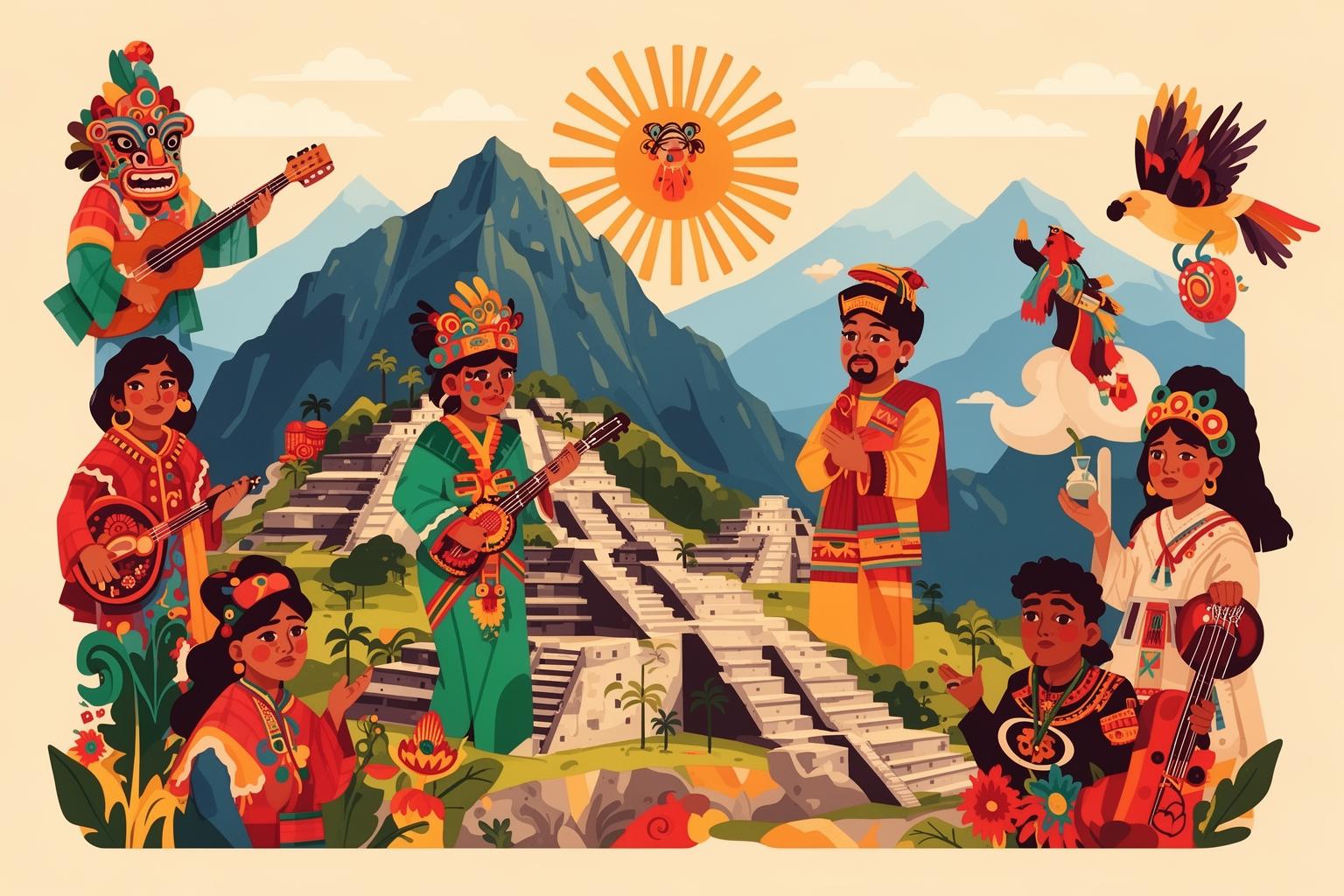
Peru serves as the spiritual and emotional heart of The Motorcycle Diaries. It is where the continent’s historical weight becomes tangible, where the echoes of conquered civilizations and the resilience of their descendants cannot be overlooked. For Ernesto and Alberto, Peru represents a profound exploration of Latin America’s very identity. They traverse from the ruins of a mighty empire to the vibrant, complex society of today, culminating in an experience so impactful it shapes the rest of their lives. The landscapes here are not merely beautiful; they are sacred, charged with centuries of history, sorrow, and strength.
Cusco: Navel of the Incan World
Arriving in Cusco feels like stepping back in time. Once the capital of the vast Inca Empire, the city is a stunning blend of Incan stonework and Spanish colonial architecture. The city’s foundations are purely Inca, with massive, precisely fitted stone walls forming the base for Catholic churches and colonial mansions. This architectural layering physically embodies the region’s history—a tale of conquest, suppression, and cultural fusion. The film powerfully captures the duo’s awe as they explore these streets. They cease to be mere tourists and become students of history, seeking to understand the legacy of a great civilization. Experiencing Cusco means walking its cobblestone streets, getting lost in the artisan-filled San Blas neighborhood, and standing in the Plaza de Armas, the city’s heart, imagining it as the central plaza of the Inca Empire. A visit to the Coricancha (or Qorikancha), the former Inca Temple of the Sun upon which the Santo Domingo church was constructed, is essential. Here, you can see flawless Inca masonry alongside Spanish structures—a striking and poignant visual. In the film, Cusco is also the site of Ernesto’s severe asthma attack, a moment of physical vulnerability that reflects his growing emotional and intellectual openness to the continent’s stories. The thin air at 3,400 meters (11,152 feet) is palpable, constantly reminding one of the formidable Andean environment. Cusco is more than just a stopover en route to Machu Picchu; it is the vibrant, living heart of the Andean world, a place to acclimate, learn, and listen to the whispers of history.
The Ascent to Machu Picchu: A Whisper from the Past
From Cusco, they journey into the Sacred Valley toward the ultimate destination for any traveler to Peru: Machu Picchu. For Ernesto and Alberto, this is a pilgrimage within their broader pilgrimage. The film depicts their arrival not with triumphant music but with quiet reverence. As they gaze upon the breathtaking lost city of the Incas, wrapped in mist and perched improbably among jagged peaks, a profound connection to the past emerges. Ernesto reflects on the civilization capable of creating such a marvel and the tragedy of its downfall. He sees not just stones but a symbol of a lost, uncolonized Latin America—a unified continent before borders and foreign powers were imposed. This moment marks a key point in his ideological growth. Visiting Machu Picchu today remains a mystical experience despite the crowds. To capture the film’s mood, try to be there at sunrise, when the first light spills over the mountains and burns away the morning mist. Step away from the main plazas and find a quiet terrace to simply sit, absorbing the scale and silence. The filmmakers chose their shots with care, highlighting both the grandeur of the scenery and the intimate reactions of the characters. They hiked alongside local Quechua people, sharing coca leaves, deepening their connection. To recreate this experience, consider hiking part of the Inca Trail or spending time learning about the history and culture from a local guide. Machu Picchu is more than a photo op; it invites contemplation of history, resilience, and one’s place in the vast flow of time.
Lima’s Colonial Grace and Grime
After the spiritual heights of the Andes, the journey descends to Lima, the coastal capital. The film presents Lima as a city of stark contrasts, from its graceful colonial center to the poverty at its margins. It is a brief but crucial stop where the pair meets Dr. Hugo Pesce, a renowned Peruvian scientist and leprosy specialist. He serves as a mentor, providing letters of introduction and encouraging their humanitarian instincts. Through him, they solidify plans to volunteer at the San Pablo leper colony in the Amazon. Exploring Lima today offers much the same sense of contrast. The historic center, a UNESCO World Heritage site, boasts beautiful plazas, ornate churches, and wooden balconies. Yet just a short drive away lie sprawling informal settlements housing a large share of the city’s population. The city embodies the social inequalities that profoundly affected Guevara. A visit to the bohemian Barranco district, with its clifftop views of the Pacific, provides a glimpse of Lima’s artistic spirit. Lima acts as a vital narrative bridge—a place of preparation and intellectual reinforcement before the journey’s ultimate test in the Amazon.
The River of Humanity: Iquitos and the San Pablo Colony
The final stage of their Peruvian journey is the most transformative. From Lima, they travel into the Amazon Basin, arriving at Iquitos, a bustling river port accessible only by boat or plane. The film captures the humid, frenetic energy of this river-bound city. From there, they take a boat upriver to the San Pablo leper colony, the emotional climax of the film. Upon arrival, they face a society literally divided by the river—the staff lives on one side and the patients on the other. The doctors and nurses wear gloves during interactions, symbolizing the fear and stigma of the disease. Ernesto and Alberto reject this division. They shake hands with patients without gloves and play soccer with them. In the film’s most iconic and moving scene, on his 24th birthday, Ernesto swims across the dangerous river from the staff side to the patient side, choosing to celebrate with the ostracized community. This act serves as a powerful metaphor for his entire journey—a crossing of boundaries, a refusal of artificial separations, and an embrace of shared humanity. Filming took place at a real former leper colony near the historic site, lending authenticity to the scenes. Visiting the Iquitos region today immerses one in the Amazon’s overwhelming vitality. Take a boat trip on the river, stay in a jungle lodge, and listen to the rainforest’s symphony. While the San Pablo colony is not a conventional tourist spot, the spirit of the journey lives on in interactions with river communities. It is a place that teaches resilience, community, and the profound power of human connection. Here, in the heart of the Amazon, Ernesto the adventurer dies, and Che the revolutionary begins to emerge.
The Final Stretch: Colombia and the Venezuelan Shore
The journey following Peru serves as a denouement, reflecting on the profound changes experienced by the two friends. They are no longer the lively boys who departed Buenos Aires. Now, they bear the weight and wisdom of the continent as they approach their final destination. The motorcycle is long gone, and their travels rely entirely on the kindness of others—a fitting conclusion to a journey that evolved from conquest to connection.
Into the Amazon: The Leticia Connection
From Iquitos, they catch a ride on a raft down the Amazon to the triple-border town of Leticia, Colombia. This segment highlights their resourcefulness and the relationships they have built. In Leticia, a local soccer team, impressed by their skills and story, agrees to fly them to Bogotá in exchange for coaching. This part of the film is imbued with camaraderie and warmth. Leticia itself is a fascinating place, a melting pot where the borders of Peru, Colombia, and Brazil converge. You can literally walk from one country to another. The atmosphere is that of a frontier town—vibrant and somewhat wild, shaped by the rhythm of the great river. Visiting Leticia offers a unique insight into the interconnectedness of the Amazon basin, a region where the river, not national boundaries, defines the culture. It’s an apt stop for the duo, who have come to view Latin America as a single, unified whole.
Journey’s End: The Promise of Caracas
The final stretch of the journey brings them to Caracas, Venezuela, where Alberto has a job waiting. The arrival is almost anticlimactic. The grand adventure concludes. In a heartfelt farewell at the airport, the two friends part ways—Alberto remains in Venezuela, while Ernesto returns to Argentina to complete his medical studies. Yet something has irrevocably changed. The film closes with a montage portraying Ernesto’s future, and an epilogue introduces the real people they encountered along the way. The last scenes filmed in Venezuela take place around Caracas and the Caribbean coast. The mood is one of closure, but also of a fresh start. The journey has given Ernesto a purpose. He has witnessed the face of his continent and can never unsee it. For the modern traveler, reaching Caracas might mark the end of the physical route, but it serves as a place to contemplate the beginning of a philosophical journey. It is a moment to gaze out at the sea, reflecting on how travel can transform us, open our eyes and hearts, and how sometimes, the end of one road is simply the beginning of a much larger one.
Embodying the Journey: Practical Advice for the Modern Nomad

Following in the footsteps of La Poderosa is more than just a vacation; it’s a commitment. It demands a spirit of adventure, adaptability, and a readiness to embrace the unexpected. While you may avoid the same mechanical breakdowns or financial difficulties, the core of the journey—its challenges and rewards—remains.
On Two Wheels or Four: Choosing Your Ride
The romantic ideal is, naturally, a motorcycle. The sensation of the wind, the unobstructed vistas, the raw connection to the road—it’s a unique experience. However, this demands considerable skill, preparation, and logistical planning, especially when crossing borders. For most, a more practical choice is to tackle the route in segments using a mix of rental cars, long-distance buses, and regional flights. South American buses are typically comfortable, affordable, and offer a wonderful way to take in the scenery while meeting locals. Renting a car provides the greatest freedom, especially for exploring remote regions like Patagonia and the Atacama Desert. The goal isn’t to replicate the journey exactly, but to capture its spirit of independent, ground-level travel.
Packing the Spirit of ‘La Poderosa’
Pack light but wisely. Versatility is essential. You’ll need layers for the dramatic temperature fluctuations between the Andean highlands, the desert, and the Amazon. Good hiking boots are a must. More importantly, bring an open mind. Carry a journal, just as they did. Record your thoughts, the people you meet, the experiences that move you. Disconnect from your phone whenever possible and connect with the world around you. Learn a few words of Spanish. A simple “hola” or “gracias” can open doors and hearts. The most important thing to carry is a willingness to be transformed by the journey.
Navigating Borders and Bureaucracy
Border crossings in South America can be lengthy but are usually straightforward for tourists. Keep your passport and visa documents organized and easy to reach. Be patient and courteous. Each country has its own currency and customs, so doing a bit of research beforehand is invaluable. Ernesto and Alberto’s journey was marked by a kind of borderless idealism, but today’s traveler must face the realities of international travel. Embrace this as part of the adventure—another layer in the story of a continent defined by both its shared identity and its unique national character.
Beyond the Frame: The Lasting Echo of the Road
To follow the path of The Motorcycle Diaries is to realize that some journeys are measured by more than just miles. It is a route of discovery, a narrative of how the world leaves its mark on a young soul. The film is not a political manifesto; it is a human tale. It captures the moment before the legend, the shaping of a conscience through experience. Traveling this route today, you will find the landscapes equally majestic, the history equally profound, and the people just as resilient. You will behold the breathtaking beauty of the Andes, feel the quiet awe of the desert, and hear the lively rhythm of life in the Amazon. Yet you will also witness the social and economic hardships that first opened Guevara’s eyes. You will observe the legacy of colonialism and the struggle for a better future. The journey invites you to see the world with the same empathy and curiosity that Ernesto and Alberto embraced. It calls you to look beneath the surface, to cross the river, and to connect with the vast, complex, and beautiful spirit of South America. It is a journey that, once taken, remains with you forever.