
There’s a version of Tokyo the world knows well. It’s a city of dazzling neon, of scrambles of humanity crossing under towering screens, of temples serene in their ancient power, and of towers that pierce the clouds. It’s a landscape of spectacle. Then there’s another Tokyo, a city that exists in the quiet spaces in between, in the narrow residential alleys where the sky is a sliver of blue framed by a web of power lines, on the sun-bleached riverbanks where salaried men doze on their lunch breaks, and behind the sliding doors of small, cluttered homes filled with the sounds and smells of life lived day-to-day. This is the Tokyo of Hirokazu Kore-eda, and nowhere is it more poignantly rendered than in his Palme d’Or-winning masterpiece, ‘Shoplifters’ (Manbiki Kazoku). This film doesn’t just tell a story; it breathes the air of a specific place. It invites you into the world of the Shibata family, a makeshift clan bound not by blood but by a fierce, fragile love, surviving on the margins of a society that has largely forgotten them. To embark on a pilgrimage to the locations of ‘Shoplifters’ is not to chase cinematic glamour. It is an act of quiet observation, a journey into the heart of a Tokyo that is profoundly real, unvarnished, and deeply human. It is to walk the streets where Osamu taught Shota the art of the grift, to feel the summer heat that pressed down on their small, shared life, and to understand how a place, in all its humble detail, can become the entire world for a family that built itself from broken pieces. We will trace their footsteps through the neighborhoods of Adachi and Arakawa, districts in the city’s northeast that offer a glimpse into the soul of old ‘shitamachi’ (downtown) Tokyo, a world away from the gleaming facades of the city center. This is a journey about seeing the unseen, about finding the profound beauty in the ordinary, and about connecting with the powerful, lingering spirit of one of modern cinema’s most unforgettable families.
This quiet, cinematic pilgrimage through Tokyo’s hidden corners shares a spirit with other journeys that seek the soul of a place through film, such as a guide to the Poland of ‘Ida’.
The Heart of the Matter: The Atmosphere of Adachi Ward
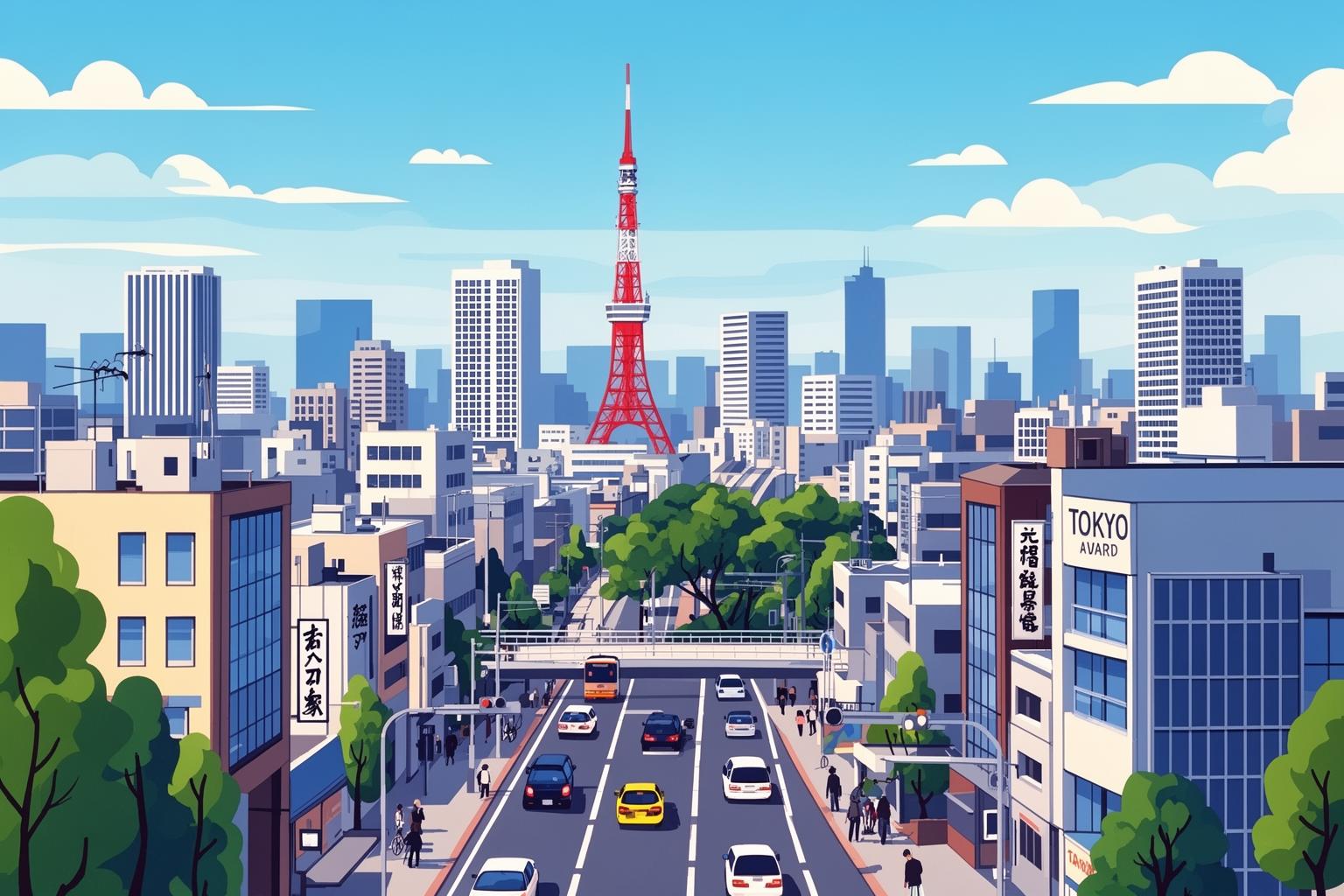
The essence of ‘Shoplifters’ lies in a modest, inconspicuous house nestled deep within the dense residential maze of Adachi Ward. Director Kore-eda selected this location with expert care. Adachi, together with its neighboring Arakawa, embodies the living, breathing core of Tokyo’s ‘shitamachi’ culture. This is not the preserved, historical ‘shitamachi’ often highlighted in travel guides; it is the authentic version, characterized by its working-class origins, close-knit communities, and an absence of pretense. To walk here is to enter a different pace of life. The clamor of the Yamanote line softens, replaced by the gentle murmur of local trains on the Tobu or Joban lines, the ring of a bicycle bell, and distant voices drifting through an open window. The specific house used during filming is a private residence, and to honor the privacy of its owners and the neighborhood, its precise location remains confidential. This itself is an important lesson for visitors: the aim is not to find a single address but to immerse oneself in the surroundings that shaped the Shibata family’s experience. What matters is the feeling, the atmosphere, the spirit of the place.
Picture yourself drifting away from a local train station like Minami-Senju or Kita-Senju. You veer into a narrow side street, and the world shifts instantly. The streets, barely wide enough for a small delivery truck, are lined with two-story houses built so closely that they seem to lean on each other for support. Balconies bristle with laundry, potted plants, and the everyday clutter of life. The air is thick with the scent of simmering soy sauce, the fresh aroma of drying futons, and a subtle, sweet hint of fabric softener. You’ll notice the details Kore-eda portrays with such care: the tangled web of electrical wires overhead casting complex shadows on the pavement; rusted mailboxes and peeling paint on wooden window frames; neatly organized recycling bins waiting to be collected. It’s a landscape layered with time and lives intertwined. The Shibata family’s home, warm and cluttered, fits seamlessly into this environment. It’s a place where privacy is scarce, neighbors’ lives overlap, and community is a daily reality rather than an abstract idea. This is a human-scaled Tokyo. Skyscrapers are absent, but small neighborhood parks echo with children’s laughter, tiny Shinto shrines are nestled between buildings, and vending machines emit a solitary glow on street corners at night. To discover the Shibatas’ Tokyo, one must simply walk, listen, and observe. Let curiosity lead you down twisting alleys. Notice how light filters through the spaces between buildings. Feel the subtle shift in atmosphere from block to block. This contemplative journey is the true pilgrimage, revealing the quiet resilience and hidden beauty Kore-eda found in this corner of the city.
Tracing Their Steps: The Key Locations of a Shared Life
While the family home serves as the emotional anchor, the Shibatas’ story unfolds across several key locations that embody their moments of joy, connection, and quiet ritual. These places act as tangible touchstones of their world, and visiting them allows for a deeper engagement with the film’s narrative and its characters.
The Nostalgic Charm of the Dagashiya
One of the most memorable and heartwarming settings in the film is the old-fashioned candy and toy shop, the ‘dagashiya,’ where Osamu and the children share a moment of simple, carefree pleasure. This isn’t merely a shop; it’s a cultural institution, a gateway to a simpler era. The actual filming location is Jōhoku Gangu, a toy shop in Adachi Ward. Discovering it feels like uncovering a hidden gem. Approaching its storefront, you are instantly transported. The shop radiates a powerful sense of nostalgia, or ‘natsukashii,’ with its brightly colored signs and windows packed with an eclectic array of toys and snacks that seem to have lingered for decades. Once common throughout Japan, dagashiya were beloved after-school havens for children with a few coins to spare. They offered small treasures—affordable sweets, simple toys, and the thrill of a child’s first encounter with commerce. In the film, this shop symbolizes a rare sanctuary of innocence for Shota and Yuri (Juri). It’s a place where, momentarily, they can just be kids, their worries dissolving in the delight of a cheap, sugary treat. The shop’s inclusion is a poignant tribute to a fading aspect of Japanese culture. In contemporary Japan, where convenience stores dominate, the humble dagashiya is rapidly disappearing. Kore-eda’s decision to feature it highlights the family’s link to an older, perhaps more communal, way of life lingering on the edges of the hyper-modern city. When you visit, take your time. Look through the windows. If it’s open, step inside and pick up a few small snacks. The experience connects you directly to the film’s theme of finding joy in the smallest of things. It serves as a powerful reminder that happiness doesn’t always require a hefty price; sometimes, it’s simply a shared piece of candy on a hot summer day.
The Sizzle of Community: The Shotengai and the Korokke
A recurring ritual for the Shibata family is buying ‘korokke’ (croquettes) from a local vendor after a successful day of ‘work.’ This simple act carries layered meaning. Korokke, a humble fried potato patty, is a quintessential Japanese comfort food—affordable, savory, and deeply satisfying. It tastes like home, after-school snacks, and a small reward for a day’s effort. While the exact shop seen in the film might have been a set or temporary stall, its spirit thrives in the countless ‘shotengai’ (local shopping arcades) crisscrossing neighborhoods like Adachi. A shotengai is both the commercial and social heart of its community. These covered or open-air streets are lined with small, family-run shops: butcheries with sizzling fryers offering korokke and menchi-katsu, tofu makers filling the air with the aroma of fresh soybeans, fishmongers displaying the day’s catch on ice, and greengrocers with carefully arranged fruits and vegetables. Walking through a shotengai is an immersion in Tokyo’s most authentic and lively atmosphere. The sounds form a symphony of daily life: shopkeepers cheerfully greeting regulars, oil sizzling, and the clatter of metal shutters opening. This is a place where community members come to shop, chat, and connect. For the Shibatas, buying korokke here is more than grabbing food; it’s a moment of engagement in neighborhood life, a shared pleasure that strengthens their bond. To recreate this experience, visit a shotengai like the one near Minami-Senju station. Find a butcher or ‘sozai-ya’ (deli) showcasing fried goods. Point to a korokke, pay around 100 yen, and enjoy it hot and crispy on the spot. As the warm, savory flavors fill your mouth, you’ll understand the simple yet profound comfort it brought to the family. It’s a taste of their life, a communion with their modest, hard-earned joys.
A Breath of Air: The Solitude of the Riverbank
The Shibatas’ cramped, cluttered home is their sanctuary but also a pressure cooker. The place they turn to for fresh air and quiet reflection is the riverbank. The broad, open space of the Arakawa or Sumida River, flowing through this part of Tokyo, provides a stark and necessary contrast to their claustrophobic living conditions. The scenes filmed here are among the film’s most meditative. We see Osamu and Shota sitting by the water, the vast, pale sky stretched overhead. We see Nobuyo finding a moment of solitude, staring at the steady flow of the river. From my perspective as a hiker, these urban waterfronts are fascinating ecosystems—city lungs where nature and human infrastructure intersect. The landscape features grassy levees, concrete retaining walls, massive bridges carrying streams of traffic and trains, and distant outlines of apartment blocks. It isn’t a pristine wilderness but offers a powerful sense of scale and perspective. Standing on the riverbank, gazing at the water, the city’s relentless energy seems to fade. Noise gives way to the cry of gulls, the whisper of wind through tall grass, and the gentle lap of water. For the Shibatas, the river is a space for difficult conversations, for unspoken thoughts to surface, and for the burden of their secrets to feel lighter. It becomes an emotional refuge. When you visit, find a path down to the Arakawa riverbed. You’ll encounter baseball diamonds, soccer fields, and jogging and cycling paths. Wander by the water’s edge. Sit on the grassy slope. Watch trains rumble across distant bridges. Feel the immense openness of the sky. Here you can truly appreciate the psychological significance of this place for the family—a spot where they could look up and see the horizon, a luxury denied them in their neighborhood’s narrow alleys.
The Fleeting Dream: A Day at Hiraiso Beach
The film’s most transcendent and heartbreaking sequence takes place far from Tokyo, at Hiraiso Beach in Ibaraki Prefecture. This solitary day trip is the only occasion we see the Shibatas behave like a conventional family on vacation. It’s a moment of pure, unfiltered joy, a fleeting dream of a life they cannot truly have. The choice to travel two hours north to this particular beach is masterful. Hiraiso is no tropical paradise; it’s a typical local Japanese beach—a broad sweep of dark volcanic sand, a concrete seawall, and the cold, gray Pacific waters. Its beauty is subtle, rugged, and authentic. The journey itself is part of the pilgrimage. Riding the JR Joban Line from Ueno—the same line that serves the family’s neighborhood—you watch Tokyo’s dense urban landscape gradually give way to rice paddies and flatlands of Chiba and Ibaraki. It’s both a physical and symbolic journey away from their troubles. Upon arriving at Hiraiso, the power of the scene is immediate. The sound of waves, salty spray lingering in the air, and the vastness of the ocean create an overwhelming sensory experience. For one perfect day, the family sheds their identities as grifters and outcasts. They become simply a father, mother, grandmother, and children playing in the surf. This is where the film’s most iconic and poignant shot occurs: the family holding hands as a wave washes over their feet, a perfect tableau of unity. It’s also where Nobuyo silently mouths “Thank you” to her family, and where Aki gazes wistfully at her “parents.” The most heart-wrenching moment comes from Shota, who finally calls Osamu “Dad,” only for the word to be lost in the roar of the ocean. Visiting this beach is an emotional experience. Walk on the same sand. Listen to the ocean’s sound and imagine it swallowing Shota’s words. It’s a place to reflect on the film’s central question: what truly makes a family? Is it blood, or is it the moments of shared love and connection, however brief? The day at the beach was the Shibatas’ most cherished treasure, a memory of a perfect, beautiful lie. Standing there, you can feel the echo of their laughter and the deep, aching sadness of its impermanence.
Kore-eda’s Lens: Seeing the Unseen City
To journey through the world of ‘Shoplifters’ is to view Tokyo through the compassionate and humanistic perspective of its director. Hirokazu Kore-eda has shaped his career by delving into the quiet dramas of Japanese family life, and his selection of locations is always intentional. He consistently directs his camera away from the iconic landmarks and toward the intimate moments, uncovering universes of meaning within the mundane. He maintains that the stories of people like the Shibatas are not anomalies but essential, albeit often unseen, parts of the city’s fabric. He challenges the monolithic portrayal of Japan as a uniformly prosperous, harmonious society by revealing the cracks and the gaps where people are left behind. The Tokyo depicted in ‘Shoplifters’ is a city marked by profound economic disparity, where a family can reside in a forgotten corner of a wealthy metropolis, assembling a life from what others discard. Exploring these locations invites you to become an active participant in his cinematic vision. It trains your eye to seek out the human stories that unfold daily on these streets. It’s about noticing the elderly woman tending to her small garden in a styrofoam box, the shopkeeper carefully sweeping the pavement in front of his store, the children playing games in a narrow strip of public space. Kore-eda’s work is a masterclass in empathy, and following in his footsteps is an exercise in that same empathy. It’s an invitation to look beyond the surface and recognize the complex, fragile, and resilient human bonds—the ‘kizuna’—that hold the city together. This is the true gift of the journey: it transforms how you see not only Tokyo but any city. You begin to look for the stories hidden in plain sight, in places most people simply pass by.
A Practical Guide to Your Shoplifters Pilgrimage
Embarking on this journey calls for a mindset different from that of a typical sightseeing trip. It’s less about ticking off items on a list and more about slow, intentional immersion. Here’s some practical advice to help you navigate this distinctive experience.
Navigating Adachi and Arakawa
The key areas for your pilgrimage are easily reached via Tokyo’s excellent public transit system. Major hubs include stations like Kita-Senju and Minami-Senju. Kita-Senju serves as a major interchange for the JR Joban Line, Tokyo Metro Chiyoda and Hibiya Lines, and the Tobu Skytree Line. Minami-Senju is accessible on the JR Joban, Hibiya, and Tsukuba Express lines. A prepaid IC card such as Suica or Pasmo is indispensable for smooth travel. Once there, the best way to explore is on foot. These neighborhoods are designed for walking. The flat landscape also makes cycling ideal. Many local stations offer bicycle rentals (‘renta-saikuru’), providing a great way to cover more ground and experience the area like a local. Wander through backstreets, follow the bends of a small canal, and allow yourself to get a bit lost. Often, the most interesting discoveries are found this way.
When to Go and What to Expect
The film takes place during a sweltering Tokyo summer, so visiting between June and August will offer an authentic, if physically challenging, encounter with the oppressive humidity the family endures. For a more comfortable visit, spring (March-May) and autumn (October-November) bring pleasant temperatures and clear skies. Winter (December-February), though cold, is often sunny, and the bare trees lend a stark, quiet beauty to the residential streets. When you go, keep in mind that you are a guest in a living community. Be considerate and respectful. Speak quietly, avoid photographing private homes or people without permission, and don’t litter. The aim is to observe without intruding. Support the local economy by visiting small shops and restaurants. A bowl of ramen at a family-run counter or a snack from a local bakery will offer a genuine taste of the community and a great way to engage with the area.
Deepening the Shitamachi Experience
While your attention may be focused on the film’s locations, Adachi and Arakawa also present other ways to engage with the ‘shitamachi’ spirit. Consider visiting a local ‘sento’ (public bath). These communal bathhouses are a vital part of neighborhood life—places for relaxation and social connection. They provide insight into a daily ritual that has been a part of Japanese life for centuries. Another rewarding experience is exploring a different ‘shotengai,’ such as the lively Yanaka Ginza, just a short train ride away, to see how each shopping street possesses its own character and charm. Though not featured in the film, these experiences will deepen your understanding of the world the Shibatas inhabited—a world shaped by small rituals, quiet endurance, and the enduring strength of community.
The Emotional Landscape: A Journey Inward
Ultimately, a pilgrimage to the locations featured in ‘Shoplifters’ is as much an inward journey as a physical one. It’s a quiet, reflective act that removes the spectacle of travel and replaces it with something deeper. Standing on a street corner in Adachi, you won’t encounter a grand monument or a breathtaking view. Instead, you’ll discover a profound connection to the human condition—the universal quest for family, love, and belonging. The power of these places lies in their sheer ordinariness. They serve as a reminder that the most impactful stories often unfold in the humblest of settings. As you walk these streets, the film’s questions accompany you. You recall Nobuyo’s fierce, protective love, Osamu’s imperfect but sincere paternal instinct, and Shota’s emerging moral awareness. The environment transforms into a backdrop for your own contemplation of the film’s themes. This journey offers more than just photographs; it leaves you with a feeling—a sense of having touched something authentic and true about Tokyo and humanity itself. You depart with a heightened awareness of the unseen lives unfolding around you and a renewed appreciation for the quiet dignity found in everyday life. The greatest souvenir you carry home is a new perspective, a reminder to seek beauty in the overlooked corners of the world and to recognize the extraordinary bonds that grow in the most ordinary places.