To truly know Amsterdam, you must meet it on its own terms, and its terms are written in water. The city isn’t built next to canals; it is woven from them, a shimmering tapestry of liquid streets that reflect centuries of history, art, and relentless innovation. Forget the grid of a normal city. Here, life flows. The iconic Grachtengordel, or Canal Belt, is the city’s beating heart, a UNESCO World Heritage site that pulses with the quiet energy of passing boats, the chime of bicycle bells, and the echoes of the Dutch Golden Age. For a first-time visitor, stepping onto a canal boat isn’t just a tour; it’s an initiation. It’s the single most profound way to understand the city’s layout, its soul, and its unique, waterborne perspective. From the low vantage point of a boat, the tall, narrow gabled houses lean in as if to share secrets, bridges frame fleeting masterpieces of urban scenery, and you begin to grasp how a small, marshy settlement transformed itself into a global maritime powerhouse. This is not just about seeing the sights; it’s about feeling the rhythm of a city that lives and breathes with the tide. It’s a journey through a living museum where every reflection on the water tells a story.
To further explore how different cultures are best experienced through their unique transport networks, consider planning an epic train journey across Japan.
The Canals as a Living Museum
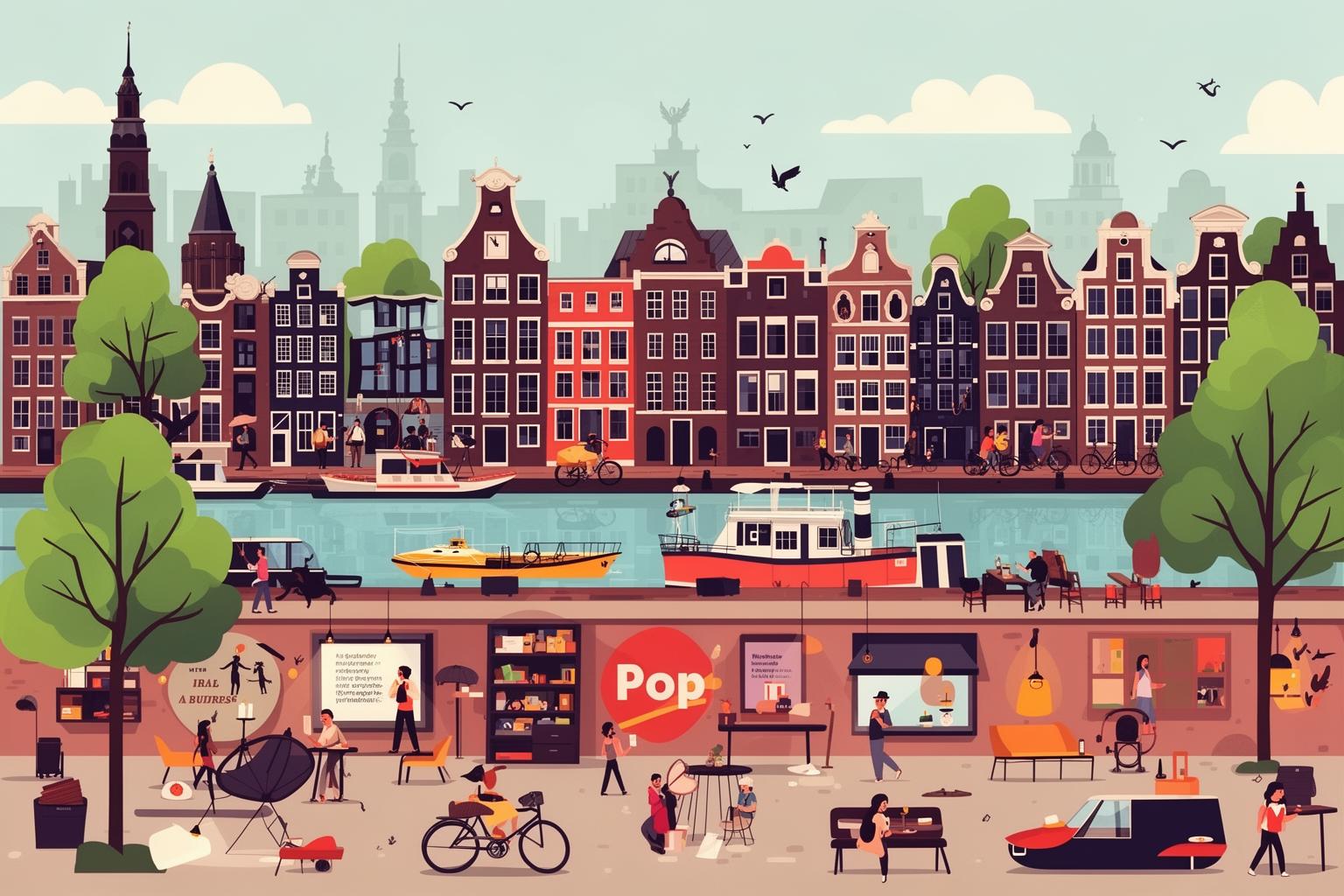
Gliding along Amsterdam’s historic waterways feels like flipping through the pages of a beautifully illustrated history book, where the ink is water and the pages are crafted from brick and stone. The story begins in the 17th century, during the Dutch Golden Age, a time of unprecedented prosperity. Amsterdam was the center of global trade, a lively hub where merchants, artists, and thinkers gathered. The city was overflowing, prompting the creation of an ingenious plan: a series of concentric canals—the Herengracht (Gentlemen’s Canal), Keizersgracht (Emperor’s Canal), and Prinsengracht (Prince’s Canal)—dug not only for transportation and water management but also as a grand display of wealth and prestige. The wealthiest merchants and city officials built lavish homes along these watery boulevards, each a testament to their success. From your vessel on the water, you have the perfect vantage point to admire this architectural gallery. The houses are famously narrow, taxed by their canal-front width, resulting in deep, tall structures that seem to compete for a view of the water. Look up, and you’ll see a stunning variety of gables: the simple step gable, resembling stairs to the sky; the elegant neck gable, adorned with sandstone details; and the ornate bell gable, a flourish of baroque design. Notice the hoisting hooks still protruding from many gables—a practical feature for lifting goods and furniture through windows, as the interior staircases were too narrow and steep. This is not merely architecture but a tale of ingenuity born from necessity. The atmosphere exudes timeless elegance. The gentle hum of the electric boat motor is often the only sound, allowing you to absorb the scene—the soft lapping of water against ancient stone walls, locals enjoying drinks on their stoops, and the sudden vibrant splash of colors from window boxes overflowing with geraniums. This is the world that inspired countless artists. Rembrandt van Rijn himself lived and worked near these canals, and you can almost sense his presence as you drift past the Westerkerk, the church where he was buried. The play of light on the water, the deep shadows beneath the bridges, the glowing facades at golden hour—it’s the same light Dutch Masters so masterfully captured on canvas. You are not merely seeing a city; you are floating through the very inspiration that sparked a cultural revolution. It is a profound connection to the past, a feeling that you are a temporary part of a story unfolding for over four hundred years.
Choosing Your Chariot: A Guide to Canal Cruise Types
Choosing the right canal tour can feel as intricate as the waterways themselves, but the variety is a gift, guaranteeing a suitable boat for every traveler’s pace and taste. Your boat selection will greatly influence your experience, shaping the intimacy of the trip, the stories you hear, and the specific canals you explore. It’s the difference between a sweeping, cinematic overview and a close, personal documentary. Consider what you want from your time on the water: a broad introduction to the city’s main arteries, a quiet journey through its hidden veins, or a lively excursion with a particular theme. Each boat provides a unique perspective from which to view Amsterdam’s aquatic landscape.
The Classic Large-Boat Tour: A Panoramic Introduction
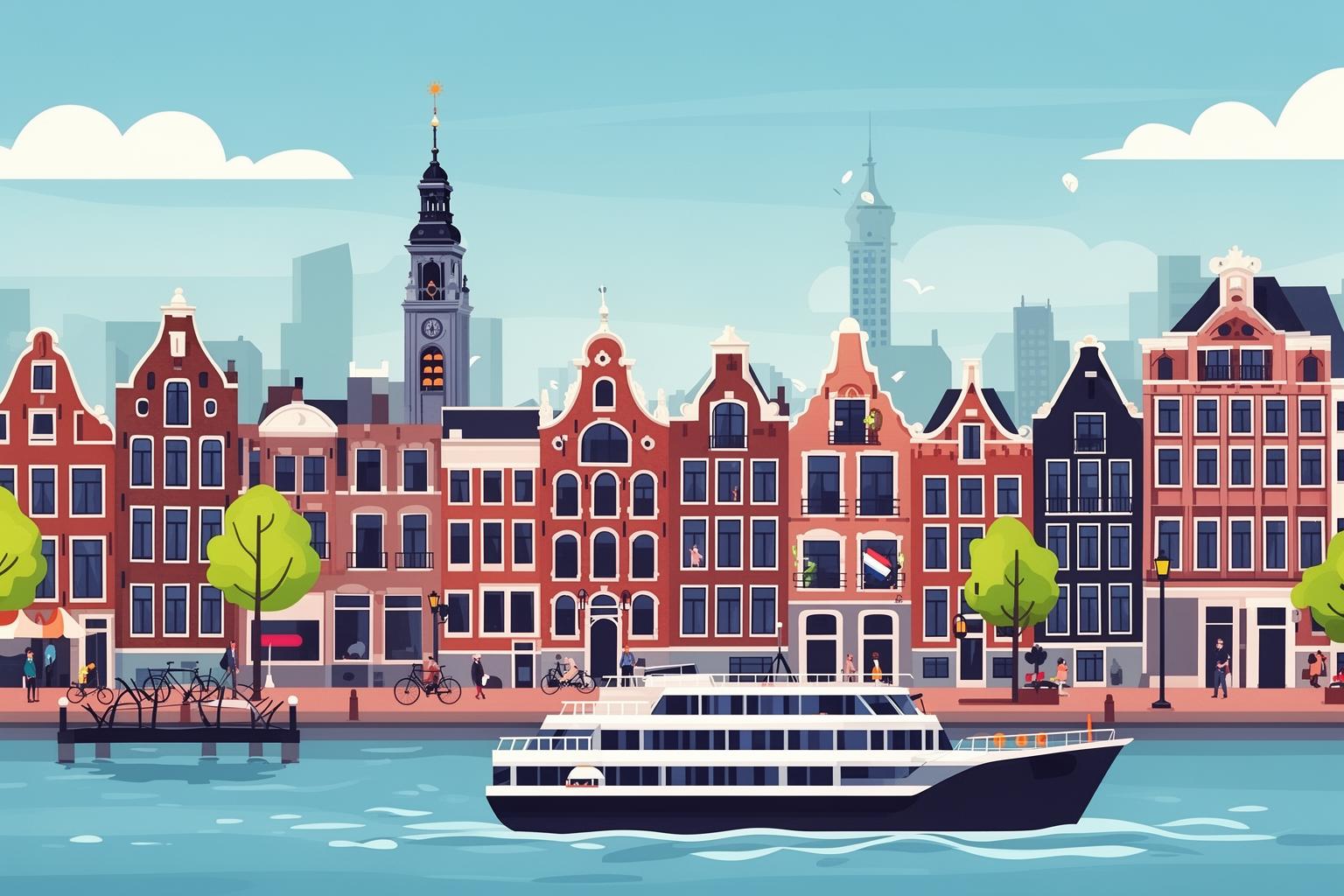
For many first-timers, the adventure starts on one of the large, glass-topped tour boats that are an iconic and familiar sight on the main canals. These vessels are the backbone of Amsterdam’s tourism scene for good reason. They offer a comfortable, dependable, and comprehensive overview of the city’s most famous attractions. Onboard, you’ll find rows of cushioned seats and large overhead windows that provide an unobstructed, panoramic view regardless of the famously unpredictable Dutch weather. This is a major benefit, offering a warm, dry refuge on rainy or windy days, with retractable roofs that open to welcome the sunshine when it appears. The trip is usually a one-hour loop, a carefully chosen highlights reel of Amsterdam’s canal stars. An audio guide, available in many languages, narrates the journey through personal headsets. It highlights landmarks such as the Anne Frank House on the Prinsengracht, where the hidden annex breathes a palpable sense of history as you pass by. It draws your eye to the majestic Westerkerk, its tall steeple a constant skyline feature. You’ll cruise past the grand mansions of the Herengracht’s Golden Bend and beneath the romantically lit Magere Brug, or Skinny Bridge, beautifully illuminated at night. These tours are efficient and informative, ideal for getting oriented in a new city. They stay on the wider canals, offering a grand, sweeping view that helps you build a mental map of Amsterdam’s layout. It’s a fantastic starting point, a visual orientation setting the stage for the more detailed explorations you’ll undertake on foot. It’s the city’s grand overture, leading into the richer stories yet to be discovered.
The Intimate Open Sloop: A More Personal Journey
If the classic tour boat feels like a cozy movie theater, the small, open-air sloop is front-row seating at a live show. These compact boats, often charmingly restored vintage lifeboats or modern electric launches, provide a vastly different and much more personal experience. The most striking feature is your closeness to the water. You’re right there, at eye level with the surface, able to brush your fingers through the cool canal as you drift. The open air awakens all your senses: you feel the breeze on your face, hear the unfiltered city sounds, and smell the blossoms from the canal gardens. These boats usually carry fewer passengers, creating a warm and convivial atmosphere. Rather than a recorded audio guide, you’re accompanied by a live skipper. This is the real difference. Your captain is your guide, storyteller, and local expert. They navigate not just the canals but also the conversation, pointing out quirky details unseen from larger boats—a hidden courtyard, intriguing street art, or their favorite canal-side café. They share personal stories, answer your questions on the spot, and customize the trip to your group’s interests. Thanks to their smaller size, these sloops can access narrow, picturesque canals in the Jordaan district, a charming maze of quiet waterways, lovely bridges, and trendy shops. They slip under the lowest of Amsterdam’s many bridges, offering an exhilarating, close-up view of historic brickwork. This tour feels less like a tourist activity and more like a day out on the water with a knowledgeable friend. It’s an authentic, immersive experience that connects you to the city on a human level, making the history and architecture feel immediate and alive.
The Themed Cruise: Sailing with a Story
Beyond the standard sightseeing options, specialized cruises add an extra layer of meaning and mood to the canal experience. These themed tours turn a simple boat ride into a memorable event, blending enjoyment with the stunning scenery. Whether you’re a foodie, a romantic, a history enthusiast, or just seeking a fun night out, there’s a cruise that turns the canals into a floating stage for your interests. These tours show that Amsterdam’s waterways are more than mere transport routes—they’re versatile venues for diverse experiences.
The Culinary Voyage: Pizza and Burger Cruises
Picture drifting past 17th-century merchant homes as the sun sets, the smell of freshly baked pizza filling the air. This casual, fun food-themed cruise is hugely popular, especially among younger travelers and families. The concept is straightforward and clever: you place your order at boarding, and at the right spot along the route, the boat pulls up to a restaurant where your hot pizza or gourmet burger is handed directly to you. The cruise proceeds as you eat, with drinks often included. It’s a relaxed, social setting emphasizing good food, good company, and the dazzling backdrop of a lit-up city. It’s an ideal way to start an evening in Amsterdam, combining dinner and sightseeing in one delightful package.
The Evening Glow: Candlelight and Wine Tours
As night falls, Amsterdam transforms magically. Thousands of tiny lights brighten the iconic bridge arches, casting shimmering golden reflections on the water. The canal houses bathed in soft light appear even more stately and mysterious. To experience this romantic atmosphere, there’s no better option than an evening candlelight or wine cruise. These tours focus on ambiance. You board a comfortable, often glass-enclosed boat where tables are set with candles, creating an intimate, cozy mood. As you glide through the enchanted cityscape, you’re served wine, Dutch cheese, and snacks. It’s a sophisticated and deeply romantic experience, perfect for couples or anyone wanting to see the city at its most beautiful. The gentle hum of the boat, the clinking of glasses, and breathtaking views combine for a serene, unforgettable journey through a fairytale Amsterdam. It’s a magical moment that lingers long after you step ashore.
The Historical Deep Dive: Tours with Expert Guides
For those intrigued by the stories behind the stunning façades, tours led by expert guides offer a rich, rewarding experience. These cruises appeal to travelers eager for a deeper understanding of Amsterdam’s art, architecture, and history. Instead of a broad overview, you’re accompanied by a specialist—an art historian, architect, or local history buff—who delivers detailed commentary and context. You might join a tour focused on the architectural evolution of the gables, learning to distinguish a 1620s step gable from an 18th-century bell gable. Another might follow Rembrandt’s life, floating past sites where he lived, worked, and found inspiration. These guides bring the city’s past vividly to life, sharing details like the subtle symbols carved into merchant house façades or explaining the economic forces behind the Golden Bend. This is a more focused, educational journey, turning the canals into an open-air lecture hall. It’s a chance to engage intellectually with the city, ask specific questions, and leave with a deeper appreciation for the complex history etched into every brick and stone of the canal belt.
The Rhythms of the Water: When to Cruise
Just as the choice of boat shapes your canal journey, so too do the time of day and season in which you set off. Amsterdam’s waterways are a constantly changing environment, influenced by the light, weather, and time of year. A cruise at midday in July provides a very different experience from one on a crisp December evening. Understanding these rhythms can help you tailor your tour to the atmosphere you desire, whether it’s the vibrant energy of a summer day or the enchanting stillness of a winter night. The city’s liquid stage is always open, but the performance shifts with every act.
Daytime Discovery vs. Nighttime Magic
Choosing between a day cruise and a night cruise is a classic Amsterdam dilemma, as both offer uniquely captivating experiences. A daytime tour focuses on clarity, detail, and observation. In full sunlight, the intricate details of the architecture come alive. You can admire the varied colors of the brickwork, the elaborate carvings above doorways, and the subtle differences in the gables. It’s a journey of discovery, revealing the city in all its bustling glory. You’ll see daily life along the canals: residents tending to balcony gardens, delivery boats making rounds, and cyclists zipping over bridges. It’s an ideal introduction to the city’s layout and landmarks, giving you clear visual points to explore later on foot. Conversely, a nighttime cruise offers pure enchantment. As dusk falls, the city transforms into a luminous spectacle. The iconic bridges are outlined with strings of lights, creating magical tunnels as you glide beneath them. The historic houses are illuminated from below, their grand facades emerging beautifully from the darkness. The water becomes a black mirror, perfectly reflecting the light show and doubling its charm. The atmosphere is quiet, intimate, and undeniably romantic. The daytime hustle fades away, replaced by serene calm. For first-time visitors, the best option, if possible, is to experience both: begin with a daytime cruise for orientation and architectural appreciation, then return at night for a journey defined by breathtaking magic rather than detailed observation.
Navigating the Seasons on Amsterdam’s Canals
The character of the canals changes dramatically with the seasons, each bringing a distinct mood and special sights. In spring, the city bursts into color. Famous Amsterdam tulips are everywhere, spilling from window boxes, lining bridges, and adding vibrant red, yellow, and pink splashes to the historic cityscape. The weather is mild, trees are budding fresh green leaves, and the city feels fresh and optimistic. It’s an ideal time for an open-boat tour to soak in the cheerful atmosphere. Summer brings long, lingering days and a lively energy to the canals. The waterways become the city’s social heart, buzzing with local boats, picnickers, and sunbathers. Canal-side café terraces are packed, radiating a festive vibe. As the peak season, the canals are busiest, so booking in advance is essential, but it rewards you with Amsterdam at its most exuberant. Autumn brings cozy tranquility. Crowds thin, and a golden light bathes the city in afternoon glow. Elm trees along the canals turn brilliant yellow and orange, their leaves drifting on the water’s surface in a beautiful mosaic. It’s a richly atmospheric and romantic time for a cruise, tinged with gentle melancholy. Winter offers a unique, often underrated canal experience. Bare tree branches create stark, elegant silhouettes against the sky, emphasizing the pure architectural lines of the houses. The city embraces “gezelligheid,” a Dutch concept of coziness and conviviality. Many tour boats are heated and enclosed, providing a warm refuge for viewing the frosty scenery. The season’s highlight is the Amsterdam Light Festival, usually running from December to January. During this time, the canals are decorated with spectacular light installations by international artists, transforming an evening cruise into a breathtaking open-air art gallery. If you’re very lucky, you might even see a rare sight: the canals freezing over, turning the city into a scene straight out of a classic Dutch painting.
Practical Navigation for Your Canal Adventure
Starting your canal tour should be a smooth and enjoyable highlight of your Amsterdam visit. With a bit of preparation, you can steer clear of common pitfalls and fully enjoy your time on the water. Knowing where to go, how to book, and what to bring can greatly enhance your experience, turning what might feel like a stressful tourist chore into a relaxed and delightful adventure. These practical tips serve as your guide through the logistics, allowing you to keep your attention on the stunning scenery drifting by.
Where to Embark: Finding Your Starting Point
In central Amsterdam, you are never far from a canal tour departure point. Major tour operators have docks and ticket kiosks strategically placed in prime tourist areas throughout the city, making them easy to locate. The most concentrated cluster is right in front of Centraal Station, along the main Damrak street. This is often the first stop for visitors arriving by train, where many large tour boats await passengers. Another key hub is near the Rijksmuseum and Leidseplein, a lively area filled with museums, theaters, and restaurants—ideal for pairing a cruise with a visit to Museumplein. There are also departure points close to the Anne Frank House, allowing you to book a tour immediately after your visit. Smaller, independent operators, particularly those with open sloops, might launch from less obvious spots, tucked away on quieter canal stretches in Jordaan or near the Amstel River. A quick online search for the specific tour type you want will provide precise departure addresses. The bottom line is convenience; whether you start your day at the train station or end it at a museum, a canal boat is always within easy walking distance.
Booking Your Passage: Tips and Tricks
Although it’s certainly possible to buy a ticket on the spot at a ticket kiosk, booking your canal tour online in advance is highly advisable for several reasons. First, it saves you time. Queues at popular departure points can be long, especially during peak season (late spring through summer) and on sunny weekends. An online ticket lets you skip the line and head straight to boarding. Second, it often saves money. Many operators offer small online booking discounts, which might be only a euro or two per ticket but add up. Most importantly, booking ahead secures your spot. This is especially crucial for smaller, intimate tours on open sloops with limited capacity that can sell out days in advance. It’s also vital if you’re set on a themed cruise, like an evening pizza cruise or a tour during the Amsterdam Light Festival, as these fill up quickly. Booking is simple via operators’ websites or trusted third-party travel platforms. You’ll receive a digital ticket or QR code on your phone, making the entire process paperless and hassle-free.
What to Bring: Gearing Up for the Water
Packing for a canal cruise is straightforward, but a few essentials will improve your comfort. First, bring your camera or smartphone. Photo opportunities abound and appear unexpectedly—a perfectly framed bridge, a quirky houseboat, or a stunning water reflection. You’ll want to be ready to capture these moments. Next, dress in layers. Even on warm, sunny days, the breeze on the water can make it feel cooler. A light jacket, sweater, or scarf you can easily put on or take off will keep you comfortable throughout the trip. Sunglasses are essential, as the sun’s reflection on the water can be intense. If you’re taking an open-boat tour in summer, applying sunscreen beforehand is wise. While some themed cruises include refreshments, it’s smart to carry a water bottle, especially for longer tours on warm days. Lastly, bring a sense of wonder. The most important thing to carry is an open and curious mind, ready to soak in the history, beauty, and unique atmosphere of this extraordinary water-world.
Beyond the Tour: Living the Canal Culture
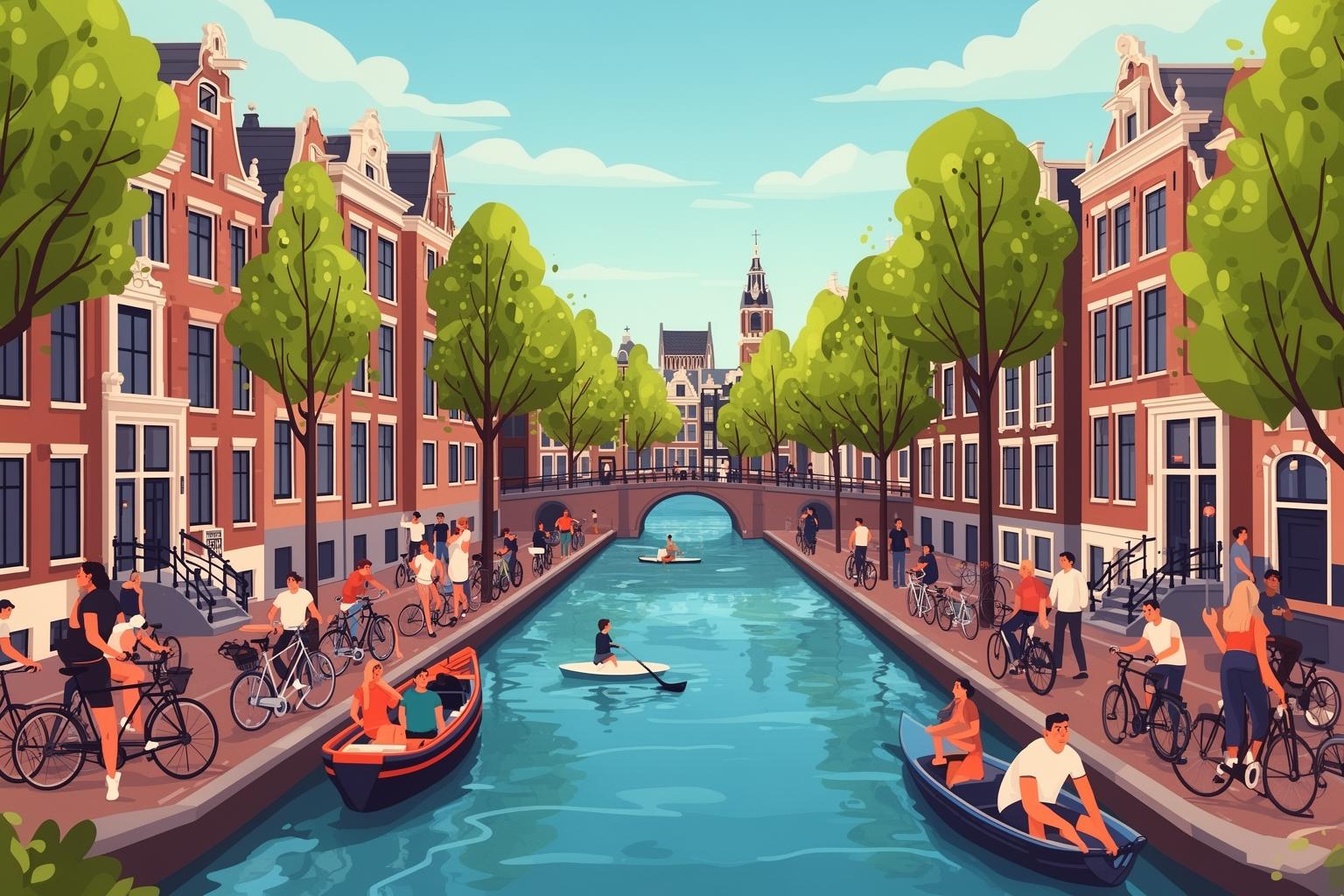
Your canal cruise offers a wonderful introduction, but it’s just the start of your connection with Amsterdam’s waterways. To fully appreciate the city, you need to experience the canals from every perspective—not only from the water, but also from the bridges above and the cobblestone streets beside them. The canals serve as the city’s communal front yard, a space for recreation, transportation, and peaceful reflection. Immersing yourself in this culture, even briefly, will deepen your visit and enhance your appreciation for how water influences every part of life here. After your tour, let the canals inspire your explorations on foot. Pick a canal and follow its course. Walking along the Prinsengracht in the Jordaan neighborhood reveals a quieter, more residential side of Amsterdam, with its charming houseboats, unique shops, and cozy brown cafés. Wander through De Negen Straatjes, or The Nine Streets, a picturesque grid of small streets crossing the main canals, known for its boutique shopping and scenic charm. For a more adventurous outing, consider taking the helm yourself for a few hours. Numerous companies rent out small, easy-to-handle electric boats. After a short lesson and a map, you’re free to navigate the canals at your own pace. It’s wonderfully liberating to steer the historic waterways on your own, selecting your own route, stopping where you like, and experiencing the city as locals do. This activity is ideal for a sunny afternoon with friends and a picnic basket. Remember to look down as well as up. To truly grasp what life on the water entails, visit the Houseboat Museum. Situated on a former freight vessel moored on the Prinsengracht, the museum offers a surprisingly spacious and intriguing insight into the realities and delights of canal living. Finally, embrace the Dutch “terras” tradition. Find a canal-side café, order coffee or a local beer, and simply sit. Watch the tour boats drift by, observe cyclists streaming over the bridges, and listen to the gentle sounds of the water. This may be the most genuine canal experience of all: not merely a sight to admire, but a living environment to be part of. In these quiet moments of observation, you’ll sense the true rhythm of Amsterdam.
A Final Ripple
A journey through Amsterdam’s canals is more than just a boat ride; it is a dialogue with the city itself. The water murmurs stories of Golden Age ambition, artistic brilliance, resilience, and reinvention. From the low perspective of a boat, the world shifts. The grand, leaning houses transform into storytellers, the bridges become frames for living portraits, and the water’s rhythm pulses as the city’s steady, timeless heartbeat. Whether you opt for the sweeping views of a classic tour or the intimate tale told by a small sloop, you engage with the very core of what makes Amsterdam unique. This experience lingers, a fluid memory that continues to ripple through your perception of this remarkable place. You arrive as a visitor, but after traveling its canals, you depart carrying a piece of Amsterdam’s soul, along with the gentle flow of its history, long after you have returned to dry land.