There’s a rhythm to Amsterdam, a gentle cadence that flows through its concentric canals and echoes off the tall, gabled facades that lean into each other like old friends sharing a secret. It’s a city painted with the bold, dramatic strokes of the Dutch Masters and written in the quiet, resilient prose of a young girl’s diary. To visit Amsterdam is to step into a living museum, a place where every bridge crossed and every corner turned reveals another layer of history, art, and vibrant, modern life. It’s a city that invites you not just to see it, but to feel it—to pedal alongside its residents, to drift along its watery highways, and to find a moment of profound connection in the hallowed halls of its museums. This isn’t just a destination; it’s an experience, a pilgrimage for the soul that seeks beauty, history, and the uniquely Dutch feeling of gezelligheid—a coziness that warms you from the inside out. For a weekend, let’s immerse ourselves in the masterpiece that is Amsterdam, exploring the sacred sites of its artistic and historical legacy, one canal, one painting, one story at a time.
To truly understand the city’s liquid heart, consider taking one of the best canal tours in Amsterdam.
The Soul of the City: Waterways and Wanderings
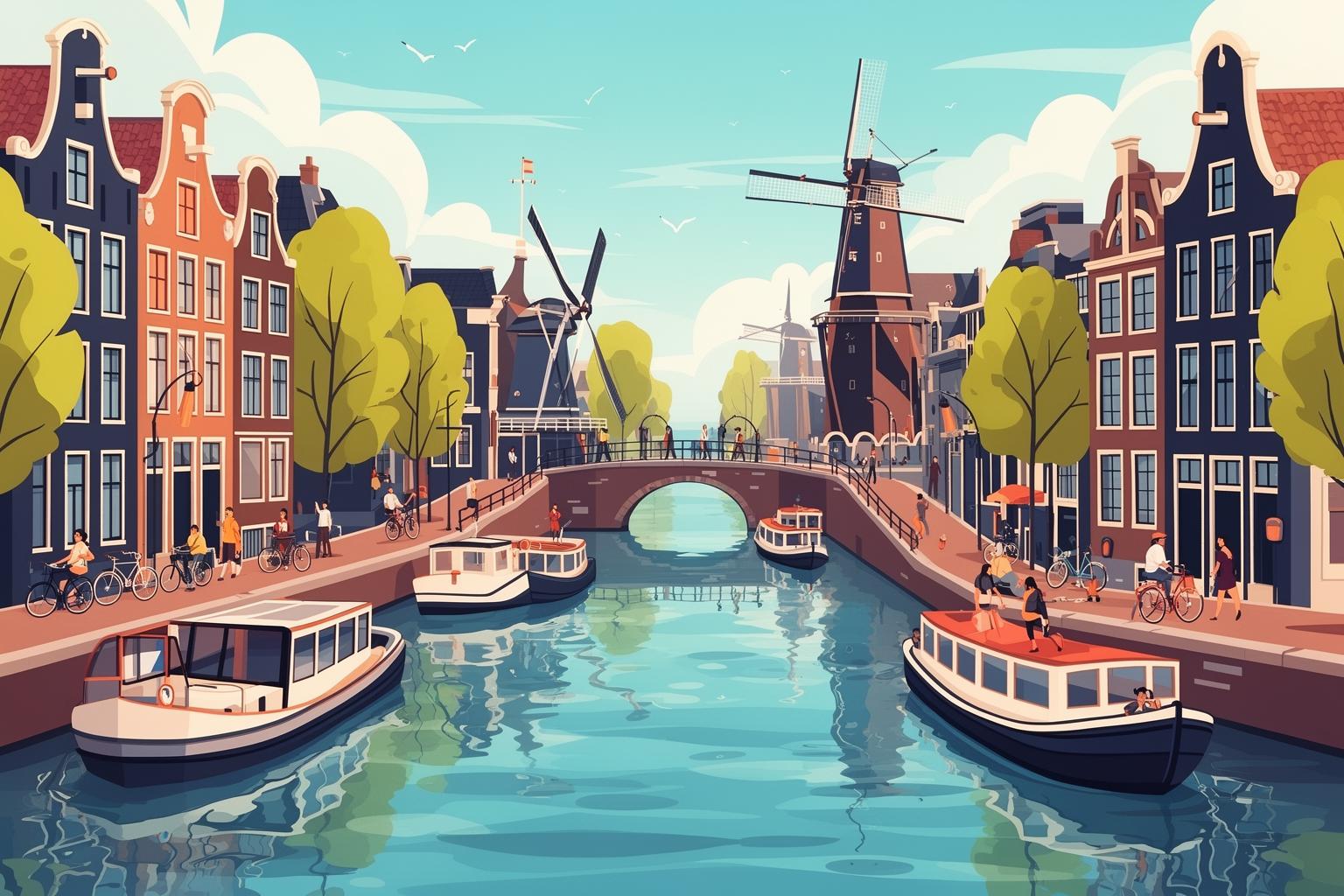
Before you set foot in a museum or historic house, you must first become familiar with Amsterdam’s lifeblood: its canals. The entire city is a masterpiece of 17th-century urban design, a network of over one hundred kilometers of waterways that shape both its geography and its spirit. This canal system, known as the Grachtengordel, is rightly recognized as a UNESCO World Heritage site. It serves as the grand stage where the city’s daily life unfolds. To truly grasp Amsterdam, you need to experience it from the water.
A canal cruise here isn’t just a tourist attraction; it’s an essential introduction. Gliding under stone bridges, some so low you have to duck, you gain a viewpoint impossible to get from the cobbled streets. You see the city as the Golden Age merchants saw it: a thriving port where goods and ideas moved as freely as the Amstel River. The boat captain’s commentary often shares intriguing details—the history behind the hooks on the gables used for lifting furniture, why some houses are incredibly narrow, a tax based on frontage, and the quiet dignity of the elegant homes lining the Herengracht, or Gentlemen’s Canal.
The mood shifts dramatically with the light. A daytime cruise offers a lesson in architecture and history, with sunlight highlighting the intricate facade details. But a nighttime cruise is pure enchantment. As dusk falls, thousands of tiny lights illuminate the bridges, their reflections shimmering on the dark water, creating a fairytale scene that feels both romantic and deeply serene. You drift past the glowing windows of houseboats, glimpsing lives lived on the water—a world of potted plants, cozy interiors, and the occasional cat basking on a deck.
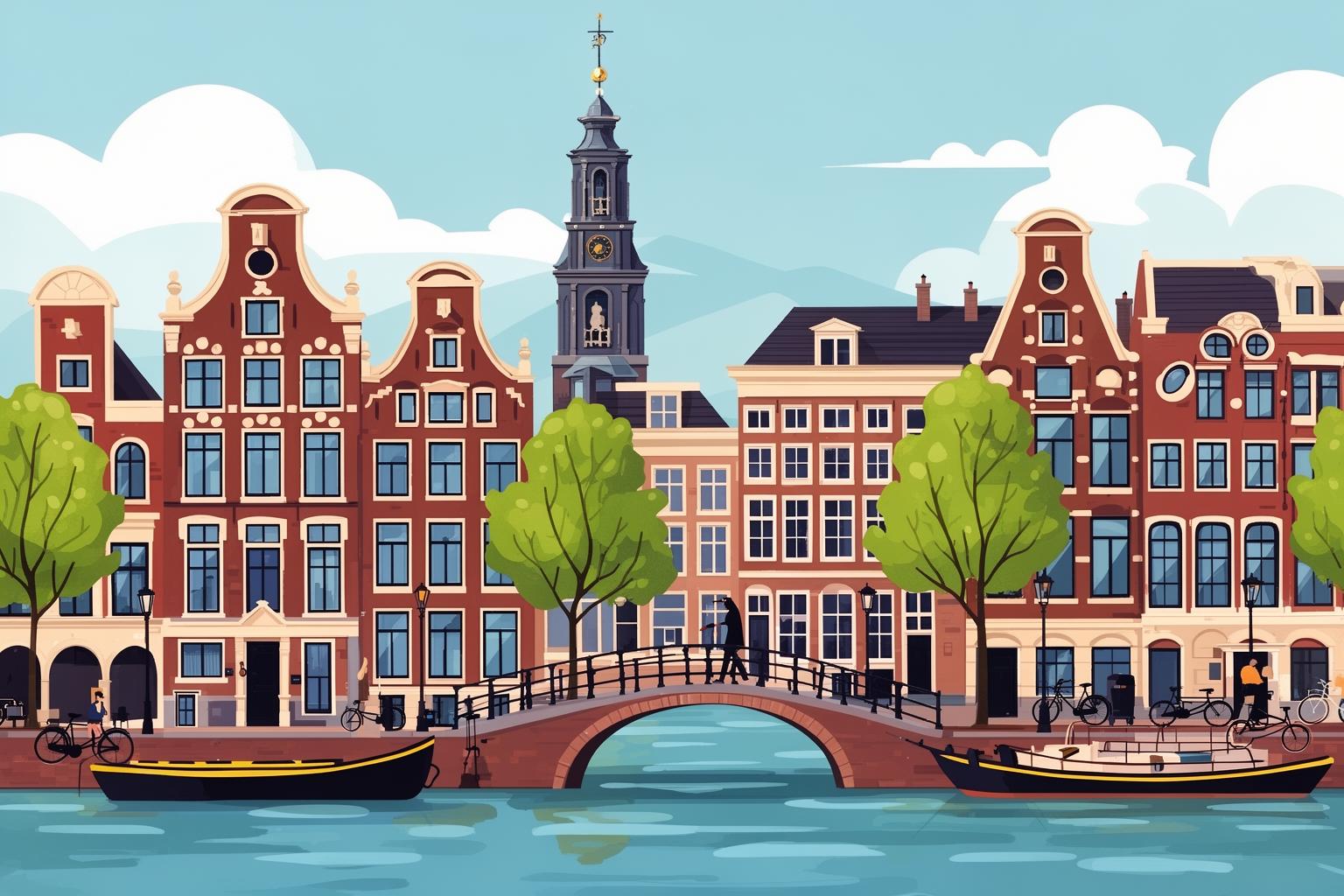
Beyond the guided tours, the true pleasure lies in aimless exploration. The Jordaan district, with its narrow lanes, hidden courtyards, and quirky shops, is perfect for getting lost. It feels less like a city center and more like a patchwork of villages sewn together. Each bridge frames a new, picturesque view. The sound of bicycle tires on brick, the distant peal of the Westerkerk church bells—the same bells Anne Frank heard from her hiding place—and the gentle lap of water against stone create a distinctive urban symphony. This is where you sense Amsterdam’s pulse, a steady, unhurried beat that invites you to slow down, look up at the leaning houses, and simply breathe in the crisp, cool air.
A Pilgrimage for the Arts: Museumplein’s Sacred Halls
At the center of Amsterdam’s cultural scene lies a vast, open space called Museumplein, or Museum Square. Here stand three of the world’s most renowned art institutions, each offering a unique exploration of the human experience. Visiting them is more than simply viewing famous paintings; it is about following the trajectory of history, genius, and revolution through the eyes of artists who transformed the world. It is a pilgrimage for anyone touched by a brushstroke or inspired by a visionary idea.
The Dutch Masters at the Rijksmuseum
Entering the Rijksmuseum feels like an act of reverence. The building itself, a grand neo-Gothic palace designed by Pierre Cuypers, sets the tone for the treasures inside. It resembles a cathedral dedicated to Dutch art and history. The journey through its galleries is a passage through the soul of the Netherlands—from the maritime dominance of the Golden Age to the intimate domestic scenes that changed the way the world is seen.
For most visitors, the highlight is the Gallery of Honour, a long corridor with dramatic lighting culminating in one monumental masterpiece: Rembrandt’s The Night Watch. Standing before it is awe-inspiring. Its scale is overwhelming, but it’s the life captured on the canvas that enthralls. This is no static portrait; it depicts a moment of movement—chaos and order, light and shadow—frozen in time. One can spend hours absorbing its details—the gleam on a helmet, the captain’s resolute expression, the ethereal glow surrounding a young girl. It feels less like a painting and more like a window into another era.
Yet the Rijksmuseum offers far more than a single work. Rushing through the other rooms overlooks the subtle power of Johannes Vermeer. In a small, quiet space, you find masterpieces such as The Milkmaid and The Love Letter. Vermeer’s mastery of light is unparalleled, transforming ordinary moments into scenes of profound beauty and stillness. You instinctively lean in, attempting to unravel the stories within these serene interiors, sensing the warmth of sunlight streaming through a window and hearing the gentle splash of milk into a clay bowl.
Beyond paintings, the museum presents a rich tapestry of Dutch culture, including extensive collections of brilliant blue-and-white Delftware, intricate models of 17th-century ships symbolizing a nation built on maritime trade, and a stunning research library that resembles a fantasy setting. Allocate at least half a day to explore fully. Be sure to book your tickets online well in advance to choose a time slot and avoid the longest queues. Arrive early to enjoy the Gallery of Honour before crowds gather. It is a space worthy of contemplation and breathing room.
Into the Mind of a Tortured Genius: The Van Gogh Museum
A short stroll across Museumplein’s green expanse brings you to another temple of art, but one with a very different atmosphere. The Van Gogh Museum offers an intimate and emotional journey into the heart and mind of one of history’s most beloved and tragic artists. Housed in a sleek, modern structure, the museum presents Vincent van Gogh’s life and work in chronological order, allowing visitors to follow his struggles and triumphs step by step.
The experience begins with his early, somber Dutch works. The dark, earthy hues of The Potato Eaters deliver a raw, empathetic portrayal of peasant life. His desire to capture the truth and hardship of his subjects is palpable. Moving through the galleries, you witness the vibrant transformation sparked by his time in Paris, where the Impressionists’ bright palettes and energetic brushwork influenced him deeply.
The collection’s core focuses on his period in Arles, in southern France, where his genius flourished. Facing canvases like Sunflowers, The Bedroom, and The Yellow House is immersive. The thick, swirling impasto makes the paintings feel almost three-dimensional, as if the energy of the artist still pulses from the surface. You can almost feel the heat of the Provençal sun and hear the rustling wind in the wheat fields he captured with passionate intensity.
The final galleries touch on his asylum stay at Saint-Rémy and his last days in Auvers-sur-Oise. Pieces like Almond Blossom reflect moments of hope and delicate beauty, while the swirling, turbulent skies of Wheatfield with Crows reveal his troubled inner world. The museum openly confronts his mental illness, incorporating his letters to his brother Theo throughout the exhibits to weave a powerful narrative of artistry, loneliness, and steadfast dedication. Booking tickets well in advance is crucial, often weeks or months ahead, as walk-up tickets are nearly impossible to get. This pilgrimage requires planning, but the emotional payoff is immense.
Modern Voices at the Stedelijk
Rounding out the trio at Museumplein is the Stedelijk Museum, Amsterdam’s hub for modern and contemporary art and design. Its striking extension, popularly known as “the bathtub,” signals a departure from the historical gravitas of its neighbors. Inside, a vibrant and often provocative collection traces major art movements from the late 19th century to today. From the geometric purity of Piet Mondrian and De Stijl to the bold colors of Karel Appel and the CoBrA movement, the Stedelijk highlights Dutch contributions to modernism. It also includes an impressive international array, featuring works by Warhol, Chagall, and Matisse. A visit here offers a refreshing counterpoint—a forward-looking dialogue that complements the historical narratives at the Rijksmuseum and the Van Gogh Museum, reminding us that Amsterdam’s creative spirit is not only rooted in its past but continuously evolving.
Echoes of History: The Weight and Resilience of the Jordaan
While Museumplein celebrates artistic brilliance, the tranquil canals of the Jordaan district offer a different kind of sacred space—one devoted to memory, resilience, and the enduring strength of the human spirit. Here lies one of the world’s most profound and solemn sites, transcending tourism to become a vital act of bearing witness.
Bearing Witness at the Anne Frank House
Few places on earth carry the emotional gravity of the Anne Frank House on the Prinsengracht canal. This is not a replica but the very building where Anne Frank, her family, and four others hid from Nazi persecution for more than two years. Visiting means stepping from the present into the past, climbing the same stairs and inhabiting the space where a young girl’s voice refused to be silenced.
The experience is thoughtfully and respectfully arranged. After entering through the modern museum next door, you eventually reach the original house. The moment you pass behind the famous swinging bookcase hiding the entrance to the Secret Annex, the atmosphere shifts. The rooms remain unfurnished, exactly as Otto Frank, Anne’s father and the only survivor, wished. This emptiness is powerful; it invites you to imagine the space as it once was, filled with the quiet tension of eight people living in constant fear. You notice the faint pencil marks on the wall where the parents tracked their children’s growth and the pictures of movie stars Anne pasted on her wall to bring a bit of normalcy to her confined world.
Looking out from the attic window— the same one through which Anne saw the sky and the chestnut tree’s leaves—is a deeply moving moment. It was her only link to the outside world, a symbol of the freedom she longed for. The peak of the visit is seeing the original red-checked diary itself, preserved in a glass case. Viewing her actual handwriting, the pages filled with her thoughts, fears, and dreams, creates an intimate connection. It transforms her from a historical name into a vivid, real girl whose life was heartbreakingly cut short.
A practical note: booking tickets online well in advance is essential. Tickets are released on a specific schedule, often two months ahead, and sell out within minutes. Spontaneous visits are not possible. This pilgrimage requires careful planning but is crucial to understanding the history that shaped not only Amsterdam but the wider world. It offers a quiet, contemplative experience that lingers long after your visit.
The Jordaan Beyond the Annex
After the emotional depth of the Anne Frank House, the surrounding Jordaan district provides a space for quiet reflection and gentle exploration. Once a densely populated working-class neighborhood, it has become one of Amsterdam’s most charming and sought-after areas. Its maze-like streets are a delight to wander. You’ll discover independent art galleries tucked away on serene corners, tiny shops selling everything from vintage clothes to handmade jewelry, and inviting courtyards, or hofjes, offering peaceful retreats from city life. These hofjes, originally charitable housing for the elderly, are hidden treasures. If you find an unlocked door, you can respectfully glimpse inside to see a serene garden surrounded by quaint almshouses.
The Jordaan is also the heart of Amsterdam’s “brown café” culture. These traditional Dutch pubs, named for their dark, smoke-stained wooden interiors, perfectly embody gezelligheid. Cozy, unpretentious, and welcoming, they invite you to find a small table, order a local beer or traditional jenever (Dutch gin), and simply watch the world go by. It is in these quiet moments—wandering along a peaceful canal, uncovering a hidden courtyard, or settling into the warmth of a brown café—that the weight of the area’s history can be felt, and the vibrant, resilient life thriving there today fully appreciated.
The Flavor of Amsterdam: A Culinary Canal Cruise
Amsterdam’s cultural richness goes far beyond its museums and historical landmarks; it boasts a vibrant and evolving culinary scene that offers comfort, surprise, and delight. From lively street markets to historic pubs and cutting-edge restaurants, the city’s flavors offer another way to connect with its essence. As a foodie, I believe that exploring a city through its cuisine is like reading its diary, and Amsterdam has many delicious stories to share.
More Than Just Cheese: Markets and Street Food
To truly experience local life, visit the Albert Cuyp Market in the De Pijp district. It is the largest and most famous daily market in the Netherlands—a vibrant, chaotic, and utterly delightful assault on the senses. The air brims with the aromas of sizzling waffles, spiced nuts, and fresh fish. Here, you can sample some of the Netherlands’ most iconic street foods.
First and foremost, you must try a freshly made stroopwafel. Forget the packaged ones from the airport. At the market, a baker will take two impossibly thin waffle wafers, spread warm, gooey caramel syrup between them, and hand you a treat that is warm, crispy, chewy, and sweet all at once. It’s a simple pleasure, like a warm hug.
Next, dare to try raw herring from a haringhandel—a herring stand. This Dutch delicacy is especially popular from May to July when the “new herring” arrives. The traditional way to eat it is to hold the fish by the tail, tilt your head back, and lower it into your mouth, accompanied by chopped onions and pickles. If that feels too daring, you can opt for a small sandwich called a broodje haring. The flavor is surprisingly mild, salty, and savory—a true taste of the North Sea.
Finally, no visit to Amsterdam is complete without savoring a cone of patat or frites. These thick-cut fries are a national obsession, and the secret lies in the sauces. Move beyond ketchup and try the classic patatje oorlog (“war fries”), a striking combination of peanut satay sauce, mayonnaise, and chopped raw onions. It may sound unusual, but the blend of creamy, savory, and tangy flavors is incredibly addictive.
Cozy Corners and Brown Cafés
As mentioned, the brown cafés are Amsterdam’s living rooms. They provide the perfect spot to rest your feet after a long day and soak in the local vibe. The beer selection is often excellent, featuring local breweries like Brouwerij ‘t IJ, whose brewery sits conveniently next to a windmill. For a uniquely Dutch experience, try a jenever, a juniper-flavored spirit that predates modern gin and is traditionally served in a small, tulip-shaped glass filled to the brim. The custom is to take the first sip while bending over the bar, without lifting the glass. You can choose between jonge (young) jenever, which is cleaner and more neutral, or oude (old) jenever, which is more aromatic and malty. It’s a wonderfully warming drink, perfect for a cool, misty evening.
These cafés also serve simple yet tasty snacks. Look for bitterballen, small deep-fried balls filled with savory meat ragout and served with tangy mustard. They are the ultimate Dutch pub snack and pair perfectly with a cold beer.
A Modern Culinary Scene
While traditional dishes remain wonderful, Amsterdam’s culinary scene has blossomed with creativity and global influences. Much of its food culture stems from its colonial past, especially the Indonesian influence. Experiencing a rijsttafel (“rice table”) is essential. It’s a spectacular feast comprising dozens of small, flavorful dishes—from spicy curries and savory satays to sweet and sour vegetables—all served with rice. It’s a social, celebratory meal designed to be shared.
The city is also home to an increasing number of innovative chefs and restaurants focused on farm-to-table principles and modern Dutch cuisine. From trendy food halls like Foodhallen, housed in a former tram depot, to Michelin-starred establishments, there’s a dining option to satisfy every palate and budget. Amsterdam’s food scene perfectly mirrors the city itself: grounded in tradition yet open to the world, offering both comforting familiarity and exciting new discoveries.
Practical Brushstrokes for a Perfect Weekend
A successful weekend in Amsterdam depends as much on preparation as it does on spontaneous exploration. The city is remarkably accessible and welcoming to visitors, but a few practical tips can help you navigate it smoothly, allowing you to spend more time taking in its beauty and less time managing logistics.
Navigating the City of Canals
Amsterdam is a compact city, and its most picturesque areas are best discovered on foot. Walking gives you the chance to notice the fine architectural details, browse charming shops, and cross numerous scenic bridges at your own pace. However, to see more of the city, the public transport system is highly efficient. A GVB multi-day pass offers unlimited travel on trams, buses, and the metro, which is especially handy for reaching Museumplein or the more distant neighborhoods. Trams provide the most scenic rides, clattering along historic streets and giving you a moving tour of the city.
Of course, the most iconic way to get around is by bicycle. Amsterdam is the cycling capital of the world, and renting a bike lets you experience the city like a local. However, a caution for newcomers: cycling here is serious business, not a leisurely pastime. Locals are fast and assertive, and there is a complex set of rules to follow. Always stick to the dedicated bike lanes (marked by reddish-brown paths), use hand signals, and crucially, yield to trams. Make sure to get a sturdy lock and know how to use it well, as bike theft is common. If you’re not confident on a bike, it’s often best to rely on walking and public transport to avoid stress.
Where to Lay Your Head
Amsterdam is divided into distinct neighborhoods, each with its own vibe. For first-time visitors, staying in or close to the Canal Belt (Grachtengordel) places you within walking distance of most major attractions. The Jordaan offers a quieter, more village-like feel, with many boutique hotels and cozy bed-and-breakfasts. De Pijp, just south of the center, is a lively, multicultural area known for its excellent food scene and proximity to the Albert Cuyp Market. The area around Centraal Station is convenient for transport but tends to be crowded and tourist-heavy. Wherever you decide to stay, book your accommodation well in advance, especially during peak season or weekends, as the best spots fill up quickly.
A Note on Timing and Tickets
This advice cannot be stressed enough: book your tickets for major attractions online as early as possible. This is absolutely essential for the Anne Frank House and the Van Gogh Museum, and highly recommended for the Rijksmuseum to skip long waits. Many museums now operate timed-entry systems, so planning your schedule ahead is crucial.
Regarding the best time to visit, each season has its unique appeal. Spring, from late March to May, is stunning with tulips blooming across the country and the famous Keukenhof gardens in full display, though it can be busy. Summer offers long, sunny days ideal for parks and canal-side cafes but also is peak tourist season. Autumn is a lovely time with fewer crowds, crisp air, and warm, golden light reflecting on the canals. Winter is quiet and cozy; while cold and damp, the chance to see snow-dusted or even frozen canals is truly magical.
Ultimately, a weekend in Amsterdam is a whirlwind romance with a city that unveils its charms layer by layer. It’s a place that engages all your senses—from the visual delight of its art and architecture to the profound sense of history felt in its quiet corners. Amsterdam is both grand and intimate, where you can marvel at a masterpiece one moment and savor the simple joy of a warm stroopwafel the next. You’ll leave with tired feet from walking and your mind filled with images of light dancing on water, but also with a sense of peace and inspiration. Amsterdam doesn’t just show you its history; it invites you to become part of its ongoing, beautiful story.