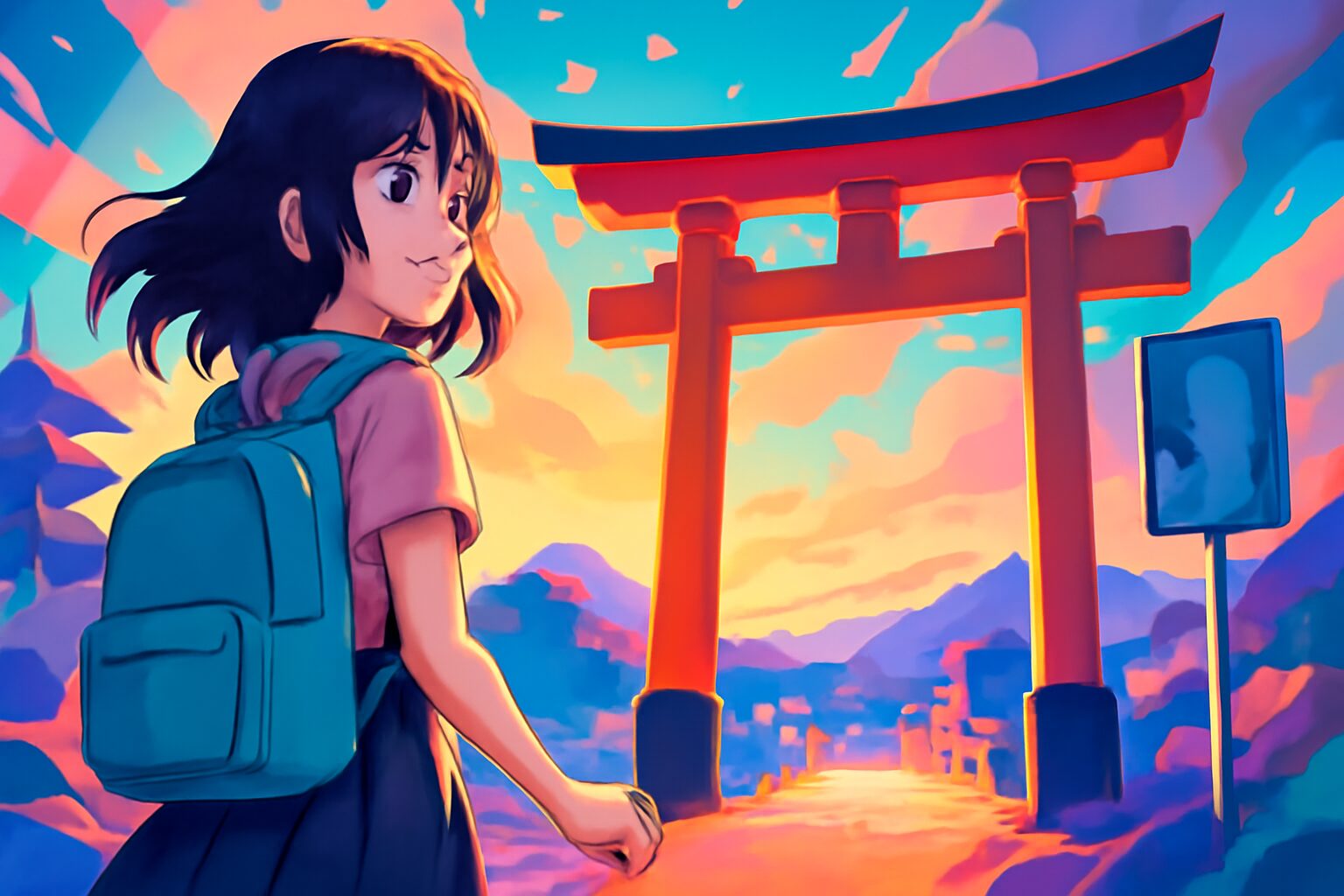
The phenomenon of “seichi junrei,” or anime pilgrimage, has completed its transformation from a niche fan activity into a cornerstone of Japan’s official tourism strategy. What once involved dedicated fans independently seeking out real-world locations from their favorite anime has now become a structured, government-supported industry, leveraging global pop culture to revitalize local economies and guide international travelers to lesser-known parts of the country.
The Rise of “Seichi Junrei”: A Journey into Fiction
The concept of seichi junrei—literally “pilgrimage to a sacred place”—involves visiting the real-life settings that serve as the backdrop for anime, manga, and games. This trend gained significant momentum in the mid-2000s with series like The Melancholy of Haruhi Suzumiya and Lucky Star, which sent fans flocking to specific high schools, train stations, and shrines depicted in the shows.
Initially, these journeys were entirely grassroots, organized and shared within fan communities. However, local businesses and governments quickly noticed the unexpected influx of visitors and the economic benefits they brought. This realization marked the beginning of a strategic shift from passive observation to active participation.
From Fandom to Formal Infrastructure
Today, local and prefectural governments are actively collaborating with anime production companies to integrate popular franchises into their tourism master plans. This formal embrace is most notably championed by the Anime Tourism Association, a joint effort between Kadokawa Corporation and various tourism bodies. Since 2016, the association has published an annual list of “88 Anime Pilgrimage Sites,” providing an official guide for both domestic and international fans.
This structured approach creates a symbiotic relationship: anime studios gain a promotional boost, while regional areas attract a dedicated and often high-spending demographic of tourists.
Case Studies: Regions Transformed by Anime
Two prominent examples highlight the success of this strategy:
Sendai City and *Haikyu!!*
The city of Sendai, the main setting for the hugely popular volleyball anime Haikyu!!, has fully embraced its connection to the series. The city has officially appointed characters from the show as “Tourism Ambassadors.” Beyond promotional materials, Sendai has installed character-themed manhole covers and monuments at key locations, creating tangible photo spots that guide pilgrims through the city and encourage exploration.
Kumamoto Prefecture and *One Piece*
In a powerful example of tourism aiding recovery, Kumamoto Prefecture launched the “One Piece Kumamoto Reconstruction Project” following the devastating 2016 earthquakes. The project involves erecting bronze statues of the main characters from One Piece across the disaster-affected areas. The initiative was born from the series’ creator, Eiichiro Oda, being a Kumamoto native. The results have been staggering: a 2021 estimate by the prefectural government revealed the statues had generated an economic impact of approximately 10.2 billion JPY (about $65 million USD) in their first two years, drawing fans from across Japan and the world to support the region’s revival.
The Economic Power of Global Fandom
The success of anime tourism is fueled by the massive global reach of the industry. According to The Association of Japanese Animations (AJA), the Japanese animation market reached a record high of 2.93 trillion JPY (about $18.7 billion USD) in 2022, with overseas demand being a primary driver of growth.
This global fan base represents a powerful inbound tourism market. These travelers are often highly motivated, willing to venture far beyond the typical “Golden Route” of Tokyo-Kyoto-Osaka to connect with their favorite stories. They tend to stay longer and spend more on merchandise and local experiences, providing a vital economic lifeline to regional communities.
The Future of Anime-Driven Travel
The integration of anime into Japan’s tourism infrastructure is set to deepen, with several key trends on the horizon.
Future Projections
- Deeper Integration: Expect to see more anime series developed from the outset with a specific region in mind, creating a built-in pilgrimage route upon release.
- Technological Enhancements: The use of Augmented Reality (AR) and Virtual Reality (VR) will likely grow, allowing travelers to overlay anime scenes and characters onto real-world locations through their smartphones, creating a more immersive experience.
- Diversification of Destinations: As more anime are produced, the list of “sacred sites” will continue to expand, further decentralizing tourism and introducing international visitors to the unique charms of Japan’s diverse prefectures.
Lasting Impact
This trend is having a profound impact on Japan’s tourism landscape. It is a powerful tool for regional revitalization, preserving local culture by giving it a global platform. For travelers, it offers a new way to engage with Japan, transforming a simple vacation into a personal journey that blurs the line between fiction and reality. Anime pilgrimage is no longer just about seeing a place; it’s about stepping into a story.