There are stories that you read, and then there are stories that you feel. They resonate in your bones, a deep, thrumming chord that vibrates with the universal language of passion, ambition, and the relentless pursuit of a dream against all odds. Shinichi Ishizuka’s “Blue Giant” is one such story. It’s more than a manga or an anime; it’s a full-throated, brassy, and beautifully chaotic symphony dedicated to the raw power of jazz. The protagonist, Dai Miyamoto, doesn’t just play the saxophone; he breathes fire through it, his sound a testament to endless hours of solitary practice, unwavering self-belief, and a desire to become the world’s greatest jazz player. But this story, as explosive and personal as it is, is not set in a vacuum. Its soul is intrinsically tied to the very streets, riverbanks, and smoky basement clubs of Japan where Dai’s journey unfolds. For fans across the globe, to walk these same paths is to do more than just sightsee; it is to embark on a pilgrimage, a seichi junrei, to connect with the palpable energy that forged a legend. It’s about standing where Dai stood, breathing the same air, and perhaps, if you listen closely enough, hearing the faint, ghostly echo of a tenor sax wailing against the city’s hum. This journey will take us from the verdant, windswept city of Sendai, the cradle of his dream, to the sprawling, electrifying concrete jungle of Tokyo, the stage where his talent was truly tested. Prepare to trace the footsteps of a giant, not just through a narrative, but through the living, breathing landscapes that shaped his sound and his spirit.
For those inspired to embark on their own artistic journey, you can explore the concept of a pilgrim’s guide to Titian’s Italy.
The Sendai Overture: Where the Dream Was Born
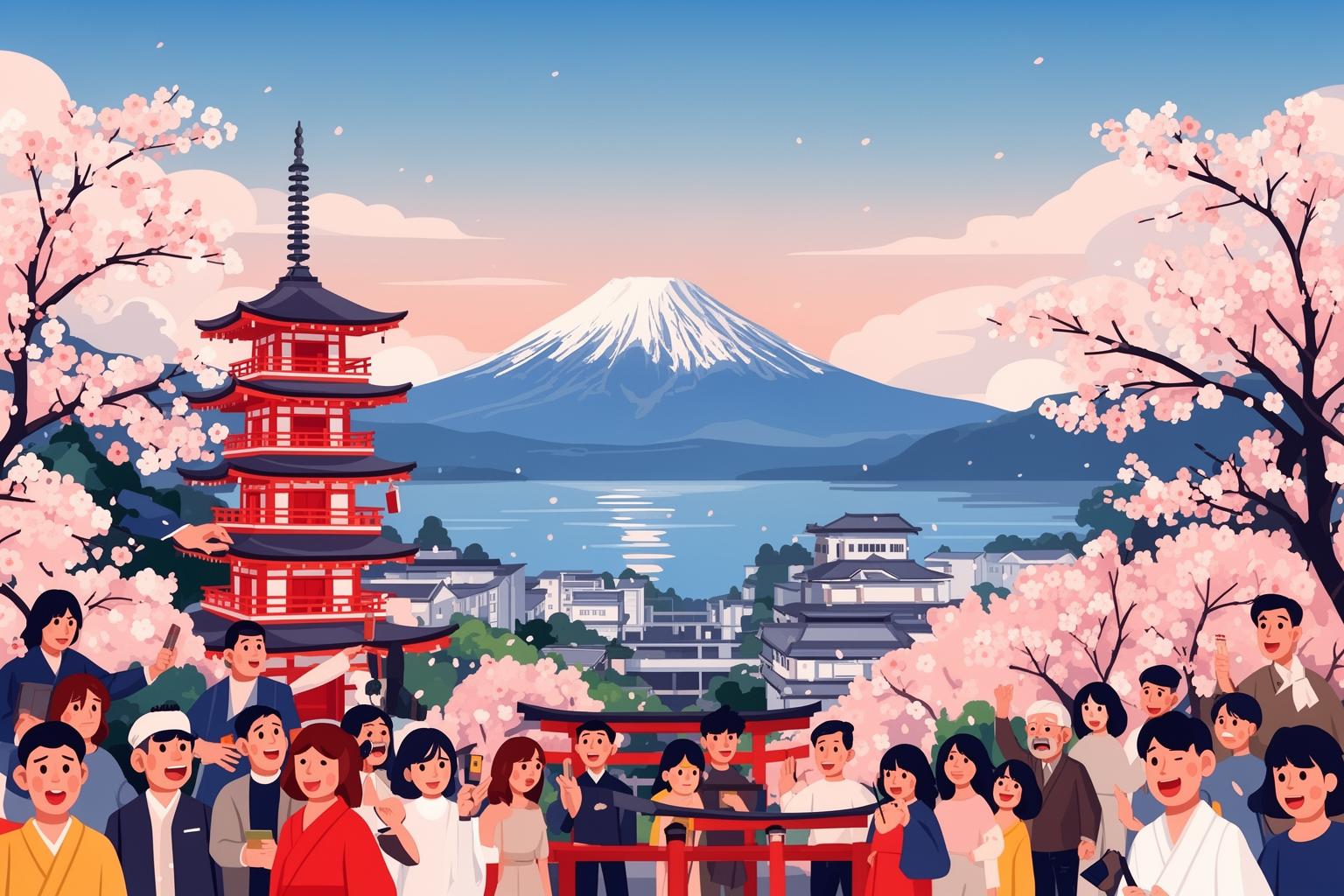
Every great sound has an origin—a moment of silence from which the first note bursts forth. For Dai Miyamoto, that origin was Sendai, the capital of Miyagi Prefecture. Known as the “City of Trees,” Sendai embodies a unique duality that perfectly reflects Dai’s own nature. It is a vibrant urban hub, the largest city in the Tohoku region, yet it is embraced by nature, with broad, tree-lined avenues and the gentle flow of the Hirose River at its core. This fusion of metropolitan vitality and natural calm provides an ideal environment for raw, untamed talent to practice, refine, and dream without the overwhelming pressure of a megacity like Tokyo. To truly understand Dai, one must first grasp the rhythm of Sendai—the rustling zelkova leaves, the steady river currents, and the distant urban murmur hinting at a world beyond.
Jozenji-dori Avenue: A Cathedral of Leaves and Sound
Picture a broad boulevard crafted not from stone and glass but from living greenery. This is Jozenji-dori, the symbolic heart of Sendai. Four rows of majestic zelkova trees form a verdant canopy over the street, casting sunlight in dappled, dancing patterns on the pavement. At its center lies a wide promenade adorned with striking bronze sculptures, where art blends seamlessly with the urban scene. This street is more than just a thoroughfare; it is an open-air gallery, a community space, and, for our purposes, a concert hall. It is here, amid statues and whispering leaves, that Sendai hosts its renowned Jozenji Streetjazz Festival.
The Spirit of the Festival
Every September, this festival transforms the entire city center into a lively, sprawling stage. Hundreds of bands, ranging from polished professionals to passionate amateurs, fill the air with an eclectic mix of sound. Jazz, funk, soul, and blues pour from every corner, and the city moves to a collective rhythm. Although the manga does not place Dai directly at the festival, the event’s very existence reveals everything you need to know about Sendai’s musical spirit. This is a city that embraces and celebrates the improvisational, communal essence of jazz. Strolling down Jozenji-dori, even on a quiet weekday, one can sense that latent energy. You can picture a young Dai, saxophone case in hand, watching performers, igniting his own ambitions through their passion. You can imagine him finding a quiet corner in the off-season, his powerful notes rising to mingle with the rustling leaves—a solo performance for the sculptures and the sky.
A Walk Through the Seasons
Visiting Jozenji-dori offers a distinct experience with each season. In spring, fresh leaves glow with vibrant, almost electric green. In summer, they provide cool, shady refuge from the heat. Autumn is perhaps the most breathtaking, when zelkova trees blaze in brilliant gold and orange, forming a fiery canopy that seems to embody Dai’s passionate music. Winter strips the trees bare but blankets them in millions of tiny LED lights for the Sendai Pageant of Starlight, creating a stunning tunnel of illumination. Each season presents a unique setting for your pilgrimage, a different mood in which to reflect on the artist’s journey. First-time visitors should take their time—start at one end and stroll the full length of the promenade. Sit on a bench, close your eyes, and simply listen—to the city, the wind in the trees, and the music within your own mind.
The Hirose River: A Solitary Practice Room
If Jozenji-dori is Dai’s public stage of inspiration, the banks of the Hirose River serve as his private sanctuary. This is sacred ground where his sound was forged. In the story, Dai spends countless hours here, day and night, through sun, rain, and snow, practicing tirelessly. He played until his lips bled, until reeds wore thin, until the music became an extension of his own breath. The river was not just a backdrop; it was his sole audience, his metronome, his partner in a lonely, unrelenting quest for mastery.
Finding Dai’s Spot
The Hirose River winds gently through Sendai, offering many bridges and access points along its grassy banks. While there is no officially designated “Dai’s Spot,” walking between Yodomi Bridge and Odawara Bridge immerses you in the atmosphere portrayed in the manga. The open spaces, the tucked-away residential areas beyond, and the sound of flowing water all feel intimately familiar. The ambiance is one of peaceful isolation. Even with the city’s hum nearby, the riverbank feels like a world apart. It’s a place for introspection and dedication, perfect for a teenager needing to make a universe of sound—where the only disruption might be the gentle flow of the water itself.
Experiencing the Riverbank
To connect truly with the spirit of this place, follow Dai’s example. Find a spot on the grass, sit down, and linger for a while. Watch the water as it flows. Observe how light plays on its surface. Notice cyclists and joggers passing by, each lost in their world. This is a space of repetition and discipline. It’s where the solitary, unglamorous work of greatness unfolds. For a visitor, it offers a serene escape from the city’s bustle. Bring a coffee, a book, or simply your thoughts. This meditative experience brings you closer to the heart of Dai’s character than any famous landmark could. The raw, unrefined beginnings of his sound are embedded in the very soil here. You can almost hear the scales, the long tones, and the frustrated squawks of a young artist wrestling with his instrument.
The Tokyo Crescendo: Forging a Trio in the Urban Maze
Leaving Sendai was an unavoidable and necessary step. To become the best, Dai had to measure his sound against the finest, and in Japan, that meant only one place: Tokyo. The shift from Sendai’s green, spacious avenues to Tokyo’s dense, frenetic, and overwhelming energy is a shock to the senses, and the narrative brilliantly conveys this sensory overload. Tokyo isn’t a gentle riverbank; it’s a roaring ocean of sound, light, and people. It’s a city where a million different melodies play simultaneously, and Dai’s challenge was not just to be heard, but to discover his own unique voice amid the chaos. It is here that he meets the prodigiously talented pianist Yukinori Sawabe and the dedicated novice drummer Shunji Tamada, forming the trio “JASS.” Their story becomes woven into the very fabric of several iconic Tokyo neighborhoods.
Shinjuku: The Gritty, Beating Heart of Tokyo Jazz
If Tokyo is the main stage, Shinjuku is the spotlight. This vast ward is a city within a city, a dizzying mix of gleaming skyscrapers, enormous department stores, tranquil gardens, and shadowy, lantern-lit alleyways. It’s a place of extremes, making it the perfect home for the high-stakes world of professional jazz. For the members of JASS, Shinjuku represents the pinnacle, the sacred ground they aspire to conquer.
Shinjuku Pit Inn: A Legendary Basement Sanctuary
There are jazz clubs, and then there is the Pit Inn. This is not just a setting in “Blue Giant”; it is a real-world institution, a living piece of Japanese jazz history. Since the 1960s, this basement club has been one of the country’s most important jazz venues. The list of legends, both Japanese and international, who have graced its modest stage is staggering. For Dai and his bandmates, landing a gig at the Pit Inn is the ultimate validation.
##### The Atmosphere Below Ground
Finding the Pit Inn is an adventure in itself. Tucked away on a side street in bustling Shinjuku-sanchome, its entrance is unassuming—just a sign and a staircase leading downward. The moment you descend, the outside world disappears. The air shifts. You enter a space dedicated to one thing only: serious music appreciation. The club is small, intimate, and free of all pretense. The focus rests entirely on the stage. The audience is famously reverent, listening with a focused intensity bordering on the religious. There’s no chatter during sets, no clinking glasses, only music. This is the ambiance “Blue Giant” captures so perfectly—the weight of expectation, the respect for the craft, and the electrifying bond between performers and a deeply attentive audience.
##### A Pilgrim’s Visit
For any fan of the series, visiting the Pit Inn is a must. It’s the ultimate pilgrimage. Check their schedule online beforehand; they hold performances nearly every day, often with both an afternoon and an evening session. Expect a cover charge (standard for high-level jazz clubs) and usually a one-drink minimum. Arrive early to soak in the atmosphere. You don’t have to be a jazz expert to appreciate the experience. The sheer level of musicianship on display is breathtaking. Sitting in that room, knowing it’s the very space Dai dreamed of, is profoundly moving. You can feel the history in the walls, the echoes of a thousand amazing solos lingering in the air.
Dug Jazz Cafe & Bar: A Sip of History
A short walk from the Pit Inn stands another real-life jazz landmark: Dug. Unlike the Pit Inn, a purely live venue, Dug is a jazz kissa, or jazz café/bar. These uniquely Japanese spaces are designed for quiet, contemplative listening to jazz records. Operating since the 1960s, Dug is renowned not only for its extraordinary vinyl collection but also as a favorite haunt of the acclaimed novelist Haruki Murakami, who often weaves jazz into his writing. Entering Dug is like stepping back in time. It’s another basement spot, dimly lit with dark wood, adorned with vintage photos of jazz legends, and shelves bursting with LPs. The vibe is cool, sophisticated, and deeply nostalgic. It’s easy to imagine JASS members heading there after gigs to unwind, listen to the masters, and debate music over a whiskey. It’s a place to immerse yourself in jazz culture—not just as performance, but as a lifestyle and an art form to be studied and revered.
Kichijoji: The Bohemian Home Base
While Shinjuku was their battlefield, Kichijoji was their home. This western Tokyo neighborhood is where the trio lived, practiced, and evolved together. Regularly ranked among Tokyo’s most desirable places to live, Kichijoji has a distinctly different atmosphere from Shinjuku’s corporate intensity. It’s a creative hub, with a relaxed, bohemian feel. Filled with independent boutiques, vintage clothing shops, cozy cafes, small theaters, and a palpable youthful artistic energy, it provided the perfect environment to nurture a growing band.
Inokashira Park: The Trio’s Rehearsal Studio
The heart of Kichijoji lies in Inokashira Park, a beautiful expanse centered around a large, peaceful pond. This green oasis serves as a city playground. On weekends, it buzzes with families, couples rowing swan boats, street performers, artists selling their crafts, and musicians filling the air with sound. This park is the spiritual successor to Dai’s riverbank in Sendai. One can easily imagine JASS finding a quiet corner here, away from the crowds, to rehearse. Picture Yukinori directing, Tamada tapping rhythms on a practice pad, and Dai’s saxophone slicing through the ambient sounds. Their raw, powerful music would have become part of the park’s weekly symphony.
Exploring the Park and Its Surroundings
Visiting Inokashira Park offers a refreshing contrast to Shinjuku’s intensity. Rent a swan boat, visit the small shrine to Benzaiten (a goddess often linked to the arts) on an island in the pond, or simply stroll the wooded trails. At the park’s edge, you’ll find the Ghibli Museum (tickets must be booked months in advance), another symbol of the area’s creative spirit. After soaking in the park’s ambiance, explore Kichijoji’s streets themselves. Wander through the Sun Road shopping arcade or lose yourself in Harmonica Yokocho’s tiny, atmospheric alleys near the station, packed with diminutive bars and eateries. Kichijoji reveals the daily life of the band—the world they inhabited offstage, filled with youthful dreams and the simple, everyday grind of struggling artists in a big city.
Setagaya-Daita: A Quiet Residential Refuge
In the story, the brilliant though initially aloof pianist Yukinori Sawabe lives in a more upscale, quiet residential neighborhood. The area around Setagaya-Daita station on the Odakyu Line perfectly fits this description. It presents a stark contrast to both Shinjuku’s commercial chaos and Kichijoji’s bohemian vibe. Walking through this area reveals another side of Tokyo—quiet streets, single-family homes, and a slower pace. This was Yukinori’s refuge, where he could escape the pressures and focus on his craft in solitude. For the pilgrim, a brief detour here is a reminder of the diverse worlds that came together to form JASS. It highlights the distinct backgrounds of the members and underscores the idea that Tokyo is not a monolith but a vast collection of unique neighborhoods, each with its own rhythm and character.
A Global Encore: The Dream Goes Abroad
Though the heart of this pilgrimage is in Japan, the ultimate goal of “Blue Giant” is global. Dai’s journey eventually extends beyond Japan’s shores to Europe, with Germany serving as a significant stage for his next transformation. He arrives in Munich, a city steeped in rich cultural and musical heritage. This segment of his journey highlights a fundamental theme of jazz: it is a universal language that transcends borders, cultures, and tongues. While a comprehensive European pilgrimage guide remains a story for another time, recognizing this step is essential. It reminds us that the essence of Dai’s quest—the unwavering desire to connect with others through sound—is not limited to one location. It can be experienced in a basement club in Shinjuku, on a riverbank in Sendai, or during a jam session in a bar in Munich. The pilgrimage is about more than geography; it is about seeking out places worldwide where music is alive, vibrant, and expressed with passion.
A Traveler’s Guide to the Jazz Pilgrimage
Embarking on this journey calls for some planning to fully enjoy the experience. Japan’s efficiency makes getting around simple, but a few tips will help you dial into the right rhythm for this distinctive tour.
Navigating the Beat
When traveling between Sendai and Tokyo, the Shinkansen (bullet train) is your ideal companion. It’s fast, comfortable, and an experience in itself. Inside Tokyo and Sendai, the local trains and subways run with impressive efficiency. Get a Suica or Pasmo IC card; you can load it with money and just tap it at the gates for smooth travel across almost all public transportation. Google Maps provides highly accurate train schedules and routes, making it an essential tool for navigating the urban landscape.
Jazz Club Etiquette: A Guide for Listeners
Visiting a serious Japanese jazz club like the Pit Inn can be a powerful experience, and understanding the culture is important. This isn’t background music; the audience comes to listen. Keep conversation to an absolute minimum during performances. Fully silence your phone. Applaud only when a musician completes a solo. You’ll notice the audience’s deep focus, and matching that energy shows respect both for the artists and your fellow guests. Most clubs have a cover charge (often called a music charge) and may require you to order at least one drink. This supports the venue and the remarkable musicians who make these spaces possible.
Timing Your Tour
Any season is a great time to visit, but if you want to sync your trip with the story’s spirit, aim for autumn. The golden leaves along Jozenji-dori in Sendai are unforgettable. Additionally, the Jozenji Streetjazz Festival takes place in early September, offering a wonderful chance to experience the city’s musical peak. In Tokyo, springtime lets you enjoy the cherry blossoms in Inokashira Park, a truly magical sight. Keep in mind that both seasons are popular with tourists, so book accommodations and any tickets well in advance.
Beyond the Manga Panels
Let the world of “Blue Giant” be your starting point, not your entire plan. Use it as a key to unlock Japan’s vibrant, living jazz scene. While in Tokyo, check out other renowned jazz venues like Blue Note Tokyo or Body & Soul. Hunt for vinyl gems in the record stores of Shimokitazawa or Ochanomizu. This pilgrimage is your chance to craft your own musical story, discover new artists, and feel the pulse of the contemporary scene thriving in the shadow of the greats.
Coda: Finding Your Own Sound
To follow in the footsteps of Dai Miyamoto is to trace a path of pure, unfiltered passion. This journey carries you from the serene, formative solitude of nature to the vibrant, competitive core of one of the world’s greatest cities. Yet, this pilgrimage is more than just a list of places from a cherished story. It is an invitation—an invitation to listen more deeply, not only to the music but also to the sounds of the cities themselves, the rhythm of everyday life, and the quiet ambitions that reside within your own heart. Standing on the banks of the Hirose River or descending the stairs to the Shinjuku Pit Inn, you become connected to a powerful current of artistic devotion. You are reminded that greatness does not arise from a single flash of inspiration but is forged through countless quiet moments of practice, struggle, community, and an unwavering belief in the power of your own voice. Whether you are a musician, an artist, or simply a dreamer, this journey through the world of “Blue Giant” leaves you with one lasting, resonant note: the most important sound you can ever make is your own.