There’s a certain kind of quiet that settles over you when you watch Laid-Back Camp. It’s more than just an anime; it’s a transmission of tranquility, a gentle invitation to find joy in the simple, profound act of being present in nature. We follow a group of high school girls as they discover the crisp, quiet magic of off-season camping, mostly around the majestic base of Mount Fuji. What makes the series resonate so deeply, beyond its charming characters and cozy atmosphere, is its unwavering dedication to reality. The landscapes aren’t just inspired by real places; they are real places, rendered with such breathtaking fidelity that you can almost feel the chill on your cheeks and smell the woodsmoke from the campfire. These settings in Japan’s Yamanashi and Shizuoka prefectures are the silent, central characters of the story.
This journey, this act of visiting the real-world locations of a beloved story, is known in Japan as seichi junrei, or a holy land pilgrimage. It’s a beautiful tradition that connects the fictional worlds we love to the tangible earth beneath our feet. For fans of Laid-Back Camp, this pilgrimage is not about chasing fantasy. It’s about seeking the same peace, the same stunning vistas, and the same quiet revelations that Rin, Nadeshiko, and the Outdoor Activities Club experience. It’s about understanding that the serene world they inhabit is not a distant dream but a destination you can actually travel to. This guide is your map and your field notes, an invitation to step through the screen and into the vast, beautiful, and very real world of Laid-Back Camp. Prepare to breathe the scenery, sip hot cocoa while gazing at a star-dusted Fuji, and discover the profound comfort of a quiet campground in the heart of Japan.
If you’re inspired to explore other serene anime landscapes, consider embarking on a seichi junrei to the real-world Tokyo of Weathering With You.
The Heart of Yuru Camp: Yamanashi Prefecture’s Fuji Five Lakes
The essence of Laid-Back Camp is rooted in Yamanashi, a prefecture enveloped by mountains and dominated by the majestic presence of Mount Fuji. This region, especially the Fuji Five Lakes (Fujigoko) area, serves as the primary setting for the girls’ adventures. Formed by Fuji’s ancient volcanic activity, this landscape is a rich mosaic of deep blue lakes, dense forests, and gently rolling highlands, all revolving reverently around the sacred peak. In East Asian tradition, mountains frequently symbolize the pillars of the earth, acting as bridges between the mortal world and the divine. Fuji-san perfectly embodies this concept in Japan—an enduring source of artistic inspiration, spiritual reverence, and national identity for centuries. The anime captures this profound cultural essence not through overt dialogue, but through the quiet awe the characters experience in Fuji’s presence. Each clear morning, every lakeside reflection, and every sunset that bathes its slopes in fiery and rosy hues offers a silent, intimate connection to something timeless and vast. Starting a pilgrimage here means beginning at the very heart of the story, in the shadows and light cast by Japan’s most iconic guardian.
Lake Motosu: Where It All Began
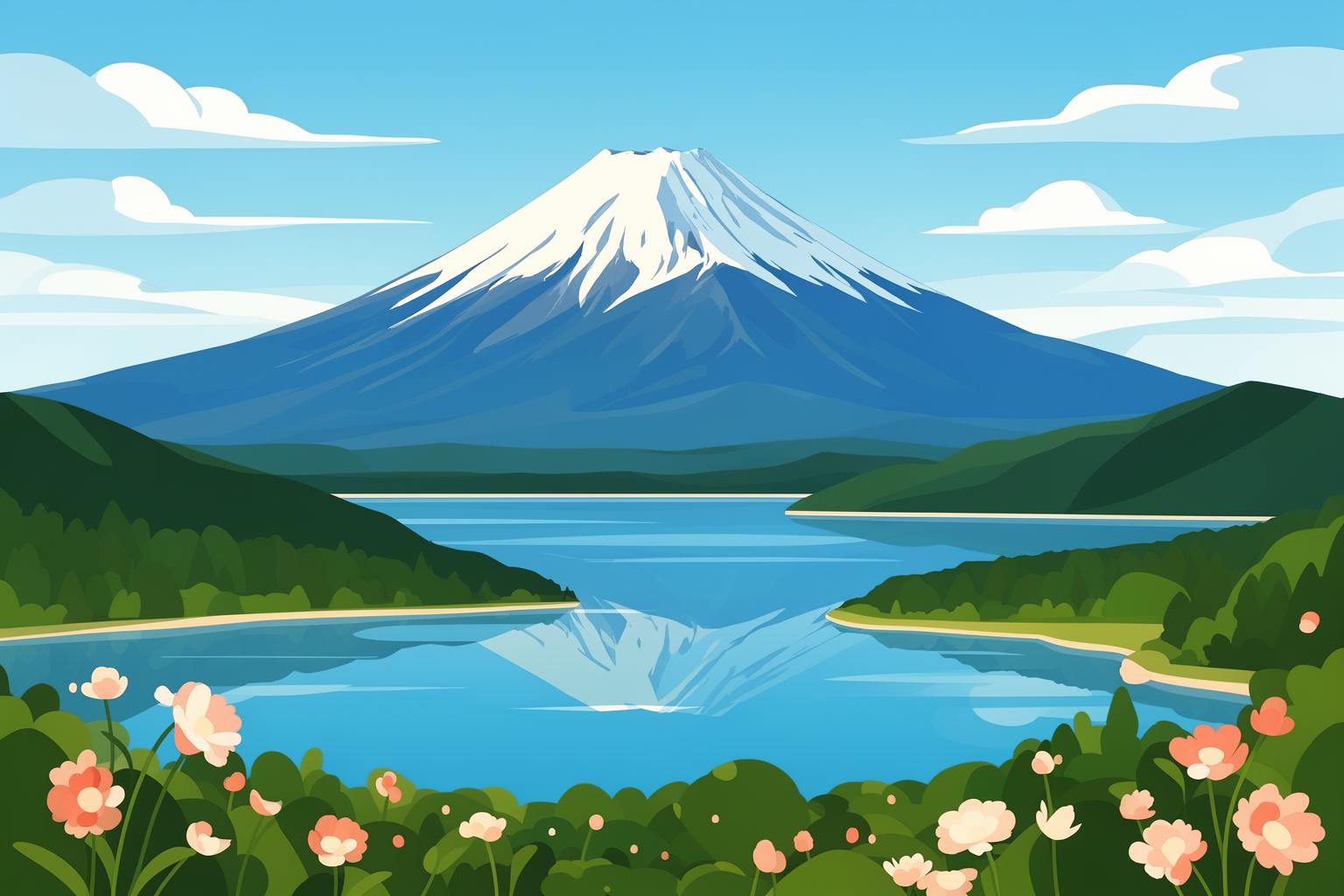
This site is sacred ground for any Laid-Back Camp enthusiast. Lake Motosu (Motosu-ko) serves as the backdrop for the first episode and sets the entire story in motion. It is here, on a crisp, clear day, that the experienced solo camper Rin Shima first meets the drowsy and lost Nadeshiko Kagamihara. This moment is imprinted in every viewer’s memory: a stunningly still view of Mount Fuji, its snow-capped cone perfectly mirrored in the azure lake—a sight known as “Sakasa Fuji” or Inverted Fuji. This iconic image is so treasured that it appears on the back of the Japanese 1,000 yen banknote, underscoring its significance as a national treasure.
Being present here evokes a deep sense of calm. During the off-season, the air is crisp and pure, and silence is interrupted only by gentle waves and a distant bird’s call. The mood is one of solitude, but not loneliness. This peaceful quiet invites reflection—the very reason Rin values her solo camping trips. This place beckons you to pause, breathe, and watch as the light shifts across Fuji’s face.
Koan Campground: The Sacred Shores
The exact spot of that memorable encounter is Koan Campground, a popular real-life site situated on the northwestern shore of Lake Motosu. The campground is divided into two main sections: a terraced, forested area on higher ground and a more exposed, sloping gravel section along the lakeshore. For a full pilgrimage experience, the lakeside is the ideal choice. Here, you can pitch your tent just meters from the water’s edge, wake up, unzip your door, and be greeted by that priceless view.
Reaching Koan can be an adventure itself. While buses run from Kawaguchiko Station, they are infrequent, and the campground requires a decent walk from the closest stop. Renting a car is the preferred option, offering greater freedom and flexibility to explore the Fuji Five Lakes area at your own pace. The campground generally operates on a first-come, first-served basis, especially for individual campers, so arriving early is advisable, particularly on weekends. The facilities are rustic but well maintained, matching the anime’s spirit. Basic toilets and washing areas are available, but don’t expect luxury—this spot is all about immersing yourself in nature.
Once you settle in, the pilgrimage follows simple pleasures. The first task, naturally, is to prepare a cup of instant curry noodles, sit back in your camping chair, and admire the spectacular view, just as Rin and Nadeshiko did. As night falls, the true magic begins. Free from city light pollution, the sky explodes with stars, and Fuji stands as a colossal silhouette against the cosmos. While photography is essential, also make sure to lay down your camera and simply soak in the moment. The chill in the air turns a warm drink or campfire into the ultimate comfort. One caution: the lakeside is exposed to wind, and temperatures drop sharply after sunset in autumn and winter. Bring warm layers, a good insulated sleeping bag, and prepare for the cold—this is part of the off-season experience.
Fumotoppara Campground: The Grand Fuji Panorama
If Koan Campground offers an intimate, picture-perfect framing of Mount Fuji, Fumotoppara presents a grand, cinematic vista. This expansive, open campground sits on the Asagiri Plateau in neighboring Shizuoka Prefecture, but its spirit remains purely Yamanashi. It stretches across a vast grassy field with a direct, unobstructed view of the awe-inspiring Mount Fuji. This is where Rin plans her solo Christmas camp and is delightfully surprised by Nadeshiko and Aki, who arrive bearing hot pot. The scale here feels entirely different from Lake Motosu—you feel small and humbled before the mountain, which commands the entire horizon.
Fumotoppara’s atmosphere is more communal. Even in the off-season, the campground’s size ensures campers will likely have neighbors, though comfortably spaced apart. It’s a shared space of wonder, where strangers exchange knowing glances as they admire the view. The feeling is one of freedom and openness; you can fly kites, toss frisbees, or simply lie back on the grass and watch clouds drift past Fuji’s peak.
Accessing Fumotoppara is easiest by car. Public transportation is very limited and typically requires a long taxi ride. Unlike Koan, advanced booking is highly recommended due to its popularity with campers and day visitors from across Japan. The facilities here are more developed, featuring larger restroom blocks, a well-stocked shop, and a restaurant. Gear rentals are available, too, making it more accessible to travelers without their own camping equipment.
The quintessential Fumotoppara experience is setting up camp with an unobstructed view of Fuji and preparing a hearty meal. Many pilgrims aim to recreate the girls’ savory sukiyaki dinner. At sunset, Fuji often glows with alpine light, and the night sky is just as brilliant as at Motosu. Fumotoppara is also famous for two celestial events: “Diamond Fuji,” when the sun perfectly aligns with Fuji’s summit during sunrise or sunset, creating a dazzling flare, and “Pearl Fuji,” the same alignment but with the full moon. Witnessing either phenomenon is an unforgettable experience, requiring precise timing and favorable weather. A practical tip for Fumotoppara is to brace for the wind— the exposed plateau can be gusty, so ensure your tent is securely anchored. Don’t miss exploring the grounds; near the entrance lies a picturesque pond that mirrors Fuji’s image perfectly, an ideal photo spot.
Beyond the Lakes: Exploring Deeper into the Yuru Camp World
While the Fuji Five Lakes serve as the series’ central setting, the girls’ adventures frequently lead them to lesser-known yet equally breathtaking locations that highlight the Chubu region’s diverse beauty. These side journeys into the mountains and highlands are where the spirit of exploration and the thrill of discovery truly come alive. Following their path takes you off the beaten track and into landscapes that feel like hidden gems waiting to be uncovered.
Takabocchi Highlands: A Sea of Clouds
Situated high in the mountains between Matsumoto and Lake Suwa in Nagano Prefecture, the Takabocchi Highlands (Takabocchi Kogen) is the destination of one of Rin’s most ambitious solo scooter excursions. The reward for her lengthy, chilly ride is one of the most breathtaking views in the entire series: a sweeping panorama of Mount Fuji rising above a shimmering unkai, or sea of clouds, with the lights of the Suwa basin sparkling below. Standing at this viewpoint feels like floating above the world. The atmosphere is ethereal and almost dreamlike. The silence is profound, the air is pure and thin, and the vast scale of the landscape stretched out before you is humbling. It’s a place that evokes a quiet, reflective awe, perfectly matching Rin’s solitary spirit.
However, visiting Takabocchi requires careful and thorough planning. This is perhaps the most important practical advice for any traveler: the winding mountain road to the highlands is closed during the winter months, from late November until late April. This is a crucial detail, as Rin’s visit occurs during the colder season in the anime—a bit of artistic license. Attempting to drive there during the closure is both impossible and dangerous. Therefore, a pilgrimage to this location must be made between late spring and autumn.
Access is almost exclusively by car. Although the drive is long and winding, the paved road is manageable for any standard vehicle during the open season. There are no regular bus services. At the summit, visitors will find a parking area and a short walk to the main viewpoint. While there is a small campground nearby, the area is more of a scenic lookout than a full-service camping site. The true magic of Takabocchi is found at sunrise or sunset. Arriving before dawn and watching the sky gradually light up the sea of clouds below offers an experience of profound beauty. It requires an early start, but the reward is immeasurable. Always consult official local tourism websites for exact road closure dates before planning your trip, as these can vary slightly each year depending on snowfall.
Lake Shibire: The Dragon’s Legend
For their first official outing as the Outdoor Activities Club, Aki, Aoi, and Nadeshiko (later joined by Rin) travel to the secluded and enigmatic Lake Shibire (Shibire-ko). Hidden in the mountains of Yamanashi, this small, circular lake provides a camping experience vastly different from the open vistas of Fuji. Lake Shibire is intimate, enclosed, and surrounded by dense, old-growth forest. The atmosphere carries a sense of mystery and folklore. The lake is famed for the local legend of Ushioni, a fearsome ox-headed demon, adding a playful, spooky element to the club’s camping trip.
The real-life Lake Shibire perfectly reflects this ambiance. The water is deep and dark, while the trees crowd the shoreline, their branches forming a canopy that filters the sunlight. It feels ancient and a bit untamed. The designated campsite, Suimeiso, sits directly on the lake’s shore. Just as in the anime, one of the most charming ways to reach the main camping area is by renting a small rowboat and paddling your gear across the calm waters. This simple gesture instantly makes the experience feel like a true expedition.
Suimeiso offers a more rustic, back-to-basics camping style. You can set up your tent right under the trees, just steps from the water. The facilities are basic, enhancing the sense of immersion in nature. In addition to camping, you can enjoy boating, fishing, or hiking the trail that circles the lake. A campfire here feels especially cozy, with the flames pushing back the enveloping darkness of the forest. It’s an ideal setting for telling ghost stories, just like the girls did. Access to Lake Shibire is again easiest by car. While it’s less remote than Takabocchi, it lies off the main public transport routes. It’s a fantastic spot for those looking to avoid crowds and savor the quieter, forested side of Yamanashi’s natural charm.
The Journey Itself: The Towns and Byways of Laid-Back Camp
Not every pilgrimage spot in Laid-Back Camp is a campsite or a stunning natural landscape. The series shines in celebrating the charm of everyday life, discovering beauty in small towns, local shops, and the quiet infrastructure that shapes the characters’ daily experiences. These locations anchor the story, making the world feel authentic and lived-in. Exploring them offers a deeper bond with the daily rhythms of Nadeshiko, Aoi, and Chiaki, and uncovers the gentle, understated beauty of rural Japan.
Minobu: The Everyday Setting
The town of Minobu serves as the girls’ home base. It’s where they go to school, purchase camping gear, and plan their next outings. The real Minobu is a calm, pleasant community nestled along the Fuji River. Though small, it holds great historical importance as the site of Minobusan Kuon-ji, the head temple of Nichiren Buddhism and a significant pilgrimage destination.
Strolling through Minobu feels like stepping into the anime’s slice-of-life moments. Minobu Station is a notable landmark—a charming, old-fashioned train station where the characters frequently gather. Its wooden benches and vintage style are beautifully preserved. Just outside, you can visit a local confectionery that sells Minobu Manju, sweet bean-paste buns that are the town’s specialty and a favorite treat of the girls. Trying one is an essential and delicious part of the visit.
The school the girls attend, Motosu High School, is modeled after the former Shimobe Junior High School nearby. While the school grounds are generally closed to the public, its exterior is instantly recognizable. Perhaps the most iconic everyday spot is the supermarket Zebra, where the Outdoor Activities Club buys camping supplies. Its real-life counterpart is the Selva Minobu Branch, a local grocery store. Visiting feels wonderfully familiar—you can browse the aisles, find some of the same products, and even purchase ingredients to recreate your own camp-side hot pot. These visits aren’t about spectacle but rather a quiet, joyful recognition—the pleasure of seeing a beloved setting from the story come alive.
Though not shown as a camping location, visiting Minobusan Kuon-ji Temple adds remarkable cultural depth to your pilgrimage. This expansive temple complex, accessible by a challenging climb up 287 stone steps called the “steps of enlightenment,” is truly impressive. The grandeur of the main hall, ancient cedar trees, and the deep sense of history provide a striking contrast to the modern anime pilgrimage. It reminds visitors that the land where the girls enjoy their hobby has long been a place of spiritual journeys.
Expanding the Map: The Izu Peninsula Adventure
Season Two of Laid-Back Camp follows the girls as their ambitions expand, culminating in an impressive camping trip to the Izu Peninsula in Shizuoka Prefecture. This story arc marks a notable change in setting, shifting from the crisp mountain air of Yamanashi to the salty breeze of the Pacific Ocean. Izu is known for its dramatic coastlines, volcanic terrain, and plentiful hot springs (onsen). Accompanying the girls here reveals a different but equally enchanting side of Japan’s natural splendor, highlighting the geological marvels and coastal allure of this beloved resort area.
Cape Osezaki and the Izu Views
The Outdoor Activities Club’s primary destination for their large Izu trip is Cape Osezaki, an intriguing and spiritually important strip of land extending into Suruga Bay. What makes this cape so distinctive is its geography; it is a sand spit that encloses a freshwater pond called Kami-ike (God’s Pond), despite being surrounded by the salty sea. At its tip stands the Ose Shrine, dedicated to the sea’s guardian deity and embraced by ancient juniper trees.
The ambiance here evokes coastal calmness and quiet respect. One can hear the gentle lapping of waves in the serene inner bay alongside the stronger crashing of surf on the outer shore. The view from the cape is breathtaking, presenting a magnificent sight of Mount Fuji rising majestically across Suruga Bay’s waters. Viewing Fuji from the coast, framed by the ocean, offers a completely different perspective than seeing it from the lakes.
There is indeed a campground located at Cape Osezaki, letting visitors perfectly replicate the girls’ trip. You can pitch your tent with a view of the bay and enjoy the tranquil coastal surroundings. Activities include strolling around the cape, visiting the shrine, and simply relaxing on the beach. It’s also a well-known spot for scuba diving. Practical details are similar to other campsites; car access is the most convenient, and it’s advisable to check booking requirements, especially during the warmer months when Izu draws many tourists.
The Geospots of Izu
The Izu Peninsula is designated as a UNESCO Global Geopark, acknowledged for its unique volcanic and tectonic history. The girls’ journey essentially serves as a tour of its most remarkable geological highlights, and visiting these sites teaches valuable lessons about the powerful forces that shaped the Japanese archipelago.
One of the most unforgettable stops is the Sawada Park Open-Air Bath, the cliffside onsen Rin visits during her solo trip to Izu. While the anime depicts a slightly more secluded spot, the actual onsen offers a comparably stunning experience. Soaking in the hot, mineral-rich waters while gazing out over the vast Pacific Ocean is truly extraordinary. It perfectly embodies the Japanese passion for blending natural beauty with restorative relaxation.
Another essential location is Dogashima, where the group admires the “Tombolo” phenomenon. At low tide, a natural stone path emerges from the sea, linking the mainland to nearby Sanshiro Island. Visitors can walk across this temporary causeway, just as the girls did. It’s a magical experience highly dependent on tide schedules, so be sure to check them online before visiting. The area is also famous for its dramatic rock formations and sea caves, which can be explored by sightseeing boats.
Finally, there is Mount Omuro, a perfectly conical, grass-covered extinct volcano resembling an inverted rice bowl. The girls ride a chairlift to the summit, an option visitors can also take. From the top, a walking trail circles the entire crater, offering 360-degree panoramic views of the Izu Peninsula, Sagami Bay, and, on clear days, distant Mount Fuji. The scale of the view coupled with the mountain’s unique shape makes it a truly unforgettable stop. It’s a place that makes you feel on top of the world—a fitting climax to an epic Izu adventure.
Essential Pilgrim Intel: Planning Your Laid-Back Journey
A pilgrimage to the world of Laid-Back Camp offers an incredibly fulfilling experience, though it does require some practical preparation, especially for international travelers. The series emphasizes being well-prepared, and adopting that same approach will make your trip more seamless and enjoyable.
Getting Around: The Pilgrim’s Ride
While Japan’s public transportation is world-class, exploring the rural and mountainous areas of Yuru Camp is best done with your own vehicle. Renting a car is highly recommended, as it gives you the freedom to explore at your own pace, reach remote campsites inaccessible by bus or train, and easily carry your camping gear or luggage. When renting, be sure to have an International Driving Permit (IDP) and consider obtaining an ETC card for convenient toll payments on expressways. Remember, driving on the left can take some getting used to, and mountain roads tend to be narrow and winding, so exercise caution.
Public transport is an option but requires more planning and a slower pace. Main hubs like Kawaguchiko and Kofu Stations have good train connections. From there, local buses can get you closer to destinations such as Lake Motosu. However, note that rural bus schedules are often infrequent, sometimes only a few trips per day, especially in the off-season. For fans keen to follow Rin’s example, scooter rentals are available but recommended only for licensed, experienced riders ready for long distances and cold conditions.
Gearing Up: What to Bring
Your packing depends on whether you plan to camp overnight or just visit sites during the day. Day-trippers should prioritize comfortable walking shoes for exploring lakesides and viewpoints. A good camera, portable phone charger, and some cash are essential since some smaller shops and campsites may not accept cards. For those undertaking a full camping pilgrimage, proper equipment is crucial—especially if visiting in the off-season. This includes a four-season tent suitable for wind and cold, a warm sleeping bag rated for low temperatures, an insulated sleeping pad to shield you from the ground’s chill, and layered thermal clothing. A portable gas stove, cooking supplies, and a reliable lantern or headlamp are also important. Many larger campgrounds offer rental gear, which can be a convenient choice for international travelers.
Savoring the Flavors: Yuru Camp Cuisine
Food plays a central role in Laid-Back Camp, bringing comfort, warmth, and companionship. Tasting the local cuisine is an essential part of the pilgrimage. The easiest and most iconic meal to try is the simple curry noodle cup that inspired the series. Pick one up at any convenience store (konbini) or supermarket, find a scenic spot, and enjoy. In Yamanashi, don’t miss Hoto, the region’s signature dish. This hearty stew of flat udon noodles and seasonal vegetables in a thick miso broth is often served in a personal iron pot. Many traditional restaurants around the Fuji Five Lakes specialize in it. If you’re feeling adventurous, you can buy ingredients from local markets like Selva and cook your own sukiyaki or hot pot at a campsite, just like the characters. Also, be sure to try Minobu Manju for a sweet treat. When visiting Izu, the focus shifts to seafood, with fresh sashimi, grilled fish, and other local delicacies on the menu.
The Spirit of Off-Season Camping: A Final Reflection
To explore the real-life settings of Laid-Back Camp is to gain a deeper understanding of the series. It goes beyond merely ticking off locations to photograph; it involves immersing yourself in the very spirit the anime celebrates. The true journey lies in embracing the essence of off-season camping: the tranquility of quiet moments, the sharpness of cold air, and the deep comfort of sharing a warm meal against a breathtaking backdrop. It’s about discovering joy in solitude and warmth in companionship.
In many East Asian philosophies, there is a profound appreciation for the changing seasons and the subtle, fleeting beauty found in nature’s quiet moments. Laid-Back Camp embodies this sentiment in a contemporary way. It honors the Japanese concept of wabi-sabi—finding beauty in imperfection and transience—and the simple, meaningful joy of being fully present. Your travels will be graced with majestic views of Mount Fuji and quaint, familiar towns. Yet, the most enduring memories will be the peace felt beside a silent lake, the warmth of hot noodles on a chilly day, and the wonder of a star-filled sky far from city lights. So set out with an open heart, explore, and discover your own Secret Blanket Society. The quiet magic of Yuru Camp awaits you.