
There are films that capture a moment, and then there are films that define a generation. David Fincher’s “The Social Network” is unequivocally the latter. Released in 2010, it wasn’t just a movie; it was a cultural X-ray, dissecting the birth of Facebook and with it, the dawn of a new era of human connection, ambition, and digital-age betrayal. With Aaron Sorkin’s lightning-fast, whip-smart dialogue and Fincher’s cool, meticulous direction, the film became an instant classic. It chronicled the story of Mark Zuckerberg, a Harvard undergrad who built an empire from his dorm room, leaving a trail of broken friendships and high-stakes lawsuits in his wake. The story is a modern epic, a Greek tragedy set against the backdrop of ivy-covered walls and sun-drenched California suburbs. For fans of the film, the locations are more than just backdrops; they are characters in their own right, physical manifestations of the worlds and ideals that collide in the narrative. To walk these grounds is to step inside the story, to feel the chill of a New England autumn where a revolution was coded into existence, and to sense the electric hum of Silicon Valley ambition. This pilgrimage isn’t just about seeing where a movie was made. It’s about tracing the footsteps of a modern myth, exploring the hallowed halls of academia and the disruptive energy of the West Coast that forged the digital world we now inhabit. It’s a journey from tradition to disruption, from the old world to the new, a path paved with genius, jealousy, and the relentless pursuit of what’s next.
If you’re inspired to explore more cinematic pilgrimages, consider a similar journey through Philadelphia’s cinematic landscape.
The Hallowed Halls of Harvard: An East Coast Illusion
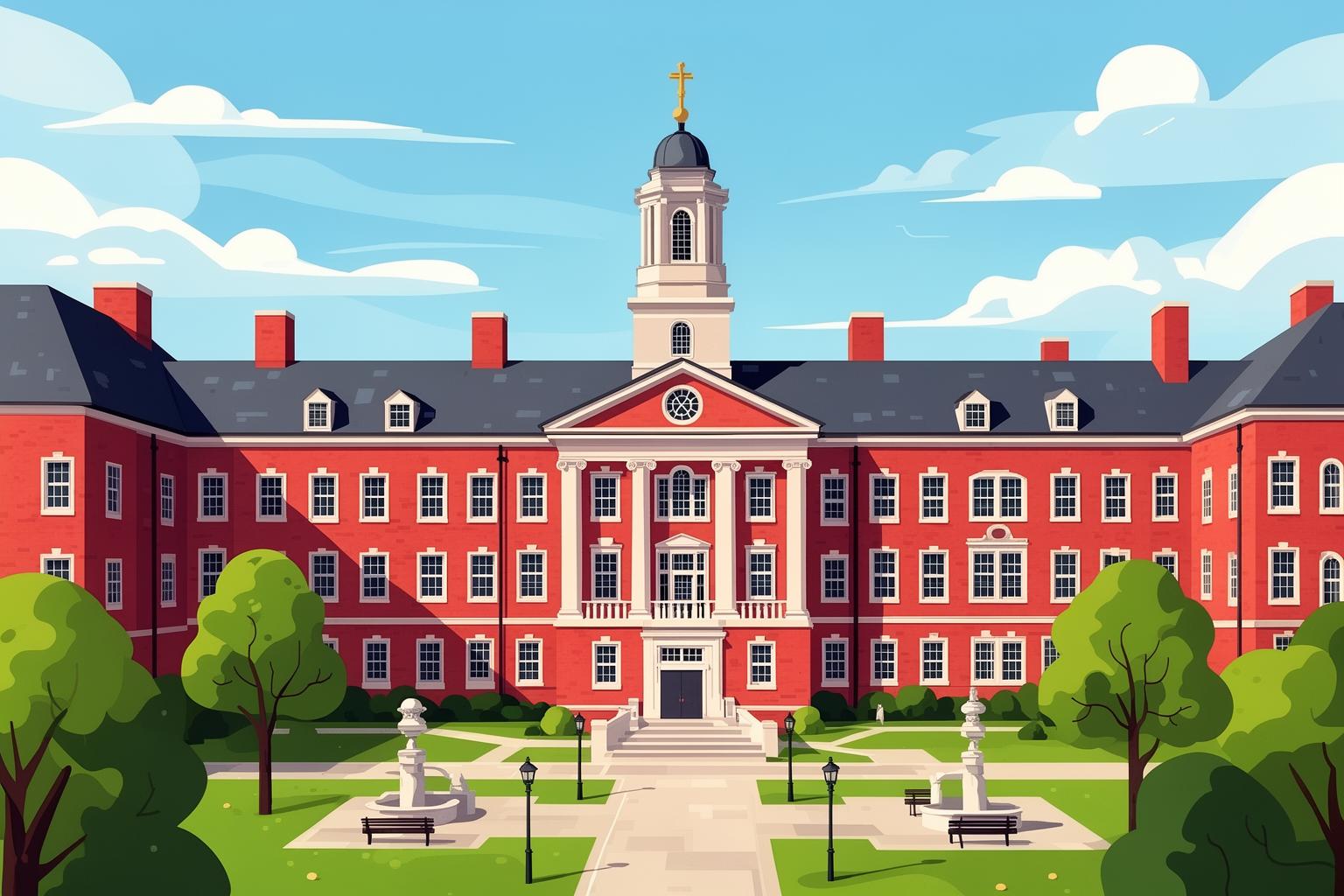
One of the film’s key characters is Harvard University itself. It embodies the pinnacle of American education, a stronghold of tradition, legacy, and intellectual discipline. It’s the crucible where Zuckerberg’s idea takes shape, where he experiences social exclusion from exclusive final clubs, and where the film’s main conflicts emerge. However, shooting on the actual Harvard campus is notoriously challenging due to the institution’s strict protection of its image and grounds. Consequently, Fincher and his team used cinematic magic, expertly combining several different campuses to create the iconic, atmospheric “Harvard” portrayed on screen. This composite, primarily filmed in Maryland and Massachusetts, feels emotionally truer to the story than the real Harvard ever could. It’s a Harvard of the imagination, a setting of shadows, brick, and ambition.
The Heart of the Hoax: Johns Hopkins University, Baltimore
The true soul of “The Social Network’s” Harvard is Johns Hopkins University’s Homewood Campus in Baltimore, Maryland. Its stunning Georgian architecture, expansive green quads, and stately brick buildings perfectly suited Fincher’s vision. Stepping onto the campus instantly transports you into the film’s world. The likeness is remarkable, and the atmosphere brims with the same intellectual intensity.
Keyser Quadrangle: The Crossroads of Genius
Johns Hopkins’ main quad, known as Keyser Quad, features prominently throughout the film. This vast green space, surrounded by iconic buildings, is where characters move with determination, their overlapping conversations forming a symphony of Sorkin’s sharp dialogue. You can almost hear the rapid-fire exchange between Mark and Erica early in the film, their silhouettes gliding across the manicured lawns. Standing at the quad’s center, facing Gilman Hall on one side and the Milton S. Eisenhower Library on the other, the scale feels immense. It’s both inspiring and daunting—a perfect visual metaphor for a young student striving to leave a mark among giants. The best time to visit is a crisp autumn afternoon when the leaves turn gold and red, matching the film’s cool, autumnal tones. Fincher’s low-angle shots make the buildings tower over the actors, highlighting the institution’s weight on their shoulders. You can follow these footsteps, feel leaves crunch beneath, and imagine the code and algorithms swirling in the air.
Gilman Hall: The Seat of Power and Intellect
Gilman Hall, the main academic building on the quad, is the backdrop for many scenes. Its grand archways and imposing exterior are instantly recognizable. While classroom and lecture hall interiors were filmed elsewhere or on sets, the exterior shots convey Harvard’s academic gravitas. The building has a rich history, housing the humanities departments at Johns Hopkins. There’s a tangible sense of tradition here—touch its cool stone walls and you feel the generations of scholarship that passed through. It’s easy to envision the Winklevoss twins, symbols of legacy and establishment, feeling perfectly at home here. Gilman Hall’s atrium is open to the public on weekdays and worth visiting. Its soaring ceilings and quiet, studious atmosphere offer a taste of the real academic life buzzing within—one the film’s characters both participated in and sought to transcend.
Shriver Hall: A Stage for Betrayal
Another significant location on the Homewood campus is Shriver Hall, which stands in for the lecture hall where Mark and Eduardo hack into student photos for Facemash. Its elegant, columned entrance is prominently featured. Standing before it, you can imagine the controlled chaos of that pivotal scene. As the university’s main auditorium and concert hall, Shriver Hall is a place of performance and presentation—befitting, since much of the film is about performance: of genius, friendship, and confidence. When visiting, pause to sit on the wide steps outside. It’s a popular student gathering spot with a wonderful campus view. Here, reflect on the film’s themes of public image versus private reality—a central tension that begins with that first ethically dubious line of code.
The Finishing Touches: Phillips Academy and Milton Academy, Massachusetts
To complete the Harvard illusion, the production team used two prestigious Massachusetts prep schools: Phillips Academy in Andover and Milton Academy in Milton. These schools, rich in history with classic New England architecture, added textures and details that brought the cinematic Harvard to life. They represent the world of old money and legacy inhabited effortlessly by the Winklevoss twins, contrasting with Zuckerberg’s mix of disdain and aspiration from the outside.
Phillips Academy, Andover: The Dorms and Details
Phillips Academy, commonly known as Andover, provided its historic campus for some of the film’s most intimate and pivotal scenes. The exteriors of Kirkland House, the dorm where Mark Zuckerberg launches his coding marathon, were filmed here. The red-brick dormitories with white trim and slate roofs epitomize East Coast collegiate life. Walking through Andover feels like stepping back in time—the air quiet, respectful, steeped in tradition. Fincher captured the late-night solitude, the glow of a laptop screen in a dark dorm room, the isolation and intense focus marking Facebook’s birth. Visiting Andover requires respect as it remains an active high school, but its campus is generally open for walking. Shaded paths and confidently historic buildings provide a perfect visual counterpoint to the explosive, global phenomenon born in one of these unassuming rooms. It’s the cradle of revolution—a quiet place unknowingly hosting the creation of a tool that would reshape social fabric worldwide.
Milton Academy, Milton: Architectural Authenticity
Milton Academy also lent its beautiful campus for filming, supplying additional shots that enriched the architectural mosaic of the film’s Harvard. Its buildings offered different angles and perspectives to create a seamless university landscape. Like Andover, Milton exudes refined elegance. The meticulously maintained grounds and storied architecture convey a deep history. These locations weren’t chosen just for their Harvard-like appearance but for their ability to evoke a feeling: of privilege, history, and an entrenched social order. It is this order that Mark Zuckerberg, as portrayed in the film, seeks to disrupt. Visiting Milton’s campus, much like Andover’s, offers insight into the elite world underpinning the film’s central conflict. It reminds us the story is about more than technology—it’s about class, access, and the hunger to belong.
The California Gold Rush: From Palo Alto Pools to L.A. Nightclubs
If the first half of The Social Network unfolds as a tense, claustrophobic drama set within the cold, dark rooms of Cambridge, the second half bursts open into the sunlit, opportunity-rich landscape of California. This shift in location parallels Facebook’s rapid expansion. The relocation to Palo Alto signals a move from the traditional world of academia to the dynamic realm of venture capital, startups, and boundless optimism. The California filming sites perfectly embody this tonal shift, revealing a world that is faster, flashier, and infinitely more perilous.
The Palo Alto Incubator: A Pasadena Residence
The house rented by Mark and his team in Palo Alto—where they code around the clock and where the zip line into the pool symbolizes their carefree work culture—stands out as one of the film’s most iconic settings. Yet, this emblematic Silicon Valley startup space was not filmed in Palo Alto, but rather in the affluent, tree-lined city of Pasadena, California. As the residence is private, visiting is more of a respectful drive-by than a full-fledged tour. However, seeing the street and neighborhood offers valuable context. The house itself is surprisingly modest, a typical California bungalow on a quiet, leafy street. This simplicity is intentional, emphasizing that groundbreaking innovation does not always occur in gleaming corporate towers; sometimes it happens in a suburban rental with a cluttered living room and a fridge stocked with beer. The neighborhood exudes a calm, relaxed atmosphere, sharply contrasting the intense, high-pressure coding and socializing inside the house. It’s a place of manicured lawns and peaceful afternoons—a tranquil exterior shielding the digital upheaval being unleashed within one of its homes. Visitors should be courteous to residents, as this is a real neighborhood, not a tourist attraction, which adds to the authenticity of the experience.
The Seduction of Silicon Valley: The Edison, Los Angeles
Sean Parker, portrayed with magnetic charisma by Justin Timberlake, embodies the enticing, high-energy allure of Silicon Valley. His grand entrance occurs in a sprawling, stylish nightclub where he captivates Mark and Eduardo with stories of venture capital and billion-dollar valuations. This scene was shot at The Edison, an atmospheric bar located in the basement of the Higgins Building in Downtown Los Angeles. The Edison is not a set but a functioning bar, and stepping inside truly feels like stepping into the film. Once a power plant, it retains its industrial-chic vibe—exposed pipes, vintage generators, and flickering amber lights crafting a space that is at once historical and futuristic. The ambiance is dark, moody, and unmistakably cool—an ideal setting for Sean Parker’s character, blending old-world charm with new-world disruption. For the full experience, visit on a weeknight when it’s quieter. Find a secluded table, order a classic cocktail, and immerse yourself in the atmosphere. The bar frequently projects silent films onto its brick walls, enhancing the surreal, timeless feel of the space. It’s easy to imagine the pivotal conversation unfolding in a corner booth, as billion-dollar dreams are whispered over the thumping bass. The Edison is more than a bar—it’s a time capsule of a particular ambition, making it a must-see for fans of the film.
The Halls of Old Power: Millennium Biltmore Hotel, Los Angeles
As the Winklevoss twins’ frustration with Zuckerberg intensifies, they seek intervention from the highest authority they know: Harvard University President Larry Summers. Their formal, tense meeting takes place in a grand wood-paneled room radiating authority and tradition. This scene was filmed in the magnificent Grand Kensington Ballroom at the Millennium Biltmore Hotel in Downtown Los Angeles. The Biltmore is a landmark of old Hollywood glamour and timeless elegance, opened in 1923 and graced by presidents, celebrities, and royalty. Entering its lobby is a breathtaking experience, with frescoed ceilings, crystal chandeliers, and lavish marble fountains. The Kensington Ballroom itself is a masterpiece of artistry, featuring hand-painted ceilings, heavy velvet drapes, and an atmosphere of solemn dignity. It embodies the establishment the twins trust—and that Zuckerberg is effectively circumventing. The contrast between this stately room and the frenetic energy of the Palo Alto house is stark. While the ballrooms may occasionally be glimpsed when not in use, simply being inside the hotel conveys the world the Winklevosses inhabit: one of rules, hierarchy, and tradition. Visiting the Biltmore allows one to feel the immense weight of a history that the emerging social network was about to challenge and redefine.
Across the Pond: The World of the Winklevosses

To fully grasp the world of Cameron and Tyler Winklevoss, the film transports us far from both Harvard and Silicon Valley to the banks of the River Thames in England. Their identity is deeply tied to their status as elite rowers, a sport characterized by discipline, tradition, and teamwork—qualities that sharply contrast with Mark Zuckerberg’s solitary, disruptive coding.
The Henley Royal Regatta: A Tradition of Sporting Excellence
The scenes showing the Winklevoss twins competing in the prestigious Henley Royal Regatta were filmed on location in Henley-on-Thames, England. This event is a key part of the English social season and the international rowing calendar. Fincher’s team perfectly captured the unique atmosphere of the regatta: the striped blazers of the various clubs, the champagne tents, the courteous applause from the riverbanks, and the intense, graceful power of the rowers on the water. Visiting Henley-on-Thames, even when the regatta is not taking place, offers a glimpse into a quintessentially English town. The riverside is lovely for a stroll, lined with historic pubs and boathouses. You can stand on the Henley Bridge and look down the famous regatta course, imagining the sleek shells gliding through the water. If your visit coincides with the regatta, held over several days in early July, you will experience an unforgettable cultural event. It is a spectacle of sportsmanship and high society. This location is essential because it visually defines the opposition. The Winklevosses are not merely business rivals; they embody a different code of conduct, a world of physical skill and fair play. The peaceful, orderly beauty of Henley sharply contrasts with the digital chaos Zuckerberg is unleashing, making their ultimate defeat feel not only like a legal loss but a cultural one as well.
The Fincher Touch: Crafting a World Through Location
The power of the locations in “The Social Network” lies not only in their authenticity but also in how David Fincher employs them to narrate the story. His distinctive visual style—cool, desaturated color palettes for the Cambridge scenes and a warmer, sometimes hazy glow for California—creates an emotional backdrop. The architecture itself serves as a storytelling tool. The rigid, symmetrical lines of the “Harvard” campuses mirror the strict social structures and rules the characters must navigate. Meanwhile, the horizontal, expansive nature of the California settings suggests a world full of endless horizons and opportunities. Fincher’s precise compositions often make the characters appear small within their surroundings, implying they are mere cogs in a much larger machine—whether that machine is a centuries-old university or the emerging global social network. Visiting these locations is an opportunity to see the world through his perspective. Notice the light, the architectural lines, and how the space influences interaction. These are not simply places where the film was shot; they are essential elements of its storytelling essence, chosen with as much care as every line of Sorkin’s script.
Closing a Chapter, Opening a Browser

A journey to the filming locations of “The Social Network” offers a captivating study in contrasts. This trip leads you from the ivy-covered bricks of the East Coast to the sun-bleached stucco of the West, from the solemn quiet of academia to the vibrant energy of a startup. Each site reveals a part of the story. The quads of Johns Hopkins murmur tales of early ambition, the tranquil streets of Pasadena hold memories of all-night coding marathons, and the grand rooms of the Biltmore alongside the stylish corners of The Edison resonate with the deals and betrayals that shaped a digital revolution. Walking these paths allows you to sense the tension between the old world and the new, between tradition and innovation. It serves as a reminder that the digital reality dominating our lives today was born in physical places—dorm rooms and rented houses—crafted by brilliant, flawed, and deeply human individuals. This pilgrimage not only lets you see the film’s backdrop but also lets you feel its heartbeat, a rhythm that continues with every click, share, and connection we make today.