Some stories are so powerful, they leap from the screen and demand to be experienced. They leave an imprint on our hearts, a lingering call to action, a tune of justice that we can’t stop humming. Steven Soderbergh’s masterpiece, Erin Brockovich, is one of those stories. It’s more than just a movie; it’s a thunderous roar of defiance, a testament to the power of a single, unrelenting voice against a corporate giant. Starring Julia Roberts in her Oscar-winning role, the film tells the true story of a woman who uncovered a massive environmental poisoning scandal in the small desert town of Hinkley, California. The film’s raw energy, its sun-bleached visuals, and its deeply human core make it an unforgettable piece of cinema. And for travelers like us, who seek out journeys with meaning, it offers a map—not just to filming locations, but to the very soul of a modern American saga. This isn’t a pilgrimage to a fictional world; it’s a journey into a real place, a real history, etched into the Mojave Desert landscape. It’s a road trip that winds through quiet towns, past endless horizons, and straight into the heart of an epic fight for justice. So, grab your most stylish sunglasses and a spirit of adventure, because we’re about to retrace the steps of an icon, exploring the sun-drenched, dust-swept locations that brought this incredible story to life. Let’s hit the road and discover the California that Erin Brockovich fought for.
If you’re inspired by this journey into a true story of resilience, you might also enjoy walking in the footsteps of another real-life hero in San Francisco.
The Heart of the Matter: Hinkley and the Mojave Desert
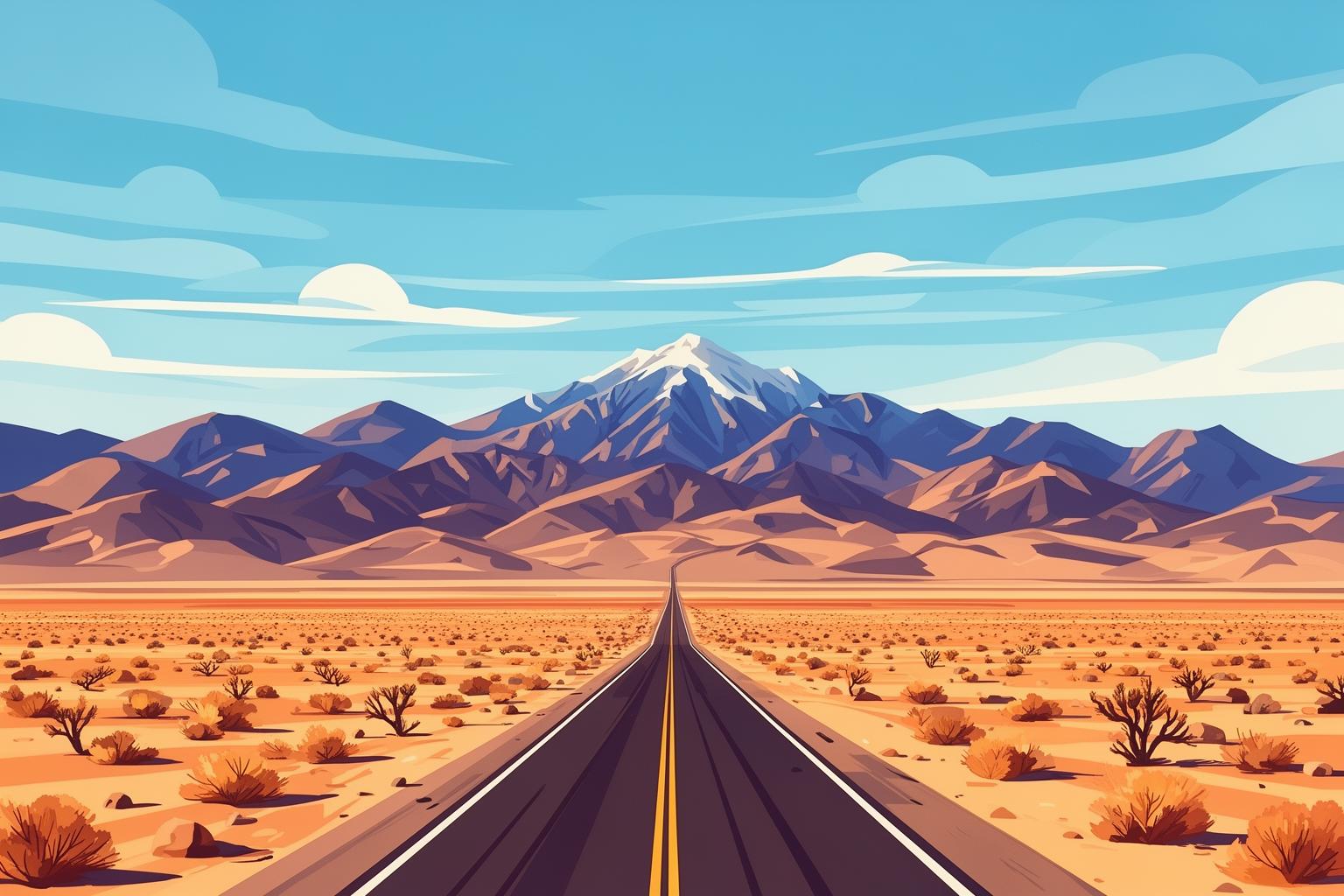
The true heart of this story, both on screen and in reality, is the Mojave Desert. It stands as a character itself—a vast, unforgiving expanse of muted hues, shimmering heat, and profound silence. To grasp the film fully, you must first understand its setting. The journey from the sprawling metropolis of Los Angeles is a gradual shift from concrete jungle to wilderness. The mountains rise and then give way to an endless stretch where the sky feels immense, the sun shines brighter, and the world grows quieter. This is where the conflict began, in the small, unincorporated community of Hinkley, a place forever marked by its struggle against Pacific Gas and Electric (PG&E).
The Real Hinkley: The Echo of a Town
Visiting Hinkley today is a moving, somber experience. It is not the vibrant community that the film might suggest. The town shown in the movie was a composite, filmed across various desert locations to create a cinematic version of a close-knit community. The actual Hinkley, especially after the lawsuit, has become far quieter. Many residents accepted buyouts from PG&E and left, leaving behind a scattered collection of homesteads rather than a traditional town. Driving through its sparse grid of streets, you’ll notice modest homes, many with ample land, set against the dramatic desert mountain backdrop. You’ll also spot empty lots where houses once stood—silent reminders of the town’s exodus. The atmosphere is heavy with history and a tangible sense of melancholy. Yet, there remains an undeniable resilience. Those who remain are hardy and deeply connected to this land. The desert itself, with its tough creosote bushes and resilient wildflowers blooming after rare rains, symbolizes that very spirit.
To visit Hinkley with respect, it’s important to remember it’s not a tourist destination. It is a living community, however small, and the scars of its past remain very real. The best way to experience it is through a slow, mindful drive. Notice the PG&E Hinkley Compressor Station—the source of chromium-6 contamination—which remains an active industrial site. Observe the vast areas now dedicated to remediation projects, where PG&E is working to clean the contaminated groundwater. This is a visual reminder that the story didn’t end when the movie credits rolled. The ideal time to visit is during spring or fall when desert heat is more manageable. The midday sun in summer can be intense, and the landscape is best appreciated in the soft, golden light of early morning or late afternoon.
Capturing the Cinematic Desert
While Hinkley offers the emotional center, the film’s iconic desert imagery was captured throughout the region. Director Steven Soderbergh masterfully utilized the vast, empty landscapes to express isolation and overwhelming odds. The long, straight roads that extend to a vanishing point, endless rows of power lines crossing the plains, and the shimmering heat haze rising from asphalt—these visuals define Erin Brockovich. To see them, you simply need to drive. California State Route 58, running between Barstow and Mojave, is the main artery of this cinematic world. Pulling over safely and soaking in the 360-degree view is an experience itself, evoking a profound sense of smallness amid nature’s scale. The roads around Kramer Junction and west of Barstow strongly recall the film’s driving scenes.
For the perfect photograph, timing is key. The desert is a land of harsh light and deep shadows. The hour after sunrise and the hour before sunset—the renowned golden hours—are when this landscape truly shines. The low sun casts long, dramatic shadows, highlights texture in the sand and mountains, and bathes everything in a warm, ethereal glow. This is the moment to capture that iconic shot of the empty road, the solitary Joshua tree, or the mountain silhouettes against a pastel sky. From a style perspective, consider channeling the film’s aesthetic in your own look: simple, practical, yet unmistakably cool. A great pair of jeans, worn leather boots, a plain white t-shirt, and classic aviator sunglasses. You’re not just observing the landscape—you’re becoming part of its story.
Barstow: The Legal Battleground on Celluloid
If Hinkley is the story’s heart, then Barstow serves as its bustling, pragmatic nerve center. A historic Route 66 town and a key transportation hub in the High Desert, Barstow provided an ideal cinematic backdrop for the legal and community scenes. It has a gritty, lived-in atmosphere that contrasts sharply with the surrounding desert’s pristine emptiness. This is a place of commerce, truck stops, classic diners, and institutions that govern life in this remote part of California. For the film crew, Barstow offered both the infrastructure and authentic desert-town architecture necessary to bring the community to life.
The Halls of Justice: The Barstow Courthouse
One of the most notable and easily accessible filming locations from Erin Brockovich is the San Bernardino County Courthouse in Barstow. This stately mid-century building, located at 235 East Mountain View Street, served as the site for the film’s critical legal proceedings. Its clean lines and commanding presence make it a centerpiece of the town’s civic center. In the film, this is where the big-city lawyers collide with the local legal system, depositions take place, and the weight of the case truly settles. Standing outside its doors, you can almost hear the echoes of Ed Masry’s passionate arguments and feel the tension of plaintiffs awaiting a verdict.
As a functioning government building, the courthouse’s interior isn’t open for reenacting scenes, but its exterior remains completely accessible. It looks nearly identical to how it appeared in the film. The expansive plaza out front, the clear lettering of its official name, and the flagpole standing watch are all instantly recognizable. Visiting this location offers a tangible connection to the story’s narrative climax. It roots the tale in a real, physical place, reminding visitors that this legal drama wasn’t fictional but unfolded in buildings much like this one, all across America. It’s a powerful spot to reflect on the justice system’s role and the importance of making it accessible to everyone, not just the powerful.
Desert Diners and Roadside Motels: The Barstow Vibe
The film skillfully captures the unique culture of a desert highway town—a world of neon signs, sun-faded billboards, and classic American roadside architecture. While many of the specific diners and motels shown in the film were either generic locations or sets, you can experience that very atmosphere throughout Barstow. The town is a living museum of Route 66 culture. A drive down Main Street reveals a treasure trove of vintage motel signs, old-school diners, and shops seemingly frozen in time. This is the world where Erin would have stopped for coffee, met with worried families, and where the weight of the case would have followed her after a long day.
To fully immerse yourself in this vibe, a stop at Peggy Sue’s 50’s Diner, just a short drive north of Barstow in Yermo, is essential. Though not a direct filming location, it perfectly captures the era and regional spirit the film evokes. With its vibrant retro decor, classic American comfort food, and welcoming atmosphere, it’s a portal to another time. Likewise, exploring the collection of classic motels along Main Street, such as the iconic Route 66 Motel, offers a glimpse into the transient, on-the-road culture central to the desert experience. Here, you can sense the mixture of hope and hardship that defines so many families in the film. Visiting Barstow isn’t just about spotting filming locations; it’s about understanding the community’s context and spirit that fought back.
Beyond the Desert: The Everyday Lives of the Characters

While the Mojave Desert serves as the primary backdrop for the story, the film thoughtfully incorporates other locations to enrich the characters’ lives and emphasize the contrasts between their worlds. From Erin’s modest home to Ed Masry’s more upscale professional setting, these environments add nuance and dimension to the narrative. To fully understand the world they inhabited, one must journey beyond the desert’s borders and see the broader landscape.
A Place to Call Home: Erin’s House in Boron
To depict Erin’s humble, chaotic, and affectionate home life, the filmmakers selected the small town of Boron, situated west of Barstow. Like Hinkley, Boron is a desert community, but it is defined by the massive Rio Tinto Borax Mine, one of the largest open-pit mines worldwide. The town exudes a distinct working-class character, with modest, single-story homes typical of the area. The specific house used for Erin’s residence is a private property and should be respected from a distance. The intention in visiting this neighborhood is not to intrude, but to gain understanding. Observing the quiet residential streets, the desert landscape just beyond the fences, and the straightforward, practical architecture helps ground Erin’s character. This is the setting she returned to after long, exhausting days of research and interviews—a visual reminder of what she was fighting for: the safety and security of families living in homes just like hers. A brief, respectful drive through Boron adds a significant layer to the journey, linking the overarching legal battle to the everyday realities of the people at its heart.
The Big City Law Firm: Ed Masry’s Ventura Office
In stark contrast to the dust and heat of the desert, the film portrays the world of the law firm, Masry & Vititoe, as a more refined and conventional environment. To achieve this, production shifted to the scenic coastal city of Ventura, California. The building used for the law office’s exterior shots is situated in Ventura’s charming downtown. This change of setting is a clever narrative tool. The cool ocean breeze, palm trees, and historic architecture of Ventura feel worlds apart from the harsh conditions of Hinkley. This contrast underscores the cultural and geographical divide Erin had to navigate. She brought the raw, unfiltered reality of the desert into the polished realm of legal briefs and court proceedings. Including Ventura in your visit provides a refreshing change of pace. You can explore the historic downtown, enjoy the beautiful coastline at Ventura Pier, and experience the different side of California that shapes the story. It deepens your appreciation for Erin’s journey as she balanced these two vastly different worlds with her trademark determination.
A Night Out in the Valley: The Biker Bar Scene
One of the film’s most memorable and character-revealing scenes shows Erin, feeling downcast, ending up at a rugged biker bar. It’s a place where she unexpectedly fits in, and her impressive recall of names and numbers earns the respect of her biker companion, George, who would become an important figure in her life. For a location scout, it’s interesting to note that this gritty, desert-adjacent bar was actually filmed far from the Mojave at The Rendezvous in North Hollywood. This classic San Fernando Valley dive bar provided the perfect atmospheric backdrop for the scene. While the bar itself has evolved over the years, a visit to the North Hollywood (NoHo) Arts District offers a glimpse of this grittier, more urban aspect of the film’s production. It’s a fun piece of trivia that highlights the magic of filmmaking, where a corner of the bustling San Fernando Valley can convincingly stand in for a lonely outpost on the desert’s edge. It’s a great reminder that a film’s geography is often a carefully crafted illusion, assembled from locations that best serve the story.
Crafting Your “Erin Brockovich” Itinerary
Setting out on a pilgrimage through the world of Erin Brockovich offers a truly unique road trip experience, blending cinematic history with authentic American stories. To fully enjoy it, a bit of planning makes all the difference. This journey is best approached not as a checklist of stops, but as a flowing narrative you drive through, allowing the atmosphere of each location to fully resonate.
The Ultimate Desert Road Trip
An ideal itinerary would last two to three days, giving you a leisurely pace with ample time for spontaneous detours and peaceful moments of reflection. A sensible route starts in the Los Angeles area. Begin with a visit to the North Hollywood site as a quick homage to the film’s urban scenes, then head west toward the coast. Spend an afternoon in Ventura, exploring the downtown where the law office scenes were filmed and enjoying the fresh ocean breeze. This spot marks your narrative’s beginning, just as it did for Erin when she first joined Ed Masry’s firm. From Ventura, your route takes you eastward into the desert’s core. The drive itself is part of the adventure. Observe the landscape shift from green to gold, from rolling hills to expansive open plains. Your first significant desert stop might be Boron, offering a respectful glimpse of the neighborhood that represented Erin’s home. Continue east on Route 58 to Barstow, which will serve as your base for the desert part of the trip. Spend the remainder of the day and the following morning exploring Barstow: visit the courthouse, stroll down Main Street to soak up the Route 66 ambiance, and imagine the town alive with the tension of the legal battle. The final, and most moving, stretch leads to Hinkley. Take your time there. Embrace the silence and stark beauty of the surroundings. A slow drive through this community invites reflection on the true story and the lives it touched. This itinerary crafts a compelling narrative arc, transitioning from the refined world of law to the raw heart of the struggle.
What to Pack for the Perfect Desert Photoshoot
Embodying your inner Erin Brockovich is about more than just touring locations; it’s about capturing the essence. As an influencer, I always say your style should tell a story, and for this trip, that story is one of strength, resilience, and unapologetic confidence. Focus on textures and timeless silhouettes. High-quality denim is essential, whether it’s a standout pair of jeans or a classic jacket. Combine it with simple, well-crafted basics in neutral tones like white, black, or khaki. The real statement lies in the accessories: a pair of sturdy, stylish leather boots is a must—they need to look ready for anything. A wide-brimmed hat will shield you from the relentless desert sun while adding cinematic flair to your photos. And of course, a pair of striking sunglasses completes the look. When it comes to photography, the desert favors simplicity. A wide-angle lens is superb for capturing the vastness of the landscape, while a portrait lens (such as a 50mm or 85mm) is ideal for details and achieving that beautiful background blur that makes your subject stand out. And never forget my golden rule: always shoot during the golden hour. The light is softer, more flattering, and infinitely more enchanting. It transforms a simple photo into a stunning portrait of you against this powerful landscape.
The Enduring Legacy: More Than Just a Movie
A journey to the filming locations of Erin Brockovich is ultimately a journey into the core of a meaningful story. It goes beyond typical movie tourism because the narrative extends far beyond the screen. The events that inspired the film had genuine, lasting effects on the people of Hinkley and sent ripples throughout corporate America. Visiting these sites offers a way to connect with that legacy. When you stand quietly in the Mojave, you’re not merely viewing a setting for Julia Roberts; you’re standing on the land that was central to a monumental fight for environmental justice. When you look at the Barstow courthouse, you’re witnessing a symbol of a legal system that, in this case, stood up for the underdog.
This pilgrimage is a powerful reminder that history surrounds us, etched into the landscapes we pass through. The film gave a voice to a community that had been silenced and exposed a hidden, troubling truth. By visiting, learning, and remembering, we honor that voice and keep the light shining. It’s an experience that inspires you to look more closely at the world around you, question the stories you’re told, and believe in the profound impact one determined individual can make. This is more than a movie tour; it’s a lesson in empathy, a testament to perseverance, and a celebration of the resilient human spirit.
This road trip, winding through California’s vast and stunning landscapes, offers a unique connection to a film that is both a Hollywood classic and an important piece of social history. It’s a journey that will linger with you long after you’ve brushed the desert dust from your boots. It’s a chance to walk, even briefly, in the footsteps of a true hero and to be reminded that the most compelling stories are the ones rooted in reality. So hit the open road, feel the desert sun on your face, and carry that fierce spirit of justice with you wherever you go next. The world needs more of it.