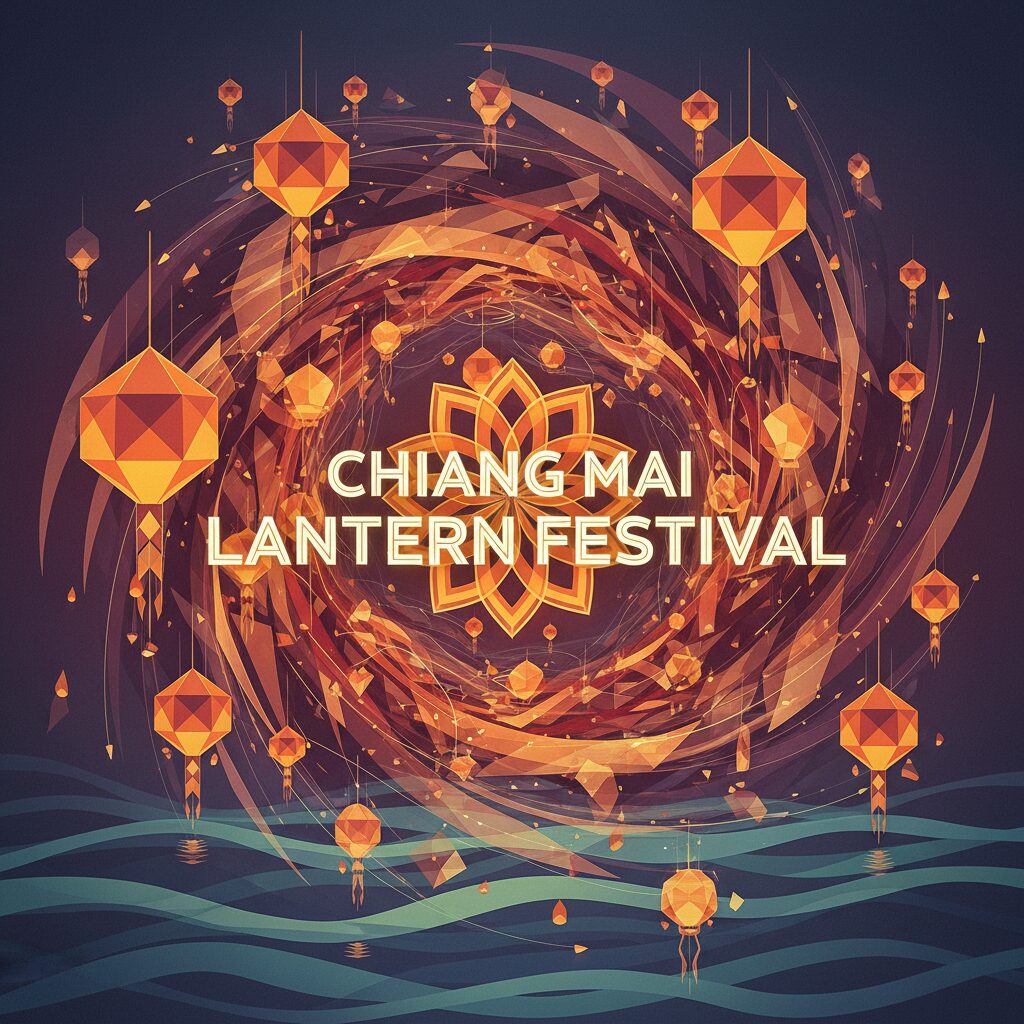
There’s a moment, a single, breathless pause, that defines the Yi Peng Lantern Festival in Chiang Mai. It’s not the clamor of the crowds or the sizzle of street food, though both are ever-present. It’s the hush that falls as a thousand tiny suns begin their silent ascent into the velvet black of the Thai night sky. It’s the collective intake of breath, a sound that’s more felt than heard, as wishes, hopes, and whispered prayers are carried aloft on a current of warm air. This is not merely a spectacle; it is a pilgrimage of the heart. To be here, in the ancient Lanna capital of Chiang Mai during the full moon of the twelfth lunar month, is to participate in a ritual that feels as old as the stars the lanterns float to meet. It’s a profound, soul-stirring communion, a visual symphony that resonates deep within your spirit long after the last ember has faded from view. This is Yi Peng, an experience that transcends travel and becomes a memory etched in light.
Nestled in the rolling hills of Northern Thailand, Chiang Mai, the “Rose of the North,” is a city that wears its history with a graceful ease. The remnants of its ancient moat and fortified walls encircle a core of shimmering temples, while outside, a modern city hums with creative energy, fragrant markets, and a culinary scene that could captivate you for a lifetime. But during Yi Peng, typically in November, the city transforms. The air grows thick with anticipation and the scent of incense. The gentle, laid-back rhythm of daily life quickens into a cadence of celebration. It is a time when the spiritual and the spectacular merge, when the earthly world seems to reach up and touch the celestial. This is the perfect season to visit, to witness the city at its most radiant, and to understand why this festival of light draws souls from every corner of the globe, all seeking that one, singular moment of pure, unadulterated wonder.
While this spiritual journey in Chiang Mai is a profound experience, you might also find inspiration in a different kind of pilgrim’s guide to New York City.
The Soul of Lanna: Unpacking the Meaning of Yi Peng
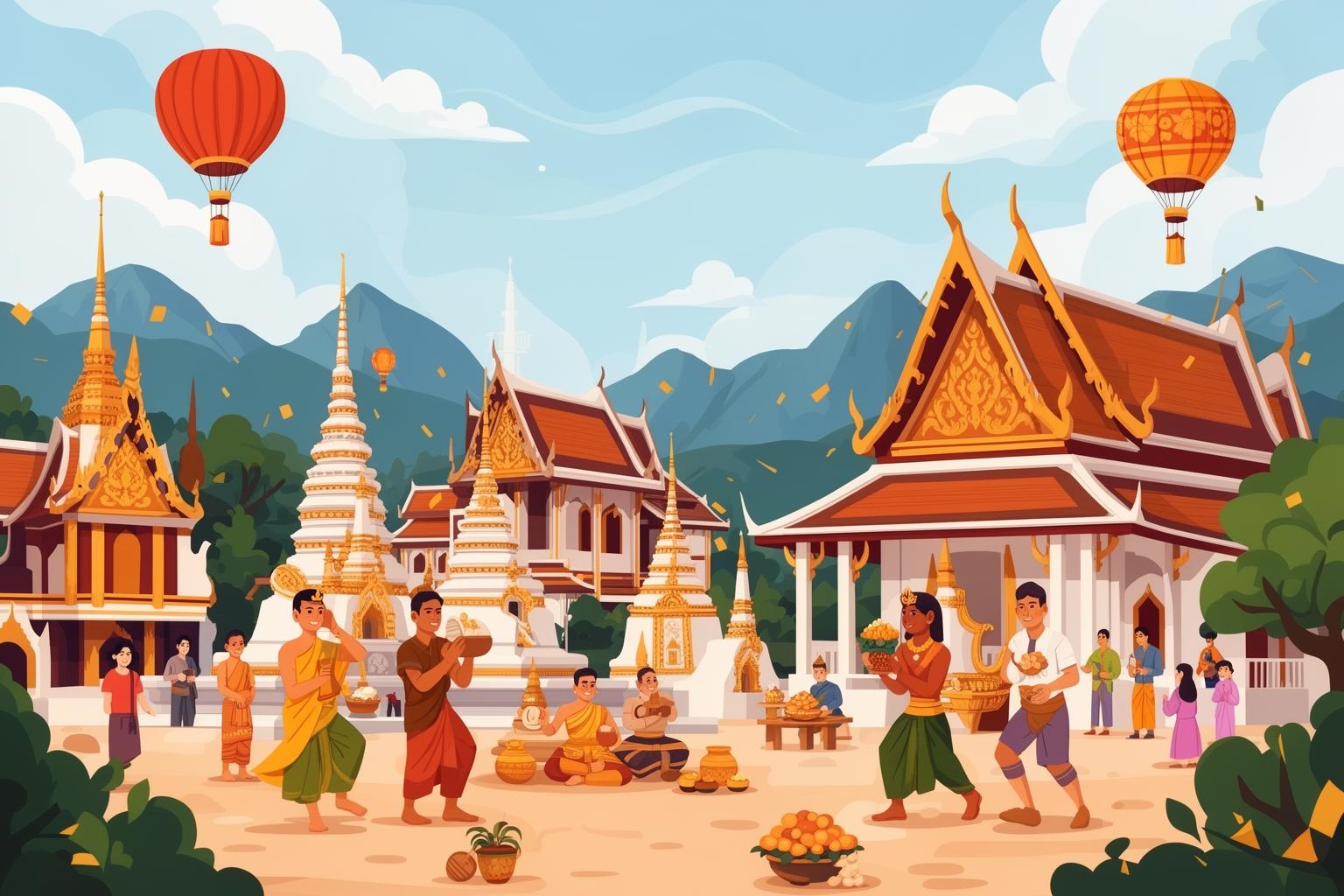
To truly grasp the breathtaking beauty of Yi Peng, one must look beyond the postcard-perfect images and immerse oneself in the rich cultural and spiritual foundations from which it arises. This festival is the heart and soul of the Lanna people, the ancient kingdom that once ruled Northern Thailand. Its traditions are woven from Buddhism, Brahmanic lore, and animist beliefs, forming a tapestry full of deep meaning. It is a time for merit-making, spiritual cleansing, and for looking ahead with hope-filled hearts. Releasing a lantern is more than a simple act; it is a prayer in motion, a physical symbol of letting go and aspiring toward enlightenment.
A River of Light, A Sky of Wishes
At the center of the festival is the khom loi, the sky lantern itself. Made from a delicate bamboo frame and thin rice paper, it embodies elegant simplicity. The magic begins with lighting the fuel cell, a wax-soaked disk at its base. Families, friends, and even strangers come together in a palpable spirit of cooperation, holding the lantern as it fills with hot air ready for its journey. There is a gentle tug, an insistent pull heavenward, as if the lantern is eager to ascend. The release is a moment of pure catharsis—symbolically letting go of all misfortunes, grudges, and negative energies from the past year. It cleanses the soul. Along with that release comes a wish, a silent hope for good luck, health, and happiness in the year ahead. Watching your lantern join a galaxy of others, each flickering beacon representing a personal hope, fills you with a powerful sense of shared humanity. You become a small point of light in a universe of dreams, all floating together in a quiet, beautiful dance.
The Buddhist Heartbeat of the Festival
At its core, Yi Peng is a deeply Buddhist observance. Releasing the lanterns is seen as an act of reverence to the Buddha and respect for the celestial stupa, the Cetiya in heaven where the Buddha’s hair is believed to be enshrined. Throughout the city, temples buzz with spiritual activity and serene beauty. The air, already perfumed with frangipani blossoms, becomes rich with the sweet, meditative scent of incense. Monks clad in saffron robes lead chanting ceremonies, their melodic voices creating a resonant hum that seems to vibrate through the ancient temple stones. A particularly beautiful tradition is the wian tian, or candlelight procession, where devotees walk clockwise three times around a temple’s main chedi, holding a candle, incense, and lotus flower. This ritual honors the Buddha, his teachings (the Dharma), and the monastic community (the Sangha). Participating in or simply witnessing this quiet, reverent procession is a powerful reminder of the festival’s sacred roots. It offers a moment of profound peace amid the city’s festive energy, a chance to connect with the deep faith that fuels this extraordinary celebration.
Yi Peng vs. Loy Krathong: A Tale of Two Festivals
For many first-time visitors, there can be confusion between two luminous festivals that occur simultaneously: Yi Peng and Loy Krathong. Although celebrated together in Chiang Mai, creating a stunning spectacle of light both in the sky and on the water, they have distinct origins. Loy Krathong is celebrated throughout Thailand. Its name means “to float a basket” and involves releasing beautifully decorated floats, or krathongs, onto rivers, canals, and lakes. These krathongs, traditionally crafted from banana leaves folded into lotus shapes, are adorned with flowers, candles, and incense. This practice honors the water goddess, Phra Mae Khongkha, and serves as an apology for polluting the waters over the past year, while also symbolically releasing one’s own misdeeds. Yi Peng, by contrast, is the uniquely Northern Thai Lanna tradition of releasing sky lanterns. In Chiang Mai, you are lucky to witness both. The Ping River becomes a scene of extraordinary beauty, with the shimmering reflections of thousands of sky lanterns dancing on the water’s surface alongside the gentle flickering lights of countless krathongs drifting downstream. It is a dual celebration, a magical merging of two ancient traditions that doubles the wonder and enriches the experience.
Navigating the Spectacle: Where and When to Experience the Magic
Chiang Mai during Yi Peng is a city bursting with light and energy, and choosing the right spot can turn a beautiful experience into an unforgettable one. The celebrations don’t take place in just one location; instead, they spread across the city in a natural, flowing wave. From the lively center of the Old City to the tranquil grounds of local temples, there are countless ways to join in. Whether you seek the vibrant energy of a large crowd or the intimate feel of a smaller gathering, Chiang Mai provides a perfect vantage point for every type of visitor.
The Heart of the City: Public Celebrations in Chiang Mai
The focal point of the public festivities is unquestionably the area around Tha Phae Gate and along the Ping River. In the days leading up to the full moon, the Old City buzzes with life. Streets are adorned with colorful Lanna-style lanterns, and the air is thick with excitement. On festival evenings, the roads around the moat and riverside become a lively, moving sea of people. Street food vendors work amidst steam and spices, serving everything from grilled sai oua (Northern Thai sausage) to sweet mango sticky rice. Nawarat Bridge turns into a major gathering spot where thousands launch their khom loi lanterns into the night sky. The dense cluster of rising lanterns creates a continuous, breathtaking stream of light that appears to flow upward into the heavens. At the same time, crowds line the riverbanks below to release their krathongs on the water. The combination is simply mesmerizing. The city also features grand parades with enormous illuminated floats, traditional dancers in exquisite costumes, and musicians performing Lanna folk tunes. These processions are a sensory feast and a beautiful way to appreciate the region’s rich artistic heritage.
The Grand Show: Understanding the Mass Lantern Release Events
Distinct from the free public celebrations are the renowned massive, ticketed lantern release events. These are typically held at venues outside the city center, such as near Mae Jo University in the past or other designated locations. These events are carefully organized and choreographed for maximum visual impact. Picture standing in a field with thousands of others, and at a signal, releasing your lanterns simultaneously. The result is an awe-inspiring, instantaneous dome of light filling the entire sky. It’s a powerful and stunning sight, the kind that photographers and dreamers travel the world to see. Tickets for these events are costly and sell out well in advance. Usually, a ticket includes transportation to and from the venue, your lantern, and often dinner and cultural performances. The advantages are clear: you experience a spectacular, synchronized release in a controlled setting, perfect for remarkable photos and deep emotional impact. The downside is that some feel it is less authentic and more of a tourist show. Ultimately, the choice depends on whether you prefer the spontaneous, chaotic beauty of city celebrations or the orchestrated grandeur of a mass release.
A Local’s Perspective: Finding Quieter Moments of Wonder
For those wanting to avoid the thickest crowds, there are still many ways to find magic. One of the most rewarding is visiting a local temple, or wat, on festival night. Many temples host their own smaller lantern releases in a more intimate and spiritual atmosphere. You’ll be surrounded by local families sharing a community tradition that feels deeply personal. Wat Phan Tao, a beautiful wooden temple in the heart of the Old City, offers a particularly enchanting scene. Its garden is lit by thousands of tiny tea-light candles, while young novice monks light lanterns in a peaceful ceremony. It’s a moment of quiet, reflective beauty. Another approach is to seek a different viewpoint by booking a table at a nearby riverside rooftop bar or restaurant. From here, you can watch the entire sky-lit ballet unfold comfortably, sipping a cocktail as the night fills with light. This panoramic view is something you simply can’t get from the ground. Walking a little farther from the main bridges to a quieter spot along the Ping River also provides a more serene experience, allowing you to enjoy the spectacle without being swept up in the crowds.
Beyond the Lanterns: Embracing the Full Chiang Mai Experience
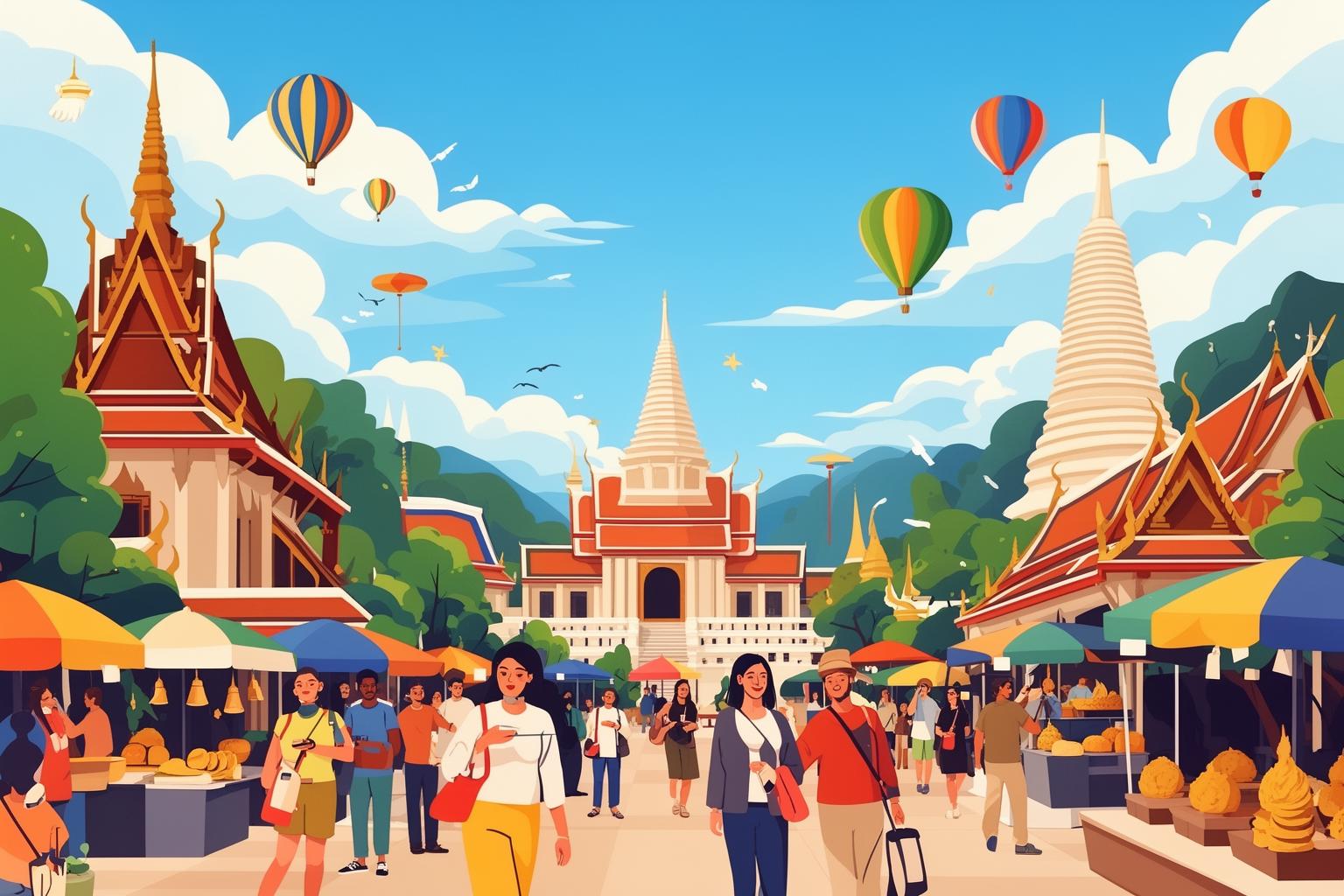
While the celestial river of lanterns may be the event that draws you to Chiang Mai, the city itself is a destination worthy of full appreciation. Traveling all this way solely for one magical night would mean missing the true essence of Northern Thailand. The days surrounding Yi Peng offer the perfect chance to dive into the region’s remarkable food, art, and natural splendor. This is an opportunity to transform a festival visit into a genuine exploration—a journey that delights all the senses.
A Culinary Pilgrimage: The Flavors of Northern Thailand
As a food enthusiast, I can assure you that Chiang Mai’s culinary scene is eye-opening. Northern cuisine stands apart from the more familiar flavors of Bangkok and Southern Thailand. It features rich, intricate curries, smoky grilled meats, and a remarkable variety of fresh herbs and vegetables. The undisputed star of Northern dishes is Khao Soi. This aromatic, coconut-based curry noodle soup offers a harmonious blend of textures and tastes. Soft egg noodles float in a rich, savory broth, crowned with a nest of crispy fried noodles, tender braised chicken or beef, and accompanied by pickled mustard greens, shallots, and a wedge of lime. Each spoonful perfectly balances creamy, spicy, savory, and sour notes. Be sure to try Sai Oua, a herb-infused sausage grilled over charcoal until its skin is taut and fragrant. Brimming with lemongrass, galangal, kaffir lime leaves, and chili, it’s a true taste of the Lanna countryside. Don’t miss Gaeng Hung Lay, a sweet and savory pork belly curry infused with tamarind, ginger, and garlic, or Nam Prik Ong, a lively red chili and tomato dip served with fresh vegetables and crispy pork rinds. The best way to savor these dishes is often right on the street. Night markets like the sprawling Sunday Walking Street Market provide a culinary wonderland where you can sample dozens of dishes for just a few dollars, guided by irresistible aromas drifting from vendor carts.
The Artisan’s Touch: Crafts and Culture in the Rose of the North
Chiang Mai has long attracted artisans and creatives, a fact reflected in the exceptional quality of its local handicrafts. A visit to the Sankampaeng district is essential. Here, you can watch artisans continue age-old traditions passed down through generations. At Bo Sang Umbrella Village, delicate paper umbrellas are hand-painted with intricate floral patterns. Further along, celadon pottery workshops showcase skilled hands shaping and glazing the distinctive green ceramics. Silk weaving centers reveal the entire process, from silkworm to lustrous fabric. The city’s markets are the ultimate spot to view this artistry all in one place. The Sunday Walking Street Market, which transforms Rachadamnoen Road in the Old City into a lively pedestrian zone, is a cultural spectacle. It’s more than a shopping destination; it’s an experience. The road closes to traffic and becomes a vibrant walkway filled with stalls offering everything from hand-carved soaps and silver jewelry to exquisite textiles and paintings. Local musicians play traditional instruments, creating a joyful and relaxed atmosphere. It’s the perfect place to find a meaningful souvenir infused with the spirit of Chiang Mai.
A Sanctuary for the Soul: Temples and Nature Retreats
Beyond the festival and bustling markets, Chiang Mai offers sanctuaries of quiet reflection and natural beauty. A pilgrimage up the winding mountain road to Wat Phra That Doi Suthep is a must. Perched high above the city, this stunning temple complex is one of Northern Thailand’s most sacred sites. After climbing the 306-step Naga staircase, you’ll be rewarded with a dazzling golden chedi gleaming in the sunlight. The panoramic view of Chiang Mai and its valley from the temple terrace is breathtaking. Back in the Old City, the ancient ruins of Wat Chedi Luang stand as a powerful reminder of the Lanna kingdom’s past grandeur. Its massive, crumbling brick stupa evokes a profound sense of timelessness. For a different kind of sanctuary, venture into the lush countryside. Chiang Mai is a gateway to extraordinary natural wonders. Spend a day at an ethical elephant sanctuary where you can observe these majestic animals in a caring, respectful environment and help feed and bathe them. Alternatively, visit Doi Inthanon National Park, Thailand’s highest peak, to hike through verdant cloud forests and marvel at stunning waterfalls. These nature escapes offer a soothing contrast to the festival’s vibrant energy, allowing you to connect with the peaceful, gentle soul of Northern Thailand.
The Practical Pilgrim’s Guide: Planning Your Yi Peng Journey
Experiencing the Yi Peng festival is a dream for many travelers, but due to its huge popularity, a successful visit demands careful and early planning. While spontaneity works well for many destinations, in Chiang Mai during Yi Peng, thoughtful preparation is your most valuable asset. From booking flights to learning about local customs, a bit of groundwork will help make your trip as smooth and magical as the lanterns themselves.
Timing is Key: When to Book and Arrive
First and foremost, the dates of Yi Peng and Loy Krathong vary each year. They are determined by the Lanna and Thai lunar calendars, respectively, falling on the full moon of the twelfth month. This usually occurs in November, but it’s essential to verify the exact dates for the year you plan to visit. Check official tourism sources as soon as the dates are released, often a year ahead. Once confirmed, book your flights and accommodation right away. I cannot emphasize this enough: waiting is not an option. Flights into Chiang Mai and hotels around the city can fill up six to twelve months in advance, and prices for remaining options will be significantly higher. To fully immerse yourself, plan to arrive in Chiang Mai at least three to four days before the festival’s main events. This allows time to overcome jet lag, explore the city before the crowds arrive, and soak in the growing excitement. You can visit temples quietly, get familiar with local transportation, and find your favorite spots to watch the lanterns.
Where to Stay: Choosing Your Haven in the City
Chiang Mai offers a broad range of accommodations to suit every taste and budget, but your choice of location will greatly affect your experience. Staying inside the Old City places you right at the center of the festivities. You’ll be within walking distance of many famous temples and the Sunday Walking Street Market, surrounded by charming guesthouses, boutique hotels, and a rich historic atmosphere. However, expect noise and crowds during the festival period. For a more modern and trendy ambiance, consider the Nimmanhaemin Road area, west of the Old City. Known for its stylish cafes, art galleries, upscale restaurants, and chic hotels, it’s perfect for food lovers and shoppers, though a taxi or tuk-tuk is needed to reach the main festival sites. For a peaceful and luxurious stay, the Riverside area along the Ping River is an excellent choice. Here, high-end resorts offer beautiful pools and stunning river views, providing a tranquil retreat from city bustle. On festival nights, you may even enjoy a prime lantern view from your balcony.
Festival Etiquette and Sustainable Celebration
As a visitor, it’s both a privilege and a duty to celebrate Yi Peng with respect. Remember, this is a sacred cultural and religious event. When visiting temples, always dress modestly by covering shoulders and knees, and consider carrying a scarf or sarong for this purpose. Lantern safety is crucial. Buy your khom loi from trustworthy vendors; they should be well-made and modest in size. Only release them in designated open areas, away from buildings, trees, and power lines. Be especially cautious of the airport’s no-fly zone for lanterns. Environmental concerns have grown in recent years due to the wire frames and debris harming wildlife and littering the area. Opt for lanterns made from biodegradable materials like bamboo and string instead of wire. Participate with intention by releasing just one or two lanterns with sincere wishes instead of many. Finally, be a respectful observer—this is a deeply spiritual occasion for many Thai people. Be mindful of your presence around those praying or making offerings, ask permission before taking close-up photos, and always stay aware of your surroundings. A little mindfulness will help preserve this beautiful tradition for future generations to enjoy.
A Final Ascent: The Lingering Glow of Yi Peng
Long after you have left Chiang Mai, the memory of Yi Peng will linger. It is an image that shines vividly in the mind: the extraordinary sight of a sky filled not with stars, but with the warm, flickering glow of a thousand human hopes. It feels like being part of something immense and timeless, a shared moment of wonder that unites you with everyone standing beside you, all gazing upward with the same awe in their eyes. The festival is more than just a visual spectacle; it serves as a spiritual reset. It offers a chance to release the burden of the past and to send your brightest wishes for the future into the universe on a silent, graceful vessel of light. It is a powerful, beautiful reminder that even in the darkest nights, there is always light. To have witnessed it, to have sent your own small flame ascending into that river of dreams, is to carry a piece of that light with you, forever.